The A-frame house has roots stretching back to post-war American architecture, when the style surged in popularity between the 1950s and 1970s. Today, in 2026, these iconic triangular structures are experiencing a resurgence as both vacation homes and full-time residences.
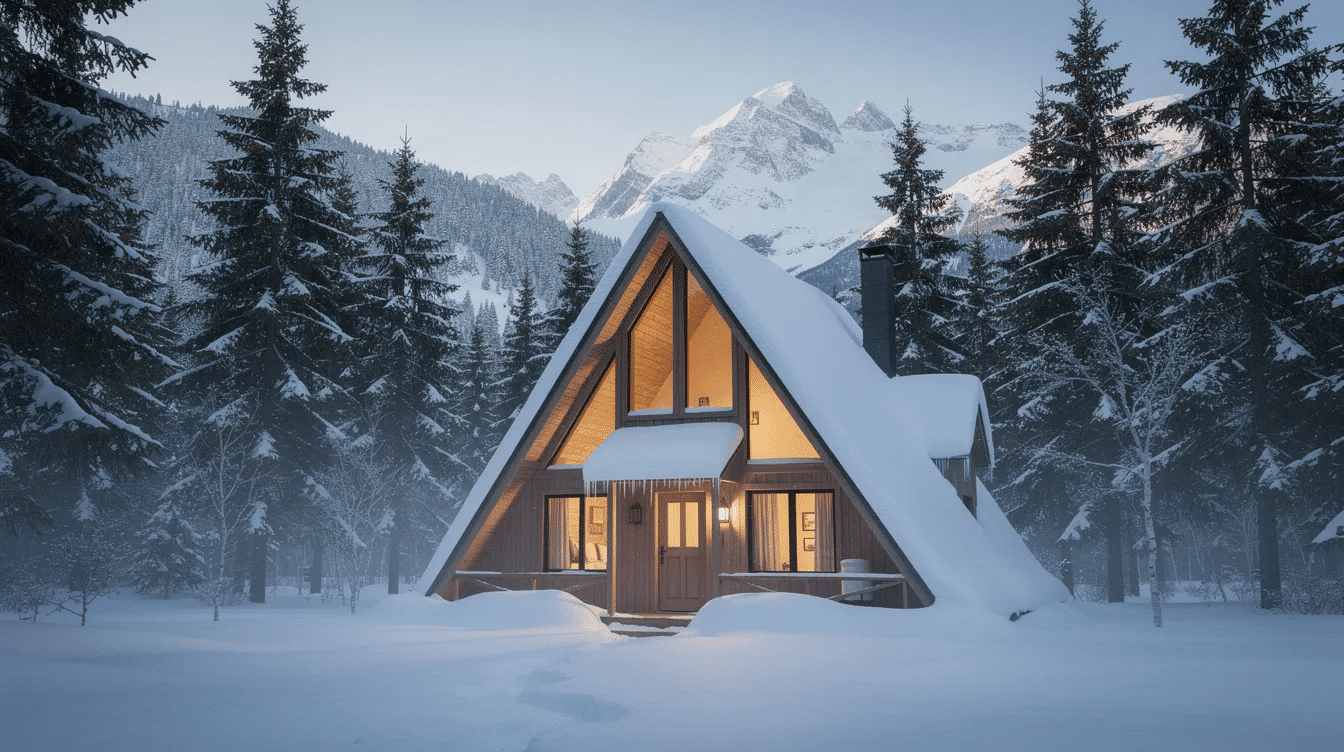
What defines an A-frame? The classic steep, triangular roof typically starts near the foundation and forms both roof and side walls, often pitched at 45–60 degrees. This shape creates that unmistakable silhouette beloved in mountainous regions like Colorado, Vermont, and the Pacific Northwest—though builders are now constructing them in milder climates too.
This article answers the questions you’re probably asking:
- What’s the actual point of building an A-frame?
- How much does construction cost in 2026?
- Is it really cheaper than a conventional home?
- What are the real pros and cons for your project?
- How hard is the building process, and are these structures safe?
- What planning steps should you take before buying land or hiring a team?
- What is the point of an A-frame house?
- How much does it cost to build an A-frame house in 2026?
- Is it actually cheaper to build an A-frame?
- Pros and cons of A-frame houses
- How hard is it to build an A-frame house?
- Are A-frame houses strong and safe?
- Insulation, comfort, and basements in A-frame design
- Real-world A-frame cabin example: 250 sq ft project
- Planning and cost packages for your A-frame project
- Seeing built A-frame houses and learning more
- FAQs about A-frame houses
What is the point of an A-frame house?
The core idea behind an A-frame home combines structural strength, snow performance, and cabin aesthetics into one efficient volume. The design isn’t just about style—it’s functional engineering.
- The structure: Two long rafters meet at a ridge beam, extending close to ground level and eliminating traditional vertical exterior walls. This creates a simple, strong shape.
- Snow and rain performance: The steep roof (often 10:12 to 12:12 pitch) sheds precipitation efficiently, reducing roof collapse risk in heavy snow regions like Lake Tahoe or Upstate New York.
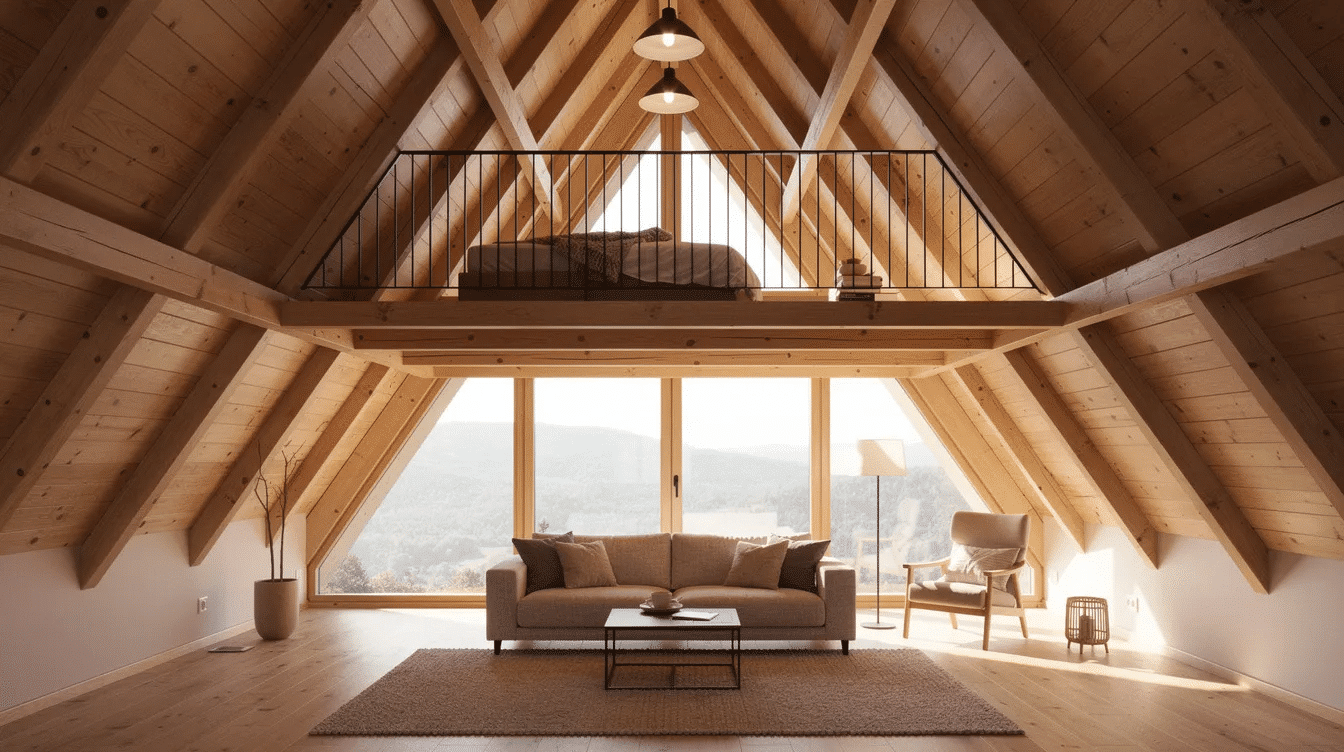
- Dramatic interior space: Vaulted ceilings stretch from floor to peak, while large front and rear window walls flood the interior with natural light and frame views of nature.
- Common use cases: Compact 250–600 square footage weekend cabins, 1,000–1,800 sq ft family vacation homes, and occasionally full-time residences.
- Emotional appeal: The “cozy but airy” feel, mid-century modern style, and photogenic interiors make frame houses attractive for short-term rental platforms.
How much does it cost to build an A-frame house in 2026?
Building an A-frame in 2026 typically runs $125–$325 per square foot when using licensed contractors, including labor and standard materials. Here are concrete examples:
- Basic 600 sq ft off-grid cabin in rural Maine: $100,000–$150,000 total
- 1,000 sq ft mid-range A-frame with utilities in Colorado: $180,000–$280,000
- 1,800 sq ft high-end build near Lake Tahoe with premium finishes: $500,000+
What’s typically included: Foundation, structure, roof, windows, and basic finishes.
What’s often extra: Land purchase, septic, well, driveway, permits, and design fees.
Key cost drivers to research early:
- Remote site access and steep terrain
- Snow load engineering requirements
- Custom window wall systems
- Local labor rates in your town or city
Use a detailed cost-to-build estimate updated with 2026 material prices specific to your county before moving forward with any plan.
Is it actually cheaper to build an A-frame?
The simple triangular structure can reduce framing complexity, but that doesn’t automatically make the overall project cheaper than a conventional rectangular home.
Potential savings:
- Fewer complex roof intersections
- Repetitive framing members that are accessible to build
- Smaller ground footprint reducing foundation cost
- DIY-friendly interior work for handy owners
Common cost add-ons:
- Large custom window walls (often 15–25% of total budget)
- Premium roofing materials to handle snow load
- More insulation surface area due to the extensive roof-wall envelope
When comparing a 600 sq ft A-frame to a similar rectangular cabin in the same county, final cost depends more on finishes, mechanical systems, and site conditions than on the A-frame shape alone.
Budget builds are possible—especially small 300–500 sq ft off-grid shells. But “A-frame” isn’t a guarantee of cheap construction, particularly for modern, glass-heavy home designs.
Pros and cons of A-frame houses
Frame houses are beloved, but they have specific trade-offs depending on whether you’re planning a vacation retreat or full-time residence, especially when compared with other mountain house designs and alpine architecture.
Pros:
- Excellent snow shedding and wind resistance from steep, triangular geometry
- Strong, simple structure ideal for Rocky Mountain or Adirondack climates
- Dramatic interiors with cathedral ceilings and great daylighting
- Compact footprints that fit wooded lots and minimize foundation costs, much like thoughtfully detailed Craftsman-style cabins for nature retreats
- Easy loft creation for sleeping areas without expanding the floor, similar to how ranch-style houses with lofts use vertical space efficiently
- Iconic look that photographs well and can attract renters
- Relatively fast structural framing once foundation is complete
Cons:
- Limited usable vertical wall space upstairs—challenging for wardrobes and tall shelves
- Reduced second-floor square footage where the roof slopes down (a 16×16 ft cabin may yield only ~175 sq ft of comfortable area)
- Potential overheating or heat loss through large glazed walls if not properly specified for your climate
Modern designs incorporate dormers, shed-roof side wings, high-performance glazing, and mechanical ventilation to address these classic limitations.
How hard is it to build an A-frame house?
Framing an A-shaped shell is straightforward for experienced carpenters, but the complete project still demands professional design and permitting.
- Engineering requirements: Snow load, wind, and ridge connections must follow 2024–2026 building code updates. Consult a licensed architect or engineer, especially in high-snow or seismic regions.
- Construction challenges: Working safely on steep roofs, incorporating air and vapor barriers across sloping walls, and detailing roof-to-deck interfaces require skilled labor.
- Owner-builder role: You can assist with interior finishes, painting, and simpler tasks. Hire a professional crew for structure, roof, and envelope work.
- Seasonal timing: In northern states, start foundations before October 2026 to avoid winter delays—a lesson from many cabin projects during 2019–2021.
A general contractor experienced with A-frame construction will save you money and frustration compared to scratch-building with an inexperienced team, just as working with specialized bungalow home builders for one-story living streamlines more traditional projects.
Are A-frame houses strong and safe?
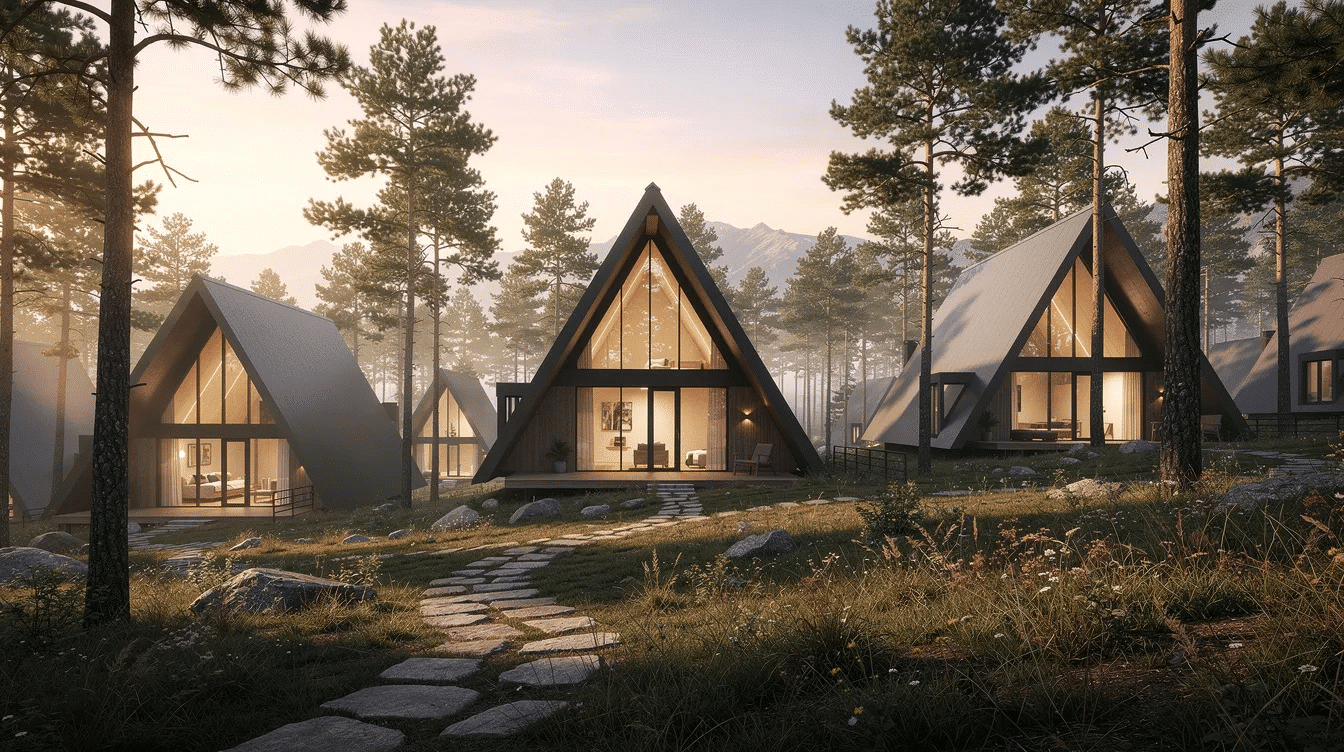
The triangular form is inherently strong. Loads transfer down both sides directly to the foundation, making A-frames well-suited to heavy snow and high wind.
- Properly engineered A-frames have performed well in harsh climates like the Sierra Nevada and Adirondacks for decades.
- Safety depends on proper design, permits, inspections, and adherence to current codes—not just the A-frame shape.
- The steep roof reduces dangerous snow accumulation compared to low-slope roofs, but foundation drainage must handle snowmelt.
- In wildfire-prone regions, safety also requires non-combustible roofing, defensible space, and ember-resistant vents regardless of house style.
A certified builder plus regular maintenance (roof inspections, clearing debris, checking fasteners) is key to long-term structural safety, in the same way that partnering with experienced bungalow home builders for single-story homes supports long-term performance.
Insulation, comfort, and basements in A-frame design
A-frame homes can meet or exceed current energy codes, but the approach differs from traditional wall-and-attic construction.
Typical insulation strategies:
- High-R rigid foam above roof sheathing
- Dense-pack cellulose or mineral wool between rafters
- Continuous air barriers to prevent condensation inside the steep roof
Window performance: Large gable-end walls must use high-performance, double or triple-pane units with low-E coatings. In winter climates, this prevents significant heat loss.
Comfort systems: Consider mechanical ventilation (ERVs or HRVs), appropriately sized heating (mini-splits, radiant floors, or efficient wood stoves), and shading devices for summer, especially if you’re comparing A-frames with more standardized kit homes and affordable prefabricated designs.
Basement options: Some A-frames sit on full basements or walk-out lower levels, especially on sloped lots. Evaluate soil conditions, groundwater, and local frost depth before planning. Perimeter drainage and waterproofing are essential in snowy or wet regions.
Real-world A-frame cabin example: 250 sq ft project
A representative frame cabin build in Upstate New York between March 2019 and early 2021 illustrates challenges many small A-frame projects still face in 2026.
Basic facts:
- Footprint: 16×16 ft, about 250 sq ft gross, with closer to 175 sq ft highly usable due to sloping walls
- Timeline: Design started March 2019, structure completed early 2021 with multi-month pauses for contractor issues, winter, and the pandemic
- Build cost: Roughly $100,000 for the structure and core systems
Key lessons:
- Owners acted as general contractor but did little physical construction, working with three separate crews due to turnover
- Scope creep from rustic to modern finishes significantly raised the budget
- Town would not permit conventional well and septic for the cabin
- Original buried rainwater tank plan failed due to high groundwater
- Final solution: Above-ground 1,500-gallon insulated water tank in a heated shed, plus incinerator toilet and gray-water filtration
Takeaways: Prioritize planning, realistic timelines, contractor vetting, and design customization flexibility when unexpected site or regulatory hurdles happen.
Planning and cost packages for your A-frame project
Serious A-frame projects benefit from a structured process separating feasibility from full construction documentation.
Planning Package: Many owners also compare these early studies with curated collections of engineered house plans for different budgets before locking in a final direction.
- Aimed at early-stage owners confirming feasibility, rough budget, and site fit
- Includes conceptual floor plans, preliminary elevations, and 2026 cost-to-build estimate
- Helps identify zoning limits, foundation type, and whether a basement is realistic
- Does not include full construction drawings, detailed structural engineering, or interior finish schedules
Building Package: While A-frames are distinctive, some owners ultimately pursue alternatives like classic ranch-style homes across the USA once they review full build documentation and bids.
- For clients ready to build or bid the project to contractors
- Includes detailed house plans, dimensioned drawings, roof framing diagrams, window schedules, and outline specifications
- Provides enough for accurate contractor pricing and permit applications
- Does not cover feasibility studies, land acquisition, or ongoing project management unless added
Recommended approach: Start with planning to confirm your idea works, then move forward to building documentation once budget, site constraints, and design priorities are clear.
Seeing built A-frame houses and learning more
Visiting completed A-frame homes in person helps you understand scale, headroom at the eaves, and how much glass feels comfortable in the world of actual living.
- Tour built examples in similar climates—Adirondack cabins if planning in northern New England, Cascade designs for Pacific Northwest sites
- Ask owners about heating performance, snow shedding, maintenance demands, and what they’d change
- Subscribe to curated newsletters focused on cabins and small homes for ongoing inspiration and code updates
Gather photos, rough dimensions, and notes from any A-frame you visit to discuss with your designer or builder. This research will support better decisions when you’re ready to create your own.
FAQs about A-frame houses
Can I live year-round in an A-frame in a cold climate? Yes, with proper insulation (R-40 to R-60 in the roof), high-performance windows, and an adequate heating system. Design entry mudrooms for snow management and address thermal stratification with ceiling fans or mechanical ventilation.
Do A-frame houses work in hot or humid regions? They can, but require exterior shading on gable windows, adequate ventilation, and air conditioning. The large glass walls that work beautifully in cold climates create opposite thermal challenges in warm regions.
How long does it typically take to build a small A-frame? Expect 12–24 months from design start to completion for small cabins (250–800 sq ft), depending on climate, contractor availability, and project management quality.
Can I finance an A-frame cabin like a conventional house? It can be more challenging. Lenders require stamped construction drawings and may be uncertain about non-standard designs. Work with local lenders experienced in regional building practices or consider construction-to-permanent loans.
Are A-frame designs suitable for off-grid living? Yes. The steep south-facing roof offers excellent solar potential, compact interiors reduce heating loads, and alternative waste systems (incinerator or composting toilets) eliminate septic requirements. Careful site assessment of groundwater and drainage is essential.
How customizable are stock A-frame plans? Most suppliers accommodate modifications: changing window layouts, adding dormers, extending decks, or adapting foundations. Significant structural changes require re-engineering and additional cost.