
Texas offers more ranches for sale than any other state, with over 8,360 properties currently on the market across 268,601 square miles of diverse terrain. There is strong demand for ranch and land for sale in Texas, with the active market for sale in Texas and Texas ranches for sale attracting buyers and investors from across the country. (As a reference, Texas is known as the ‘Lone Star State’ due to its history as an independent republic.)
Understanding regional differences, the vastness and diversity of TX properties, water access, and property features helps buyers find the right match for their goals and budget.
Ranch and Land for Every Purpose
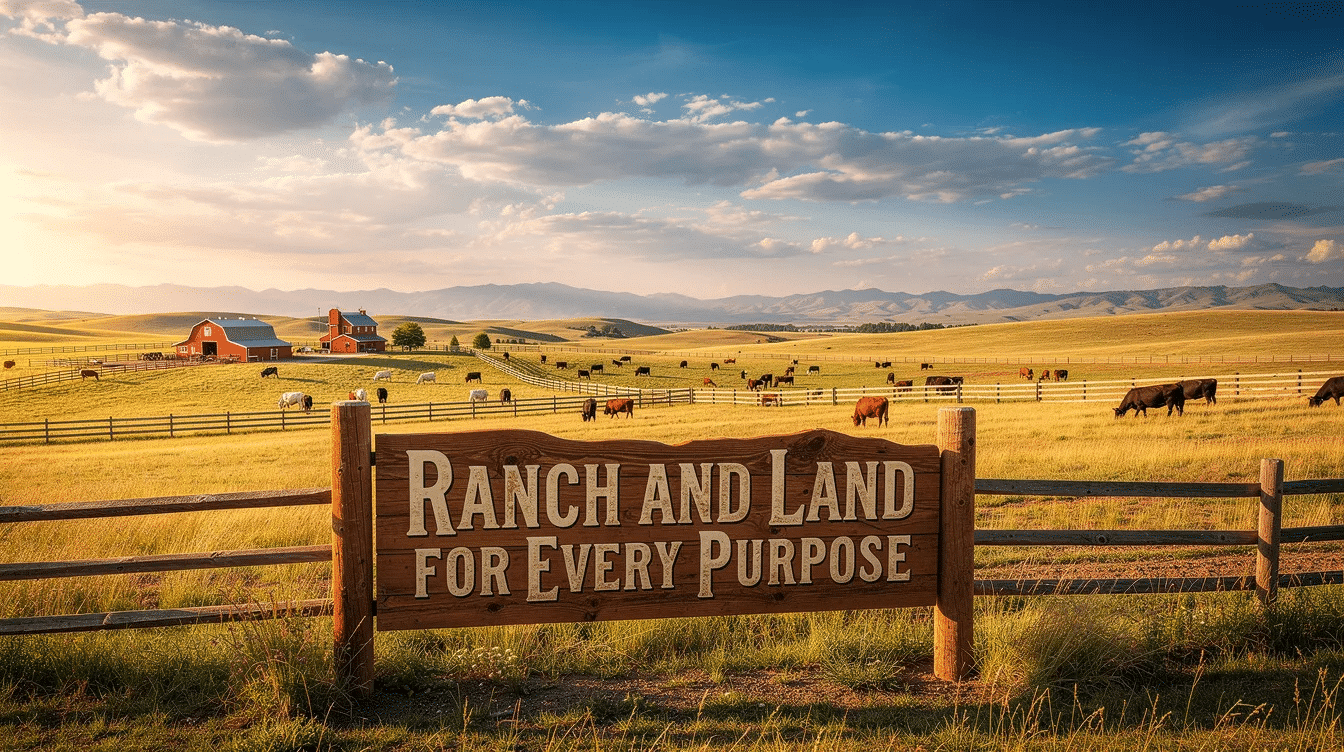
Texas land serves diverse purposes across dramatically different landscapes. From the limestone ridges of the Hill Country to the expansive plains of West Texas, each region offers distinct advantages for specific uses. For many buyers, ranch and land for sale in Texas present a unique opportunity to establish or expand a business, whether through agricultural operations, recreational enterprises, or other income-generating ventures, and understanding essential tips for building and managing a ranch can make these projects more successful.
Cattle and Livestock Operations
Large acreage ranches with established grazing infrastructure form the backbone of Texas agriculture. Many Texas ranches also include productive farmland and are suitable for various types of farms, supporting both large-scale agricultural and livestock operations. Properties featuring cross-fencing systems enable rotational grazing, while stock tanks, water wells, and barn facilities support year-round cattle operations, and some owners complement these working facilities with amazing ranch homes that redefine comfort and style for full-time living on the land.
Texas Hill Country counties like Kerr, Blanco, and Gillespie offer excellent environments for livestock thanks to reliable summer rainfall and native grasses. Central Texas ranches balance accessibility with productive pasture land. West Texas properties provide larger acreage at lower price points, though grazing capacity varies significantly—expect 20-40+ acres per cow-calf pair in arid regions compared to 2-4 acres in more fertile East Texas locations. When considering ranch and land for sale Texas, it’s important to evaluate the ground conditions, including soil quality and terrain, as these factors directly impact both livestock and crop production.
Working ranches with operational infrastructure command premium prices but deliver immediate productivity for serious cattle operators.
Hunting and Recreation Land
Properties with diverse wildlife populations attract buyers seeking recreational appeal beyond agricultural production. Creek ranches and river frontage land provide habitat corridors supporting whitetail deer, turkey, dove, and exotic species. A creek ranch is a property with creek frontage, offering recreational opportunities and versatile land use.
The natural beauty of rolling hills combined with timber cover creates ideal hunting conditions. Properties featuring live water—springs, creeks, and rivers—significantly increase value while providing multiple build sites for cabins and family retreats. Ranches with documented recreational vehicle access and established trail systems offer turnkey outdoor experiences, especially when paired with amazing ranch homes that blend comfort, style, and outdoor living as a base for family and guests.
River frontage properties like those along the Brazos River or Red River combine hunting potential with fishing, kayaking, and scenic enjoyment.
Investment and Development Properties
Land near growing Texas cities represents significant appreciation potential. Properties within reach of Austin, Houston, Dallas Fort Worth, and San Antonio benefit from urban expansion while agricultural exemption status reduces holding costs. Being close to a major city offers easy accessibility, a wide range of amenities, and the convenience of both rural living and city resources.
Highway access and utility availability distinguish development-ready parcels from remote acreage. Investors increasingly target properties offering a rare combination of current agricultural income and future subdivision potential—particularly in the Hill Country where land values rose 8.3% year-over-year in early 2025.
Conservation easements provide additional tax benefits for landowners committed to preserving open space while maintaining property value.
Choose the Right Texas Ranch for Your Budget
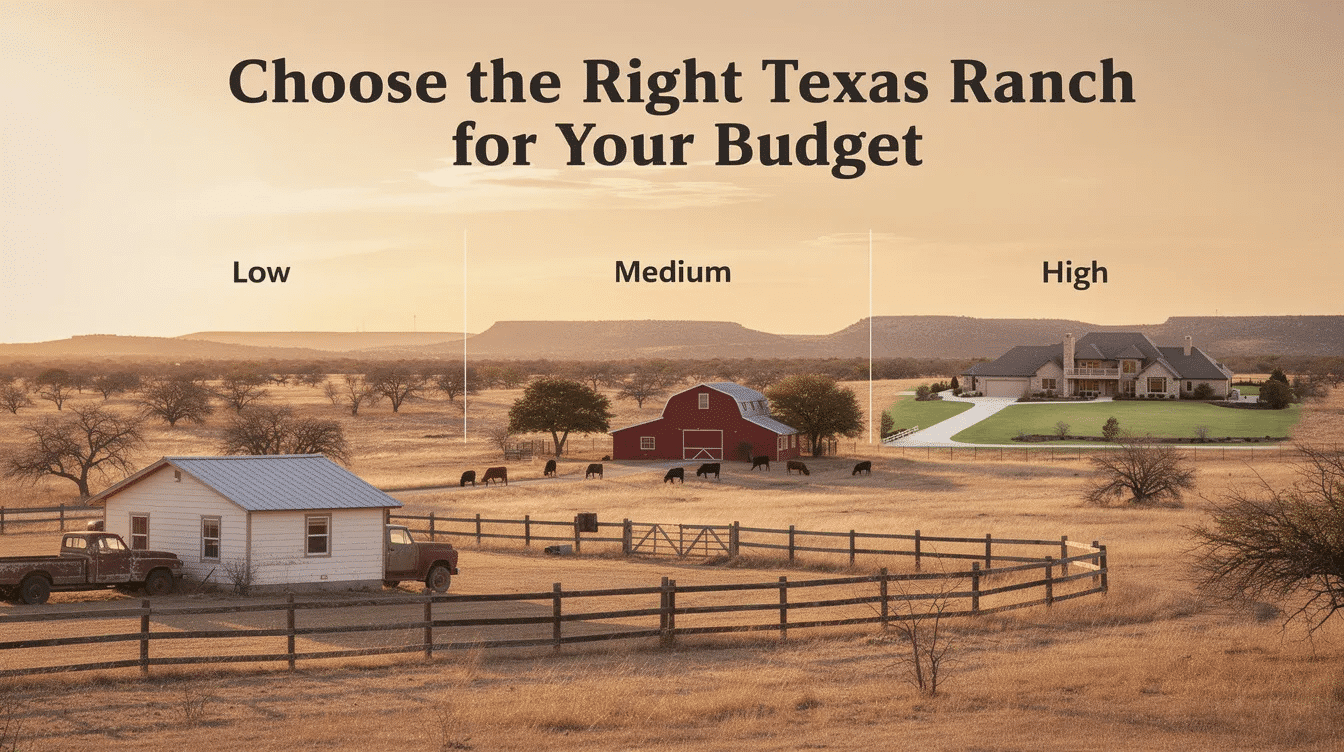
Matching ranch size and features to buyer needs ensures long-term satisfaction. Some ranch and land for sale in Texas are particularly well-suited for personal use, offering privacy and flexibility for owners to enjoy the property according to their preferences, especially for those dreaming of finding the best dream ranch home style and layout. Texas offers entry points for first-time buyers through multi-generational legacy purchases.
Starter Ranches (50-200 Acres)
Smaller parcels work perfectly for weekend retreats and hobby ranching, often inspiring owners to create cute ranch house designs for their dream home that maximize comfort and charm on modest acreage. Properties in this range typically require less infrastructure investment while providing genuine ranch experiences.
Far West Texas and Panhandle regions offer starter land between $1,000-$2,500 per acre, though Johnson County and Central Texas locations cost more due to proximity to Dallas and Austin. Buyers should budget for essential improvements: well drilling, septic installation, fencing, and road maintenance.
Manageable maintenance costs make 50-200 acre properties ideal for families testing ranch ownership before scaling up. Buyers should also watch for contract new listing opportunities in this acreage range, as new properties frequently become available.
Mid-Size Working Ranches (200-1,000 Acres)
This acreage range balances operational scale with practical management. Properties supporting agricultural tax exemptions require documented agricultural use for at least five of the previous seven years.
Mid-size ranches often feature multiple pastures, working pens, barns, and existing residences, and buyers planning to build or remodel a house on the property benefit from knowing average ranch house dimensions for better design choices. Financing options through agricultural lenders like Capital Farm Credit typically require 20% down with terms extending up to 30 years.
Income potential includes livestock sales, hay production, hunting leases, and mineral royalties—though buyers should carefully evaluate operating costs against realistic revenue projections.
Large Legacy Ranches (1,000+ Acres)
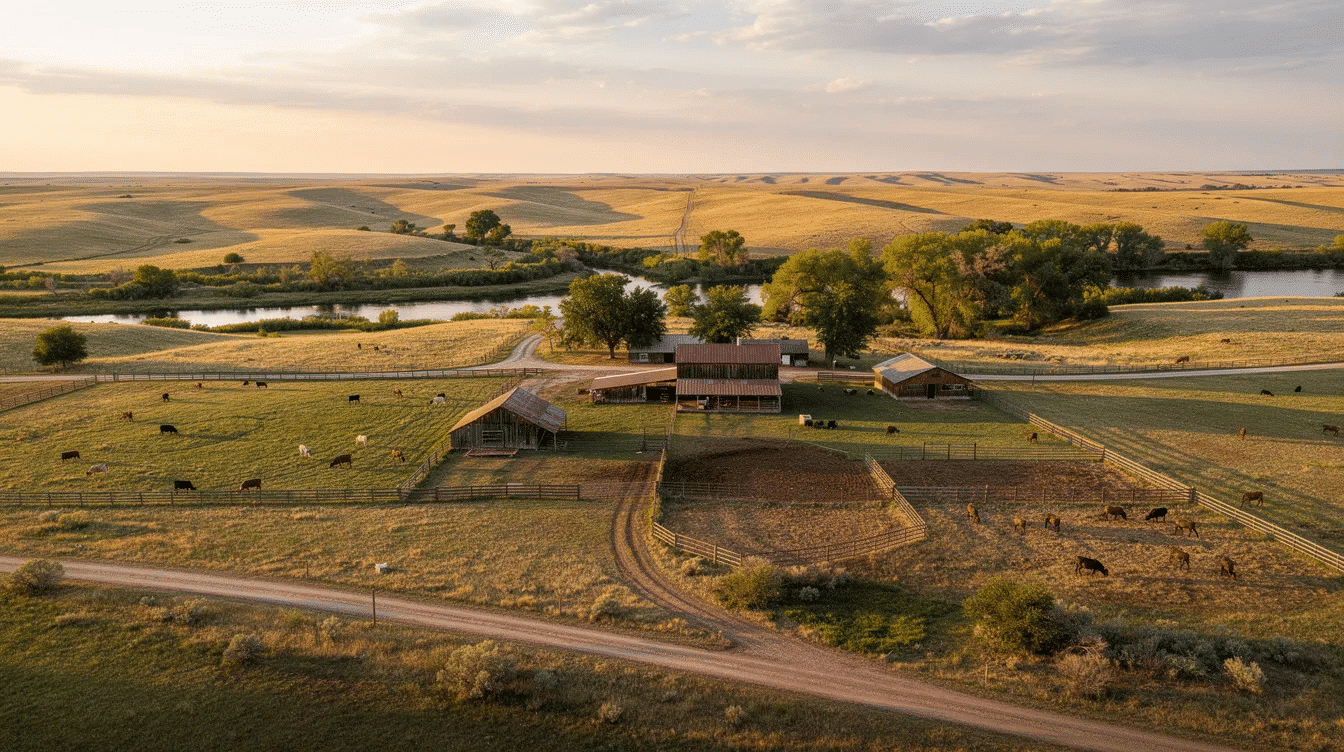
Expansive properties represent generational investments and family heritage. West Texas and Hill Country estates in this category often include multiple water sources, mineral rights, and significant improvements.
Recent listings demonstrate the range: Silver S Ranch offers 26,000 acres with miles of Pecos River frontage for approximately $44 million, while properties like the Y Bar O Ranch near Big Bend list around $1,600 per acre including water and mineral rights; some buyers of these legacy properties ultimately choose to build beautiful ranch homes where style meets functionality.
Buyers targeting legacy ranches should evaluate water rights seniority, groundwater district regulations, and long-term maintenance requirements alongside purchase price.
Premium Land Features That Add Value
Key features distinguish exceptional properties from average listings, and many buyers also think ahead about designing classic ranch style houses with the best features to make the most of their land purchase. Water, access, and terrain fundamentally determine both usability and appreciation potential. Easy access—such as paved roads, river frontage, or proximity to major cities—not only increases the convenience of reaching the property but also enhances its overall value and appeal.
Water Resources and Access
Water drives Texas land values more than any other single factor. Creek frontage, river access, and spring-fed drainages provide reliable livestock water while enhancing recreational appeal.
Under Texas law, groundwater beneath your property belongs to you, though local Groundwater Conservation Districts may impose pumping restrictions, and understanding standard ranch house dimensions and layouts can help you plan structures that efficiently use this vital resource. Surface water requires state permits except for domestic and livestock use exemptions. Properties with senior water rights or robust well systems command significant premiums.
Stock pond infrastructure, multiple water wells, and documented water rights should be verified during due diligence—never assumed.
Road Access and Infrastructure
Paved road frontage and all-weather access roads ensure year-round property use, which is especially important if you intend to build a farm ranch house with practical design features that supports daily living and operations. Electric service availability dramatically affects improvement costs; extending utilities across remote acreage can cost hundreds of thousands of dollars.
Excellent access to major highways reduces shipping costs for cattle operations while improving property appeal for recreational users. Proximity to auction yards, feed suppliers, and veterinary services matters for working ranches.
Properties located near Dallas, Houston, Austin, or San Antonio benefit from infrastructure networks while maintaining rural character.
Terrain and Soil Quality
Rolling hills and limestone ridges define the Texas Hill Country landscape, providing scenic views and multiple build sites with elevation. Flat pasture land in Central Texas and the Panhandle supports different agricultural approaches.
Soil depth, fertility, and drainage directly affect grazing capacity and hay production. Native grass preservation often proves more valuable than attempting to establish introduced species, while invasive brush management (mesquite, juniper) represents ongoing maintenance costs.
Usable pasture percentage should be evaluated against total acreage—scenic terrain commands premiums but may limit agricultural productivity.
How to Evaluate Texas Ranch Properties
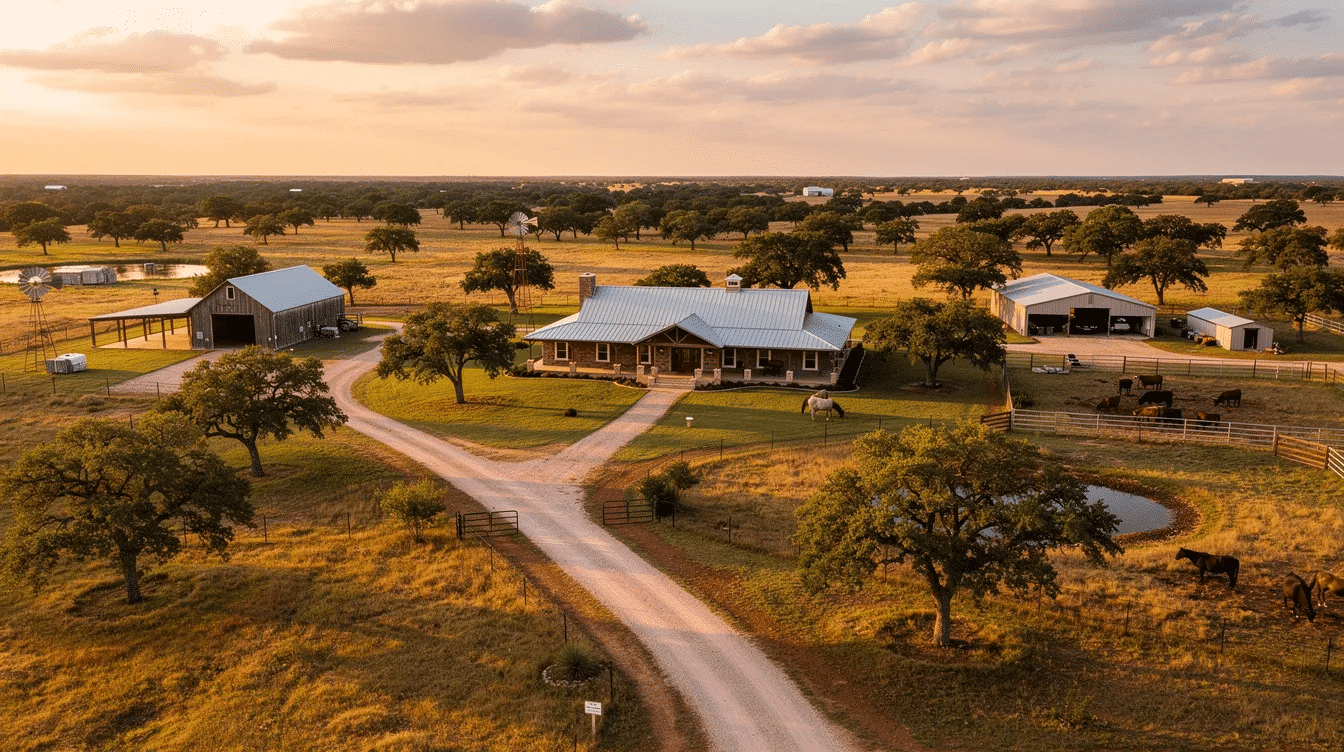
Thorough due diligence protects buyers from costly surprises. When evaluating ranch and land for sale in Texas, buyers should consider properties located in the north and southeast regions of the state, as these areas offer unique climate and terrain characteristics. Financial analysis and legal verification should precede any purchase commitment.
Financial Considerations
Agricultural exemption status significantly reduces property taxes but requires documented agricultural use meeting county-specific acreage minimums—often 10-15 acres depending on location and agriculture type. Loss of exemption triggers rollback taxes covering previous years.
Financing raw land typically requires 20-30% down payments through traditional lenders. Agricultural lenders and owner financing arrangements offer flexibility for buyers who qualify. FSA loans provide additional options for qualifying agricultural operations.
Operating costs include property taxes, fencing maintenance, brush management, insurance, and utility expenses. Revenue projections should conservatively estimate hunting lease income, livestock sales, and mineral royalties.
Legal and Survey Requirements
Documented access rights matter critically for landlocked properties—verify legal easements and road maintenance agreements before closing. Official boundary surveys prevent neighbor disputes and confirm actual acreage.
Mineral rights frequently separate from surface rights in Texas. If minerals are severed, current owners may conduct drilling and extraction activities regardless of surface owner preferences. Confirm mineral status and review any existing lease agreements.
Water rights documentation should specify permitted uses, allocated volumes, and any Groundwater Conservation District restrictions. Floodplain mapping, wetland designations, and endangered species habitat may affect development options.
Find Your Perfect Texas Ranch Today
The Texas ranch market offers exceptional opportunities across every price point and purpose. With over 8,360 properties currently available—from starter parcels in Johnson County to legacy ranches with Brazos River frontage—buyers can find land matching their vision and budget. Many of these ranch and land for sale Texas options are tx nestled among rolling hills, along scenic rivers, or within breathtaking landscapes, appealing to those seeking privacy and natural beauty.
Regional price variations create entry points for new buyers while premium properties with water resources, paved road frontage, and agricultural exemptions deliver long-term value for investors. Whether you’re focused on cattle operations, hunting recreation, or family legacy, the right property lies waiting across Texas’s diverse landscape.
Work with experienced Texas land brokers who understand regional markets, water rights, and agricultural exemptions. Their guidance helps clients navigate the evaluation process and identify properties offering the rare combination of features, location, and value that define successful ranch ownership.
Your perfect Texas ranch is waiting—start exploring featured listings across the Hill Country, Central Texas, West Texas, and beyond.