A ranch architect specializes in designing homes, outbuildings, and landscapes for expansive rural properties across Texas. These professionals work on tracts spanning 50 to 500 or more acres in regions like the Texas Hill Country, West Texas, and the Panhandle, where the architecture must connect to the land rather than dominate it.
The core work involves analyzing site-specific factors—topography, views, wind patterns, existing live oaks, creeks, and stock tanks—then positioning the house, barns, and outdoor spaces to function with the property’s natural rhythms. A good ranch architect draws from 1800s precedents while integrating modern comfort and seamless indoor-outdoor living.
- Ranch Life and the Appeal of Country Living
- Historic Roots of Texas Ranch Architecture
- Types of Ranch Homes
- Designing the Modern Ranch Retreat
- Key Architectural Features of a Ranch Home
- Planning Functional Ranch Compounds
- Floor Plans for Ranch Living
- Blending Tradition with Modern Technology
- Hill Country Architecture: Regional Influences and Distinctive Styles
- Selecting and Working with a Ranch Architect
- Architecture Trends in Ranch Design
- Maintaining and Preserving Your Ranch Home
Ranch Life and the Appeal of Country Living
In 2026, families from Dallas, Austin, and Houston are seeking escape from city density. Ranch-style homes now represent over 34% of active U.S. listings, with Texas leading demand for properties that offer privacy, nature, and self-sufficiency.
The typical setting features expansive acreage dotted with mesquite, seasonal creeks, and panoramic hill country views. Many properties combine working functions—cattle grazing, hay production, wildlife management—with recreational retreats for multi-generational gatherings.
Key lifestyle benefits:
- Privacy on large acreages away from urban life
- Space for horses, livestock, and hunting
- Dark-sky stargazing and connection to nature
- Versatile spaces for family traditions spanning generations
Historic Roots of Texas Ranch Architecture
Texas ranch architecture traces to the early 1800s, blending German dogtrot designs with Spanish colonial influences and frontier pragmatism, contributing to the broader legacy of historic ranch houses in American architecture. Historic ranch homes grew organically—a central hall structure first, then added wings, deep porches, bunkhouses, and barns.
Materials were hyper-local: limestone quarried on-site with interior walls reaching 2 feet thick for thermal mass, cedar posts resistant to rot, and standing-seam metal roofs built to last 50+ years. Many families still own late-1800s structures, now renovating them with an architect’s help while preserving the history and context that makes each property unique.
Types of Ranch Homes
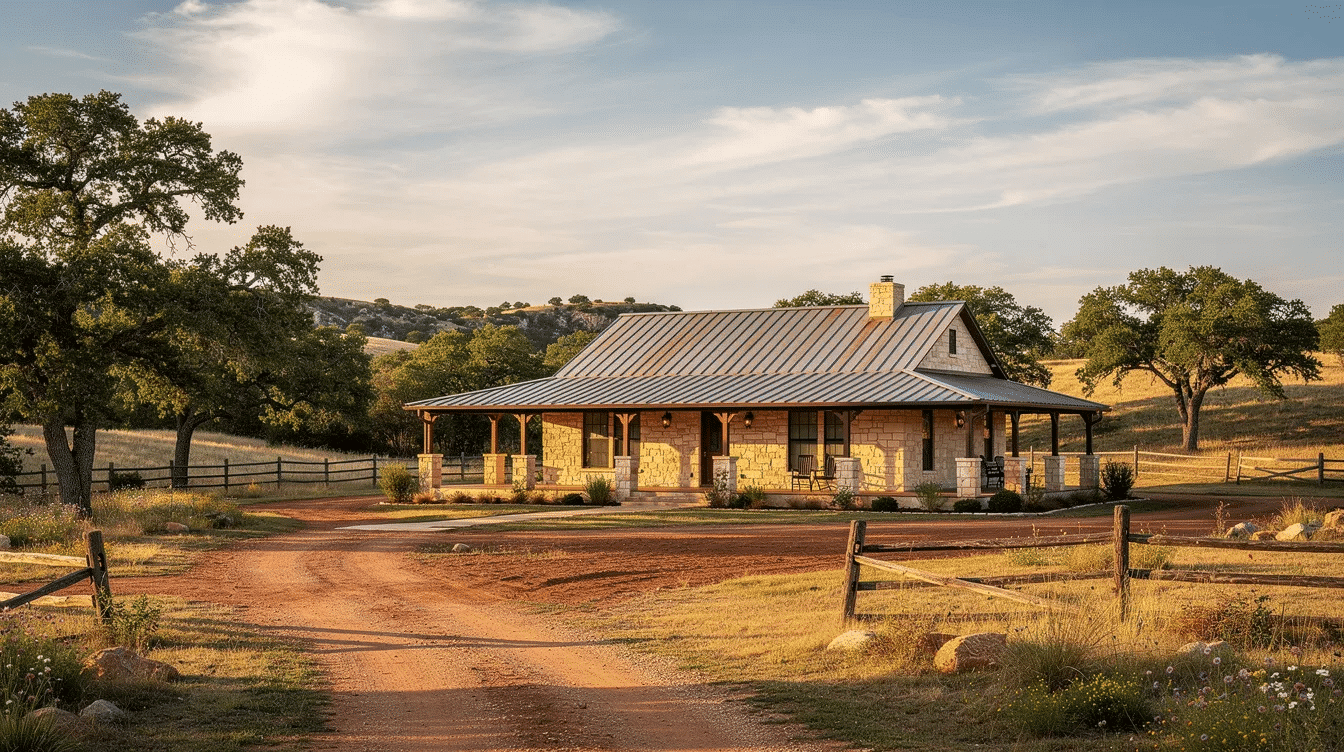
Ranch homes in Texas are as diverse as the landscapes they inhabit, each style reflecting the spirit of its region, and beautiful ranch homes where style meets functionality can be adapted to many different lifestyles. In the Texas Hill Country, ranch homes often showcase rustic architecture, with thick stone walls and exposed wooden beams that echo the natural beauty of the surrounding hills. These homes are designed to blend into the landscape, using materials like limestone and reclaimed wood to create a sense of harmony with nature.
In West Texas, ranch homes tend to embrace a more modern, minimalist approach. Here, simplicity and functionality take center stage, with open floor plans and clean lines that maximize space and light. Large windows and expansive outdoor spaces are common, allowing families to enjoy sweeping views of the wide-open West Texas sky.
Traditional ranch homes, with their low-slung profiles and open layouts, remain a favorite for families seeking comfort and practicality, thanks to the best features of a classic ranch style house. Meanwhile, modern ranch homes push the boundaries of design, incorporating innovative materials and features that foster a seamless connection between indoor and outdoor living. Whether located deep in the countryside or on the edge of a bustling city, the ranch home stands as a timeless symbol of Texas architecture—celebrating open spaces, family life, and a deep connection to the land.
Designing the Modern Ranch Retreat
Modern ranch retreats serve as weekend havens or primary residences on 100–500-acre parcels, echoing ranch homes that redefine comfort and style. The design process begins with exhaustive site analysis: mapping viewsheds, wind roses, solar paths, and heritage trees.
Placement strategies orient main living spaces toward sunsets and long views while tucking bedrooms for morning light. A low-profile, single-story layout follows terrain contours, ensuring nearly every room captures views and accesses porches.
Design priorities:
- Maximize framed views through strategic fenestration
- Shield outdoor spaces from prevailing winds
- Preserve existing vegetation and water features
- Create seamless indoor-outdoor transitions
Key Architectural Features of a Ranch Home
Ranch home architecture combines rugged authenticity with refined detail, yet successful designs still respect typical ranch house dimensions and proportions. Buildings typically feature single-story massing with wings for living, sleeping, and service areas connected by shaded breezeways—a nod to dogtrot heritage.
Indoor-outdoor connection dominates through floor-to-ceiling windows, 12-foot folding doors, and wraparound porches. Common materials include West Texas limestone, reclaimed barn siding, and heavy timber beams. Stone chimneys and exposed trusses anchor the house visually while interiors handle the simplicity of ranch life—mudrooms for boots, durable finishes for dogs, and tack rooms for saddles.
Planning Functional Ranch Compounds
Beyond the main house, a ranch architect orchestrates barns located downwind, guest casitas for privacy, equipment sheds, and even ranch style houses with lofts for flexible living space, along with lakeside pavilions. On a working ranch, circulation planning ensures feed trucks can navigate while walking paths connect buildings discreetly.
Functional spaces include gun rooms, dog wash stations, and covered work yards—each positioned through collaboration with civil engineers and ranch managers to keep the project buildable.
Floor Plans for Ranch Living
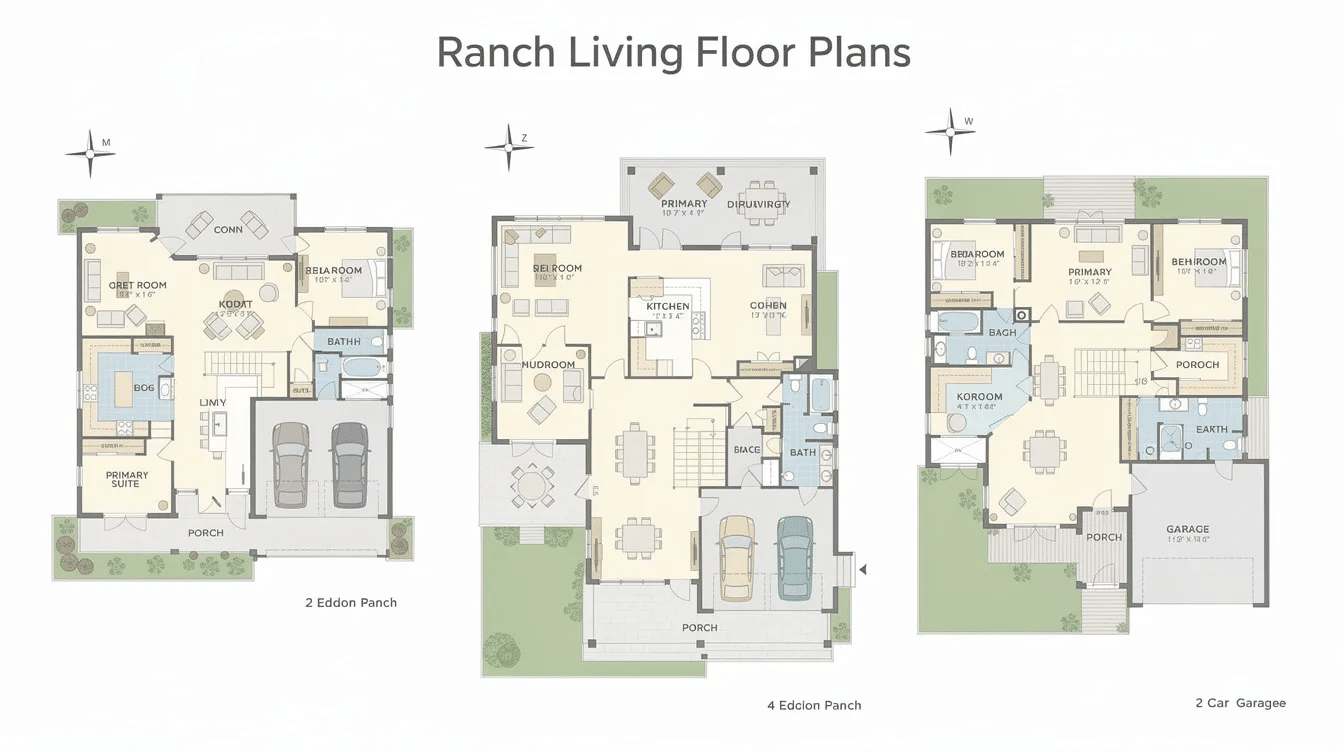
The floor plan of a ranch home is all about embracing simplicity, functionality, and a strong connection to the outdoors. Open layouts are a hallmark of ranch living, with living, dining, and kitchen spaces flowing together to create a welcoming environment for families. This design encourages easy communication and togetherness, making it ideal for gatherings both large and small.
Many ranch homes in the Texas Hill Country feature split or clustered bedroom arrangements, offering privacy while maintaining a sense of unity, while exterior design decisions and ranch home exterior makeover ideas can dramatically enhance curb appeal. Large porches and outdoor spaces are thoughtfully integrated into the floor plan, providing the perfect vantage point for taking in the breathtaking views of the surrounding landscape. These outdoor living areas extend the home’s usable space and foster a deeper connection to the site’s natural beauty.
When planning a ranch home, it’s essential to consider the unique context of the property—its views, topography, and prevailing breezes. Working closely with a skilled builder or architect, clients can develop a custom floor plan that reflects their lifestyle and maximizes the potential of their site. The result is a home that feels open, inviting, and perfectly attuned to the rhythms of hill country life.
Blending Tradition with Modern Technology
Today’s ranch homes marry Old West aesthetics with modern systems: home automation, whole-house audio, and advanced HVAC zoning. Performance upgrades like spray-foam insulation and rainwater harvesting integrate discretely, preserving the timeless warmth clients expect.
Hill Country Architecture: Regional Influences and Distinctive Styles
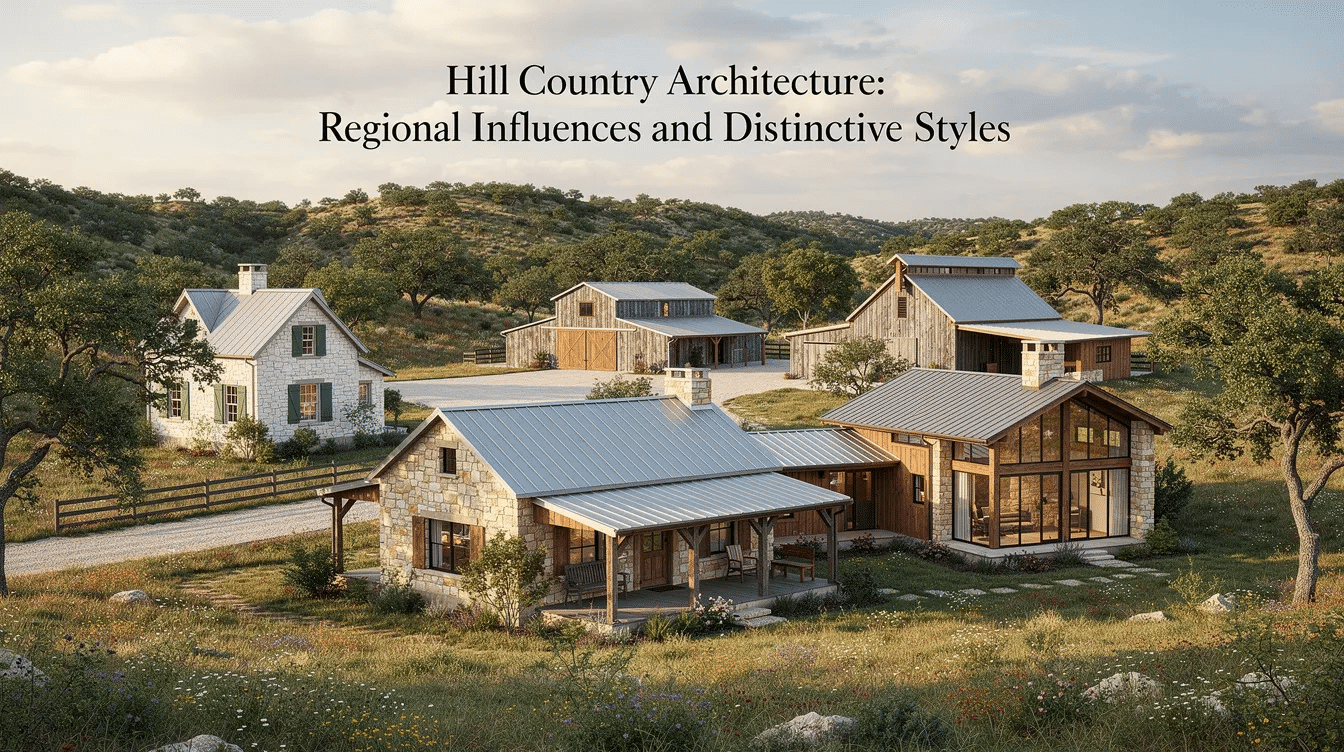
Hill Country architecture is defined by its deep roots in local history and its thoughtful response to the natural environment. The use of native limestone and stone is a signature of the region, lending buildings a sense of permanence and authenticity. These materials are often paired with heavy timber beams and rustic metalwork, creating a warm, inviting atmosphere that feels both timeless and contemporary.
Porches and outdoor spaces are central to Hill Country design, offering shaded retreats that invite relaxation and connection with nature. Large windows frame sweeping views, while simple, functional layouts reflect the practical needs of ranch life. The architecture draws inspiration from the region’s diverse heritage, blending elements from German, Spanish, and frontier traditions to create a style that is uniquely Texan.
In the context of ranch home design, Hill Country architecture emphasizes a strong sense of place and belonging. Every detail—from the choice of materials to the orientation of the house—reinforces the connection to the land and the history of the region. Whether building new or renovating an existing structure, homeowners can draw on the rich legacy of Hill Country architecture to create a home that is both beautiful and deeply rooted in its surroundings.
Selecting and Working with a Ranch Architect
Choosing an architect with specific ranch experience is critical. Look for portfolios featuring large rural properties, familiarity with Texas county codes, and photography of completed work demonstrating site sensitivity.
The process unfolds through site walks, conceptual studies, and construction oversight. Prepare a detailed wish list covering bedrooms, bunk capacity, and long-term family plans. The goal is creating a place that endures—a home people return to across generations, just as 19th-century ranches still stand today.
Architecture Trends in Ranch Design
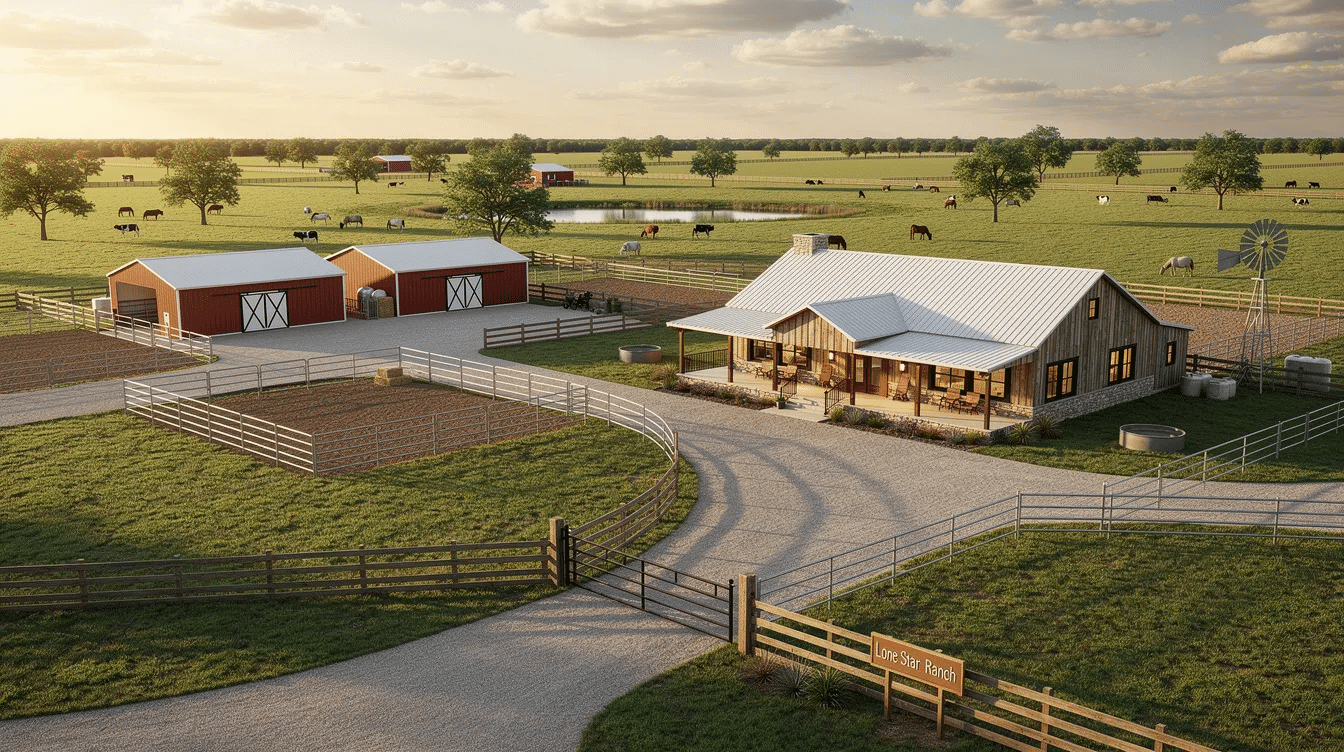
Today’s ranch architecture is shaped by a desire for simplicity, sustainability, and a closer connection to the natural world. Modern ranch homes often feature expansive windows and thoughtfully designed outdoor spaces, blurring the line between inside and out. Innovative materials like reclaimed wood, stone, and low-maintenance siding are increasingly popular, offering both durability and a sense of authenticity.
Sustainable design is at the forefront of current trends, with many ranch homes incorporating solar panels, rainwater harvesting systems, and energy-efficient technologies. These features not only reduce the home’s environmental impact but also enhance comfort and livability. In Texas, it’s common to see traditional elements—such as stone walls and exposed beams—combined with modern amenities, creating a style that honors the past while embracing the future.
As more families seek homes that reflect their values and lifestyle, architects and builders are responding with designs that prioritize open spaces, natural materials, and a seamless connection to the landscape. The result is a new generation of ranch homes that are as functional as they are beautiful, perfectly suited to the unique context of Texas living.
Maintaining and Preserving Your Ranch Home
Preserving the character and longevity of your ranch home requires a thoughtful approach tailored to the unique demands of Texas. Regular maintenance is key—inspecting roofs, cleaning gutters, and sealing any gaps helps protect against the intense sun, strong winds, and sudden storms that are common in both the Hill Country and West Texas. Attention to detail ensures that the home remains comfortable and secure, no matter the season.
Working with an experienced builder or contractor can make all the difference, as they understand the specific needs of properties located in rural Texas. They can help develop a maintenance plan that addresses everything from pest control to the preservation of original materials like stone and wood. It’s also important to care for the natural site itself, maintaining native vegetation and managing water flow to prevent erosion.
By investing time and care into both the home and its surroundings, ranch owners can ensure their property remains a cherished retreat for generations. This commitment not only protects the value and beauty of the home but also preserves the unique spirit of Texas ranch life—where history, nature, and family come together in a place that feels truly timeless.