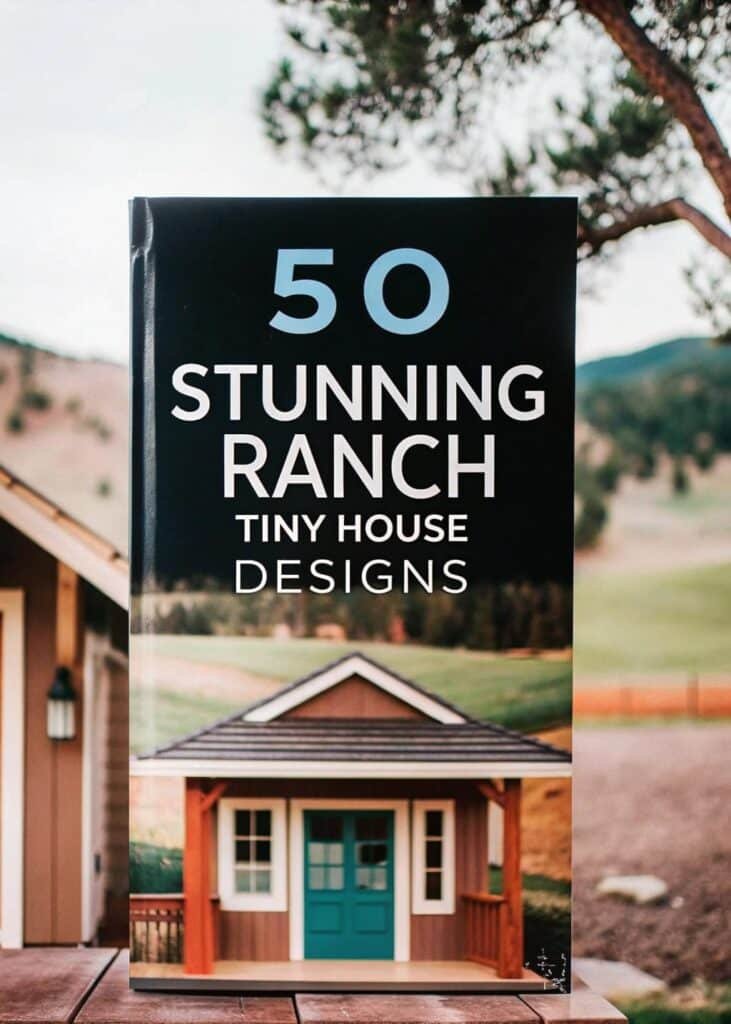
Ranch style homes dominate the American West, Midwest, and much of the South and Sun Belt, making them the single most searched-for architectural style nationwide according to Zillow’s 2024 buyer data. These sprawling single story homes thrive in regions where land is affordable, climates favor indoor-outdoor living, and post-war suburban development shaped the landscape.
- Core regions: West, Southwest, Mountain West, Midwest, and large portions of the South
- Top ranch states: Arizona, California, Colorado, Utah, Nevada, New Mexico, Texas, Oklahoma, Kansas, Nebraska, Wisconsin, Minnesota, Ohio, Michigan, the Carolinas, and Georgia
- Market performance: Ranch homes show strong sale-to-list ratios in cities like Portland (105.4%), Phoenix (102.3%), San Francisco (104.7%), and Chicago (100.2%)
- The exception: Cottage, Colonial, and Cape Cod style houses tend to be more searched in New England and dense East Coast states, though even there ranches appear in post-war suburbs built between the late 1940s and 1970s
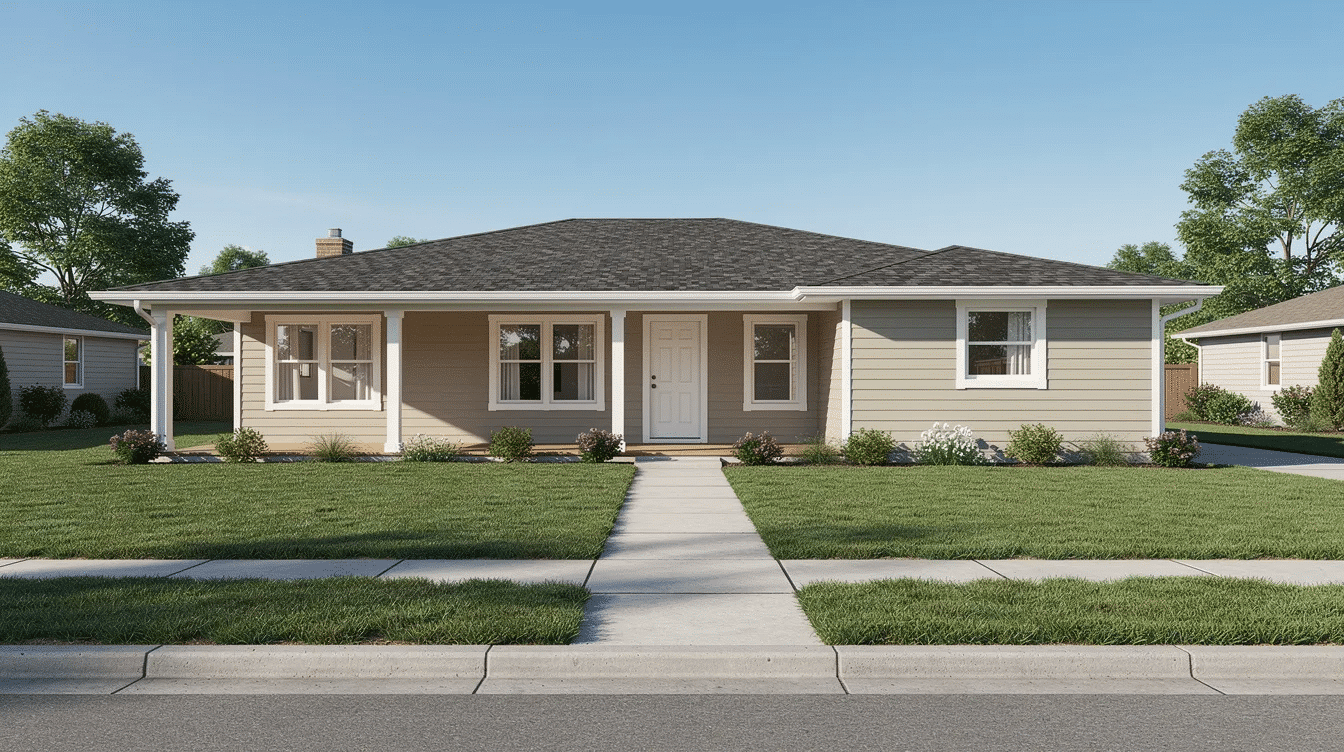
- How Ranch Style Houses Spread Across the U.S.
- Regional Hotspots: Where Ranch Homes Are Most Common Today
- State-by-State Patterns: Ranch vs. Cottage and Other Styles
- Climate and Geography: Why Ranches Cluster in Certain Places
- Different Ranch Variants and Where Each Is Most Popular
- Why Ranch Homes Remain Especially Popular in These Regions
How Ranch Style Houses Spread Across the U.S.
The ranch house began as a regional innovation in the early 20th century Southwest—particularly California—before exploding into America’s dominant housing style after World War II. This spread wasn’t accidental; it followed economic opportunity, infrastructure expansion, and changing family needs, shaping the broader legacy of historic ranch houses in American architecture.
Timeline of ranch expansion:
- 1920s–1930s: Ranch style architecture emerged in California, drawing from Spanish colonial design and Western ranch buildings. Low profiles, courtyards, and indoor-outdoor flow defined the early style.
- 1940s–1950s: The post-war boom transformed suburbs around every major city. The GI Bill, rail expansion, and highway construction made cheap suburban land accessible. Ranch plans were fast and affordable to build.
- Mid-1950s peak: As much as 9 out of 10 new single-family homes in some suburbs were ranches during this era.
- 1970s–1980s: Tastes shifted toward two-story and neo-traditional homes. New ranch construction slowed, but vast existing neighborhoods remained intact, particularly across the West and Midwest.
Regional Hotspots: Where Ranch Homes Are Most Common Today
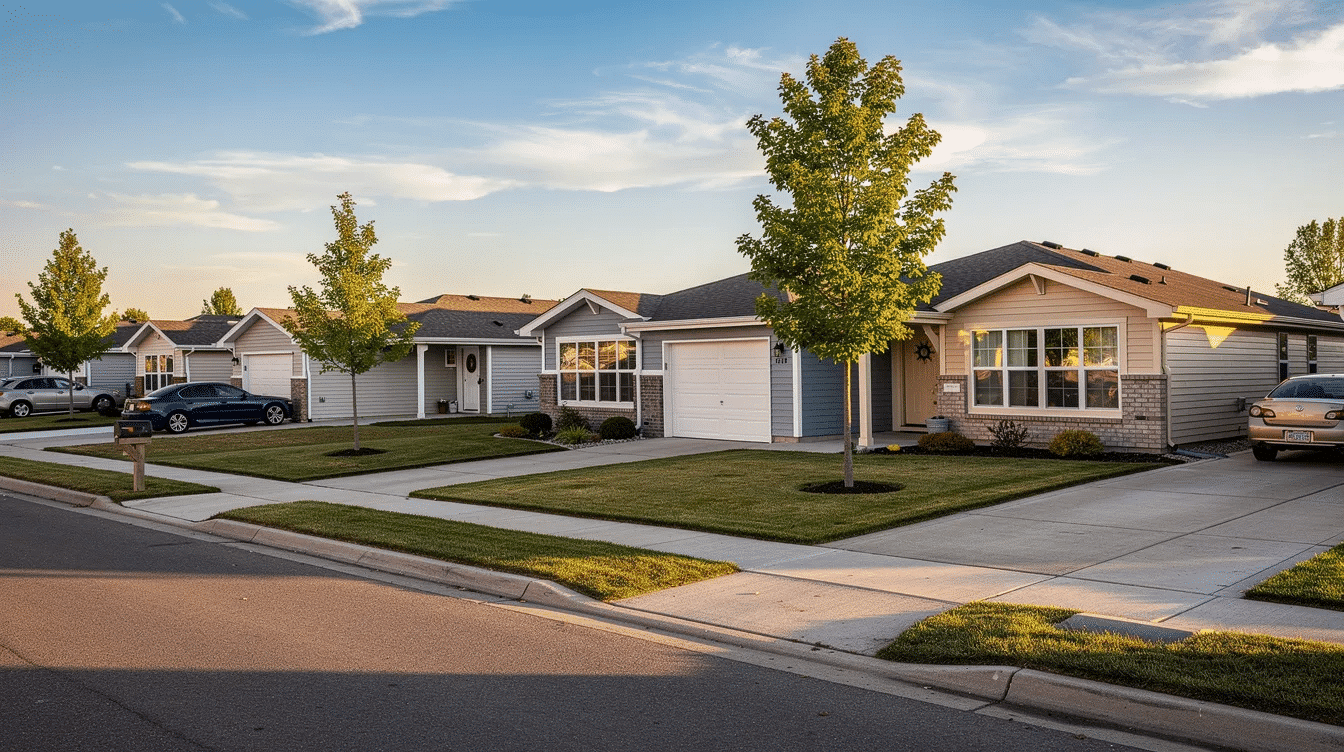
Ranch popularity today reflects both the existing housing stock from mid-century booms and ongoing buyer demand visible in online home search data, a pattern that mirrors the nationwide community focus of Ranch Style Homes USA. Here’s where ranches cluster by region:
- West & Southwest: California’s 1940s–1960s suburbs around Los Angeles, San Diego, and the San Francisco Bay Area feature classic ranches with slab foundations and sliding glass doors opening to backyards. Arizona’s Phoenix and Tucson tracts, Nevada’s Las Vegas suburbs, and New Mexico developments emphasize this same indoor-outdoor living space.
- Mountain West: Colorado (Denver, Colorado Springs), Utah (Salt Lake City suburbs), and Idaho mix mid-century classics with newer single story floor plans on larger lots suited to varied topography.
- Midwest: Wisconsin, Minnesota, Michigan, Ohio, Indiana, Illinois, Kansas, Nebraska, and Missouri show heavy ranch concentrations. In many of these markets, the classic features of ranch style houses help explain why ranch remains the most popular style in listings and search data.
- Southern & Sun Belt states: Texas, Oklahoma, the Carolinas, Georgia, and Tennessee feature one-story ranches in 1960s–1990s subdivisions, typically with an attached garage and traditional charm adapted to warmer climates.
- Northeast and New England: Fewer ranches exist in older urban cores, but noticeable pockets appear in post-war suburbs of New York, New Jersey, Pennsylvania, Massachusetts, and Connecticut built from the late 1940s through the 1960s.
Ranches thrive in auto-oriented suburbs where cheap land allowed deep lots and single-story footprints.
State-by-State Patterns: Ranch vs. Cottage and Other Styles
Nationwide home-style analyses since the late 2010s consistently show ranch as the most searched style in over half of U.S. states. Here’s how preferences break down:
- Ranch-leaning states: Most Western, Midwestern, and interior Southern states favor ranches. Colorado, Utah, Arizona, Nevada, Texas, Oklahoma, Kansas, Nebraska, Wisconsin, Minnesota, Michigan, and Ohio show stronger online demand for ranch properties than for cottages or colonial architectural styles.
- Mixed-preference states: Pennsylvania, Virginia, North Carolina, and parts of the Pacific Northwest show balanced interest between ranches and cottages or Colonials, reflecting blends of 19th-century housing stock and post-war suburbs.
- Cottage/older-style-leaning states: Dense, historic regions—particularly New England (Maine, New Hampshire, Vermont, Massachusetts, Rhode Island, Connecticut) and parts of the Mid-Atlantic—show stronger search interest in cottage, Colonial, or rowhouse styles because those homes already dominate local streetscapes.
Even in “cottage-first” states, mid-century suburbs commonly feature ranch tracts built between roughly 1950 and 1975, often following typical ranch house dimensions and layouts. The style remains visible even where it isn’t dominant.
Climate and Geography: Why Ranches Cluster in Certain Places
Climate, land availability, and topography all influence where ranch homes work best. These factors explain the geographic clustering:
- Warm and dry climates: In California, Arizona, Nevada, New Mexico, and Texas, single-story ranches on slabs are practical, and their style-meets-function ranch home design supports relaxed, everyday living. No deep basement is needed, and large patios with open floor plans are usable year-round.
- Flat or gently rolling land: From Kansas and Nebraska through Wisconsin and Minnesota, inexpensive farmland converted easily into low, spread-out subdivisions. North Dakota and similar Great Plains states followed this pattern.
- Heavy-snow or colder regions: In Wisconsin, Minnesota, Michigan, and upstate New York, the raised ranch and split level ranch became popular. A finished basement houses mechanicals and extra living space while main-floor bedrooms and eat in kitchens stay elevated.
- Coastal and hilly areas: In rugged coastal states and tightly constrained metros like much of New England, steeper terrain, smaller lots, and older building patterns favor multi-story cottages with a second floor or additional floor over sprawling ranch footprints.
Seismic considerations in California actually favor lighter, low-rise construction, making ranch structures attractive compared with tall brick or stone masonry homes, especially when you consider ranch homes that redefine comfort and style.
Different Ranch Variants and Where Each Is Most Popular
Ranches aren’t one-size-fits-all. Different subtypes evolved to suit local climates, topography, and buyer preferences across the country.
California Ranch
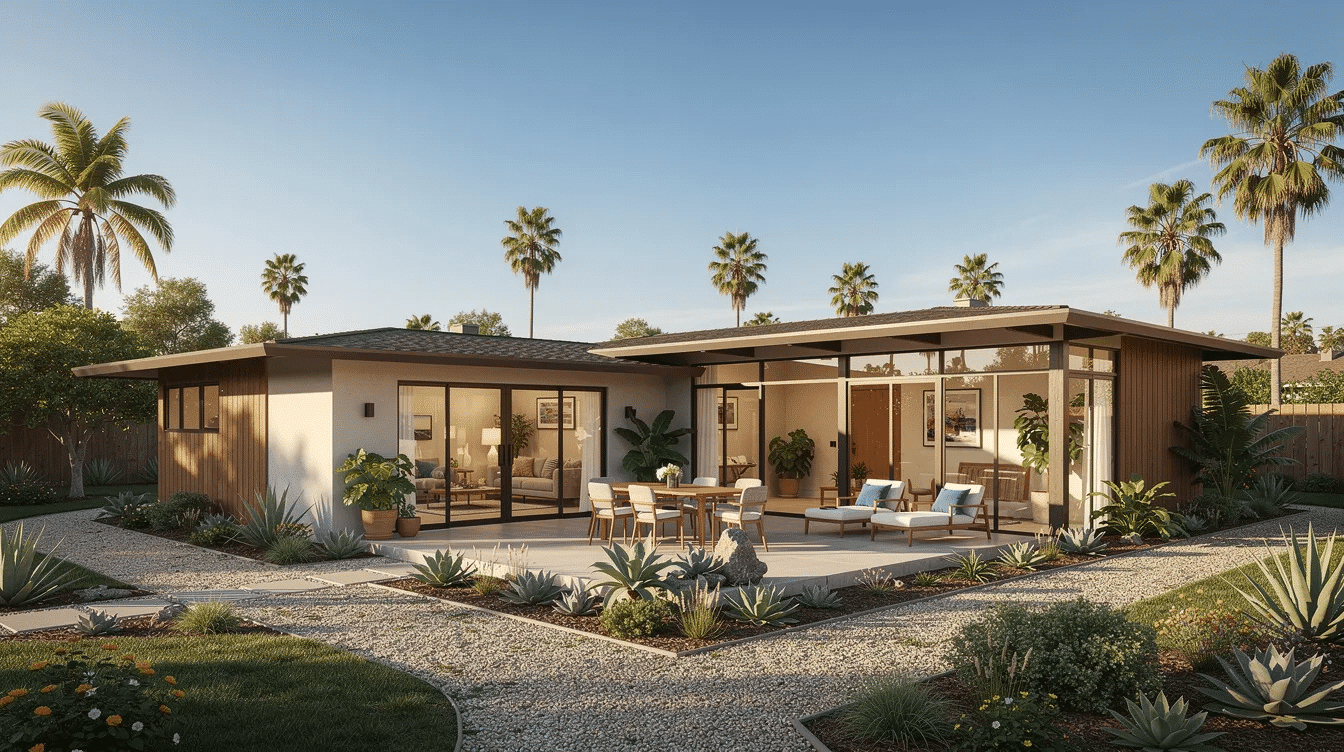
The California ranch (sometimes called the “rambling ranch”) originated on the West Coast in the 1920s–1930s and exploded after World War II.
- Common locations: Coastal and inland suburbs of Los Angeles, San Diego, and the San Francisco Bay Area, plus Sun Belt adaptations
- Key features: Low-to-the-ground California ranch profiles, L- or U-shape floor plans wrapping patios or courtyards, large windows, wide eaves and overhanging eaves, sliding doors to backyards
- Why it works: Mild climates support year-round outdoor dining room and patio use
Suburban Ranch
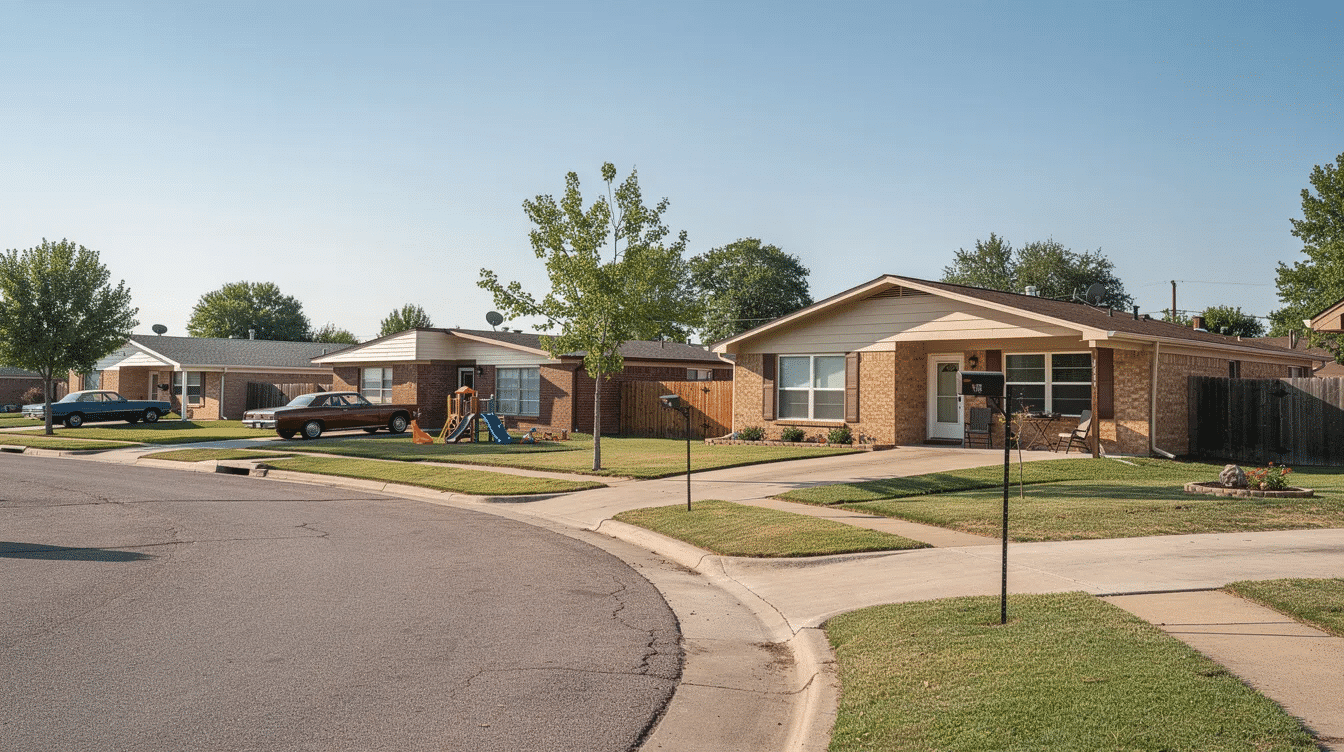
The suburban ranch refers to compact, efficient ranch homes built in large post-war subdivisions around growing cities nationwide.
- Common locations: 1950s–1970s neighborhoods ringing Denver, Phoenix, Dallas–Fort Worth, Atlanta, Columbus, Milwaukee, and countless Midwest and South cities
- Defining traits: Moderate footprints, attached one- or two-car garages, simple rooflines with wood siding or brick, backyards, and economical open layouts
- Legacy: This workhorse style made ranches a staple of American suburbs from the late 1940s through the 1970s
Raised Ranch
The raised ranch features an entry opening to a split stair, with main living areas above and a partially or fully above-grade lower level.
- Common locations: Upper Midwest (Wisconsin, Minnesota, Michigan), interior Northeast (upstate New York, Pennsylvania, Virginia, Ohio), and hilly suburbs in Colorado and Washington, where raised ranch home designs and benefits align with local climate and lot conditions
- Why it works: Garages and family rooms sit at the lower level while bedrooms and kitchens go upstairs, making efficient use of smaller or uneven lots without needing stairs throughout the house
Split-Level Ranch
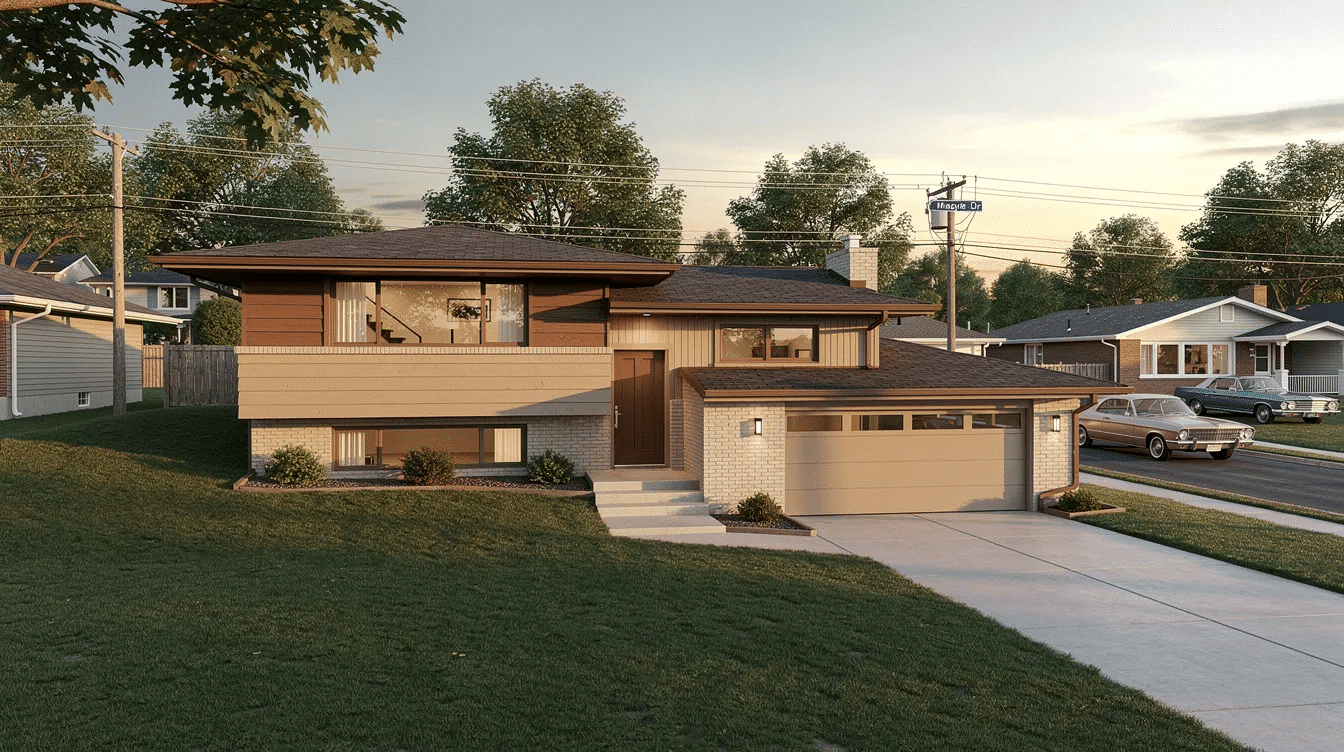
Split-level ranches stagger living spaces across two or three short levels connected by half flights of stairs.
- Common locations: 1950s–1970s suburbs in Ohio, Pennsylvania, New Jersey, Illinois, and Western markets where subdivision lots had gentle slopes
- Appeal: Answered demand for more space on modest lots while maintaining the low profile and modern nature of ranch design
Storybook and Decorative Ranches
The storybook ranch dresses up standard ranch floor plans with whimsical or traditional details like steep gables, shutters, decorative brick or stone porches, and diamond-pane windows.
- Common locations: Mid-century neighborhoods in California, the Pacific Northwest, and some Midwestern suburbs built in the 1950s and 1960s
- Character: Less common as a dominant tract type, these often appear scattered among standard ranches or as custom builds offering country charm with modern layouts
Why Ranch Homes Remain Especially Popular in These Regions
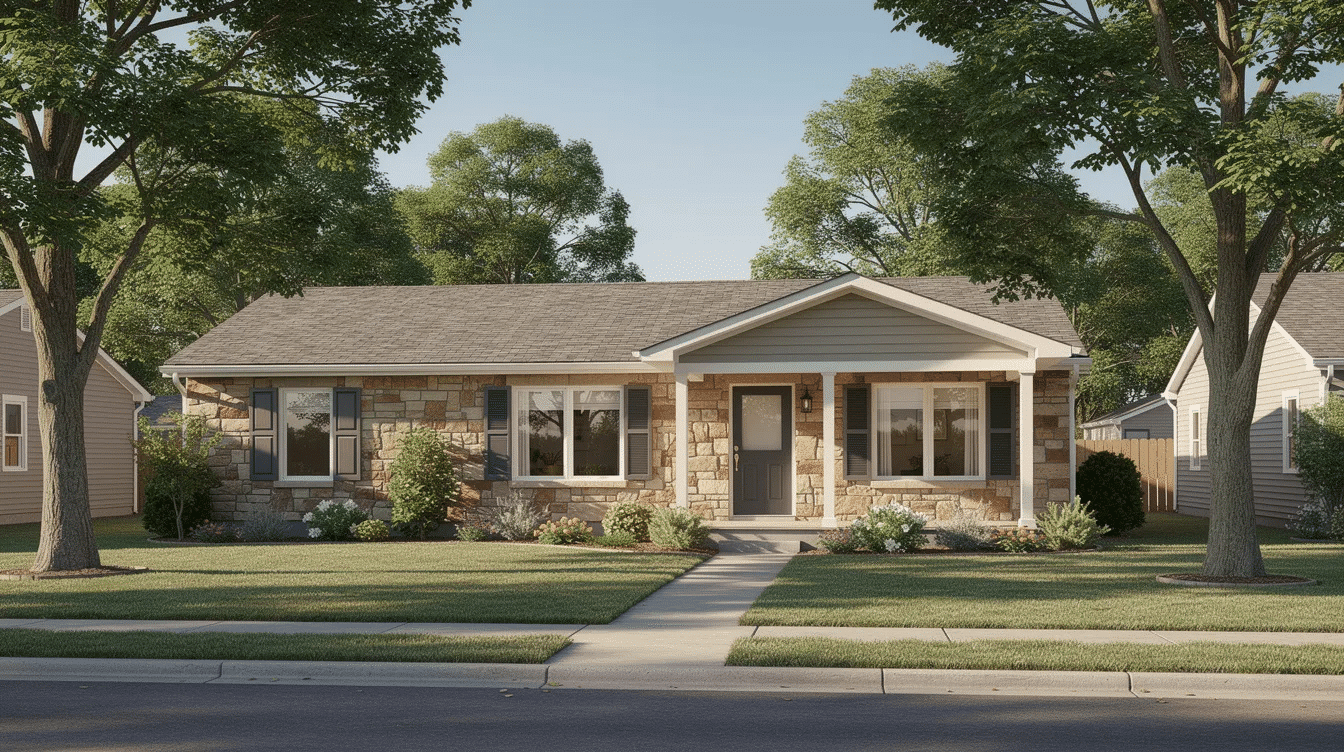
Ranch homes maintain their market popularity because their practical benefits align with how Americans actually live in these regions:
- Accessibility and aging in place: In states with growing retiree populations—Arizona, Colorado, Wisconsin—one-level ranches create sense of security as “forever homes” with no stairs to navigate
- Larger lots and car-centric lifestyles: In Western, Mountain, and Southern states where driving is essential, ranch neighborhoods offer ample parking, garages, and yards that buyers actively search for in listings
- Climate-friendly design: In warmer Sun Belt regions, doors opening directly to backyards encourage affordable year-round outdoor living; in snowy states, low roofs simplify maintenance
- Remodeling potential: Mid-century ranches in markets like Denver, Portland, Austin, and Raleigh are frequently updated with modern finishes and open kitchens, sustaining the sale-to-list performance and community appeal of these properties
Because of these factors, ranch homes continue to be a top search and purchase choice across much of the country—the history and landscape of American suburban development made it so. Whether you’re exploring properties in the Midwest or hunting for that perfect California ranch with mountain views, understanding these regional patterns helps narrow your search to markets where the style you want is actually abundant.