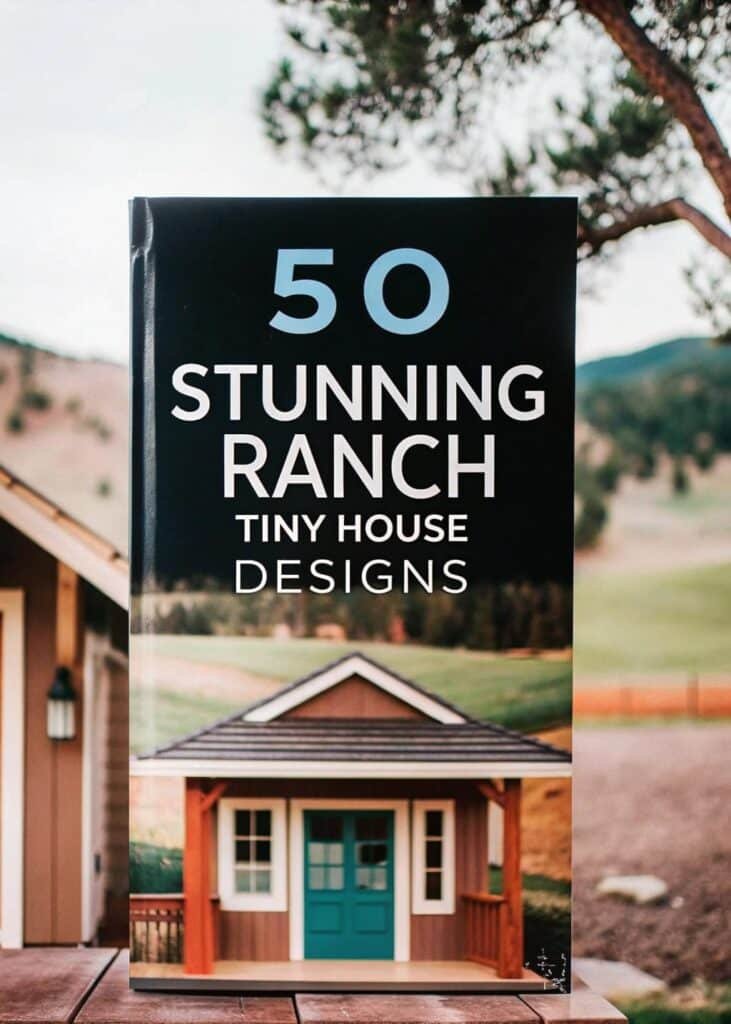
Ranch style homes remain among the most sought-after residential designs in 2026. Defined by their single story footprint, open concept layouts, and strong indoor-outdoor connection, these homes appeal to homeowners who value one level living and flexible space. Ranch style homes often feature a spread floor plan that covers a wide area across the property, emphasizing their spacious and expansive layout. Whether you’re building on a suburban lot or a sprawling piece of land, understanding how ranch style homes builders approach their craft will help you make smarter decisions.
This article is designed for people actively searching for experienced builders and wanting clarity on house plans, pricing, and the construction process. We’ll cover styles, builder selection criteria, design options, build-on-your-lot steps, and realistic timelines and budget ranges.
- What Is a Ranch-Style Home Today?
- Key Features of Modern Ranch Style Home Plans
- Popular Types of Ranch Style Homes
- The Benefits of One Level Living
- How to Choose a Ranch Style Home Builder
- The Importance of a Ranch House Plan
- Customizing a Ranch Style Home: Design & Floor Plan Options
- Universal Design, Aging in Place, and Accessibility
- Building a Ranch Home on Your Lot: Step-by-Step
- Budget, Pricing, and Value for Ranch Style Homes
- Where Ranch Style Home Builders Typically Work
- Working With Your Ranch Style Home Builder
- Conclusion: Is a Ranch Style Home Right for You?
What Is a Ranch-Style Home Today?
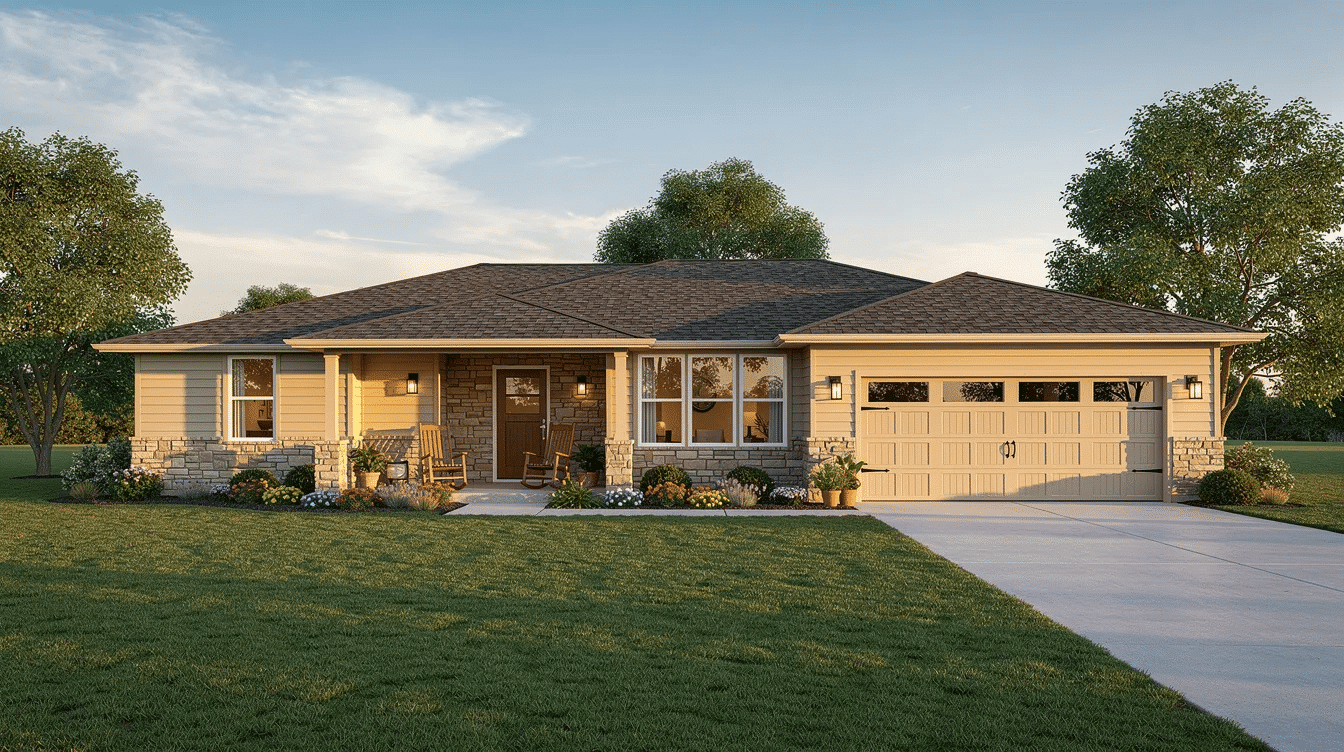
Ranch homes trace their beginning to the 1920s American West, drawing inspiration from low-slung structures suited to horizontal landscapes. Their popularity exploded post-World War II, becoming a symbol of suburban life from the late 1940s through the 1960s, a history that continues to shape ranch style homes across the United States.
Modern builders work with core features that define the style: a single story footprint, low-pitched roof, attached garage, combined living and dining room areas, and easy yard access. Today’s ranch homes integrate contemporary elements like large windows for natural light, covered outdoor living areas, and flexible bonus rooms that adapt to changing needs.
Classic 1950s ranches featured smaller, compartmentalized rooms around 1,200-1,800 square feet. Current designs push to 2,000-3,000+ square feet with spacious kitchens, a great room concept, higher ceilings, and walk in closet options throughout, reflecting common average ranch house dimensions in today’s market. These homes fit narrow suburban lots, wide rural parcels, and gently sloped sites where atrium or walkout basements add value.
Key Features of Modern Ranch Style Home Plans
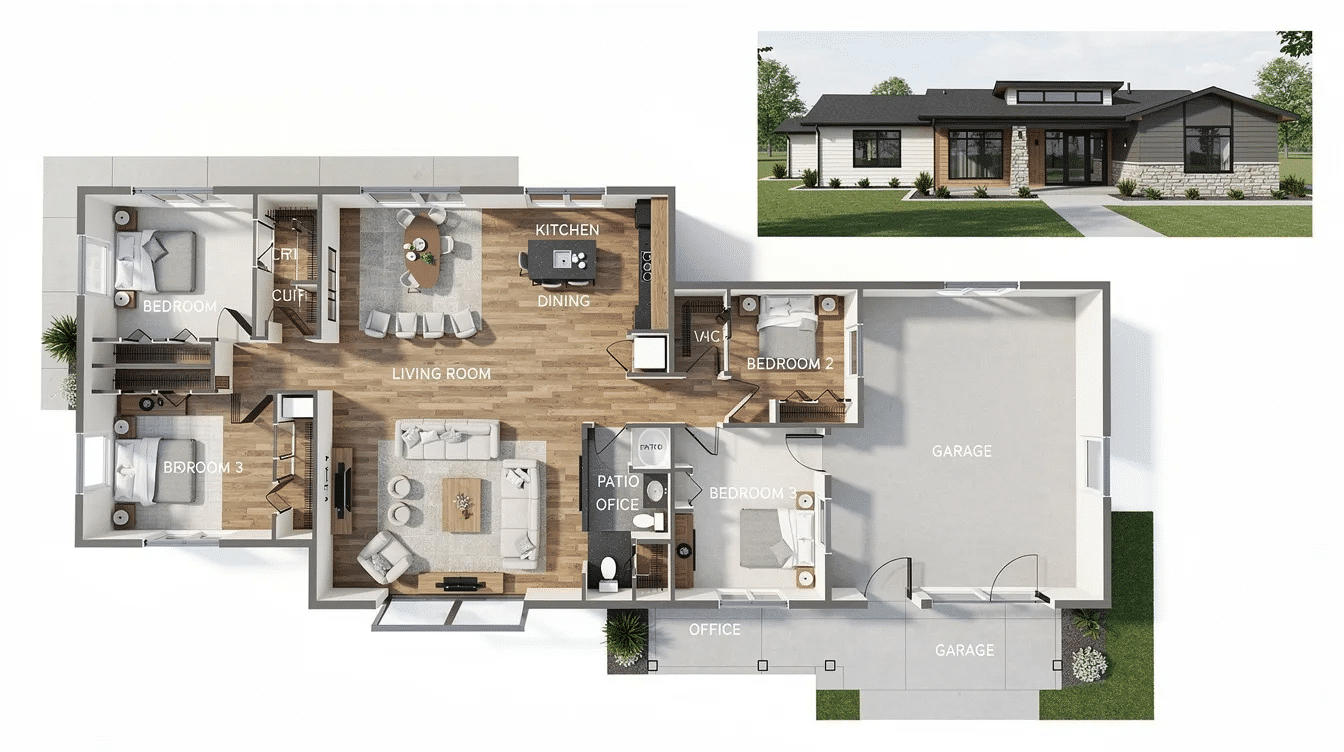
Modern ranch style house plans balance convenience, accessibility, and contemporary aesthetics in ways that serve homeowners across all life stages, building on the best features of a classic ranch style house.
Open-Concept Living combines kitchen, dining, and family areas into one central gathering space. This layout is perfect for entertaining guests and maintaining connection during everyday family activities with children.
Bedroom Zoning uses split layouts where the primary suite sits on one end while secondary bedrooms cluster on the opposite side. This configuration, often featuring three bedrooms or more, provides acoustic privacy and works beautifully for young families or hosting guests.
Indoor-Outdoor Flow is achieved through sliding or folding glass doors connecting to patios, covered porches, or decks. Builders plan sightlines to yards and views, creating warmth and inviting the outdoors inside.
Garages and Storage include attached two or three-car garages with direct mudroom access, walk-in pantries, and well-planned laundry rooms on the main floor for maximum convenience.
Ceiling Options like vaulted, tray, or cathedral designs add volume and drama without a second floor. Energy Efficiency features—high-R insulation, low-E windows, and efficient HVAC systems—are standard among quality builders, reducing monthly utilities by 15-25%.
Popular Types of Ranch Style Homes
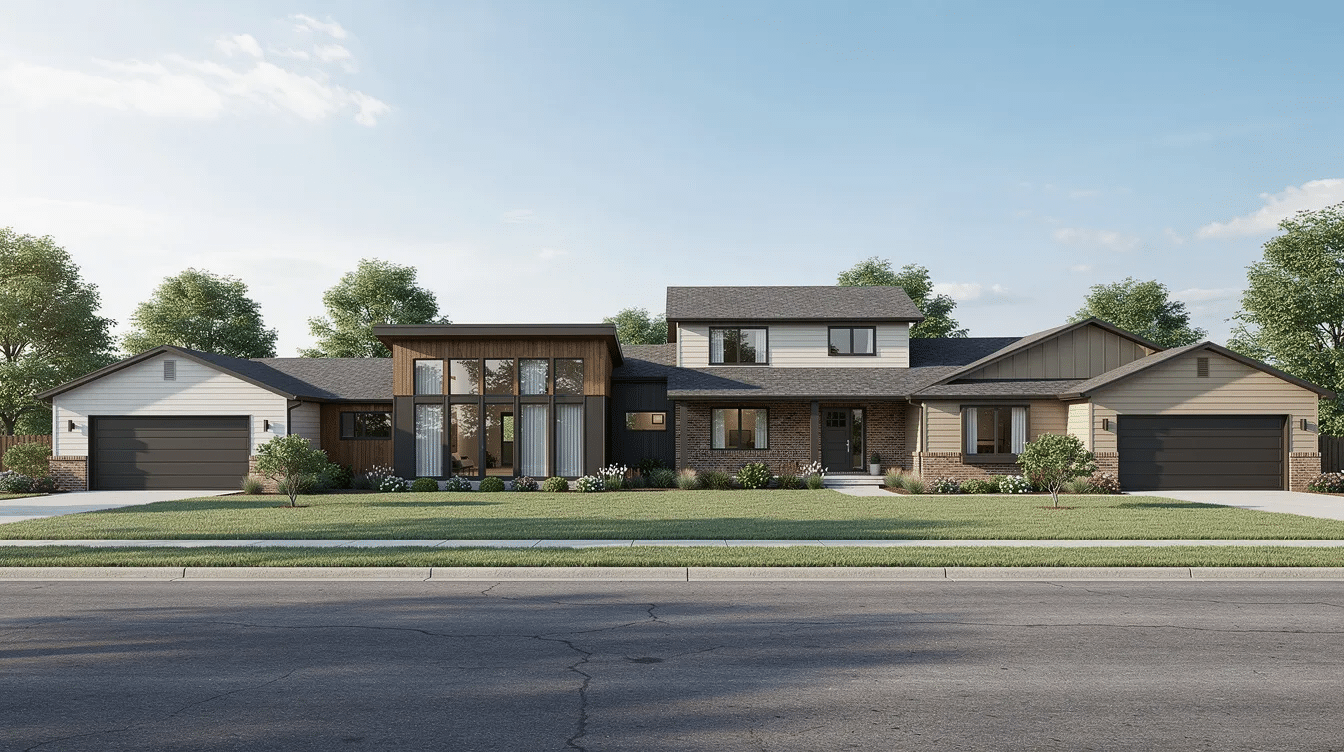
Ranch homes come in several recognizable types, each designed for different lots and lifestyle preferences.
California Ranch Homes feature sprawling L- or U-shaped floor plans wrapping around central courtyards. These work wonderfully on wider lots in mild climates, offering a beautiful blend of indoor and outdoor living with deep eaves for shade, echoing many of the top features of the California ranch style home.
Suburban Ranch Homes are more compact versions common in neighborhoods built from the 1950s onward. Updated with modern finishes, they remain popular choices for families seeking traditional homes with contemporary function.
Split-Level and Split-Entry Variations introduce short half-levels above or below the main floor. These adapt to sloped sites and add living space without expanding the footprint significantly.
Atrium and Walkout Ranch Styles place main living on one level with a partially exposed lower level opening to the backyard. This design maximizes daylight and creates additional space for relaxing, home offices, or pools, similar in spirit to raised ranch homes with split-level layouts.
Contemporary Adaptations include modern farmhouse ranch, mid-century modern inspired designs, and transitional ranch homes with clean lines. These styles blend simplicity with modern aesthetics.
The Benefits of One Level Living
One level living, a hallmark of ranch style homes, offers a host of advantages that appeal to a wide range of homeowners. With ranch house plans designed for all main living spaces on a single floor, daily life becomes more convenient and accessible. This layout is especially attractive to young families with children, as well as empty nesters seeking to simplify their lifestyle and eliminate the challenges of stairs. The seamless flow between rooms in ranch style house plans creates a spacious and open environment, making it easy to move from the kitchen to the great room or dining area without barriers, highlighting how beautiful ranch homes blend style and functionality.
Large windows are a signature feature of ranch style homes, inviting natural light to fill the space and enhancing the sense of openness. This abundance of light not only makes the home feel more welcoming but also creates a warm and inviting atmosphere for entertaining guests. The adaptable nature of ranch style house plans means they can be customized to fit any lifestyle, whether you’re building a custom home on a new lot or updating an existing property. Homeowners appreciate the ease and comfort that one level living provides, making ranch style homes a popular choice for those who value both style and function. With their flexible plans and timeless appeal, ranch homes are perfectly suited for creating a living space that grows and adapts with your family’s needs.
How to Choose a Ranch Style Home Builder
The choice of builder has more impact on your final home than any single floor plan or finish selection. Here’s what to evaluate:
Look for builders showcasing multiple ranch style house plans in their portfolio, including completed projects and photographed model homes. A strong portfolio demonstrates expertise in this specific style of construction.
Verify licenses, insurance, and memberships in local home builders’ associations. Confirm the builder regularly works in your exact county or region—local experience matters for permitting and subcontractor relationships.
Ask specifically about experience with universal design features: wider hallways, zero-step entries, and curbless showers. These details matter whether you’re a young family or planning for aging in place.
Request detailed written estimates itemizing foundation, framing, mechanicals, finishes, and allowances. Avoid lump-sum numbers that hide important details.
Evaluate communication style: clear timelines, a named project manager, weekly updates, and a defined process for handling changes during construction. Review references dated within the last two to three years and tour at least one finished ranch home; many reputable builders invite prospective clients to visit their model homes or completed projects so you can experience the quality and layout firsthand.
The Importance of a Ranch House Plan
A thoughtfully designed ranch house plan is the foundation of a comfortable and functional home. Ranch homes are known for their efficient use of space, often featuring a great room that serves as the heart of the home, seamlessly connecting the kitchen and dining room for easy family gatherings and entertaining, as showcased in amazing ranch homes that redefine comfort and style. With three bedrooms and multiple bathrooms, ranch style homes offer the flexibility to accommodate families of all sizes, as well as provide a peaceful retreat for empty nesters looking to downsize without sacrificing comfort.
The importance of a ranch house plan lies in its ability to blend style with practicality. Features such as walk-in closets, large windows, and inviting outdoor living spaces enhance both the convenience and enjoyment of everyday living. These elements not only add value but also create a warm, welcoming environment that homeowners love coming home to. When browsing ranch house plans, it’s essential to consider how the layout supports your lifestyle—whether you need extra space for family, a dedicated area for entertaining, or simply want the benefits of one level living.
Modern ranch style homes are designed with today’s homeowners in mind, offering a perfect balance of timeless style and contemporary features. By starting with a well-crafted ranch house plan, you set the stage for a home that is both beautiful and highly functional, tailored to your unique needs and preferences. Whether you’re building from scratch or renovating, the right plan ensures your ranch style home will be a perfect fit for years to come.
Customizing a Ranch Style Home: Design & Floor Plan Options
Most buyers start from a proven ranch house plans template and tailor it to fit their lifestyle and lot. This approach balances customization with cost efficiency.
Common interior modifications include enlarging the kitchen, adding an island, reconfiguring the primary suite, or creating a dedicated home office. Builders can adjust window placement and ceiling heights to match views, sun exposure, and privacy needs on your specific land, or even incorporate a ranch style house with loft for comfortable living to add flexible space.
Outdoor enhancements extend your living area: covered rear porches, screened rooms, outdoor kitchens, and fire pits create wonderful spaces for entertaining and relaxing, especially when coordinated with an all white ranch house design for modern elegance.
For multigenerational living, consider secondary suites with private baths, in-law quarters near a separate entrance, or finished lower levels with kitchenettes. These options offer adaptable arrangements as family needs evolve.
Structural upgrades like three-car garages, extended great rooms, or deeper basements must be decided early in the design stage—they significantly impact foundation and framing costs.
Universal Design, Aging in Place, and Accessibility
Single story ranch homes naturally align with universal design principles and accessible living, making them ideal for clients planning long-term.
Key features builders can integrate include step-free entrances, no-threshold showers, wider doors and hallways (36-42 inches), lever handles, and blocking in walls for future grab bars. These modifications support ease of movement throughout the home.
Thoughtful kitchen design enhances accessibility: lower or adjustable countertop sections, pull-out shelves, and easy-access appliances benefit everyone. These features help families with strollers, anyone recovering from temporary injuries, and guests with mobility challenges.
Ask potential builders if they work with Certified Aging-in-Place Specialists (CAPS) who understand how to design homes that serve residents comfortably for decades.
Building a Ranch Home on Your Lot: Step-by-Step
Many ranch style homes are built on land owners already possess or plan to purchase. Understanding the process reduces surprises.
Phase | Activities | Typical Timeline |
|---|---|---|
Site Evaluation | Soil tests, survey, setback review | 2-4 weeks |
Design & Approvals | Plan selection, adaptation, permits | 3-4 months |
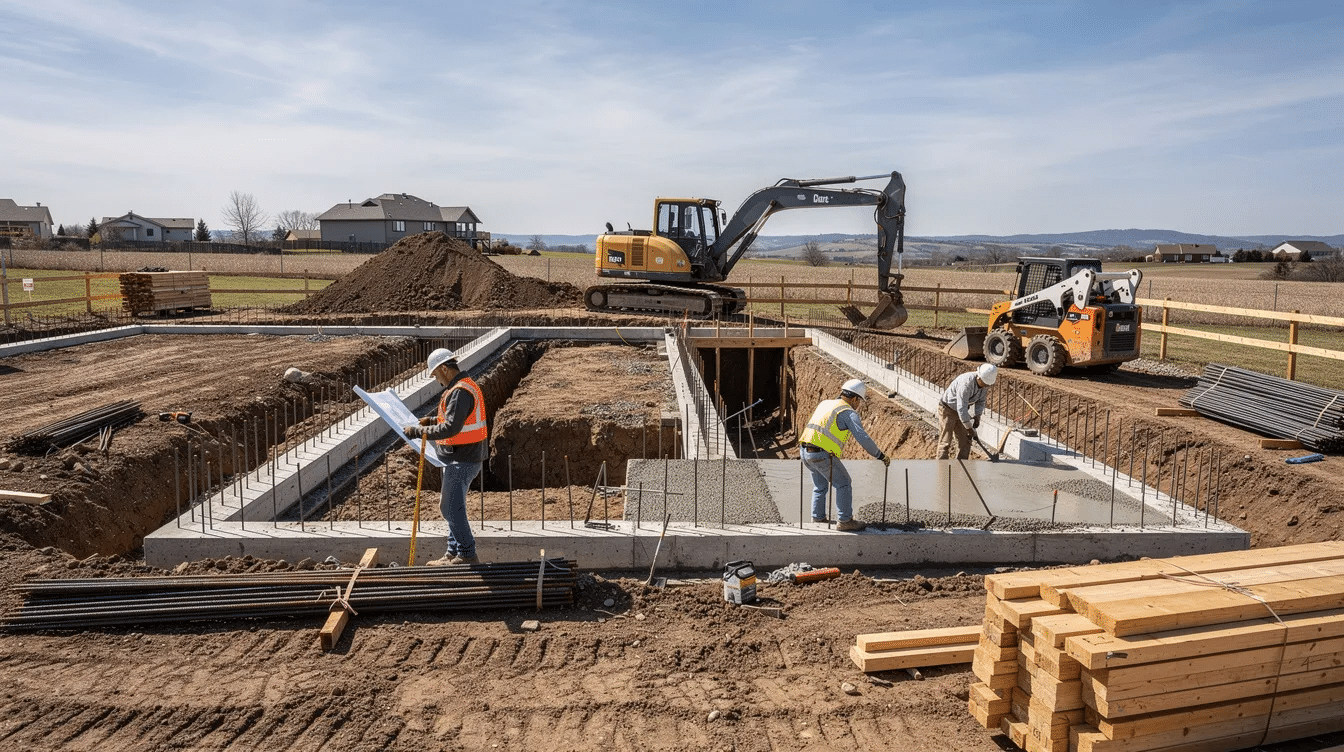
Foundation | Excavation and concrete work | 2-4 weeks |
Framing & Roofing | Structure completion | 3-5 weeks |
Mechanicals | Electrical, plumbing, HVAC rough-in | 2-3 weeks |
Finishes | Drywall, flooring, fixtures, final inspections | 6-8 weeks |
Total construction typically runs 6-10 months depending on region and complexity. Good builders coordinate utilities—water, sewer or septic, power, gas, internet—and help owners understand connection fees ahead of time. |
Budget, Pricing, and Value for Ranch Style Homes
Cost often determines builder and floor plan selection. Understanding pricing structures helps you compare proposals effectively.
Typical pricing ranges from $150-250 per square feet depending on location, site conditions, and finish levels. Base price usually includes standard finishes, basic landscaping, and driveway—upgrades cost extra.
Ask for clear allowance lists covering cabinets, flooring, lighting, and appliances. Understand what happens if your selections exceed or come under those allowances.
Single story ranches sometimes cost 10-15% more per square feet than two-story homes due to larger foundation and roof areas. However, they offer long-term savings in accessibility, maintenance, and energy efficiency—lower monthly utilities often offset initial price differences.
Durable materials and energy-efficient systems reduce operating and repair costs over the life of your home, delivering lasting value beyond the initial construction investment.
Where Ranch Style Home Builders Typically Work
Ranch homes enjoy popularity across many regions, from the Midwest and Great Plains to the South and West. Climate and local building traditions influence design approaches.
In hot, sunny climates, expect deeper overhangs and courtyards designed for shade. Colder regions feature more insulated envelopes and mudrooms for comfort and function. Some builders focus on specific metropolitan areas while others cover multiple neighboring states with similar codes.
Look for builders with established relationships with local subcontractors, inspectors, and suppliers in your specific city or county. Material costs, availability, and build timelines vary significantly between urban, suburban, and rural areas—even within the same state.
Working With Your Ranch Style Home Builder
Building a ranch home is a collaborative process between homeowner and builder. Communication and transparency make the difference between a wonderful experience and a frustrating one.
Initial design meetings typically review needs, budget, and preferred ranch style before selecting a starting floor plan. From there, design appointments cover exterior materials, roofing, windows, cabinetry, countertops, flooring, and fixtures in structured stages.
Regular site visits (when allowed) and milestone updates—especially at framing walkthroughs and electrical layout reviews—keep you informed of progress. Clarify warranty coverage, post-move-in service visits, and support available for adjustments during the first year.
Documentation of all decisions, change orders, and timelines protects both parties and builds trust throughout construction.
Conclusion: Is a Ranch Style Home Right for You?
Ranch style homes remain one of the most flexible and livable home types for 2026 buyers. Their combination of single level convenience, adaptable floor plans, and strong connection to outdoor living makes them suitable for virtually every life stage.
The benefits are clear: one level living eliminates stairs, open layouts foster family connection, and thoughtful design supports both entertaining and everyday comfort. Whether you’re among young families seeking room to grow, empty nesters simplifying life, or anyone planning to age in place, ranch homes deliver.
Take your next step: clarify your must-haves, browse inspiration images, and contact experienced ranch style homes builders for consultations. With the right team and plans, your custom home can provide lasting comfort, efficiency, and value—whether built in a new subdivision or on private rural land.