Ranch cabin plans combine the step-free convenience of single-story ranch homes with the rustic charm of cabin living. In 2026, homeowners seeking accessible layouts for aging in place, vacation retreats, or short-term rental income are driving demand for these versatile designs.
The benefits of ranch cabin plans include accessibility for all ages, versatile layouts that suit a range of lifestyles, and suitability for various homeowner needs, from permanent residences to vacation getaways.
This guide covers everything you need to know about styles, sizes, features, and how to choose the right ranch cabin plan for your property. We’ll also explore how ranch house plans share many of these features and benefits, offering flexibility, customization options, and broad appeal for different lot types and preferences.
- Ranch Cabin Plans: Quick Overview
- What Is a Ranch Cabin Plan?
- Key Features and Open Floor Plans of Modern Ranch Cabin Plans
- Outdoor Living Spaces in Ranch Cabin Plans
- Size and Layout Options for Ranch Cabin Plans
- Open Concept Living in Ranch Cabin Designs
- Popular Styles and Outdoor Living Spaces of Ranch Cabin Plans
- Advantages and Disadvantages of Ranch Cabin Plans
- Choosing and Customizing the Right Ranch Cabin Plan
Ranch Cabin Plans: Quick Overview
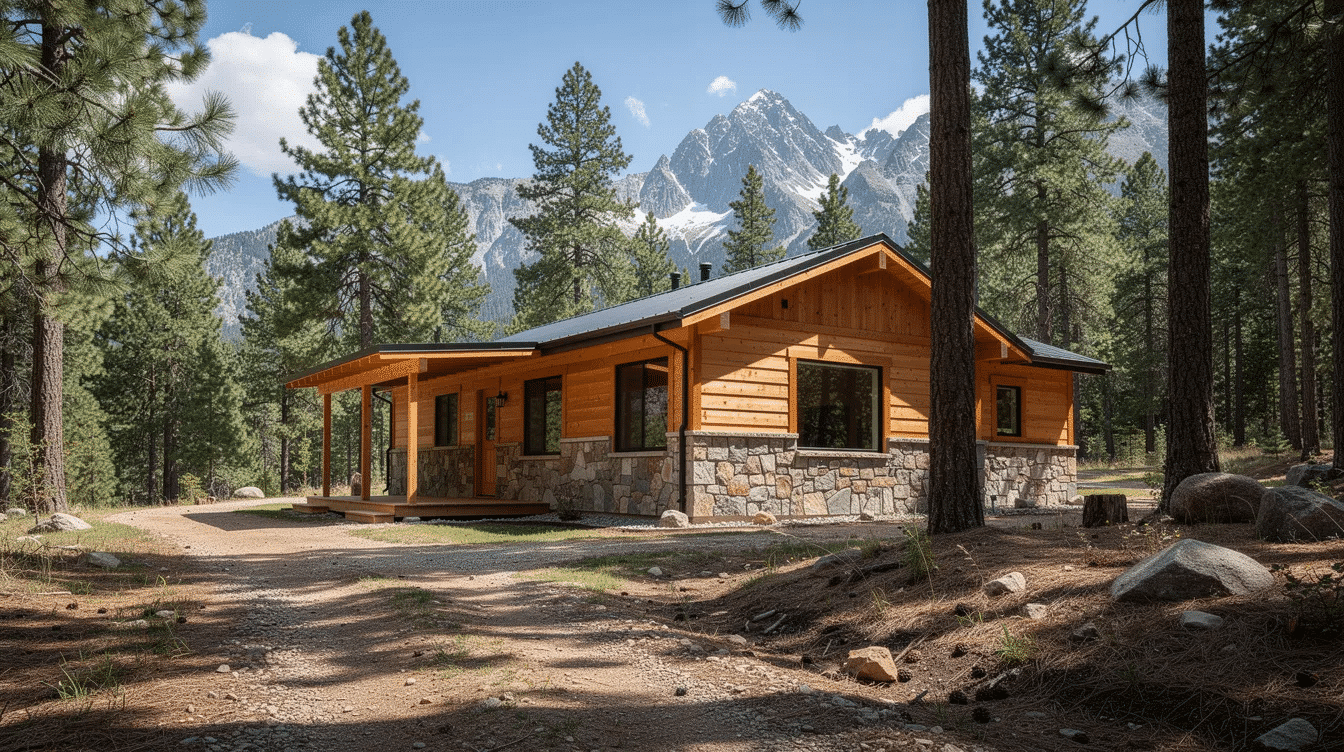
Ranch cabin plans merge the horizontal layout of traditional ranch style homes with cozy cabin aesthetics—think exposed wood, stone accents, and expansive porches. These ranch floor plans are single story designs that eliminate stairs while maintaining the warmth and character that draws people to cabin living.
Common locations for ranch cabin builds include:
- Colorado Rockies (mountain views, snow-load engineering)
- Wisconsin lake country (lakefront decks, floor-to-ceiling windows)
- Texas Hill Country (wide porches suited for milder climates)
- Pacific Northwest forests (standing-seam metal roofs for heavy rain)
Plans can be modified for regional conditions. Montana builds require reinforced framing for heavy snow, while Gulf Coast properties need hurricane straps and elevated foundations for flood zones.
Ranch house plans can be any square footage, from tiny ranch layouts under 1,000 sq. ft., small ranch plans between 1,000 and 2,000 sq. ft., to luxury designs over 3,000 sq. ft. Understanding average ranch house dimensions helps you choose a footprint that matches your budget, lot size, and space needs while preserving the essence of ranch style—open layouts, modern amenities, and seamless indoor-outdoor living—captured in these versatile plans.
What Is a Ranch Cabin Plan?
A ranch cabin plan is a single level living design featuring a horizontally oriented footprint with cabin-style materials and detailing. Ranch house plans are typically single-story structures with an extended, low profile and open layouts that often include large living areas. These house plans typically include low or moderately pitched gable roofs, wide eaves, and rectangular or L-shaped layouts. Slab foundations are a common choice for ranch cabin plans, as they are practical, simplify construction, and enhance accessibility by eliminating stairs.
How ranch cabins differ from other styles:
Feature | Ranch Cabin | Mid-Century Ranch | Traditional Log Cabin |
|---|---|---|---|
Exterior | Log/wood siding, stone bases | Brick or stucco | Full log construction |
Roof pitch | Steeper in snowy regions | Shallow | Often A-frame |
Layout | Open concept | Open | Compact, vertical |
Garage | Attached garages standard | Attached | Typically detached |
Amenities | Modern (spa baths, mudrooms) | Basic | Minimal |
Many homeowners prefer ranch cabin floor plans for their accessibility and lack of stairs, making them ideal for families with young children, retirees, and anyone prioritizing functionality over multi story homes. Inspiring examples of ranch homes that redefine comfort and style show how these layouts can stay practical yet visually appealing. Ranch homes are also adaptable to sloped lots, especially when designed with walkout basements or split-level layouts to maximize usable space. |
Key Features and Open Floor Plans of Modern Ranch Cabin Plans
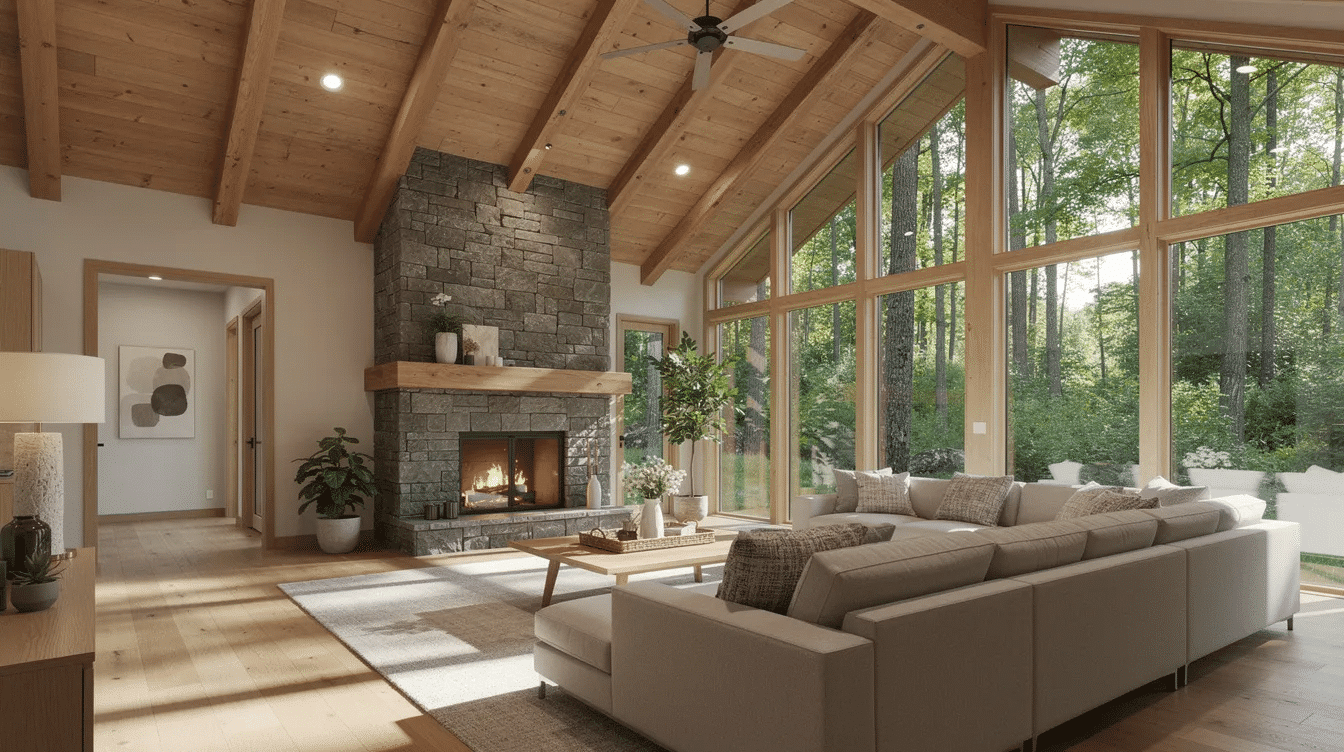
Modern ranch cabin designs prioritize open layouts and large windows to capture views and natural light from the surrounding landscape, echoing the best features of a classic ranch style house such as strong indoor-outdoor connections and efficient single-story living.
Interior features:
- Open floor plans connecting kitchen, dining, and great room areas
- Vaulted or cathedral ceilings in main living space
- Stone or brick fireplaces as focal points
- Split-bedroom configurations with the primary suite located on one side for added privacy
Outdoor integration:
- Covered porches for weather-protected entries
- Rear decks overlooking woods or lake views
- Walkout patios on sloped lots extending outdoor living spaces
Structural and material elements:
- Exposed timber beams and tongue-and-groove ceilings
- Engineered wood or log siding for durability
- Standing-seam metal roofing in snowy or rainy climates
Energy-efficient upgrades:
- Double or triple-pane windows (cutting heating costs up to 30%)
- Spray-foam insulation for superior air sealing
- Zoned HVAC optimized for single-story layouts
- Solar-ready south-facing roof pitches
Outdoor Living Spaces in Ranch Cabin Plans
Outdoor living spaces are a defining feature of ranch cabin plans, offering homeowners a seamless blend of indoor comfort and outdoor enjoyment. This emphasis on outdoor connectivity is central to the charm of beautiful ranch homes, where thoughtful porches and patios extend everyday living. Ranch style homes are designed to maximize the connection to the surrounding landscape, with covered porches, patios, and expansive decks that invite you to relax, entertain, and soak in the natural beauty just outside your door.
Covered porches provide a sheltered spot to enjoy morning coffee or evening sunsets, while patios and decks extend your living space for family gatherings, barbecues, or quiet moments with a good book. Expansive windows and sliding glass doors not only flood the interior with natural light but also create an effortless flow between the living space and the outdoors, making it easy to host guests or keep an eye on children playing outside.
Customization is key—ranch homes with outdoor living spaces can be tailored to fit your preferences, whether you dream of an outdoor kitchen for summer cookouts, a cozy fireplace for fall evenings, or built-in seating areas for larger gatherings. These features make ranch style homes a popular choice for those who value simplicity, style, and a strong connection to nature. Whether you’re entertaining guests or enjoying quiet family time, outdoor living spaces in ranch cabin plans enhance your lifestyle and make every day feel like a retreat.
Size and Layout Options for Ranch Cabin Plans
Ranch cabin plans range from compact weekend getaways to spacious full-time family homes. Understanding how many square feet you need helps narrow your search. Resources that celebrate the comfort and history of ranch style homes across the USA can also inspire which size and layout best match your lifestyle. If you need help narrowing down your ranch cabin plan choices, check out our dedicated resource page for guidance on selecting the right design.
Size bands by square feet:
Category | Square Ft | Bedrooms | Bathrooms | Ideal For |
|---|---|---|---|---|
Small | 600–1,200 | 1–2 | 1 | Couples, solo retreats |
Mid-size | 1,200–2,000 | 2–3 | 2 | Small families, guests |
Large | 2,000–3,000+ | 3–5 | 2–3 | Multi-generational, rentals |
Common layout configurations: |
- Simple rectangles for budget-friendly builds on flat sites
- L-shaped footprints wrapping courtyards or capturing views
- Split-bedroom plans placing more bedrooms opposite the primary suite (split bedroom layouts in ranch cabins enhance privacy by separating the primary suite from guest bedrooms)
Many ranch house plans offer optional basements or walkout basements on sloped lots, effectively doubling usable space for bunk rooms, game rooms, or storage.
Lot size matters: Wide ranch cabin footprints (60–80 ft frontage) may not fit narrow suburban lots. Ranch cabins typically require larger, flatter lots, often 0.5 to 1 acre, to accommodate their horizontal spread. Browse collection options carefully and verify maximum width and depth before committing.
Many ranch homes feature covered patios, wraparound porches, and expansive decks for outdoor living, adding to their appeal and versatility.
Open Concept Living in Ranch Cabin Designs
Open concept living is at the heart of modern ranch cabin designs, setting the stage for a spacious, welcoming environment that brings people together. Ranch style house plans often feature open floor plans that seamlessly combine the kitchen, dining, and living areas into one expansive great room. This layout not only creates more space but also fosters a sense of togetherness, making it ideal for families and homeowners who love to entertain.
Large windows and high ceilings are common features in these open layouts, allowing natural light to pour in and giving the living space a bright, airy feel. The flexibility of open concept design means you can easily adapt the space to suit your needs—whether that’s adding a home office, expanding the dining area for holiday gatherings, or creating a cozy reading nook.
Functionality is a top priority in ranch style homes, with attached garages and ample storage space integrated into the floor plans for added convenience; thoughtful ranch home garage additions can further boost storage, parking, and curb appeal. The simplicity and accessibility of single-level living make ranch style house plans a timeless choice for homeowners seeking practicality without sacrificing style. With open concept living, every room flows effortlessly into the next, creating a harmonious environment that’s perfect for both everyday living and special occasions.
Popular Styles and Outdoor Living Spaces of Ranch Cabin Plans
The term “ranch cabin” covers several visual styles with timeless appeal, from rustic log to modern farmhouse interpretations.
Rustic log ranch cabins:
- Full or half-log exteriors over stone bases
- Heavy timber porch supports
- Earth-tone palettes
- Popular choice in Wyoming, Idaho, and northern Minnesota
Contemporary ranch cabins:
- Cleaner horizontal lines with expansive windows
- Fiber-cement or charred wood siding
- Black metal roofing
- Thriving in Colorado and Utah mountain modern communities
Ranch-farmhouse hybrids:
- Board-and-batten siding with metal roofs
- Simple gables and wide front porches
- Ideal for Tennessee, North Carolina, and Texas Hill Country
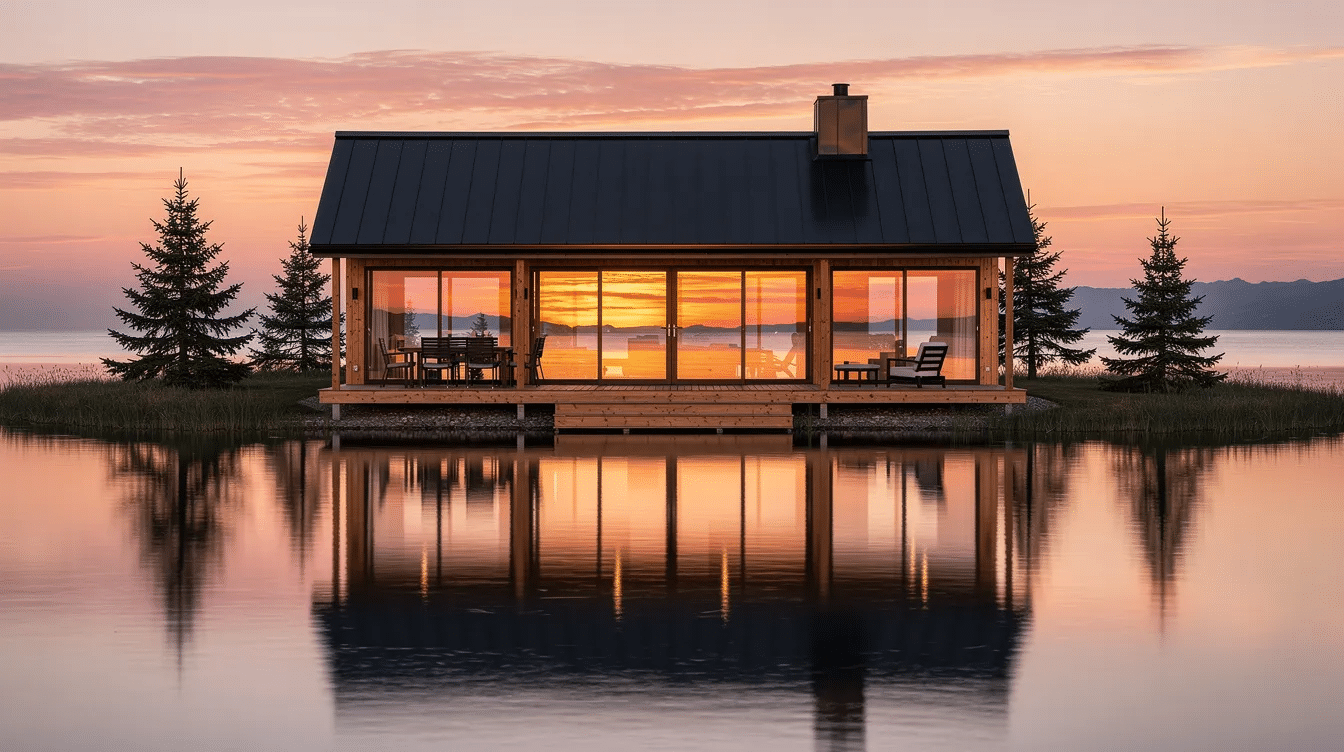
Lake and coastal adaptations:
- Elevated foundations (2–4 ft) to protect against flooding
- Corrosion-resistant galvanized hardware
- Screened porches for humidity and insects
- Wider decks for water views
A concrete example: a 1,600 sq ft modern ranch cabin featuring black metal roofing, floor-to-ceiling lake-facing windows, layered stone facades, and exposed wood beams—built for entertaining outdoors while enjoying rural Wisconsin scenery.
Advantages and Disadvantages of Ranch Cabin Plans
While ranch cabins offer practicality and charm, understanding trade-offs helps homeowners make informed decisions.
Advantages:
- Step-free accessibility ideal for aging in place
- Ranch floor plans are excellent for multigenerational living, as their single-level design provides easy accessibility for all generations
- Simpler maintenance with all systems at ground level
- Ranch homes can be highly energy efficient, as their single-story layouts reduce heating and cooling needs
- Single-zone heating/cooling cuts energy use 15–25%
- Strong indoor-outdoor connection via patios and decks
- Straightforward framing and simpler rooflines than multi story homes
- Easy future additions extending off rear walls
Disadvantages:
- The cost of building ranch-style homes can be higher than other styles due to the larger foundation and roof area required
- Ranch-style homes typically feature a wide footprint, which can be a disadvantage for homeowners with narrow lots
- Ranch homes are single-story, meaning there’s no upper level, which can be a disadvantage for homeowners who desire a separation of spaces
- Larger foundation and roof areas increase material costs 10–20% versus two-story equivalents
- Wider lot requirements may challenge narrow parcels
- Single-story noise propagation limits vertical zoning separation
- Bigger footprint affects grading, tree removal, and stormwater planning
For narrow or urban lots, consider modified ranch cabin plans with compact footprints under 50 ft or subtle ranch style house lofts where codes permit to add flexible living or storage space without expanding the footprint.
Choosing and Customizing the Right Ranch Cabin Plan
Selecting a ranch cabin plan means balancing lifestyle preferences, budget, and local building conditions. Homeowners often prefer layouts that offer accessibility, stairs-free living, or specific design features that suit their individual needs or lifestyle.
Practical criteria to consider:
- Number of rooms and bathrooms for current and future family size
- Dedicated home office or hobby space needs
- Full-time living versus seasonal use
- Rental income potential (bunk rooms for Airbnb)
Site-specific factors:
- Orient main windows toward sunrise, sunset, or views
- Plan porch depth (10–14 ft) for shade based on latitude
- Verify snow-load requirements (50+ psf in Rockies) or wind ratings (140 mph on coasts)
- Verify zoning and permits for the intended use of the land to ensure compliance with environmental regulations
Common customization options:
- Expanding the great room by 200–400 sq ft
- Upgrading from standard siding to log or timber accents
- Adding screened porches for bug-free lounging
- Converting bedrooms into bunk quarters for guests
- Many ranch house plans can be modified to suit individual needs, such as adding a home office or adjusting the bedroom layout.
- Ranch house plans can also be designed to fit narrow lots while maintaining spacious, functional layouts.
Work with local professionals—architects, structural engineers, or builders—to adapt any stock plan for 2026 regional codes, especially in seismic zones on the West Coast or hurricane zones along the Atlantic and Gulf coasts.
Before you browse any website or collection, create a prioritized wishlist separating must-have features (like primary suite privacy and open kitchen design) from nice-to-haves. This simplicity streamlines your search and moves you toward permitting and construction faster.