Ranch style homes—those single story houses with low-pitched roofs, wide eaves, and easy indoor-outdoor flow—remain one of the most sought-after residential styles in America. But if you’re hunting for one, location matters. Ranch style homes are most popular today in the American West, Midwest, South, and Sun Belt, with especially high concentrations in California, Texas, Arizona, Colorado, Ohio, Michigan, and Florida.
According to nationwide search data from platforms like Zillow and Google through 2024, “ranch” is consistently among the top-searched home styles in more than half of U.S. states. This article explores how ranch homes spread across the country, where they cluster now, and why specific climates and geographies favor this enduring architectural style.
- How Ranch Style Houses Became a National Favorite
- Regional Hotspots: Where Ranch Homes Are Most Common Today
- State-by-State Patterns: Where Ranch Style Dominates vs. Competes
- Climate and Geography: Why Ranches Cluster in Certain Places
- Ranch Style Variants and Where Each One Thrives
- Why Ranch Homes Stay Especially Popular in These Regions
How Ranch Style Houses Became a National Favorite
The ranch house story begins in the early 20th century Southwest. The California ranch emerged in the 1920s–1930s as architects blended Spanish Colonial influences with modern open floor plans and casual living spaces, reflecting early 1920s ranch house experiments that would later spread nationwide. After World War II, everything changed.
Between roughly 1945 and 1975, ranch style houses exploded in popularity as American suburbs grew outward from major city cores. Returning veterans leveraged FHA and VA loans to buy homes, while the interstate highway system made suburban commuting practical. Builders loved the ranch house style because mass production techniques favored low, sprawling designs on flat land.
By the 1950s–1960s, ranch homes were the dominant new-build style across California, Arizona, Nevada, Texas, Colorado, and large parts of the Great Plains and Midwest. The architectural style briefly declined in the 1980s through early 2000s as buyers shifted toward larger two story house designs and neo-eclectic styles. However, from the late 1990s onward, ranches began a steady resurgence as aging populations and young families rediscovered the appeal of single story living without stairs.
Regional Hotspots: Where Ranch Homes Are Most Common Today
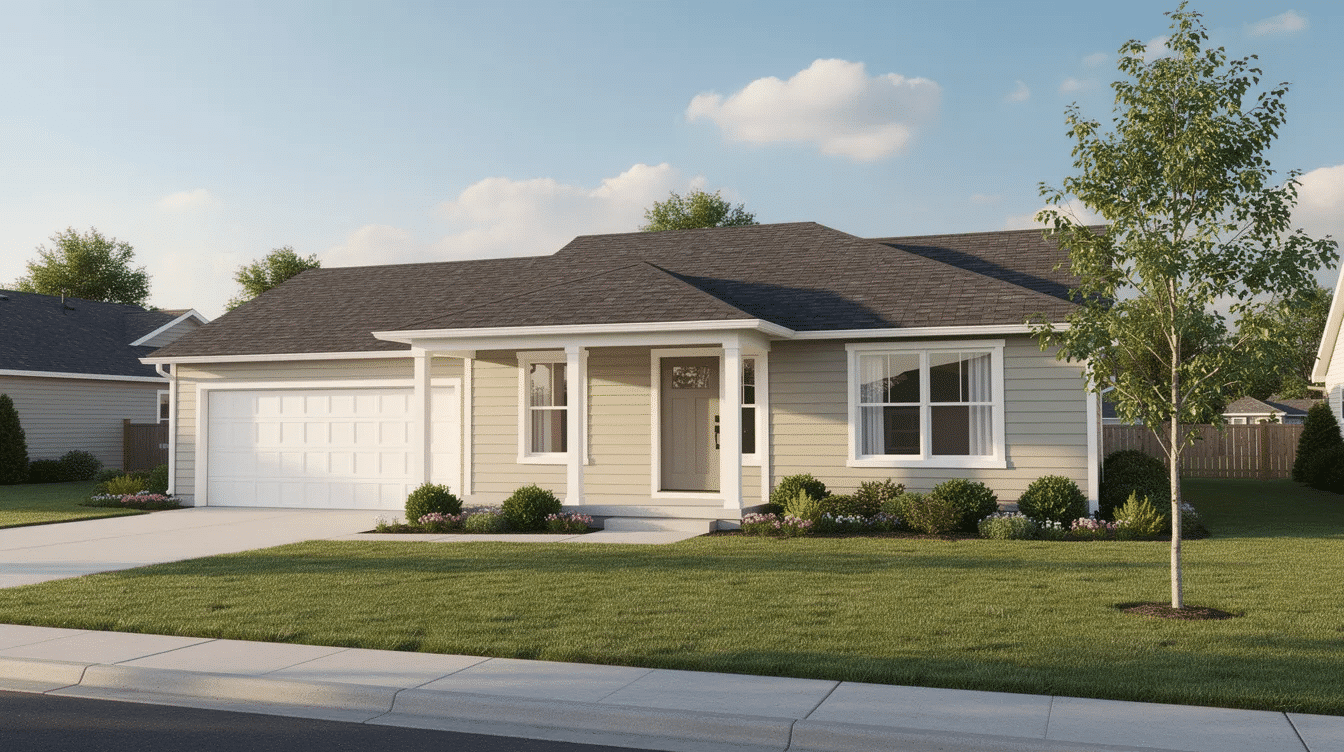
The highest concentrations of ranch style homes today cluster in the West, Midwest, South, and broader Sun Belt—particularly in postwar suburbs built between 1945 and 1975.
The West remains ranch country. California leads with dense concentrations in Los Angeles, San Fernando Valley, Sacramento suburbs, Orange County, and San Diego. Redfin data shows San Francisco and San Diego ranches selling at 99.7–113.4% of list price. Arizona’s Phoenix and Tucson follow closely, with Phoenix boasting 20.7% of active listings as ranch style at a 98.7% sale-to-list ratio. Nevada’s Las Vegas, Colorado’s Denver suburbs, and New Mexico’s Albuquerque also feature high concentrations from 1945–1965 builds.
The Midwest showcases widespread 1950–1975 ranch subdivisions. Ohio’s Columbus and Cleveland suburbs, Michigan’s Detroit area, Indiana, Illinois, Wisconsin, and Minnesota all contain substantial ranch housing stock. Chicago’s raised ranch listings hit 101.2% sale-to-list ratios, demonstrating continued demand.
The South and Sun Belt round out the hotspots. Texas metros like Dallas–Fort Worth, Houston, and San Antonio feature sprawling single-story tracts on cheap, flat land. Florida’s Orlando, Tampa Bay, and Jacksonville contain extensive ranch neighborhoods, as do the Carolinas, Georgia, and Tennessee. Warmer climates and zoning for large lots encouraged single-story sprawl throughout these regions.
State-by-State Patterns: Where Ranch Style Dominates vs. Competes
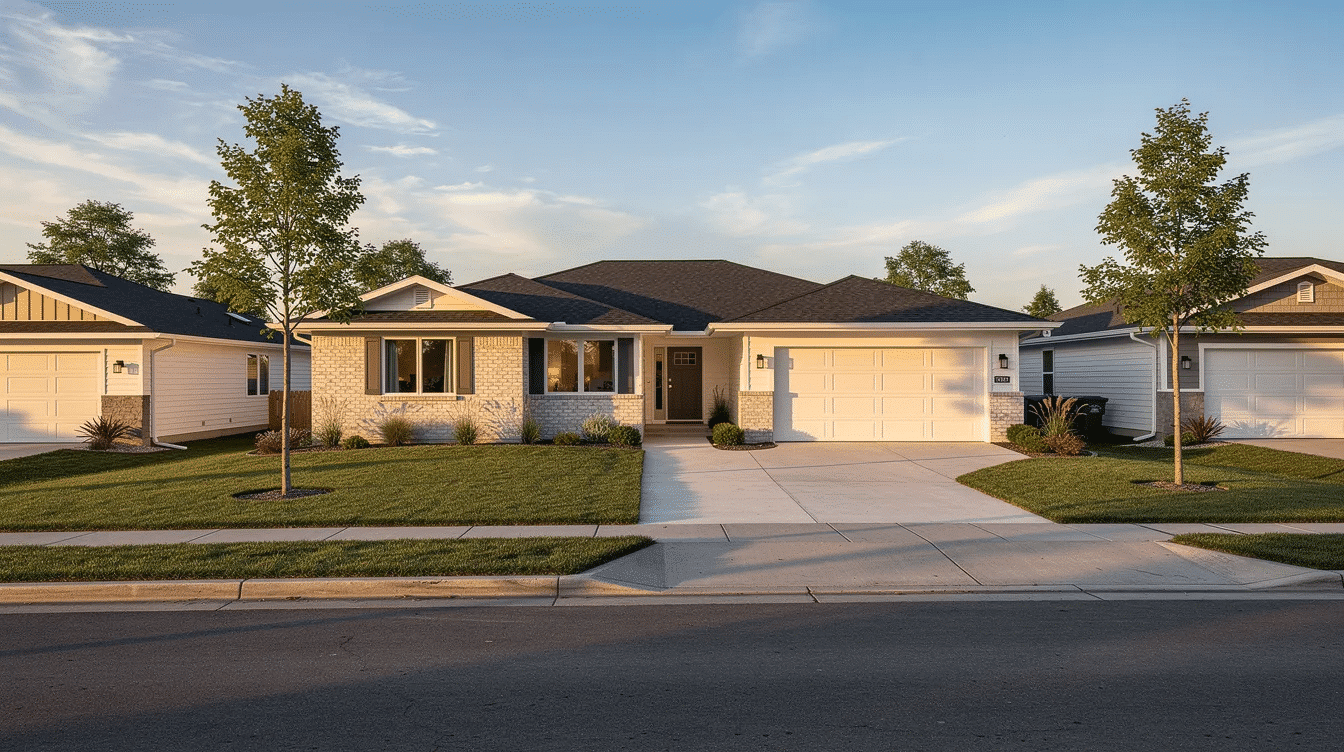
Ranch style is the most searched or most common existing single-family type in a majority of U.S. states—but it competes with other house styles in certain markets.
In many interior states like Ohio, Michigan, Indiana, Kansas, Oklahoma, Colorado, and Arizona, ranch style often comprises 40–60% of post-1950 housing stock in suburbs. Google search trend analyses reveal ranch as the favored style in at least 28 states, including Alaska, Arizona, Arkansas, California, Colorado, Florida, Hawaii, and North Dakota.
The pattern shifts in “cottage/traditional” states. New England, parts of the Mid-Atlantic, and Pacific Northwest urban cores favor older two-story homes, colonials, and rowhouses. Yet even here, 1950–1975 ranch tracts persist in outer suburbs. Boston still sees ranch homes hitting 102.9% sale-to-list ratios, despite representing only about 1% of listings.
Even in markets like New Jersey, Maryland, and the D.C. suburbs, ranch neighborhoods remain recognizable—especially in older commuter suburbs built in the 1950s and 1960s. Listing and search behavior since the late 2010s shows ranch style performing well nationwide, though it may not top charts in dense, prewar cities on the East Coast.
Climate and Geography: Why Ranches Cluster in Certain Places
Climate, land costs, and topography strongly influence where ranch homes make the most practical sense—and where builders concentrated them during the postwar boom.
Flat or gently rolling terrain in states like Texas, Oklahoma, Kansas, and much of the Midwest supports wide single-story footprints and large lots. Building horizontally costs less when land is cheap and plentiful. Warm or mild climates in the West, Southwest, and South encourage indoor–outdoor living through features like sliding glass doors, devoted patio space, and large windows that define traditional ranch style homes.
In California and other seismic zones, low-rise, wood-framed ranch homes performed better than taller, heavy masonry houses during mid-century earthquakes—reinforcing their popularity from the 1940s onward. The simple style proved both safe and affordable.
In colder northern regions like Minnesota, Wisconsin, and upstate New York, raised ranch and split level ranch variants adapt the basic concept to basements, sloped lots, and snow loads. These modifications allowed the ranch floor plan to work in climates requiring more vertical space and featuring finished basements for additional living areas.
Ranch Style Variants and Where Each One Thrives
“Ranch style” encompasses several subtypes that rose to prominence in different regions from the 1940s through the 1970s, but they all share the best features of a classic ranch style house such as open layouts, large windows, and strong indoor–outdoor connections. While all variants share a low, horizontal emphasis and casual open concept layouts, climate, lot size, and local preferences shaped where each subtype took hold.
California Ranch: The West Coast Original
The California ranch—often called the rambling ranch—originated in California during the 1920s–1930s and spread rapidly after World War II, becoming the quintessential California ranch style home associated with relaxed, indoor–outdoor living. This home style is especially associated with Southern California (Los Angeles, Orange County, San Diego), Bay Area suburbs, and parts of the wider West Coast.
Key features include sprawling L- or U-shaped single-story plans, low-pitched roofs, wide eaves, large windows, sliding glass doors, and prominent patio and front lawn areas. The U shaped design simple as it was integrated homes with surrounding landscapes. Similar rambling ranches appear throughout the broader West and Southwest in mid-century subdivisions built between 1945 and 1965, where nature lovers appreciated the connection to outdoor spaces.
Suburban Ranch: The Postwar Tract Workhorse
The suburban ranch evolved as a more compact, efficient spin on the California ranch, optimized for mass-produced subdivisions during the 1950s–1970s, and it remains a prime example of how beautiful ranch homes blend style and functionality for everyday living. This typical ranch style house became standard in growing metro-area suburbs nationwide.
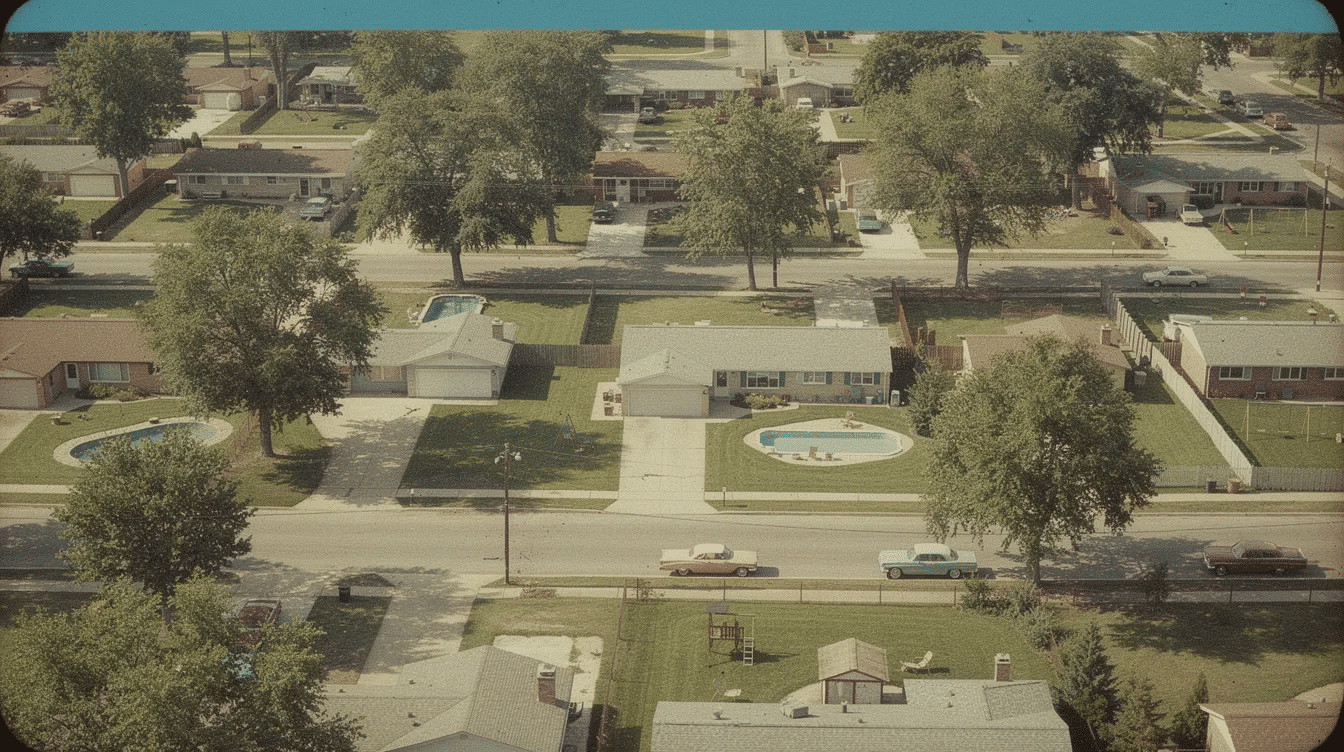
You’ll find suburban ranches from California’s Central Valley to Chicago, Detroit, Columbus, Atlanta, Dallas, and Phoenix. Main features include one-story asymmetrical façades, an attached garage (single or double), modest but functional backyards, simple open-concept interiors, and exposed beams in some models. These are often the ranch homes buyers encounter today in large mid-century neighborhoods ringing every major city in American suburbs.
Raised Ranch: Popular in the North and on Sloped Lots
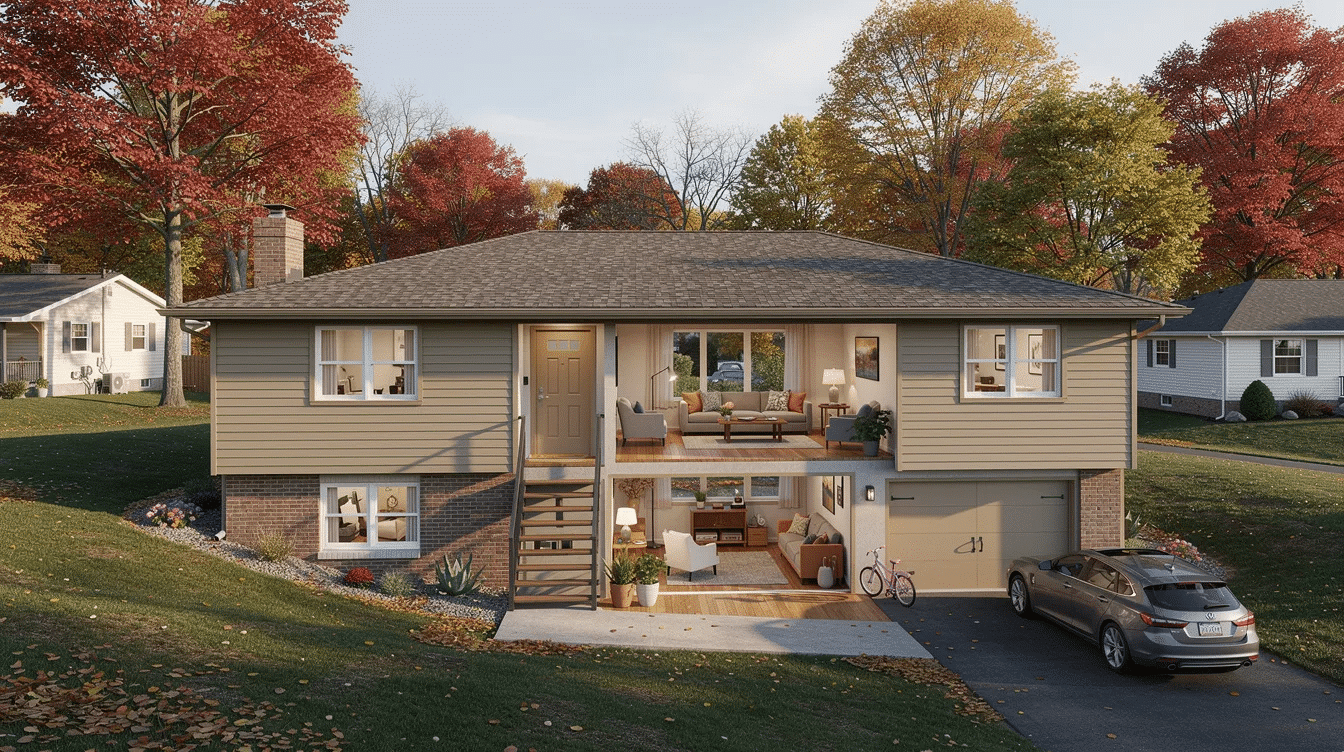
A raised ranch opens directly into a small foyer with a staircase leading up to main living areas and down to a partially above-grade lower level. Many raised ranches maximize square footage by utilizing that additional floor.
This subtype thrives in colder, northern regions around the Great Lakes (Minnesota, Wisconsin, Michigan), the Northeast (upstate New York, Pennsylvania, Boston and Philadelphia suburbs), and hilly or sloped-lot areas in northern USA, where homeowners value the features and benefits of raised ranch homes for maximizing space and light. Many families appreciate featuring finished basements, integrated garage areas, and flexible lower-level family rooms or guest suites with a dining room. This variant maximizes living spaces in climates where basements are customary.
Split-Level Ranch: A Middle Ground Between Ranch and Two-Story
Split-level ranches stagger living spaces across two or three short levels connected by half flights of stairs, while maintaining a low, horizontal street presence without the height of multiple stories found in a standard two story house, making them an interesting comparison point in the broader bungalow vs ranch home styles conversation.
This subtype gained popularity in the late 1950s and 1960s in fast-growing suburbs near metros like Chicago, Denver, Seattle, and along the East Coast corridor from Virginia to New Jersey. The layout provides functional separation: main level for living, upper level for bedrooms, lower level for dens or rec rooms. Split-level ranches work especially well in slightly hillier subdivisions where minor grade changes made staggered floors practical.
Storybook and Decorative Ranches: Character in Established Neighborhoods
A storybook ranch stands apart from other ranch styles through ornamental details like steep gabled roof lines, shutters, a decorative chimney, decorative brick or stone with wood siding accents, and diamond shaped window panes. This fairytale ranch variant blends single floor house plans with cottage-style traditional charm.
These homes appear in older, character-rich neighborhoods on the West Coast (parts of Los Angeles and the Bay Area), the Pacific Northwest, and select East Coast suburbs where builders wanted a softer, more traditional look. The storybook ranch offers similar exterior appeal to cottage homes but with single-story convenience—perfect for buyers who want the popular style of ranch living without stark mid-century lines.
Why Ranch Homes Stay Especially Popular in These Regions
Ranch homes remain most popular where they align with local lifestyles, demographics, and existing housing stock built during the mid-20th century boom years.
In many Western, Midwestern, and Sun Belt metros, large inventories of mid-century ranches keep prices relatively accessible compared to newer, taller builds. This matters in today’s housing market where affordability concerns drive many decisions. Phoenix, Denver, and similar cities offer buyers substantial ranch options at competitive price points.
Single-story layouts appeal strongly to aging baby boomers, people with mobility concerns, and young families who prefer no interior stairs. Unlike tiny homes or cramped apartments, ranches offer generous square footage on a single level. This demographic alignment reinforces sustained demand in ranch-heavy parts of the country.
Open floor plans, big windows with natural light, and easy access to yards and patios fit current preferences for casual living and entertaining. In climates that allow year-round or three-season outdoor use, the ranch’s emphasis on indoor-outdoor connection feels especially relevant. A front door that opens to connected living spaces—rather than a formal foyer—suits how many families actually live today.
Buyers searching specifically for ranch style homes will find the most options in Western, Midwestern, Southern, and Sun Belt states, and many turn to Ranch Style Homes USA for inspiration and ideas as they narrow their search. Whether you’re drawn to a California ranch with devoted patio space, a suburban ranch near a major city, or a raised ranch in northern climates, understanding these regional patterns can sharpen your search and help you find exactly the single story ranch that fits your lifestyle.