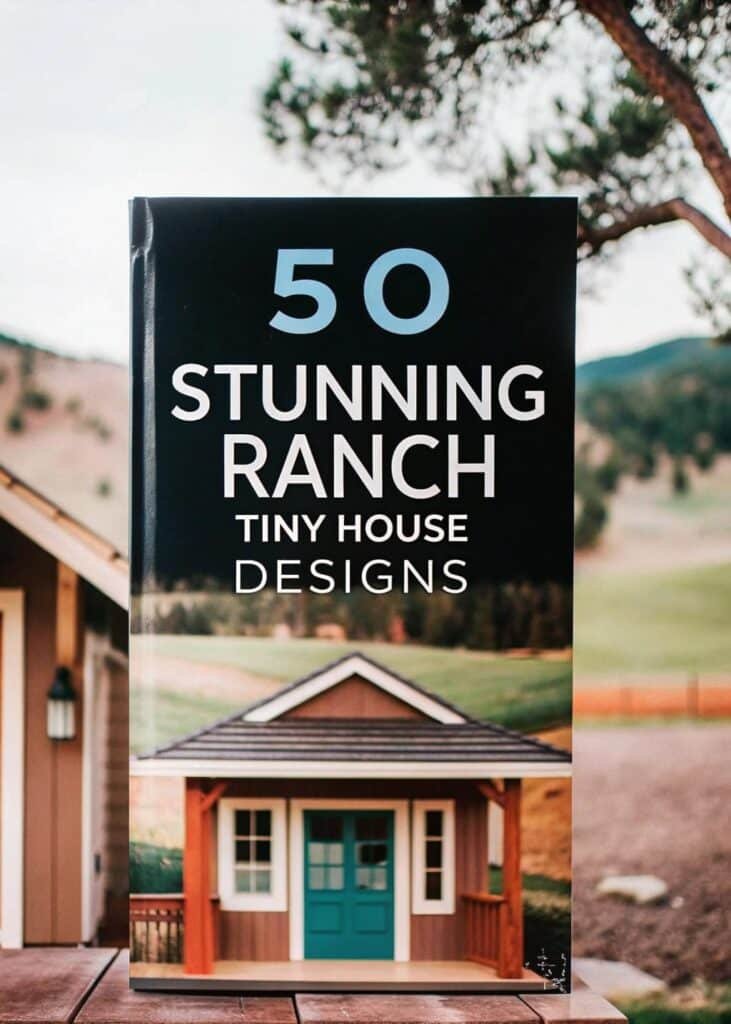
The 1940s ranch house emerged from the American West in the late 1930s and quickly became one of the most beloved residential styles in the country. Rooted in Spanish Colonial architecture and refined by California designers, these single-story homes offered families a casual, practical way to live that felt distinctly modern for its time.
Construction of authentic 1940s ranch homes typically spans 1938–1949, with concentrations in California (especially the San Fernando Valley), Midwest suburbs, and post-war developments across the Sun Belt. When WWII veterans returned home seeking affordable housing, this style delivered exactly what they needed: functional layouts, modest footprints, and a connection to the outdoors that suited new suburban neighborhoods.
Defining features of a 1940 ranch style home include:
- Single-story layout with a low, horizontal profile
- Low-pitched roof with wide eaves
- Attached or detached garage
- Picture windows oriented toward the street or backyard
- Emphasis on indoor-outdoor living via patios and covered porches
Today, many original 1940s ranches are undergoing renovations to create open floor plans, improve natural light, and update aging systems. These homes remain popular because they offer solid construction, timeless appeal, and layouts that adapt well to modern family life with careful planning.
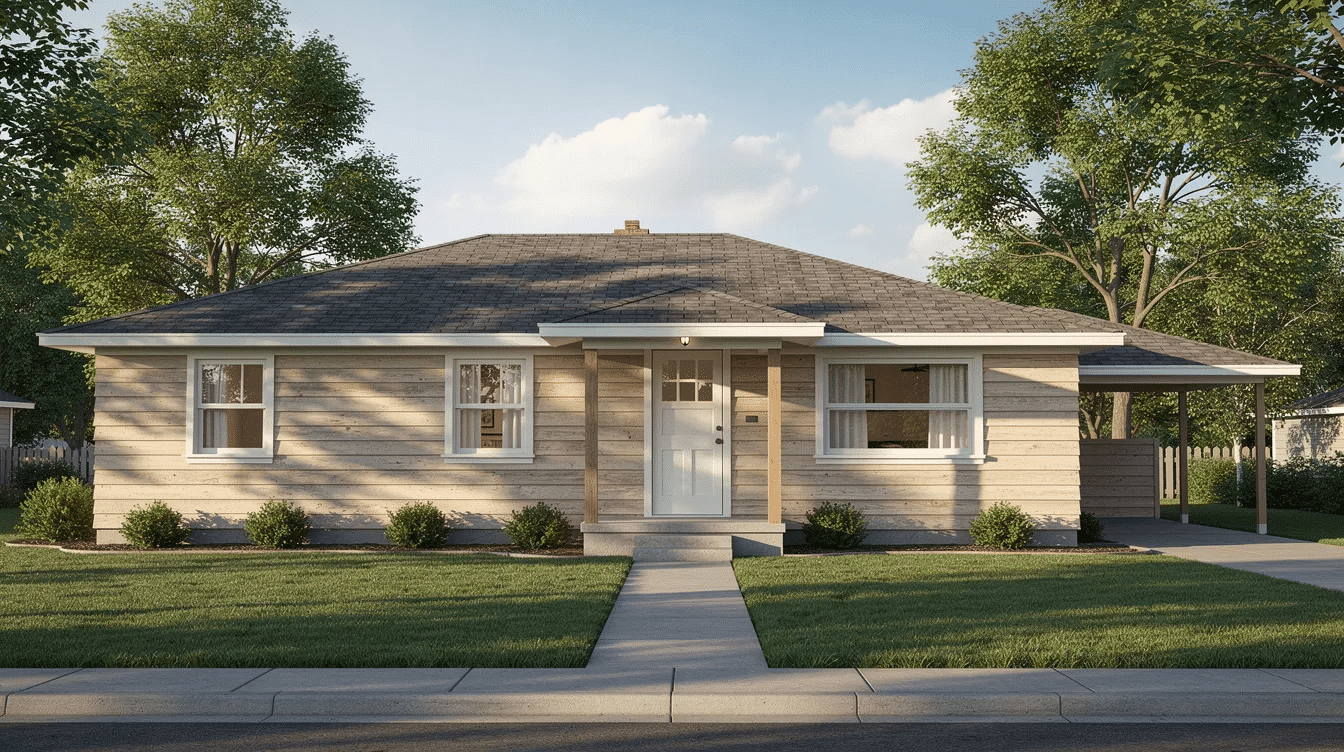
Origins and Architectural Characteristics of 1940 Ranch Homes
The ranch style traces its origins to Spanish Colonial architecture of the 17th through 19th centuries, which emphasized single-story designs, native materials like adobe, and simple layouts suited to Western ranch life, eventually evolving into beautiful ranch homes where style meets functionality. Architect Cliff May refined this vernacular in southern California during the mid-1930s, designing what’s credited as the first modern ranch form in 1931 and later developing Riviera Ranch in Brentwood, Los Angeles, which opened in 1940.
Prairie modernism also influenced the style. Frank Lloyd Wright’s linear Usonian prototypes from 1938 contributed ideas about clustered bedrooms, open living spaces, and central kitchens that would become hallmarks of ranch design, foundational elements in many amazing ranch homes that redefine comfort and style.
Exterior features of a typical 1940 ranch include:
- Long street-facing facade with a low, horizontal profile
- Low-pitched gabled or hipped rooflines
- Wide eaves providing shade and weather protection
- Simple rectangular or L-shaped footprints
- Wood siding, brick, or stone veneer cladding
Interior layouts circa 1940 were more compartmentalized than later versions. You’d find a formal living room up front facing the street, a separate dining room, a small closed-off kitchen, bedrooms clustered off a central hallway, and typically just one bathroom serving the whole house, an evolution from earlier 1920s ranch house designs. Footprints averaged 1,400–1,600 square feet.
Common period details worth noting:
- Original brick or stone fireplaces with simple surrounds
- Steel or wood-framed windows with asymmetrical placement
- Narrow oak strip flooring
- Built-in bookcases or niches
- Coved ceilings and simple mouldings
Unlike 1950s ramblers, 1940 ranches were smaller overall with simpler detailing. Early examples sometimes featured detached garages before car culture fully shaped suburban design, making them strong candidates for a thoughtfully planned ranch home garage addition.
Case Study: Updating a Family’s 1940 Ranch for Modern Living
Consider a fictional but realistic scenario: a family purchases a 1940 ranch house in Columbus, Ohio—a 1,500 square foot property with three bedrooms, one bathroom, and the classic closed-off layout of its era. The new owners fall in love with the home’s gorgeous oak floors and original brick fireplace, but the dark kitchen and cramped hallway feel dated.
Their goals were straightforward: create an open floor plan connecting the kitchen to the dining area, add a second bathroom, bring more natural light into the living spaces, and preserve the home’s 1940 charm throughout.
The renovation involved removing the wall between the kitchen and dining room while widening the opening to the living room. A small hall closet was reconfigured into an en-suite bathroom for the main bedroom, creating something closer to a master suite without a major addition.
Design choices respected the period: refinishing original oak floors instead of replacing them, restoring the 1940s brick fireplace with a hand-troweled plaster surround, and installing simple Shaker-style cabinetry that feels appropriate without looking dated.
Key lessons from this project:
- Secure structural engineering before any wall removal—1940 load-bearing walls require proper header support
- Upgrade electrical and plumbing during the remodel since 1940s systems rarely meet modern needs
- Plan circulation carefully so bedrooms remain private even with a more open layout
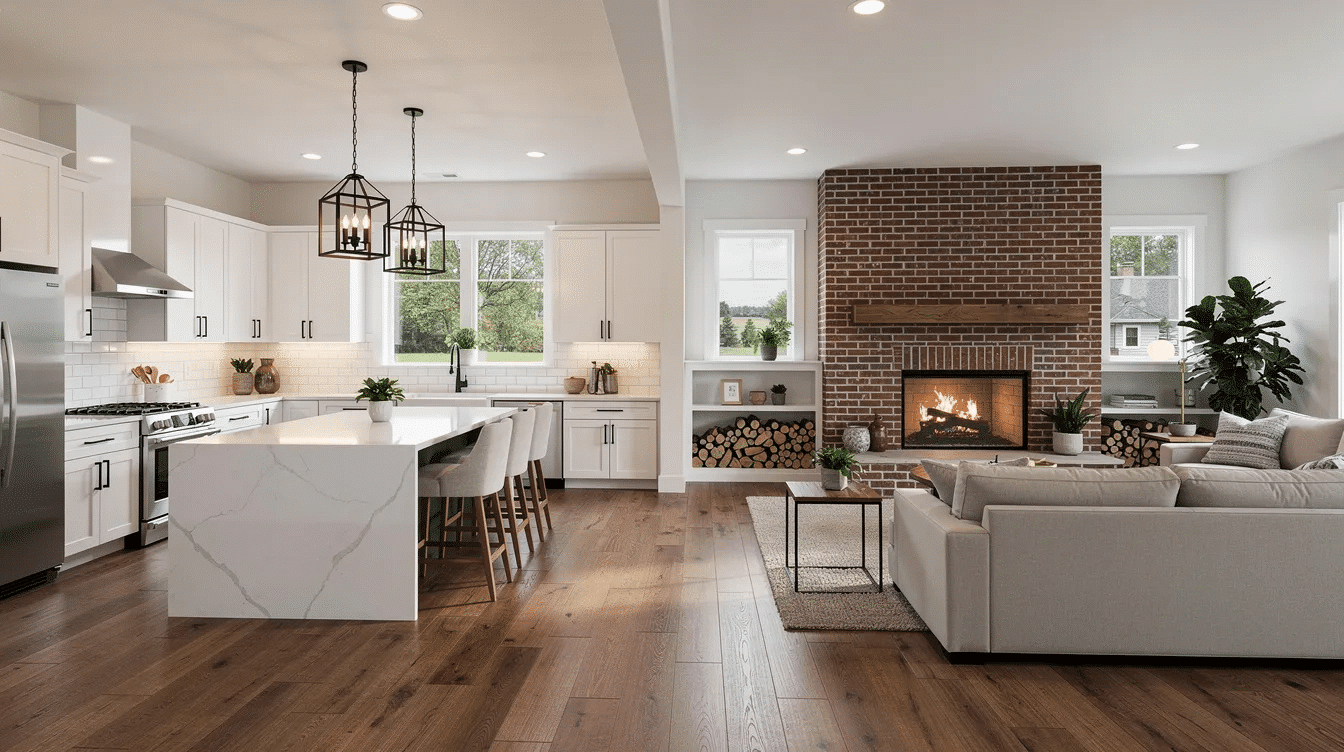
Improving Natural Light and Indoor–Outdoor Connection
Many 1940s ranch homes feel dark despite their potential for wonderful natural light. Small windows and deep eaves were practical for climate control but create dim interiors by today’s standards, a common challenge celebrated and addressed across Ranch Style Homes USA.
Effective interventions include enlarging existing window openings for larger picture windows, adding French or sliding glass doors off the dining or living room to access the backyard, and installing a modest skylight in the kitchen or hallway where roof structure allows.
Orientation matters. South- or east-facing windows capture morning light beautifully. In the Columbus case study, the family replaced a small north-facing window with a larger one facing the garden, making a bright difference in their daily experience.
When cutting larger openings in 1940 load-bearing walls, work with an engineer to preserve original headers where possible. The finished space should feel visually connected to the outdoors, echoing the ranch style’s original intent for casual, outdoor-oriented living. Consider adding an outdoor dining area on your patio to extend living space seasonally.
Reconfiguring Circulation and Storage
The typical 1940 central hallway can feel cramped and inefficient. Many original ranch homes have awkward traffic patterns that force you to walk through bedrooms to reach other spaces.
Concrete ideas for improvement:
- Shift a hallway closet to create a small mudroom by the side entry
- Install built-in cabinets along a hall for linen storage
- Tuck a reading nook or sitting area under an existing stair if you have a story-and-a-half ranch variant
Smart storage solutions include under-stairs cabinets, concealed doors to playrooms or storage areas, and wall-to-wall bookcases that fit the home’s low, horizontal lines. Keep traffic patterns clear between front door, kitchen, and backyard doors—a good layout means you shouldn’t need to walk through bedrooms to reach main living spaces.
Interior Design Ideas for 1940 Ranch Style Homes
The best 1940 ranch interiors blend period charm with current tastes: comfortable, casual spaces that don’t feel either overly retro or starkly modern. You want your home to live well while respecting its architectural character.
A palette inspired by the 1940s works beautifully when updated: warm whites, muted greens, navy, and clay tones paired with natural materials like oak, wool, and linen create a cozy atmosphere that photographs well and ages gracefully.
Mix vintage and new furnishings for depth. Consider 1940s–1950s case goods, midcentury lighting, and contemporary sofas with clean lines. A sofa in a neutral fabric anchors the living room while vintage chairs add character in a corner.
Key interior features to highlight:
- Original or updated fireplace as a focal point
- Low-profile seating that suits the horizontal architecture
- Simple window treatments that don’t block light
- Period details like coved ceilings, simple mouldings, and interior doors with 3- or 5-panel profiles
Retain or re-create subtle vintage details to keep the 1940 character recognizable. Even small touches like appropriate door hardware make a difference in the overall flow and feel.
Living Room and Dining Areas
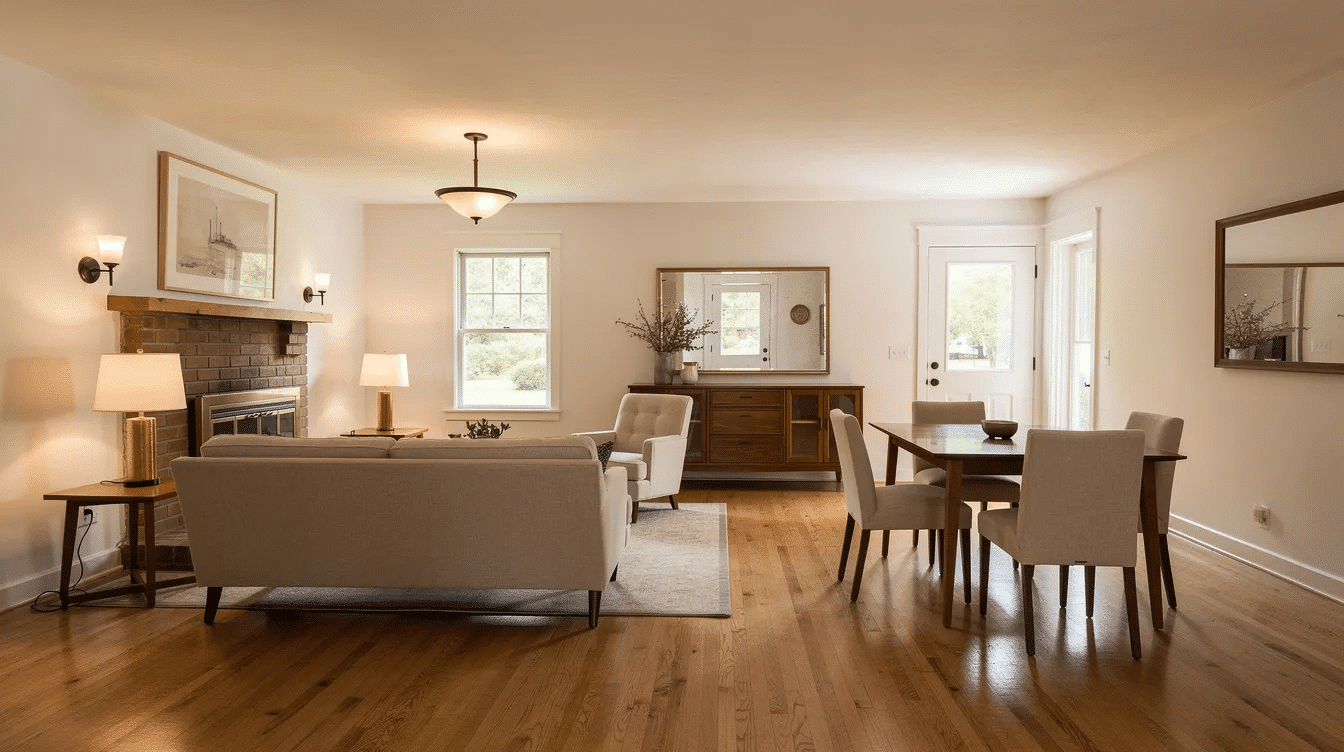
In a long 1940 ranch living room, group seating around the fireplace while maintaining clear walkways from entry to back door. Avoid splitting the room awkwardly with furniture placement that blocks natural traffic patterns.
Light-enhancing strategies include pale oak or refinished original floors, light walls in warm whites, and layered lighting combining a ceiling fixture, sconces, and table lamps. Hang mirrors opposite large windows to bounce light deeper into the space.
For dining areas—whether a separate dining room or open-plan zone—a simple rectangular table with upholstered chairs creates comfort. Let art or a picture window serve as your focal point rather than heavy furniture. A sideboard or hutch provides practical storage for dishware while echoing the 1940s emphasis on built-ins.
Kitchens and Bathrooms with 1940-Inspired Details
Original 1940 kitchens were compact and utilitarian—a stark contrast to today’s preference for larger, open kitchens where friends and family gather. Updating while maintaining period character requires thoughtful choices.
Kitchen design cues that work:
- Shaker or slab-front cabinets, possibly painted in muted tones
- Simple hardware in polished nickel or brass
- Tile backsplashes such as subway or small hex patterns
- Solid surfaces like quartz or butcher block that nod to period materials
For bathrooms, 1940 references include black-and-white tile floors, colored wall tile bands in soft green, butter yellow, or aqua, and pedestal or console sinks. Update with modern fixtures while keeping layouts efficient—galley or L-shaped kitchens that respect original plumbing locations work best. The rest of your decor can layer in personality through paint, wallpaper accents, and accessories.
Adding Bedrooms, Bathrooms, and Functional Space
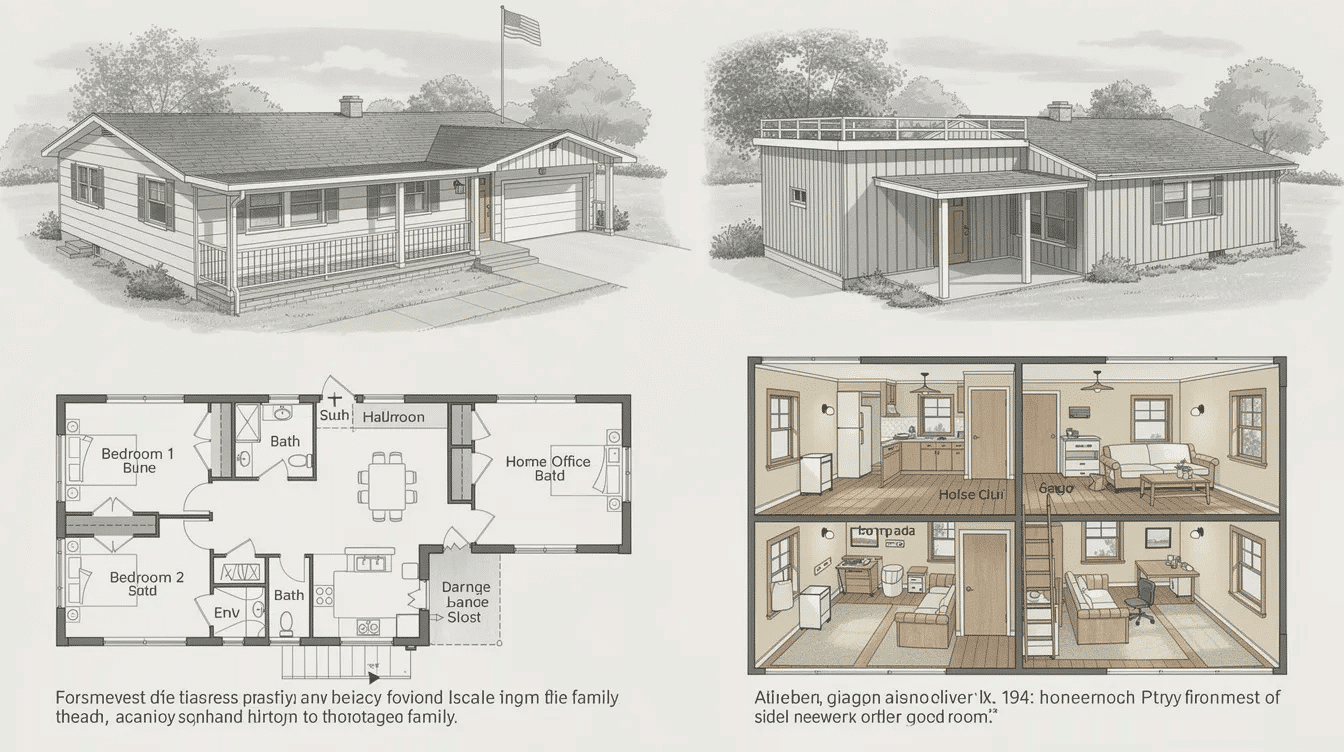
Common functional shortcomings of 1940 ranch homes include only two bedrooms, a single hall bathroom, and no dedicated master suite—challenging for modern families with kids or those who work from home and need an office, but also prime reasons to consider creative additions to a ranch style house.
Strategies for adding a bathroom include converting a large hall closet, borrowing space from an oversized bedroom, or incorporating a new bath into a modest rear addition. Look at your existing floor plans carefully before assuming you need to build out.
Creating a primary suite might involve combining two small bedrooms, adding a rear bump-out with bedroom and bath, or finishing an attached garage where zoning allows. Flex spaces like a home office, playroom, or guest room often emerge from finishing existing basements or reconfiguring underused rooms.
Preserve the home’s scale and proportions with any additions. Extensions should continue horizontally with rooflines and exterior materials matching the original 1940 structure—raised rooflines or second stories rarely suit ranch architecture, and understanding the best features of a classic ranch style house helps guide those decisions.
Designing Kids’ and Guest Spaces in a 1940 Ranch
For children’s bedrooms in a ranch, think bright but not overly themed decor. Durable wool or flatweave rugs handle wear, while built-in storage under windows or along one wall maximizes space in compact rooms.
A practical kids’ or hall bathroom features a tub-shower combo, timeless tile in the foreground of your design, and color introduced through paint and accessories rather than fixed finishes. This approach lets you update easily as kids grow.
Guest rooms work well in existing smaller bedrooms with simple, comfortable furnishings: a queen bed, reading chair near a window, and subtle artwork. Notice how privacy strategies matter in single-story layouts—small hallways or partial room separations help guest and kids’ areas feel distinct from main living spaces.
Preserving Character While Improving Efficiency
Many homeowners seek balance: maintaining authentic 1940 details while upgrading comfort, energy performance, and security. This doesn’t require choosing between old and new.
Period features worth preserving or restoring:
- Original brick or stone fireplaces
- Coved ceilings and trim profiles
- Interior doors with period-appropriate panels
- Built-ins and vintage light fixtures
Key mechanical upgrades typically include replacing 1940s wiring and plumbing, insulating walls and attics, sealing around original steel or wood windows, and installing high-efficiency HVAC. New windows may be necessary where damage or lead paint creates safety concerns, though restoration with storms often preserves character better.
Common code considerations in 1940 homes include stair rail heights in split-level variants, egress requirements for bedrooms, and smoke/CO detector placement. Document and photograph original details before starting any remodel—these photos become invaluable reference material for thoughtful restoration later.
Sustainable and Budget-Conscious Strategies
Reusing and upgrading a 1940 ranch instead of putting up new construction offers real sustainability benefits: reduced material waste, embodied carbon savings, and conservation of established neighborhood character, all while contributing to the legacy of historic ranch houses in American architecture. The landscape and mature trees around older homes add value that new builds lack.
Budget-friendly tips:
- Refinish original floors instead of replacing
- Repaint solid wood cabinets rather than installing new
- Reuse quality vintage furniture from secondhand sources
- Phase projects over time to spread costs
Check architectural salvage yards for period-appropriate doors, hardware, and reclaimed brick matching your 1940 facade. Prioritize spending on structural and systems upgrades first, then kitchens and bathrooms, with cosmetic projects following as budget allows. This approach is awesome for managing cash flow while making meaningful improvements.
Planning Your 1940 Ranch Renovation
Moving from inspiration to action on your 1940 ranch requires practical planning. Start by assessing existing conditions: foundation integrity, roof condition, and systems status including electrical, plumbing, and HVAC.
Define your goals clearly. Do you want an open plan, more light, an added bath, or all three? Set a realistic budget and timeline, understanding that older homes often reveal surprises once walls open up—block out contingency funds accordingly.
Assemble a team familiar with older homes: an architect or designer who respects period character, a contractor experienced with pre-war construction, and consultants for structural changes. This team makes the difference between a renovation that enhances your property and one that erases its soul.
Documents to gather before starting:
- Original blueprints if available from previous owners or city records
- Permit history from your local building department
- Historic photographs of the house or neighborhood from the 1940s
- Current site measurements and condition photos
With careful, respectful renovation, your 1940 ranch style home can become a bright, functional space that honors its original character while meeting every need of modern family life. The bones are already wonderful—your job is simply to let them shine.