Ranch style metal houses blend the timeless appeal of single-story living with the strength and efficiency of modern steel construction. These homes feature low-profile designs, open floor plans, and horizontal lines that echo classic American ranch architecture—executed with engineered metal framing and durable exterior panels instead of traditional wood studs and vinyl siding.
Why are homeowners increasingly choosing this construction method? The answer lies in affordability, speed of build, energy efficiency, and flexible layouts that adapt to nearly any lifestyle. Whether you’re planning a primary residence on rural acreage, a barndominium with integrated shop space, or a compact vacation cabin, ranch style metal homes deliver both rustic charm and modern performance.
- What Defines a Ranch Style Metal House?
- Ranch Style Metal House vs. Traditional Stick-Built Ranch
- Why Choose a Ranch Style Metal House?
- Energy Efficiency in Ranch Style Metal Houses
- Cost of Building a Ranch Style Metal House
- Design Options: From Modest Ranchers to Modern Barndominiums
- Key Construction Features of Ranch Style Metal Houses
- Ranch Style Metal House Floor Plans and Layout Ideas
- Customization Options for Ranch Style Metal Houses
- Construction Process for a Ranch Style Metal House
- Real-World Use Cases and Lifestyle Examples
- How to Get Started with Your Ranch Style Metal House
What Defines a Ranch Style Metal House?
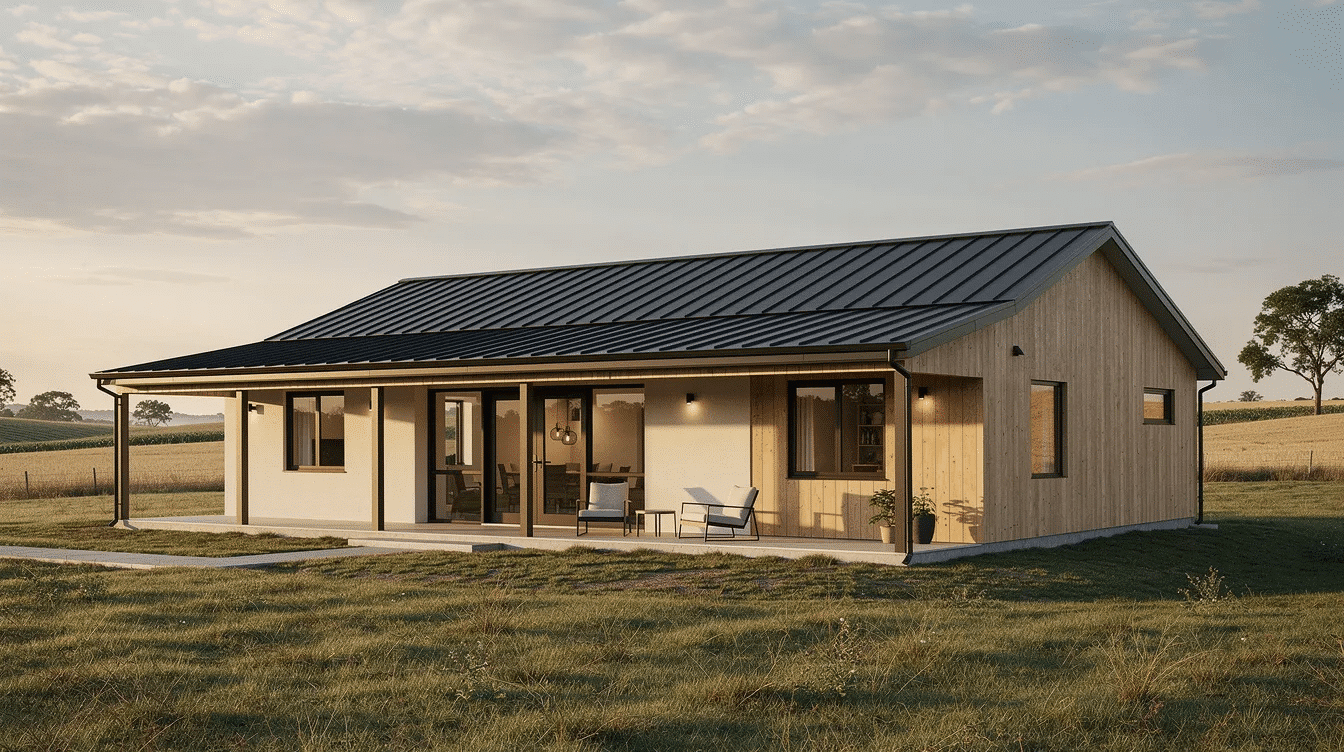
A ranch style metal house is defined by its single-story layout, elongated footprint, open interior, and wide covered porches—all constructed with steel framing and typically clad in metal roofing and siding. These design traits create the classic ranch silhouette while leveraging steel’s superior strength-to-weight ratio.
Common shapes include rectangular, L-shaped, and U-shaped configurations. Steel framing makes these forms easier to span with fewer interior load-bearing walls, allowing great rooms that stretch 30–40 feet wide without columns. Rooflines feature low to moderate pitches (typically 3:12 to 5:12), often gable or hip styles clad in 26–29 gauge metal panels.
Key exterior features include:
- Large windows for natural light and views
- Sliding or French doors connecting to patios
- Metal roofs in modern color palettes like charcoal, matte black, or standing seam finishes
- Optional stone wainscoting or timber porch posts for traditional curb appeal
Ranch style homes built with metal can look traditional with board-and-batten accents or thoroughly modern with clean lines and monochrome color schemes, reflecting many of the best features of a classic ranch style house.
Ranch Style Metal House vs. Traditional Stick-Built Ranch
The core difference between a ranch style metal house and a traditional stick-built ranch comes down to the frame: engineered steel versus wood studs. This distinction affects everything from durability to interior layout possibilities, especially when you compare them against average ranch house dimensions and layouts.
Feature | Metal Ranch House | Stick-Built Ranch |
|---|---|---|
Frame | Rigid steel or post frame construction | 2×4 or 2×6 wood studs |
Clear Span | Up to 60 feet | 20–30 feet typical |
Roof Material | Metal panels (24–26 gauge) | Asphalt shingles |
Fire Resistance | Class A rated | Varies by materials |
Wind Rating | 115–180 mph engineered | Code minimum |
Maintenance Cycle | 30–50 years | Annual wood upkeep |
Metal ranch homes use rigid frames or post-frame systems that create larger open spaces with fewer interior walls. The building shell resists rot, termites, and warping—unlike wood framing susceptible to moisture damage. |
Interior finishes remain identical to any traditional house: drywall, hardwood floors, and standard cabinetry. The “metal” aspect is structural and exterior, not an industrial warehouse look inside.
Why Choose a Ranch Style Metal House?
Ranch style metal houses offer distinct advantages that matter to homeowners planning for the long term, building on the timeless charm and functionality of ranch homes.
Durability that lasts generations. Properly coated structural steel resists rot, termites, and warping. Metal panels engineered correctly withstand hail, high winds up to 150 mph, and heavy snow loads—far exceeding the performance of conventional siding.
Cost stability and predictability. Factory-manufactured steel components reduce on-site waste and shorten build schedules. Unlike lumber prices that fluctuate seasonally, steel pricing remains relatively stable through global supply chains.
Layout flexibility. Because the steel frame carries primary loads, interior walls become design choices rather than structural necessities. This makes future renovations simpler and less expensive.
Lifestyle advantages. Ranch layouts mean stair-free living that suits young families, aging in place, and accessible design. Wide doors, minimal thresholds, and direct indoor-outdoor flow to porches and patios enhance daily convenience.
Aesthetic versatility. These homes adapt to virtually any style—modern farmhouse, midcentury-inspired, rustic lodge, or sleek contemporary—simply by changing finishes, rooflines, and accent materials.
Energy Efficiency in Ranch Style Metal Houses
Metal homes carry an outdated reputation for being hot in summer and cold in winter. Modern construction techniques have solved this entirely and help today’s designs rival ranch homes that redefine comfort and style.
Today’s ranch style metal houses feature wall and roof assemblies with R-19 to R-30 insulation values using spray foam or batt insulation in framed cavities. Continuous exterior rigid foam eliminates thermal bridging at steel flanges, creating tight building envelopes that minimize heat transfer.
Single-story ranch layouts simplify HVAC performance:
- Shorter duct runs (often under 50 feet)
- Even temperature distribution across all rooms
- Simpler zoning than multi-level homes
- 15–20% energy savings compared to two-story designs
Common upgrades include low-E windows, cool roof coatings in sunny climates, and continuous soffit-to-ridge ventilation. Properly designed metal ranch homes meet or exceed current energy codes—often achieving 20–30% lower heating and cooling bills than comparable stick-built houses.
Cost of Building a Ranch Style Metal House
Total costs depend on size, finishes, and site conditions. For 2024–2026 builds, expect roughly $90–$160 per square foot for a completed home, varying by region and interior finish level.
Major cost components:
- Steel building package (frame, roof, wall panels): 25–35% of total
- Foundation (slab or stem wall): 10–15%
- Interior framing, insulation, drywall: 20–25%
- Mechanical systems (HVAC, plumbing, electrical): 15–20%
- Site preparation and utilities: 10–15%
A basic, modestly finished 1,800 square foot ranch style metal house might total $200,000–$300,000, while high-end custom homes with premium finishes, large porches, and attached shops trend higher.
Ranch designs can be more economical than multi-story plans due to simpler roof and structural systems, though larger footprints increase foundation costs.
Consider long-term operating costs when budgeting. Lower maintenance on metal exteriors, 50-year roof warranties versus 20-year asphalt, and superior energy efficiency offset slightly higher upfront investment.
Design Options: From Modest Ranchers to Modern Barndominiums
Ranch style metal houses span a wide spectrum of sizes and configurations.
Small to mid-size ranches (1,200–1,800 sq. ft.) feature 2–3 bedrooms, open kitchen-living areas, and covered front or rear porches. These designs suit young couples, downsizing retirees, or anyone seeking low maintenance living without excess space.
Larger ranch layouts (2,000–3,000+ sq. ft.) incorporate split-bedroom plans with dedicated owner’s suites, home offices, bonus rooms, and generous closets—all on a single level ideal for entertaining.
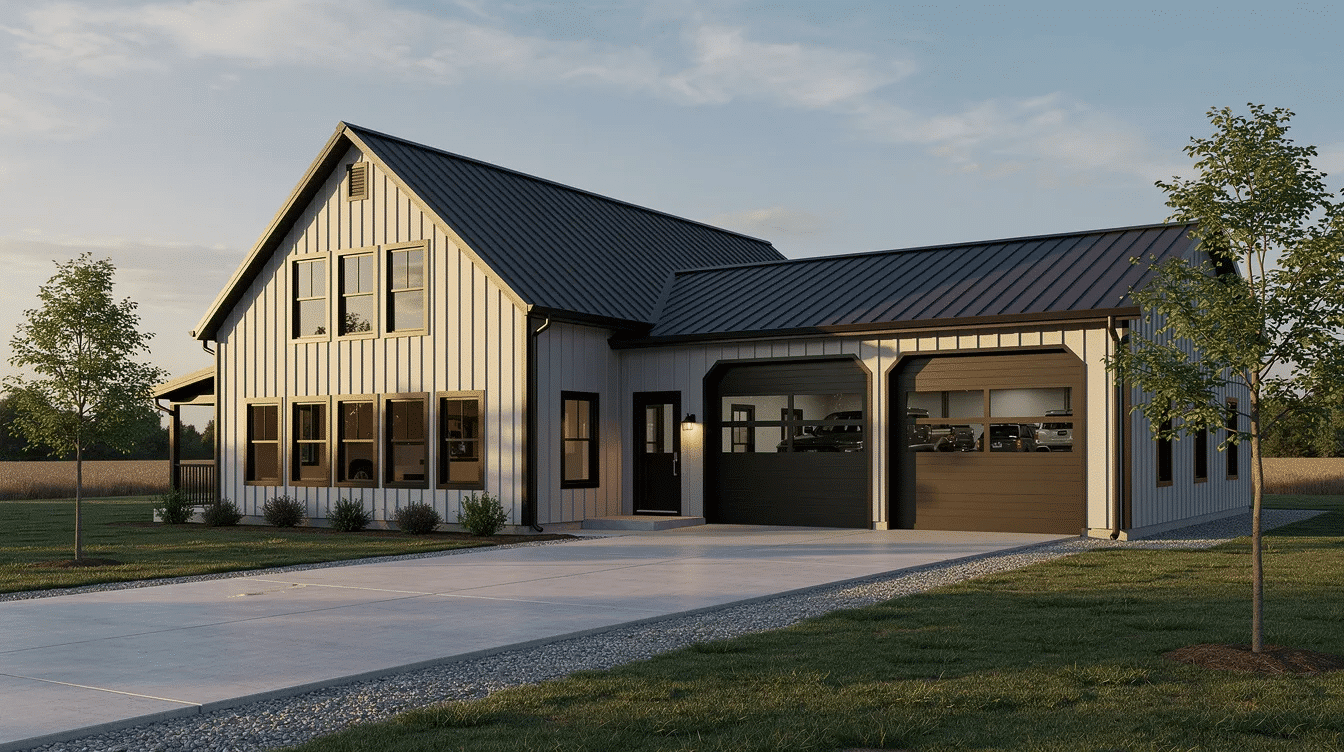
Barndominium-style ranch homes place living quarters on one side with large garage or shop space, RV storage, or hobby areas on the other, under a single metal roof. This blend of residence and workspace creates an attractive option for business owners or serious hobbyists, especially if you’re considering a ranch style house with loft for extra flexible space.
Popular exterior combinations include metal roof with stone wainscoting, timber porch posts paired with horizontal metal siding, or mixed materials incorporating fiber cement lap siding, and some owners opt for metal building homes with wrap around porch to maximize outdoor living.
Key Construction Features of Ranch Style Metal Houses
Understanding the main structural elements helps homeowners make informed decisions when planning a metal build.
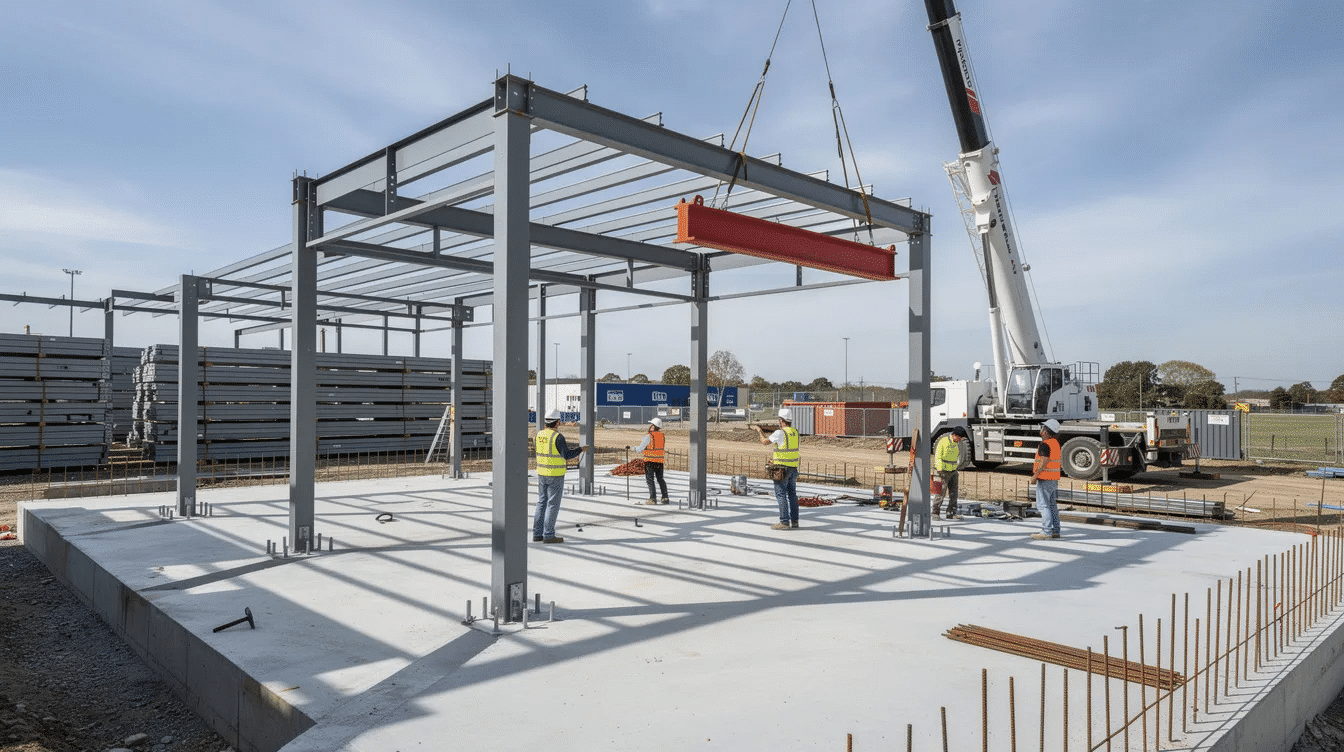
Engineered steel framing uses clear-span rigid frames or post-frame systems designed to local snow, wind, and seismic loads. Plans are stamped by licensed engineers where required—similar to Morton buildings or other established manufacturers.
Foundation options include thickened-edge monolithic slabs, stem wall foundations, or traditional footings depending on soil conditions and climate. Proper engineering ensures the foundation matches frame requirements.
Building shell components:
- Insulated metal wall panels or framed walls with exterior cladding
- High-quality insulated entry doors (U-factor 0.35 or better)
- Energy-efficient windows suitable for residential comfort
- Lean to additions for carports or covered storage
Roof systems feature standing seam or through-fastened metal panels with proper underlayment. Snow guards and gutters are particularly important for low-slope ranch roofs in northern climates.
Ranch Style Metal House Floor Plans and Layout Ideas
The absence of interior load-bearing walls in most steel building systems allows highly flexible floor plan design.
Family-oriented layouts place an open great room with kitchen island, dining area, and living space in the center. The primary suite occupies one end while secondary bedrooms and guest bath anchor the other—creating natural separation.
Live-work ranch concepts dedicate one wing to office or studio space and the other to purely residential functions, with the main living area providing sound separation between zones.
Accessibility-focused layouts incorporate:
- Wide 42-inch hallways
- Minimal thresholds throughout
- Direct garage-to-kitchen access
- Zero-step entries from open porch areas
Strategic window and door placement supports indoor-outdoor living. Large sliders to a rear covered patio and picture windows framing property views create the connection to nature that defines ranch style living.
Customization Options for Ranch Style Metal Houses
Metal ranch homes are not one-size-fits-all kits. They can be engineered and finished to match specific lifestyles and preferences.
Exterior customizations:
- Siding profiles and colors (50+ options in Kynar 500 finishes)
- Decorative wainscoting in stone or brick veneer
- Custom porch designs from simple to wraparound
- Metal roof colors and textures
Interior customizations:
- Ceiling heights from standard 9-foot to vaulted great room
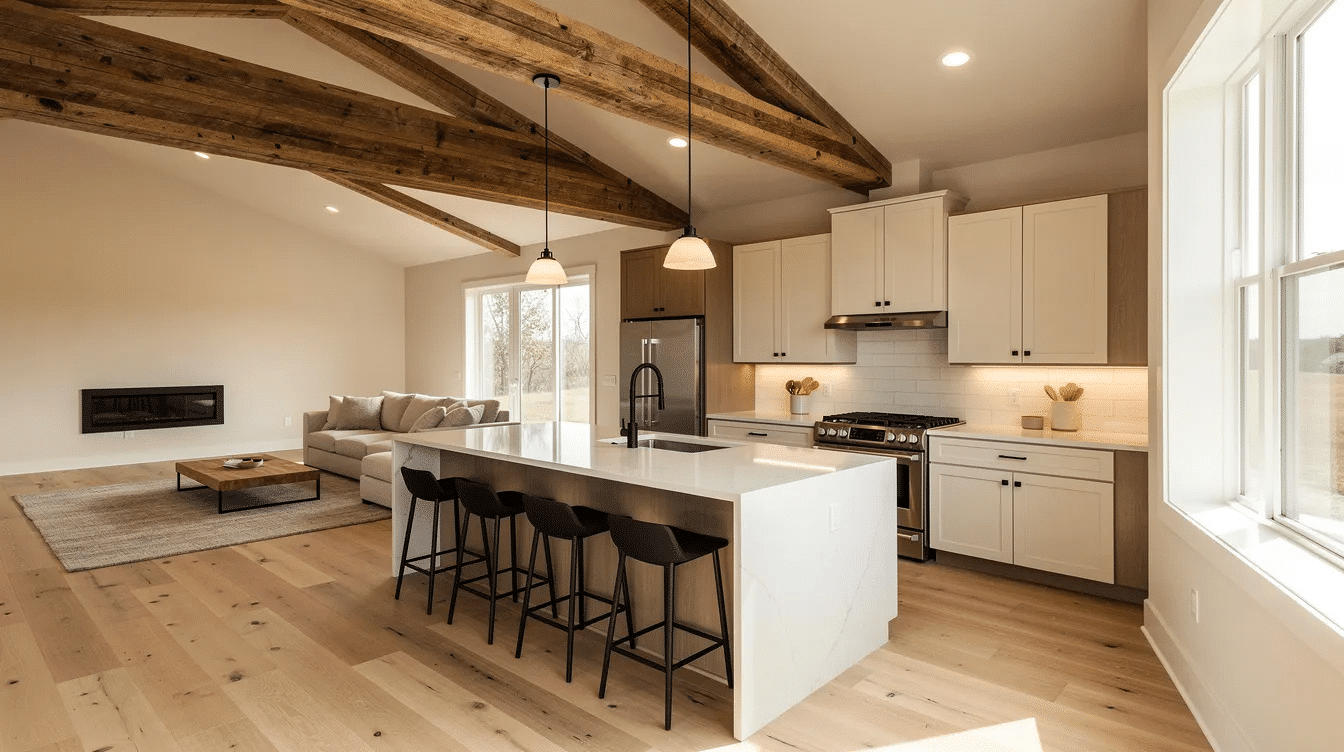
- Exposed structural beams for rustic character
- Finish levels from budget-friendly to luxury
Functional add-ons:
- Attached or detached metal garage bays
- Covered outdoor kitchens
- Mezzanine storage lofts above utility areas
- EV charging infrastructure in garage space
Electrical and plumbing layouts adapt to workshops, home gyms, or hobby spaces wherever you need them.
Construction Process for a Ranch Style Metal House
While the shell is metal, the build sequence feels familiar to anyone who has constructed a new house.
Main phases:
- Initial design and engineering (4–8 weeks)
- Permitting with local building department (2–6 weeks)
- Site preparation and foundation work (2–4 weeks)
- Steel frame erection and shell closure (1–3 weeks)
- Interior build-out with contractor (8–16 weeks)
Prefabricated, pre-cut steel components arrive at the site with detailed engineering drawings. Experienced crews can erect the frame and close the building shell in days rather than months.
Secure residential financing and align with local code requirements early. Some jurisdictions have specific rules for metal buildings or post-frame residences that affect permitting timelines.
Real-World Use Cases and Lifestyle Examples
Ranch style metal houses serve diverse needs across different locations and lifestyles, from traditional heartland properties to relaxed California ranch style homes and beyond, all part of the broader story of ranch style homes across the USA.
Budget-conscious young family: A 1,500 sq. ft. metal ranch with three bedrooms and a simple front porch, designed for low maintenance and room for kids to explore. Total cost around $150,000 creates an affordable path to homeownership.
Barndominium owner: An 1,800 sq. ft. living area combined with a 1,200 sq. ft. attached shop for cars, woodworking, or small business operations—all under one roof with matching aesthetics.
Downsizing couple: A single-story, highly insulated metal ranch home sized around 1,400 sq. ft. delivers reduced utility bills and minimal exterior upkeep for retirement years.
Hobby farmers and equestrian owners: A metal ranch home adjacent to matching metal barns or arenas creates a cohesive neighborhood of buildings across the property.
How to Get Started with Your Ranch Style Metal House
Moving from research to planning requires clarity on your priorities. Start by defining budget, target square footage, bedroom and bathroom counts, and whether you need integrated shop or garage space.
Gather inspiration photos for exterior style—modern farmhouse, midcentury, rustic, or contemporary—to guide decisions on rooflines, colors, and porch designs. Finally, explore floor plan options that suit your location and lifestyle needs.
The next step is working with an experienced metal building provider and residential designer to create a code-compliant plan customized to your site. Look for manufacturers who offer service from design through delivery, with customers and engineers waiting to help you carry your project forward.
Ranch style metal houses combine structural strength, low maintenance construction, flexible layouts, and modern design options. Whether you draw inspiration from traditional ranch homes or contemporary barndominiums, these buildings stand ready to create the life and beauty you’re looking for in a new home—free from the maintenance headaches of conventional construction.