A long ranch house (also known as a rancher) delivers the best of single story living—one story—with expanded square feet for modern families, empty-nesters, and those who love entertaining. These extended footprints—typically 1,800 to 3,500 square feet—stretch across spacious lots with low slung rooflines, open floor plans, and seamless indoor-outdoor connections that define the ranch style. Most long ranch houses fall between 1,500 and 2,500 square feet. Characterized by a low-slung, horizontal profile, long ranch houses are often built in a rectangle, “L,” or “U” shape, and understanding average ranch house dimensions can help you choose the right footprint for your needs. They promote easy indoor-outdoor flow and are valued for their simple maintenance.
Whether you’re planning a family-focused ranch home with multiple wings or a streamlined modern ranch house for aging in place, extended ranch designs offer flexibility that multi-story construction simply cannot match. Rooted in American domestic lifestyle, the ranch house reflects the cultural emphasis on comfort, accessibility, and connection to the outdoors.
Introduction to Ranch Houses
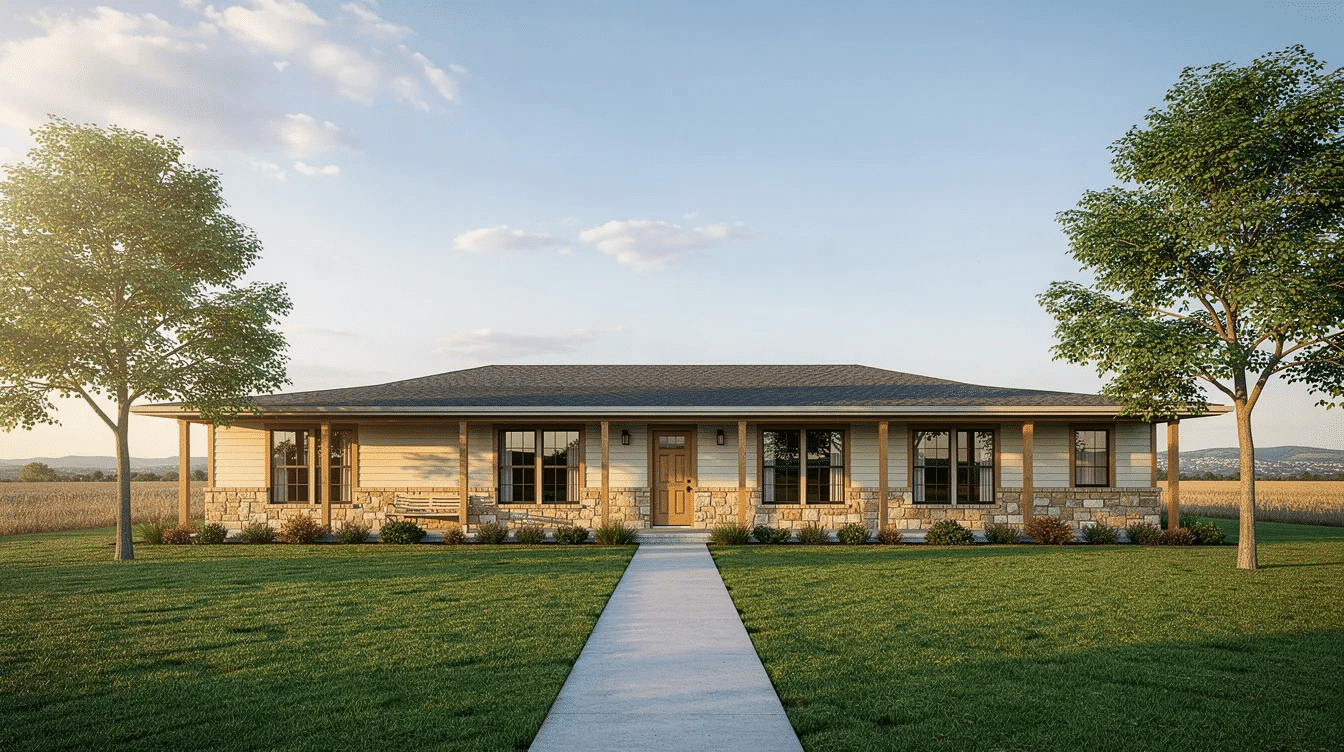
A ranch style house is a timeless favorite in American residential architecture, celebrated for its effortless blend of comfort, functionality, and connection to the outdoors. Originating in the United States, the ranch style house quickly gained popularity thanks to its single story layout and open floor plans, which make daily living both simple and convenient. The modern ranch house continues this tradition, offering expansive living spaces that flow seamlessly from room to room, often anchored by large windows that flood interiors with natural light.
Ranch house plans are designed with versatility in mind, making them ideal for a wide range of homeowners—from growing families to empty-nesters seeking easy, single story living. The hallmark features of a ranch style home include a low profile, broad footprint, and a strong emphasis on outdoor living spaces such as patios, porches, and decks. Over time, the ranch style has evolved to incorporate modern design elements like finished basements, attached garages, and flexible living areas, all while maintaining the simplicity and convenience that define the ranch house. Whether you’re drawn to a classic ranch or a modern ranch style home, there’s a ranch house plan to suit every lifestyle and aesthetic preference.
History and Development of Ranch Houses
The ranch house has a rich history that dates back to the 1920s, when it first emerged as a distinct architectural style in the American West, forming an important chapter in the legacy of historic ranch houses in American architecture. Inspired by Spanish colonial architecture and the wide open spaces of the frontier, the ranch style was designed to offer easy, informal living with a strong connection to the outdoors. As the decades passed, the ranch house evolved, incorporating new design elements such as open floor plans, cathedral ceilings, and expansive windows that brought in natural light and showcased views of the surrounding landscape.
The post-World War II housing boom propelled the ranch style to new heights of popularity, as homeowners embraced its simplicity, affordability, and convenience. Features like slab foundations and attached garages became standard, making ranch houses both practical and accessible for families across the country. Today, the modern ranch continues to adapt, blending traditional charm with contemporary amenities and design elements. Whether you prefer a classic ranch or a modern ranch style home, the enduring appeal of this architectural style lies in its ability to offer comfortable, flexible living spaces that suit a variety of needs and lifestyles.
Long Ranch Houses for Every Lifestyle
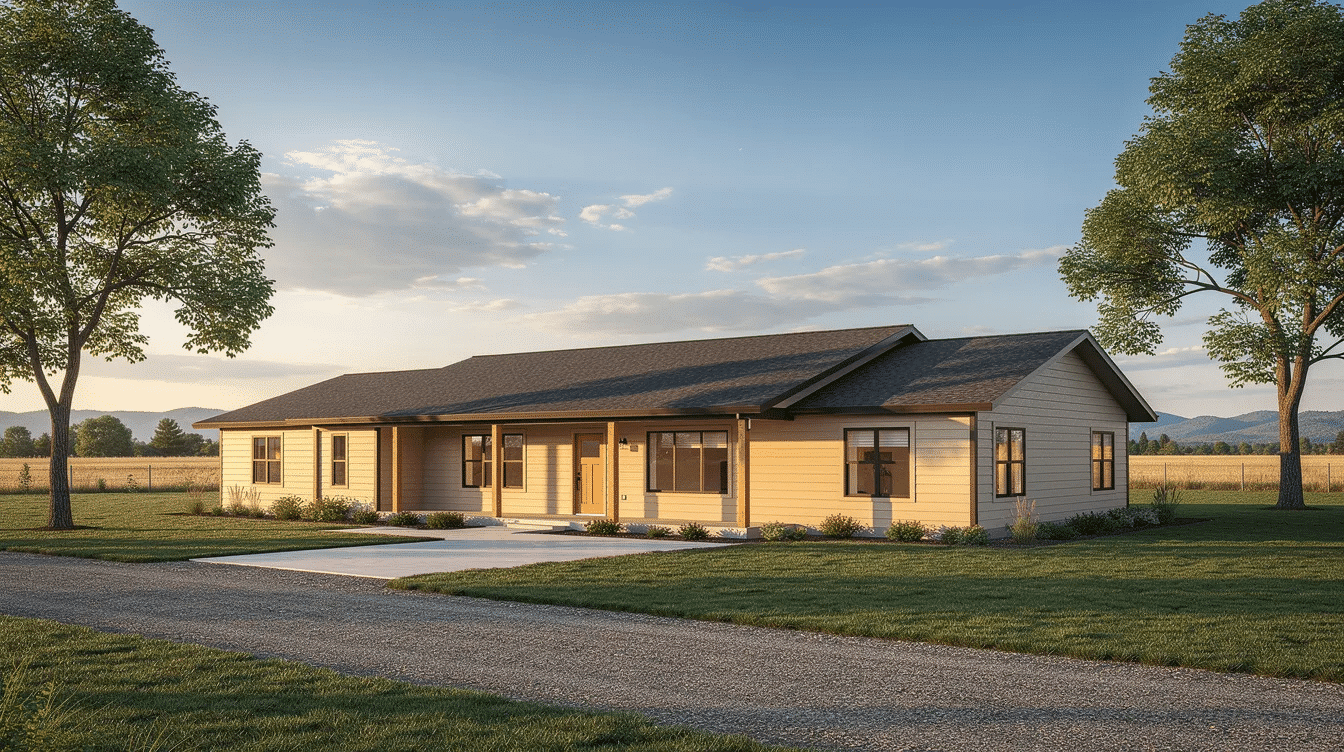
The beauty of a ranch style house lies in its adaptability. Extended layouts accommodate different life stages and priorities while maintaining the simplicity and convenience that originated with mid-century American ranch architecture. Long ranch houses can be designed in a variety of architectural and exterior styles, allowing homeowners to choose or update styles that best suit their preferences and enhance curb appeal, drawing on the best features of a classic ranch style house. Ranch-style homes typically have a wide footprint, which can make them less suitable for narrow lots, and they often include features like attached garages and patios.
Family-Focused Long Ranch Homes
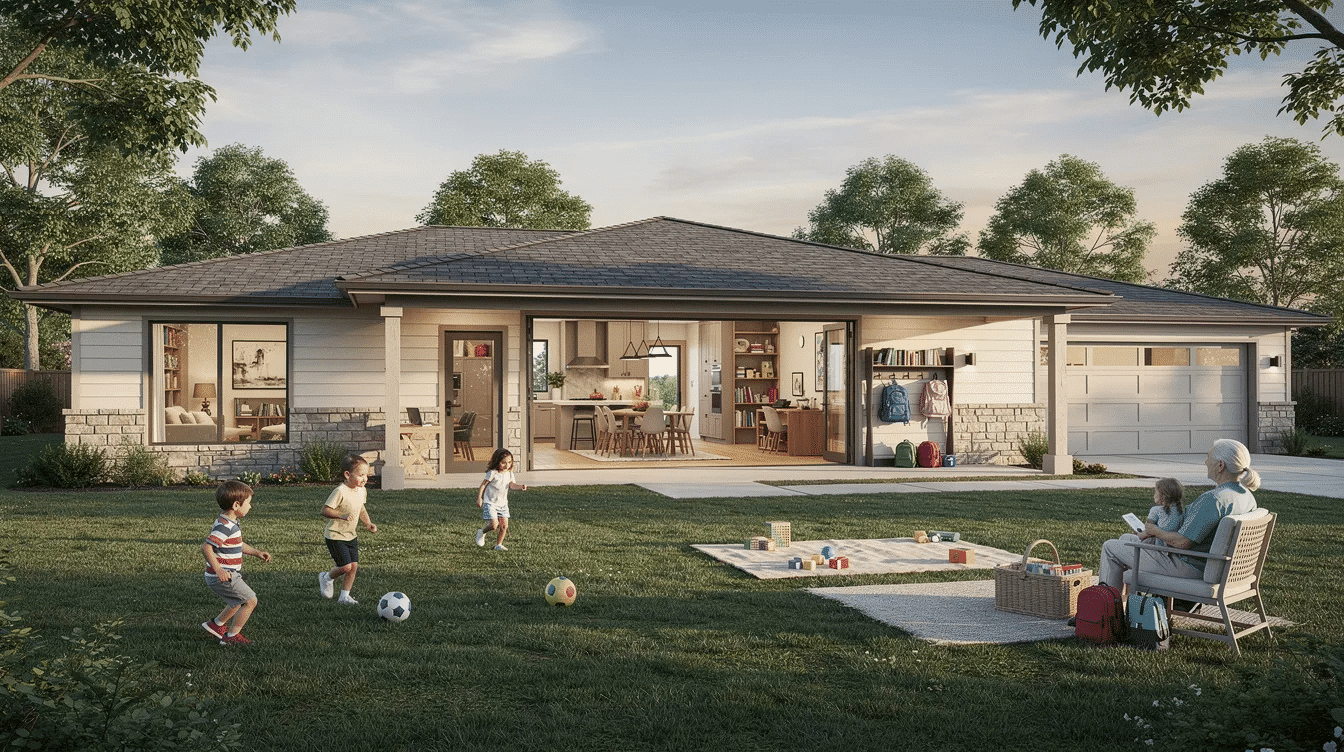
Families thrive in long ranch houses ranging from 2,000 to 3,500 square feet with four to five bedroom configurations. These ranch house plans separate private spaces from active zones, creating harmony between generations living under one roof.
Open floor plans connect the kitchen, dining, and great room while dedicated wings house bedrooms located away from entertaining areas for added privacy. Mudrooms are typically located near the attached garage, providing essential drop zones for school bags, sports equipment, and outdoor gear—practical features that keep the main living space organized.
Many family-oriented ranch style home designs include multiple living areas: a formal family room near the front, an informal great room connected to the kitchen, and sometimes a separate den for homework or quiet activities, echoing many of the layouts found in amazing ranch homes that redefine comfort and style. Kid-friendly layouts often position play areas off the main living space, allowing parents to supervise while cooking or entertaining.
The single story layout eliminates stairs entirely, making these homes safer for young children and grandparents alike. Large windows throughout bring natural light deep into interior rooms, while sliding glass doors open to outdoor spaces perfect for backyard play.
Empty-Nester Long Ranch Houses
Empty-nesters increasingly choose modern ranch style home designs between 1,800 and 2,500 square feet—spacious enough for luxury but manageable for two people. Most empty-nester ranch homes fall within this size range. These ranch home plans prioritize primary suite amenities, home office space, and guest accommodations.
Single story living becomes particularly valuable as homeowners age, and many people are drawn to the charm of beautiful ranch homes where style meets functionality. Ranch style house plans for empty-nesters incorporate aging-in-place features: zero-step entries, wider hallways (42 inches or more), accessible bathrooms with curbless showers, and lever door hardware throughout. These design elements ensure the house remains functional for decades.
Luxury primary suites in extended ranch layouts often include walk-in closets, dual vanities, and sitting areas. Hobby rooms or dedicated home offices occupy former children’s bedrooms or purpose-built additions—all on the ground floor for convenience.
Guest wings with separate bedroom and bathroom provide visiting family with privacy without disrupting the primary living zones. This separation makes extended visits comfortable for everyone.
Entertaining-Focused Long Ranch Homes
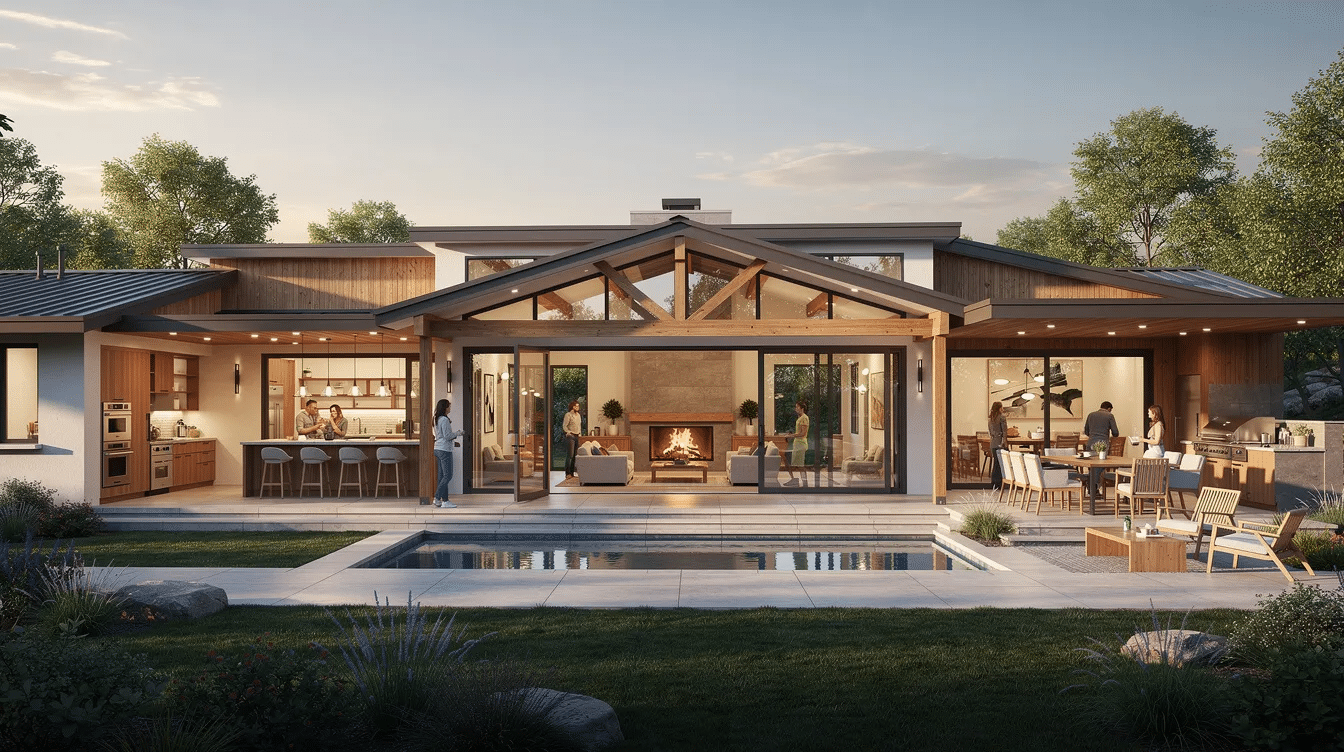
For those who love hosting, long ranch houses deliver dramatic entertaining spaces that flow effortlessly between indoors and outdoors. Great rooms with cathedral ceilings create stunning focal points, while oversized kitchen island configurations accommodate both prep work and casual dining.
The ranch style emphasis on informal living translates perfectly to entertaining. Multiple patio access points—through sliding glass doors in the family room, dining area, and primary suite—allow guests to move freely between indoor and outdoor spaces.
Extended ranch house plans often include wet bars adjacent to great rooms, formal dining areas near the kitchen, and covered porches that expand usable entertaining space. California-inspired designs take this further with outdoor kitchen integration, pool house additions, and courtyard configurations that create private outdoor room environments.
These modern ranch designs typically exceed 3,000 square feet, with careful attention to sight lines that let hosts engage with guests throughout the space.
Benefits of Ranch Houses
Ranch houses are beloved for their many practical benefits, making them a top choice for homeowners seeking comfort and convenience. One of the standout features of a ranch is its single story layout, which eliminates the need for stairs and provides easy access to every room—an ideal solution for families with young children, older adults, or anyone with mobility concerns. The open floor plans commonly found in ranch style homes create a spacious, airy feel, allowing for seamless movement between living, dining, and kitchen areas.
Additionally, ranch houses are designed to maximize both indoor and outdoor living. Generous porches, patios, and decks extend the living space outdoors, perfect for entertaining or relaxing in the fresh air. The straightforward design of a ranch home also means less maintenance and greater energy efficiency, as heating and cooling a single story is often simpler and more cost-effective. With their blend of functional features, flexible space, and easy single story living, ranch houses continue to be a smart and appealing choice for homeowners looking for a comfortable, practical, and stylish home.
Choose the Right Long Ranch House for Your Property
Lot characteristics determine which ranch style house plans will work best. Width, depth, and slope each suggest different extended ranch configurations. Historically, house package kits made long ranch houses more accessible and popular, especially for returning veterans after WWII, contributing to the broader story of ranch style homes in the USA.
For Wide, Spacious Lots
Wide lots allow L-shaped and U-shaped long ranch configurations that maximize views while creating sheltered outdoor spaces. These footprints orient the long side parallel to the street, showcasing the classic low slung ranch profile.
Courtyard designs wrap wings around private outdoor room areas, shielding gathering spaces from street views. Wraparound porches accentuate the horizontal emphasis while providing shade and transition space between indoors and out.
Detached garage placement becomes easier on wide lots—positioned at the side or set back from the main house to reduce visual impact on the facade. Landscaping considerations for extended footprints include rows of trees or hedges that break up long walls visually while complementing the horizontal architecture.
For Deep, Narrow Properties
Narrow lots require linear long ranch houses that stretch front-to-back rather than side-to-side. Strategic room placement positions public spaces toward front and rear for natural light and views, while bedroom areas occupy the middle section for privacy.
Side-entry attached garage configurations reduce interruption of the street-facing facade. Vertical design elements—tall windows, clerestory glazing, shed roof accents—help break up long walls and add visual interest to narrow frontages.
Privacy solutions become critical when neighbors are close. Fencing, landscape buffers, and strategic window placement maintain comfortable distance. Interior rooms may need skylights or light wells to compensate for limited side windows.
For Sloped or Hillside Lots
Hillside lots offer opportunities for walkout basement long ranch designs that add usable square feet without breaking the single story appearance from the street. The downhill side opens to grade, creating additional living space, storage, or recreation areas.
Split-level long ranch adaptations step with the terrain, maintaining the low profile while accommodating elevation changes. These designs require careful foundation planning—stem walls, pier footings, or retaining walls depending on soil conditions and slope severity.
Extended footprints on slopes demand attention to drainage, grading, and structural support. Engineers must assess soil stability before construction begins. Roof overhangs and porch placement need slope-specific positioning to manage water runoff, especially if you’re planning a creative addition to a ranch style house on a hillside lot.
Design Features That Define Long Ranch Houses
Several architectural elements distinguish extended ranch homes from standard ranch style construction. Understanding these features helps homeowners make informed design decisions.
Extended Rooflines and Structural Elements
Long ranch houses feature low-pitched roofs—typically 4:12 or 5:12 slopes—in gabled or hipped configurations. These roofs stretch across extended spans, requiring careful structural planning.
Support beam requirements increase with span length. While standard roof trusses handle most residential widths, spans beyond approximately 52 feet may require girder systems or steel beams. L-shaped and U-shaped ranch house plans create roof valleys where sections meet, demanding proper flashing and drainage detailing to prevent leaks.
Wide eave overhangs—a signature ranch style feature—protect walls and windows while providing shade. Covered walkways may connect separate wings, maintaining the single story flow while adding architectural interest and weather protection.
Window Placement and Natural Light
Strategic window placement solves the natural light challenges inherent in long floor plan configurations. Corridors in extended layouts risk becoming dark tunnels without thoughtful glazing.
Clerestory windows and skylights bring light to interior rooms and hallways. Picture windows in living areas frame views and flood space with daylight, while sliding glass doors in family rooms and dining areas connect to outdoor spaces both visually and physically.
Privacy considerations affect window placement on extended street-facing walls. Many modern ranch house designs limit front glazing or position windows higher for privacy, then open dramatically to rear facades with walls of glass facing private outdoor spaces.
Foundation and Utility Considerations
Foundation choices significantly impact long ranch construction. Slab foundation systems cost less and suit warmer, flatter climates. Crawl spaces add 15-30% to foundation costs but provide access to plumbing and ductwork—valuable in extended layouts with long utility runs.
Finished basement options add substantial square feet but require significant additional investment. In sloped lots, basement construction may actually simplify grading while adding usable space.
HVAC zoning becomes essential in extended ranch homes. Single systems struggle to maintain consistent temperatures across long footprints with varying solar exposure. Multiple zones or variable-speed equipment prevent hot and cold spots while reducing energy waste.
Plumbing runs in long ranch houses require planning for pressure maintenance and hot water delivery. Recirculation loops prevent long waits for hot water at distant fixtures. Electrical distribution may need multiple panels, and lighting design should maximize daylighting to reduce energy consumption.
Insulation challenges increase with extended walls and roof surfaces. Continuous insulation, high-performance windows, and attention to thermal bridging help maintain energy efficiency despite the larger building envelope.
How to Style Your Long Ranch House
The extended horizontal profile of ranch architecture creates both opportunities and challenges for styling. Thoughtful exterior and interior design enhances livability and curb appeal. Traditional exterior materials like board and batten siding are often used to enhance the rustic and historical appeal of long ranch houses. The California Ranch, in particular, is known for its sprawling L- or U-shaped layouts that emphasize seamless indoor-outdoor transitions.
Exterior Design for Curb Appeal
Breaking up long facades prevents monotony in extended ranch exteriors. Material changes—brick to wood to stone combinations—create visual rhythm across the elevation. Projecting porches, porticos, and front gables add depth and focal points.
Color schemes influence perceived proportions. Lighter siding can make walls recede, while darker tones add weight and drama. Trim and window framing create pattern and interest along extended walls.
Porch additions serve both functional and aesthetic purposes, providing transition space while breaking the long roofline. Pergolas and covered entries add vertical elements that complement the dominant horizontal lines.
Landscaping plays a crucial role in ranch style curb appeal. Horizontal planting rows can accentuate the architecture, while vertical trees frame sections and provide scale. Paths and driveways that intersect the facade create visual breaks in extended frontages.
Interior Flow and Functionality
Creating zones within open long ranch layouts maintains functionality without sacrificing the flowing space that defines ranch living. Public areas (great room, kitchen, dining) anchor one section, while private spaces (bedrooms, bathrooms) occupy a separate wing.
Hallway design in extended layouts requires attention to both traffic flow and aesthetics. Natural traffic patterns should feel intuitive, not maze-like. Daylight from windows at corridor ends, clerestory glazing, or skylights prevents dark passages.
Furniture placement in large open spaces defines functional zones. Area rugs anchor seating arrangements, partial screens or cabinetry create subtle separations, and ceiling details like exposed beams or cathedral ceiling variations mark different areas.
Lighting strategies for long interior spaces combine ambient, task, and accent fixtures. Wall sconces illuminate corridors, pendant lights mark kitchen island and dining zones, and recessed lighting provides overall illumination without visual clutter.
Build Your Dream Long Ranch House
Extended single story living offers compelling benefits: accessibility, indoor-outdoor connection, flexibility for changing needs, and the enduring appeal of ranch style architecture. From California-inspired modern ranch designs to traditional American ranch configurations, these homes adapt to diverse lifestyles and lot conditions.
Cost considerations for long ranch construction include larger roof and foundation expenses, extended utility runs, and potentially complex structural requirements. However, single story construction avoids staircase expenses and typically simplifies mechanical systems compared to multi-story alternatives.
Working with an architect experienced in ranch style house plans ensures your design maximizes lot potential while addressing structural and utility challenges specific to extended footprints. They can navigate zoning requirements, optimize natural light, and create the seamless flow that makes ranch living so appealing.
Begin by evaluating your lot characteristics—width, depth, slope, and orientation. Consider how many square feet you need for your lifestyle and which features matter most: family space, aging in place, or entertaining capacity. With thoughtful planning, your long ranch house becomes a stunning, functional home for decades of single story convenience.