Key Takeaways
- All white ranch houses maximize natural light and create an airy, spacious feel with their monochromatic exterior and clean lines
- White siding paired with contrasting black roofs, colorful doors, or natural wood accents creates stunning visual impact
- Proper material selection including white brick, vinyl siding, or fiber cement ensures durability and low maintenance
- Strategic landscaping with evergreen shrubs, colorful flowers, and natural stone elements complements the white exterior beautifully
- Use mulch creatively: Opt for black or brown mulch to provide a clean, modern contrast to the white house and green foliage
- Regular cleaning and maintenance every 2-3 years keeps white ranch houses looking pristine and prevents discoloration
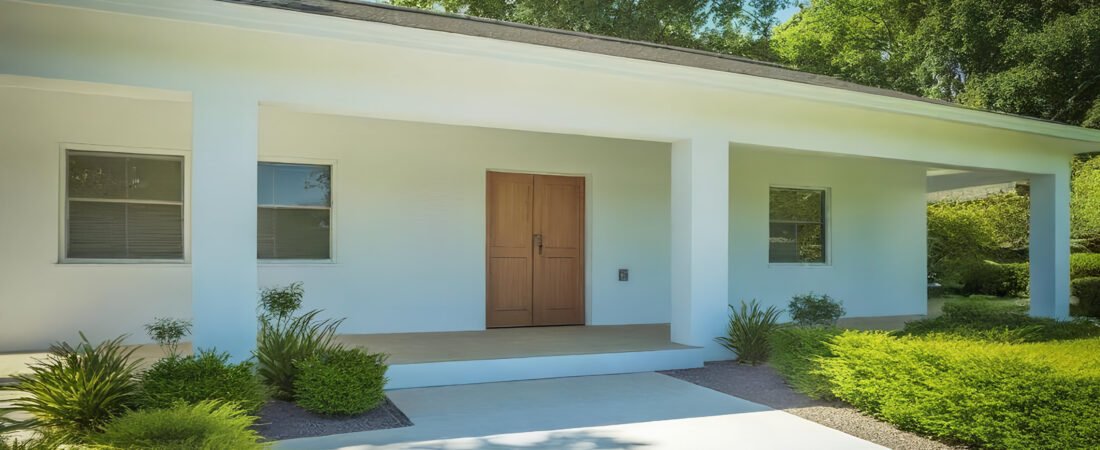
The crisp, clean lines of an all white ranch house create an instantly recognizable symbol of American suburban elegance that has captivated homeowners for decades. This timeless architectural style combines the horizontal emphasis of traditional ranch design with the bright, airy appeal of an all-white color palette, resulting in homes that feel both classic and thoroughly modern.
Whether you’re planning to update your existing ranch style home or create a stunning new build, the all white ranch house offers endless possibilities for both curb appeal and interior design harmony. The monochromatic exterior serves as a neutral canvas that can catch the eye while providing flexibility for landscaping, accent colors, and seasonal decorations. A front door painted in a bold color like navy blue or green can provide a focal point and add personality to the design.
In this comprehensive guide, we’ll explore everything you need to know about creating and maintaining the perfect all white ranch house, from selecting the right materials and textures to choosing complementary landscaping that will make your home the envy of the neighborhood. To decorate an all-white ranch house, add texture with materials like wood beams or natural stone walkways, enhancing both the aesthetic and functional appeal.
- What Defines an All White Ranch House
- Exterior Design Elements
- Interior Design Features
- Color Combinations and Accent Options
- Materials and Textures
- Landscaping for All White Ranch Houses
- Maintenance and Care
- FAQ
- Do all white ranch houses get dirty quickly and require more maintenance?
- What’s the best white paint color for ranch house exteriors?
- Can I add color accents to an all white ranch house without ruining the aesthetic?
- Are all white ranch houses energy efficient?
- What landscaping works best with all white ranch houses?
What Defines an All White Ranch House
The foundation of any successful all white ranch house lies in understanding the core architectural principles that make this style so enduringly popular. At its heart, a ranch house features a single-story horizontal layout with low-pitched rooflines that became the defining characteristic of 1950s ranch architecture when these homes first gained widespread popularity across American suburbs.
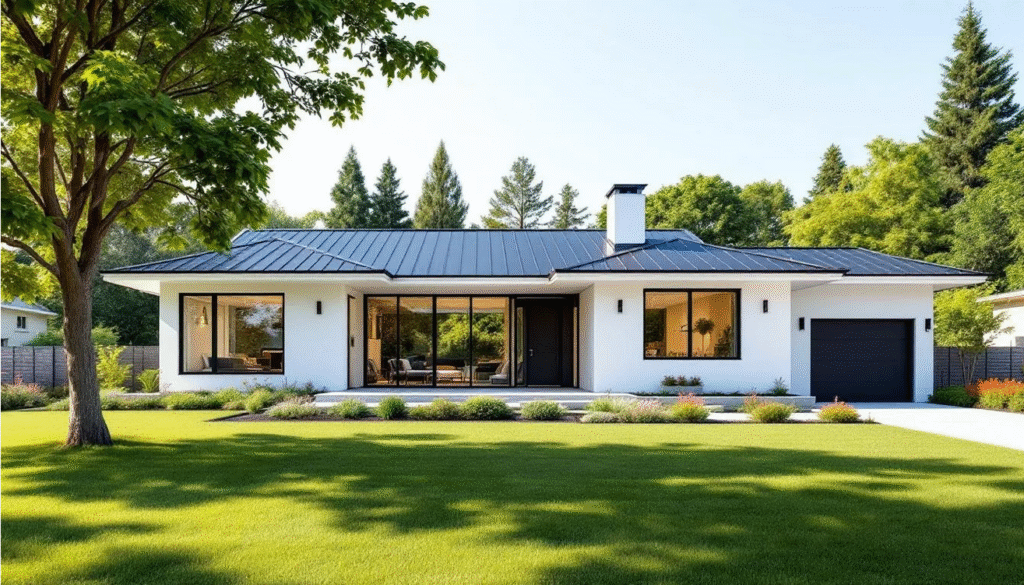
What sets the all white ranch apart is its completely white or off-white exterior walls that create a cohesive monochromatic appearance. This color choice isn’t merely aesthetic – it serves to enhance the home’s natural proportions while creating a sense of spaciousness that extends both indoors and outdoors. The combination of white walls with black fixtures enhances the home’s contemporary feel, adding a striking contrast that elevates the overall design.
The open floor plans characteristic of ranch homes work in perfect harmony with the white exterior, as large windows emphasize the bright, airy aesthetic throughout the interior space. These homes typically feature minimal ornamentation, instead focusing on clean, simple lines and geometric forms that create visual drama through proportion and contrast rather than decorative elements.
One of the most appealing aspects of the modern ranch house design is its seamless integration with the surrounding landscape. Large windows and covered patios or porches blur the boundaries between indoor and outdoor living, while the white exterior provides a neutral backdrop that allows the natural beauty of the yard and landscaping to truly shine.
Exterior Design Elements
Siding and Wall Materials
Selecting the right materials for your white ranch house exterior is crucial for both aesthetic appeal and long-term durability. White vinyl siding remains one of the most popular choices, offering affordability and low maintenance with consistent color retention that won’t fade or chalk over time. Modern vinyl formulations resist dirt and mildew, making them ideal for homeowners who want the crisp look of white walls without constant upkeep.
For those seeking premium durability, fiber cement siding provides exceptional longevity with paint adhesion lasting 15-20 years. This material offers superior resistance to weather, insects, and fire while maintaining the smooth, uniform appearance that makes an all white ranch house so visually striking. The investment in quality pays dividends in both appearance and maintenance costs over the life of the home.
White brick exteriors add texture and timeless appeal while providing natural weather resistance that has proven its worth over decades of use. The subtle texture variations in brick create visual interest without compromising the clean, monochromatic aesthetic. Brick ranch homes often become neighborhood landmarks, combining the classic appeal of traditional materials with the fresh, updated look of white walls.
Board and batten siding creates vertical interest that can make a ranch house appear taller while adding farmhouse-style charm. This style works particularly well when you want to add depth and texture to large wall surfaces, providing visual variety while maintaining the cohesive white appearance.
For contemporary ranch designs, smooth stucco finishes deliver a modern appearance ideal for homes inspired by mid-century modern architecture. The seamless surface creates clean lines that complement the horizontal emphasis of ranch design while providing excellent durability in various climate conditions.
Roofing and Trim Options
The roof color and style you choose can dramatically impact the overall appearance of your white ranch house. Black asphalt shingles create the most dramatic contrast against white walls, offering a classic appeal that never goes out of style. This high-contrast combination has become one of the most recognizable looks in American residential architecture, providing a timeless foundation that works with virtually any landscaping or accent colors.
Charcoal metal roofing offers a modern aesthetic with energy-efficient properties that can help reduce cooling costs during hot summer months. The sleek lines of metal roofing complement the clean geometry of ranch architecture while providing exceptional durability and weather resistance.
White trim around windows and doors maintains the monochromatic scheme while adding definition and architectural interest. This approach creates a seamless flow from the house exterior to individual design elements, enhanced by the way white surfaces catch and reflect light throughout the day.
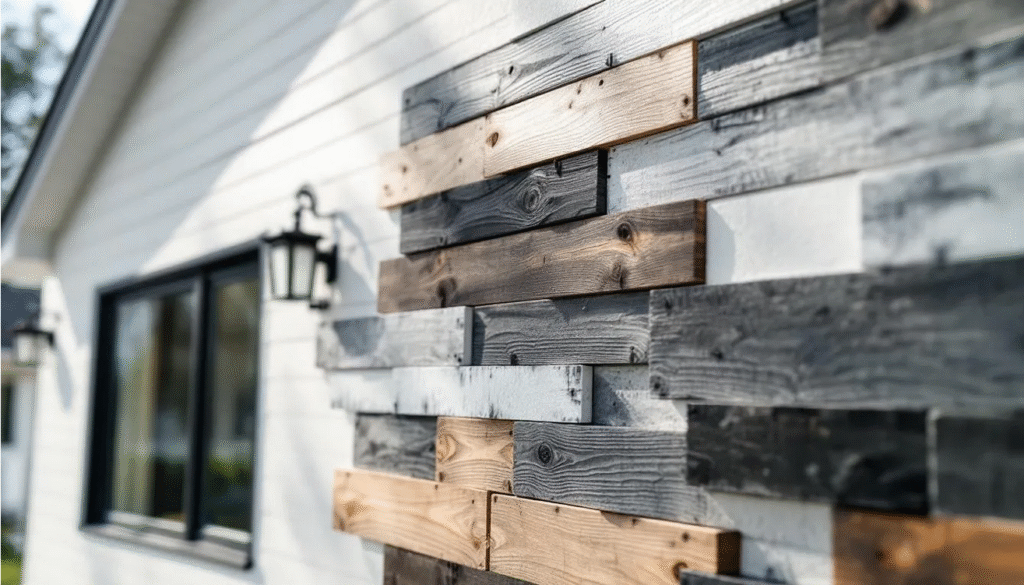
Natural wood trim introduces warmth and texture against crisp white backgrounds, creating a welcoming contrast that prevents the exterior from feeling too stark or institutional. Cedar or redwood trim develops beautiful natural patina over time, adding character and depth to the overall design.
Dark bronze or black gutters and downspouts provide subtle contrast without overwhelming the clean aesthetic. These elements should complement rather than compete with the primary design, offering functional necessity while maintaining visual harmony.
Interior Design Features
The beauty of an all white ranch house extends seamlessly from the exterior into the interior space, creating a cohesive design experience that feels both spacious and welcoming. White or light gray paint colors throughout the interior maintain the bright, cohesive aesthetic while maximizing the natural light that pours through the large windows characteristic of ranch design.
Natural wood flooring adds essential warmth and texture against white walls and ceilings, preventing the interior from feeling cold or sterile. The contrast between white walls and rich wood tones creates a balanced, inviting atmosphere that provides the perfect backdrop for furniture and decor in any color palette.
Large windows with minimal window treatments are a hallmark of successful white ranch interiors. This approach maximizes natural light penetration while maintaining clean sight lines that emphasize the connection between indoor and outdoor spaces. The abundance of natural light is one of the key factors that make white ranch houses feel so spacious and airy.
Open-concept living spaces work particularly well in white ranch homes, as the bright walls help define different areas without the need for physical barriers. The white backdrop allows furniture and artwork to stand out while creating a sense of flow that makes even modest room sizes feel generous and comfortable.
White kitchen cabinets with marble or quartz countertops create seamless design flow that connects the kitchen to the rest of the home. This approach ensures that the kitchen feels integrated into the overall aesthetic rather than standing apart as a separate design element.
Color Combinations and Accent Options
Bold Accent Colors
While the foundation of your all white ranch house is its monochromatic exterior, strategic color placement can add personality and visual interest without compromising the clean aesthetic. Bright yellow or red front doors create welcoming focal points against white exteriors, providing a cheerful greeting that catches the eye and gives visitors a preview of the warmth they’ll find inside.
Navy blue shutters and trim add sophisticated contrast while maintaining classic appeal that works equally well in traditional and contemporary settings. This color combination has roots in American colonial architecture, bringing a sense of established elegance to modern ranch design.
Turquoise or teal accents bring coastal vibes and unexpected color pops that work particularly well in warmer climates or near water. These colors create a fresh, vacation-like feeling that can make your home feel like a retreat from everyday stress.
Forest green elements connect the home with natural landscape surroundings, creating harmony between the built environment and the plants and trees that frame the property. This color choice works especially well in wooded settings or areas with abundant evergreen landscaping.
Natural Material Accents
Cedar or redwood garage doors introduce organic warmth and texture variation that prevents the all-white exterior from appearing too uniform. These natural materials age beautifully, developing rich patina that adds character and depth over time while requiring minimal maintenance.
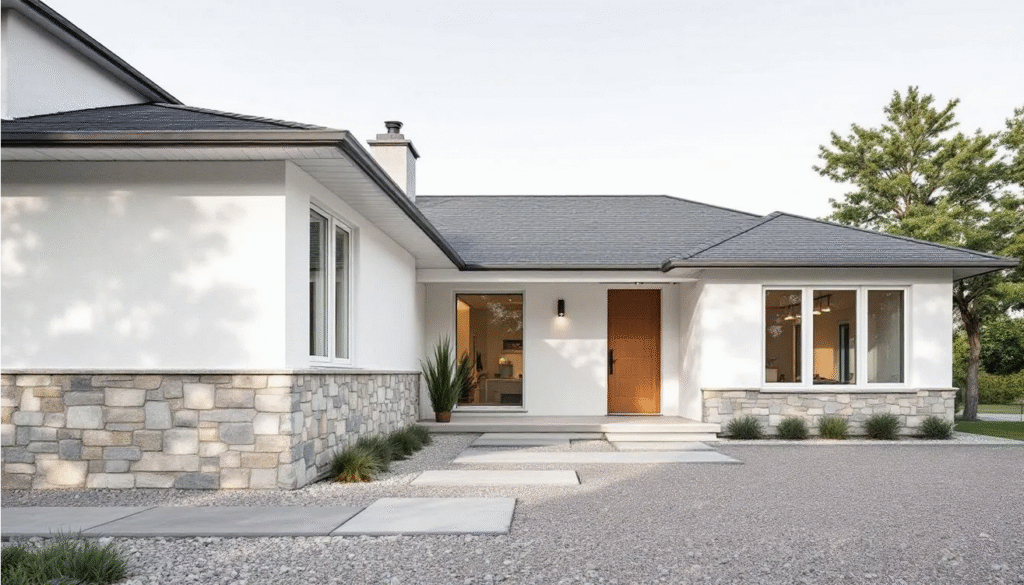
Stone or brick accent walls on chimneys or entry areas add architectural interest and create focal points that draw the eye without overwhelming the overall design. These natural materials provide texture and color variation that complements rather than competes with the white exterior.
Natural limestone or flagstone walkways complement white exteriors beautifully while providing practical, durable surfaces for high-traffic areas. The neutral colors of natural stone work with any landscaping choices while adding texture and visual interest to the approach to your home.
Copper or brass light fixtures develop natural patina over time that enhances white backgrounds with warm, metallic accents. These materials age gracefully, becoming more beautiful and unique as they weather naturally.
Materials and Textures
The success of an all white ranch house depends significantly on the careful selection and combination of materials and textures that create visual interest while maintaining the clean, cohesive aesthetic. Smooth white stucco creates a contemporary, minimalist appearance that works particularly well for modern ranch designs inspired by mid-century architecture. The seamless surface emphasizes the horizontal lines that define ranch style while providing excellent weather resistance.
Textured white brick adds dimensional interest and traditional charm to exterior walls, creating subtle shadow patterns that change throughout the day as the sun moves across the sky. The natural variations in brick texture prevent large wall surfaces from appearing flat or monotonous while maintaining the crisp, clean appearance that defines the style.
Horizontal lap siding emphasizes the ranch style’s characteristic long, low profile while creating gentle shadow lines that add depth without compromising the monochromatic color scheme. This classic material choice works equally well for traditional and contemporary interpretations of ranch design.
Mixed materials like white siding with stone wainscoting create visual hierarchy that can make a ranch house appear more substantial and architecturally sophisticated. The key is selecting materials that complement rather than compete with each other, creating harmony through thoughtful proportion and placement.
Smooth fiber cement panels offer clean lines perfect for mid-century modern ranch updates, providing the sleek appearance of contemporary design while offering superior durability and weather resistance. This material choice works particularly well for homeowners who want to update older ranch homes with a fresh, modern aesthetic.
Landscaping for All White Ranch Houses
Plant Selection and Placement
The landscaping around your white ranch house plays a crucial role in creating a cohesive design that enhances rather than competes with the clean architecture. Evergreen foundation plantings like boxwood and holly provide year-round structure against white walls, creating a living frame that defines the house’s relationship to the ground while adding essential color and texture contrast. Incorporate different textures by mixing landscape elements like low-maintenance succulents, hedges, or grasses to create visual interest around the home.
Colorful flowering shrubs such as azaleas and hydrangeas create seasonal interest that brings the landscape to life throughout the growing season. The white exterior provides the perfect neutral backdrop for these bold colors, allowing flowers to display their full beauty without visual competition from busy or competing background colors.
Ornamental grasses add texture and movement while requiring minimal maintenance, making them ideal for busy homeowners who want attractive landscaping without intensive care requirements. These plants provide gentle motion and sound that adds life to the landscape while complementing the clean lines of ranch architecture.
Mature shade trees positioned strategically provide cooling benefits that can reduce energy costs while framing the white house beautifully. The key is selecting trees that will enhance rather than overwhelm the house as they grow, providing proportion and scale that improves over time.
Hardscape Elements
Natural stone retaining walls add texture contrast and functional landscape definition that works beautifully with white ranch exteriors. These permanent landscape features provide structure and visual weight that grounds the house in its setting while creating opportunities for terraced planting areas.
Brick or flagstone pathways echo traditional materials while complementing white exteriors through their neutral colors and natural textures. These durable surfaces create clear circulation patterns while adding visual interest that enhances the overall landscape design.
Black or dark gray outdoor furniture creates striking contrast against white backgrounds, providing comfortable outdoor living spaces that extend the home’s usable area. This high-contrast approach works particularly well on covered porches or patios where the furniture becomes part of the architectural composition.
Decorative planters in bold colors serve as moveable accent pieces throughout the seasons, allowing homeowners to update their landscape display with changing plants and seasonal decorations. This flexibility makes it easy to keep the landscape looking fresh and current throughout the year.
Maintenance and Care
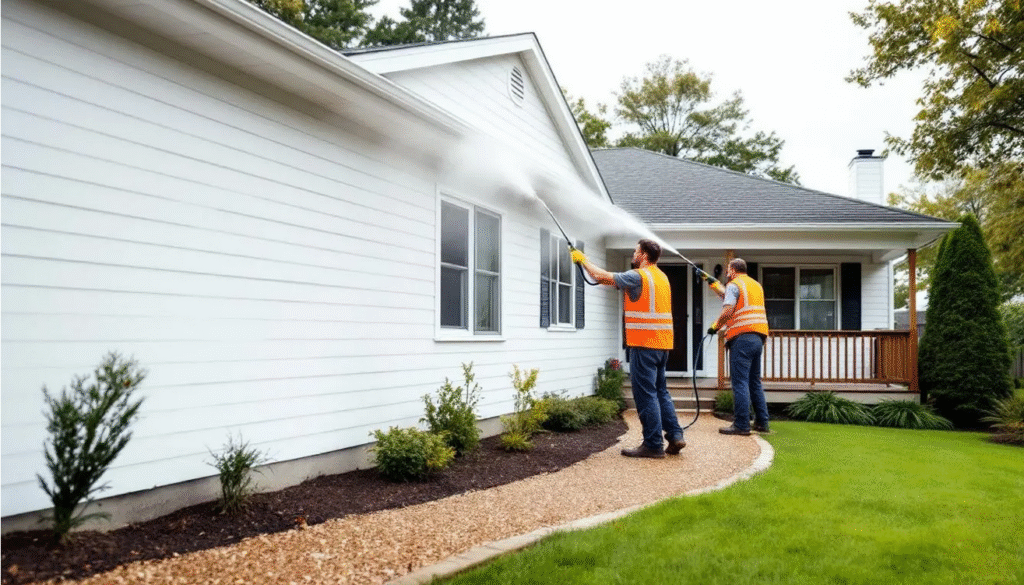
Maintaining the pristine appearance of an all white ranch house requires consistent care, but the results are worth the effort when you see how the bright, clean exterior enhances your home’s curb appeal and value. Pressure washing annually removes dirt, mildew, and environmental stains from white surfaces, restoring the crisp appearance that makes these homes so attractive.
The key to successful pressure washing is using appropriate pressure settings and techniques that clean effectively without damaging the surface materials. Most white siding materials can be safely cleaned with moderate pressure and mild detergent solutions that remove accumulated grime without causing damage.
Touch-up painting every 2-3 years maintains the pristine appearance and prevents weathering from compromising the surface protection. This proactive approach is more cost-effective than waiting for extensive repainting, as small touch-ups are much easier and less expensive than full exterior painting projects.
Regular gutter cleaning prevents water staining on white siding and trim, as overflow and splash-back can create unsightly discoloration that’s difficult to remove once it sets. Clean gutters also protect the house structure from water damage while maintaining the clean lines that define the aesthetic.
Landscaping maintenance keeps plantings from scratching or staining white exterior walls, which is particularly important near the house foundation where plants might come into contact with the siding. Regular pruning and appropriate plant selection prevent damage while maintaining the attractive relationship between house and landscape.
Window cleaning quarterly maximizes natural light and maintains the bright, airy aesthetic that’s central to the appeal of white ranch houses. Clean windows allow maximum light penetration while ensuring that the interior spaces feel as bright and spacious as possible.
FAQ
Do all white ranch houses get dirty quickly and require more maintenance?
White exteriors do show dirt more readily than darker colors, but modern paint formulations include mildew and dirt resistance that significantly reduces maintenance requirements. Annual pressure washing and bi-annual touch-ups typically maintain a pristine appearance that justifies the extra attention. Quality materials like fiber cement siding or premium vinyl hold up well and clean easily with standard maintenance techniques. Strategic landscaping placement can minimize splash-back and reduce cleaning frequency, while proper grading and drainage prevent many common staining issues.
What’s the best white paint color for ranch house exteriors?
Pure white creates the brightest, most dramatic appearance but may appear stark in some settings, particularly in areas with intense sunlight or minimal landscaping. Off-white shades like ivory or cream provide warmth while maintaining the light, airy feel that makes white ranch houses so appealing. Consider undertones carefully – blue-based whites appear cooler and more contemporary, while yellow-based whites feel warmer and more traditional. Always test paint samples on different sides of the house to see how they look in various lighting conditions throughout the day before making your final decision.
Can I add color accents to an all white ranch house without ruining the aesthetic?
Strategic color placement on front doors, shutters, or trim actually enhances rather than detracts from white exteriors by creating focal points and visual interest. Natural materials like wood or stone provide texture and warmth without compromising the clean aesthetic, while colorful landscaping and outdoor furniture offer seasonal flexibility while maintaining the white foundation. The key is choosing accent colors that complement rather than compete with the white exterior, using them sparingly to create impact without overwhelming the overall design.
Are all white ranch houses energy efficient?
White exteriors reflect sunlight and heat, potentially reducing cooling costs by 10-15% in hot climates compared to darker exterior colors. Single-story ranch layouts typically have lower heating and cooling requirements than multi-story homes due to their compact footprint and reduced vertical heat transfer. Large windows characteristic of white ranch designs maximize natural light, reducing electrical usage during daylight hours. Modern materials and insulation techniques can make white ranch houses highly energy efficient regardless of color, though the reflective properties of white exteriors provide additional benefits in warm climates.
What landscaping works best with all white ranch houses?
Structured evergreen plantings provide year-round contrast and definition against white backgrounds, creating a living frame that enhances the house’s architectural lines. Colorful seasonal flowers in planters or borders add vibrant accents that complement the clean aesthetic without overwhelming it. Natural stone elements like retaining walls or pathways introduce texture without competing with the white exterior, while mature trees provide scale and proportion that improves over time. Avoid planting trees or large shrubs too close to white walls to prevent staining and scratching, and choose plants that will enhance rather than obscure the clean lines of ranch architecture.