Farmhouse builders specialize in creating homes that blend rustic charm with contemporary comfort. A farmhouse is defined by specific architectural elements that require precise craftsmanship. Since around 2015, demand for this style has surged as homeowners seek designs where the form of the farmhouse—its design, layout, and aesthetic balance—features board-and-batten siding, metal roofs, and open floor plans paired with energy-efficient systems. This guide walks you through choosing a builder, exploring design options, understanding budget considerations, and navigating the build process to make your dream home a reality.
- What Is a Modern Farmhouse? (Design Style Overview)
- Types of Farmhouse Builders
- How to Choose the Right Farmhouse Builder
- Planning Your Farmhouse: From Land to Layout
- Farmhouse Features and Customization Options
- Budgeting and Pricing for a Farmhouse Build
- Timeline: How Long Farmhouse Builders Take
- Energy Efficiency and Sustainability in Farmhouse Builds
- Working With Your Farmhouse Builder: Step-by-Step Process
- Frequently Asked Questions About Farm House Builders
- Explore Related House Styles and Services
- Conclusion: Building Your Farmhouse Dream
What Is a Modern Farmhouse? (Design Style Overview)
A modern farmhouse merges traditional rural architecture with 21st-century materials and layouts. This style has become a top-selling house design, appealing to families who want timeless aesthetics without sacrificing modern functionality.
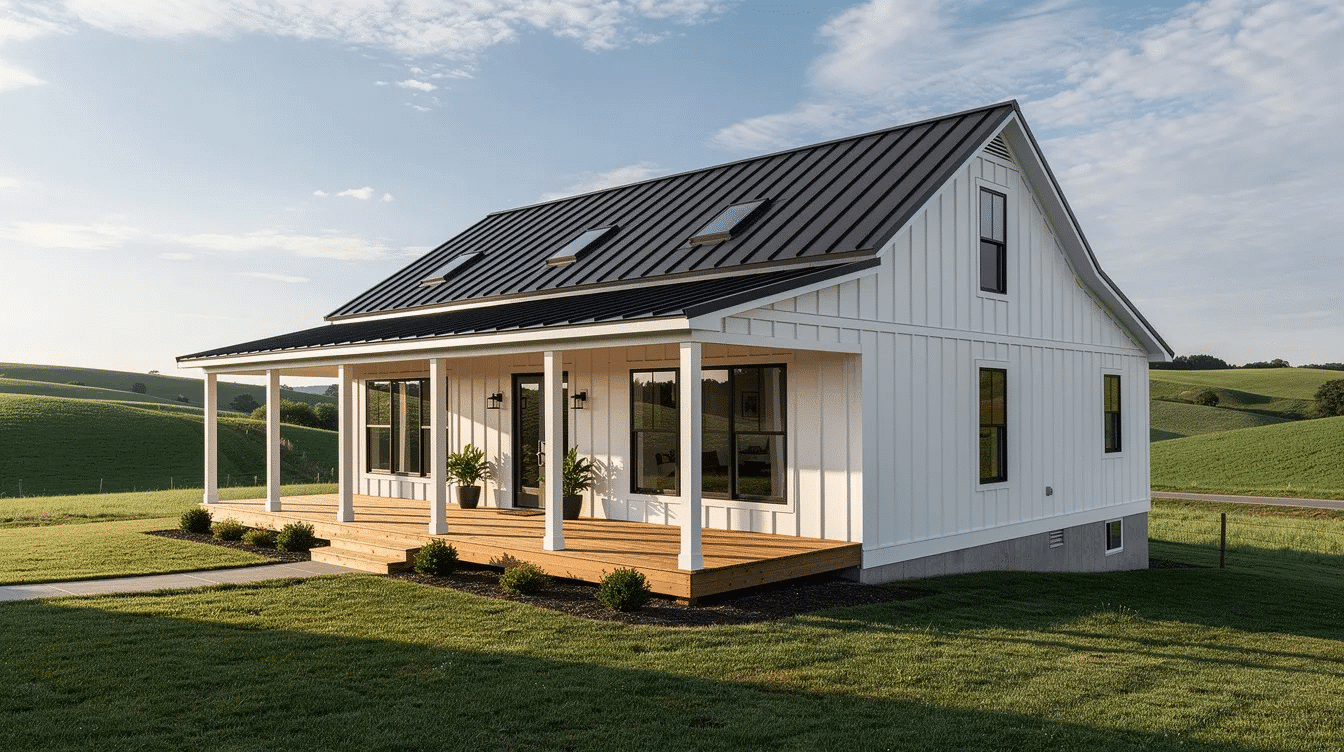
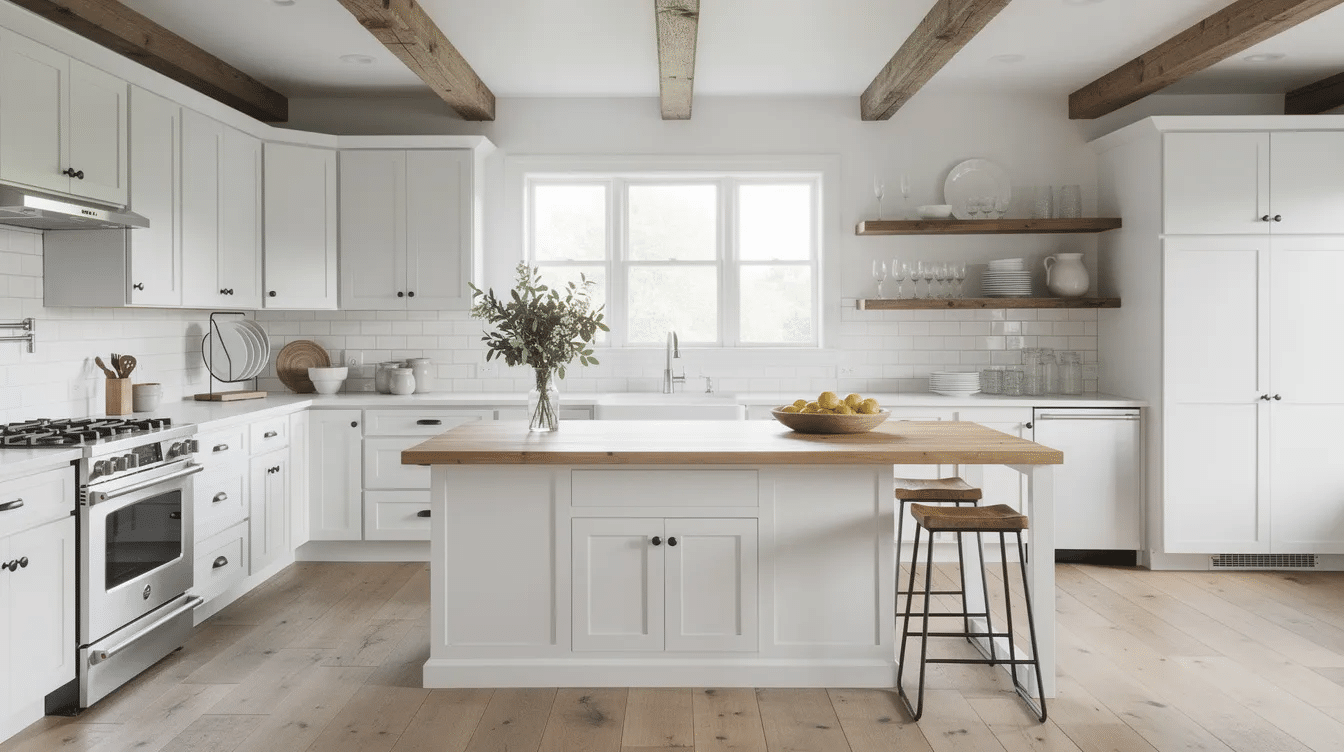
Exterior features include pitched gable roofs, deep front porches, black-framed large windows, and white or natural wood siding. Metal standing-seam roofs or architectural shingles complete the look. Interior features emphasize open-concept living areas, big country kitchens with islands, farmhouse sinks, shiplap accents, exposed wood beams, and 9-10 foot ceilings.
Natural materials like reclaimed wood, stone, and matte black hardware create warmth throughout. The emphasis on natural light comes through oversized windows, patio doors, and strategically placed dormers that flood living spaces with sunshine while maintaining privacy.
Types of Farmhouse Builders
Farm house builders range from small rural contractors to large regional design-build firms, similar in some ways to bungalow home builders focused on one-story living. Understanding the options helps you find the right fit.
Custom farmhouse builders create fully bespoke designs tailored to your land, lifestyle, and budget. They typically work with architects to develop plans from scratch, making them ideal for unique properties purchased recently.
Semi-custom builders start from existing farmhouse plans and allow modifications like moving walls, changing rooflines, or adding porches. This approach works well in rural subdivisions where land characteristics vary.
Production builders with farmhouse collections offer curated elevations on standard plans with limited structural changes. These suit master-planned communities where consistency matters and timeline is prioritized.
How to Choose the Right Farmhouse Builder
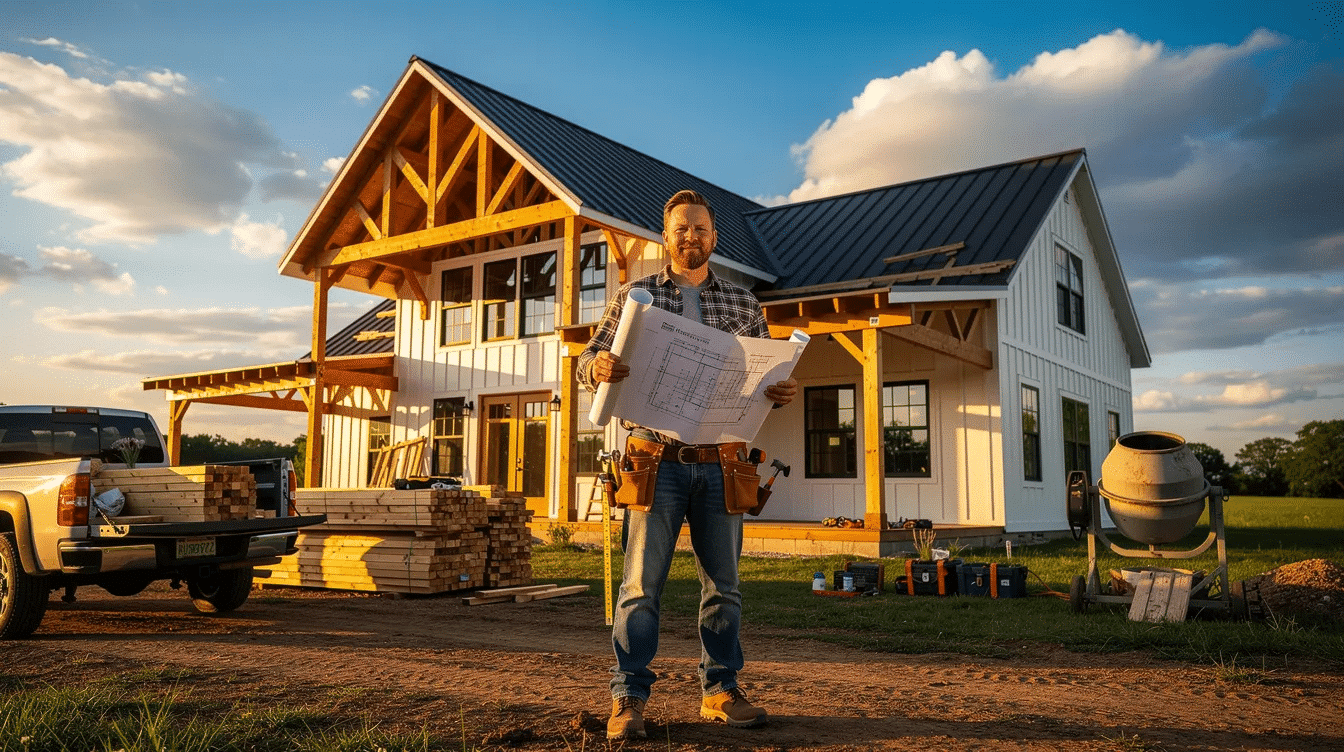
Selecting the right builder in 2026 determines both your final cost and satisfaction with the home. Start by verifying licensing, insurance, and local building experience in your specific county.
Review the builder’s portfolio for completed farmhouses between 2018 and 2025, looking for consistent quality in porches, trim details, and window installations. Ask for at least three recent references who built farmhouses specifically—not just any home—and inquire about schedule accuracy, communication style, and how change orders were handled.
Transparent pricing matters. Request clearly itemized allowances for cabinets, appliances, windows, and site work, plus written policies on cost overruns. Understand their communication approach: Do they offer online portals for selections? How often do they provide updates during framing, mechanicals, and finishes?
Planning Your Farmhouse: From Land to Layout
Land characteristics drive farmhouse design decisions from the start. Evaluate driveway placement, views for front and back porches, sunrise orientation, and prevailing winds for natural cooling.
Builders can position your home to maximize sightlines from the kitchen to barns, gardens, or play areas. Plans are adaptable—farmhouse designs work on sloped lots with walkout basements or tiered layouts when the terrain demands creativity.
Choose a floor plan size based on household needs: 1,600-2,400 square feet works for compact farmhouses, while 2,500-3,500+ square feet accommodates larger families. Homeowners remodeling instead of building new should plan similarly when considering a creative addition to an existing ranch style house. Key layout decisions include main-floor primary suite placement, mudroom sizing with lockers and sinks, pantry type, and laundry location.
Farmhouse Features and Customization Options
Modern farmhouse builders let clients personalize both structural and cosmetic features during the design process.
Structural upgrades include extended wraparound porches, three-car side-load garages, finished bonus rooms, and cathedral great rooms with reclaimed wood beam arches. Ranch homeowners may focus on similar improvements when planning a ranch home garage addition with cost and design guidance. Kitchen choices range from apron-front sinks and butcher-block countertops to walk-in pantries with custom shelving.
Interior finishes typically feature wide-plank engineered wood floors, painted shiplap accent walls, and matte black fixtures. Exterior customization options include mixing horizontal lap with board-and-batten siding, adding dormers, upgrading to standing-seam metal roofing, and incorporating stone bases.
Outdoor living add-ons like screened porches, outdoor fireplaces, and paver patios connecting to gardens extend the farmhouse lifestyle beyond interior walls.
Budgeting and Pricing for a Farmhouse Build
Farmhouse builds in the mid-2020s reflect lumber, labor, and interest rate fluctuations that affect every project. Base prices are typically quoted per square foot, though finishes, porches, and complex roofs push numbers higher.
Key cost drivers include foundation type, roof complexity, porch size, kitchen and bath finish levels, and site work requirements. Ask for written allowances for cabinets, flooring, lighting, and appliances—and clarify whether the builder passes along trade discounts.
Financing typically involves construction-to-permanent loans with draws released at footing, framing, mechanical, and completion stages. Include a 5-10% contingency for unexpected costs like rock excavation or HVAC upgrades made after framing.
Timeline: How Long Farmhouse Builders Take
Build timelines in 2024-2026 range from approximately 9 to 18 months depending on location and complexity.
Pre-construction (2-4 months) covers land purchase, survey, soil tests, design finalization, permits, and lender approval. Construction phases include site prep and foundation (3-6 weeks), framing and sheathing (4-8 weeks), and rough-ins for electrical, plumbing, and HVAC (3-6 weeks).
Finish stages take another 6-12 weeks: trim, cabinets, countertops, painting, flooring, and final punch list items. Seasonal factors like winter concrete pours in northern states and supply chain delays can extend schedules. Ask builders for a milestone calendar to track progress.
Energy Efficiency and Sustainability in Farmhouse Builds
Many farmhouse clients want homes that feel traditional but perform like high-efficiency new construction.
Common features include 2×6 exterior walls with higher R-value insulation, low-E double or triple-pane windows, and advanced air sealing. HVAC choices range from high-efficiency heat pumps to zoned systems for multi-story homes with smart thermostats.
Optional upgrades include solar-ready roofs, electric vehicle charging circuits, and Energy Star appliances. Low-maintenance exterior materials like fiber-cement siding and metal roofing preserve farmhouse aesthetics while reducing upkeep.
Working With Your Farmhouse Builder: Step-by-Step Process
Reputable farm house builders follow a documented process from first meeting to warranty service.
The initial consultation covers budget, land characteristics, square footage goals, and desired farmhouse style elements. Plan selection involves reviewing existing farmhouse plans or commissioning custom designs, then iterating on layouts.
The selections phase means visiting the design center to choose cabinets, countertops, flooring, windows, and fixtures. Contract signing captures final pricing, allowances, timeline, and warranty terms in writing.
During construction, expect scheduled site meetings, progress photos, and formal walkthroughs at pre-drywall and before closing. Post-move-in support includes 30-day and 11-month warranty check-ins.
Frequently Asked Questions About Farm House Builders
Homeowners often ask similar questions when they first contact a farmhouse builder.
Can I use my own house plan? Most builders accept outside plans, though they may charge review fees and require modifications for their construction methods.
Do I need land before meeting a builder? Not necessarily. Many builders help clients find suitable properties or recommend land specialists.
Can you build a farmhouse on a narrow lot? Yes. Farmhouse plans can be adapted to various lot configurations with creative design elements.
How do change orders work? Changes are typically allowed until framing or rough-ins, with fees applying for modifications that require rework.
What about wells and septic systems? Builders experienced with rural properties handle these regularly, though costs vary significantly by soil conditions.
Explore Related House Styles and Services
Farmhouse builds connect to related rural-inspired home styles worth considering, including the enduring appeal of ranch style homes across the United States.
Country house plans offer more relaxed, sprawling layouts with large porches suited to informal family living. For homeowners who prefer single-story living, beautiful ranch homes where style meets functionality and an understanding of average ranch house dimensions for better design choices can help clarify what layout works best. Barndominium-style homes feature barn-inspired metal or post-frame structures with flexible interiors, workshops, and soaring ceilings.
Traditional craftsman farmhouses emphasize exposed rafter tails, tapered columns, and detailed trim while maintaining rural character. Fans of one-level living may also appreciate the best features of a classic ranch style house. Talk with your farmhouse builder about adapting elements from these related styles into your own design.
Conclusion: Building Your Farmhouse Dream
The right farmhouse builder translates inspiration into a practical, comfortable custom home tailored to your land and lifestyle. Doing due diligence on builder experience, pricing transparency, and communication before signing a contract protects your investment.
Start by listing your must-have farmhouse features, then schedule consultations with qualified builders in your area to begin making your vision a reality.