
A ranch is fundamentally an area of land dedicated to raising livestock such as cattle, sheep, horses, wildlife, and other livestock on extensive grazing territory. Understanding the various types of ranches matters whether you’re a prospective buyer evaluating land, an heir planning succession, or a conservationist exploring private land stewardship options.
Ranches are large land tracts dedicated to raising grazing animals, and are often categorized by the type of livestock or their primary purpose.
Ranches combine land ownership, livestock or wildlife management, and operational practices to produce food, recreation, and ecological benefits. The same 5,000-acre property in Colorado might run beef cattle as its primary income, host paying hunters during elk season, and operate under a conservation easement—all simultaneously. This flexibility defines modern ranching across the American West.
The most common ranch categories include cattle and livestock ranches, game and hunting ranches, guest and dude ranches, family legacy operations, hobby and lifestyle properties, and mixed-use working ranches. Each type carries distinct infrastructure requirements, regulatory considerations, and income potential that buyers should understand before purchasing.
What Is a Ranch?
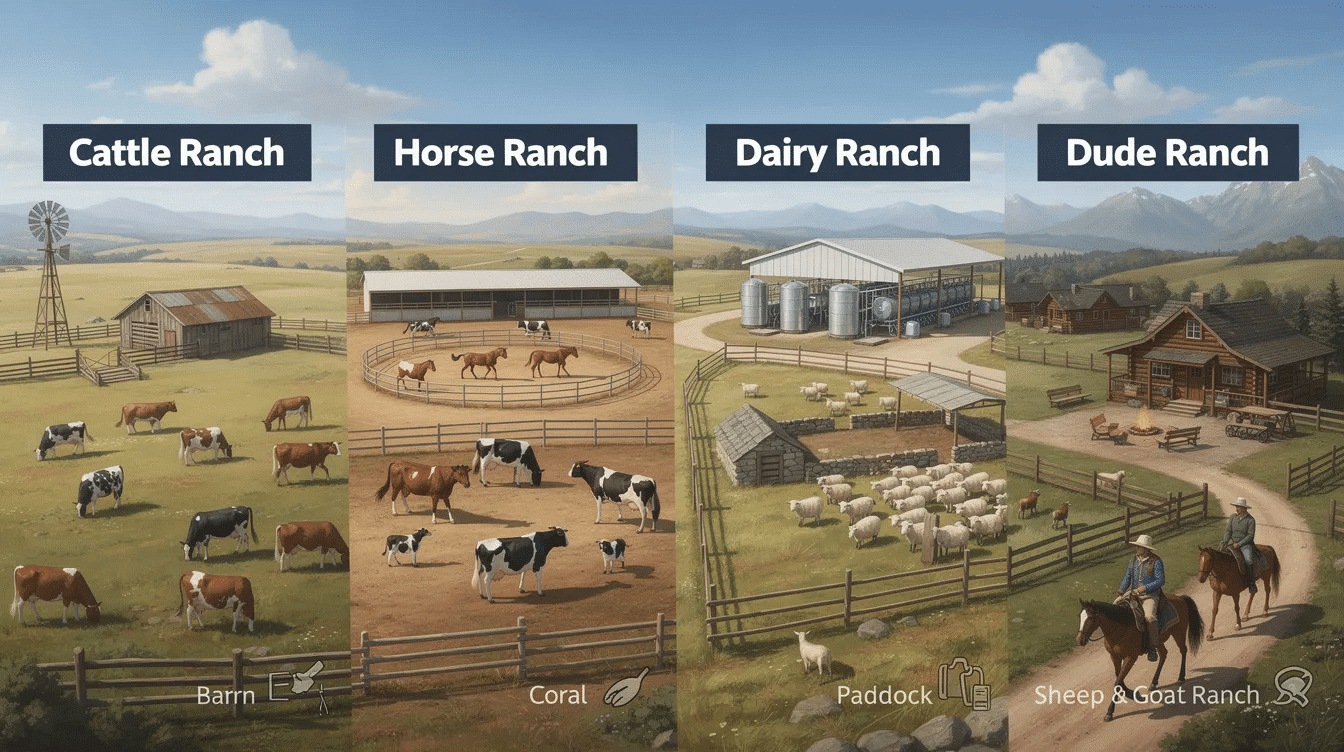
A ranch is a large, predominantly open-range property where grazing animals—cattle, sheep, goats, horses, bison, or game species—are raised, often alongside hay, grains, or other forage crops specifically grown to feed the livestock. Ranches differ from typical farms through their emphasis on extensive pasture rather than row crops, lower animal density relative to acreage, and larger total land area.
Typical ranch features include pasture and rangeland forming the productive core, water sources like creeks, springs, and stock ponds, barns for shelter during extreme weather, working pens and corrals for livestock handling, miles of fences for pasture management, and sometimes guest cabins or lodges. Many ranches in states like Wyoming and New Mexico supplement privately owned land with federal grazing leases, effectively doubling their productive capacity.
Modern ranches rarely depend on a single revenue stream. Operations increasingly blend livestock sales with hunting leases, conservation easement payments, agritourism activities, and habitat or carbon credits. Regional terminology varies—Australia calls them “stations,” Argentina uses “estancias,” and Mexico says “ranchos”—but the core concept of extensive grazing operations on large tracts of land remains consistent worldwide.
Main Types of Ranches
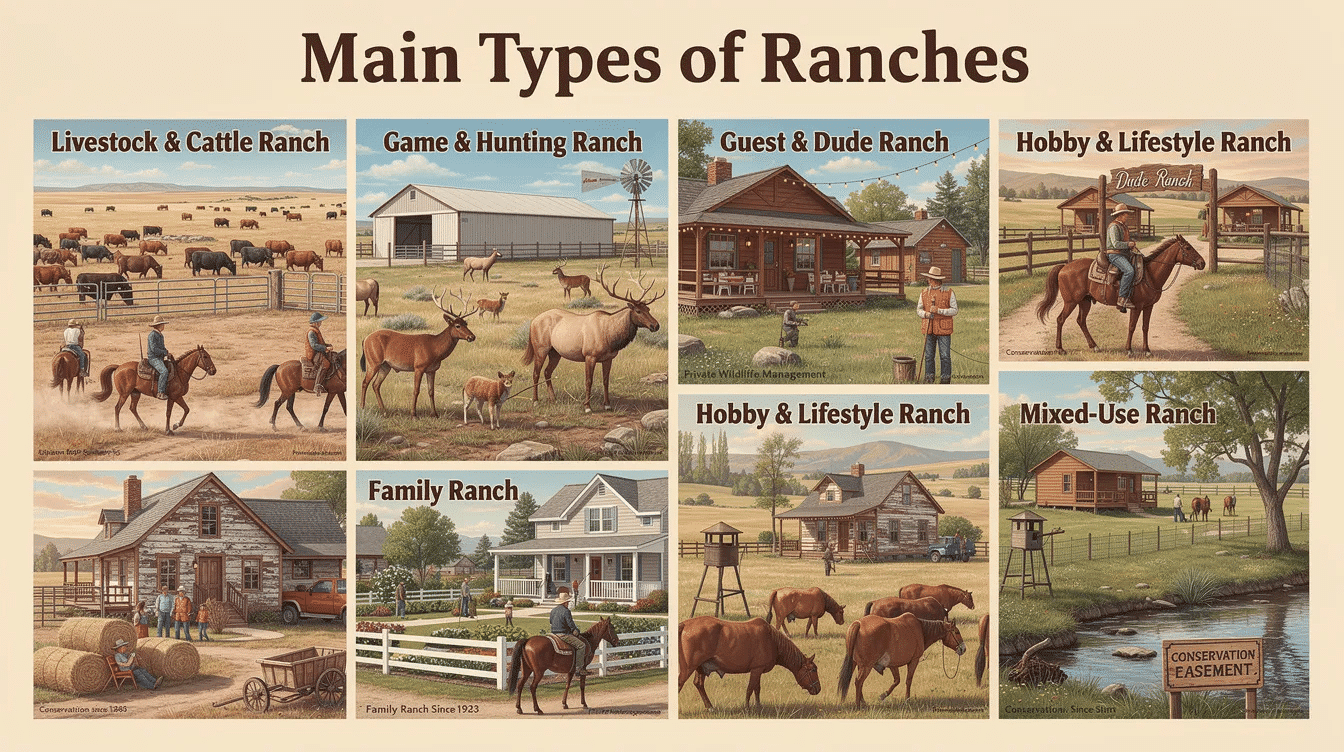
Ranch properties generally fall into several overlapping categories: livestock and cattle ranches focused on beef production, game and hunting ranches managed for healthy wildlife populations, guest and dude ranches offering hospitality experiences, family ranches emphasizing multigenerational stewardship, hobby and lifestyle ranches prioritizing personal enjoyment, and mixed-use properties combining production with recreation or conservation.
The same property often fits multiple categories. A working cattle ranch might host seasonal paying guests, offer guided elk hunts each fall, and operate under a conservation easement—all while maintaining a century of family ownership rooted in the legacy of historic ranch houses in American architecture. Each type has distinct land requirements, infrastructure needs, and income potential.
Buyers should match ranch type to their primary goals: income production, recreation, conservation, family legacy, or a strategic combination of several objectives.
When evaluating a property, many buyers also consider whether to build or renovate a home in the classic ranch style house tradition, aligning the residence’s layout and livability with the working and recreational uses of the surrounding land.
Types of Working Ranches
Working ranches are income-producing operations focused on livestock, forage, or wildlife as their core business function, typically spanning hundreds to tens of thousands of acres across the west. Many working ranches, particularly in Colorado, Wyoming, Montana, and Texas, are family-owned operations that have run cattle continuously since the late 1800s.
This section covers the primary working ranch categories: cattle and livestock ranches, sheep and goat operations, horse and equestrian properties, and combination mixed-livestock ranches.
Cattle & Livestock Ranches
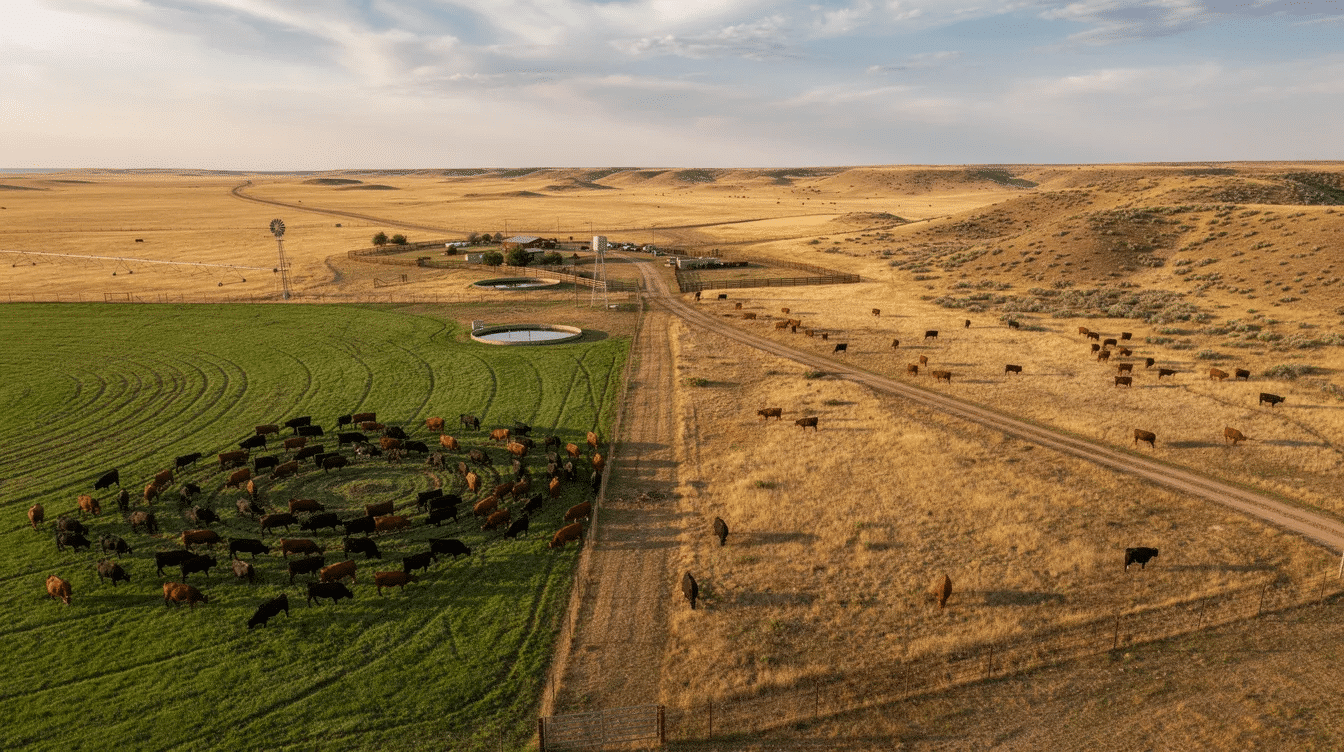
Cattle ranches represent the most common ranch type in North America, capitalizing on expansive grasslands and open plains to graze large herds. Operations range from under 500 acres in the Midwest with irrigated pasture to 20,000+ acres in the high plains where lower rainfall requires more land per animal.
Production models include:
Model | Description |
|---|---|
Cow-calf | Breeding cattle and raising calves born on property |
Stocker/backgrounding | Growing purchased weaned calves on grass |
Finishing | Raising animals to slaughter weight |
Breeding stock | Selling genetics to other ranchers |
Daily management demands substantial attention: rotational grazing to maintain soil health, water and fence maintenance across miles of territory, intensive oversight during calving seasons, branding, vaccination schedules, predator control, and hay production for winter feed. |
Infrastructure needs include working corrals, squeeze chutes for medical procedures, barns or loafing sheds, feed storage, and reliable road access for trucks hauling livestock to market. Profitability depends on herd genetics, water access, market prices for beef, and sometimes availability of federal grazing leases that extend productive capacity beyond privately owned acreage.
Sheep & Goat Ranches
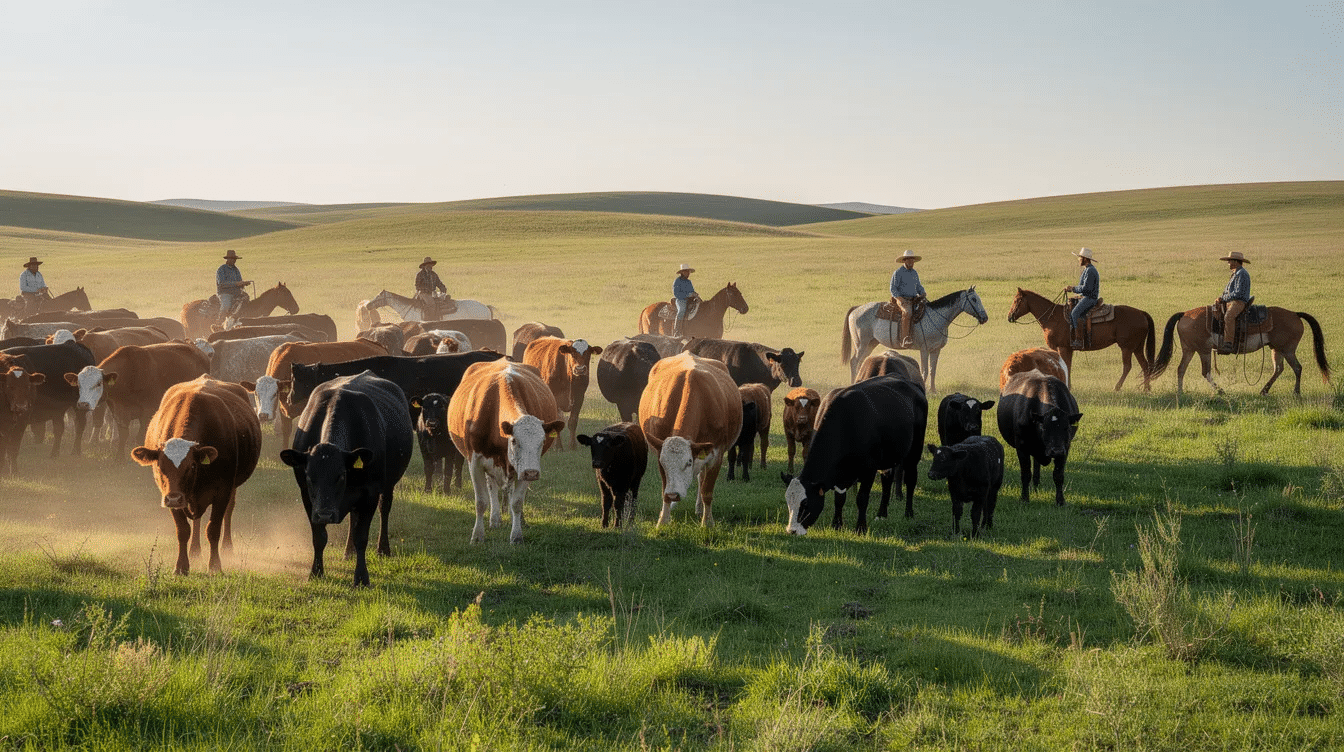
Sheep and goat ranches focus on meat production (lamb, mutton, chevon), fiber (wool, mohair), and sometimes dairy. These operations thrive in rougher terrain where cattle would be less efficient—high desert and sagebrush areas of Wyoming and Utah, the hill country of Texas, and semi-arid rangelands where animals can graze freely on steep slopes and brushy vegetation.
The grazing ecology differs fundamentally from cattle: sheep prefer grasses and forbs while goats browse shrubs and woody plants. This makes both species effective at vegetation management and wildfire fuel reduction in fire-prone regions.
Challenges include higher vulnerability to predators like coyotes, mountain lions, and wolves. Operations typically require guard animals—livestock guardian dogs, llamas, or donkeys—plus more intensive predator-resistant fencing than cattle operations demand. Some ranchers integrate sheep or goats with cattle herds to diversify income and improve pasture utilization across different plant communities.
Horse & Equestrian Ranches
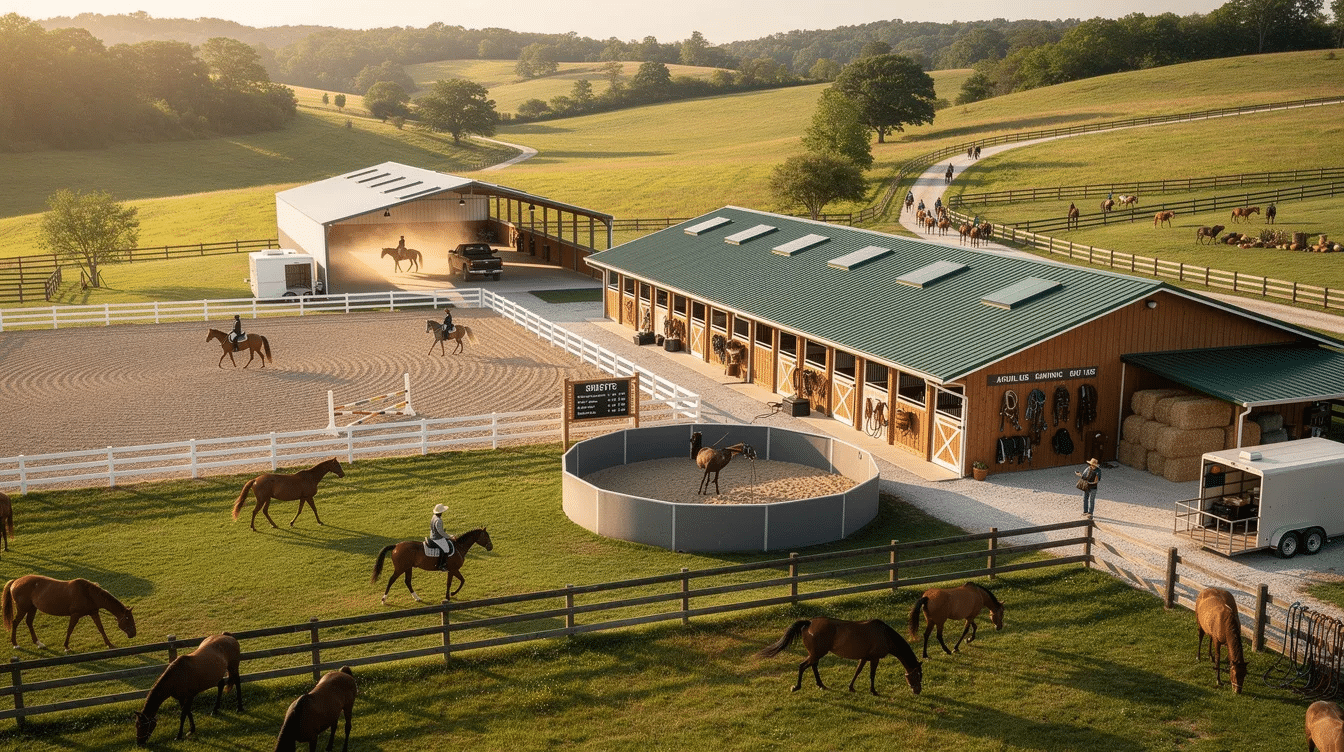
Horse ranches dedicate land and facilities primarily to breeding, training, boarding, or recreational riding rather than meat production. Specializations vary widely: quarter horse breeding for rodeo and ranch work, performance barns for dressage or jumping, working cow horse programs, dude ranch remudas supplying guest mounts, and trail-riding outfits near national parks.
Typical facilities include:
- Indoor and outdoor arenas with proper footing
- Round pens for training
- Stables with individual stalls
- Tack rooms and equipment storage
- Miles of maintained riding trails
Income streams come from training fees, boarding contracts ($300–$800+ monthly), lesson programs, breeding services, and horse sales. Acreage requirements are often smaller than cattle ranches—40–500 acres can work if pasture is supplemented with purchased hay—but larger properties with extensive trail systems command premium prices for serious equestrian buyers.
Combination & Mixed-Livestock Ranches
Mixed-livestock ranches run combinations of cattle, sheep, goats, and sometimes bison to optimize forage use and spread financial risk across multiple revenue streams. Different species graze different plants at different heights, allowing more complete utilization of available vegetation than any single species achieves alone.
A 3,000-acre ranch in eastern Colorado might run 300 head of beef cattle as its core operation while maintaining 600–800 sheep for added income and vegetation control. When cattle prices crash, lamb and wool income provides a financial cushion.
The trade-off is increased management complexity: separate handling facilities for each species, more intricate rotational grazing plans, and different veterinary protocols. Mixed operations require either diverse expertise or willingness to hire specialists for each livestock type.
Game & Hunting Ranches
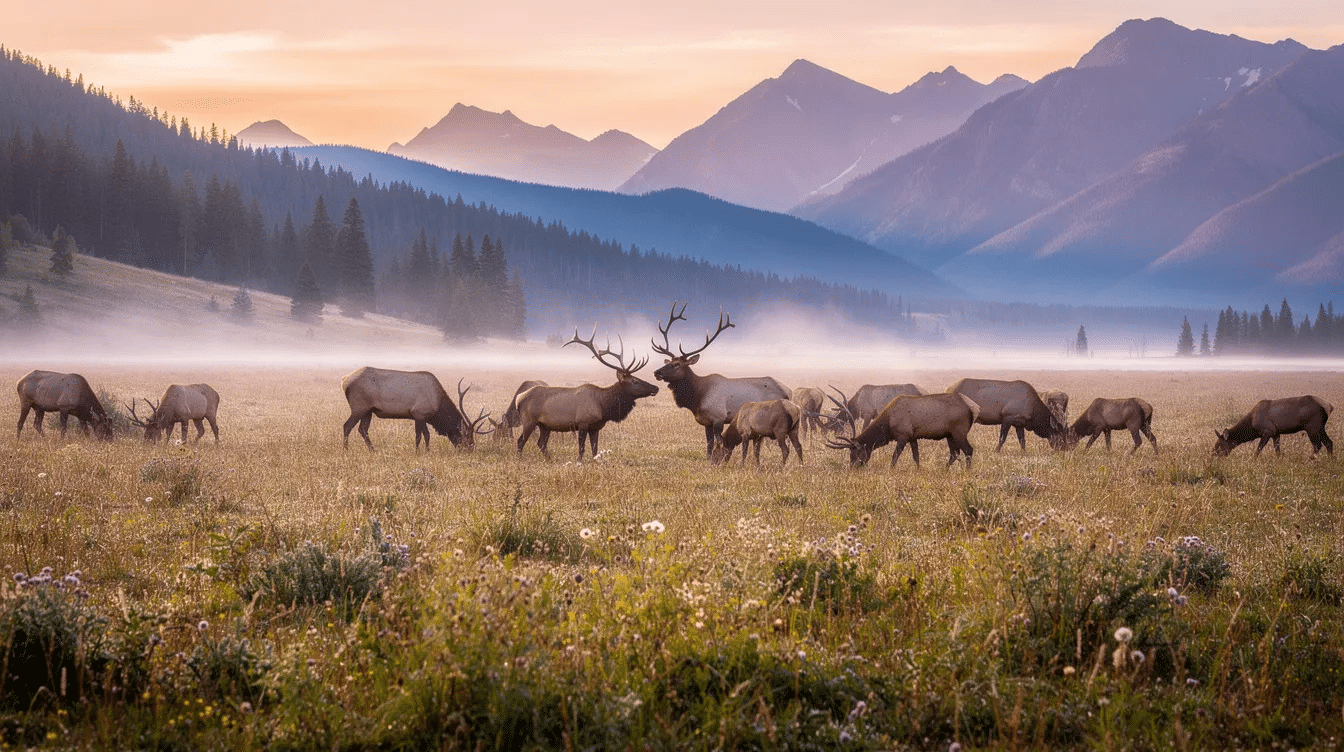
Game ranches manage properties primarily for wildlife—elk, mule deer, pronghorn, upland birds, or exotic species—generating income through recreational hunting, guiding services, and habitat-focused ecotourism. These ranches combine wildlife biology, habitat restoration, and strict harvest quotas to sustain healthy wildlife populations and, in some cases, develop trophy-quality animals.
Operations may be free-range, allowing animals to migrate naturally across the environment, or high-fence, containing wildlife within defined boundaries for more controlled population management. Regulatory frameworks vary significantly by state.
Revenue sources include:
- Guided hunts ($2,000–$10,000+ per animal)
- Long-term hunting leases
- Lodging and meals for hunting clients
- Ecotourism and wildlife photography
- Conservation easement payments
Dense forests, open meadows, and rugged terrain provide sanctuary to diverse game species. Many hunting ranches increasingly market themselves as conservation operations, emphasizing sustainable harvest and habitat restoration alongside hunting access to rivers, lakes, and wilderness areas.
Family Ranches & Legacy Operations
Family ranches are properties owned and operated by one family, often across multiple generations, with deep connection to heritage and succession planning. The King Ranch in South Texas, established in 1853, exemplifies this model—over 170 years of continuous family operation and stewardship through changing markets and generations.
These ranches range from a few hundred acres to large multi-thousand-acre spreads, often built slowly through successive land purchases and grazing leases since the late 19th century. They serve dual identities: working agricultural businesses generating income and deeply personal homesteads, sometimes anchored by California ranch style homes with strong indoor-outdoor living, where brandings become community events and generational knowledge passes from parent to child.
Common challenges facing family ranches:
Challenge | Impact |
|---|---|
Volatile commodity prices | Cash flow uncertainty |
Estate taxes | May force land sales to pay liability |
Rising land values | Development pressure from speculators |
Succession gaps | Younger generations preferring urban careers |
Families employ several preservation strategies: conservation easements that restrict development while allowing continued ranching, income diversification through hunting or guest operations, and careful estate planning with specialized attorneys. Buyers sometimes specifically seek historic family ranches for their established infrastructure, senior water rights, and accumulated operational knowledge that would take decades to replicate. |
Guest Ranches & Dude Ranches
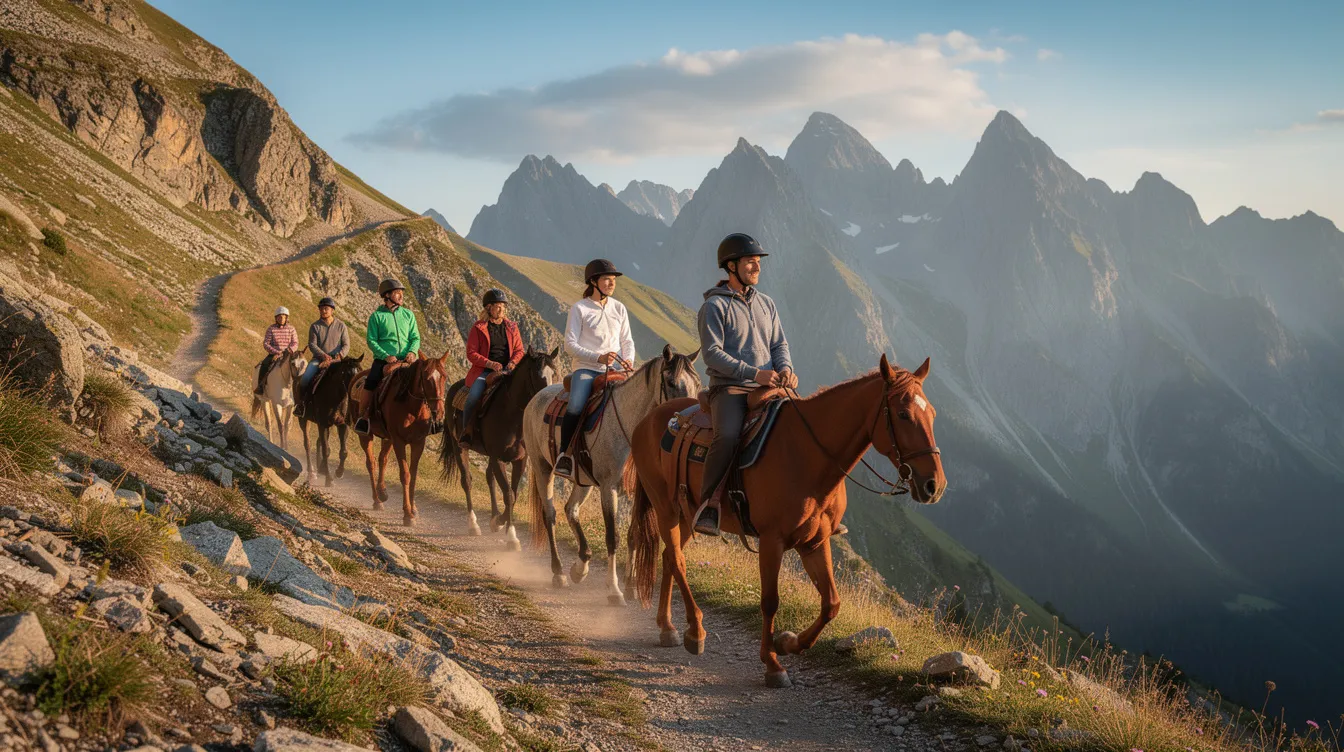
Dude ranches emerged in the late 19th century as working operations began hosting tourists seeking authentic Western experiences. Modern guest ranches range from rustic working properties to upscale resort operations emphasizing luxury alongside horseback riding, cattle drives, fishing, hiking, and outdoor activities.
Some are full-time hospitality businesses, while others are working cattle or horse ranches that open seasonally to visitors for supplemental income. Activities typically include trail rides through mountains or canyons, participation in real cattle work, fishing in private streams, shooting sports, campfires with traditional western food, and wildlife viewing across the property.
Facility expectations include comfortable cabins or lodge rooms with houses built for guest comfort, communal dining areas, arenas or corrals for instruction, safe children’s programs, and sometimes spas or conference spaces, often supported by thoughtful additions like a ranch home garage addition with integrated design. Regional variations shape character: traditional high-country operations in Colorado and Wyoming emphasize alpine scenery, while desert ranch resorts in Arizona feature warm-season recreation year-round.
The most successful dude ranches balance authentic working-ranch experience with professional safety standards and genuine horsemanship instruction from experienced cowboys and ranchers.
Hobby, Lifestyle & Small Acreage Ranches
Hobby or lifestyle ranches are smaller properties—typically 10 to a few hundred acres—owned primarily for personal enjoyment and a taste of ranch life rather than full-time agriculture. These properties appeal to remote workers, retirees, or families who want horses, a small cattle herd, or goats and chickens while maintaining off-ranch careers, and often mirror the comfort and community feel celebrated in classic ranch-style homes across the United States.
These ranches can still generate modest income through limited livestock, hay sales, short-term rentals, or small-scale agritourism like farm tours or seasonal events. A 60-acre hobby ranch in northern New Mexico might include a comfortable owner residence designed with ranch homes that redefine comfort and style in mind, a small barn for a handful of cows, vegetable gardens, and a guest casita rented weekends to tourists.
For lifestyle buyers, proximity to towns, good road access, and attractive scenery—mountain views, river frontage, visible wildlife—often matter more than sheer acreage. Many of these owners are also deciding between bungalow vs. ranch home styles for their primary residence, weighing layout and location preferences alongside land needs. However, even small properties require real management: fences need repair, water systems demand maintenance, and animals require daily care regardless of property size. Budget for ongoing labor or professional help to handle farming and ranching tasks that arise seasonally.
Recreational & Conservation-Focused Ranches
Some ranches prioritize recreation and ecological value over maximum agricultural output, functioning as private retreats and conservation projects. These properties appeal to owners seeking meaningful land stewardship alongside personal recreation on their own property.
Typical recreational features include trout streams with fishable sections, lakes for boating, big-game habitat deliberately managed for elk or antelope, extensive trail networks for horseback riding and hiking, and proximity to public lands or national parks, often complemented by low-profile ranch house dimensions and layouts that create easy access between indoor comfort and outdoor amenities.
Conservation tools commonly employed:
- Conservation easements permanently restricting development
- Habitat restoration projects (riparian, wetland, native prairie)
- Enrollment in wildlife-friendly practice programs
- Carbon credit programs capturing value from sequestration
Growing interest in regenerative grazing and “rewilding” creates integration of cattle ranching with sustainability objectives. A 4,000-acre Rocky Mountain ranch might manage primarily for elk habitat and fly fishing while maintaining a small cow-calf herd specifically to sustain healthy grasslands through managed grazing—accepting reduced beef production in exchange for exceptional recreation and conservation outcomes supported by beautiful ranch homes where style meets functionality.
These owners often have adequate income from non-ranch sources and value long-term land stewardship and the deep connection to leaving a lasting legacy through thoughtful conservation more than production income.
Choosing the Right Type of Ranch
Understanding ranch types is essential for prospective buyers, heirs, or investors planning land transitions. The perfect ranch depends entirely on your specific goals and circumstances.
Key decision factors to evaluate:
- Desired level of daily involvement (hands-on vs. managed)
- Income requirements and risk tolerance
- Interest in hospitality, guiding, or working with tourists
- Passion for livestock versus wildlife management
- Long-term vision for the land and family
Consider local climate, water availability, soil quality, and regulatory environment when selecting a ranch type. Many ranches exist in varied terrain with access to plains, hills, and water features—each supporting different operational possibilities across the south and west.
Before committing, visit multiple working ranches—cattle, game, guest, and hobby operations—to see firsthand how each type functions through the seasons. Talk to ranchers about daily life, seasonal rhythms, and the realities of raising animals on the land.
Modern ranches increasingly blend multiple roles: production agriculture alongside recreation and conservation. Whether you’re seeking your first ranch or evaluating inherited property, this flexibility offers paths for both families building generational legacy and investors seeking diversified returns from the world of private land ownership.