Key Takeaways
- The best roof color for ranch style home projects depends on siding, climate, trim, and whether you want a light or dark roof.
- Ranch homes have large roof areas visible from the street, so roof color affects curb appeal more than it does on many two-story homes.
- Medium tones balance energy performance and design flexibility; charcoal gray, weathered wood, and soft brown are safe, high-appeal choices.
- Winning color combinations include a cool gray roof with white trim, a blue gray roof with stone veneer, and hunter green in wooded lots.
- Modern shingles from brands like owens corning use multiple shades, making neutral palette designs and bold roof color options easier to coordinate.
Why Roof Color Matters So Much on Ranch Homes
Ranch style houses have long, low profiles, simple facades, and broad roof planes. The roof covers a large part of the home’s exterior, often 35–40% of the first impression buyers see. That means roof color can affect a home’s curb appeal significantly, especially given how ranch-style homes emphasize horizontal lines and outdoor connection.
The right roof color can add 5 to 10% value, while poor color coordination can lower offers on homes. A new roof is attractive to prospective buyers, especially when the shingle color works with the exterior siding, trim, doors, shutters, and brick.
Low-slope ranch homes in the Midwest, Southeast, and Sun Belt also expose large roof areas to sun, so color selection affects energy efficiency and comfort. Match the roof to the ranch style era: mid-century, classic suburban, or modern.
Quick Starting Point: Best Roof Colors by Siding Type
Here are fast recommendations:
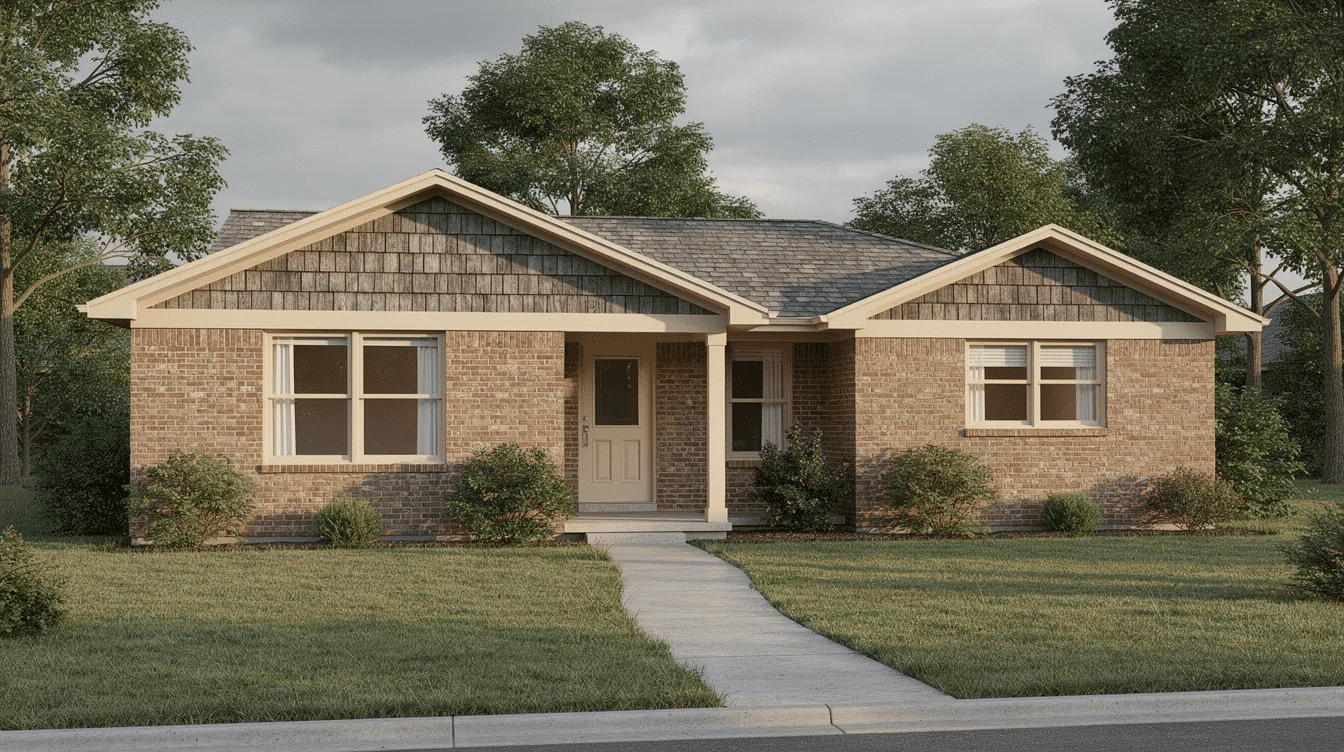
- Red brick or orange brick: choose charcoal, pewter gray, dark gray roof, or weathered wood; avoid flat black.
- Tan brick, beige, or taupe siding: earthy shingles, warm gray, brown roof, tan, adobe, or soft brown pairs beautifully.
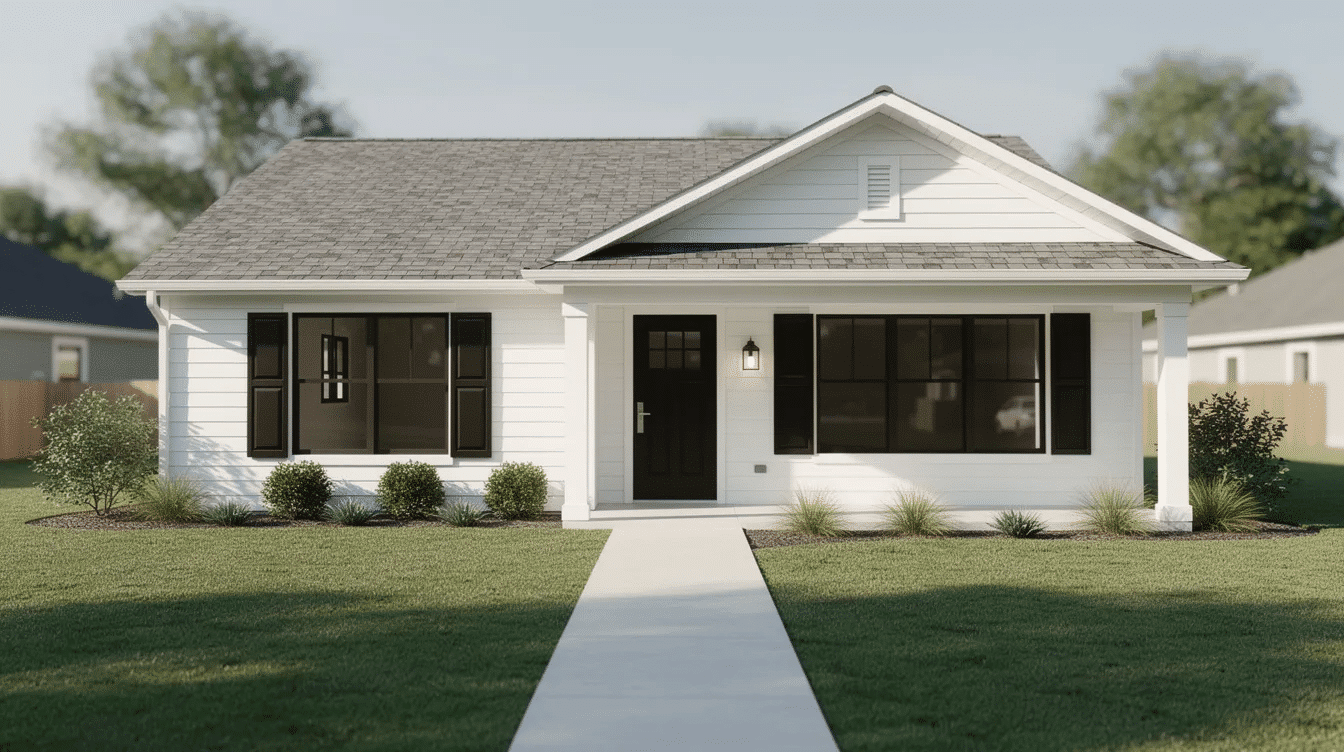
- White siding or cream siding: cool gray, blue gray, charcoal, or a careful black roof with black trim creates sharp contrast.
- Light gray siding or cool gray siding: use slate gray, gray roof, blue gray, or cool colors; very warm brown can clash.
- Blue siding: slate blue, blue gray, charcoal, or gray brings visual interest without overpowering the house.
- Wood-look siding: weathered wood, barkwood, and brown-gray shingles complement natural grain.
- Light colored siding: bold contrast colors such as charcoal or black work well on ranch homes with gray, blue, or crisp white siding.
Neutral, mid-tone shades like charcoal gray, weathered wood, and soft brown generally provide the highest curb appeal for ranch-style homes.
Understanding Ranch Home Style and Roof Color
Classic ranch homes are single story, with a long facade and low-pitched roof, common from 1950 to 1980. Different architectural styles call for different exterior colors, and understanding the best features of a classic ranch style house can guide your roof color decisions.
A 1965 red brick ranch house in Ohio may look best with weathered wood and white trim. A 1978 Texas ranch updated with cool gray siding, black trim, and modern doors can handle charcoal gray, a top choice for ranch homes, and both reflect the broader legacy of historic ranch houses in American architecture.
Mid-century ranches with large windows look clean with cool gray or blue gray. Classic 1960s–1970s homes with shutters suit barkwood, warm brown, and medium or dark brown shingles for an earthy, timeless feel alongside warm whites and creams. Architectural shingles create shadows that break up the massive expanse of a ranch roof.
Best Roof Color Families for Ranch Style Homes
The best roof color family should connect the roof, siding, trim, natural surroundings, and hardscape into one color scheme.
Cool Gray and Slate Gray Roofs
Cool gray and slate gray are a versatile choice for ranch homes with white siding, light gray siding, natural stone, or stone veneer. These shades modernize older exteriors without looking trendy, similar to the appeal of a dark gray ranch house with white trim.
Medium grays absorb less heat than a black roof and still provide a classic look. Pair a gray roof with crisp white trim or black trim for a balanced look.
Warm Brown, Barkwood, and Weathered Wood Roofs
Warm brown, barkwood, and weathered wood are timeless on brick, beige siding, and earth-toned ranch homes. Classic brown or wood-blend shingles enhance the natural, organic aesthetic of homes with green or earth-toned siding.
Weathered wood blends seamlessly with natural wood siding and is best suited for homes with earthy undertones. These durable materials hide dirt and streaking well across broad ranch roof surfaces.
Dark Roofs: Charcoal and Near‑Black
A dark roof includes charcoal, graphite gray, deep black blends, and near-black shingles. Charcoal gray is a popular roof color for ranch homes because it delivers bold definition without the heaviness of solid black.
Black roofing creates a striking contrast with light exteriors, but dark colors increase summer cooling costs by 15 to 25%. A dark roof on a 2,000 square foot ranch increases cooling costs significantly, especially in Texas, Florida, or Georgia. Dark roofs hide algae and stains, but they need strong ventilation.
Blue Gray and Slate Blue Roofs
Blue gray and slate blue roofing complements gray and white exteriors, especially near coasts, lakes, and wooded hills. These shades make long ranch facades feel lighter and less squat.
Repeat the blue in shutters or doors for cohesive certain color combinations. Slate blue roofing complements gray and white exteriors while offering a smart middle ground between style and heat absorption.
Hunter Green and Natural Green Roofs
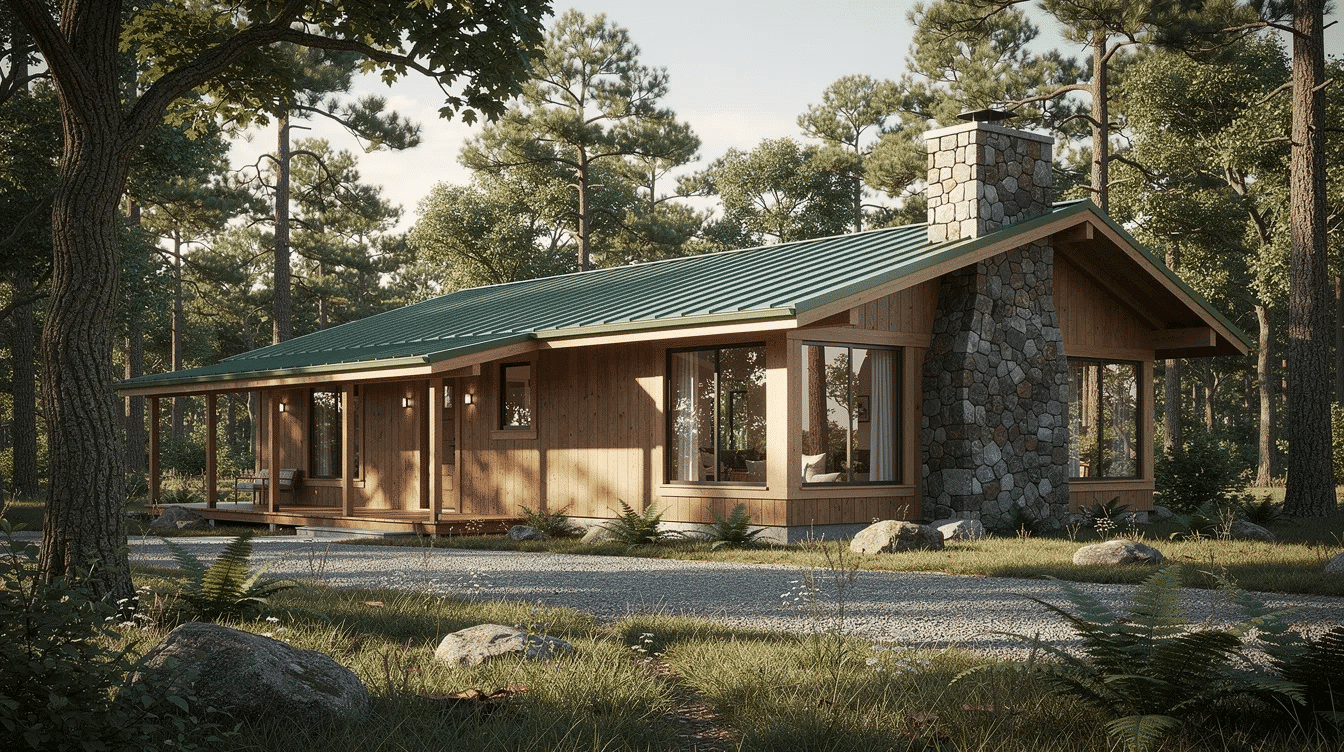
Hunter green and forest green roofing harmonizes with wooded settings. Green shingles with gray, green, and black granules tie together multiple shades in the landscape.
Hunter green works with cream, tan, beige, wood, and natural stone, but can clash with very cool gray exteriors. Sage green is ideal for ranch homes situated on heavily wooded lots, reflecting the natural surroundings.
Adobe, Tan, and Southwestern Earth Tones
Adobe, tan, terra cotta, and canyon brown work well on desert ranch homes with stucco, sand brick, or warm beige siding. Lighter tan roofs help reflect heat in sunny regions.
Use warm white trim instead of stark white paint. Test these shades outside because some tan roofs turn yellow or orange in afternoon light.
Energy Efficiency: Light vs Dark Roofs on Ranch Homes
Because ranch homes place extensive roof area directly over living rooms and bedrooms, color affects comfort. Light colors reduce summer cooling costs by 10 to 20%. Light roof colors can reduce summer cooling costs by 10 to 20%.
Dark colors increase summer cooling costs by 15 to 25%. Dark roof colors can increase summer cooling costs by 15 to 25%, because dark shingles absorb more heat and add more heat to the attic.
Light roofs in light gray, pale brown, tan, or soft blue gray are best for hot climates. Darker roofs can slightly help in cold winters. Reflective coatings improve energy efficiency without limiting color options, and cool roof ratings can help compare products.
Coordinating Roof Color with Trim, Doors, and Details
Ranch homes are simple forms, so trim, shutters, doors, and hardscaping matter. A coordinated neutral palette keeps the roof from feeling disconnected.
Black trim works beautifully with cool gray, blue gray, charcoal, and white siding, a principle that also underpins many black ranch house exterior design ideas. White or off-white trim suits brown, weathered wood, adobe, and warm gray roofs. Echo roof flecks in the front door, stone retaining wall, driveway, or patio for a perfect balance.
Regional and Climate Considerations for Ranch Roof Colors
The same color looks different in Arizona, New England, or the Pacific Northwest. In sunny areas, lighter neutrals keep the home looking airy in sunny areas while darker tones ground the home in wooded settings, much like how a farm ranch house design adapts materials and colors to its landscape.
For the Southwest and Deep South, choose tan, cool gray, or light weathered wood. In colder or mixed climates, charcoal and dark gray are practical. Coastal ranch homes benefit from blue gray. Heavily wooded lots can support hunter green, sage green, forest green, barkwood, and warm brown.
Color Selection Tips and Tools for Ranch Homes
Selecting the best roof color for a ranch style home is easier when you start with fixed elements: brick, stone, driveway, exterior, and existing siding, especially on charming cottage ranch style homes.
Narrow choices to two or three families: gray, brown, blue, green, or tan. Testing roof colors in real life with sample boards or 3D home visualization apps can help understand how the colors behave in different lighting. Tools like the Owens Corning Design EyeQ visualizer let you upload your home and compare shingles.
If resale value matters within 5–10 years, neutral roof colors attract a broader range of buyers. Timeless colors maintain appeal longer than trendy choices, which is especially important for highly visible exteriors like an all white ranch house design.
Common Mistakes to Avoid When Choosing a Ranch Roof Color
- Avoid solid black for ranch homes, as it can look too heavy and visually crush its proportions.
- Do not choose a very dark roof in a hot climate without reviewing ventilation and energy efficiency.
- Avoid mixing warm barkwood with very cool blue gray siding unless stone or tan brick bridges the tones.
- Never choose shingles from a brochure alone; view samples outside.
- Do not ignore neighborhood context; overly bold color choices can hurt the home’s appearance.
- Plan future paint, siding, trim, and doors before buying shingles, keeping in mind the broader aesthetic of Ranch Style Homes USA.
FAQ: Best Roof Colors for Ranch Style Homes
What roof color adds the most curb appeal to a ranch home?
For most ranch homes, charcoal gray, medium gray, weathered wood, and soft brown offer the broadest curb appeal. Charcoal gray with white siding feels modern, while weathered wood is safer with red brick, beige, and natural stone.
Is a dark roof a bad idea on a ranch home in a warm climate?
Not always, but a dark roof can raise cooling costs on large ranch homes. If you want dark style, choose reflective shingles, improve attic ventilation, and avoid flat black in very hot regions.
Which roof colors work best with a blue ranch house?
Cool gray, slate gray, blue gray, and charcoal are the best partners for blue siding. Navy siding can work with a very dark blue gray roof, especially with white trim or black trim.
How much does roof color really affect my ranch home’s energy efficiency?
On a typical single-story ranch, roof color can change attic temperatures by 10–20°F in summer. Light colors usually reduce cooling demand, while dark colors usually increase cooling demand.
Can I mix bolder roof colors with a neutral ranch exterior?
Yes. Blue gray, hunter green, sage green, or multi-tone blends can look excellent with restrained siding and trim. Test the full color combination with samples before committing to the whole roof.