A two tone exterior paint ranch house update is one of the simplest ways to make a long, low home feel fresh, modern, and better balanced. The right color combination can create depth, sharpen architectural lines, and improve curb appeal without changing the structure.
Key Takeaways
- Two tone exterior paint instantly modernizes 1950–1980 ranch style homes and adds visual interest in 2026.
- The fastest update is a light main body color, such as cool gray, paired with a darker accent band, gables, skirting, or garage door.
- Your two tone color scheme should coordinate with fixed elements: roof, brick, stone, existing windows, and unpainted trim.
- Two-tone color schemes can feature subtle or bold contrasts; subtle color contrast feels classic, while white and charcoal feels sleek and contemporary.
- Test large exterior paint colors in natural light on different sides of the house before you decide.
Why Two Tone Exterior Paint Works So Well on Ranch Houses
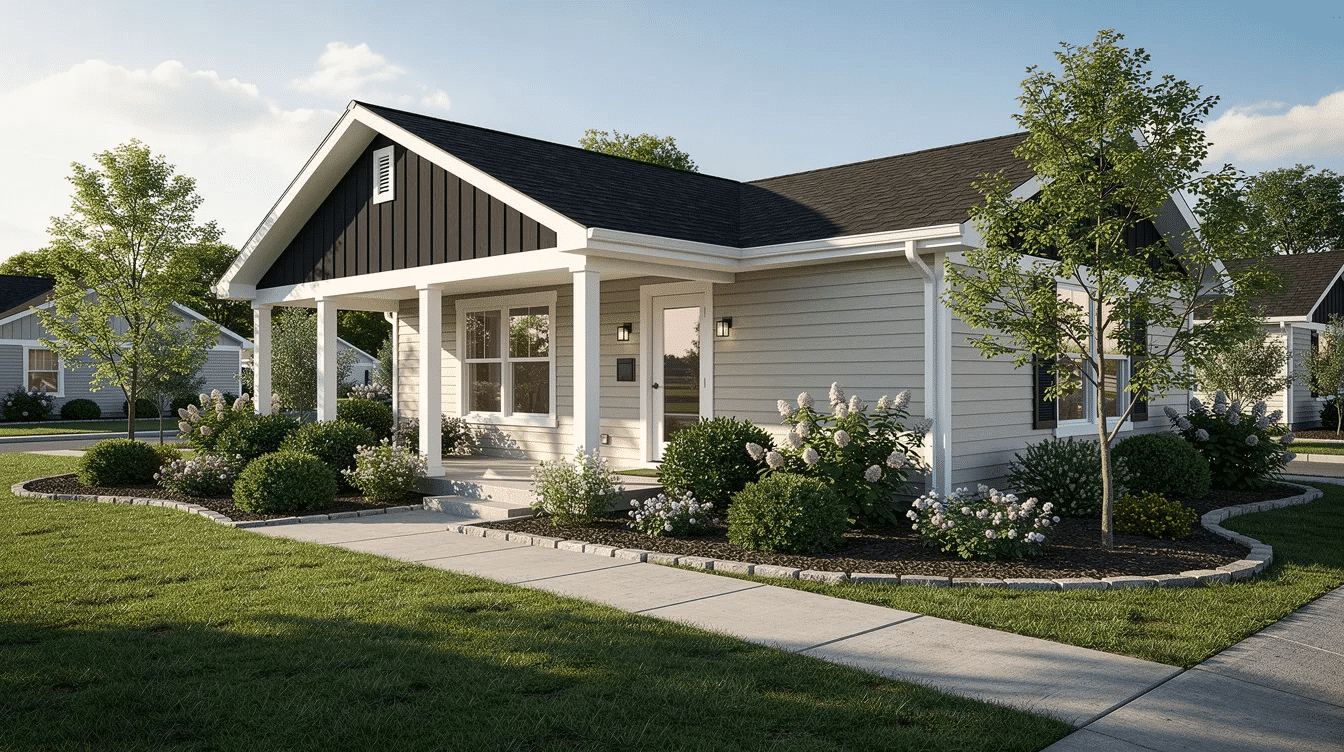
Ranch homes often feature long, low profiles and mixed materials. A ranch style home built from the 1950s through the late 1970s can look boxy when the entire house exterior is one uniform paint color. Two-tone schemes enhance curb appeal and visual interest because they break the facade into cleaner sections. Homes with architectural elements suit two-tone color schemes well, especially when those elements include wide eaves, attached garages, brick skirts, stone details, shutters, or visible gables, all of which contribute to the enduring charm and functionality of ranch-style homes.
Color transitions should match architectural lines of the home. For example, let a darker tone land on the lower brick band, end wall, or garage mass instead of stopping randomly across flat siding.
- Two tone exterior paint can also complement new horizontal siding, board and batten, stucco repairs, or brick paint while keeping the ranch style rooted in its mid-century character.
Buyers in 2024–2026 tend to respond well to clean, contrasting house colors, and Opendoor notes that exterior paint can support resale appeal.
Planning Your Two Tone Ranch House Color Scheme
Planning comes before paint chips. Start with the elements you cannot easily change: roof color, brick, stone, driveway, walkway, landscaping, vinyl windows, and existing trim. Use existing materials to inform your exterior color choices.
A simple framework works well:
- Choose the dominant color for the main siding. Dominant color should constitute 60% of the color scheme.
- Choose the secondary color for gables, lower skirting, or one side of split-level and raised ranch style homes. Secondary color should make up 30% of the color scheme.
- Choose the accent color for the front door, shutters, or small details. Accent color should constitute 10% of the color scheme.
Homeowners typically use three to four colors in exterior schemes, and homeowners typically use three to four colors for exteriors. That usually means two body shades, one trim color, and one door color.
Consider natural surroundings when choosing exterior colors. Ranch houses often blend with their surrounding landscape, so earthy tones can complement homes behind heavy foliage and landscaping for a small ranch home. Brown or tan roofs match well with beige, olive, or cream siding. Cool gray roofs pair well with blue, green, or white siding.
Print a photo of your home’s exterior and mark the body, trim, doors, shutters, skirting, and garage door. Then walk your street to explore successful color schemes and check HOA rules before the job begins.
Popular Two Tone Exterior Paint Ideas for Ranch Style Homes
These exterior colors work for classic ranch style houses across different climates and lot sizes, especially when paired with thoughtful ranch home exterior makeover ideas.
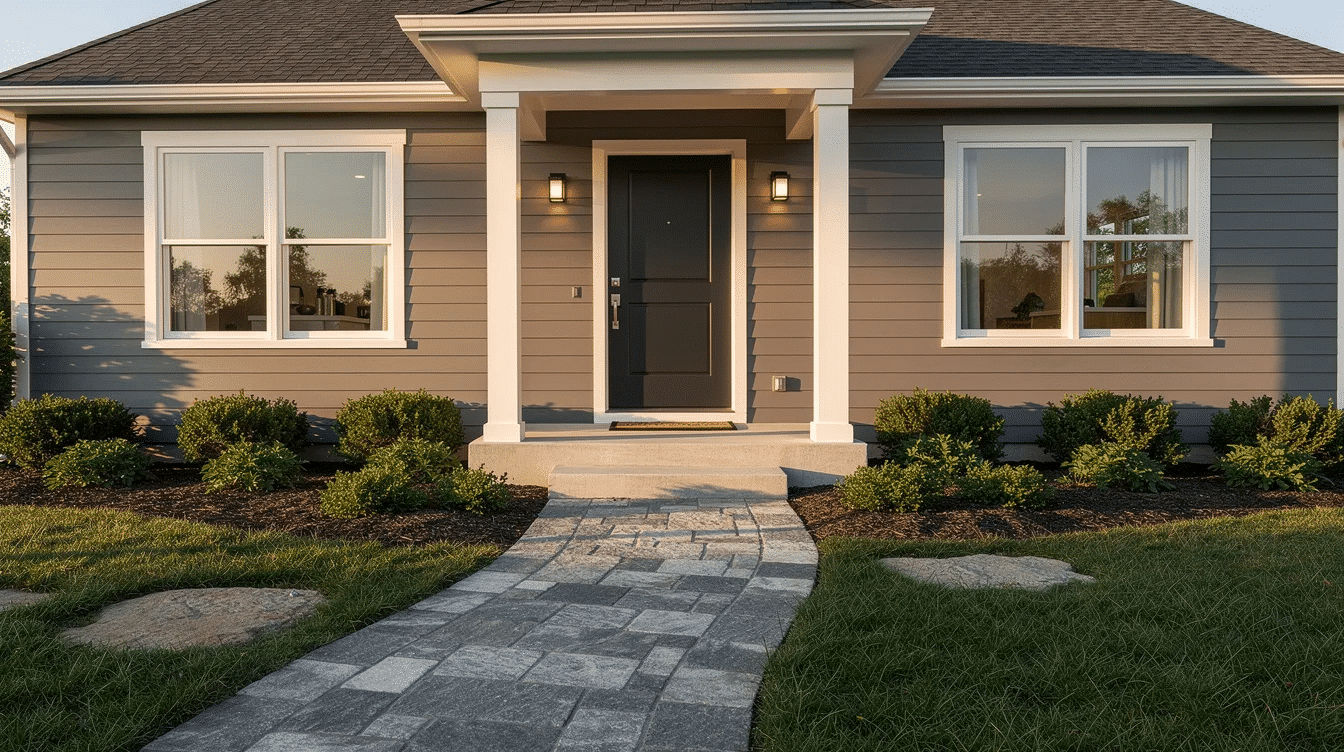
- Cool gray and white ranch: Use a light cool gray body, white trim, and darker gray gables or garage door. Dark gray siding with crisp white trim can also look modern and sophisticated on ranch houses.
- Warm neutral combo: Try greige siding with deeper taupe or camel skirting, plus off-white trim. Beige is a classic color for ranch houses.
- Bold modern pairing: Pair a nearly white body with charcoal or black upper gables and a matching dark front door for a look similar to a black ranch house exterior. Blue ranch house exterior ideas with black or white trim are currently popular too.
- Nature-inspired two tone: Use soft sage or olive siding with deeper green or brown bump-outs. Soft sage paired with white trim creates a sophisticated look.
- Coastal scheme: Choose muted blue siding, lighter blue or gray gables, and bright white trim.
- Farmhouse note: Red siding with white trim is reminiscent of farmhouse styles, especially when paired with dark brown accents and other details that celebrate classic ranch residences across the United States.
Using Cool Gray and Neutrals in Your Two Tone Exterior
Cool gray remains a top paint color for ranch exteriors in 2026 because it can feel modern without being stark. It pairs with warm wood, black windows, white trim, blue accents, and green landscaping. Lighter gray shades help a small house feel larger, while deeper gray hues ground a sprawling ranch.
Mixing cool gray siding with creamy white or soft beige trim keeps the exterior from feeling too cold. For example, stained cedar porch posts, soffits, or beams soften a gray-on-gray palette and add rich textures, much like the balance in a dark gray ranch house with white trim.
Cool gray also works with contemporary elements like black window frames and a dark steel-look garage door, similar to the contrast you see on a modern black ranch house exterior. Just compare every gray against the roof and driveway; blue-gray, green-gray, and purple-gray can shift quickly outdoors.
Where to Place Each Color: Body, Trim, Garage Door, and Front Door
Placement matters as much as the house colors themselves. The lighter color usually belongs on the main body to make the ranch appear wider, brighter, and more inviting. The darker color works best on gables, end walls, chimney masses, lower skirting, or a side wing to visually break the facade.
Use one trim color for fascia boards, window trim, and corner boards. A contrasting hue can highlight architectural features like trim, but keep it consistent for a clean picture.
For the garage door, either match the body for a quiet look or paint it the darker accent color to make it intentional. Using contrasting colors for details like the front door draws attention to entryways. A front door in navy, deep red, charcoal, or rich wood stain can add the right pop without making the mix feel busy.
Sample Two Tone Color Palettes Inspired by Benjamin Moore
Exact choices depend on your light, roof, and materials, but these benjamin moore-inspired palettes offer practical inspiration. If you prefer a single bright, minimal look, an all white ranch house design guide can help you refine trim, accents, and materials. Always pick up real color cards or fan decks before buying gallons of exterior paint.
Style | Body | Secondary | Trim / accent |
|---|---|---|---|
Cool classic | Light gray siding | Deeper gray gables | White Dove-style white trim |
Warm neutral | Medium greige | Taupe or dark brown lower band | Soft white trim |
High contrast | Off-white body | Charcoal gables and garage door | Deep blue or rich red front door |
Earthy green | Muted sage body | Olive or forest green bump-outs | Tan or cream trim |
You can also compare similar sherwin williams shades if that brand is easier to sample locally, especially if you are leaning toward a cohesive all white ranch house exterior. |
Testing Exterior Paint Colors in Real Light
Exterior colors shift dramatically from morning to late afternoon light. Colors appear differently under various lighting conditions, so do not rely on a tiny chip.
Buy sample pots or peel-and-stick swatches of your top shades. Testing paint on different sides of the house is important before making a commitment. Testing paint samples in natural light can reveal how colors interact throughout the day, especially next to brick, stone, roof shingles, windows, and landscaping.
Watch samples for 2–3 days: early morning, midday, shade, and sunset. Don’t forget to check after rain if possible.
Practical Tips for Painting a Ranch Style Exterior
Ranch houses are usually easier to paint than two-story homes, but prep still decides the result. Wash siding, scrape loose paint, repair damaged trim, caulk gaps, and prime bare areas before adding fresh color.
Paint from top to bottom: eaves and gables first, then body, then trim, then doors. Choose quality exterior paint for your climate, especially where sun, rain, or freeze-thaw cycles are harsh. Flat or matte often works for siding, satin for trim, and semi-gloss for the front door and garage door.
Aim for dry weather from late spring to early fall, with temperatures around 50°F to 85°F for better curing.
FAQ
How do I choose which part of my ranch house gets the darker color?
Use the darker tone on smaller areas like gables, bump-outs, lower skirting, or the garage mass. If your ranch has a raised basement, a darker lower portion and lighter upper body can make the proportions feel more balanced.
Can I use more than two exterior paint colors on a ranch house?
Yes. Most homeowners use three to four exterior colors: one dominant body color, one secondary color, one trim color, and one door color. The key is to repeat the same color in a few places so the scheme feels intentional.
Should the garage door match the house body or the trim?
Match the garage door to the body if you want it to disappear. Paint it the darker accent color if it has attractive panels or you want it to become a design feature. Avoid very bright trim colors on large garage doors.
Do two tone color schemes work on brick ranch houses?
Yes. Painted brick ranch homes can use one color on the brick and another on siding, gables, or additions. If the brick stays natural, choose a second color that complements its undertone.
How often will I need to repaint a two tone ranch exterior?
With proper prep and quality paint, many ranch exteriors last 8–12 years between full repaints. Dark colors may fade sooner on south- and west-facing walls, so inspect those areas yearly and touch up chips early.