Key Takeways
- Ranch style homes, popular since the 1950s, look best with wide, low windows that reinforce horizontal lines and bring in natural light.
- Core window styles to compare include double hung windows, casement windows, sliding windows, awning windows, picture windows, bay windows, and bow windows.
- New windows paired with the right front door, entry doors, and sliding doors can quickly improve curb appeal, comfort, and energy efficient performance.
- Minimal grilles, consistent frame colors, and simple design elements help windows effortlessly match an existing ranch home style.
- For a 2026 refresh, plan the home’s exterior as one composition instead of choosing windows room by room.
Introduction: Why Window Style Matters So Much on a Ranch House
Ranch homes originated in California during the 1920s. Early 1920s ranch houses blended new open layouts with a strong outdoor connection. Ranch homes originated in California during the 1920s and 1930s, then boomed across the U.S. from the 1950s through the 1970s. Ranch homes typically feature a single-story layout, and ranch-style homes typically have a low-pitched roofline.
A classic ranch house has wide proportions, open spaces, a low profile, and a strong connection to nature. Open floor plans are a hallmark of ranch-style homes, and they often have open floor plans that enhance spaciousness. Modern ranch homes often include outdoor living spaces like patios, while large windows are common to connect indoor and outdoor spaces.
That is why ranch house window styles ideas matter. The right glass, frame, grille, and door choices can modernize a tired exterior, make a room feel bigger, and keep the ranch style intact. We will cover double hung, casement, awning, sliding, picture, bay, and bow options, plus how they work with entry doors, patio doors, and the front door.
Core Ranch House Window Styles That Define the Look
These are the workhorse window styles for most 1950–1980 ranch houses. All can be specified with modern low-E glass, insulated frames, and Energy Star guidance from the U.S. Department of Energy.
Double Hung Windows for Classic Flexibility
Double hung windows have two sashes that slide vertically. They are common on older ranch and traditional homes because they provide ventilation, natural light, and easy access for cleaning.
Use them on bedrooms, hallways, rear elevations, and symmetrical front groupings. Double-hung windows improve ventilation and natural light; the top sash can exhaust warm air while the lower sash pulls in cooler air.
- Choose no grilles or simple horizontal grille patterns.
- Avoid dense colonial grids that fight the ranch style.
- Modern double hung windows with insulated vinyl, fiberglass, or clad wood frames can replace drafty originals.
Casement Windows for Clean Lines and Wide Views
Casement windows are side-hinged and crank outward. Casement windows crank outward to provide unobstructed glass areas, and they suit a modern ranch home because they create bigger panes with fewer interruptions.
They work well in pairs, wide banks, or a three-unit group in a living room facing the backyard. Casement windows offer expansive views and energy efficiency because they seal tightly against the frame when closed.
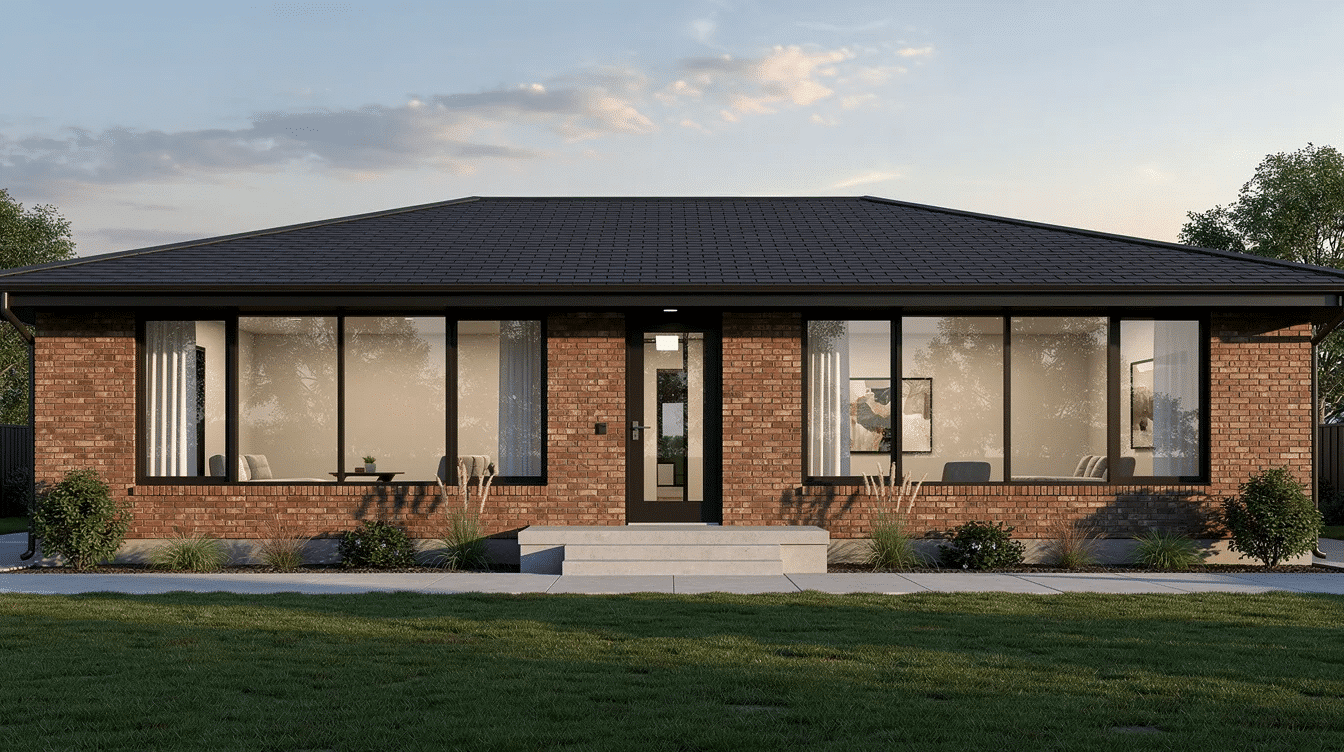
For finish, choose black or dark bronze frames for a contemporary aesthetic. Thin black frames provide a bold modern edge to ranch-style homes, while taupe or bronze frames pair nicely with 1960s brick.
Awning Windows in High-Moisture or Hard-to-Reach Areas
Awning windows hinge at the top and open outward, so they ventilate while helping shed rain. Awning windows provide ventilation while protecting from rain, especially under deep eaves and a broad roof.
Use them above kitchen sinks, in bathrooms with frosted glass, in basements, or stacked above fixed picture windows. Their horizontal shape reinforces the low roofline and brings light into hard-to-reach walls.
Sliding Windows to Match Ranch Horizontal Geometry
Sliding windows move on horizontal tracks, making them a natural match for long, low ranch facades. Sliding windows complement ranch homes’ horizontal design, especially when the house already has sliding doors or sliding glass patio doors.
Use sliders over counters, in secondary bedrooms, along side walls, and in basements where windows that swing outward would be awkward. Modern units can have narrow sight lines, larger glass area, and smooth operation for aging-in-place comfort.
Picture Windows and Fixed Glass as Focal Points
Picture windows are fixed units with no moving parts. Picture windows frame outdoor views and enhance natural light, making them ideal for a dining area, den, or front-facing living room.
Large picture windows, typically 6–10 feet wide, can turn a dark wall into a bright focal point. Because they do not open, they seal well; pair them with casements, awnings, or double hung units nearby for airflow.
- Use low-E or tinted coatings on strong west or south exposures.
- Large undivided glass panes prioritize modern ranch design aesthetics.
- Picture windows can create more expansive views without changing the floor plan.
Bay and Bow Windows to Add Depth to Flat Ranch Facades
Bay windows usually have one center picture window and angled side units. Bow windows use four or more units in a curve. Bay or bow windows add architectural dimension to flat facades, extra space, and a cozy seating nook.
Use one feature bay or bow at the front living room, not several. A single bay window can be a great addition, but too many projections can disrupt the clean horizontal lines. Insulated seats and careful roof flashing are important in cold climates.
Design Principles: Making New Windows Match Your Ranch Home Style
Choosing windows is only half the job. Proportion, grille pattern, color, material, shutters, and trim must match the rest of the exterior so the home feel is intentional.
Respecting Horizontal Lines and Proportions
Ranch houses look best with windows that are wider than tall, which also works well with typical ranch house dimensions and layouts. If existing openings are skinny, widen them when structure allows, or group standard units side by side to create a wider visual band.
Align window heads across the facade. Also coordinate sill heights with a sofa, kitchen counter, or table so each room works from the inside and outside.
Grilles, Mullions, and Glass Patterns That Feel Authentic
Many 1950s and 1960s ranch homes had minimal or no grilles. Minimal grilles on windows keep glass clear and emphasize the linear design of ranch homes.
Use horizontal-only bars, 2-over-1 layouts, simulated divided lites, or integral grilles inside the glass. Repeat patterns on sidelights, transoms, and doors with glass to avoid a patchwork effect, especially if you are aiming for a minimalist, shutter-free ranch exterior.
Frame Colors and Materials that Effortlessly Match Brick, Siding, and Stone
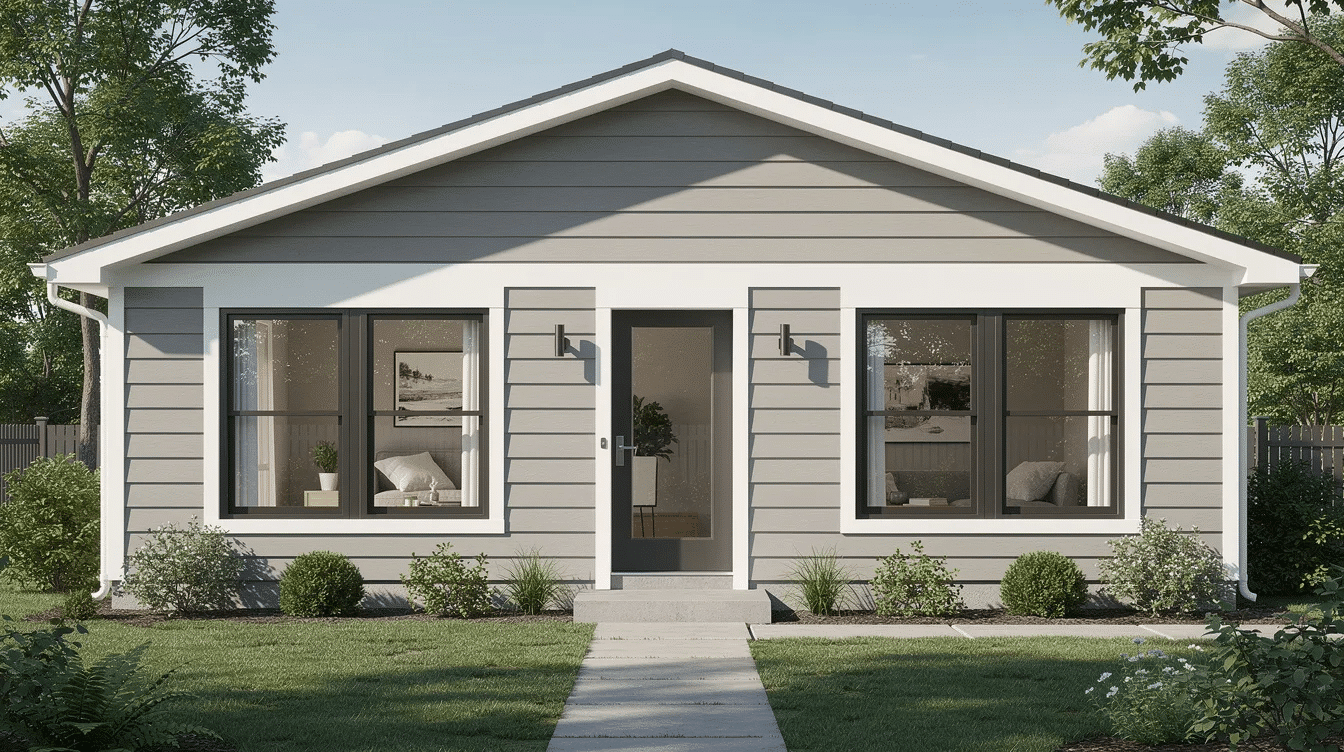
For red or orange brick, neutral colors like clay, bronze, dark almond, and taupe usually work well. For white paint, greige siding, or a modern refresh, black or charcoal frames create contrast.
Here is a quick table:
Material | Best for | Watch out for |
|---|---|---|
vinyl | Budget, low maintenance | Thicker frame profiles |
fiberglass | Strength, slim look | Higher cost |
wood or clad wood | Warmth, timeless appeal | More maintenance |
thermal-break metal | Modern style | Confirm insulation value |
Use one frame color across windows, sliding doors, patio doors, and front door glass. |
Maximizing Natural Light and Energy Efficiency in a Single-Story Layout
A single story ranch can be dark in the center because the roof is broad and rooms may sit far from exterior walls. Strategic large windows add natural light without sacrificing comfort and support modern ranch home design that balances style and functionality.
Planning Around Sun Direction and Room Use
North-facing picture or bow windows give soft, steady light. West-facing glass needs lower solar heat gain to reduce overheating in family rooms and kitchens.
High awning or casement windows can brighten long halls and enclosed dens. Modern ranch homes often feature large windows for natural light, but placement matters as much as size.
Combining Fixed and Operable Windows for Comfort
Mix fixed and operable units: a picture window flanked by casements in a living room, or a wide slider with fixed panels overlooking a deck. Cross-ventilation works best when operable windows sit on adjacent or opposing walls.
This helps a family enjoy the outdoors, backyard views, and fresh air without relying only on mechanical cooling, echoing how well-designed ranch homes maximize comfort and style.
Choosing Energy Efficient Glass and Frame Options
U-factor measures insulation. Solar heat gain coefficient measures how much sun heat enters. Visible transmittance measures how much light comes through.
In cold regions, prioritize low U-factor double or triple panes. In hot regions, choose lower solar heat gain. Warm-edge spacers, insulated frames, and weatherstripping improve comfort around large picture windows and bow windows while also supporting energy-efficient ranch house design standards.
Coordinating Windows with Front Doors, Entry Doors, and Patio Doors
Ranch curb appeal depends on windows, front door, entry doors, and rear openings working together. Ranch homes often feature sliding glass patio doors, and patio doors should emphasize natural light and views as part of broader ranch home exterior makeover ideas.
Front Doors and Entry Doors with Glass and Sidelights
Entry doors are typically wood with minimal design, but a full-lite or half-lite door can modernize the entry. Full glass panel doors enhance indoor/outdoor connections, while front doors may include sidelights for added light and security.
Choose a door color like deep teal, brick red, charcoal, or warm wood stain. Repeat grille patterns and hardware finishes from nearby windows.
Sliding Patio Doors and Large Openings to the Backyard
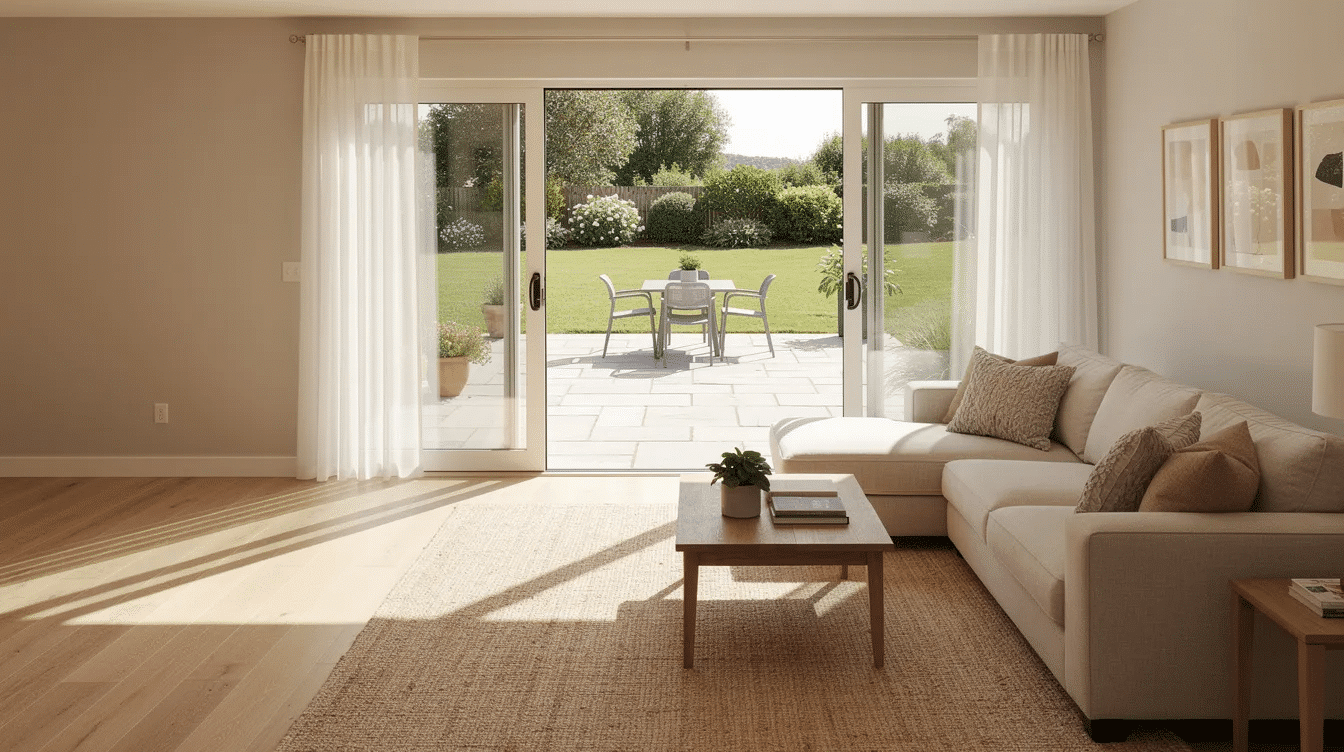
Sliding patio doors are signature features in many 1960s–1980s ranch houses. Upgrading to narrow-frame doors can make the back room brighter and improve views.
- Match patio door frame color to nearby windows.
- Consider multi-panel sliders or folding doors where structure allows.
- Keep glass specs consistent for comfort and a cohesive exterior.
Practical Upgrade Ideas for Common Ranch House Scenarios
Many ranch homes fall into familiar categories. Use these ideas as contractor-ready starting points for 2026.
Updating a 1950s Brick Ranch with Small Original Windows
Replace a small living room window with a large picture unit plus flanking casements, respecting lintels and masonry. Use bronze or dark almond frames against brick, and add a glass-panel front door with sidelights for more light.
Modernizing a 1970s Suburban Ranch with Sliding Doors
Replace old aluminum sliders with energy efficient vinyl or fiberglass units. Upgrade bedroom and hall windows to matching sliding or casement styles, align head heights, and paint siding off-white or greige so dark frames feel modern.
Brightening a Split-Level or Raised Ranch
A raised ranch has multiple levels and often a dark lower floor. Add egress-compliant casement or sliding windows below, use picture windows on the main level toward the backyard, and place awning or horizontal sliders on the street side for privacy, building on raised ranch home design ideas and benefits.
Coordinate railings, siding, trim, and california ranch roots-inspired low proportions so the whole house feels refreshed, especially if you like the cozy feel of cottage ranch style homes.
FAQ: Ranch House Window Styles and Planning Your Project
These answers cover budget, structure, permits, and mixing styles for a 2026–2027 project.
Can I mix different window styles on the same ranch house?
Yes. Casements in main rooms, double hung windows in bedrooms, and a picture window on the front facade can work together if frame color, grille pattern, and head height stay consistent. Plan elevations as a whole, not room by room.
How much does it typically cost to replace windows in an average ranch home?
For a 1,500–2,000 sq. ft. ranch, a 2026 full-house project might run about $6,500–$18,000 for mid-range units, with premium projects higher. Bay windows, bow windows, large picture windows, brick work, and structural changes add cost.
Will adding larger windows hurt my ranch home’s energy efficiency?
Not if you choose quality glass. Larger openings can lose or gain more heat, but low-E coatings, double or triple glazing, gas fills, and insulated frames keep large windows energy efficient when selected for your climate zone.
Do I need to worry about changing the structural framing when I enlarge ranch windows?
Yes. Widening openings usually means changing headers, especially under low-pitched ranch roofs or in load-bearing walls. A licensed contractor or engineer should review the structure before cutting masonry or framing.
What permits or approvals are usually required for ranch window replacements?
Like-for-like replacements may need simple permits, while enlarging openings often requires full building permits. Historic districts and HOA neighborhoods may require approval for visible exterior changes, so check before ordering.
Conclusion
The best ranch house window styles ideas respect what makes the home style work: low proportions, simple shapes, clear glass, and a strong connection to outdoors. Start with the most visible wall, coordinate the front door and patio door, then choose energy efficient windows that improve comfort for the next decade.