If you are wondering how to add a mudroom to a ranch style home, the best solution is usually simple: place the new space where your family already enters the house. In many ranch homes, that means a side door near the kitchen, garage, or back door-not the formal front door.
Key Takeaways
- The easiest way to add a mud room to a ranch style home is often a small horizontal bump out off an existing entry.
- Mudrooms typically range from 40 to 100 square feet, with 40–80 square feet enough for a bench, hooks, and basic storage.
- A ranch home’s low-pitched roof is central to its aesthetic, so proper roofline integration prevents a ‘box-on-a-box’ appearance.
- Traffic flow matters more than fancy cabinetry; the mudroom should feel like a seamless transition into the rest of the floor plan.
- Before digging, verify setback rules for exterior additions, locate underground lines before digging any foundations, and check community guidelines for exterior modifications.
Why a Mudroom Works So Well in a Ranch Style Home
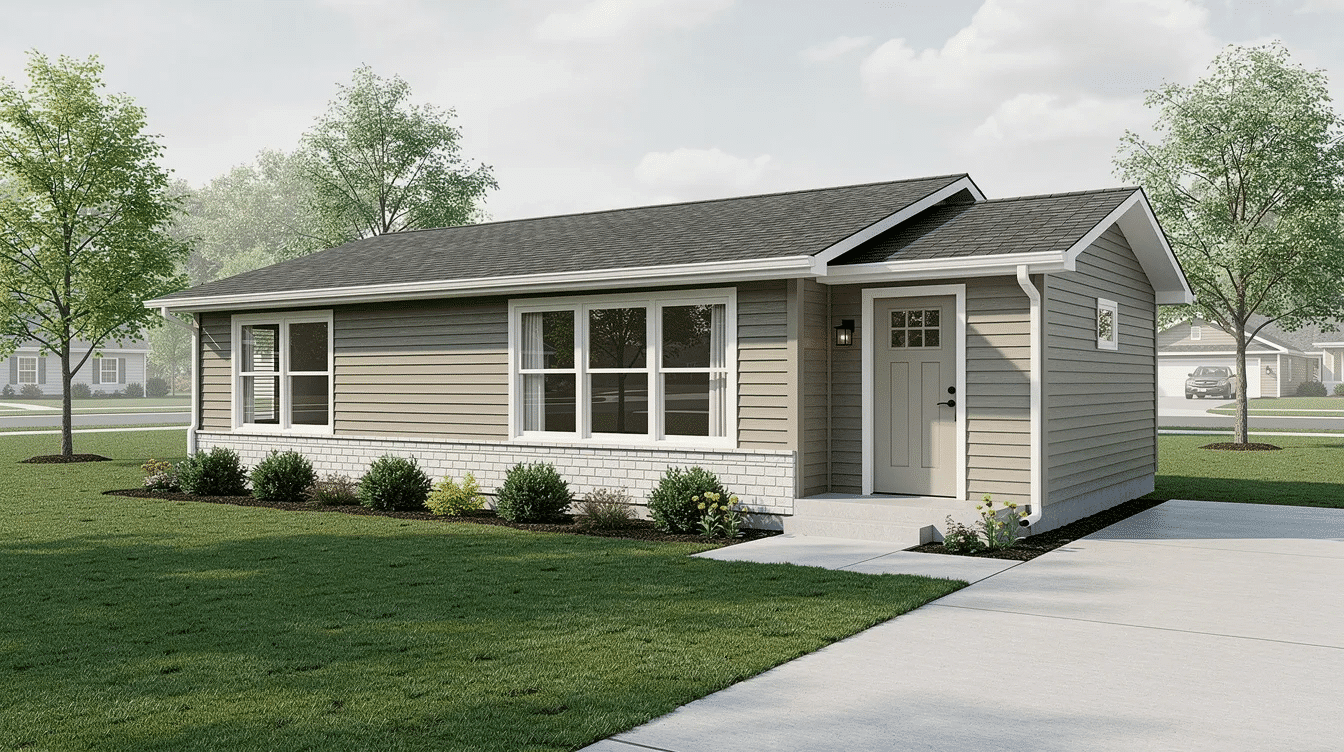
A classic ranch is a single story structure with a long footprint, low roof, attached garage in many cases, and multiple exterior doors, and understanding average ranch house dimensions can help you plan where a mudroom fits best. Maximizing a single-story layout is crucial for integrating a mudroom in ranch homes because you can often extend along an exterior wall without disrupting bedrooms, the living room, or the kitchen.
Mudrooms keep dirt and clutter out of the home. Mudrooms must efficiently keep clutter from spilling into living spaces in ranch homes, especially when kids, pets, backpacks, sports gear, and groceries all enter through the same door. Mudrooms provide storage for shoes, coats, and pet items, and a well-planned mudroom improves home organization and cleanliness.
Many mid-century ranch houses from the 1950s–1980s have no real entry buffer. A mudroom can create a practical drop zone while giving the interior a stronger sense of arrival.
Step 1: Choose the Best Location for Your Ranch Mudroom
Start with daily habits, not design trends. A mudroom should be designed around daily family habits, so walk the house during the morning rush and evening return.
Evaluate the side door off the driveway, the back door to the deck or patio, and the door from the garage into the kitchen or hallway. Ranch homes often feature an attached garage which impacts mudroom location, and it is often best to position the mudroom between the garage and the kitchen for convenience.
If you have a detached garage, the best entry may be the driveway-facing side of the house. Prioritize the kitchen, laundry area, or laundry room because dirty clothes, lunch bags, and pet supplies usually land there anyway.
Step 2: Decide Between Reconfiguring Existing Space and a New Bump Out
You have two main options: borrow interior square feet or build a new addition, similar to other creative additions to a ranch style house.
Reconfiguring can mean enclosing a porch, widening a hall, converting half of an oversized eat-in kitchen, or taking space from a game room, playroom, or storage area. This can cost less because you may avoid new foundation and roof work.
A mudroom bump out adds a small projection, such as 6 by 8 feet, off an exterior wall. A bump out increases square footage and can help when you later sell, but it adds cost for foundation, roofing, insulation, siding, and paint. Sketch both options before you remodel so you can see how furniture, door swings, and walkways change.
Step 3: Plan the Size, Layout, and Flow (40–100 Square Feet Sweet Spot)
Most ranch mudrooms do not need to be huge. Mudroom additions typically range from 40 to 100 square feet. A mudroom addition typically ranges from 40 to 100 square feet, and the right size depends on what you need to accommodate.
Size | Best use |
|---|---|
40–60 square feet | Bench, hooks, shoe storage |
60–80 square feet | Bench plus tall storage |
80–100 square feet | Laundry, pet wash, or larger cubbies |
Mudrooms can include features like benches and cubbies for convenience, but keep the circulation path at least 36 inches clear. Ensure doors open without blocking walkways. Place the bench and hooks opposite or perpendicular to the side door so wet coats and boots do not fill the path into the kitchen. |
Step 4: Coordinate the Mudroom with Your Ranch Exterior and Roofline
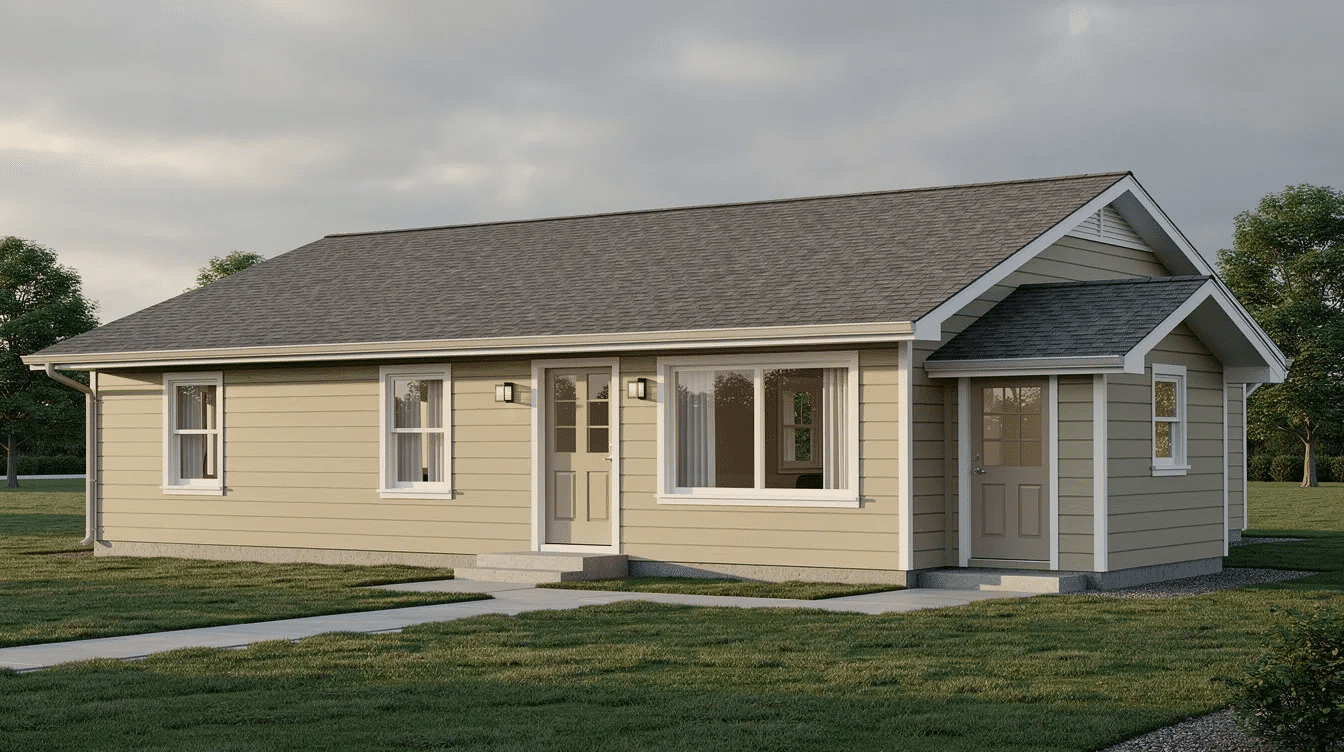
A successful new addition should look like it was always part of the ranch. Standard ranch homes often feature 8-foot ceilings which affect design, and the exterior is usually defined by long horizontal lines, much like other ranch home exterior makeover ideas that focus on curb appeal and proportion.
Most ranch roofs are low-pitched; many fall around 3:12 to 5:12, according to common roof pitch guidance. Align the new roof with the existing roof using a simple shed roof or small gable. Match the roof length, overhang, fascia, and trim as closely as possible.
Exterior finishes should match to maintain aesthetic harmony. Blend siding, brick, trim, shingles, and window proportions. If the other side of the façade feels visually empty, a small window, porch roof, or light fixture can balance the elevation, similar to many blue ranch house exterior transformations that use color and detail for balance. Add an overhang at the new side door for cover from rain and snow.
Step 5: Design the Interior Storage and Built-ins
Plan storage before finishes. Allocate space for immediate storage needs first: daily shoes, coats, backpacks, pet leashes, keys, and mail, keeping in mind how your family actually uses and enjoys ranch style homes USA day to day.
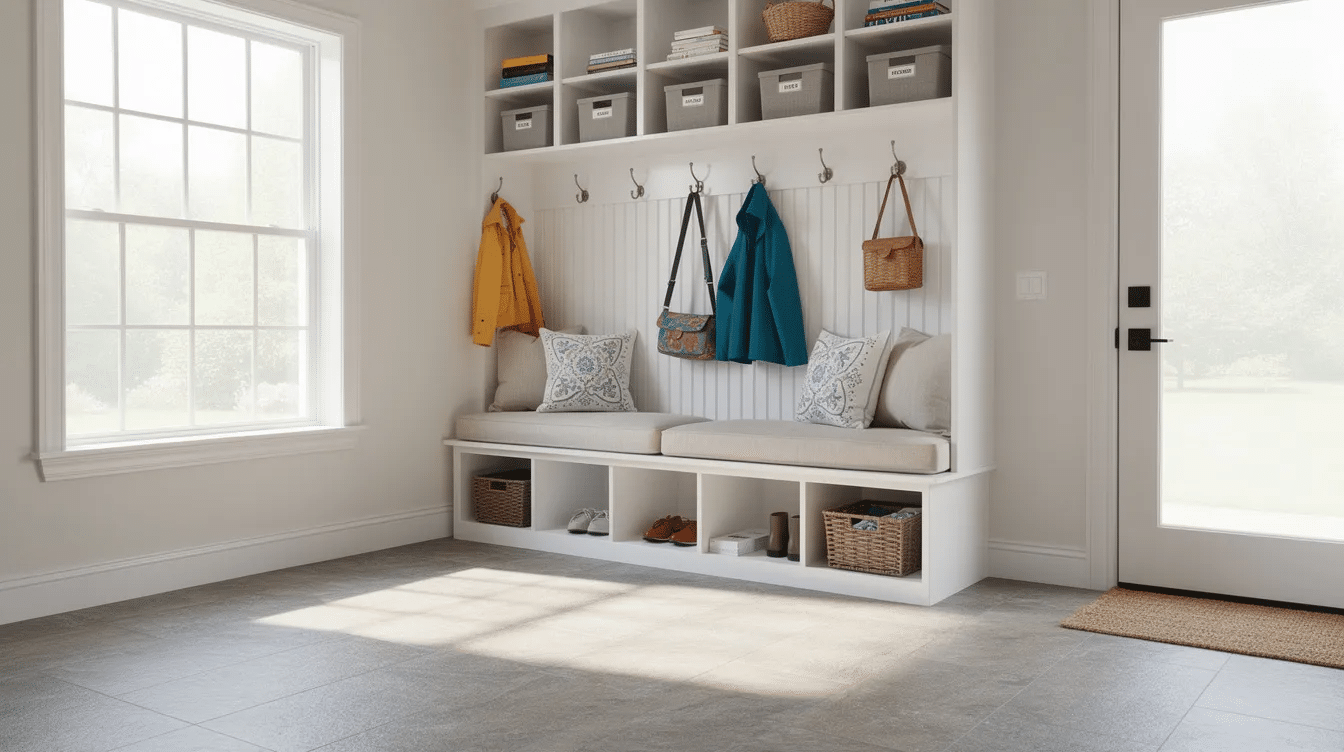
Include a bench for putting on shoes. Use built-in benches for easy shoe removal and storage, with open cubbies or drawers below. Divide vertical built-ins into three zones for organized storage: low storage for shoes and kids, middle hooks for coats and bags, and high cabinets for seasonal gear.
Use heavy-duty hardware and performance fabrics for cabinetry and seating in mudrooms. Choose rust-resistant finishes for hardware in wet areas, especially near boot trays, sinks, or snowy entries.
Step 6: Choose Durable Materials, Lighting, and Finishes
Mudrooms take abuse, so choose durable, water-resistant materials for mudroom flooring and walls that complement the best features of a classic ranch style house. Select waterproof materials like tile or luxury vinyl tile for flooring. Use waterproof, scratch-resistant surfaces for mudroom flooring, especially at the entry and high-traffic path.
Install easy-to-wipe wall treatments for easy cleaning, such as semi-gloss paint, beadboard, or durable panels. Add overhead recessed lights and wall outlets for lighting, charging stations, and small appliances. A high-quality exhaust fan or operable window for ventilation can help if the room includes laundry, wet boots, or a pet-wash station.
Coordinate the interior trim, door style, paint color, and wood accents with nearby rooms so the mudroom does not feel like an afterthought.
Step 7: Structural, Mechanical, and Code Considerations for a Ranch Mudroom
Even a small bump out can involve significant structural changes. Foundation work must include solid wall support and proper insulation. Pour a matching concrete slab or build pier footings for foundation, depending on soil, frost depth, and local code. Erect walls using standard wood framing methods.
For small projections, a cantilever may be possible. A cantilevered bump-out can extend 2 to 3 square feet. Cantilevered bump-outs can only extend 2-3 feet from the house. Bump-outs can cantilever at a distance equal to four times the joist size. Bump-outs can be cantilevered at a distance equal to four times the joist size. Bump-outs can cantilever up to four times the joist depth.
Install proper vapor barriers and high-R-value insulation. Extend ductwork or install a ductless mini-split system for HVAC so the room stays comfortable. These behind-the-walls details support the overall comfort and livability that define beautiful ranch homes where style meets functionality. Permits are required for electrical, plumbing, and construction work. Apply for building, electrical, and plumbing permits, and remember that permits are required for electrical and plumbing work.
Step 8: Budgeting and Timeline for a Ranch Mudroom Addition
Costs vary based on design and materials used. National estimates often place mudroom additions around $100 to $250 per square foot, with modest projects near $12,000–$18,000 and larger or higher-end projects costing more, according to mudroom cost research. If your ranch also includes flexible spaces like a loft, the way you allocate budget across a ranch style house with loft and mudroom can shift these ranges.
The biggest budget drivers are square feet, foundation type, roof tie-in, built-ins, flooring, HVAC, plumbing, and exterior finish matching. Do not forget a 10–15% contingency for hidden issues common in older ranch renovations, such as outdated wiring, undersized framing, rot, or poor insulation.
A typical project flow looks like this:
- Assess the site, wall, roof, utilities, and ground conditions.
- Create a plan with a contractor.
- Search local permit rules and submit drawings.
- Build the foundation and frame the structure.
- Complete rough-ins, insulation, drywall, floor, cabinetry, and trim.
Allow extra time if you are moving plumbing, changing the laundry area, adding a bathroom, or coordinating with a kitchen bump out.
Integrating a Mudroom with a Kitchen Bump Out or Porch on a Ranch
Many homeowners combine a mudroom with a kitchen bump out or porch to get more value from one project. Extending the kitchen a few feet and carving out a mudroom at one end can improve cooking space and entry storage without creating a separate addition.
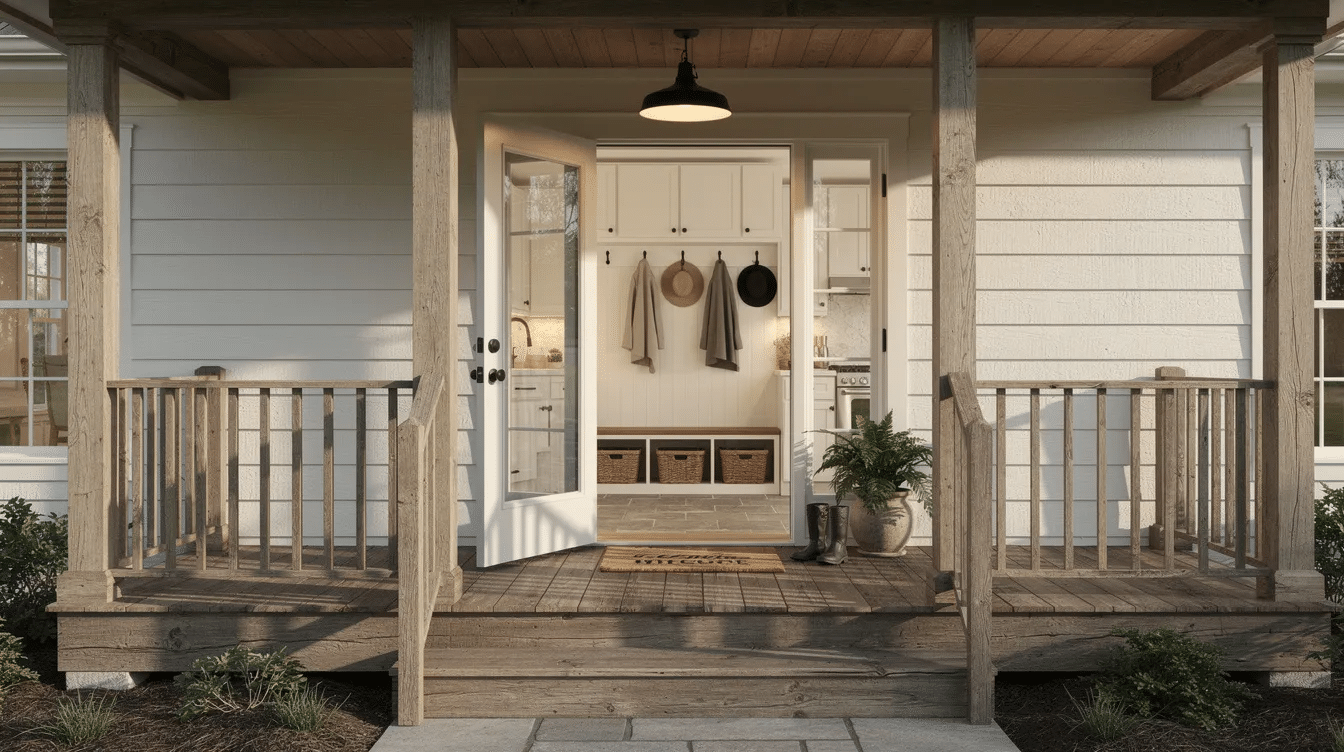
A shared roof, foundation, and siding package often makes the building process cleaner. Place the path outside → porch → mud room → kitchen for a seamless transition into the main living space.
This combined approach can also help a long ranch façade feel more complete. Features like stylish dormers on a ranch house or a well-placed mudroom bump out can both break up a flat elevation. Compared with a master suite addition, extra bedroom, basement staircase, or major second story project, a mudroom is a focused renovation with a clear everyday payoff.
FAQ
How many square feet do I really need for a functional ranch mudroom?
For most families, 40–60 square feet is enough for a bench, hooks, and shoe storage. Mudroom additions typically range from 40 to 100 square feet, while 80–100 square feet works better if you want laundry, a sink, or pet storage.
Can I convert an existing side porch into a mudroom without a full new foundation?
Sometimes. A covered porch may already have support, but the floor system, insulation, vapor control, and wall framing often need upgrades before it can become interior space. A contractor should confirm whether the existing posts, piers, or slab can support the new room.
Is it better to put the mudroom at the front door or a side door on a ranch?
For most families, the side door near the driveway or garage works better than the front door because that is where daily traffic already happens. The front door can stay more formal while the mudroom handles shoes, coats, bags, and pet items.
Will a mudroom bump out make my ranch look unbalanced from the street?
It can if the roof, brick, siding, window placement, and trim are mismatched. Careful roofline design, matching materials, a small porch roof, or even stylish dormers on a ranch house can make the bump out feel intentional rather than tacked on.
Do I need a permit to add a mudroom to my ranch style home?
Usually, yes. Any project that changes the footprint, structure, roof, electrical, plumbing, or HVAC normally requires local approval. Check with your building department before starting, then work with a qualified contractor to complete the project safely.