Key Takeaways
- The average cost to replace windows in a 1970s ranch-style home ranges from $7,000 to $20,000, with most homeowners spending roughly $750 to $1,200 per window including professional installation.
- A fuller 2026 planning range for replacing windows in a 1970s ranch home cost is about $9,000–$32,000 for 10–18 windows, depending on frame material, glass package, and insert vs full-frame installation.
- Many 1970s ranch homes need more than basic window replacement because of rotted wood in frames, hidden water damage from leaky windows, settled foundations, and outdated single pane windows.
- Double-pane glass is the modern baseline standard for energy efficiency, and replacing single-pane windows can reduce energy bills by 13%.
- Federal energy-efficiency tax credits may cover up to $600 for qualifying energy efficient windows through 2032, but product certification matters.
What Does It Really Cost to Replace Windows in a 1970s Ranch Home?
A typical 1970s ranch is a single-story house with a long, low roofline, 1,200–1,800 square feet, and a mix of bedroom windows, sliding windows, and one large living-room or dining room picture window. If you are planning broader changes, understanding average ranch house dimensions for better design choices can help you coordinate window layouts with interior flow. Ranch homes typically have between 10 and 15 windows, which reduces multi-story labor surcharges because installers are not working two or three stories up.
The reason owners start pricing new windows is usually simple: the old windows are drafty, hard to operate, fogged between glass panes, or dragging down the home’s curb appeal. Many 1970s ranch homes originally featured highly inefficient single-pane glass, and vinyl and aluminum were commonly used in older ranch homes, while fiberglass and wood are considered premium options today.
Here is the fast answer for 2026:
- Average national cost per replacement window in an older home: about $450–$1,200 installed for standard sizes.
- Replacing windows in a 1970s ranch typically costs between $600 and $1,200 per window fully installed.
- Replacing single-pane windows costs $800 to $1,500 each when the project includes upgraded glass, sealing, and professional installation.
- Window replacement costs range from $232 to $740 per window for some basic replacement windows, but that lower range usually assumes simple products and uncomplicated labor.
- Whole-house window upgrades cost $12,000 to $25,000 for many homes.
- Whole-house replacement for a 3-bed/2-bath 1970s ranch: roughly $9,000–$32,000 depending on frame material, glass options, and local labor.
- The average cost to replace 25 windows is $18,000 to $20,000 in many mid-range projects.
- Impact-rated or historic-district compliant windows can push costs higher, sometimes $1,200–$2,500+ per opening.
That wide range is not a pricing trick. Older home conditions, hidden issues, and the choice between a pocket installation and removing the entire window down to the rough opening can swing the final price by several thousand dollars.
Cost Factors Specific to a 1970s Ranch (And Why Older Homes Cost More)
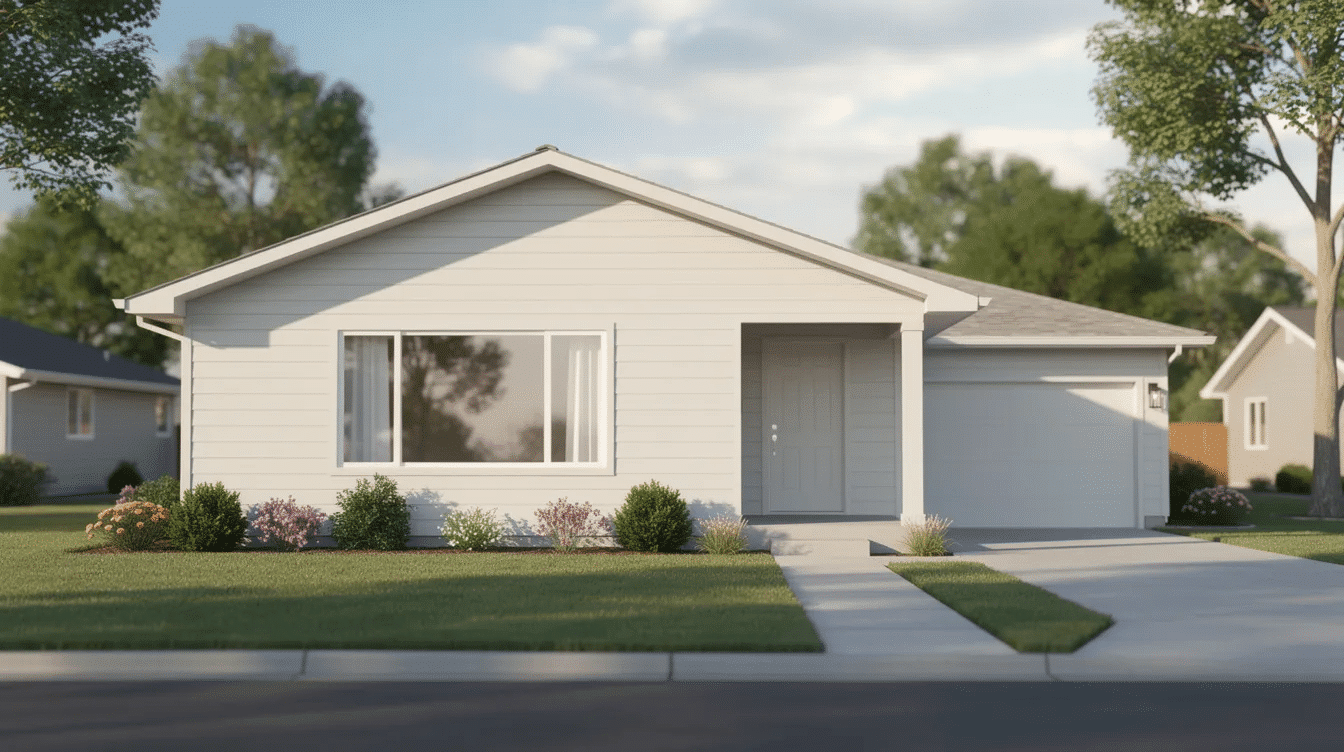
1970s ranch homes sit in an awkward middle ground. They are not always treated like a historic old house, but they still have 50-year-old materials, old flashing details, and construction quirks that affect cost.
The biggest cost drivers are:
- Number and size of openings: Ranch homes often have long living-room picture windows, sliding and picture windows heavily featured for aesthetic and functional appeal, plus smaller bedroom units. Wider spans cost more than small double-hung windows.
- Existing window type: Original single-pane aluminum sliders, jalousie windows, or early double pane windows may be harder to remove cleanly. If the existing frame is buried in brick or stone veneer, labor rises.
- Condition of the rough opening: Hidden water damage from leaky windows may necessitate additional structural repairs. Rotted wood in frames can complicate window replacements, especially around sills.
- Settled framing: Older homes often have settled foundations affecting window installation. Uneven window frames may require custom adjustments during installation.
- Exterior finish: A brick-front ranch usually costs more than vinyl siding because masonry cut-backs, caulking, and window trim repairs take more time. Those same details are often part of broader ranch home exterior makeover ideas that combine new windows with siding, doors, and landscaping upgrades.
- Interior trim complexity: Simple ranch casing is cheaper to match than custom interior trim. Repainting, patching drywall, and matching older wall textures can add cost.
- Local code: In some coastal areas, impact windows improve energy efficiency and reduce insurance premiums. In Pinellas County, replacing over 25% of windows requires impact glazing.
Look at the wall around the window, not just the glass. The condition of the window frame often tells you whether a project will stay simple or become a repair job.
All these older-home quirks often add 10%–30% compared with swapping windows in a newer, square house. The good news is that ranch homes benefit from lower labor costs due to being single-story, so access is easier than on a two-story colonial.
Window Materials and Styles: What Makes Sense for a 1970s Ranch?
A 1970s ranch has strong horizontal lines, generous natural light, and simple trim. The right new windows should improve comfort without making the house look like it belongs to a different era, while still showcasing the best features of a classic ranch style house.
Frame material, hardware quality, and glass package all affect price, energy efficiency, and life span. Material choice dictates about 70% of product cost, while labor typically accounts for 30% to 40% of the total contractor invoice for window installation.
Common frame material options include:
- Vinyl windows: Vinyl windows cost between $100 and $900 each, and vinyl windows cost about $100-$900 each depending on size and quality. Installed, vinyl often lands around $350–$900 per opening. Vinyl is the most budget-friendly, low-maintenance window option.
- Composite windows: Composite windows cost about $800–$1,400 per window. They are a good choice if you want a sturdier look than basic vinyl with less upkeep than wood.
- Fiberglass windows: Fiberglass usually runs $900–$1,800 per window. Fiberglass or composite frames are known for their durability and energy efficiency.
- Wood windows: Wood or clad-wood usually costs $900–$1,800+ for ranch-size openings. Materials like wood provide a historic aesthetic but require significant upkeep.
Style also matters:
- Single-hung windows range from $100-$400 each.
- Double-hung windows cost $150-$650 each.
- Sliding windows typically cost between $150-$800 each.
- Casement windows range from $150-$1,000 each.
- Bay windows can cost between $900-$7,100 each.
For a ranch, horizontal sliders and picture windows usually preserve the original style best. Double-hung and single-hung windows work well in bedrooms and smaller rooms, and these choices fit naturally with the charm of beautiful ranch homes where style meets functionality. Prairie-style grids, no grids, or slim black frames can create a modern ranch look while keeping the overall proportions familiar, similar to some of the amazing ranch homes that redefine comfort and style.
If you are thinking, “Should I replace all my windows with the same style?” the answer is usually no. Matching sightlines and color is more important than forcing every room to use the same operating style.
Energy-Efficient Glass Options for an Older Ranch
Glass is where comfort changes the most. A 1970s ranch may have minimal wall insulation, a long floor plan, and large glass areas on one side of the home.
The main glass upgrades are:
- Double pane vs triple pane: Double-pane glass is the modern baseline standard for energy efficiency. Standard double pane with argon gas is enough for most U.S. climates. Triple pane can make sense in very cold regions, near highway noise, or where large north-facing glass walls create cold spots.
- Low-E coatings: Low-E coatings reflect heat while still allowing light into the room. They help keep heat in during winter and reduce heat gain in summer.
- Gas fills: Gas fills such as argon or krypton sit between panes and slow heat transfer. Argon gas is common, cost effective, and usually worth considering.
- ENERGY STAR and NFRC labels: Certified energy efficient windows can lower heating and cooling energy bills. You can compare U-factor, Solar Heat Gain Coefficient, and air leakage on the NFRC label.
Advanced glass packages often add $50–$200 per window. In a drafty ranch with single pane windows, that can make all the difference in comfort, uv protection, outside noise, and energy loss.
Full-Frame vs Insert Replacement in a 1970s Ranch
There are two main ways to replace the windows in an older ranch: insert replacement and full-frame replacement. The method matters because a 50-year-old opening may hide problems you cannot see from inside the house.
- Insert replacement: Also called pocket installation or retrofit, this places new windows inside the existing frame. Pocket installation (retrofit) saves labor costs if original window frames are square and free of rot.
- Full-frame replacement: The entire window, old frame, flashing, insulation, and often interior trim are removed. This gives the contractor access to repair damage and seal the opening correctly.
Cost comparison:
- Costs for retrofit installation range from $100 to $150 per window.
- Full-frame installation averages $200 to $300 per window.
- Insert replacements typically save 10%–25% on labor and materials compared with full-frame work.
- Full-frame can add $200–$600 per opening once trim, flashing, insulation, and repair work are included.
Insert replacement makes sense when the existing frame is in good shape, square, dry, and structurally sound. Full-frame is often better if you see rot, staining, drafts, warped sills, or if you want to change the window size or operation.
If a header appears damaged or a wall seems load bearing, ask whether a structural engineer should review the opening before installing a much larger unit.
Hidden Issues You May Discover Behind 1970s Windows
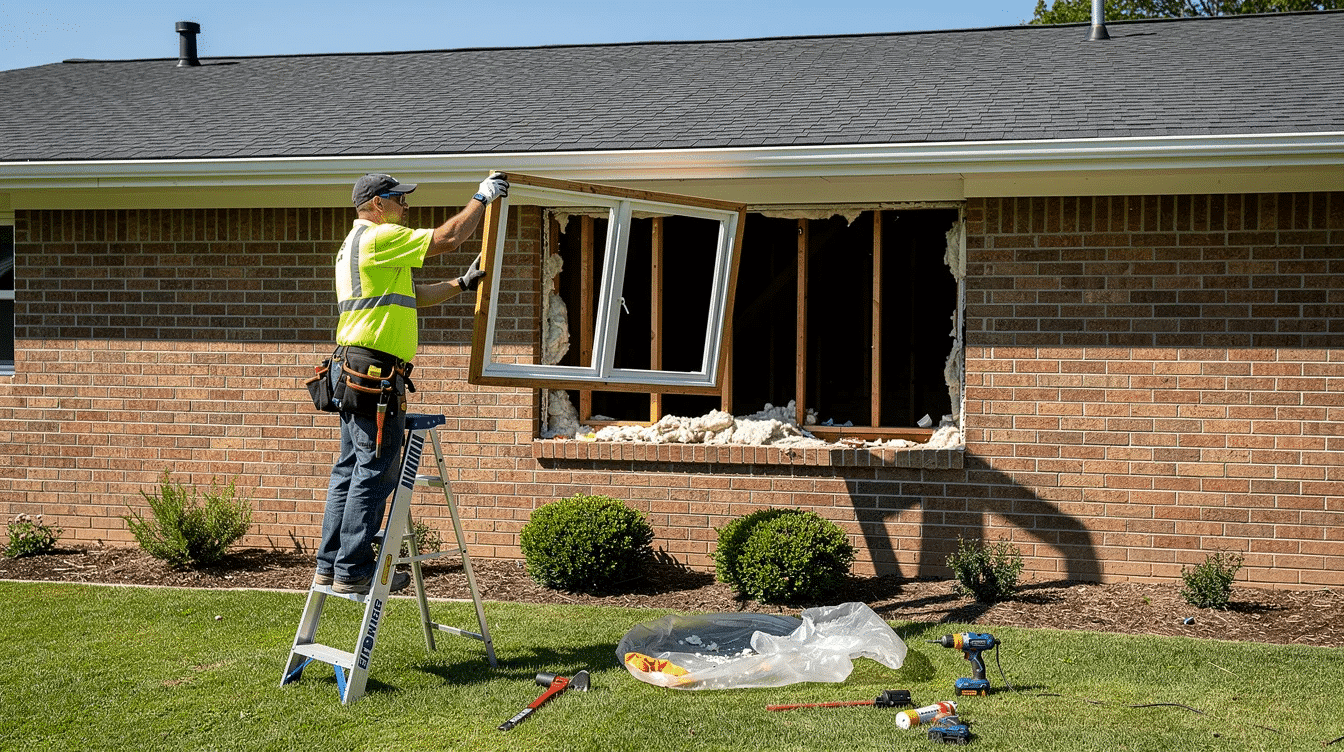
Once old windows come out, surprises are common in a 50-year-old wall. This is where a cheap quote can become expensive.
Common hidden issues include:
- Rotted sills and framing: Decades of small leaks around aluminum or wood windows can rot sills and sheathing. Repairs can add $150–$600+ per opening.
- Poor or missing insulation: Many 1970s openings were minimally insulated. Adding spray foam or fiberglass around the window frame improves comfort at modest added cost.
- Out-of-square openings: Settled foundations, framing movement, or old roof loads can make openings uneven.
- Lead-based paint: Pre-1978 homes may have lead paint on interior trim or exterior casing, so certified containment can increase labor. The EPA Renovation, Repair and Painting Rule explains when lead-safe practices apply.
- Unique wall materials: Older homes may have unique wall materials needing special care, such as plaster, older paneling, brick veneer, or unusual sheathing.
Set aside 10%–20% of the window replacement budget for hidden issues. That contingency gives homeowners room to handle rot, trim, structural fixes, or better glass without derailing the project.
How Energy-Efficient Windows Change Life in a 1970s Ranch
1970s ranch homes were not designed around today’s energy costs. Many have single pane windows, thin insulation, and HVAC systems that work harder than they should.
New windows can improve daily life in several ways, especially when they are part of broader updates that mirror the ranch homes that redefine comfort and style:
- Reduced drafts and hot or cold spots in long ranch floorplans.
- Lower energy bills because HVAC equipment does not work as hard.
- Better noise reduction from roads, neighbors, and yard equipment.
- Improved uv protection for floors, furniture, and fabrics.
- A more polished look that improves home’s curb appeal and attracts potential buyers.
The numbers matter:
- Windows account for 25% to 30% of heating and cooling energy use.
- Replacing single-pane windows can reduce energy bills by 13%.
- Energy Star windows can lower energy bills by about 13%, according to ENERGY STAR.
- Energy-efficient windows can save homeowners $25 to $100 monthly, depending on climate, utility rates, window area, and the condition of current windows.
- Replacing single-pane windows can yield a high return on investment.
- Replacement windows can increase home value by 70% to 85%.
- Vinyl windows can recoup about 67% of their cost upon resale.
Do not expect windows alone to fix every comfort problem. In an older ranch with little attic insulation, pairing new energy efficient windows with air sealing and insulation is often the best comfort upgrade. An energy audit can show whether your biggest loss is through windows, attic leaks, ducts, or walls.
Choosing the Right Energy-Efficient Features
For most homeowners, the smartest baseline is simple:
- Prioritize Low-E double pane glass with argon gas fills.
- Consider triple pane only for extreme climates, major noise problems, or large exposed walls of glass.
- Look for ENERGY STAR and NFRC labels.
- Compare U-factor and Solar Heat Gain Coefficient values for your climate.
- Weigh the additional cost of coatings and gas fills against your expected time in the house and your current power bill.
Ask for side-by-side quotes. One quote should show standard double pane windows, and the other should show upgraded glass panes with better coatings or gas fills. Seeing the price difference in writing helps you decide whether the upgrade will save energy and money over time.
Budgeting for a 1970s Ranch Window Project
A realistic budget prevents stress once installation begins. Do not price only the visible window unit. Price the whole opening.
Include these line items:
- Windows and frame material: vinyl, composite, fiberglass, or wood.
- Installation labor, often 30%–40% of the contractor invoice.
- Interior trim repair or replacement, repainting, and drywall patching.
- Exterior work: siding touch-ups, brick trim, caulking, and painting.
- Permits, haul-away, disposal of old windows, and inspections.
- Contingency for hidden issues, usually 10%–20%.
A typical 10-window partial replacement may range from about $5,000–$15,000+ depending on material and method. A full-house replacement of 15–18 windows in a standard-size 1970s ranch might land in the $12,000–$32,000+ range.
The phrase replacing windows in a 1970s ranch home cost is searched so often because every ranch is different. A dry vinyl-sided ranch with square openings may be straightforward. A brick-front ranch with rot, lead paint, and custom picture windows can cost much more, and broader resources that celebrate ranch style homes across the USA can help you see how window choices fit into the bigger picture of ranch living.
When comparing a local contractor, national dealer, or a search result like window world, avoid high pressure sales tactics. A quality quote should explain product line, window manufacturer, warranty, labor, trim, disposal, and what is not covered.
Financing, Incentives, and When Replacement Makes Sense
Window replacement is most likely to make financial sense when your current windows are drafty, unsafe, fogged between panes, rotted, or impossible to operate. It also makes sense if you plan to stay in the house at least 5–10 years and want comfort, lower bills, and a cleaner look.
Financial options include:
- Home equity loans or lines of credit for whole-house projects.
- Federal energy-efficiency tax credits up to $600 for qualifying windows through 2032.
- State, local, or utility rebates.
- Manufacturer or contractor financing for spreading upfront cost.
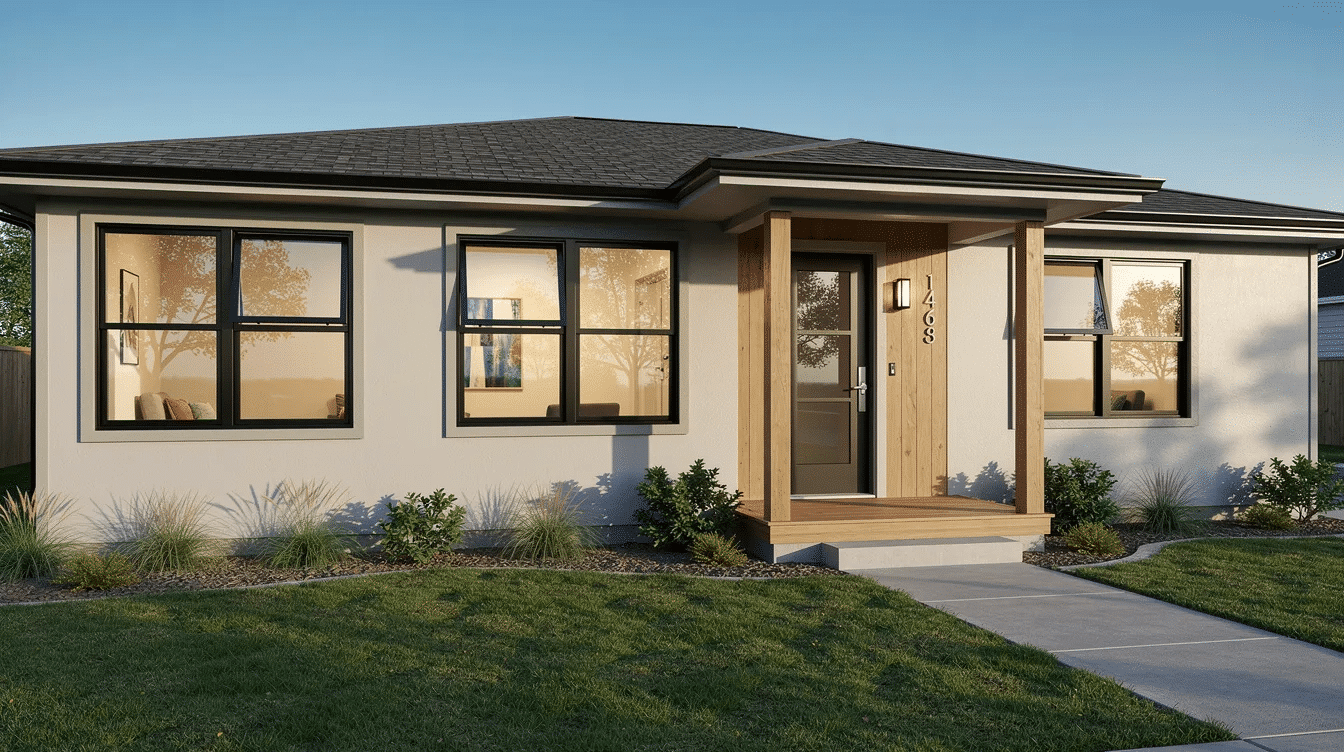
New windows improve curb appeal and attract potential buyers. Appraisers and buyers usually see energy efficient windows as a strong selling point, especially when the old windows were visibly failing, particularly when paired with thoughtful ranch home exterior makeover ideas or specific upgrades for a blue ranch house exterior.
For context, major exterior and interior upgrades can compound value. A $150,000 remodel can increase home value to $550,000 to $650,000 in the right market when the work improves layout, condition, finishes, and efficiency. Windows alone will not create that entire jump, but they can support a broader remodel, especially if you are also considering a new roof, exterior paint, or siding.
FAQ: Replacing Windows in a 1970s Ranch Home
How do I know if my 1970s ranch needs new windows or just repairs?
Repair might be enough if the frames are solid, the windows open and close properly, and the problem is limited to old caulk or minor draftiness.
You should replace windows when you see rotten sills, fogging between panes, warped frames, heavy condensation, broken balances, or windows that will not operate safely. A professional assessment can reveal hidden issues like water damage or missing insulation that are not obvious from the inside.
Is it better to replace all my ranch windows at once or in stages?
Replacing all the windows at once usually gives better per-window pricing, a consistent look, and one mobilization fee for installers.
Staged replacement can still work if the budget is tight. Prioritize the worst windows, the weather-facing side, bedrooms with comfort issues, or the dining room and living room if appearance matters most. Ask your contractor whether the same product line, color, and hardware will be available later.
Will new windows change the look of my 1970s ranch too much?
Not if you choose carefully. Frame color, grid patterns, glass size, and trim details can preserve the classic ranch style or modernize it.
For an era-appropriate look, keep simple lines, avoid overly busy grids, and maintain similar sightlines. New windows can create a cleaner, more polished look without erasing the original character, especially if you lean into details like a ranch house with no shutters and minimalist curb appeal.
How long does it take to replace windows in a typical 1970s ranch?
Once products arrive, installation for 10–18 windows usually takes 1–3 days if weather cooperates and no major repairs appear.
Custom windows, specialty colors, impact glazing, or premium wood windows may take several weeks to a couple of months to arrive from the window manufacturer. Older homes may need an extra day or two if rot, trim repair, or structural work is discovered.
Are energy-efficient windows enough, or should I also add insulation to my ranch?
New energy efficient windows can dramatically reduce drafts, glass-related heat loss, and outside noise. But many 1970s ranch homes also lack adequate attic or wall insulation.
The most cost effective plan is often double pane or better replacement windows plus attic insulation and air sealing. An energy audit can help homeowners decide whether windows, insulation, ducts, or air leaks should come first.