Key Takeways
- A metal roof on a typical 1950s–1970s ranch home offers durability, energy efficiency, fire resistance, and long term savings, but the higher initial cost and possible noise are real trade-offs.
- Ranch homes frequently feature low-slope roofs, long eaves, and simple rooflines that work well with a standing seam metal roof, especially when flashing and underlayment are done correctly.
- Metal roofing can cost double or triple asphalt shingles, but metal roofs last 40–70 years compared to 15–30 years for shingles.
- Climate, HOA rules, resale expectations, hail, snow, coastal rust risk, and extreme weather conditions should all influence your new roof decision.
- This guide compares metal roofs with asphalt shingles specifically for one-story ranch style homes and their wide, visible roof layouts.
Introduction: Metal Roofs on Ranch Style Homes
A ranch style home is usually single-story, long, low, and horizontal, with a simple gable or hip roof. Many were built from the 1950s through the 1980s, and homeowners are now looking at metal roofing materials because a roof on these houses is highly visible and expensive to replace.
For decades, the default choice was 3-tab or architectural asphalt shingles. Today, more homeowners are comparing the metal roof on a ranch style home pros and cons because metal can improve energy efficiency, reduce replacements, and modernize the house without changing its basic shape.
How Ranch Style Roofs Work with Metal Roofing
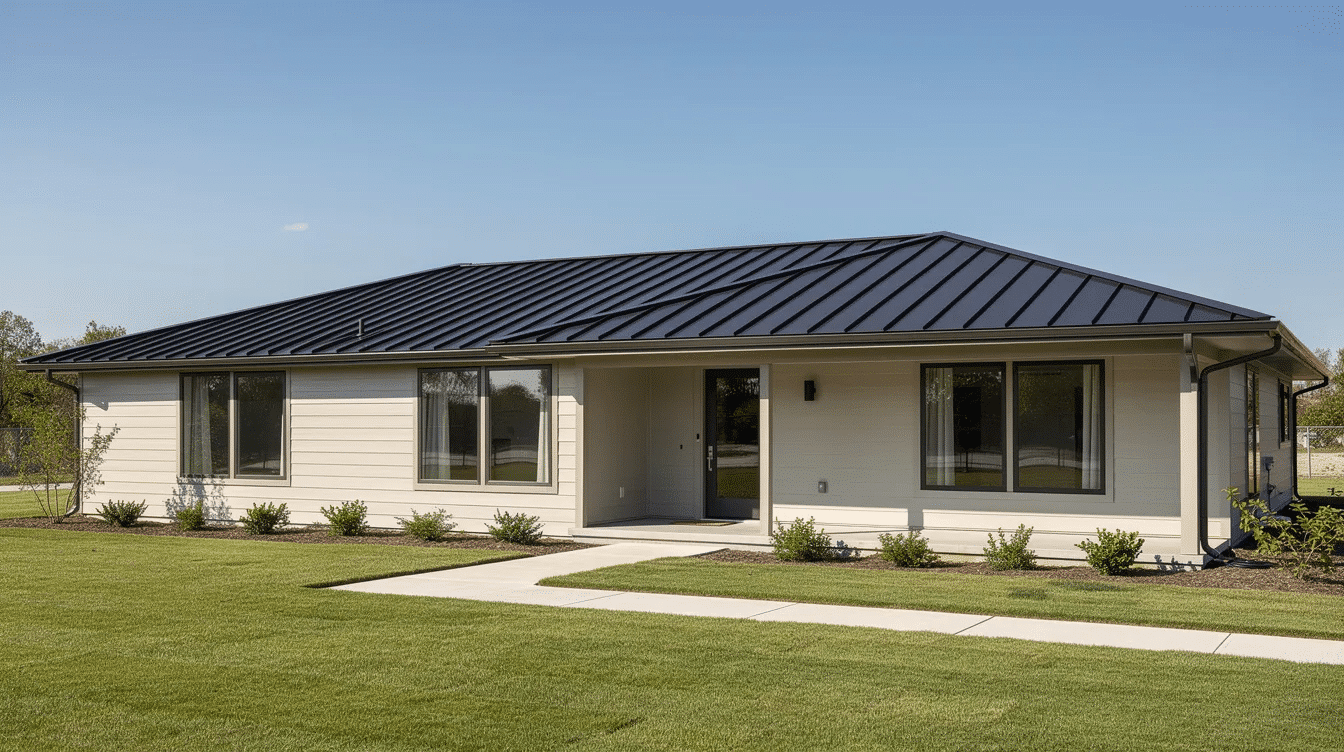
Most ranch roofs have low to moderate pitch, few dormers, long eaves, broad attached garages, and large uninterrupted planes. Ranch houses have long, low-sloped, accessible roof profiles that enhance aesthetic visibility, which makes the entire roof part of the home’s curb appeal.
These long planes are ideal for standing seam panels that run from ridge to eave with fewer joints. A hidden fastener standing seam system is often preferred over panels with exposed fasteners because it better handles temperature changes, water movement, and the clean lines ranch homes are known for.
Some 1960s and 1970s ranches include very low-slope or nearly flat sections. Those areas need metal roofing systems rated for low slope, plus sound-dampening underlayment materials and waterproof membranes. Metal roofing requires specialized installation techniques, so this is not the place to cut corners.
Metal is lighter than clay tile or heavy asphalt shingles, and it is also lighter than many other roofing materials. That means older ranch framing often keeps its structural integrity without major upgrades, though the decking should still be inspected.
In simple terms: a 4:12 pitch asphalt shingle roof may cost less upfront and last 15–30 years. The same roof converted to a standing seam metal roof costs more, but may last 40–70 years, resist high winds better, and require minimal maintenance in the long run.
Pros of a Metal Roof on a Ranch Style Home
The benefits are especially noticeable on ranches because the roof surface is large, low, and directly above the living space.
- Durability: A properly installed metal roof can last between 50 to 70 years, and many metal roofs last 40–70 years compared with 15–25 years for older asphalt. Steel, aluminum, and copper all offer long life when the paint finish and coating are suitable for the climate.
- Energy savings: Metal roofs reflect solar energy, reducing attic heat. Reflective metal coatings lower cooling costs by up to 25%, and metal roofs lower cooling costs during warmer months by reducing air conditioning usage significantly. Energy Star® certified metal roofs maintain at least 15% solar reflectance, according to ENERGY STAR.
- Weather performance: Metal roofs are highly resistant to high winds, heavy snow, and hail. Quality systems can withstand winds up to hurricane force levels, and thicker metal gauges reduce denting from impacts such as large hailstones or falling branches.
- Fire protection: Metal roofs are highly rated for fire resistance, which can reduce fire damage risk in wildfire zones or a nice neighborhood with mature trees near the eaves.
- Sustainability: Metal panels contain a high percentage of recycled content, often include recycled materials, and can be recycled again at the end of their service life.
- Resale and insurance: A durable, energy efficient roof can improve buyer confidence. Metal roofs can provide insurance discounts due to their fire rating and impact resistance, and homeowners can save 5–35% on insurance with metal roofs depending on carrier and region.
Cons of Metal Roofing on a Ranch Style Home
The cons of metal are not deal-breakers for everyone, but they matter when budgeting for a large ranch roof.
- Higher cost: The main drawbacks start with price. Metal roofing can cost double or triple asphalt shingles, especially because metal roofs require skilled labor, increasing installation costs.
- Noise: Metal roofs can be noisier during heavy rain or hail. Without insulation, metal roofs may be louder than shingles, but proper attic insulation can reduce noise from metal roofs, and quality underlayment can keep noise levels close to a shingle roof.
- Dents: Hail damage is usually cosmetic, but wide, low ranch roofs are exposed during severe weather. Thicker steel or aluminum panels help, but no roofing materials are dent-proof.
- Movement: Long panels expand and contract with heat and cold. Poor installation can cause oil canning, which is visible waviness that does not always affect performance but can bother homeowners.
- Rules and repairs: Some HOAs restrict a visible metal roof, even if it looks like a premium tin roof alternative. Color-matched panel replacement years later can also be harder than patching asphalt shingles.
Metal Roof vs. Asphalt Shingles for Ranch Style Homes
Asphalt shingles became the standard roof material for mid-century ranch homes because they were affordable, familiar, and easy to repair. That makes asphalt the practical comparison.
An asphalt shingle roof or asphalt roof may cost about $4–$7 per square foot installed, while a standing seam metal roof often runs about $8–$16 per square foot. On a 2,000-square-foot ranch, that cost gap can be significant.
The trade-off is lifespan. Architectural shingles may last 20–30 years in good conditions, while steel or aluminum standing seam can last 40–70+ years. Over 40–50 years, multiple shingle replacements can exceed the cost of one quality metal installation.
Maintenance also differs. Asphalt may need spot shingle replacement, algae cleaning, and granule-loss monitoring. Metal needs regular inspections for seams, sealant, scratches, gutters, and fasteners, especially if the system uses exposed fasteners.
In extreme weather, metal generally performs better against wind uplift, fire, and impact. Asphalt naturally dampens rain noise better, but a properly installed metal roof with solid decking and underlayment can be comfortable inside.
Energy Efficiency and Comfort on One-Story Ranch Homes
Energy efficiency matters on ranch homes because the attic is broad and close to the rooms below. A wide roof can collect a lot of heat in Texas, Arizona, Florida, or the Southeast.
Light-colored and cool roof coatings reflect sunlight before it becomes attic heat. That can lower energy bills over time and make an older ranch more comfortable, especially if it was built before modern insulation standards.
In snowy regions, metal sheds snow faster than shingles. That can protect the roof structure, but snow guards may be needed above the front door, garage, walkways, and patios to prevent sudden slides.
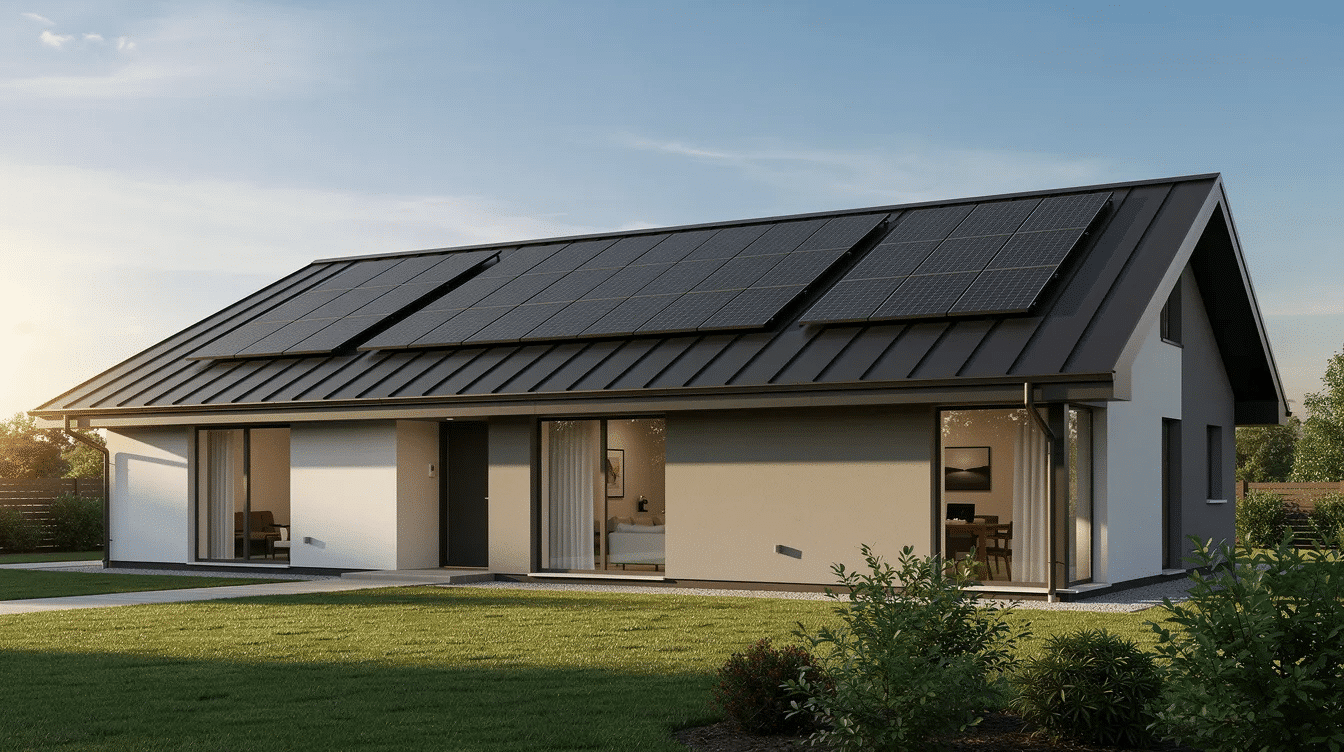
Metal also pairs well with solar panels. A standing seam roof allows many solar systems to clamp onto seams without drilling through the panels, and the long life of metal matches the service life of solar equipment.
Design and Curb Appeal: Matching Metal Roofing to Ranch Style
A ranch house has a low, horizontal character, so the roof can either quietly blend in or make the whole façade look more modern. Metal roofs can provide significant aesthetic versatility for ranch-style homes.
Different panel profiles suit various architectural styles. Standing seam gives clean vertical lines, while metal shingles can look closer to a traditional shingle roof. Metal roofing can mimic the appearance of clay tiles or wood shakes, which helps when homeowners want durability without a sharp contemporary look.
Metal roofs are available in over 20 color options. Charcoal, matte black, bronze, weathered copper, cool gray, and earth tones often pair well with brick, stone, stucco, and wood siding.
For example, a dark gray standing seam roof can sharpen a white-painted brick ranch, while a brown metal shingle roof can suit natural siding. Because ranches are single story, the roof is visible from the street, so choosing the best material, profile, and color matters.
Installation Considerations and Choosing the Right Metal Roofing System
Correct installation is critical on wide, low-slope ranch roofs. Leaks, excess noise, and premature wear are usually installation problems, not proof that metal is a bad material.
Through-fastened panels are more affordable, but the fasteners penetrate the panels. Concealed-fastener standing seam costs more but usually performs better and looks cleaner on a ranch.
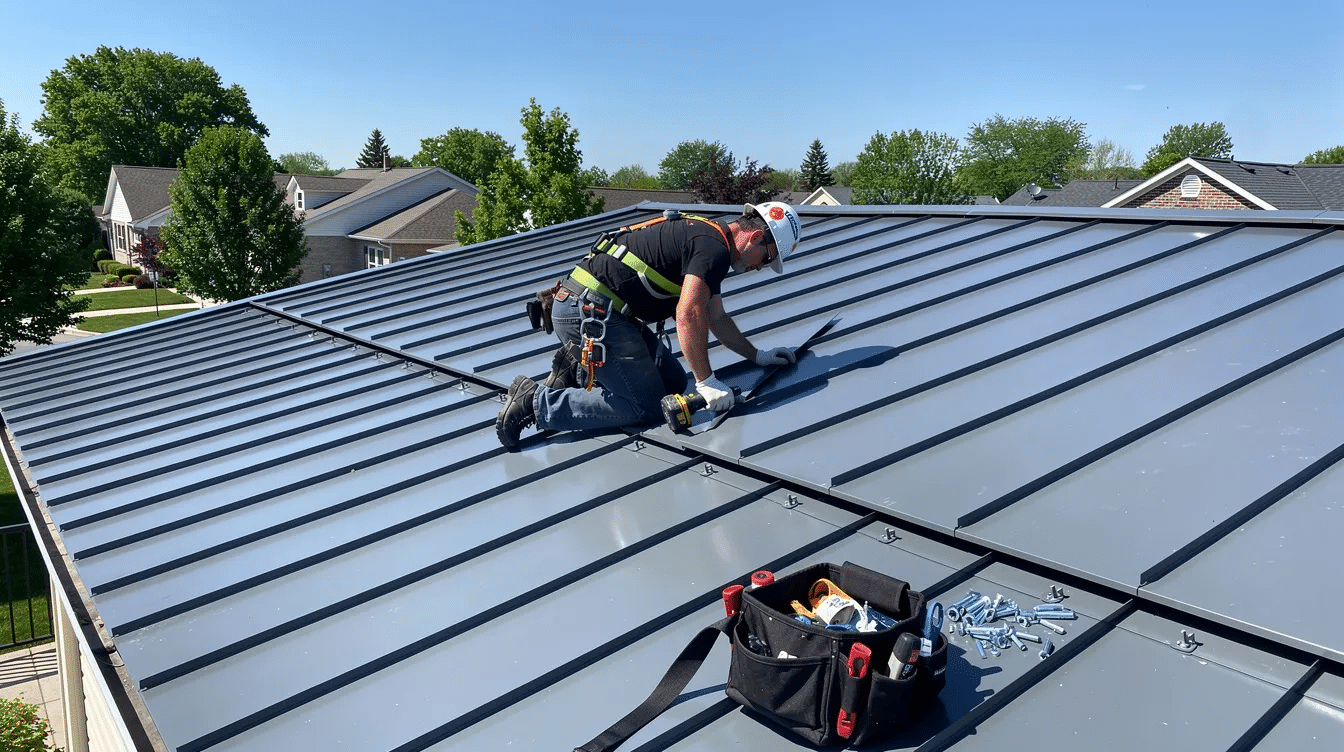
Before installation, a contractor should evaluate decking, ventilation, and framing on older homes from the 1950s–1970s. The surface must be flat enough for long panels, and the underlayment should suit the roof pitch.
Use synthetic felt, high-temperature ice and water shield at eaves and valleys, and proper flashing around chimneys, skylights, plumbing vents, and long ridge vents. To ensure proper installation, hire a roofing company with expert installation experience in local wind zones, snow loads, and metal manufacturer details. Manufacturers such as isaiah industries publish system guidance that installers should follow.
Is a Metal Roof Right for Your Ranch Style Home?
A metal roof is a strong long term investment if you want durability, energy savings, low maintenance, and a fresh look. It may not be right if your budget is tight, your HOA prefers asphalt, or you plan to sell before the long term savings matter.
Before choosing, check:
- Climate: hail, snow, wildfire, coastal salt, and severe weather exposure.
- Budget: upfront price versus long-run replacement cost.
- Rules: HOA limits, permits, and neighborhood resale expectations.
- Goals: maximum lifespan, energy efficient performance, modern curb appeal, or fewer repairs.
Get at least two quotes: one for a mid-grade architectural asphalt shingle roof and one for a standing seam metal roof. Ask each contractor to explain warranties, underlayment, ventilation, fasteners, and repair options.
FAQ: Metal Roofs on Ranch Style Homes
Will a metal roof make my ranch home hotter or colder inside?
No. Modern reflective coatings usually keep ranch homes cooler in summer by reflecting solar heat, especially on broad south- and west-facing slopes. In winter, comfort depends more on attic insulation and ventilation than on the metal itself.
Can I install a metal roof over my existing asphalt shingles on a ranch home?
Sometimes. Many regions allow metal over one layer of asphalt shingles, but local code, manufacturer rules, and deck condition matter. It can reduce tear-off debris, but it may hide rot, trap moisture, or affect warranty coverage.
How does a metal roof affect resale value for a ranch style home?
Buyers often see a newer metal roof as a premium upgrade, especially with a 30–50+ year warranty. However, resale impact depends on local taste; in some areas, traditional asphalt still dominates.
Are metal roofs noisier on single-story ranch homes than on two-story houses?
They can be if the attic is poorly insulated because ranch bedrooms sit close to the roof. With solid decking, sound-dampening underlayment, and proper insulation, most homeowners notice little difference during normal rain.
Do metal roofs require special maintenance on wide ranch roofs?
Yes, but not much. Schedule regular inspections every year or two, trim branches, clear debris from valleys and gutters, and repair coating scratches early to prevent corrosion and rust for decades.