
Key Takeaways
A mini split system is generally a strong fit for most single-story ranch homes, especially homes without ducts or with one hot bedroom, cold office, or uncomfortable addition. Ranch homes feature single-story layouts with long horizontal footprints, which often makes ductless routing simpler than installing ductwork.
- Ductless mini split systems offer high energy efficiency and zoned comfort compared with traditional central air in many 1,200–2,000 sq. ft. ranch layouts built between 1950–1990.
- The main disadvantages of mini split systems are higher upfront cost, visible indoor units, and careful planning for multi-room coverage.
- In mild-to-moderate climates, a mini split heat pump can often replace both furnace and air conditioner; in extreme cold, backup heating may still be needed.
- Have an hvac professional perform a load calculation and layout plan before you install.
What Is a Mini Split System (and Why Ranch Homes Are a Great Match)?
Ductless mini splits are split system heat pumps: an outdoor unit connects to one or more indoor units with refrigerant lines, wiring, condensate drainage, and a conduit. No extensive ductwork is required, and mini-splits require a small 3-inch hole for installation.

- Main components include the outdoor heat pump, indoor air handler, line set, drain, and electrical connection.
- Compared with traditional hvac systems, ductless systems lose no conditioned air through ducts. The average home loses at least 20% of conditioned air through ducts, and older ducted system layouts may lose more through attic or crawl space runs.
- A mini split air conditioner is usually quieter than window air conditioners and more targeted than a traditional system.
- Many ranch homes are built on concrete slabs or low-pitched roofs, so installing ductwork can be expensive.
- Systems can be single room solutions or whole-home setups. Each mini-split system can have 2 to 8 indoor units, and mini-splits can connect multiple indoor units to one outdoor unit.
How Ductless Mini Splits Work in a Single-Story Ranch Layout
In a typical 3-bedroom ranch, a mini split hvac system moves heat energy instead of creating heat from scratch. In cooling, the heat pump rejects indoor heat outdoors; in heating mode, mini split systems heat by pulling outdoor heat inward.
A multi zone system may use 3–5 indoor zones: one wall mounted unit for the living space, one for bedrooms, one for a kitchen or hallway, and one for room additions or a finished basement. Installation flexibility allows for multiple indoor unit styles, including wall mounted heads, floor units, and ceiling cassettes.
Each indoor unit has its own remote, so mini-splits allow independent temperature control in each room. That means different temperatures for individual rooms instead of one thermostat controlling the whole house.
Pros of Ductless Mini Splits for Ranch Homes
The biggest ductless mini split pros match common ranch problems: uneven comfort, limited ducts, low attic height, and rooms spread along a hallway. Here are the advantages and disadvantages to understand before buying.
High Energy Efficiency and Lower Energy Consumption
Mini-split systems offer precision multi-zone temperature control and high energy efficiency. Mini-splits use inverter technology for efficient operation, letting the compressor ramp up or down instead of cycling hard on and off.
Because mini-splits lose no conditioned air through ducts, system efficiency is often better than older central air. Replacing a 10–13 SEER central air unit with a 20–24 SEER mini split air conditioner can lower the electric bill, and mini-splits can save 25–40% on energy costs. Mini-splits can save 25-40% on energy costs when replacing inefficient equipment.
Many ENERGY STAR heat pumps may qualify for rebates or tax credits; check current federal efficiency incentives.
Flexible Installation in Long, One-Story Floor Plans
Flexible installation options are a major reason ranch owners choose ductless heating and cooling. Installers can run short line sets from a side-yard outdoor unit to specific rooms without major attic work.
This is helpful in 1950s–1970s ranch homes with window units, baseboards, or no existing ductwork. One common layout is: one indoor unit for open living/dining, one for the primary bedroom, and another for kids’ rooms. That flexibility is what makes mini splits useful for specific rooms and problem areas.
Zoned Comfort Room by Room
Zone control matters when one side of a ranch gets afternoon sun and another stays shaded. Mini-splits provide zone control to reduce energy waste, and zoning capabilities reduce energy waste in unused rooms.
You can turn off indoor units in unused guest rooms, cool a home office without overcooling the living room, or keep bedrooms cooler at night. Mini-split heat pumps and mini split air conditioners also provide heating and cooling during shoulder seasons.
Mini-splits provide dual-zone control for simultaneous heating and cooling on systems designed for that feature.
Quiet Operation for Bedrooms and Living Areas
Quiet operation is valuable in ranch homes because bedrooms often sit near living areas. Indoor units often run around 19–35 dB depending on model and fan speed, while outdoor equipment is usually placed away from sleeping areas.
Compared with older air conditioners, ductless mini splits are less disruptive for nurseries, offices, and TV rooms.
Cons and Disadvantages of Mini Splits in Ranch Homes
The disadvantages of mini splits are not dealbreakers, but they matter. The disadvantages of mini systems include cost, visible equipment, more maintenance points, and design complexity.
Higher Upfront Costs Compared to Basic Central Air
Installation costs for mini-splits are typically higher than central systems when good ducts already exist. Higher initial costs are associated with installing multi-zone systems in ranch homes.
A single-zone mini split installation often costs about $2,000–$5,500 installed, while whole-home multi-zone systems commonly run $6,000–$12,000+ and can go higher. Each added indoor unit increases equipment and labor.
Still, long term savings may offset higher installation costs over 10–15 years, especially if your current system is inefficient. Get multiple quotes from a licensed hvac company and compare rebates.
Visible Indoor Units and Aesthetics
Mini-splits require visible indoor units in each zone. Indoor units are visible and may affect aesthetics, especially in low-ceiling ranch rooms where some homeowners find indoor units less aesthetically pleasing than ductwork.
Mini-split indoor units can be wall-mounted or ceiling-mounted. Modern mini-split designs are sleek and compact, and some manufacturers offer ceiling cassettes or concealed options that blend seamlessly better, though they cost more. Indoor units can disrupt room aesthetics due to their visibility.
Careful Planning Needed for Long, Narrow Floor Plans
Poor airflow can occur in ranch layouts with long hallways and closed doors. One indoor head in a hallway will not condition every room like central air ducts.
Undersizing leaves far rooms uncomfortable; oversizing can hurt humidity control. A Manual J load calculation should consider insulation, windows, sun exposure, and climate. Professional installation is critical for proper system setup, and an experienced contractor should design ductless mini split systems for ranch-style homes.
More Indoor Components to Maintain
Mini-splits require regular maintenance for optimal performance. Each indoor unit needs separate servicing and cleaning, and filters in mini-splits should be cleaned monthly for best performance.
Homeowners should wash filters, keep the outdoor unit clear, and schedule annual service for coil cleaning, refrigerant checks, and electrical inspection. Professional installation is recommended to ensure proper maintenance access. Mini-splits typically last 15 to 20 years with regular maintenance, supporting long term performance.
Cold-Climate Limitations for Heating
Mini-splits can struggle to heat efficiently in extreme cold. Cold-climate models can still perform well, but always check low-temperature output ratings; NEEA cold-climate guidance shows why capacity at low temperatures matters.
In northern climates, many homeowners keep a furnace, wood stove, or baseboard backup. In mild climates, a ductless mini split can provide heating as the primary hvac system.
Mini Split vs. Central Air in a Ranch Home
Central air may be better if your ranch has newer, sealed ducts and you prefer hidden registers. But if ducts are leaky, absent, or routed through hot attic space, ductless mini splits often beat traditional hvac on energy loss and comfort.
A hybrid approach is also cost effective: keep central air for main areas and add one room ductless units for a sunroom, garage conversion, or bedroom wing. This can improve the current system without replacing everything.
Where Mini Splits Work Best in a Ranch Home
Ductless mini split systems work best in high-impact areas: converted garages, sunrooms, basements, in-law suites, and offices at the end of a long ranch. Mini-splits can target problem areas for heating or cooling without changing the whole house.
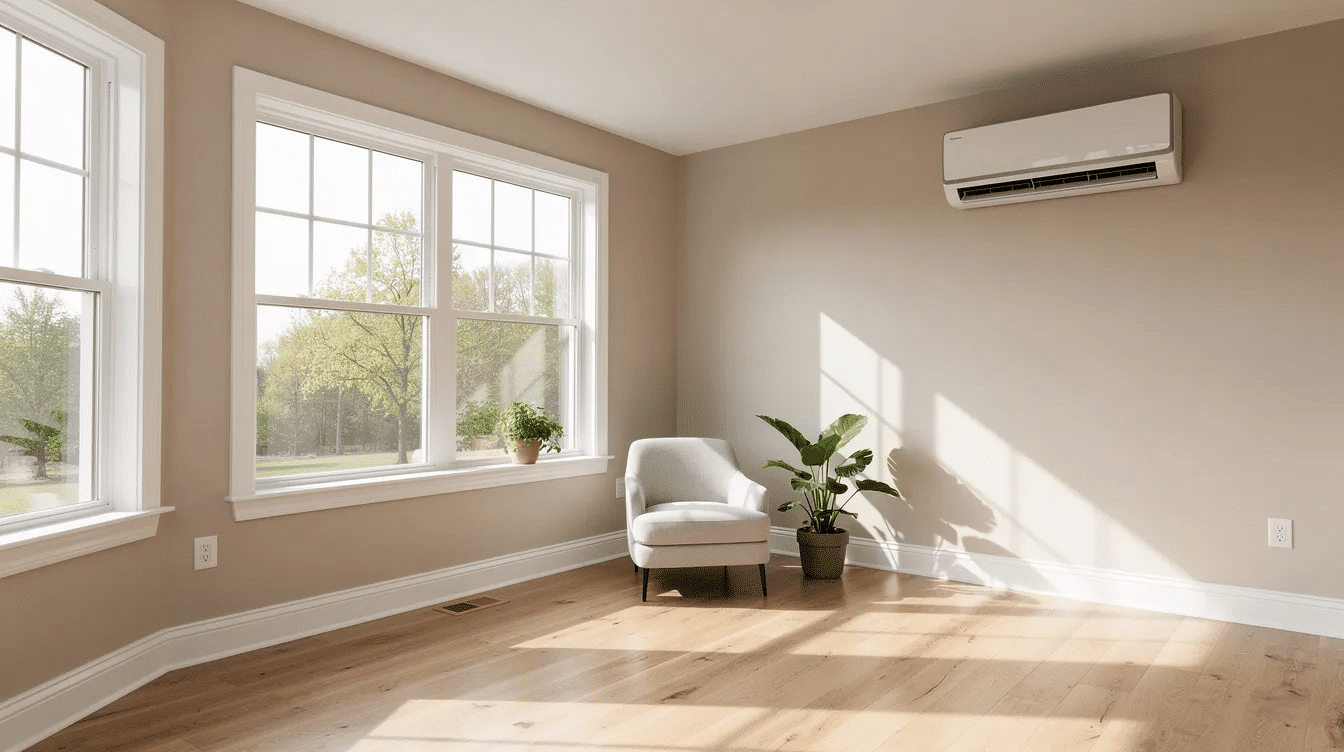
Place indoor units high enough for airflow, but not blowing directly on beds or seating. Good placement improves comfort in multiple zones and helps mini split air reach the right room.
How a Mini Split Affects Your Electric Bill in a Ranch Home
Your electric bill depends on whether the system replaces old equipment or supplements it. Replacing resistance electric heat or old central air usually lowers total energy consumption; adding new cooling to previously uncooled rooms may raise usage.
For a 1,500 sq. ft. ranch, a single-zone unit might cost roughly $15–$60 per month in moderate use, while multi-zone heating and cooling may run $60–$200+ depending on climate, rates, insulation, and habits. Review 12 months of bills and ask a contractor to model energy savings.
Is a Mini Split System the Right Choice for Your Ranch Home?
Mini splits worth considering if you lack ducts, have uncomfortable rooms, want zoned comfort, or plan additions. A conventional split hvac or traditional hvac may still be best if your ducts are upgraded, your layout is open, and you want fully hidden equipment.
Before choosing, weigh climate, budget, home age, and resale goals. Schedule a professional assessment so the design fits your exact ranch layout.
Frequently Asked Questions
How many indoor units does a typical ranch home need?
Many 3-bedroom ranch homes need 2–4 indoor units depending on openness, insulation, and climate. An open living/kitchen area may need one larger unit, while bedroom wings may use one or two smaller units. Only a proper load calculation can confirm sizing.
Can I keep my existing furnace and add a ductless mini split?
Yes. Many ranch homeowners keep a gas or oil furnace for very cold days and add a mini split heat pump for cooling and shoulder-season heating. Coordinate thermostat settings so the furnace and mini split do not fight each other.
Will a ductless mini split increase the value of my ranch home?
Often, yes, especially if the home previously relied on window units or baseboards. Buyers may like energy efficient comfort and quiet operation. If you wonder, “Do mini splits devalue a home?” the answer is usually no when the design is clean and professional.
How long do mini split systems typically last in a ranch home?
Most quality ductless mini split systems last about 15–20 years with regular maintenance. Lifespan depends on usage, climate, monthly filter cleaning, and annual service. Keep outdoor equipment clear of leaves, debris, and snow.
Are mini splits a good option for aging-in-place in a ranch home?
Yes. Ductless systems offer remote control, quiet comfort, and fewer hot or cold spots across one-level living. Place controls and indoor units where they can be reached safely without ladders.

Key Takeaways
A mini split system is generally a strong fit for most single-story ranch homes, especially homes without ducts or with one hot bedroom, cold office, or uncomfortable addition. Ranch homes feature single-story layouts with long horizontal footprints, which often makes ductless routing simpler than installing ductwork.
- Ductless mini split systems offer high energy efficiency and zoned comfort compared with traditional central air in many 1,200–2,000 sq. ft. ranch layouts built between 1950–1990.
- The main disadvantages of mini split systems are higher upfront cost, visible indoor units, and careful planning for multi-room coverage.
- In mild-to-moderate climates, a mini split heat pump can often replace both furnace and air conditioner; in extreme cold, backup heating may still be needed.
- Have an hvac professional perform a load calculation and layout plan before you install.
What Is a Mini Split System (and Why Ranch Homes Are a Great Match)?
Ductless mini splits are split system heat pumps: an outdoor unit connects to one or more indoor units with refrigerant lines, wiring, condensate drainage, and a conduit. No extensive ductwork is required, and mini-splits require a small 3-inch hole for installation.

- Main components include the outdoor heat pump, indoor air handler, line set, drain, and electrical connection.
- Compared with traditional hvac systems, ductless systems lose no conditioned air through ducts. The average home loses at least 20% of conditioned air through ducts, and older ducted system layouts may lose more through attic or crawl space runs.
- A mini split air conditioner is usually quieter than window air conditioners and more targeted than a traditional system.
- Many ranch homes are built on concrete slabs or low-pitched roofs, so installing ductwork can be expensive.
- Systems can be single room solutions or whole-home setups. Each mini-split system can have 2 to 8 indoor units, and mini-splits can connect multiple indoor units to one outdoor unit.
How Ductless Mini Splits Work in a Single-Story Ranch Layout
In a typical 3-bedroom ranch, a mini split hvac system moves heat energy instead of creating heat from scratch. In cooling, the heat pump rejects indoor heat outdoors; in heating mode, mini split systems heat by pulling outdoor heat inward.
A multi zone system may use 3–5 indoor zones: one wall mounted unit for the living space, one for bedrooms, one for a kitchen or hallway, and one for room additions or a finished basement. Installation flexibility allows for multiple indoor unit styles, including wall mounted heads, floor units, and ceiling cassettes.
Each indoor unit has its own remote, so mini-splits allow independent temperature control in each room. That means different temperatures for individual rooms instead of one thermostat controlling the whole house.
Pros of Ductless Mini Splits for Ranch Homes
The biggest ductless mini split pros match common ranch problems: uneven comfort, limited ducts, low attic height, and rooms spread along a hallway. Here are the advantages and disadvantages to understand before buying.
High Energy Efficiency and Lower Energy Consumption
Mini-split systems offer precision multi-zone temperature control and high energy efficiency. Mini-splits use inverter technology for efficient operation, letting the compressor ramp up or down instead of cycling hard on and off.
Because mini-splits lose no conditioned air through ducts, system efficiency is often better than older central air. Replacing a 10–13 SEER central air unit with a 20–24 SEER mini split air conditioner can lower the electric bill, and mini-splits can save 25–40% on energy costs. Mini-splits can save 25-40% on energy costs when replacing inefficient equipment.
Many ENERGY STAR heat pumps may qualify for rebates or tax credits; check current federal efficiency incentives.
Flexible Installation in Long, One-Story Floor Plans
Flexible installation options are a major reason ranch owners choose ductless heating and cooling. Installers can run short line sets from a side-yard outdoor unit to specific rooms without major attic work.
This is helpful in 1950s–1970s ranch homes with window units, baseboards, or no existing ductwork. One common layout is: one indoor unit for open living/dining, one for the primary bedroom, and another for kids’ rooms. That flexibility is what makes mini splits useful for specific rooms and problem areas.
Zoned Comfort Room by Room
Zone control matters when one side of a ranch gets afternoon sun and another stays shaded. Mini-splits provide zone control to reduce energy waste, and zoning capabilities reduce energy waste in unused rooms.
You can turn off indoor units in unused guest rooms, cool a home office without overcooling the living room, or keep bedrooms cooler at night. Mini-split heat pumps and mini split air conditioners also provide heating and cooling during shoulder seasons.
Mini-splits provide dual-zone control for simultaneous heating and cooling on systems designed for that feature.
Quiet Operation for Bedrooms and Living Areas
Quiet operation is valuable in ranch homes because bedrooms often sit near living areas. Indoor units often run around 19–35 dB depending on model and fan speed, while outdoor equipment is usually placed away from sleeping areas.
Compared with older air conditioners, ductless mini splits are less disruptive for nurseries, offices, and TV rooms.
Cons and Disadvantages of Mini Splits in Ranch Homes
The disadvantages of mini splits are not dealbreakers, but they matter. The disadvantages of mini systems include cost, visible equipment, more maintenance points, and design complexity.
Higher Upfront Costs Compared to Basic Central Air
Installation costs for mini-splits are typically higher than central systems when good ducts already exist. Higher initial costs are associated with installing multi-zone systems in ranch homes.
A single-zone mini split installation often costs about $2,000–$5,500 installed, while whole-home multi-zone systems commonly run $6,000–$12,000+ and can go higher. Each added indoor unit increases equipment and labor.
Still, long term savings may offset higher installation costs over 10–15 years, especially if your current system is inefficient. Get multiple quotes from a licensed hvac company and compare rebates.
Visible Indoor Units and Aesthetics
Mini-splits require visible indoor units in each zone. Indoor units are visible and may affect aesthetics, especially in low-ceiling ranch rooms where some homeowners find indoor units less aesthetically pleasing than ductwork.
Mini-split indoor units can be wall-mounted or ceiling-mounted. Modern mini-split designs are sleek and compact, and some manufacturers offer ceiling cassettes or concealed options that blend seamlessly better, though they cost more. Indoor units can disrupt room aesthetics due to their visibility.
Careful Planning Needed for Long, Narrow Floor Plans
Poor airflow can occur in ranch layouts with long hallways and closed doors. One indoor head in a hallway will not condition every room like central air ducts.
Undersizing leaves far rooms uncomfortable; oversizing can hurt humidity control. A Manual J load calculation should consider insulation, windows, sun exposure, and climate. Professional installation is critical for proper system setup, and an experienced contractor should design ductless mini split systems for ranch-style homes.
More Indoor Components to Maintain
Mini-splits require regular maintenance for optimal performance. Each indoor unit needs separate servicing and cleaning, and filters in mini-splits should be cleaned monthly for best performance.
Homeowners should wash filters, keep the outdoor unit clear, and schedule annual service for coil cleaning, refrigerant checks, and electrical inspection. Professional installation is recommended to ensure proper maintenance access. Mini-splits typically last 15 to 20 years with regular maintenance, supporting long term performance.
Cold-Climate Limitations for Heating
Mini-splits can struggle to heat efficiently in extreme cold. Cold-climate models can still perform well, but always check low-temperature output ratings; NEEA cold-climate guidance shows why capacity at low temperatures matters.
In northern climates, many homeowners keep a furnace, wood stove, or baseboard backup. In mild climates, a ductless mini split can provide heating as the primary hvac system.
Mini Split vs. Central Air in a Ranch Home
Central air may be better if your ranch has newer, sealed ducts and you prefer hidden registers. But if ducts are leaky, absent, or routed through hot attic space, ductless mini splits often beat traditional hvac on energy loss and comfort.
A hybrid approach is also cost effective: keep central air for main areas and add one room ductless units for a sunroom, garage conversion, or bedroom wing. This can improve the current system without replacing everything.
Where Mini Splits Work Best in a Ranch Home
Ductless mini split systems work best in high-impact areas: converted garages, sunrooms, basements, in-law suites, and offices at the end of a long ranch. Mini-splits can target problem areas for heating or cooling without changing the whole house.
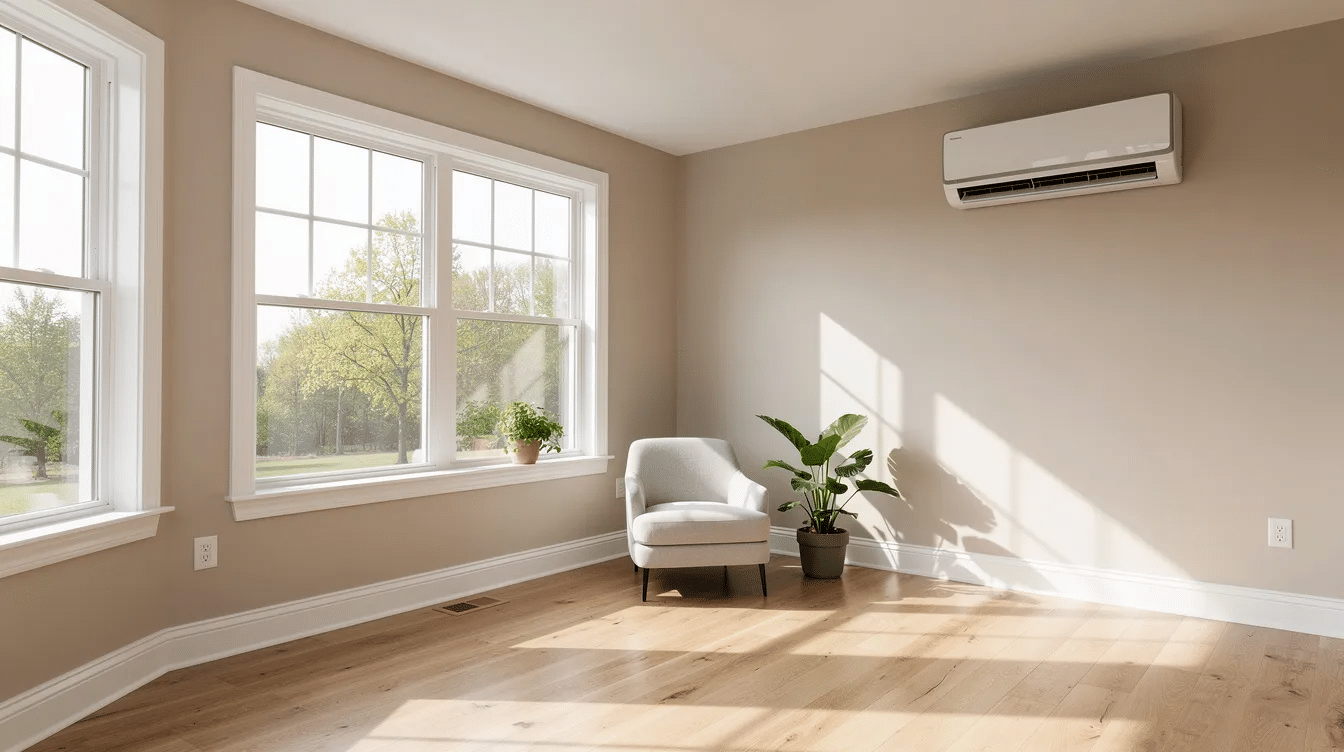
Place indoor units high enough for airflow, but not blowing directly on beds or seating. Good placement improves comfort in multiple zones and helps mini split air reach the right room.
How a Mini Split Affects Your Electric Bill in a Ranch Home
Your electric bill depends on whether the system replaces old equipment or supplements it. Replacing resistance electric heat or old central air usually lowers total energy consumption; adding new cooling to previously uncooled rooms may raise usage.
For a 1,500 sq. ft. ranch, a single-zone unit might cost roughly $15–$60 per month in moderate use, while multi-zone heating and cooling may run $60–$200+ depending on climate, rates, insulation, and habits. Review 12 months of bills and ask a contractor to model energy savings.
Is a Mini Split System the Right Choice for Your Ranch Home?
Mini splits worth considering if you lack ducts, have uncomfortable rooms, want zoned comfort, or plan additions. A conventional split hvac or traditional hvac may still be best if your ducts are upgraded, your layout is open, and you want fully hidden equipment.
Before choosing, weigh climate, budget, home age, and resale goals. Schedule a professional assessment so the design fits your exact ranch layout.
Frequently Asked Questions
How many indoor units does a typical ranch home need?
Many 3-bedroom ranch homes need 2–4 indoor units depending on openness, insulation, and climate. An open living/kitchen area may need one larger unit, while bedroom wings may use one or two smaller units. Only a proper load calculation can confirm sizing.
Can I keep my existing furnace and add a ductless mini split?
Yes. Many ranch homeowners keep a gas or oil furnace for very cold days and add a mini split heat pump for cooling and shoulder-season heating. Coordinate thermostat settings so the furnace and mini split do not fight each other.
Will a ductless mini split increase the value of my ranch home?
Often, yes, especially if the home previously relied on window units or baseboards. Buyers may like energy efficient comfort and quiet operation. If you wonder, “Do mini splits devalue a home?” the answer is usually no when the design is clean and professional.
How long do mini split systems typically last in a ranch home?
Most quality ductless mini split systems last about 15–20 years with regular maintenance. Lifespan depends on usage, climate, monthly filter cleaning, and annual service. Keep outdoor equipment clear of leaves, debris, and snow.
Are mini splits a good option for aging-in-place in a ranch home?
Yes. Ductless systems offer remote control, quiet comfort, and fewer hot or cold spots across one-level living. Place controls and indoor units where they can be reached safely without ladders.