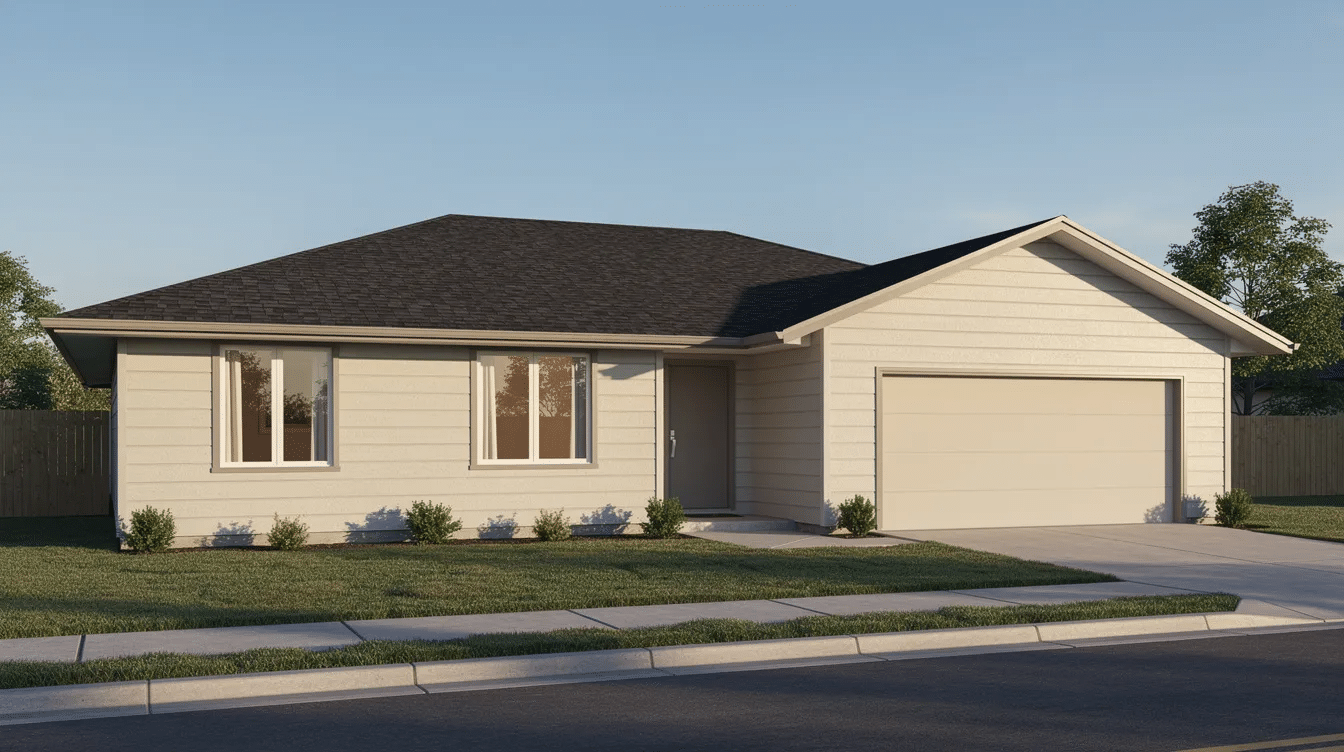
A ranch style home can be comfortable and efficient, but only when the insulation matches its single-story construction. Because ranch homes lose a massive amount of heat in winter and absorb immense heat in summer, the best approach is a combined approach of air sealing and insulation upgrades.
Quick Answer: Best Insulation Options for a Ranch Style Home
Ranch homes lose the most energy through the attic, long exterior walls, crawl spaces, basement areas, and attached garages. Blown-in cellulose or fiberglass is the best type of insulation for ranch-style homes in most vented attics, while closed-cell spray foam works well at rim joists, crawlspaces, and foundation walls.
Top choices:
- Attic insulation: blown cellulose or blown fiberglass
- Wall insulation: dense pack cellulose, injection foam, or spray foam
- Crawlspace/basement: rigid foam or closed-cell spray foam
- Garage ceiling/floor areas: batts, foam board, or sprayed foam
In most ranch homes built from 1950–1990, bringing the attic floor to R-49, or at least R-30 or higher, and performing thorough air seal work delivers the fastest payback. With proper insulation, a reduction of 15% to 20% in heating and cooling costs is expected, while strong air sealing can reduce air infiltration by 28%. The “best” insulation depends on US DOE climate zone, existing construction, budget, and the insulation needs of the entire house.
Why Ranch Style Homes Need Special Insulation Strategies
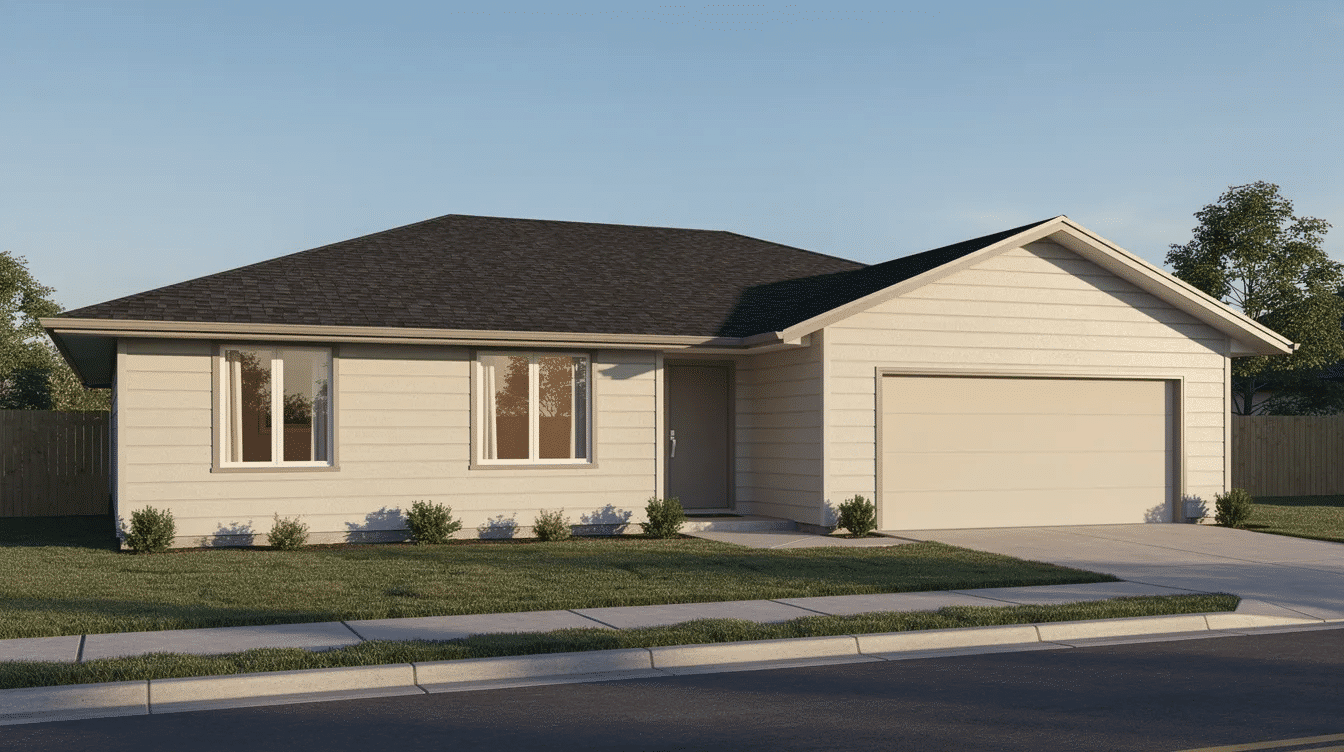
A typical ranch house sits at ground level, has a large roof, long runs of exterior walls, many windows and doors, and often a crawlspace, slab, or attached garage. Ranch homes tend to have more exterior wall space per square foot of living area, so heat loss and summer heat gain are harder to ignore.
Common symptoms include:
- Hot room conditions in summer even with the air conditioner running
- Cold floors in winter
- High heating bills
- Drafts at outlets, windows, doors, and baseboards
Attics are critical for insulation in ranch homes because the large attic space acts like a heat collector in summer and a heat escape route in winter. Many older ranch homes lack adequate wall insulation, and exterior walls may lack insulation in homes built before the 1980s. Ranch homes often lack wall insulation if built before the 1980s.
Evaluating Your Existing Ranch Home Insulation
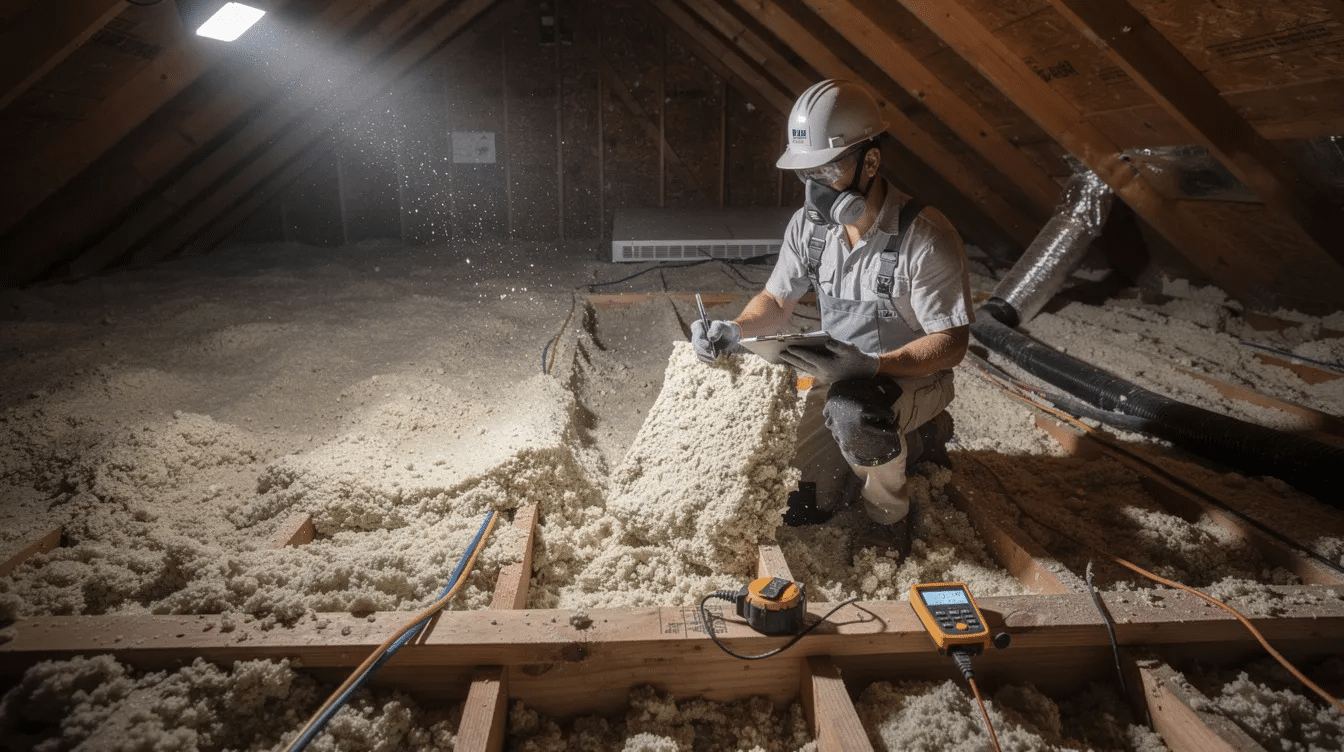
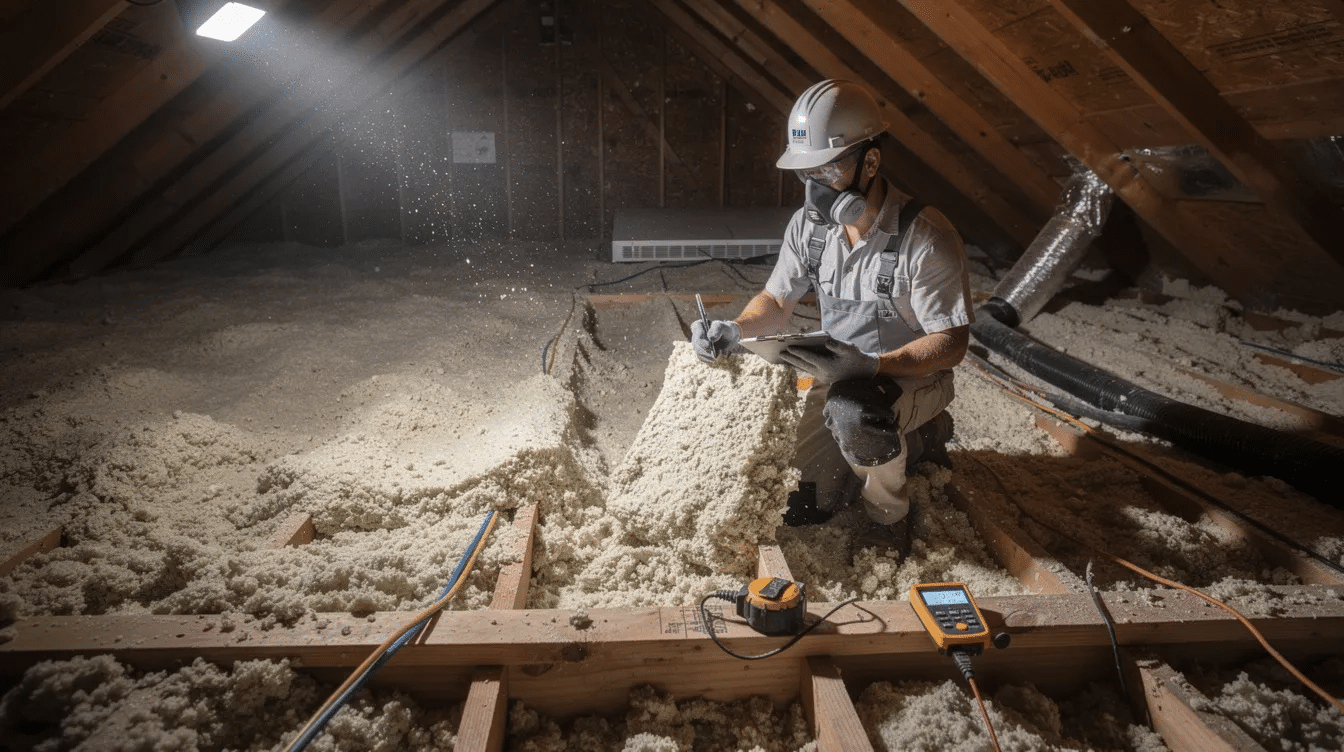
Before choosing materials, inspect your existing home. In the attic, measure thickness in inches, check whether R-values displayed on bags or batts match the actual r value, and look for bare spots, darkened insulation, and gaps around pipes, wires, light fixtures, and an electrical box.
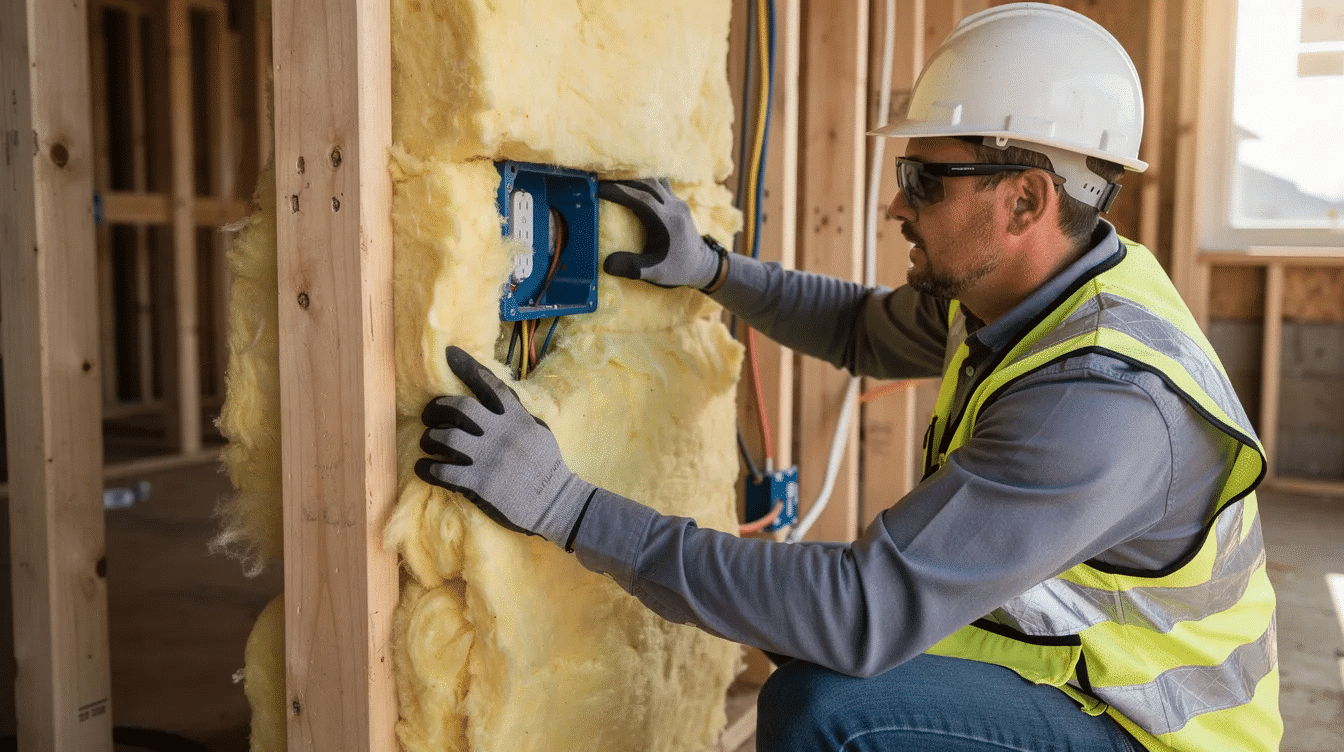
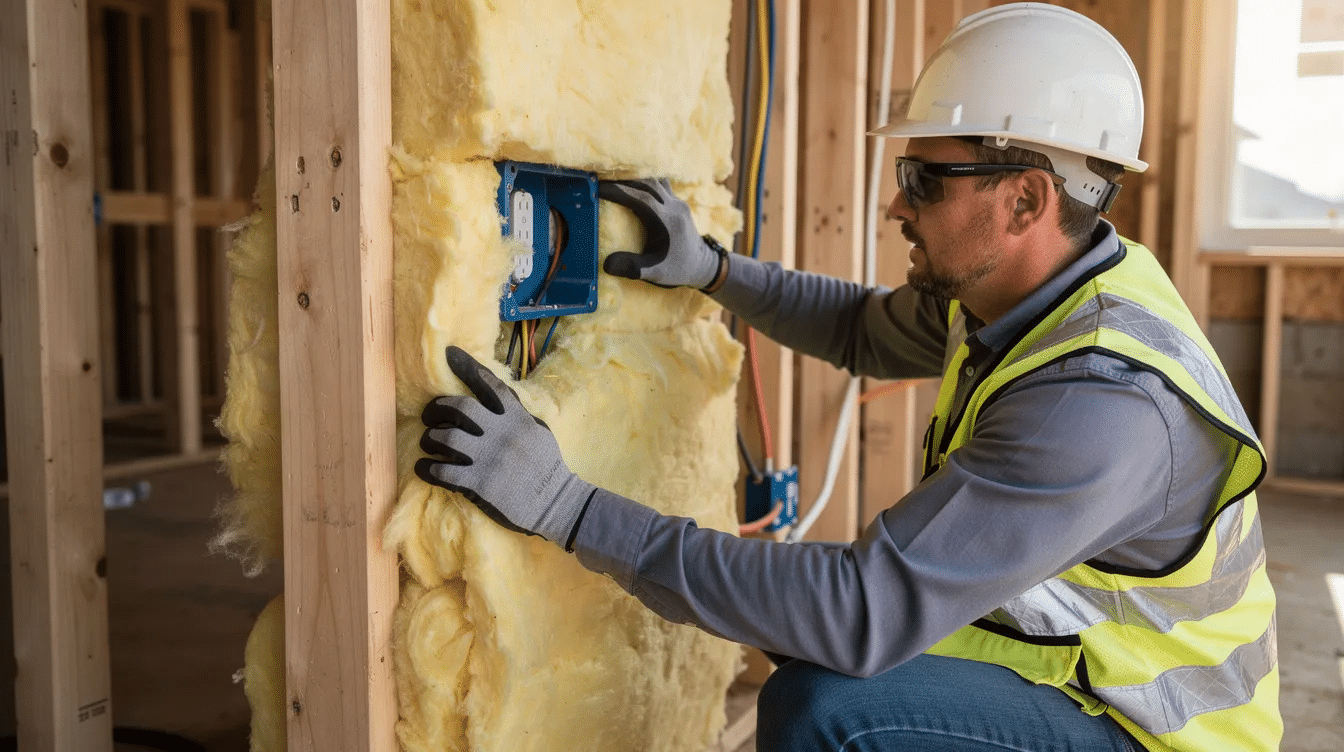
For walls, poor wall insulation often shows up as hot or cold surfaces, noisy rooms, or uneven temperatures. Remove an outlet cover on exterior walls, use a small test hole, or hire a pro with infrared imaging to check wall cavities.
In crawlspaces and basements, look for exposed rim joists, uninsulated foundation walls, bare ducts, wet ground, missing vapor barrier, moisture, mold, or pests. Crawl spaces can cause significant energy loss if uninsulated, and crawl spaces can be a major source of energy loss. A blower door test helps locate hidden air leaks and air leakage across the house.
Attic Insulation in a Ranch Style Home
Upgrading attic insulation usually makes the biggest difference per dollar. Attic insulation should reach R-30 or higher; attic insulation should ideally be at least R-30 thickness. In colder zones, target R-49 to R-60. In warmer zones, R-38 to R-49 is common. ENERGY STAR notes that sealing and insulating can save about 15% on heating and cooling in many homes (source).
Compare attic options:
Material | Best use |
|---|---|
Blown cellulose | Fills joists, gaps, eaves; strong value |
Blown fiberglass | Light, common, minimally invasive |
Fiberglass batts | Cheap, but easy to install poorly |
Spray foam | Roof deck, low-slope roof, ducts in attic |
Blown-in cellulose insulation can achieve R-49 in attics. Blown-in fiberglass or cellulose fills irregular gaps between joists perfectly, and blown-in insulation is minimally invasive and easy to install. Loose-fill insulation is typically less expensive than batt insulation.
Best Materials for Ranch Attic Space
For a vented attic, insulate the attic floor and keep soffit vents and ridge vents open with baffles. For an unvented attic, foam is sprayed at the roof decking to create conditioned attic space.
Cellulose offers good coverage and sound control. Fiberglass is lighter and widely available. Spray foam insulation has a high R-value for energy efficiency. Spray foam insulation has a high R-value for energy efficiency and spray foam seals air leaks and blocks moisture in ranch homes.
Mixing materials is common: use foam and caulk to seal leaks, then add blown cellulose over the entire attic floor. Do not forget raised storage platforms so boxes can sit above the insulation instead of crushing it.
Air Sealing Before Adding Attic Insulation
Insulation slows heat transfer but does not stop moving air. That is why you air seal before adding more insulation.
Seal:
- Chimney chases and dropped soffit areas
- Open wall tops
- Plumbing and wiring penetrations
- Ceiling light fixtures and recessed lights
- Attic hatch, pull-down stairs, and access doors
Use fire-rated spray foam, caulk, rigid foam board, and code-safe materials. Larger chases, bath fan details, and fire barriers are a professional job.
Wall Insulation for Long Exterior Walls in Ranch Homes
Long walls can create major heat loss, especially on windy sides or sun-exposed elevations. Many existing ranch homes have no insulation, thin batts, or compressed materials.
Dense pack cellulose can be pumped through small exterior holes or interior holes to fill wall cavities. Injection foam or dense-pack cellulose can be pumped through small exterior holes. Spray foam in walls makes sense during major renovation, when you replace drywall, or in new construction where higher r value and strong air sealing matter.
During re-siding, add rigid foam or mineral wool boards outside the sheathing to cut thermal bridging through studs.
Signs Your Ranch Home Needs Better Wall Insulation
Look for cold interior walls in winter, walls that feel hot in summer, condensation, drafts near outlets, and noise from outside. Windows and doors in ranch homes often leak air significantly, so seal trim, weatherstrip, and repair gaps before assuming the wall is the only issue.
If you plan to replace windows, siding, or decking near the perimeter, address insulation at the same time to save money and reduce disruption.
Crawlspaces, Basements, and Slab Foundations in Ranch Homes
The most effective insulation strategy for a ranch-style home targets the attic and crawlspace or basement. Uninsulated foundations create cold floors, drafts, moisture problems, and energy waste.
For a ventilated crawlspace, insulate the floor above. For a sealed crawlspace, insulate foundation walls and cover the ground with a durable vapor barrier. A properly insulated foundation can protect framing, reduce odors, and improve comfort.
Crawlspace Insulation and Encapsulation
Typical crawlspaces have low access, exposed soil, pipes, and ducts. Closed-cell spray foam or rigid foam on crawlspace walls, plus sealed ground covering, is often the best approach. Air seal and insulate rim joists around the perimeter carefully.
Benefits include warmer floors, fewer drafts, lower humidity, and less risk of frozen pipes.
Basement and Slab-on-Grade Considerations
For a basement, use interior rigid foam or spray foam on foundation walls, covered with code-approved fire protection. For slab-on-grade homes, slab edge insulation is easiest during new construction but can be added during remodels when replacing flooring.
Insulating slabs and basement walls can cut heating use by 10–20% in colder climates.
Attached Garages, Ductwork, and Other Key Air Sealing Targets
Attached garages and ducts are often hidden energy drains. Insulating floors above unheated garages prevents cold air infiltration. Also seal the garage wall and ceiling between living space and garage to block fumes, heat, and cold air.
Ducts that run through attics, garages, or crawlspaces should be sealed and insulated. If possible during renovation, move ducts into conditioned space.
Choosing the Right Insulation Contractor for a Ranch Style Home
Choose a contractor who understands single-story layouts, low eaves, crawlspaces, attic ventilation, and building science.
Ask for:
- Blower door and infrared testing
- Clear R-value targets
- Materials by area
- Ventilation plan
- Cleanup, warranty, and costs
- Rebate guidance
- References from similar ranch homes
A good proposal should explain how the contractor will protect wiring, bath fans, can lights, and roof ventilation.
Energy Savings, Comfort Gains, and Next Steps
Start with air sealing, then attic insulation, duct sealing, crawlspace or basement work, and finally walls as budget allows. For example, a 1,500–2,000 sq. ft. ranch upgraded from attic R-10 to R-49 may pay back in roughly 4–8 years, depending on fuel prices and local costs.
Schedule a professional home energy assessment to find the leaks, choose the right materials, and create a plan. If your ranch home feels drafty, expensive, or uneven from room to room, contact a qualified local insulation specialist for an in-home consultation.
A ranch style home can be comfortable and efficient, but only when the insulation matches its single-story construction. Because ranch homes lose a massive amount of heat in winter and absorb immense heat in summer, the best approach is a combined approach of air sealing and insulation upgrades.
Quick Answer: Best Insulation Options for a Ranch Style Home
Ranch homes lose the most energy through the attic, long exterior walls, crawl spaces, basement areas, and attached garages. Blown-in cellulose or fiberglass is the best type of insulation for ranch-style homes in most vented attics, while closed-cell spray foam works well at rim joists, crawlspaces, and foundation walls.
Top choices:
- Attic insulation: blown cellulose or blown fiberglass
- Wall insulation: dense pack cellulose, injection foam, or spray foam
- Crawlspace/basement: rigid foam or closed-cell spray foam
- Garage ceiling/floor areas: batts, foam board, or sprayed foam
In most ranch homes built from 1950–1990, bringing the attic floor to R-49, or at least R-30 or higher, and performing thorough air seal work delivers the fastest payback. With proper insulation, a reduction of 15% to 20% in heating and cooling costs is expected, while strong air sealing can reduce air infiltration by 28%. The “best” insulation depends on US DOE climate zone, existing construction, budget, and the insulation needs of the entire house.
Why Ranch Style Homes Need Special Insulation Strategies
A typical ranch house sits at ground level, has a large roof, long runs of exterior walls, many windows and doors, and often a crawlspace, slab, or attached garage. Ranch homes tend to have more exterior wall space per square foot of living area, so heat loss and summer heat gain are harder to ignore.
Common symptoms include:
- Hot room conditions in summer even with the air conditioner running
- Cold floors in winter
- High heating bills
- Drafts at outlets, windows, doors, and baseboards
Attics are critical for insulation in ranch homes because the large attic space acts like a heat collector in summer and a heat escape route in winter. Many older ranch homes lack adequate wall insulation, and exterior walls may lack insulation in homes built before the 1980s. Ranch homes often lack wall insulation if built before the 1980s.
Evaluating Your Existing Ranch Home Insulation
Before choosing materials, inspect your existing home. In the attic, measure thickness in inches, check whether R-values displayed on bags or batts match the actual r value, and look for bare spots, darkened insulation, and gaps around pipes, wires, light fixtures, and an electrical box.
For walls, poor wall insulation often shows up as hot or cold surfaces, noisy rooms, or uneven temperatures. Remove an outlet cover on exterior walls, use a small test hole, or hire a pro with infrared imaging to check wall cavities.
In crawlspaces and basements, look for exposed rim joists, uninsulated foundation walls, bare ducts, wet ground, missing vapor barrier, moisture, mold, or pests. Crawl spaces can cause significant energy loss if uninsulated, and crawl spaces can be a major source of energy loss. A blower door test helps locate hidden air leaks and air leakage across the house.
Attic Insulation in a Ranch Style Home
Upgrading attic insulation usually makes the biggest difference per dollar. Attic insulation should reach R-30 or higher; attic insulation should ideally be at least R-30 thickness. In colder zones, target R-49 to R-60. In warmer zones, R-38 to R-49 is common. ENERGY STAR notes that sealing and insulating can save about 15% on heating and cooling in many homes (source).
Compare attic options:
Material | Best use |
|---|---|
Blown cellulose | Fills joists, gaps, eaves; strong value |
Blown fiberglass | Light, common, minimally invasive |
Fiberglass batts | Cheap, but easy to install poorly |
Spray foam | Roof deck, low-slope roof, ducts in attic |
Blown-in cellulose insulation can achieve R-49 in attics. Blown-in fiberglass or cellulose fills irregular gaps between joists perfectly, and blown-in insulation is minimally invasive and easy to install. Loose-fill insulation is typically less expensive than batt insulation.
Best Materials for Ranch Attic Space
For a vented attic, insulate the attic floor and keep soffit vents and ridge vents open with baffles. For an unvented attic, foam is sprayed at the roof decking to create conditioned attic space.
Cellulose offers good coverage and sound control. Fiberglass is lighter and widely available. Spray foam insulation has a high R-value for energy efficiency. Spray foam insulation has a high R-value for energy efficiency and spray foam seals air leaks and blocks moisture in ranch homes.
Mixing materials is common: use foam and caulk to seal leaks, then add blown cellulose over the entire attic floor. Do not forget raised storage platforms so boxes can sit above the insulation instead of crushing it.
Air Sealing Before Adding Attic Insulation
Insulation slows heat transfer but does not stop moving air. That is why you air seal before adding more insulation.
Seal:
- Chimney chases and dropped soffit areas
- Open wall tops
- Plumbing and wiring penetrations
- Ceiling light fixtures and recessed lights
- Attic hatch, pull-down stairs, and access doors
Use fire-rated spray foam, caulk, rigid foam board, and code-safe materials. Larger chases, bath fan details, and fire barriers are a professional job.
Wall Insulation for Long Exterior Walls in Ranch Homes
Long walls can create major heat loss, especially on windy sides or sun-exposed elevations. Many existing ranch homes have no insulation, thin batts, or compressed materials.
Dense pack cellulose can be pumped through small exterior holes or interior holes to fill wall cavities. Injection foam or dense-pack cellulose can be pumped through small exterior holes. Spray foam in walls makes sense during major renovation, when you replace drywall, or in new construction where higher r value and strong air sealing matter.
During re-siding, add rigid foam or mineral wool boards outside the sheathing to cut thermal bridging through studs.
Signs Your Ranch Home Needs Better Wall Insulation
Look for cold interior walls in winter, walls that feel hot in summer, condensation, drafts near outlets, and noise from outside. Windows and doors in ranch homes often leak air significantly, so seal trim, weatherstrip, and repair gaps before assuming the wall is the only issue.
If you plan to replace windows, siding, or decking near the perimeter, address insulation at the same time to save money and reduce disruption.
Crawlspaces, Basements, and Slab Foundations in Ranch Homes
The most effective insulation strategy for a ranch-style home targets the attic and crawlspace or basement. Uninsulated foundations create cold floors, drafts, moisture problems, and energy waste.
For a ventilated crawlspace, insulate the floor above. For a sealed crawlspace, insulate foundation walls and cover the ground with a durable vapor barrier. A properly insulated foundation can protect framing, reduce odors, and improve comfort.
Crawlspace Insulation and Encapsulation
Typical crawlspaces have low access, exposed soil, pipes, and ducts. Closed-cell spray foam or rigid foam on crawlspace walls, plus sealed ground covering, is often the best approach. Air seal and insulate rim joists around the perimeter carefully.
Benefits include warmer floors, fewer drafts, lower humidity, and less risk of frozen pipes.
Basement and Slab-on-Grade Considerations
For a basement, use interior rigid foam or spray foam on foundation walls, covered with code-approved fire protection. For slab-on-grade homes, slab edge insulation is easiest during new construction but can be added during remodels when replacing flooring.
Insulating slabs and basement walls can cut heating use by 10–20% in colder climates.
Attached Garages, Ductwork, and Other Key Air Sealing Targets
Attached garages and ducts are often hidden energy drains. Insulating floors above unheated garages prevents cold air infiltration. Also seal the garage wall and ceiling between living space and garage to block fumes, heat, and cold air.
Ducts that run through attics, garages, or crawlspaces should be sealed and insulated. If possible during renovation, move ducts into conditioned space.
Choosing the Right Insulation Contractor for a Ranch Style Home
Choose a contractor who understands single-story layouts, low eaves, crawlspaces, attic ventilation, and building science.
Ask for:
- Blower door and infrared testing
- Clear R-value targets
- Materials by area
- Ventilation plan
- Cleanup, warranty, and costs
- Rebate guidance
- References from similar ranch homes
A good proposal should explain how the contractor will protect wiring, bath fans, can lights, and roof ventilation.
Energy Savings, Comfort Gains, and Next Steps
Start with air sealing, then attic insulation, duct sealing, crawlspace or basement work, and finally walls as budget allows. For example, a 1,500–2,000 sq. ft. ranch upgraded from attic R-10 to R-49 may pay back in roughly 4–8 years, depending on fuel prices and local costs.
Schedule a professional home energy assessment to find the leaks, choose the right materials, and create a plan. If your ranch home feels drafty, expensive, or uneven from room to room, contact a qualified local insulation specialist for an in-home consultation.