
A farm and ranch newspaper is built for producers who need operational data, not general headlines. These niche publications track commodity prices, land sales, water regulations, and livestock management across the U.S. West and Midwest. Subscribing to a farm newspaper provides critical tools, localized data, and industry insights that shape day-to-day decisions on working operations of every size.
Key Takeaways
- Well-known agricultural publications deliver coverage on commodity markets, weather impacts, and rural legislation, keeping producers current on the forces that affect their bottom line.
- Turkey Track Ranch in the Texas Panhandle, roughly 80,000 acres, listed for US$200 million in 2021 with mineral, oil/gas, and carbon sequestration rights; that listing illustrates the scale of property news these papers report.
- Many agricultural publications offer print and digital editions, newsletters, and email updates, so readers can access auction notices, equipment listings, and ag events on their own schedule.
- Specialized reporting connects ranch families, ag students, lenders, and policymakers across states like Texas, Montana, Idaho, and Oregon.
What a Farm and Ranch Newspaper Covers Today
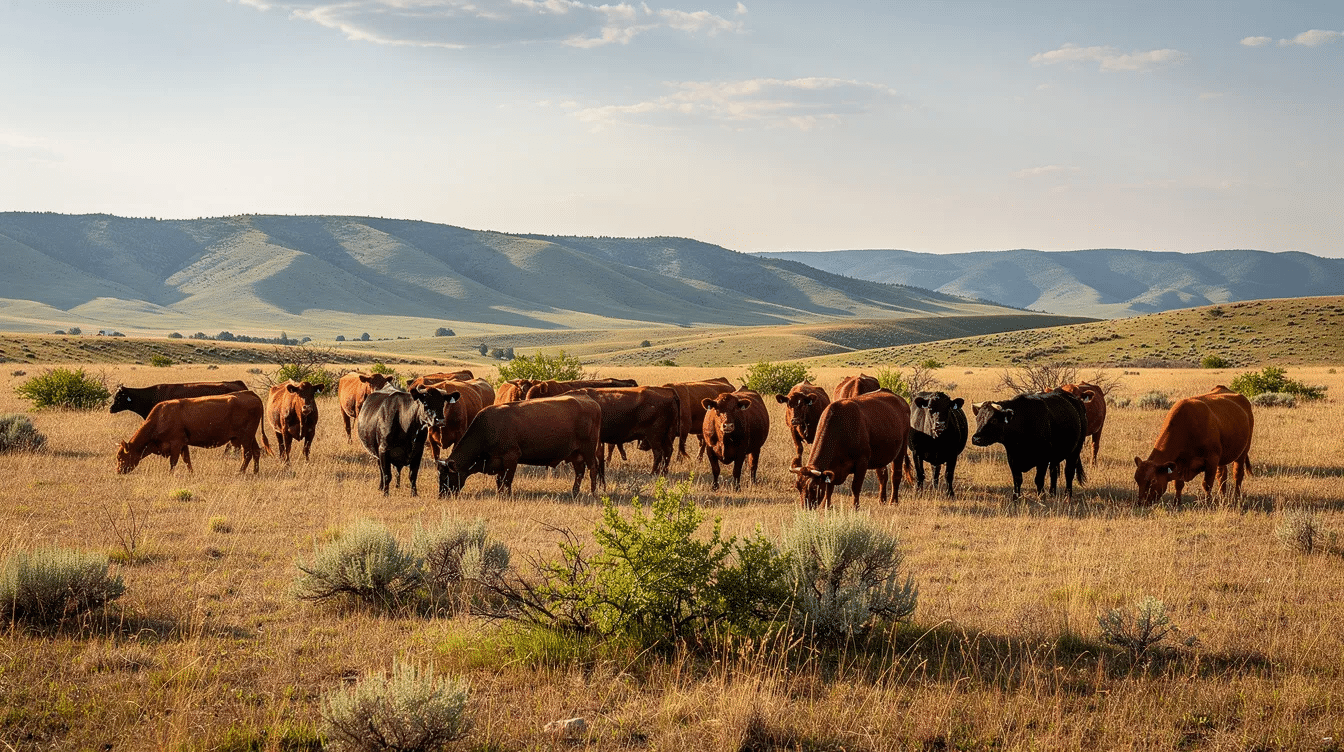
A modern farm and ranch newspaper is a niche publication centered on production agriculture, ranch management, and rural life. Agricultural newspapers often focus on issues affecting specific regions and local events, from county-level water board rulings to statewide grazing allotment changes. These papers target working farmers, landowners, agribusiness managers, and students with content tied to operations, economics, and land stewardship.
Market and Commodity Briefs
Timely updates on commodity prices help producers make informed decisions on when to sell grain, lock in futures, or adjust feed purchases. Most papers run daily or weekly snapshots of grain, livestock, and futures data. Market data is provided by Barchart Solutions in many outlets, and futures prices are at least 10 minutes delayed. An “s” after a quote indicates a settlement price. These briefs also track supply numbers, export demand, and feed costs. To see how consumption patterns shift over time, consider that U.S. cheese consumption increased 30% over two decades, a trend dairy producers tracked through exactly this kind of reporting.
Policy and Regulation
Agricultural publications provide updates on local, state, and federal agricultural policies. Typical coverage includes:
- USDA wetland classification changes that alter what land qualifies for certain programs
- BLM grazing rules affecting public-land allotments in states like Idaho, Montana, and Oregon
- State animal welfare statutes and emerging climate regulations
Policy changes and tax updates in agricultural publications help producers stay compliant and avoid penalties that can run into thousands of dollars per violation.
Weather, Drought, and Wildfire
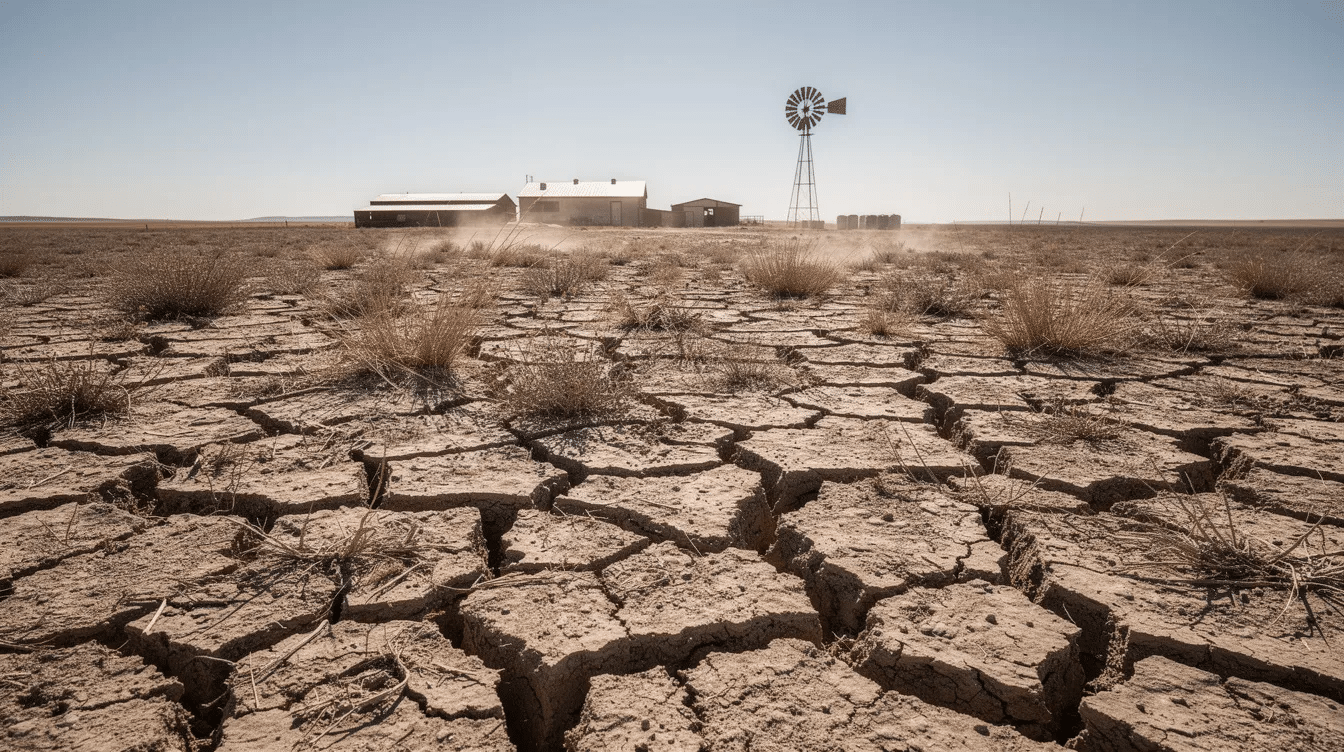
Regional publications offer localized weather forecasts tailored to planting and harvesting schedules. Papers report drought severity, fire danger levels in rangelands, and bark beetle outbreak risks. As 2027 approaches, some outlets have flagged historic drought risk in Northern Rockies and Southwest regions due to sustained precipitation deficits.

Feature Stories and the Human Voice
Ranch profiles give these papers their personality. Multi-generation outfits, like Montana’s Camas Creek Cattle and Sheep Company, might be profiled when a family puts land on the market after more than a century. Day-in-the-life pieces follow young producers and interns working 6 a.m. to dusk on cattle or sheep operations in places like Fairy, Texas. Legacy and history articles cover 100-plus-year-old ranches navigating succession plans, wildfire recovery, or market shifts from wool to beef, paralleling the broader story of historic ranch houses in American architecture.
Lifestyle and Education Content
- Wildlife and pollinator columns: Quail habitat under grazing regimes, turkey population management, native bee conservation, predator control methods
- Home and kitchen pages: Seasonal recipes using farm-fresh ingredients; an apple fritter quick bread taking about 1 hour 40 minutes and serving 10 is a recent example
- Historical vignettes: Civil War letters from rural soldiers, ghost towns like Navajoe in Oklahoma, stories of old ranching trails like the Chisholm and Goodnight
These papers also run short research summaries from land-grant universities such as Texas Tech, Oregon State, and UC Davis. Recent topics include beef genetics trials, tree-fruit variety yields under drought, and experimental blue wheat bred for fusarium resistance. Coverage of new livestock technology is growing; virtual fencing uses solar GPS collars for livestock management, and rotational grazing improves pasture health and extends grazing seasons. In the feed space, hydroponic systems can yield over 1,000 pounds of feed daily. FarmBox Foods announced a hydroponic fodder farm in 2022, and automated hydroponic farms can yield over 1,000 pounds of feed daily, offering a scalable alternative to traditional forage.
Why Farm and Ranch Newspapers Matter for Producers and Landowners
Farm and ranch newspapers combine market intelligence and technical expertise in one resource. General news outlets rarely cover county water board votes, neighbor land sales, or regional labor shortages. Those specifics often determine whether an operation expands, holds, or sells.
Economic Value and Market Signals
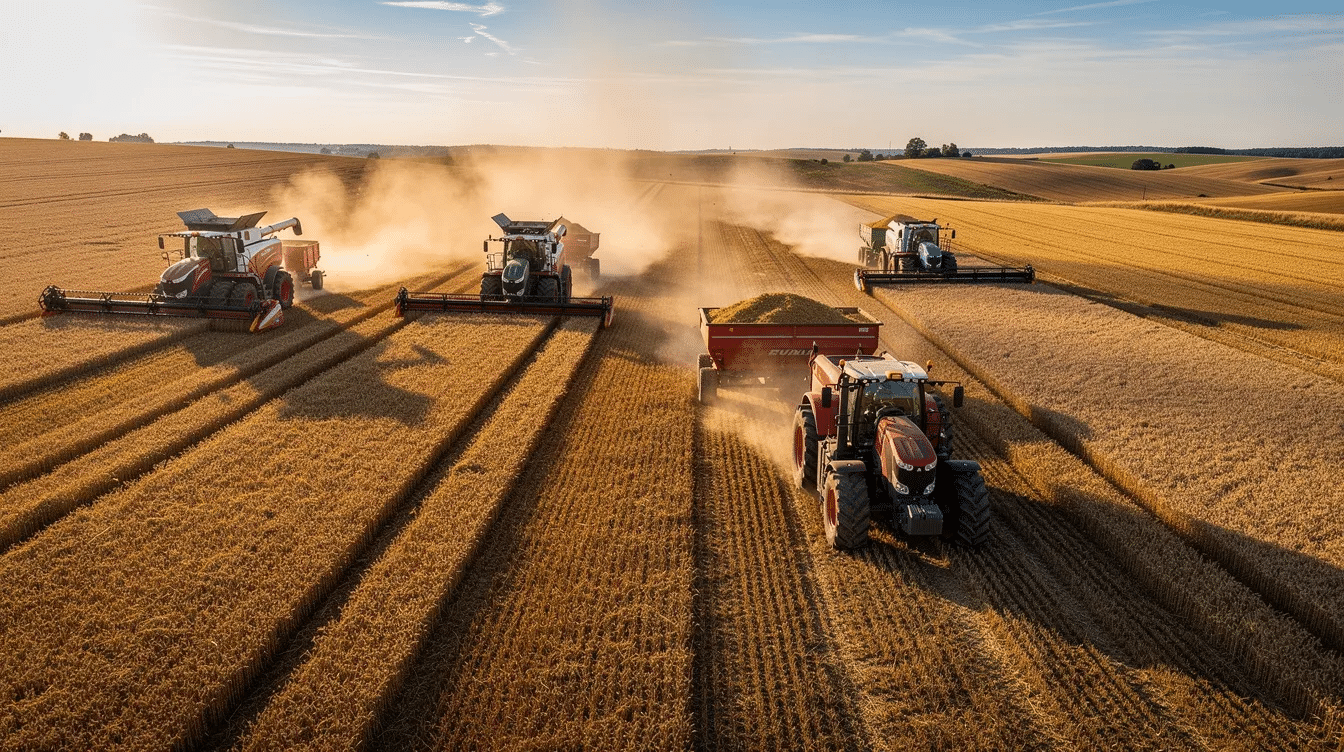
Equipment auction calendars are a staple. July and August 2026 sales calendars for ranch tractors, balers, and combines help readers time purchases when supply is tight or offload surplus when demand peaks. Tractors and combines are essential for efficient field operations, and knowing the right auction window can save or earn producers thousands.
Property coverage creates pricing benchmarks. Turkey Track Ranch in the Texas Panhandle, around 80,000 acres bundled with mineral and renewable-energy potential, was listed at $200 million, later reduced to $180 million. Lenders use listings like this when underwriting agricultural loans. In South Texas in Q1 2026, median rural land price reached about $6,277 per acre, with total dollar volume approaching $200 million on typical parcels of roughly 298 acres.
Farms can generate income through various agricultural products, and farm ownership can lead to financial independence when producers pair good data with good timing. Subscriptions to agricultural publications offer access to networking opportunities and classifieds that connect buyers, sellers, and service providers.
Risk Management and Compliance
Reporting on Idaho water curtailment orders shows how reduced carryover projections affect planting decisions downstream. Pieces on acorn toxicosis in livestock, combine and baler fire safety during dry seasons, or bird-flu outbreaks give producers actionable steps for herd and equipment protection. Repurposing materials reduces waste in agriculture, and papers often profile operations that reuse structures, fencing, or irrigation components rather than buying new.
Expert production advice in farm newspapers improves productivity and efficiency, whether the topic is parasite management in backyard poultry or drought-resistant forage blends for 5,000-head operations.
Community and Advocacy
Opinion letters from farm leaders address the farm bill’s conservation programs, H-2A labor enforcement, and trade issues such as dairy tariffs on Canada. Event calendars list field days at OSU Hood River, “Field to Fork” events in northern Idaho, and youth 4-H and FFA schedules. These create both networking and direct-to-consumer marketing opportunities, much like how thoughtful outdoor design and landscaping for ranch-style homes can strengthen on-farm branding and curb appeal for visitors and customers.
For many rural families, a farm and ranch newspaper acts as a record of local achievements: 4-H ribbons, livestock show champions, ranch anniversaries, obituaries. Owning a farm provides a rewarding lifestyle experience, and farm ownership allows for personal connection to nature, echoing the broader appeal of ranch-style living across the United States. Farmers can benefit from growing their own food, and papers often celebrate those stories alongside features on how even public figures embrace ranch-style homes as part of their lifestyle. Lancaster Farming, publishing weekly since 1955 with a paid circulation of about 53,000, runs roughly 200-page issues covering agribusiness, market reports, livestock, and rural life. Lancaster Farming is known for farm technology, equipment, auction results, and country life. According to industry surveys, 82% to 97% of farmers and ranchers read farm magazines and newspapers monthly, with about 81% reading weekly.
This kind of news preserves community identity across generations, especially where small towns have lost other local media outlets. If you want to learn what’s shaping agriculture in your region, contact your nearest ag publisher and ask about a trial subscription. You can start with a print or digital edition and track one commodity or land-value metric over the next 30 days; the information pays for itself the first time it catches a policy shift or auction listing you would have missed.
FAQ
Below are short answers to common questions about farm and ranch newspapers not fully addressed above.
How often is a typical farm and ranch newspaper published?
Most titles publish weekly or twice weekly. Many also offer digital eEdition access and web alerts on market-sensitive days, so ranchers can check commodity quotes, auction notices, and urgent policy changes without waiting for the next print issue. Print remains strong for physical ads, especially equipment and land sales.
Who usually writes for a farm and ranch newspaper?
Staff reporters with agriculture specializations, freelance ag journalists, extension agents from land-grant universities, and producers themselves. Ranchers contribute first-hand columns on calving seasons, grazing management, or water disputes. This mix ensures both professional journalism standards and practical, on-the-ground detail.
Is the content only relevant for large operations?
Coverage scales from 20-acre hobby farms to 80,000-acre legacy ranches. Smaller operators find value in backyard poultry parasite management, small-equipment auctions, forage pricing, and pasture lease rates. Larger operations track mineral rights bundled with property listings, federal grazing allotments, and multi-state drought forecasts. The same issue often serves both audiences.
Can readers outside major ranching states still benefit?
While many stories originate in Texas, Montana, Oregon, Idaho, and California, the underlying topics cross state lines. Drought planning methods developed in the Southwest apply to producers in the Southeast. Soil conservation practices rooted in the Dust Bowl era remain relevant across the Great Plains. Biosecurity reporting on bird flu and livestock disease covers federal rules that apply nationally. The time spent reading a regional ag paper often returns lessons that transfer to any operation.
What role does technology coverage play in these newspapers?
Farm and ranch newspapers increasingly report on precision agriculture tools. Virtual fencing uses solar GPS collars for livestock management, replacing miles of physical fencing on large rangeland operations. Papers also cover hydroponic feed systems, drone-based crop scouting, and soil sensor networks. This coverage helps producers evaluate whether a new technology fits their scale and budget before committing capital.