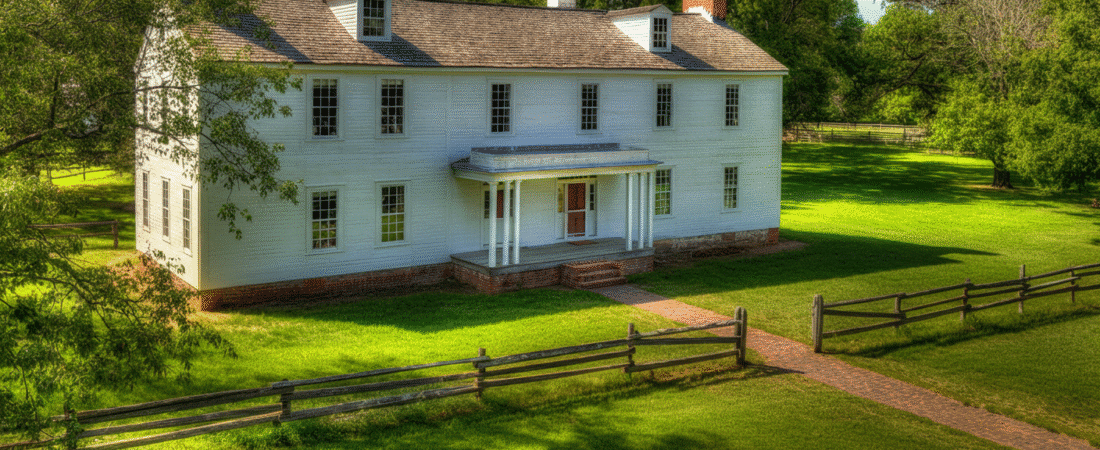
A colonial ranch house is such a cool mix of two classic American home styles. The history and architecture of the colonial ranch house reflect an evolution that combines traditional colonial influences with the practical design of ranch homes. It takes the cozy, one-level living of a ranch house and adds a sprinkle of colonial charm. Colonial ranch houses add American Colonial features to the facade of the California ranch house, creating a unique blend of styles. The concept of the colonial ranch house blends formal colonial elements with the relaxed, informal nature of ranch-style living. I’ve always been drawn to houses with character, and this style has it in spades. It feels both traditional and modern at the same time, which is a tricky thing to pull off!
TLDR: What’s the Big Deal with Colonial Ranch Houses?
- Best of Both Worlds: You get the benefits of single story living with the ease of a ranch and the classic look of a colonial home. Think exposed brick and maybe an attached garage.
- Family-Friendly: These homes often have big, open floor plans. The dining rooms are usually spacious, which is perfect for family dinners or having friends over.
- Great Curb Appeal: They use a mix of materials like brick, stone, and wood. The outside styling is a big focus, making them look great from the street. Some are even “raised,” which adds a little extra height.
- Flexible Style: They blend old and new ideas, so they don’t feel cookie-cutter. You can really make it your own.
Understanding Ranch Style House Characteristics
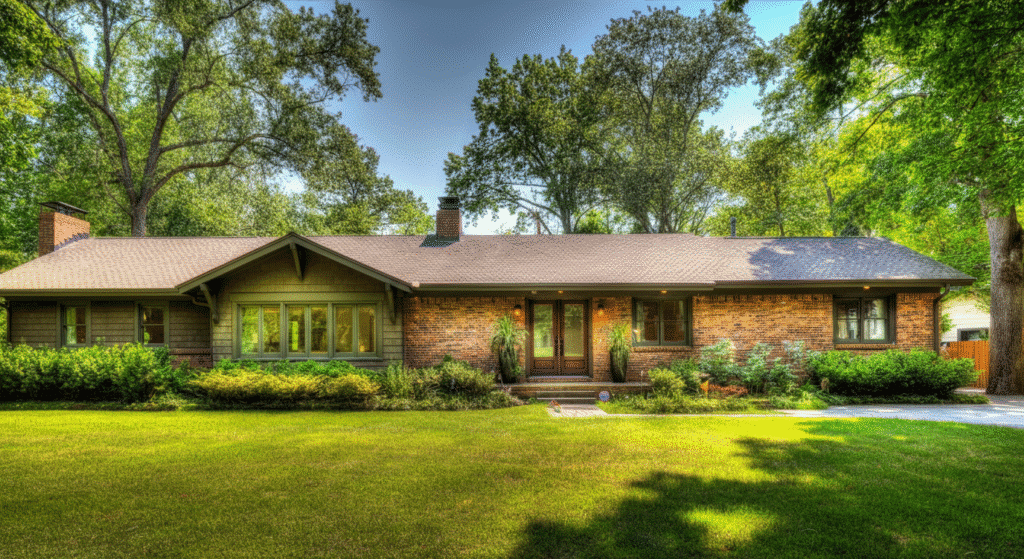
Let’s talk about the ranch part of the equation. Ranch houses became super popular because they are just so practical. I remember my grandparents living in one, and it was the easiest house to get around in.
Ranch homes are known for their long, low shape. They stretch out horizontally, which gives them a really grounded feel. The layout inside is usually wide open, with big windows that let in tons of light. Ranch homes are typically built with simple, efficient construction methods, often using materials like wood framing and brick, which helped make them affordable and easy to modify over time. The ranch-style house originated in the United States in the 1920s, drawing inspiration from Spanish colonial architecture. It always felt like the backyard was part of the living room, thanks to the sliding glass doors that are common in this style. Ranch houses often feature low-pitched roofs and exterior walls made from materials such as wood siding, brick, or stone, which contribute to their distinctive look and connection to the landscape.
Key Features of a Ranch House
| Feature | Description | Why It’s Great |
|---|---|---|
| Single Story | Everything is on one level. | No stairs to climb! It’s great for young families and older folks. |
| Low-Pitched Roof | The roof isn’t very steep. | Gives the house its signature long and low profile. |
| Open Layout | Rooms flow into each other. | Makes the space feel bigger and is great for entertaining. |
| Attached Garage | The garage is part of the house. | Super convenient, especially when it’s raining or snowing. |
These houses really put an emphasis on connecting with the outdoors. It’s not uncommon to see a big porch on the front or a patio out back. Concrete is a popular material for patios and pathways in ranch homes, offering durability and a seamless integration with the landscape. Ranch houses were built throughout America and were often adapted to meet the individual needs of the owner, making them versatile and highly customizable. It’s a style that invites you to go outside and enjoy your yard.
“A home should be a treasure chest of living.” – Le Corbusier
Colonial House Exterior Features and Raised Ranch Design
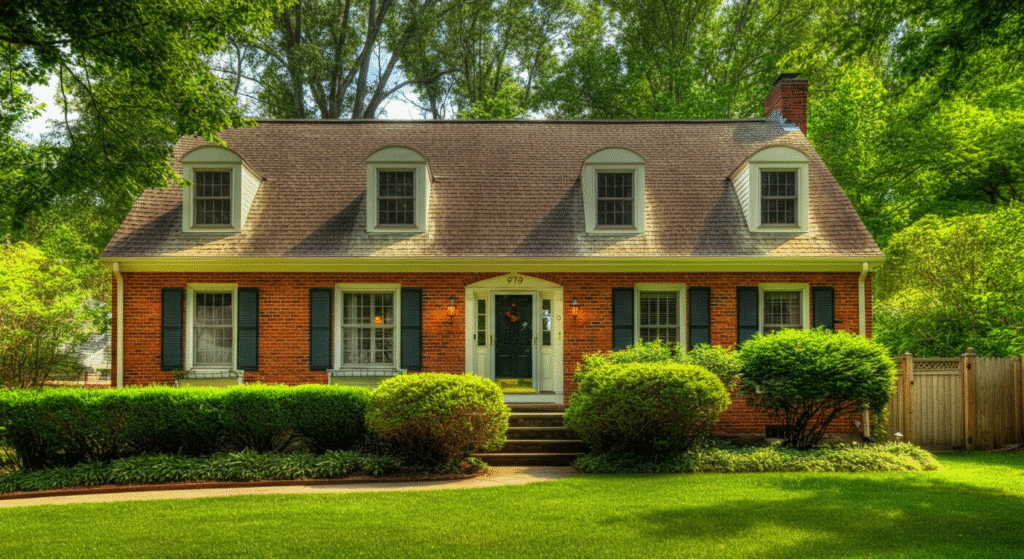
One of the most cracking things about a colonial ranch house is how it brings together the best of both worlds when it comes to the outside look. classic colonial house style—think those lovely symmetrical lines, charming shutters, and dead gorgeous brick or stone—gets a proper fresh twist when you pair it up with the laid-back, horizontal lines of a ranch style house. Colonial Ranch houses typically feature symmetrical doors and windows, often with double-hung casement divided 6 over 6, adding to their timeless appeal. This blend creates a home that’s both welcoming and dead sophisticated, with loads of curb appeal to make your dream home a right standout in any neighbourhood.
When you have a look at a raised ranch, the outside features are more than just good looks—they’re designed to actually work for you, too. Raised ranch homes often show off exposed brick, natural stone, or even stucco facades, giving the house a textured, layered appearance thats both modern and proper rooted in tradition. Wood accents and wide front porches add warmth and a sense of invitation, while large windows and sliding glass doors help blur the line between indoors and out. This is dead appealing in places like San Francisco or Santa Barbara, where the scenery is just too beautiful to keep locked outside.
The raised ranch design is all about making the most of your site and square footage, and its brilliant for that. With a split-level floor plan, you’ll often find the main living spaces—like the living room, dining room, and kitchen—on the upper floor, taking advantage of natural light and views. Bedrooms and bonus spaces are typically tucked away on the lower level, offering privacy and flexibility for families, guests, or even a home office. Attached garages are a common feature, making daily life loads more convenient, especially in busy neighbourhoods or areas with unpredictable weather.
Landscaping and outdoor living spaces are also key bits in colonial ranch and raised ranch homes. Courtyards, patios, and porches are designed to extend your living area outside, perfect for entertaining or just having a proper relaxing time in the sun. The use of natural materials like stone, brick, and wood helps the house blend seamlessly with its surroundings, whether you’re nestled in a leafy Dallas suburb or overlooking the hills of California. Colonial Ranch houses may feature additional architectural details such as shutters, dormers, and cupolas, enhancing their charm and connection to traditional design.
When it comes to house plans, the options for a raised ranch are nearly endless, and thats the beauty of it. You can go for a more traditional ranch house style with classic colonial touches, or opt for a sleek, modern look with clean lines and minimalist details. Square footage can range from cozy to dead expansive, depending on what you need and your budget. Features like a first-floor master suite, second-floor bedrooms, or flexible bonus rooms let you create a layout that works for your lifestyle—whether you’re raising a family, hosting mates, or planning for the future.
For buyers and builders alike, the colonial ranch and raised ranch styles offer a cracking opportunity to create a home thats both timeless and tailored to modern living. With thoughtful outside styling, smart use of space, and a focus on connecting with the outdoors, these homes are a right standout choice in any market. Whether you’re dreaming of a storybook ranch in Santa Barbara or a spacious family home in Dallas, the colonial ranch style is sure to deliver charm, comfort, and lasting value that’ll make you dead chuffed.
Exploring Floor Plan Options for a Dream Home
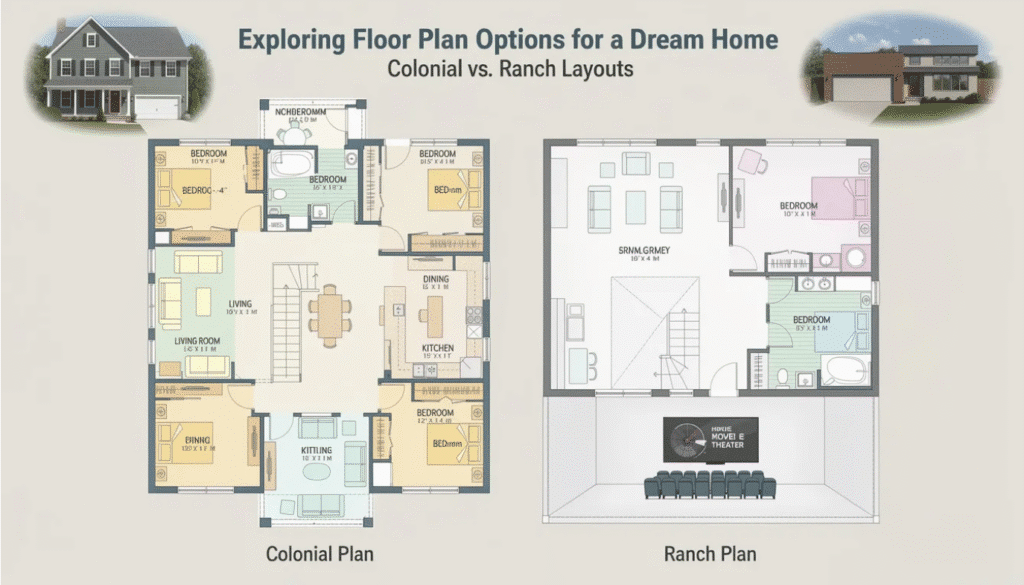
When you’re thinking about your dream home, the floor plan is probably the most important piece of the puzzle. One key point to consider is how the layout highlights specific features or focal areas that enhance both function and design. It’s how the space will actually work for you and your family every single day. Let’s look at a few common options.
The right floor plan not only improves your daily living but can also make your home more attractive at the time of sale, potentially increasing its market value.
The Colonial Plan
A traditional colonial floor plan is usually two stories. All the bedrooms are typically upstairs, and in some layouts, they may be grouped on one side of the house. This creates a nice separation between the sleeping areas and the living spaces downstairs. It’s a classic for a reason and works well for many families.
The Ranch Plan
As we talked about, the ranch plan is all about one-level living. Every room, including all the bedrooms, is on the main floor. This layout is fantastic for accessibility. Plus, they often have huge basements, which is a bonus for storage or creating a fun rec room. I once saw a basement that was turned into an entire movie theater. It was amazing!
The arrangement of bedrooms and living spaces in ranch homes is designed to optimize rest and relaxation, making them ideal for comfortable living. White walls are a popular choice in ranch interiors, giving the spaces a bright and airy feel.
The First-Floor Master Plan
This one is a clever hybrid! It gives you the convenience of a ranch by putting the master bedroom on the first floor. In some first-floor master plans, the master suite is located at the center of the home for easy access. Then, the other bedrooms are upstairs, like in a colonial. It’s a great setup if you want some privacy from the kids’ rooms or plan to stay in the home as you get older.
The Split-Level Ranch Plan
Split-level homes are another unique option. They have staggered floor levels, which can be a practical way to build on a sloped lot. It creates distinct zones in the house. For example, you might walk in on one level with the living room and kitchen, then go down a short flight of stairs to a family room or up a short flight to the bedrooms. It breaks up the space in an interesting way and can feel very spacious. Split-level layouts can also include bonus spaces, such as a cozy library or reading nook, providing a quiet retreat within your home.
Choosing a floor plan is a big decision, but it’s also the fun part where you get to imagine your life in the new space. Whether you’re drawn to the classic ranch or a modern mix, there’s a perfect layout out there waiting for you. Working with a contractor can help you customize your split-level ranch to include features like a French-inspired courtyard, blending style and function to suit your needs.