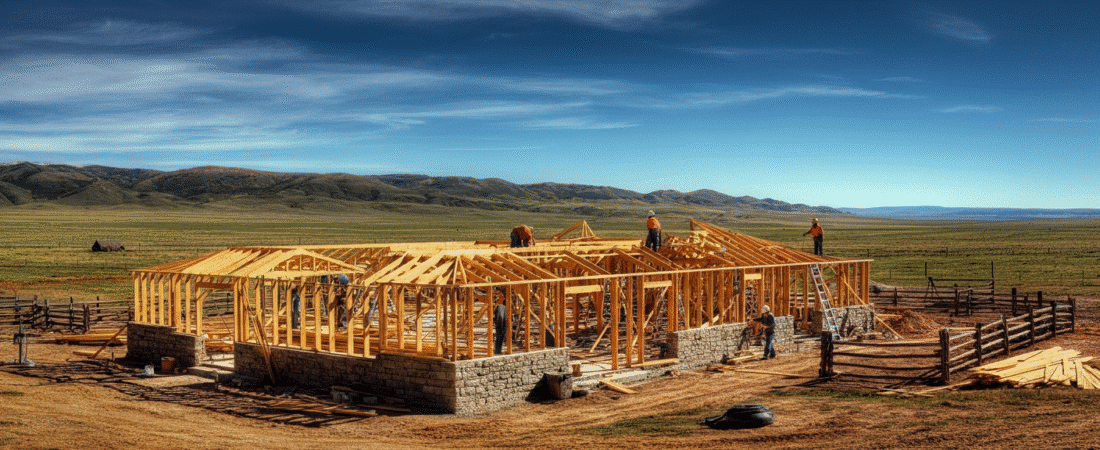
So, you’re thinking about building a ranch? Awesome! I remember when the idea first popped into my head. It felt huge, a little wild, and honestly, pretty exciting. For many, the desire to build a legacy or create a better future for their family is a key motivator for starting this journey. It’s more than just putting up a house; it’s about creating a whole new way of life from the ground up and reaching the milestone of establishing your own ranch. Building a ranch can be a massive undertaking that requires significant time and emotional investment. I’ve been down this road, and let me tell you, it’s a heck of a ride with plenty of lessons learned along the way. Before you start building, having a strong foundation—whether in planning, research, or mindset—is essential for long-term success.
In a Nutshell: What You Need to Know
- Plan First, Build Later: Your land’s size, layout, and what you want to do with it (cows? horses? just peace and quiet?) should be your starting point. Do thorough research before making decisions, and make sure you’re ready before breaking ground. A good plan saves a lot of headaches.
- Budgeting is Key: Costs can sneak up on you. Figure out what you can spend on the land, home, barns, and everything in between. Expect some hidden or unexpected costs along the way—it’s better to know your numbers before you start digging.
- Choose Materials Wisely: Think about your local weather and what you need your buildings to do. Materials like steel can be great for durability, but it’s all about what works for your spot and your wallet.
- Value Isn’t Just Money: Sure, a well-built ranch is a great investment. But the real value comes from creating a space that works for you and your family every single day.
- It’s an Ongoing Job: Once the building stops, the managing begins. From fixing fences to feeding animals, a ranch is always a work in progress. And that’s part of the fun!
Don’t worry if things seem overwhelming at first—many challenges are manageable with the right approach.
Planning Your Dream Space

Before I hammered a single nail, I spent months just walking my plot of land. Planning your ranch is probably the most important step. It’s where you get to dream, but also where you need to be practical. Take time to understand the full scope of your ranch project, including zoning, utilities, and regulatory considerations, before making any decisions.
Gather resources—such as expert advice, community input, and financial planning—to inform your plan.
Don’t hesitate to seek support from professionals or experienced ranchers during the planning phase.
Where Do I Even Start?
First things first, start with research to understand your land and all your options. Think about your land. How big is it? Is it flat, or does it have rolling hills? These things will decide where your house, barns, and fences go. I wanted my house to catch the morning sun, so I positioned it on a small rise facing east. Simple things like that make a huge difference.
You also need to decide what you’ll be doing. Are you planning on having livestock? If so, what kind? A setup for a few horses is way different from one for a herd of cattle.
As you move forward, consider assembling a knowledgeable team to help guide your decisions and ensure a successful project. Seeking out qualified professionals, such as surveyors or architects, in the early stages can help you avoid costly mistakes.
“A goal without a plan is just a wish.” – Antoine de Saint-Exupéry
That quote really hits home here. Your plan is your map. It doesn’t have to be perfect, but it needs to give you direction, including choosing the right builder to ensure your vision is realized safely and efficiently.
Designing the House
Now for the fun part: the ranch house! I always pictured a single-story home with a big porch. It just felt right for the setting. personalized and renovated to suit your needs, making them both functional and unique. Think about what you need. How many bedrooms? Do you want an open floor plan? I opted for a walkout basement because my land sloped a bit, and it was a great way to add extra space without a huge cost. Barndominiums are trendy structures that create visual interest and appeal on ranch properties, offering a modern yet rustic charm.
Here’s a quick look at how I broke down my initial home design thoughts:
| Feature | My Choice | Why I Chose It |
|---|---|---|
| Stories | One | Classic ranch style, easy to get around. |
| Footprint | Long and wide | Maximizes views and feels connected to the land. |
| Key Feature | Walkout Basement | Great for storage and a future game room! |
| Materials | Wood and Stone | Felt natural and fit the landscape. |
When planning your layout, remember that square footage directly impacts both the design possibilities and the overall cost of your project.
Be sure to consider all the key elements—like insulation, accessibility, and energy efficiency—when designing your ranch home.
Finally, explore different methods of construction and design to find what works best for your property.
The Nuts and Bolts of Construction
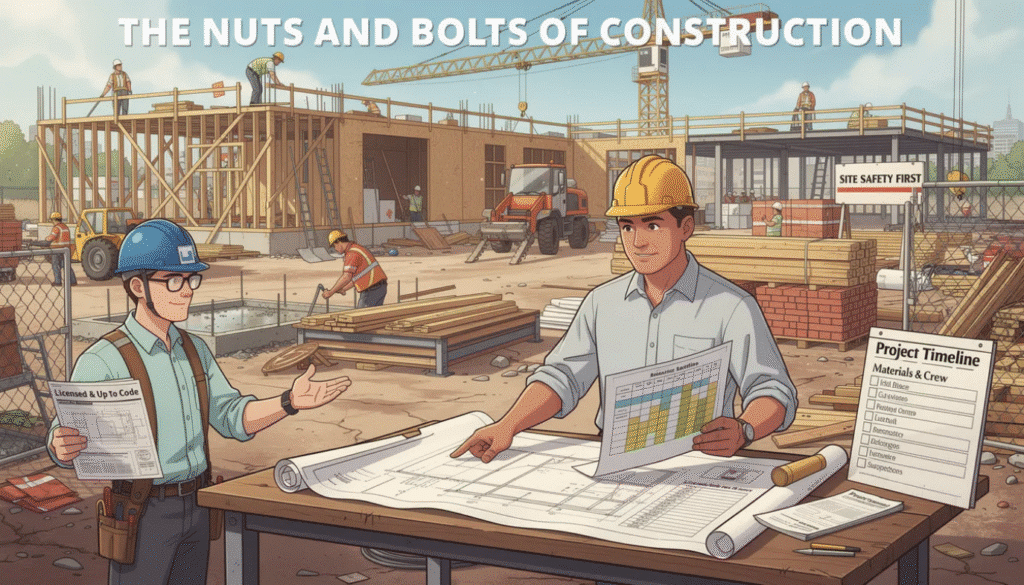
Alright, let’s get into the building process. Managing your project from start to finish is crucial to ensure everything goes smoothly. This is where your plans start to look like a real place. Make sure all plans are in place before you break ground to avoid costly mistakes. It can be messy and noisy, but seeing it come together is one of the most rewarding things ever.
Take the lead in coordinating schedules and resources to keep your project on track.
Hiring a licensed contractor is valuable to ensure everything is up to code and your project meets all legal requirements.
Picking the Right Spot
Location is everything. You want a spot that’s easy to get to but still feels private. The position of your home can greatly impact privacy, views, and property value. I had to build a long driveway, which added to my cost, but the seclusion was worth it. Also, think about utilities. Getting power and water to a remote spot can be a big expense. I had to have a well drilled, which was an adventure in itself! Water and land conservation regulations must be considered when building a luxury ranch home in a remote location. Use different methods to evaluate the best site for your ranch buildings. Make sure you check on local rules and get all your permits before you start, showing respect for local regulations. It’s a pain, but it’ll save you from bigger pains later. Relying on your knowledge or seeking expert advice can help you avoid costly mistakes.
Choosing Your Materials
Your buildings need to stand up to whatever nature throws at them. I live in an area with strong winds and heavy snow, so durability was my top priority. Some folks love steel buildings because they go up fast and are super tough. I went with a more traditional wood frame for my house but used a metal roof for longevity.
When planning your ranch infrastructure, don’t forget to include storage and maintenance areas for vehicles, which are essential for transportation, repairs, and material delivery. For outbuildings, consider building a garage or storage area from scratch to protect vehicles from the elements. A ranch vehicle garage should be well insulated and capable of handling different types of weather, ensuring your equipment stays in good condition year-round.
For your animal shelters, think about ventilation and light. Happy animals make for a happy rancher. Simple, sturdy structures often work best. Work with professionals to achieve a safe and functional design for your animal shelters, and ensure your buildings are ready for winter with proper insulation and weatherproofing. Stick to your original design plan to avoid costly changes down the road.
Making Your Property More Valuable
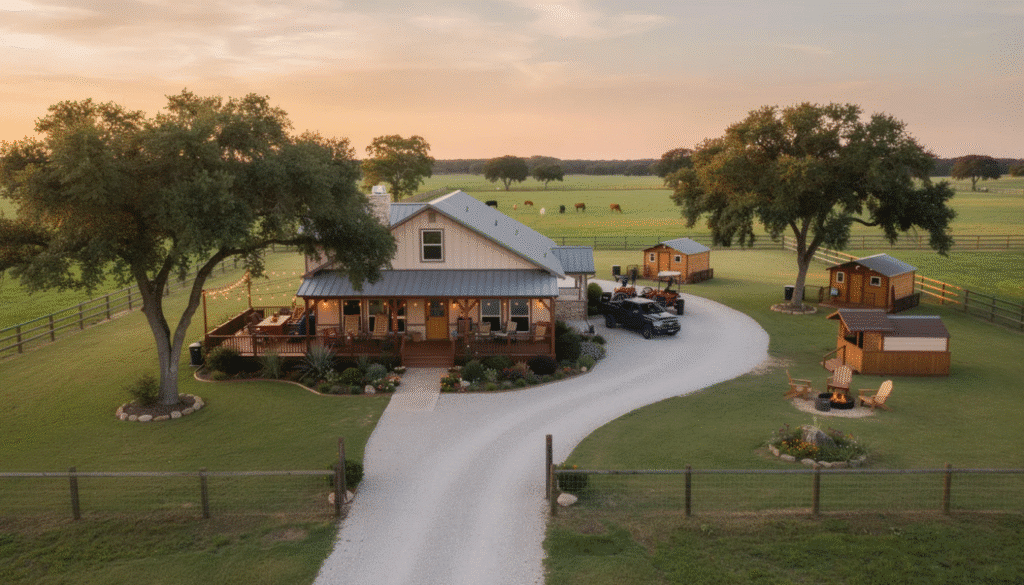
A ranch is more than a home; it’s an investment. Thoughtful design choices and strategic upgrades can significantly boost your property value. But I’m not just talking about money. A lot of the value is in the lifestyle it gives you. Still, it doesn’t hurt to think about how to make your property more appealing if you ever decide to sell, especially in a prime ranching state like Texas.
Adding things like a finished basement, a nice big deck for cookouts, or even just some good landscaping can make a big difference. Renovating houses to be more functional and attractive not only improves daily living but also increases market appeal. I planted a line of trees along the driveway, and it completely changed the feel of the entrance.
Keeping everything in good shape is also huge. Proactive homeowners who stay on top of maintenance can protect and even increase their investment. That means regular checks on fences, roofs, and equipment. You can expect to pay for common upgrades or repairs, but these costs are often outweighed by the long-term benefits to your property value. A well-maintained place shows pride of ownership, and people notice that.
If you’re interested in more than just living on your land, consider exploring business opportunities like agritourism or event hosting. These ventures can add another layer of value and enjoyment to your ranch. Small rental cabins can be a fantastic addition to ranch properties for short-term rentals, offering a unique experience for visitors while generating additional income.
And if you ever decide to sell or lease part of your property, building positive relationships with customers or clients can make the process smoother and more rewarding.
Living the Ranch Life
Once the construction dust settles, the real work begins. Managing and owning a ranch home is a full-time gig, but it’s the best one I’ve ever had. The responsibilities of owning a ranch are significant, but the rewards—like seeing your land thrive—make it worthwhile. Each season brings its own set of challenges and opportunities; summer requires careful water management and insulation for comfort, while fall is crucial for herd management and preparing for winter.
You’ll need a budget for ongoing costs. Feed for animals, vet bills, and equipment repairs are all part of the deal. Some systems use only a ton of energy, making them efficient and helping to keep utility bills manageable. I learned pretty quickly to set aside a “just-in-case” fund for unexpected expenses.
Don’t be afraid to ask for help. Whether it’s a neighbor with more experience or hiring a ranch hand, you can’t do it all alone. I have a great relationship with the folks on the next property over, and we help each other out all the time. Connecting with other people who are interested in ranching or rural living can make a big difference in your journey.
The most important part? Enjoy it. Take time to sit on that porch you built and watch the sunset. Running a ranch is hard work, but the rewards are immeasurable. It’s a life connected to the land, and for me, there’s nothing better. The kind of person who thrives here values hard work, integrity, and a strong sense of community.