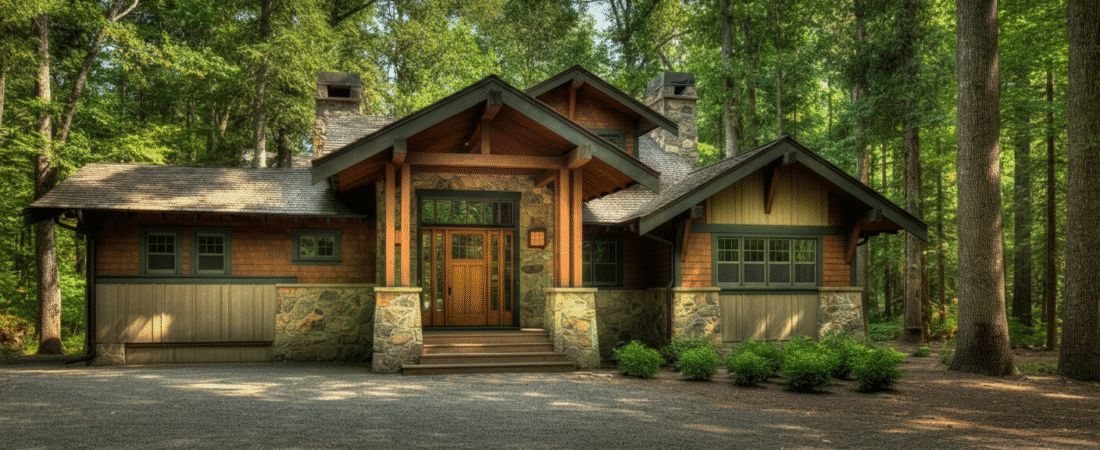
If you’re dreaming of a cozy getaway, a craftsman style cabin is probably the picture-perfect image floating around in your head right now. There is just something about that rugged yet refined look that screams “weekend relaxation.” I’ve spent way too many hours scrolling through cabin photos when I should be working, and let me tell you, this style wins every time. It’s got character, it’s got heart, and it doesn’t feel like a sterile box.
One of the best things about craftsman style cabins is the choice they offer clients—everything from the number of bedrooms and interior layout to the selection of building materials and exterior features can be customized. This means each home is tailored to fit clients’ unique needs, preferences, and vision, making every cabin a truly personal retreat.
When I look at these places, I don’t just see a house; I see a story. Craftsman-style cabins are designed to blend seamlessly with their natural surroundings, often using natural materials and horizontal lines to create harmony between the home and landscape. It’s like each cabin is a page from a storybook, with architecture and details that evoke a sense of timeless narrative and visual unity. Whether you are planning to build one from scratch or just daydreaming like me, knowing what makes these cabins tick is half the fun.
TL;DR Summary
- What is it? A style from the late 19th century that loves simplicity and hand-made details.
- The Vibe: Cozy, warm, and built to fit in with nature, not fight against it.
- Key Exterior Looks: Wide eaves, exposed rafters, and lots of wood and stone.
- The Roof: Low-pitched gable roofs are the signature hat of this style.
- Why we love it: It feels like a real home, not a factory product.
Introduction to Craftsman Style
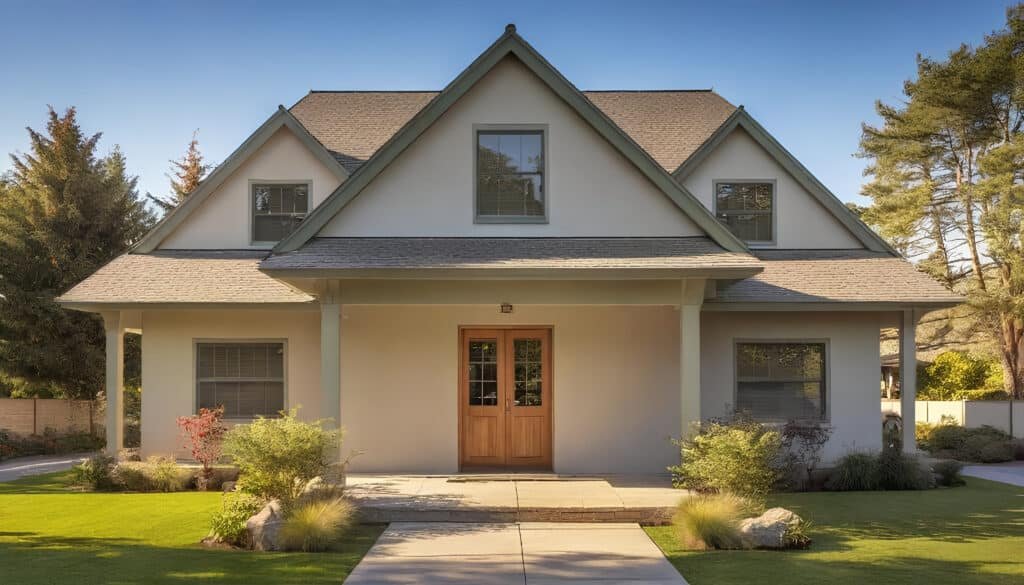
So, where did this all start? The Craftsman style is a popular architectural style that originated in the late 19th and early 20th century, emphasizing simplicity, handcrafted details, and natural materials. Back then, folks were getting tired of factories churning out identical stuff. They wanted something that felt human. Craftsman house plans gained popularity from 1905 through 1930 and have seen a resurgence in interest since the late 20th century.
This style is known for its cozy and comfortable homes, often featuring built-in furniture and open floor plans. Craftsman house plans are family-friendly, with built-in storage and open yet defined spaces that promote family interaction. The designs and layout of Craftsman homes can be customized to fit the homeowner’s needs and preferences, encouraging imagination in the planning process. The adaptability of a Craftsman house plan makes it ideal for different lifestyles, allowing for unique configurations and personal touches. It was honestly way ahead of its time. You know how everyone wants an “open concept” now? These guys were doing it way back when.
A Reaction to the Machine Age
The Craftsman style is a reaction against the Industrial Revolution’s mass production, focusing on unique, handcrafted elements. It was basically the original “shop local, buy handmade” movement. Instead of trying to be fancy and ornate like the Victorians, Craftsman builders said, “Let’s make it strong, simple, and beautiful.”
“Ideally, a house should fit its owner like their clothes.” — Stickley (The Godfather of Craftsman style, probably)
Craftsman style homes are renowned for their low-pitched gable roofs and decorative brackets. You can spot them a mile away because they look like they are hunkering down, protecting the people inside. The style is often associated with the arts and crafts movement, which emphasized handcrafted artisanship over mass production. It’s all about showing off the work that went into building it.
Exterior Features
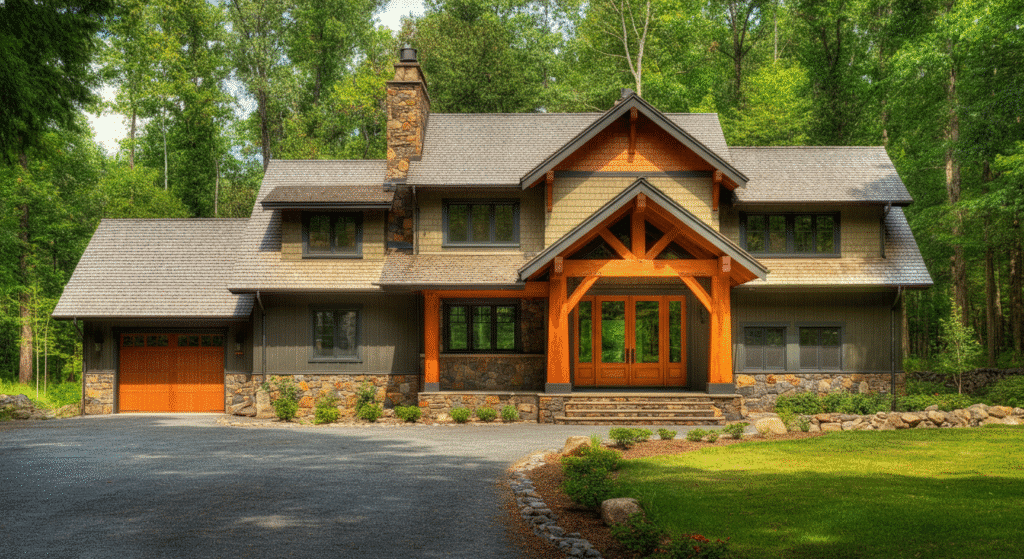
Okay, let’s talk curb appeal. Exterior features of Craftsman style homes typically include wide eaves, exposed rafter tails, and a focus on natural materials. Craftsman-style cabins often blend seamlessly with their natural surroundings, using a mix of materials and rich textures to create harmony between the home and landscape. These cabins typically range from 1,200 to 2,500 ft, offering spacious layouts that feel both cozy and open. Large windows and high ceilings with exposed heavy timber beams and trusses are common, connecting the interior with the outdoors and filling the space with natural light. Many craftsman-style cabins utilize a mix of true wood components and composite materials for low maintenance, ensuring lasting beauty and durability.
The use of wood, stone, and brick creates a cozy and inviting exterior. Compared to log and other traditional homes, craftsman cabins often feature distinctive wall elements like gable walls, shiplap, or stone accents, setting them apart with a rustic yet elegant look. A large, substantial fireplace often serves as the focal point in Craftsman-style cabins, adding both visual interest and a sense of warmth to the interior. I love seeing a big stone base on a cabin; it just grounds the whole thing. It looks like it grew right out of the earth.
Porches and Nature
Porch columns and window seats are also common features of Craftsman style homes. And let’s be real, is it even a cabin if you don’t have a front porch to drink your coffee on? These porches are usually deep and wide, supported by thick, tapered columns. Homeowners can enjoy these cozy spaces, which are designed to create a warm and inviting atmosphere using warm color palettes and natural textures that enhance comfort and relaxation.
The exterior design often blends seamlessly with the surrounding landscape, creating a sense of harmony with nature. You won’t see bright neon colors here. It’s all browns, greens, and rusty reds. The emphasis on natural materials, handcrafted details, and a variety of textures gives Craftsman style homes a unique and charming character.
| Feature | Why It’s Cool |
|---|---|
| Wide Eaves | Keeps the rain off and looks super distinctive. |
| Tapered Columns | Makes the porch feel like a fortress. |
| Stone Pedestals | Grounds the house to the earth. |
| Earth Tones | Helps the cabin hide in the woods. |
Roofing Styles
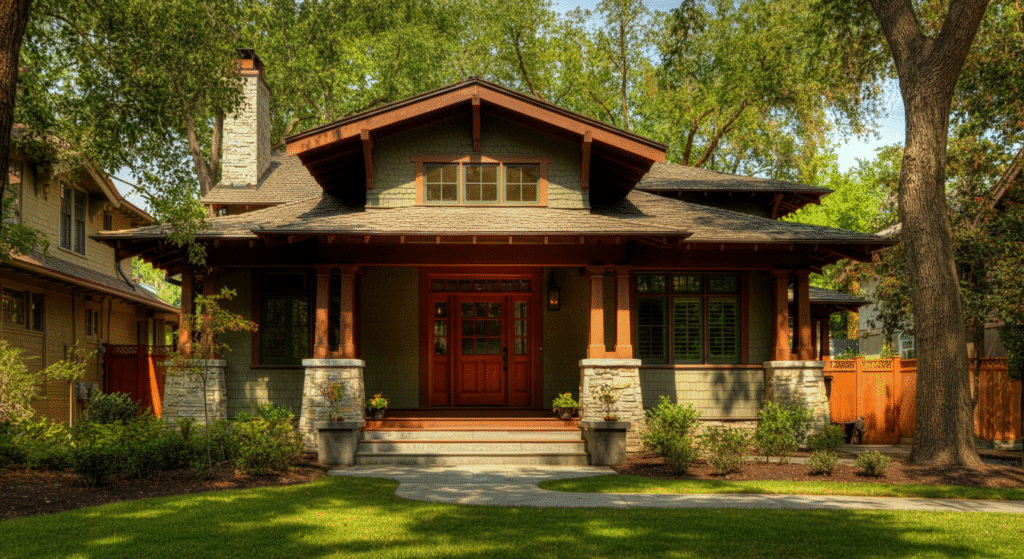
Now, look up. Low-pitched gable roofs are a hallmark feature of Craftsman style homes, creating a horizontal emphasis and a sense of solidity. These roofs, along with wide overhanging eaves and exposed rafters, serve both an aesthetic and functional purpose by providing shade, protecting the structure from the elements, and enhancing ventilation. They aren’t steep and pointy. They are low and wide, kind of like a hat pulled down low over your eyes.
The use of exposed rafters and decorative brackets adds to the charm and function of the roof design. You know those little wooden beams sticking out under the roof edge? Those are rafter tails, and in most houses, they hide them. In a Craftsman cabin, they show them off. When planning your craftsman style cabin, choosing cost-effective roofing materials can help manage costs while still maintaining the distinctive look and quality design of the style. I think it’s such a cool touch—it’s like seeing the skeleton of the house, but in a good way.
Materials Matter
Roofing materials often include wood, metal, and clay, which complement the natural materials used in the exterior design. If I were building my dream spot, I’d probably go for a metal roof. The sound of rain on a tin roof? Nothing beats it.
Just as the exterior uses authentic materials, the interiors of a craftsman style cabin are thoughtfully designed to reflect harmony with nature, featuring natural wood, handcrafted furnishings, and curated textures. Natural wood finishes, such as oak and fir, are particularly popular, adding warmth and authenticity to the space. Special attention is given to the kitchen, where built-in cabinetry, vintage fixtures, and rustic decor create a warm, inviting space that seamlessly integrates with the rest of the interiors. Custom or vintage plumbing fixtures in both the kitchen and bathrooms further enhance the craftsman aesthetic, adding character and a sense of timeless craftsmanship.
The roof design is typically simple, yet functional, and provides a sense of comfort and security. It feels protective. The low-pitched gable roof is a distinctive feature of Craftsman style homes, setting them apart from other architectural styles. It tells you right away: this is a place to relax, unwind, and maybe do a little whittling on the porch.
Siding and Trim
When it comes to knocking up the perfect retreat, the siding and trim of your Craftsman style cabin aren’t just finishing touches—they’re what sets the whole tone for your home’s unique style. In proper Craftsman fashion, these bits are all about blending the house with its natural surroundings and showing off the beauty of proper materials. Whether you’re drawn to the rustic charm of cedar shakes or the timeless appeal of brick and stone, Craftsman style house plans offer loads of options that celebrate the crafts movement’s love for simplicity and artistry.
One of the dead giveaways of Craftsman style homes is the thoughtful use of natural materials for both siding and trim. Picture warm wood siding, perhaps in rich earth tones, paired with stone accents that anchor the house to the landscape. This isn’t just about looks—its about creating a cozy, welcoming vibe that feels right at home in the woods or by the lake. The trim, often painted in complementary shades, frames windows and doors with clean lines and subtle flair, adding to the handcrafted details that make this architectural style so beloved.
But its not just the materials that matter—its how they’re put together. Craftsman house plans typically feature trim that highlights the structure’s best bits, from decorative brackets under the wide eaves to the exposed rafter tails that peek out beneath the low-pitched gable roofs. These details aren’t just for show; they’re a nod to the philosophy that every part of the house should be both beautiful and functional.
Inside, the attention to detail carries on with built-in furniture like window seats and cozy nooks, seamlessly connecting the interior to the exterior’s inviting character. These built-ins don’t just maximize space but also add to the sense of comfort and craftsmanship that defines the style. Craftsman homes typically feature extensive wood trim and prominent fireplaces, which serve as central elements in creating warm and inviting environments. For homeowners who value individuality, there’s loads of room to explore different combinations of siding and trim, whether you prefer the classic look of wood and stone or want to have a go with modern, low-maintenance materials that still capture that Craftsman spirit.
At the end of the day, the siding and trim are what give Craftsman style homes their unmistakable character. They offer a chance to create a house that feels both timeless and personal, standing out from other architectural styles with their emphasis on natural materials, handcrafted details, and a proper connection to nature. Whether you’re dreaming of a snug two-bedroom bungalow or a spacious century-old retreat, Craftsman style house plans provide endless opportunities to add warmth, character, and a touch of artistry to your dream home.