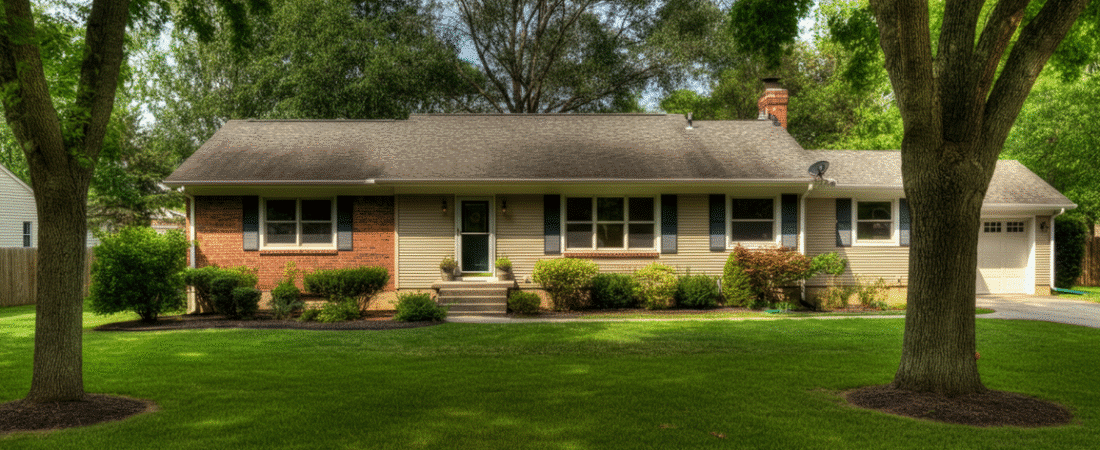
When I started looking into home plans, the average ranch house dimensions were the first thing I checked out. It’s funny how a few numbers on a page can totally shape how you imagine living in a space. These single-story homes are famous for their long, low look and wide-open feel. Ranch-style houses are typically single-story structures with an extended, low profile. They became super popular a while back and are still a favorite for many people, including me. We’re going to walk through what makes a ranch house a ranch house, from its history to why its layout is so practical. I’ll share what I’ve learned about sizes, room counts, and why the structure is so important.
As a general rule, ranch house dimensions and layouts have followed certain standards over the years, with typical room counts and square footage that reflect their era. It’s also worth noting that the dimensions of a new home today often differ from traditional ranch house standards, with modern builds tending to be larger and include more amenities.
TL;DR: The Short and Sweet on Ranch Homes
- What is it? A single-story home, also called a rambler, known for open floor plans and connecting indoor/outdoor spaces.
- Typical Size: Usually between 1,400 to 2,400 square feet. Small/Starter Ranch homes range from 1,000 to 1,400 square feet, while average ranch homes generally fall between 1,500 to 1,700 square feet.
- Layout: Most have three to four bedrooms and two or two-and-a-half bathrooms.
- Why People Love Them: They’re simple, practical, and easy to get around in. Great for families or anyone who dislikes stairs. Plus, they often have big windows and attached garages.
What’s a Ranch Style House Anyway?
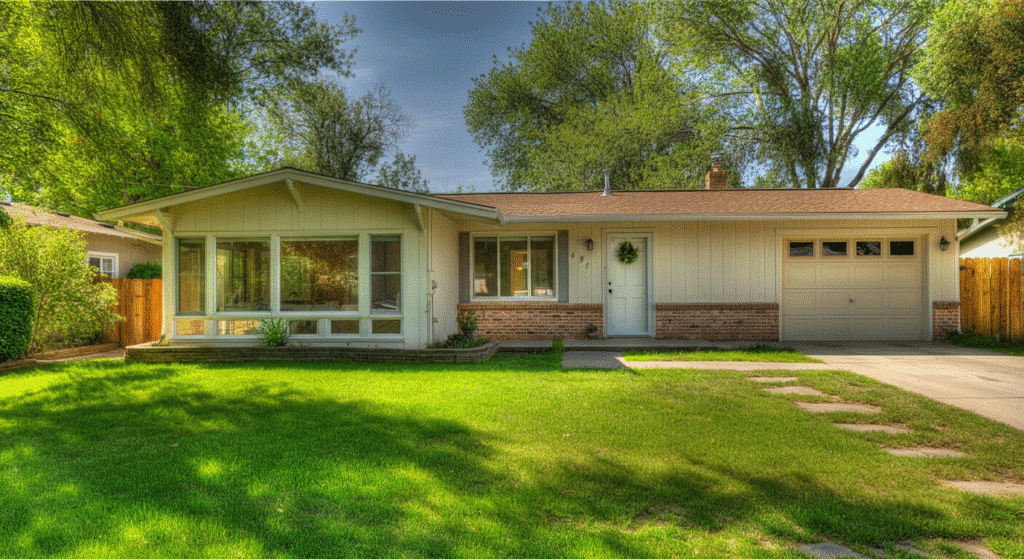
A ranch style house, sometimes called a rancher or a rambler, is a home style that got its start right here in the United States. As a specific type of residential building, the ranch house became popular for its simplicity, functionality, and adaptability to different regions. Most ranch houses follow a U-, V-, or L-configuration, with the hallway usually facing the rear exterior of the home. I’ve always been drawn to them because of their long, low profile and really open layouts. They just feel inviting.
The key features are pretty easy to spot. They are almost always one story. This design makes getting around super easy. Inside, you’ll find open floor plans that make the house feel spacious. The minimal use of interior walls enhances this openness, allowing for flexible living spaces and a seamless flow between rooms. An attached garage is another common feature, which is a huge convenience. I love how they put a focus on outdoor living. You’ll see big windows and sliding glass doors that really connect you with your yard. It’s a design that’s all about practical, easy living.
Modern Touches
Today’s ranch homes have kept all the good stuff and added some cool, new features. Big, beautiful windows are a must. Sliding glass doors open up to patios or backyards, making the home feel even bigger. The open floor plans are still central, creating a great flow from the kitchen to the living area. Modern design elements, like continuous flooring and coordinated color schemes, are used to create a seamless transition between spaces and a contemporary atmosphere. The average size of modern Ranch house plans is typically designed to be a little larger than the historical average due to the increase in the average size of American homes over the years. It’s this mix of old-school comfort and new-school style that keeps them so popular.
The History of the Ranch House
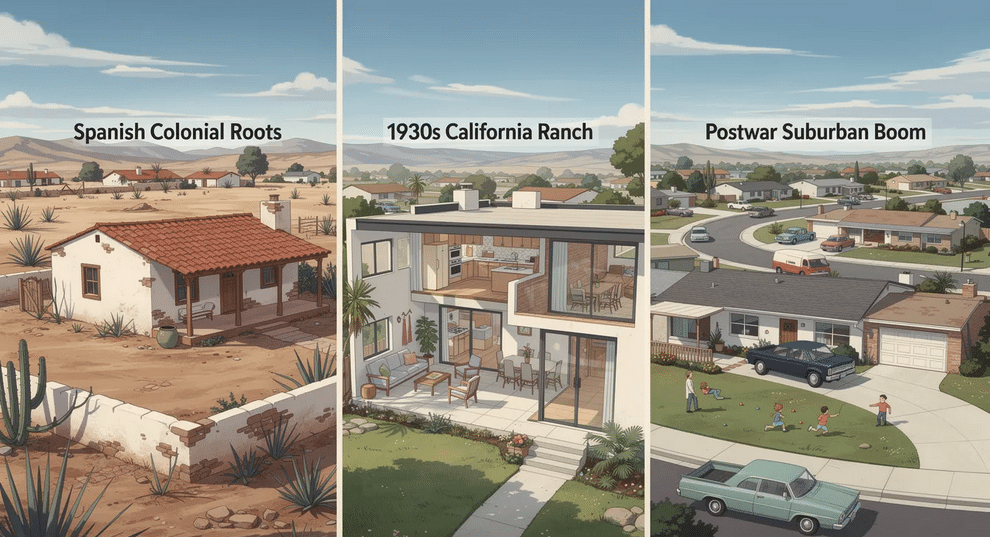
I find the backstory of ranch houses pretty interesting. Their design roots go way back to the Spanish colonial architecture from the 17th to 19th centuries. Those old homes had single-story plans and were built with local materials. It’s a style born from its environment.
The ranch house really took off in the U.S. after World War II. As suburbs grew, people wanted homes that felt modern and were easy to live in. Ranch-style houses were extremely popular with the booming post-war middle class from the 1940s to the 1970s. The ranch became a symbol of this new American lifestyle.
A guy named Cliff May is often credited with designing the first true ranch house in 1932 in San Diego. It had a U-shape and a big open area that combined the living room, dining room, and kitchen. This was a fresh idea at the time! From there, the style just exploded. Ranch-style homes are often associated with tract housing built during the post-war housing boom. It became a go-to for American housing because it was so simple and practical. Plus, it could be built to fit different climates and regions. The process to build ranch houses was shaped by the availability of land, especially in suburban and rural areas, and relied on skilled builders who adapted the style to suit different environments and local needs.
Why Choose a Ranch House?
So, what makes a ranch house a great choice? I think it boils down to a few key things. They offer this great mix of simplicity and practicality, all while encouraging you to enjoy your outdoor space. Such homes are especially appealing for those who appreciate a blend of comfort, accessibility, and a strong connection to the outdoors.
For anyone with mobility challenges, or even families with small kids, not having stairs is a huge advantage. Ranch houses are particularly ideal for people with mobility issues, as the single-storey layout provides safer and more accessible living spaces. Ranch-style homes provide a safe and secure living environment due to their single-story design, which minimizes the risk of falls for elderly residents.
The Perks of a Single Story
The single-story design is probably the biggest benefit. The open floor plan makes the whole house feel connected and roomy. An attached garage means no getting rained on when you’re bringing in groceries. All those large windows let in so much natural light, which can make any day feel a little brighter.
These homes are also super accessible. For anyone with mobility challenges, or even families with small kids, not having stairs is a huge advantage. It just makes daily life a little bit easier. They are also known for being pretty energy-efficient. With large windows and sliding doors, you can get great natural airflow and light, which can help with utility bills.
“A well-designed home should feel like a natural extension of your life, and the ranch style accomplishes this with its seamless flow and connection to the outdoors.” – A friendly architect I once spoke with.
Average Ranch House Dimensions: What to Expect
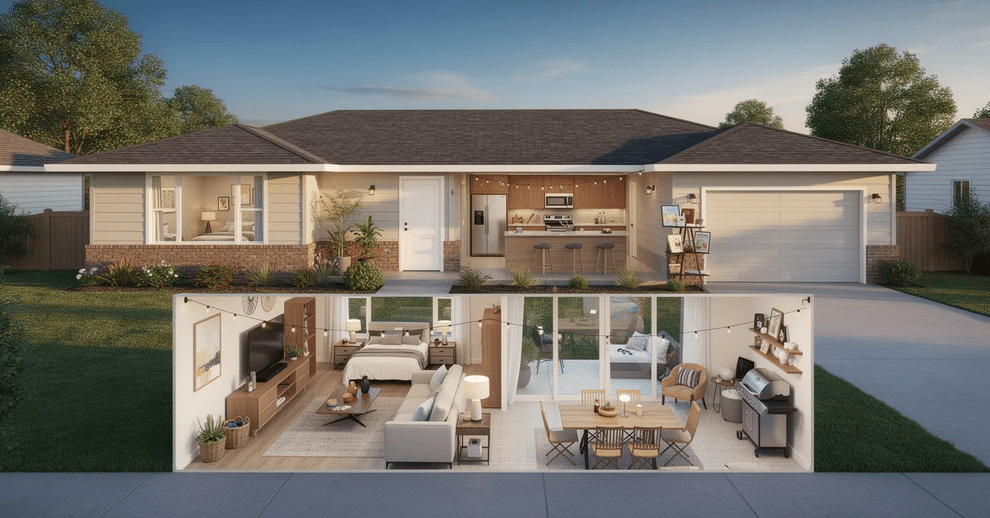
When you’re having a look at ranch house plans, its dead handy to know what sort of space you’ll actually be living in day to day. Your average ranch style home is a cracking size – typically falls between 1,500 and 2,500 square feet, which is just the right amount of room for proper comfortable single story living. Most ranch homes are sorted with three to four bedrooms and a couple of bathrooms, making them a top choice for families or anyone who fancies a bit of extra space for mates staying over or hobbies.
One of the main things you’ll notice about a ranch house is its lovely low slung profile and those wide eaves, which give it that classic, dead laid-back look that’s just brilliant. Inside, you’ll usually find a proper open floor plan that connects the living room, dining area, and kitchen – all featuring massive windows that let in loads of natural light. The master bedroom in your typical ranch style home might measure around 16 by 14 feet, while the other bedrooms are often between 10 and 12 feet – thats plenty of space for the kids, a home office, or even a craft room if you’re feeling creative.
Another cracking feature of ranch style homes is the attached garage, which not only adds dead convenient access but also gives you loads of extra storage space. Many ranch homes also feature a lovely spacious courtyard or outdoor living area, perfect for chilling out or having mates round for a barbecue. Depending on where you are and the specific plan you’re looking at, you might see slight variations in room sizes or layouts, but the overall vibe is always about easy, open living on a single story. Whether you’re drawn to the dead-simple layout or the practical side of things, these dimensions make ranch houses a proper timeless choice that never goes out of style.
Types of Ranch Homes You’ll Encounter
Ranch homes come in a cracking variety of styles, each with its own dead brilliant charm and features. If you’re after the idea of open floor plans and a top connection to the outdoors, you’ll find heaps to choose from in the world of ranch style homes – its a proper treat for anyone who loves that laid-back living vibe.
Modern ranch homes are absolutely ace at blending classic ranch style with contemporary design elements – think massive windows, sliding glass doors, and sleek finishes that’ll knock your socks off. These modern ranch designs are all about making the most of natural light and creating a seamless flow between indoor and outdoor spaces that’s light as a feather to live in. On the flip side, traditional ranch homes might lean into rustic elements like wood siding, stone fireplaces, and a welcoming front porch that gives them a cozy, country feel – perfect for those who fancy a bit of the old-school charm.
Some of the most popular types include the California ranch, which is famous for its long, low profile and spacious courtyard – absolutely brilliant for those who love to entertain or just fancy enjoying the outdoors with their mates. Suburban ranch homes are a proper staple in loads of neighborhoods, offering a more classic look and practical layout that’s spot-on for families who want something that just works. Raised ranches add an extra floor, often built into a slope, giving you heaps of extra living space without losing that single story feel on the main level – its like getting the best of both worlds.
You’ll also find split-level ranches, which use a multi-level design to separate living and sleeping areas in a dead clever way, and storybook ranches, which add a touch of whimsy with charming details and fairy-tale vibes that’ll make you smile every time you walk through the door. Whether you’re in agricultural lands or suburban areas, ranch homes are all about simplicity, functionality, and making the most of your space – no matter which style you go for, you’re onto a winner.
Don’t Forget Structural Integrity
This part is super important. The structural integrity of any home is what keeps it standing strong, and ranch homes are no exception. A solid foundation and a sturdy frame are the backbone of the entire house.
Even the layout of the house affects its structure. In many ranch house plans, bedrooms and bathrooms are located on one side of the house, creating a clear separation between private and public spaces. This functional organization is a hallmark of ranch-style design.
Using good materials and proper construction methods is key. This ensures the house can handle whatever weather comes its way, from heavy snow to strong winds. I always tell my friends to never skip on quality here.
One key difference between ranch house layouts and other common home styles, such as farmhouses, is the emphasis on open floor plans and single-story living, which sets ranch homes apart in both design and function.
Keeping Your Home Strong
Regular check-ups and maintenance can spot small problems before they become big, expensive ones. It’s also cool to see how sustainable materials are being used more often now. They can make the home more energy-efficient and are better for the planet.
Even the layout of the house affects its structure. A well-planned design provides a solid base for everything else. You can’t overstate how vital a strong structure is. It’s what makes your house a safe and secure place for you and your family to live.
Here’s a quick look at common ranch layouts and their typical sizes:
| Layout Type | Typical Square Footage | Key Features |
|---|---|---|
| Basic Ranch | 1,400 – 1,800 sq. ft. | Rectangular shape, simple floor plan. |
| Split-Level Ranch | 1,600 – 2,200 sq. ft. | Staggered levels for living/sleeping areas. |
| Raised Ranch | 1,800 – 2,400 sq. ft. | Main living area is above a lower level/garage. |
| California Ranch | 1,500 – 2,000 sq. ft. | L- or U-shaped, often with a courtyard. |
Thinking about the dimensions and layout of a ranch house really helps you picture how you’d use the space. It’s more than just a set of rooms; it’s a style of living that’s relaxed, open, and connected to the world just outside your door.
Energy Efficiency in Ranch Style Homes
One of the cracking perks of a ranch style home is just how energy efficient it can be. Thanks to their single story design and open floor plans, ranch homes are naturally set up to make the most of natural light and airflow – its a dead simple way to work with what you’ve got. Those large windows and sliding glass doors aren’t just for show—they help fill your house with sunlight and fresh air, which means you can often rely way less on artificial lighting and air conditioning. The single-story design of ranch-style homes allows for easier evacuation in emergencies, such as fires, compared to multi-story homes.
Modern ranch homes take energy efficiency even further by using some proper advanced building materials and systems. Features like top-quality insulation, double-pane windows, and even solar panels are becoming dead common in new ranch style builds. Some homes are designed with passive solar elements, such as wide eaves or large overhangs on the south side, to help keep things nice and cool in the summer and toasty warm in the winter – its a brilliant way to let nature do the heavy lifting.
If you’re after boosting your ranch home’s efficiency, you’ll want to consider adding a programmable thermostat, energy-efficient appliances, or a whole-house fan. These upgrades can help you save a fair bit on utility bills and make your home more comfortable all year round. With the right elements in place, a ranch style home isn’t just stylish and practical—its also a smart choice for sustainable, energy-conscious living that’ll keep your wallet happy too.