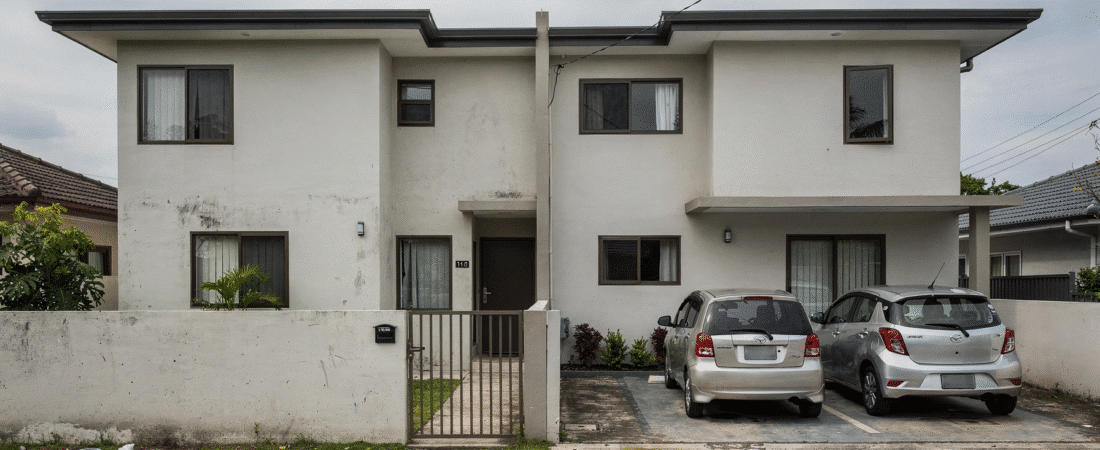
Finding the perfect low budget low cost duplex house design was honestly one of the hardest things I’ve ever done, but it was totally worth it. I remember sitting at my kitchen table with a pile of bills and a dream to stop renting and actually own something. I didn’t have a huge pile of cash, so affordability was a key factor in my decision-making process. I wanted to build a place where I could live on one side and rent out the other to help pay the mortgage. It sounds simple, right? Well, it can be if you know what you are looking for. Even with a low budget, you don’t have to end up compromising on quality or comfort.
TL;DR – The Quick Summary
What is it? A duplex is one building with two separate homes.
Why build one? You get privacy, more space than an apartment, and you can rent half of it out to cover your costs.
Cost tip: Keep the layout simple (stacked or side-by-side) to save money.
Big takeaway: Smart designs with simple materials and shared walls save you a ton of cash.
Find more: You can browse a collection of low budget duplex house plans to suit different needs and preferences.
Time to build: Expect 6 to 18 months.
- Introduction to Duplex Houses
- Benefits of Duplex Living
- Understanding Duplex House Plans
- Affordable Options
- Design Considerations
- Main Floor Design
- Upper Floor Design
- Duplex Plans and Construction
- Living Spaces and Layout
- Good Investment Opportunities
- Timeframe for Building
- Zoning Regulations
- Location Considerations
- Budgeting and Cost
- Construction Materials
- Building Codes and Regulations
- Sustainability and Energy Efficiency
- Conclusion and Next Steps
Introduction to Duplex Houses
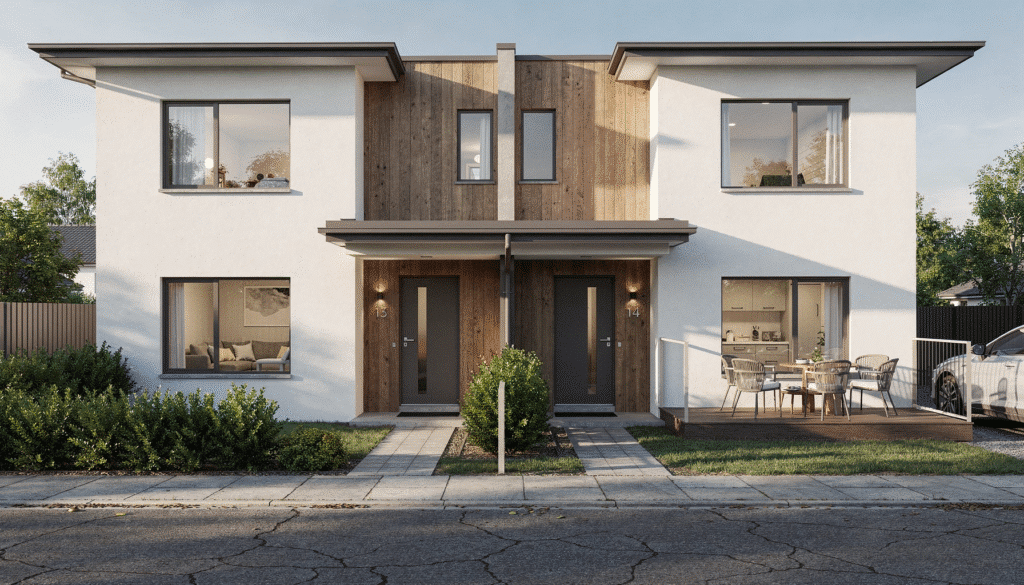
Let’s break this down. A duplex house is just a single building that holds two separate units. The structure of a duplex is designed to provide two independent living spaces within one cohesive framework. Think of it as a “buy one, get one” deal for houses. Each unit has its own entrance, kitchen, bathroom, and living room, providing privacy while maintaining cost-effective construction. It’s not like those big apartment complexes where you share a hallway with fifty people.
I love duplexes because they give you way more space and privacy than an apartment. But unlike townhouses, you are usually limited to just two units. This makes them fit into normal neighborhoods really well.
The plans for these houses are made to be affordable. That is the whole point. For guys like me, and maybe you, they offer a chance to offset expenses. You live in one side, someone else pays rent for the other side, and suddenly your monthly bills look a lot less scary. It’s a solid option for homeowners and investors who want to make money without needing a massive commercial building.
If you want to make a smart choice, you have to understand the plans first. You don’t want to jump in blind.
Benefits of Duplex Living
Why did I pick a duplex? Well, duplex living gives you more privacy than an apartment. You aren’t surrounded on all sides by neighbors. You usually share just one wall. Many homeowners or renters prefer duplexes because they offer a good balance of private and shared spaces, making them ideal for those who value both independence and some communal interaction.
It is also a super affordable option if you are a first-time homebuyer. Even if you are downsizing or considering a one-story home, it works. You get a modern living space without the massive price tag of a huge single-family mansion.
The plans usually have efficient layouts. This means the architects figured out how to fit everything you need into a smaller footprint. This cuts down on construction bills.
Another cool thing is flexibility. These designs work for all kinds of tenants. You can have family bedrooms on one side and a home office setup on the other. Shared spaces can be tailored to suit different lifestyles, whether you want more communal areas or extra privacy. Plus, keeping your privacy is a big deal. The best designs have totally separate entrances and even separate backyards. Many duplex designs also feature private patios, balconies, or porches for each unit, offering comfortable outdoor areas without compromising privacy.
Understanding Duplex House Plans
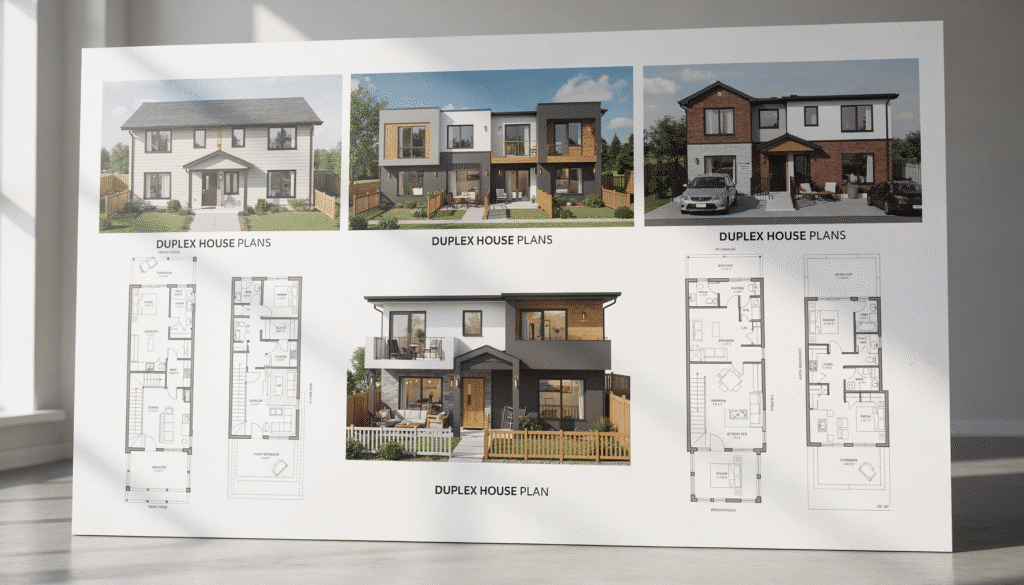
When you look at a blueprint, a duplex plan typically shows two units. Each one is a full house on its own. You will see a kitchen, bath, and living area for both sides. Pay close attention to the details of each duplex plan, such as room placement, architectural features, and how the spaces connect, to ensure the design fits your needs.
There are a few ways to style these:
- Side-by-side: The most common look.
- Stacked: One unit over the other (great for small lots).
- Front/Back: One unit faces the street, one faces the yard.
Many duplex plans also feature single-level layouts that provide easy accessibility and a seamless flow between living spaces.
You have to get the floor plan right. If you don’t, you might end up hearing your neighbor sneeze through the wall. A good layout maximizes your living space while keeping things quiet.
Also, these plans are flexible. You can tweak them to fit your budget. There are plenty of affordable plans out there if you are trying to build without spending a fortune.
Affordable Options
You don’t need to spend millions to get a nice place. Affordable duplex house plans give you quality living spaces that respect your wallet.
These designs focus on efficient layouts. By keeping the shape of the building simple—like a square or rectangle—you spend less on materials. Fancy corners cost money!
You can also design them to be energy efficient. This lowers your bills later on. It is a win-win.
If you are just starting out or want to invest, these affordable plans are perfect. Exploring different options and picking cheaper but durable materials helps you keep costs down.
Take time to explore various low budget low cost duplex house design plans and material choices to find the best fit for your needs and budget.
Design Considerations
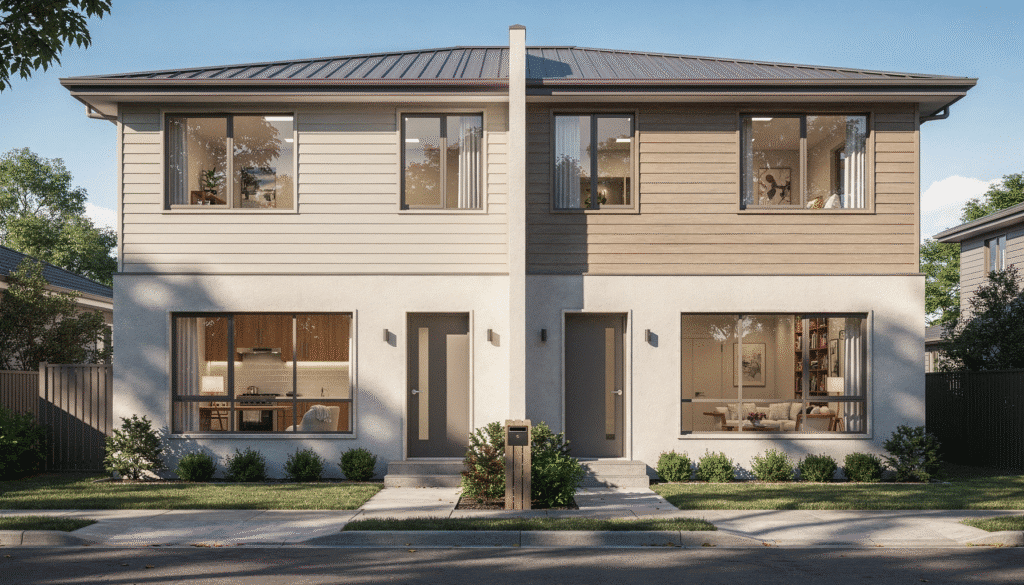
When I was planning my build, I had to think about where I was building. The location changes everything. You also have to watch your budget and pick a style that fits the neighborhood. Many duplex house plans are designed to work seamlessly with sloped or uneven lots, maximizing living space while adapting to the natural terrain.
Functionality comes first. It has to work for real people. Then you worry about how it looks. Aesthetics should also be considered to ensure your low budget low cost duplex house design is visually appealing as well as practical.
- Main Floor: Needs the kitchen, living room, and a bathroom. This is where life happens.
- Upper Floor: This is usually for sleeping. Put the bedrooms and maybe a family room up here.
- Outdoor Space: Don’t forget a porch or patio. It adds value and gives you a place to grill burgers.
Main Floor Design
The main floor is the heart of the house. It needs to flow well. You want a clear path from the kitchen to the living room.
A smart floor plan uses every inch. No dead space. Privacy matters here too. You don’t want to see into your neighbor’s kitchen from your living room.
A good main floor makes the whole place worth more. Think about adding a private door or a small fence to separate the entries.
Energy efficiency starts here too. Big windows let in light so you use fewer lamps. Good insulation keeps the heat in. Efficient heating systems on the main floor can further reduce energy costs and improve comfort. Duplex homes naturally reduce heating and cooling costs due to their shared wall(s), which improve insulation and energy efficiency.
Upper Floor Design
The upper floor of a duplex is where clever design can really knock your socks off. This is your golden opportunity to create living spaces that feel open, bright, and dead private—without blowing your budget. Modern duplex designs often use open floor plans on the upper floor to make the most of every sq ft, giving families and renters a cracking sense of spaciousness and flexibility that’s hard to beat.
When planning the upper floor, have a think about how many bedrooms and bathrooms you’ll need. A typical affordable duplex house plan might include two or three bedrooms and at least one proper bathroom upstairs. If you’re designing for families, consider chucking in an extra bathroom or a little play area. For renters or homeowners who value convenience, a laundry room on the upper floor is an absolute winner.
Natural lighting is dead essential. Large windows or even a skylight can make the upper floor feel loads bigger and more inviting, while also giving your energy efficiency a proper boost by cutting down the need for artificial lighting during the day. Don’t forget about private outdoor spaces—popping in a balcony or a small porch off the upper floor gives each unit its own little retreat, which is a massive selling point for tenants.
Soundproofing is another cracking factor to sort out. Good insulation between units and between floors helps keep things private, so you won’t hear every footstep or chinwag from next door. Storage is also dead important; built-in closets or a small storage room can make a world of difference in how functional the space feels day-to-day.
Finally, make sure the upper floor layout matches up with what your target renters or homeowners are after. If you’re expecting families, prioritise larger bedrooms and easy access to bathrooms. For older adults or those with mobility issues, consider wider doorways or even chucking the main bedroom on the main floor instead. The right upper floor design not only adds proper value to your duplex but also makes it a more comfortable and attractive place to call home.
Duplex Plans and Construction
When you pick a plan, think about the builder. The design should be easy to build. If it’s too complicated, labor costs go up.
You want the process to be fast and cheap, but not “cheap” quality. Using materials that are easy to get helps a lot. Sustainable materials are great too because they save you money in the long run.
A clean design streamlines the work. It stops the workers from scratching their heads and wasting time. But always prioritize quality. You want this thing to last. Maintaining high standards throughout the construction process ensures long-term durability and satisfaction.
Living Spaces and Layout
I like a house that feels comfortable. The living spaces should work for you.
Privacy is the big one. Separate entrances are a must. If you can add a private porch, do it. People pay extra for that.
Make sure the rooms get good light. Big windows make small rooms feel huge. Insulation keeps it quiet and cozy. A layout that makes sense adds value instantly.
| Feature | Why it matters |
|---|---|
| Separate Entries | Stops awkward run-ins with neighbors. |
| Thick Shared Wall | keeps noise down. |
| Open Kitchen | Makes the unit feel bigger. |
Good Investment Opportunities
Honestly, a duplex is a smart money move. For example, you could live in one unit and rent out the other, using the rental income to help cover your mortgage. You get rental income every month. Plus, the building usually goes up in value over time. Separate utility meters for each duplex unit improve tenant privacy and are a smart long-term investment.
You have to think about the numbers. Location and budget are key. But a good design makes it easier to rent out.
Having that steady stream of cash changes your life. It pays for repairs and helps pay down the loan. Investing here is a smart move for your future.
Timeframe for Building
How long does it take? Well, it depends. A big, fancy duplex takes longer than a simple one.
Average Time: 6 to 18 months.
Weather can mess things up. So can waiting for permits. Labor shortages are real too.
“A simple plan gets built faster. Every corner you add adds time.” – Mike, my contractor
If your plan is good, the builders can move fast. Hiring good contractors helps avoid those annoying delays.
Zoning Regulations
This is the boring part, but you have to do it. You need to check the rules for your land. Not every lot allows a duplex.
Check these things:
- Density limits (how many people can live there).
- Setbacks (how far from the street you have to be).
- Height limits.
Rules change from town to town. Go talk to the local zoning office. It saves you from a legal headache later.
Location Considerations
Picking the right spot for your duplex is just as crucial as the design itself, mate. The best duplex house plans won’t do you a lick of good if your property’s stuck in a location that tenants or buyers can’t be bothered with. Get started by having a good nose around the local market—check out the rental demand, property values, and how quickly homes in the area are shooting up in value. This’ll help you figure out if your investment’s going to pay off down the line.
Convenience is absolutely key for pulling in tenants, and that’s the truth of it. You’ll want to hunt for locations that are a stone’s throw from public transport, shopping centres, and major employment hubs. Being close to decent schools, parks, and community bits and bobs can make your duplex even more of a winner, especially with families. These factors don’t just boost your property’s worth but also make it dead simple to find reliable renters who’ll stick around.
Make sure the area’s zoned for multi-family housing, duplexes included. Check the local regulations and building codes before you buy or build—this saves you from expensive headaches further down the road. Also, have a think about the overall quality of life in the neighbourhood. Low crime rates, quiet streets, and a clean environment are all massive pluses for both homeowners and tenants alike.
To get a proper picture of the location, use real estate websites, have a chat with local agents, and check in with city or county offices for zoning and planning info. The more you know about the area, the better your chances of making a cracking investment. Remember, a brilliant location can make even a simple duplex house plan a smart, long-term choice for your budget and your future—so its well worth getting this bit right!
Budgeting and Cost
Money talks. You have to budget for everything. Materials, labor, permits—it adds up.
A simple plan saves you money. Using standard lumber sizes helps too.
Don’t buy the most expensive stuff, but don’t buy junk either. Sustainable features like good windows cost more now but save you later. Spend your money on things that make the house last.
Construction Materials
The stuff you build with matters. I used a mix of wood and vinyl siding to keep costs low but looks high.
- Wood: Classic, easy to use.
- Steel: Strong, but can be pricey.
- Insulation: Do not skimp on this.
Selecting a durable and cost-effective roof is essential to protect the duplex, provide privacy, and enhance its longevity.
Pick materials that don’t need a lot of fixing later. Low maintenance is the goal.
Building Codes and Regulations
Before you get stuck into digging up the ground for your duplex, you’ll want to make dead sure your plans tick all the boxes with local building codes and regulations. These rules aren’t just there to be a pain in the neck—they’re about keeping your property safe as houses, energy efficient, and fitting in nicely with what the neighbours have got going on. First job is to double-check that your duplex design sits right within zoning ordinances—this covers things like how many people can live there, how far back from the street you’ve got to build, and how tall you’re allowed to go.
Energy efficiency is a massive deal in today’s building codes. Your duplex house plan might need to chuck in features like top-notch insulation, energy-efficient windows, and proper ventilation systems that actually work. These aren’t just about getting past the inspectors—they’ll save you and your tenants a fair bit of cash down the track, which is always a good thing.
Accessibility and environmental sustainability are also pretty important bits to get sorted. Some areas reckon you’ve got to have certain features for people with disabilities, or they’ve got rules about using eco-friendly materials and building practices that don’t trash the planet. Its a cracking idea to hire a qualified architect or engineer who knows the local codes like the back of their hand and can help you design a duplex that covers all the bases properly.
Don’t go skipping this step—getting your permits and approvals sorted up front will save you heaps of time, money, and stress later on. Always double-check your plans with the local building department before you start knocking things about. This way, you can be confident your duplex is built to last and ready for sale or rent without any nasty surprises popping up.
Sustainability and Energy Efficiency
I wanted my bills to be low. So, energy efficiency was a big deal for me.
Sustainable materials are good for the planet and your wallet. Large windows let in heat in the winter. Solar panels are getting cheaper too.
Tenants love low electric bills. It makes your place more attractive. Energy-efficient designs can also help with maintaining privacy between units, making the duplex more comfortable for everyone. Plus, it helps the resale value if you ever decide to sell.
Building a duplex on a budget is totally doable. You just need to keep it simple, follow the rules, and keep your eye on the prize. Good luck
Conclusion and Next Steps
Building a low budget, low cost duplex is one of the smartest moves you can make if you’re after affordable, modern living that’s actually dead clever. With the right duplex house plans, a focus on energy efficiency, and a cracking location, you can knock up a property that’s both functional and stylish—without breaking the bank. Whether you’re planning to live in one unit and rent the other, or you’re looking for a good investment, a well-designed duplex offers flexibility, privacy, and long-term value that’s proper brilliant.
Now that you know the essentials—everything from floor plan design to building codes and location factors—its time to get going with the next step. Start by having a browse through affordable duplex plans online, pop round to local neighbourhoods to get some inspiration, and connect with professionals who can help bring your vision to life. Remember, every detail matters, from the layout of your living spaces to the materials you choose—so don’t skimp on the planning bit.
Ready to get cracking? Check out some reputable websites for duplex house plans, have a chat with local builders, and make a list of your must-have features. With careful planning and a clear budget, you’ll be well on your way to creating a duplex that matches your style, meets your needs, and sets you up for smart, affordable living that’s absolutely spot on. Give it a go and good luck!