Tucked among the dense pines west of Woodland Park, Ranch Estates is a unique ranch estate community that stands as a distinctive mountain enclave where forest roads meet Pike National Forest boundaries and cabin-style living defines the daily rhythm. This page provides a comprehensive overview of Ranch Estates, covering its community character, key features and amenities, homes and architectural styles, association life, and the buying process. Whether you are a prospective buyer, current resident, or simply interested in Colorado mountain living, this guide will help you understand what makes Ranch Estates a noteworthy ranch estate community.
Ranch Estates is especially appealing for those seeking authentic rural character, a peaceful environment surrounded by nature, and a vibrant lifestyle that balances seclusion with accessibility. The community offers a blend of year-round and seasonal homes, a welcoming neighborhood park, quarterly community meetings, and direct access to nature trails, bike paths, and countless hiking opportunities. For buyers drawn to elevated residential communities that prioritize quiet over convenience, Ranch Estates offers something increasingly rare: authentic rural character within reasonable reach of urban amenities.
- Key Features and Amenities of Ranch Estates
- Ranch Estates at a Glance
- Location, Access, and Roads in Lake Havasu City
- Community Life, Grace Management, and Association
- Homes, Lots, and Architectural Style
- Utilities, Services, and Everyday Living
- Outdoor Recreation and Vibrant Lifestyle
- Buying, Selling, and Search Properties When Considering a Move to Ranch Estates
Key Features and Amenities of Ranch Estates
Ranch Estates is located in a rural area, providing a peaceful environment surrounded by nature. Residents enjoy a variety of features and amenities that enhance the mountain living experience:
- Rural Location: The community is nestled in the forested foothills of Teller County, offering tranquility and natural beauty.
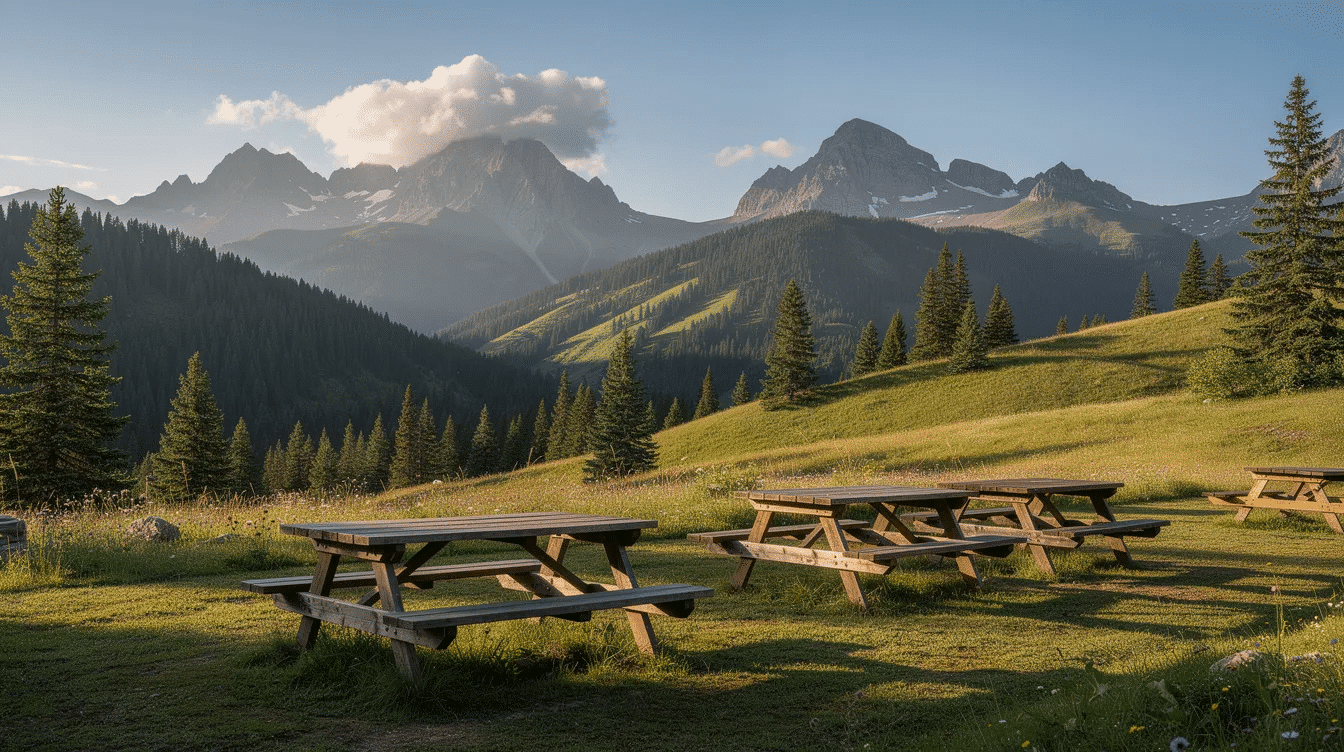
- Community Park: Ranch Estates has a nice community park that serves as a gathering place for residents, featuring picnic tables, play equipment, and scenic views.
- Quarterly Meetings: Community meetings are held quarterly, fostering neighborly connection and collaborative decision-making.
- Access to Nature: Residents can enjoy direct access to nature trails, bike paths, and countless hiking opportunities, making it an ideal basecamp for outdoor enthusiasts.
- Wildlife and Scenery: The area is home to deer, elk, and other wildlife, with stunning views of Pikes Peak and the surrounding mountains.
These amenities, combined with the community’s rustic charm and cooperative spirit, make Ranch Estates a standout choice for those seeking a genuine Colorado mountain retreat.
Ranch Estates at a Glance
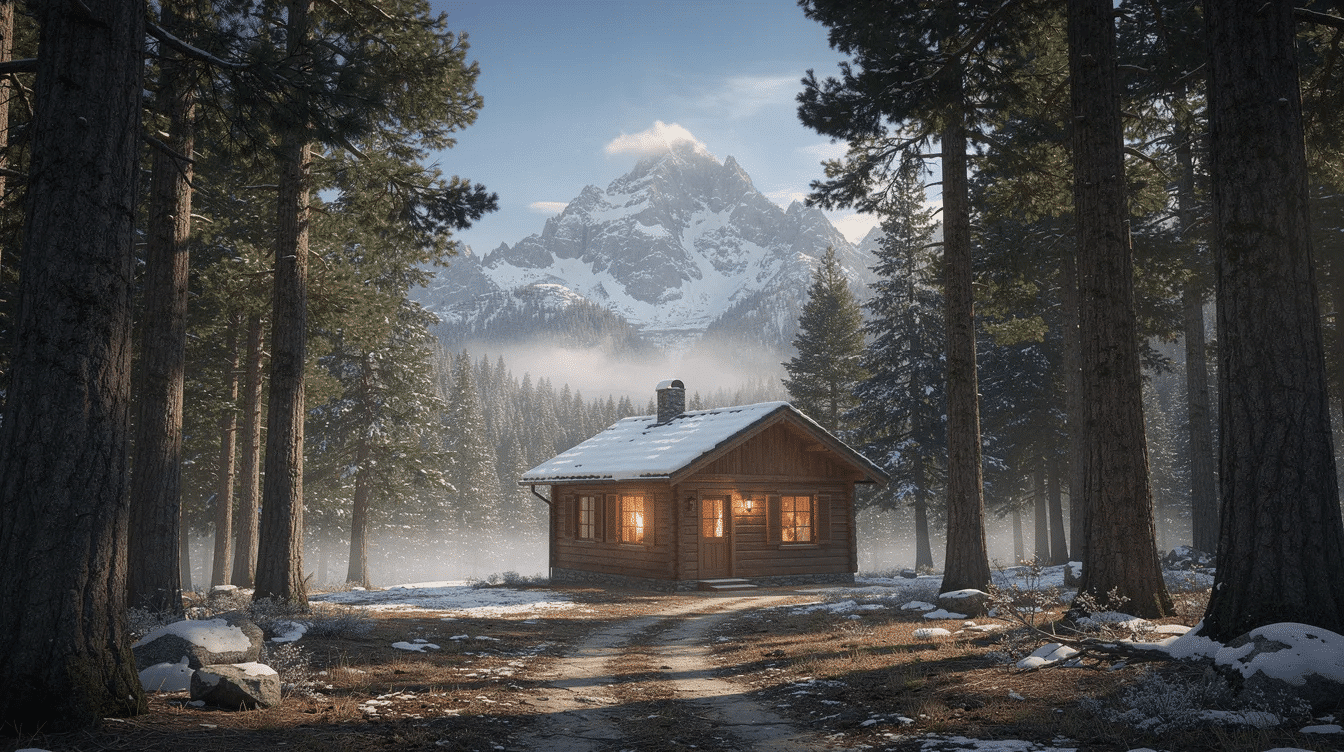
Ranch Estates sits at approximately 8,500 feet elevation in the forested foothills of Teller County, Colorado. The community blends seamlessly into the surrounding Pike National Forest, creating an environment where deer, elk, and occasional black bears are more common neighbors than traffic noise. Ranch Estates is located in a rural area, providing a peaceful environment surrounded by nature.
- Location: West of Woodland Park, accessed via U.S. Highway 24 and Edlowe Road
- Elevation: Approximately 8,500 feet amid dense pine and aspen forest
- Drive times: 10–15 minutes to Woodland Park; 35–40 minutes to Colorado Springs under typical conditions
- Character: A mix of year-round primary residences and seasonal second homes, predominantly cabin-style architecture
The community draws residents who value a vibrant lifestyle waiting at the end of unpaved roads—people comfortable with 4-wheel drive vehicles, wood stoves, and the kind of quiet that comes from living where streetlights don’t exist. Whether you’re seeking a permanent basecamp or a weekend retreat, Ranch Estates delivers a distinctly rural mountain experience without complete isolation from essential services.
Location, Access, and Roads in Lake Havasu City
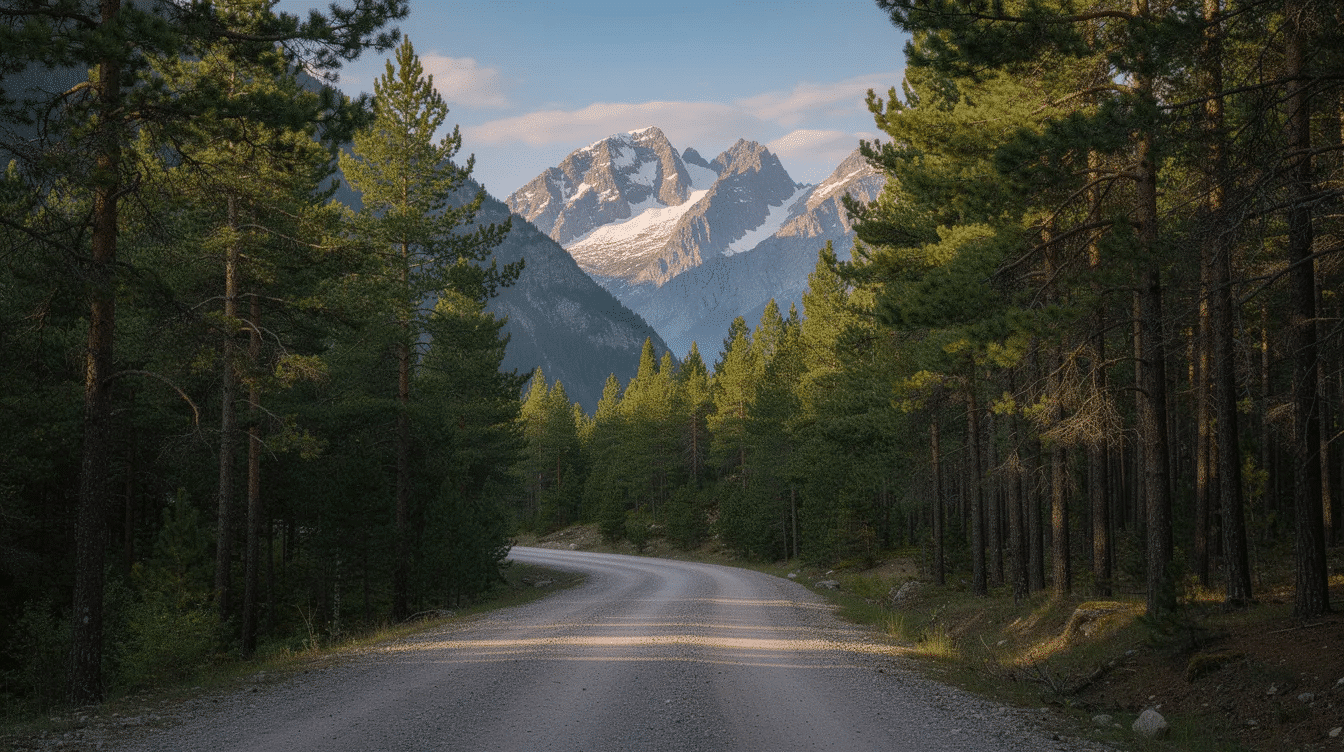
Reaching Ranch Estates means exiting Highway 24 onto Edlowe Road, then following a combination of county-maintained and association-maintained roads into the neighborhood. This access point positions the community roughly 10 to 15 minutes from Woodland Park’s grocery stores, restaurants, and medical facilities—close enough for convenience, far enough for genuine seclusion.
Association Dues and Services Overview
The Ranch Estates Road and Fire Association (RERFA) manages the subdivision’s internal roads, which fall outside Teller County’s maintenance responsibilities due to their origins as narrow campground lanes that cannot meet county engineering standards.
Item | Details |
|---|---|
Annual dues | Approximately $250 (prorated at move-in) |
Road grading | Regular maintenance on gravel surfaces |
Snow removal | Plowing after 2–3 inches accumulation |
Equipment used | Plow trucks, graders, sanders, and discs |
Fire mitigation | Basic coordination and support |
Winter access requires 4-wheel or all-wheel drive between November and April. Roads can turn muddy during spring thaw, and there’s no curb-and-gutter infrastructure to manage runoff.
The rural-road character defines daily life here. Expect gravel or native-surface roads without city streetlights—the kind of setting where headlights illuminate the way home and dark skies reveal stars invisible from urban areas. For those accustomed to paved subdivisions, this adjustment matters. For those seeking authentic mountain living, it’s part of the appeal.
Community Life, Grace Management, and Association
The Ranch Estates Road and Fire Association serves as the central organizing body for this community, handling road maintenance, fire safety coordination, and basic neighborhood communication. Formed in 1998 when residents banded together to address persistent infrastructure challenges, RERFA represents the grace management philosophy of cooperative stewardship rather than prescriptive regulation. The Grace Management philosophy emphasizes living gracefully and ensuring residents live and age gracefully. The community is often described as a grace management family, reflecting the supportive, caring nature of the residents and their shared commitment to living and aging gracefully together.
Unlike traditional homeowners associations with strict aesthetic mandates, RERFA emphasizes voluntary collaboration. The focus remains on infrastructure preservation, enhanced safety protocols, and maintaining the subdivision’s rustic character.
Association meetings and activities:
- Quarterly meetings aligned with seasons (winter, spring, summer, fall)
- Review of road conditions, budget planning, and wildfire preparedness
- Summer potlucks at the neighborhood park
- Informal holiday gatherings
- Volunteer workdays for debris clearance and fuel reduction projects
This approach resonates with residents who moved here precisely to escape rigid community rules. The association function initially centered on road maintenance but has evolved to embrace connection among neighbors through shared meals, work projects, and seasonal celebrations.
The Ranch Estates Park and Shared Spaces
At the heart of communal life sits a modest neighborhood park—a verdant open space that anchors social gatherings without resort-style pretension. Ranch Estates has a nice community park that serves as an outdoor courtyard for the community, providing a relaxing communal area where residents can enjoy leisure activities and socialize.
The park features picnic tables, simple play apparatus for all the children in the neighborhood, and unobstructed views toward Pikes Peak and the surrounding foothills. It’s neither elaborate nor manicured, which suits the community’s character perfectly.
Residents use this space for:
- Association meetings during pleasant weather
- Casual barbecues and potlucks
- Children’s play and family gatherings
- Informal neighbor meetups
There’s no pool, clubhouse, fitness center, or movie theatre here. The appeal lies in low-key, outdoor-centered living where the forest itself serves as the primary amenity. For those seeking exceptional senior living communities or resort-style developments, this isn’t the fit. For those who want to live life on their own terms amid mountain scenery, the simplicity works.
Homes, Lots, and Architectural Style
Common Property Types
Property compositions in Ranch Estates span a range of lot sizes and architectural styles, from classic cabins to versatile raised ranch homes, unified by their orientation toward forest views and mountain character.
- Wooded parcels under one acre for cozy cabin sites
- Multi-acre tracts for those seeking more privacy
- Modern mountain cabins with contemporary finishes
- Classic A-frame chalets with steeply pitched rooflines
- Established primary residences designed for year-round living
Interior Features
Many homes built or remodeled in the 2000s and 2010s feature upgrades that balance mountain aesthetics with modern comfort: vaulted ceilings, tongue-and-groove pine interiors, stone or gas fireplaces, expansive decks, and oversized picture windows that frame solar exposures and panoramic scenery, often paired with thoughtful ranch home exterior makeovers to boost curb appeal.
Kitchen and interior finishes often include quartz or granite countertops, stainless steel appliances, luxury vinyl plank or hardwood flooring, and energy-efficient insulation and glazing suited to the region’s thermal extremes, while some owners experiment with modern black ranch house exteriors to create striking visual contrast against the forest backdrop.
Current market data shows a median listing price around $379,300, with some properties bordering Pike National Forest or offering direct trail access.
Lot Sizes and Configurations
Lot sizes and configurations vary significantly. Some parcels sit in denser, cabin-style clusters reminiscent of the area’s campground origins; others spread across multiple acres with maximum privacy, leaving room for ranch home garage additions or workshops that complement the mountain setting. The diversity accommodates different preferences and budgets while maintaining cohesive mountain character throughout.
Utilities, Services, and Everyday Living
Utility Overview
Utilities in Ranch Estates operate on a decentralized model appropriate to rural isolation. Understanding these systems matters for any prospective buyer.
Service | Typical Setup |
|---|---|
Water | Private wells (5–20 GPM typical yield) |
Sewage | Individual septic systems |
Electricity | Regional providers (Black Hills Energy) |
Heating | Propane tanks, electric systems, wood stoves |
Internet | Fixed wireless (Rise Broadband) or satellite (Starlink) |
Cell service | Variable by carrier and location; boosters often needed |
Internet and cellular signals fluctuate based on topography and tree coverage. Remote professionals should expect to invest in reliable connectivity solutions—Starlink’s 2021 rollout has made viable remote work possible with latency around 20–40ms, though some forest pockets remain challenging. |
Weather and Seasonal Considerations
Weather patterns at 8,500 feet mean cooler summers (highs in the 70s°F) and snowy winters delivering 60–100 inches of annual snowfall. Personal snow blowers or driveway plowing contracts supplement association road maintenance.
Heating and Connectivity
Many residents find that high-efficiency wood stoves, capitalizing on abundant local timber, provide both supplemental heat and backup during power outages.
Outdoor Recreation and Vibrant Lifestyle
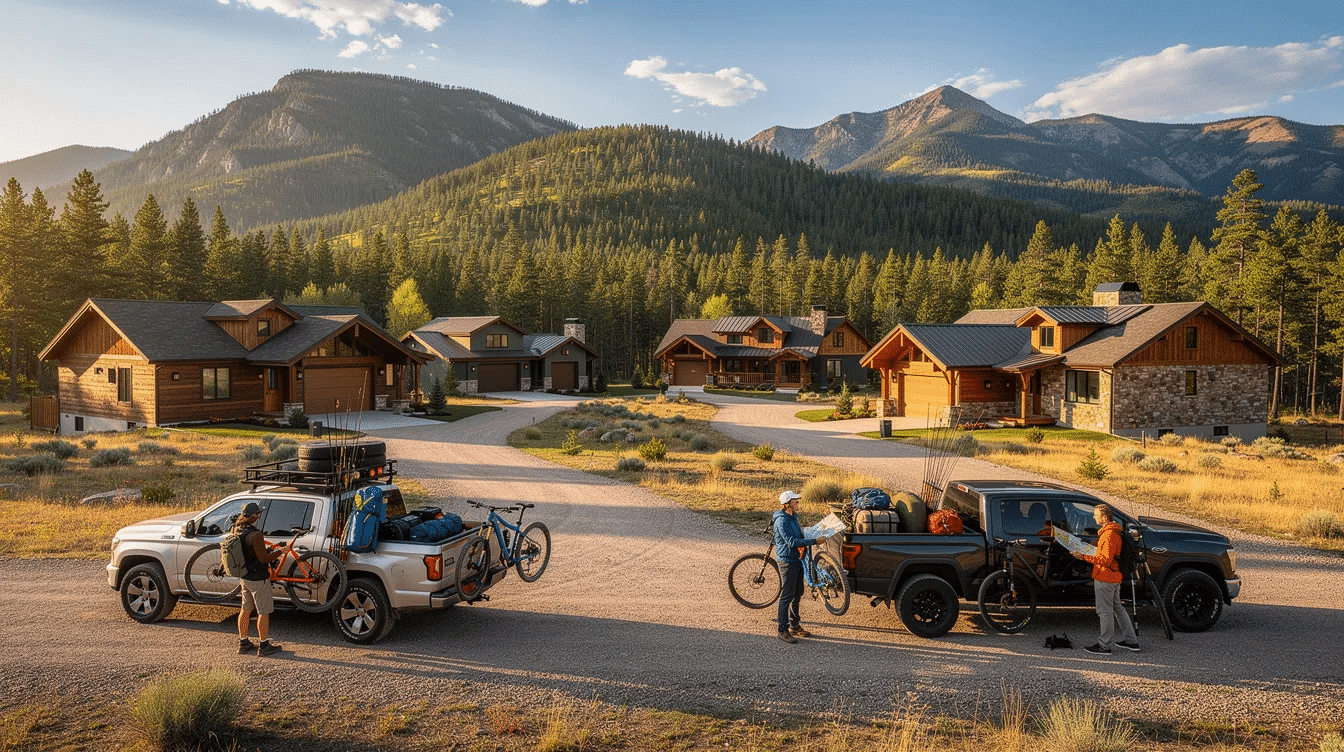
Ranch Estates functions as a basecamp for Pike National Forest pursuits, with driveway exits feeding directly onto forest service roads. The recreation access alone drives many purchases here.
Immediate recreation opportunities:
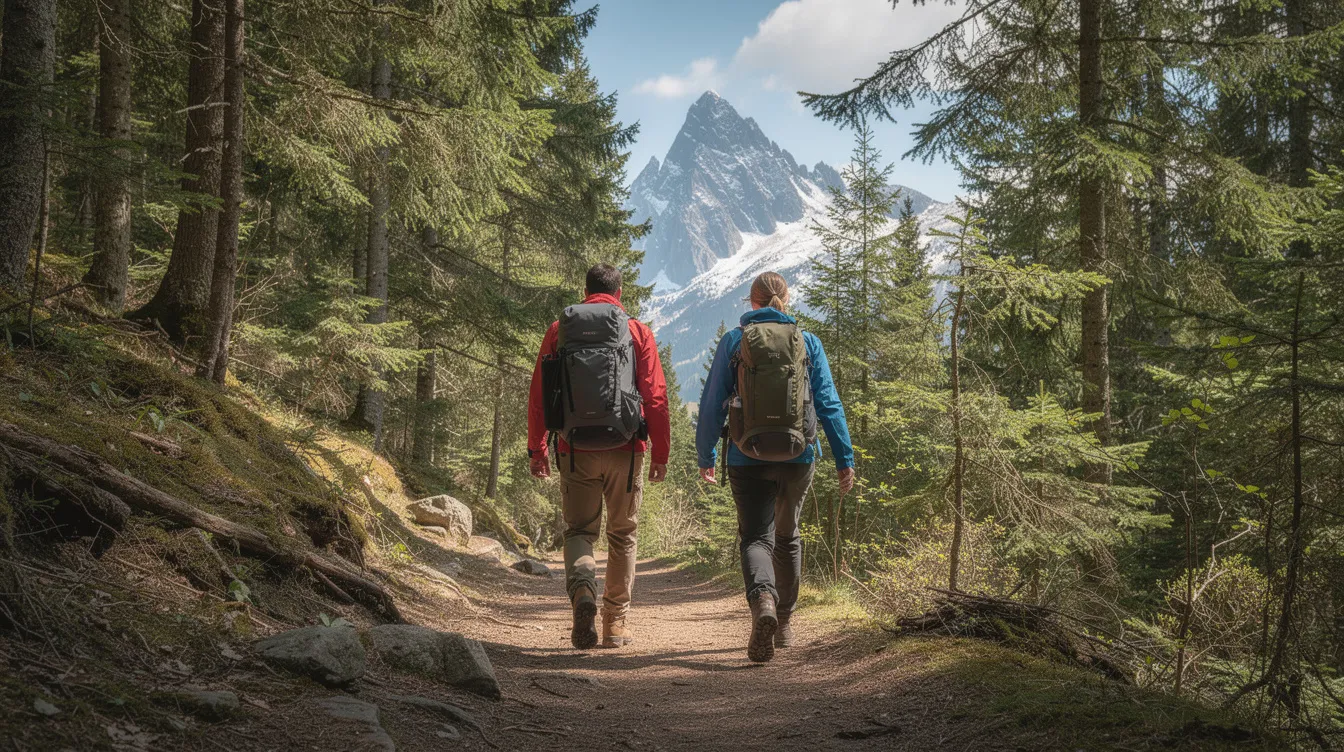
- Hiking and mountain biking on nearby forest roads and informal trails
- Wildlife observation: mule deer, elk, red foxes, occasional black bears
- Dark-sky stargazing unmarred by light pollution
- Cross-country skiing and snowshoeing in winter
- ATV and off-road exploration
Nearby destinations:
Destination | Distance/Drive Time |
|---|---|
Pike National Forest trailheads | Minutes from most driveways |
Manitou Lake recreation area | 20–30 minutes |
Eleven Mile Reservoir | 20–30 minutes |
Breckenridge ski area | 1.5–2.5 hours |
Monarch Pass skiing | 1.5–2.5 hours |
Many residents keep gear on-site—ATVs, cross-country skis, snowshoes, and fly-fishing equipment—treating their property as the launching point for year-round adventure. Weekend rhythms often involve leaving the driveway directly onto forest roads, exploring local highlights, and returning to a quiet cabin setting as evening settles over the mountains. | |
 |
This outdoor-centered lifestyle connects to the area’s history. The Ute Pass corridor evolved from 19th-century prospector trails and dude ranches to contemporary outdoor recreation, and Ranch Estates continues that tradition for a new generation of mountain residents.
Buying, Selling, and Search Properties When Considering a Move to Ranch Estates
Purchasing in Ranch Estates requires due diligence appropriate to an unincorporated, rural subdivision. The process differs from buying in a typical metro-area neighborhood.
Key considerations before purchase:
- Review RERFA covenants and road/fire association documents
- Verify well yields (local aquifers typically produce 5–20 GPM)
- Confirm septic compliance through health department permits
- Understand zoning under Teller County’s rural residential designations
- Check setback requirements and fire codes
Buyers should honestly assess their tolerance for seasonal 4WD commutes on Highway 24, high-altitude adjustment (some newcomers experience altitude effects above 8,000 feet), and ongoing stewardship responsibilities. Mountain property ownership means annual snow management, defensible space creation around structures, and proactive fire mitigation—especially relevant given regional blazes like the 2012 Waldo Canyon Fire.
Insurance and market factors:
Property insurance premiums in wildland-urban interfaces typically run 20–50% higher than comparable lowland properties. Carriers may require updated mitigation plans before extending coverage. Working with an agent experienced in Teller County can help navigate these requirements.
The area sees a mix of primary residences, vacation homes, and selective short-term rentals governed by county ordinances alongside any plat-specific restrictions. If rental income factors into your plans, verify current regulations before purchase.
Property values have appreciated 5–7% annually in Teller County’s recreational enclaves, with median prices rising from sub-$300,000 in 2018 to current levels around $379,300.
Realistic commute expectations matter too. While typical drives to Colorado Springs run 35–40 minutes, peak tourism seasons or winter storms can push that to 50 minutes or more. Remote work has driven increased demand from Colorado Springs telecommuters since 2020, but daily office commuters should factor in weather variability.
For those ready to search properties in this area, partnering with a local agent familiar with Woodland Park and Ranch Estates helps navigate unique considerations: access quality, well and septic histories, insurability in fire-prone zones, and the community’s particular character, especially if you’re considering one-story bungalow-style living as part of your long-term housing plan.
Ranch Estates offers a distinctive blend of seclusion and accessibility for those prepared to embrace authentic mountain living. The quiet roads, forest boundaries, and cabin-style homes won’t suit everyone—but for buyers seeking a genuine Colorado mountain retreat with direct Pike National Forest access, this community delivers exactly what the setting promises.