
American ranches represent something far more complex than the dusty imagery of Hollywood westerns. Today, these operations range from active working cattle enterprises managing thousands of head across sprawling pastures to guest ranches designed for tourism, where visitors saddle up for trail rides and campfire dinners. Many are legacy family ranches—properties that have remained under single-family ownership for generations, blending heritage with contemporary management practices.
The scale of some American ranches defies easy comprehension. King Ranch in South Texas, founded in 1853 by Captain Richard King, sprawls across more than 825,000 acres. That’s larger than the state of Rhode Island. Such vast operations helped shape the physical and economic landscape of the American West, serving as both food producers and cultural touchstones tied to cowboys, vaqueros, and the spirit of independence that defines Western heritage.
Ranching stretches across remarkably diverse geography—from the brush country of south Texas and the high plains of Wyoming to the big horns of Montana and the wine region of California’s Santa Ynez Valley. What follows is a tour through the history of these iconic operations, a look at modern ranch life, destinations where you can experience it yourself, and the challenges shaping the future of American ranches.
Historical Roots of American Ranching
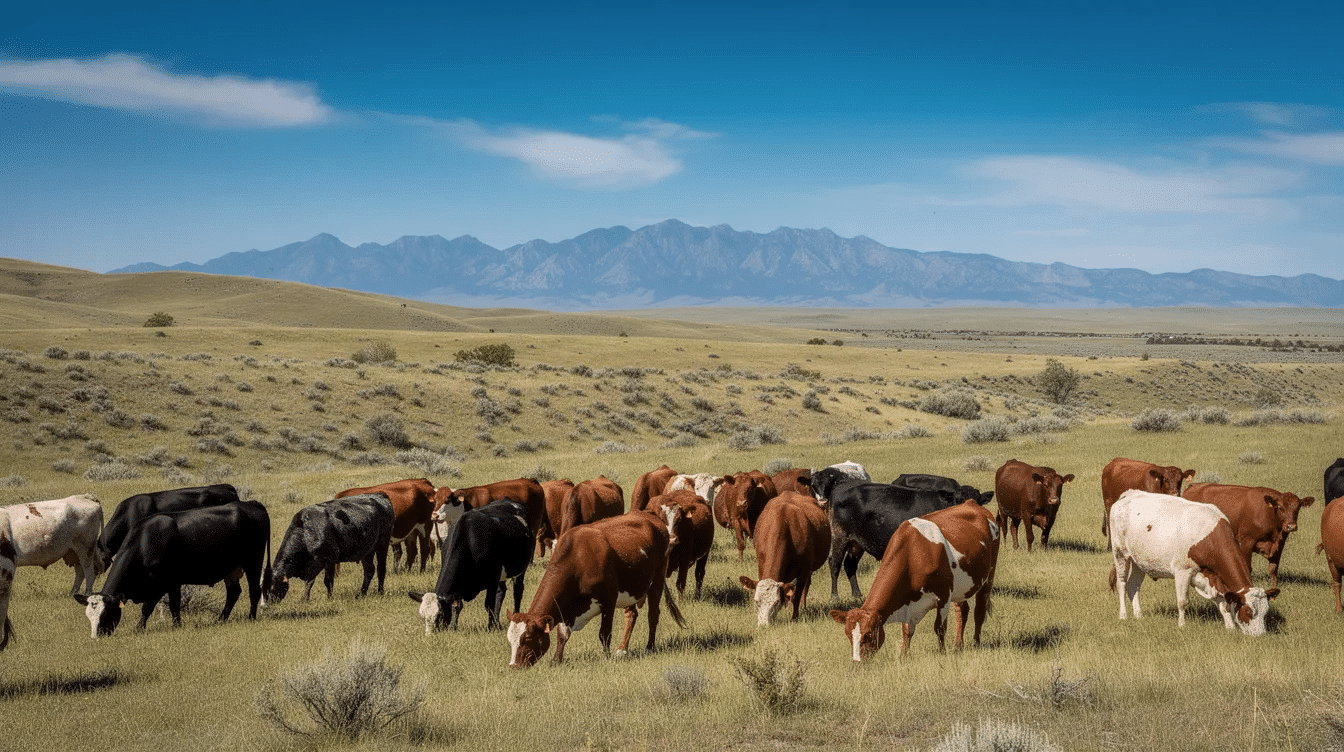
The story of American ranching doesn’t begin with the mythic cowboy of frontier legend. It starts with Spanish colonial cattle herds, brought to the Americas by explorers and missionaries in the late 1400s and 1500s. By the 17th century, these herds had expanded into Texas and the Southwest, establishing the foundation for an industry that would transform the continent.
Early missions and private land grants in the Rio Grande Valley and south Texas created the first large-scale livestock operations in North America. These ranches relied on vaqueros—skilled horsemen of mixed Spanish, Indigenous, and African descent—who developed the techniques that would later define American cattle ranching. They invented the tools and methods we still associate with ranch work: the reata (lasso), branding practices, and horseback herding adapted to native vegetation and climate.
Key developments in the 18th and 19th centuries set the stage for the classic cattle ranch:
- Open-range grazing systems allowed herds to roam freely across unfenced land
- Seasonal roundups brought cattle together for branding and sorting
- Long cattle drives moved livestock hundreds of miles to market
- The annexation of Texas in 1845 opened vast new territory for ranching
The rise of railroads connecting to Chicago and New York markets transformed ranching from a regional practice into a national industry. Suddenly, Texas cattle could feed industrial cities thousands of miles away, creating fortunes and shaping the American West.
The Cowboy, Vaquero, and Diverse Ranching Cultures
The American cowboy didn’t emerge from thin air. This iconic figure evolved directly from vaquero traditions that developed over centuries in Mexico and the Spanish borderlands. Vaqueros—often of mixed Spanish, Indigenous, and African ancestry—created the core skills that define ranch work to this day.
These original cowhands developed essential techniques:
- Roping with braided leather reatas
- Riding in high-pommel saddles designed for cattle work
- Wearing chaparreras (chaps) to protect legs from thorny brush
- Handling large herds on horseback across unfenced range
After the Civil War, the ranching workforce became remarkably diverse. African American cowboys made up as much as 25% of trail drive crews, with some owning their own small ranches and leading drives north to Kansas railheads. Their contributions to the industry remained significant even as history often overlooked them.
Women played critical roles that often went unrecognized. In the late 1800s, ranch women in Texas and Wyoming managed homesteads, handled finances, and ran full cattle operations—sometimes out of necessity, sometimes by choice. The Western saddle, the lasso, even the way modern ranchers sit a horse—all trace directly to New Spain and Mexico, a heritage that continues to shape operations across the region.
Classic Cattle Ranching Era
The “classic” cattle ranch era spans roughly the mid-1800s to early 1900s, a period when longhorn cattle and trail drives defined the American West. This was the age of open range, when cowboys guided massive herds across hundreds of miles of unfenced land to reach railroad shipping points.
Texas longhorns proved ideal for this kind of operation. Hardy and disease-resistant, they could survive the demanding conditions of long drives with minimal care. After 1867, these cattle moved north along trails like the Chisholm Trail to Kansas railheads, where they were loaded onto trains bound for northern markets.
Several factors drove this cattle boom:
- Surplus cattle in Texas following the Civil War
- Soaring beef demand in northern industrial cities
- Expanding railroad networks that connected ranches to markets
- Available open range across the Great Plains
The open-range “cowboy system” relied on seasonal roundups where neighboring ranches cooperated to sort and brand cattle. Trail crews of 10-15 hands guided herds of thousands, covering 10-15 miles per day over journeys lasting months.
This era didn’t last. The spread of barbed wire in the 1870s and 1880s began fencing the open range. Harsh winters—particularly the devastating 1886-1887 season that killed up to 90% of herds in some areas—demonstrated the risks of open-range management. Ranching evolved toward fenced, more intensively managed operations that could better protect livestock from weather extremes.
Iconic Historic Ranches
King Ranch in south Texas stands as perhaps the most renowned example of American ranching history. Captain Richard King founded the operation in 1853, and over generations it grew to over 825,000 acres across four divisions. The ranch pioneered large-scale cattle drives in the 19th century and later developed its own cattle breed—the Santa Gertrudis, officially recognized in the 1940s—by crossing Brahman and Shorthorn bloodlines.
Beyond cattle, King Ranch became influential in horse breeding, producing Quarter Horses and Thoroughbreds under the famous Running W brand. The operation continues today, still family-owned, blending ranching with wildlife management, agriculture, and tourism.
Other historic ranches shaped regional economies across the West:
Ranch | Location | Notable Features |
|---|---|---|
XIT Ranch | Texas Panhandle | 3 million acres (1882), largest fenced ranch ever |
Waggoner Ranch | Texas | 535,000 acres, one family for 165 years until 2016 sale |
Matador Ranch | Texas | Major historic operation, shaped regional cattle markets |
Babbitt Ranches | Arizona | 750,000 acres near Flagstaff since 1886 |
The Waggoner Ranch story illustrates both the scale and longevity possible in American ranching. Founded in 1849 by Dan Waggoner on 15,000 acres, it grew to 535,000 acres across six Texas counties. The property remained in one family for 165 years before its sale to Kroenke Ranch in 2016, employing nearly 100 people in cattle, horses, and farming operations throughout its history. |
Modern American Ranch Life
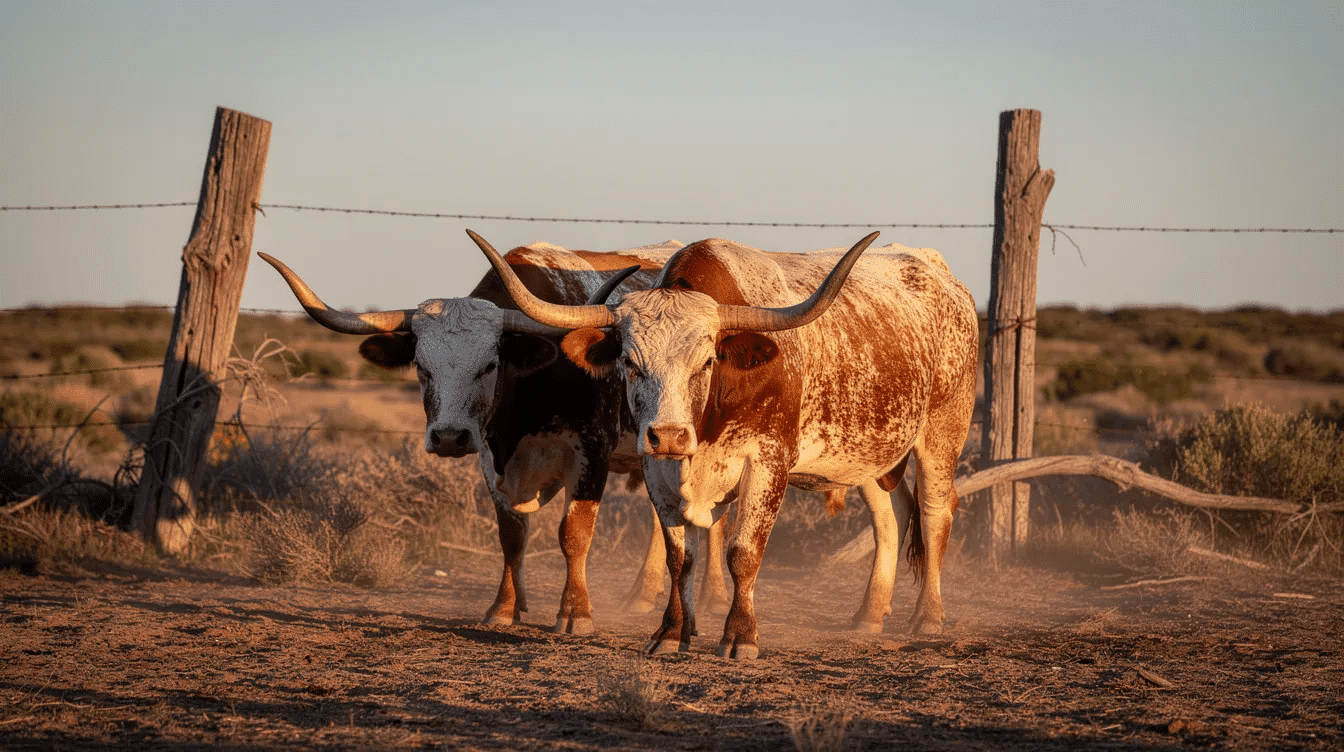
Today’s ranches blend tradition with technology in ways that would surprise visitors expecting a purely historical experience. Cowboys still ride horses—that fundamental connection between person and animal remains at the heart of ranch work—but they may also deploy drones for herd monitoring, use GPS for grazing planning, and rely on data analytics to track rangeland health.
The daily rhythm on a working cattle ranch follows seasonal patterns that have continued for generations:
- Morning checks on herds, looking for sick or injured animals
- Feeding during winter months when pastures can’t sustain grazing
- Fence repairs that seem never-ending across thousands of acres
- Spring branding and processing of new calves
- Fall weaning and shipping to markets or feedlots
Ranchers manage rangeland health through increasingly sophisticated systems. Rotational or adaptive grazing moves cattle between pastures, allowing grass to recover while maintaining wildlife habitat. This kind of planning balances the need for livestock production with long-term land stewardship—a balance that defines successful modern operations.
Water management remains essential in the American West. Ranchers maintain wells, stock tanks, and careful systems for using creeks and rivers. In arid regions, access to reliable water often determines whether land can support cattle at all. Many ranch families pass property down through multiple generations, combining inherited knowledge of local conditions with formal education in animal science, range management, or agribusiness.
Diversification Beyond Cattle
Modern ranches rarely rely on a single income stream, especially in regions facing drought and market volatility. The ranchers who thrive have learned to diversify their operations in creative ways.
Common diversification strategies include:
- Adding sheep or goats that can utilize different vegetation than cattle
- Raising improved beef breeds for premium markets
- Integrating row crops like corn, wheat, or hay for feed production
- Developing direct-to-consumer beef sales that capture retail margins
Large ranches often generate income from non-agricultural sources. Oil and gas leases provide royalties on properties across Texas and the Permian Basin. Wind turbines and solar projects offer electricity revenue while requiring careful infrastructure planning to minimize impact on grazing land.
Wildlife and recreation enterprises have become increasingly important. Guided hunting for deer, elk, and game birds generates significant income on Texas Hill Country and Great Plains ranches. Birding tours, nature photography weekends, and other adventure experiences attract visitors willing to pay for access to private land, especially when lodging includes classic ranch-style houses with strong indoor-outdoor connections.
Vermejo Park Ranch in northern New Mexico demonstrates what diversification can look like at scale. The 560,000-acre property, owned by Ted Turner, runs 1,200 bison alongside fishing, hunting, and guest lodge operations. This multi-use approach generates diverse revenue streams while supporting conservation efforts that would be impossible on a cattle-only operation.
Guest Ranches and Western Vacation Experiences
Guest ranches—sometimes called “dude ranches”—offer a way to experience ranch life without owning cattle yourself. These operations have evolved from simple working ranches that took in paying visitors to sophisticated hospitality businesses that blend authentic Western experiences with modern amenities, much as Ranch Style Homes USA celebrates the comfort and appeal of ranch living.
You’ll find guest ranches across the West, from Montana and Wyoming to Colorado, Arizona, and California. Most offer a core set of activities:
- Trail riding through spectacular landscapes
- Working-cattle experiences for guests interested in authentic ranch tasks
- Fly-fishing on private streams and lakes
- Hiking and wildlife viewing
- Kids’ programs that introduce young visitors to horses and ranch animals
- Western-style dinners with live music and campfire evenings
Some guest ranches maintain active cattle operations alongside their hospitality business. Guests can participate in branding days or roundups under supervision, experiencing the physical work that defines ranch life. It’s one thing to ride a horse on a trail; it’s another to actually work cattle alongside experienced hands, or to stay in a Craftsman-style cabin retreat that blends natural materials with surrounding landscapes.
The style of guest ranches varies enormously. Some emphasize rustic authenticity—log cabins, simple meals, minimal electronics. Others offer luxury amenities: spas, wine tastings, chef-driven menus, and high-end accommodations designed for travelers who want Western adventure without sacrificing comfort, sometimes incorporating beautiful ranch homes where style meets functionality.
Notable Ranch Destinations to Visit
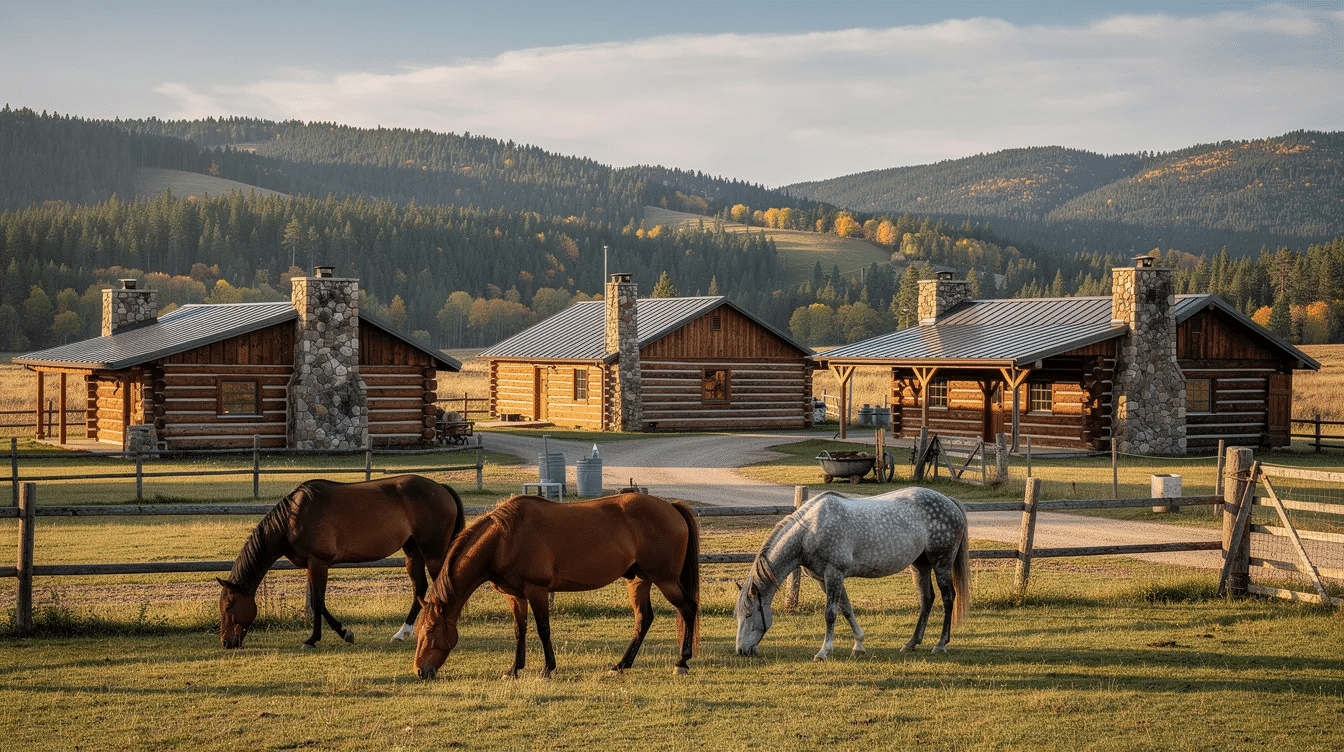
Chief Joseph Ranch in Darby, Montana has gained fame through its appearance as the Dutton family home in the television series “Yellowstone.” But the property’s history predates Hollywood by more than a century. Established as an 1880s homestead, Chief Joseph Ranch features original log structures and timber-frame architecture that the current owners have worked to preserve.
Visitors can rent cabins with a multi-night minimum stay, experiencing the landscape that has made Montana ranch country a destination for generations. Small-scale tours emphasize the property’s historic character rather than manufactured experiences—a style that appeals to travelers seeking authenticity.
Alisal Ranch in Solvang, California offers a different kind of experience. Spread across about 10,500 acres in the Santa Ynez Valley, Alisal combines horseback riding with golfing, fishing, spa services, and family-friendly activities including a petting zoo. The property demonstrates how guest ranches can evolve to serve diverse audiences, from serious riders to families looking for a Western-themed vacation with plenty of options, not unlike ranch homes that redefine comfort and style.
Comparison of Notable Guest Ranches:
Ranch | Location | Style | Key Activities |
|---|---|---|---|
Chief Joseph Ranch | Montana | Historic/Rustic | Cabin stays, historic tours, riding |
Alisal Ranch | California | Family Resort | Golf, spa, rides, fishing, kids’ programs |
Various Colorado ranches | Colorado | Mixed | Cattle drives, fly-fishing, hiking |
Arizona guest ranches | Arizona | Adventure | Desert rides, wildlife, photography |
Many guest ranches offer themed weeks—family weeks in July, adults-only retreats in October, cattle-drive packages that let guests experience multi-day trail experiences. Seasonal events like fall roundups or spring branding create opportunities for visitors to see authentic ranch work rather than staged demonstrations. |
Economic and Cultural Importance of American Ranches
American ranches contribute far more to the national economy than casual observers might assume. These operations produce beef that moves through feedlots and packing plants to feed millions, while supporting rural communities that depend on agriculture for their survival.
The economic footprint extends well beyond cattle sales:
- Local businesses from feed stores to veterinarians rely on ranch spending
- Rural employment in regions where other job opportunities are limited
- Tourism revenue from guest ranches and hunting operations
- Tax base that supports schools, roads, and local services
The connection between profitable ranching and healthy rural communities is direct and essential. When ranches fail, small towns often follow. The feed store closes, the equipment dealer relocates, young people leave for cities—a pattern that has played out across the rural West as farm and ranch consolidation has accelerated.
Conservation-minded ranching practices offer environmental benefits that alternative land uses cannot match. Rotational grazing maintains grassland ecosystems. Riparian buffers protect streams. Wildlife corridors allow migration across private land. Compared with subdivision development, working ranches preserve open space and biodiversity that would otherwise be lost.
Ranch culture also generates significant cultural and tourism value. Rodeos draw millions of spectators annually. County fairs and livestock shows connect urban visitors with agricultural traditions. Western art, music, and literature—much of it rooted in ranch life, along with historic ranch houses in American architecture—represents a distinctive American cultural contribution that resonates globally.
Policy, Land Use, and Conservation
Federal and state policies directly impact ranch viability in ways that might surprise those unfamiliar with Western land use. Grazing leases on public land—managed by the Bureau of Land Management and Forest Service—allow ranchers to run cattle on federal property, extending the effective size of private operations.
Conservation programs have become increasingly important for ranch economics:
- Conservation easements provide income while restricting development rights
- Habitat programs pay ranchers to maintain grasslands and wetlands
- Cost-share programs help fund infrastructure like fencing and water systems
- Tax incentives encourage preservation of working landscapes
Organizations focused on farmland and ranchland protection work to prevent large parcels from being split and developed. Once a working ranch is subdivided into residential lots, the agricultural capacity is typically lost forever. These preservation efforts recognize that keeping land in production requires economic viability for the families who own it.
The Packers and Stockyards Act of 1921 historically aimed to regulate meatpacking and protect livestock producers from unfair practices—illustrating that policy debates around ranching have continued for over a century. Modern politics around agriculture involve everything from trade agreements to environmental regulations, with ranchers often caught between competing interests.
Babbitt Ranches near Flagstaff, Arizona demonstrates how conservation partnerships can work. The 750,000-acre operation, family-owned since 1886, has partnered with wildlife agencies to protect golden eagle habitat while maintaining cattle production. This kind of collaboration shows that ranching and conservation need not be adversaries.
Challenges and the Future of American Ranches
Today’s ranchers face a complex mix of financial, environmental, and generational pressures that threaten the viability of operations that have survived for decades or longer.
Economic challenges hit from multiple directions:
- Volatile cattle prices that can swing dramatically year to year
- Rising land values that make expansion difficult and increase property taxes
- High input costs for feed, fuel, equipment, and labor
- Consolidation in meatpacking that limits market access for small producers
Climate-related stresses compound these financial pressures. Droughts in Texas, New Mexico, and California have forced ranchers to sell herds or truck in expensive feed. Extreme cold snaps in the northern plains can devastate cattle populations. Changing precipitation patterns make long-term planning increasingly difficult.
Perhaps the most critical challenge is succession. Many ranch owners are approaching retirement age without clear plans for transferring operations to the next generation. Younger family members often face a difficult choice: take over a demanding business with uncertain returns, or pursue off-ranch careers that offer higher income and more predictable hours.
Opportunities for innovation exist alongside these challenges:
- Regenerative grazing practices that improve soil health while maintaining production
- Direct-to-consumer beef sales that capture retail margins
- Farm-to-table partnerships with restaurants seeking local sourcing
- Agritourism that generates revenue from visitors
- Technology like remote sensing and herd-monitoring devices that reduce labor needs
USDA data from recent Agricultural Resource Management Surveys shows the diversity of modern ranch operations—classified by income, operator occupation, and family status—demonstrating both resilience and ongoing adaptation to changing conditions.
Keeping Ranch Traditions Alive
Education and outreach programs play an essential role in introducing young people to ranch work. Organizations like 4-H and FFA provide hands-on experience with livestock and agriculture, often serving as the first exposure to ranching for young people from non-agricultural backgrounds. Internships and seasonal jobs on working ranches offer deeper immersion for those considering careers in the industry.
Rodeos, stock shows, and Western heritage festivals connect urban visitors with ranch culture while supporting rural economies. These events generate tourism spending and create markets for livestock, but they also serve a cultural function—keeping traditions visible and valued in an increasingly urbanized society.
The rise of storytelling through books, podcasts, photography, and film has helped portray real ranch life beyond stereotypes. Shows like “Yellowstone” have sparked interest in ranching, even as they dramatize conflicts that actual ranchers might find overblown. More documentary approaches help build public understanding of the challenges and rewards of this kind of life.
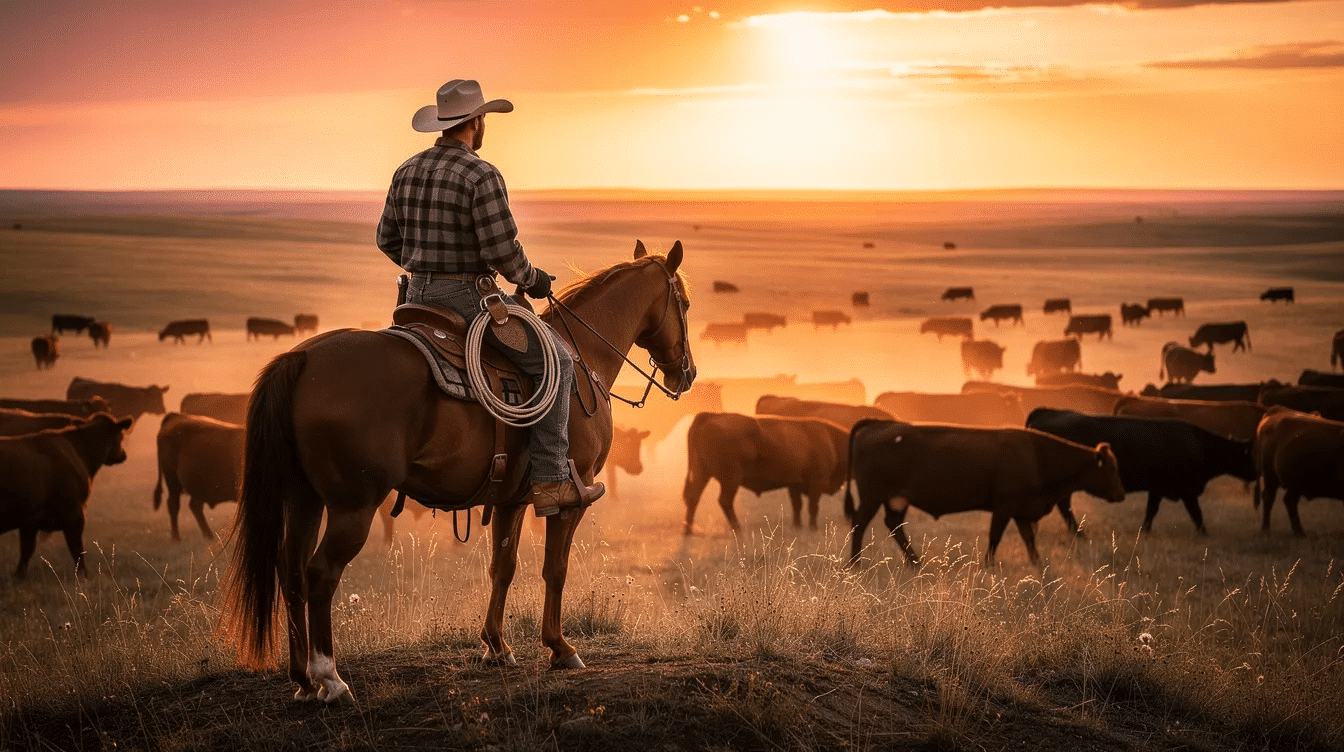
American ranches can remain resilient by honoring traditions while adapting to new markets, conservation goals, and community needs. The ranches that thrive will likely be those that evolve—embracing technology, developing new revenue streams, building direct relationships with consumers, and partnering with conservation organizations when it makes sense.
You can become part of this ongoing story. Visit a guest ranch to experience Western life firsthand. Support local beef producers who raise cattle on well-managed rangeland. Learn about the landscapes and families behind the food you eat and the open spaces that define the American West. The future of American ranches depends not just on the people who work them, but on a public that values what they represent—independence, stewardship, and a connection to place that spans generations.