

Key Takeaways
- Ranch homes are generally easier to sell than multi-story homes due to their broad appeal across age groups and lifestyles
- Single-story design attracts buyers aged 55+, families with young children, and those with mobility concerns, creating strong market demand
- Ranch homes typically sell 15-20% faster than two-story homes according to 2024 real estate data
- Lower maintenance costs and accessibility features make ranch homes attractive investment properties for buyers
- Proper staging and highlighting unique ranch features can maximize selling potential and final sale price
The Short Answer: Ranch Homes Are Generally Easy to Sell
Contrary to outdated perceptions, ranch homes are among the easiest properties to sell in today’s real estate market. Recent market data reveals that ranch style homes consistently outperform other architectural styles in both sales speed and buyer interest.
According to Coldwell Banker’s 2024 housing survey, ranch homes rank as the most popular home style, particularly among buyers over 55 who represent a significant portion of today’s purchasing power. The single story layout appeals to the largest pool of potential buyers compared to multi-level homes, creating competitive demand that benefits sellers.
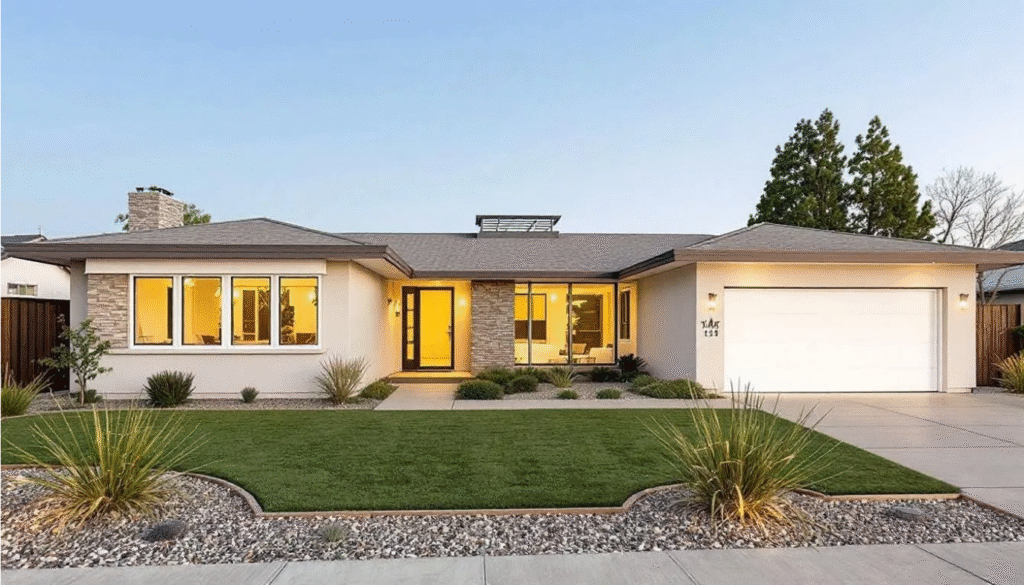
Market statistics demonstrate this appeal translates to faster sales. Ranch homes spend an average of 25-30 days on market versus 35-45 days for two story homes in balanced market conditions. This 15-20% reduction in selling time reflects the broad demographic appeal of single story properties.
Perhaps most compelling for sellers, ranch houses have shown exceptional resale value retention. Industry data shows these properties have appreciated 44.7% over the past six years, outpacing all other housing types and providing sellers with strong equity growth.
Why Ranch Homes Have Strong Market Appeal
The enduring popularity of ranch style homes stems from several key factors that address modern lifestyle preferences and demographic trends. Ranch homes have been a popular choice among homebuyers for decades, offering convenience, style, and practicality. Understanding these appeal factors helps explain why ranch homes continue to attract diverse buyer groups.
Accessibility Features Eliminate Barriers
The single story design of ranch homes removes physical barriers that can limit other properties’ buyer pools. For aging populations, families with mobility concerns, and anyone planning to age in place, the absence of stairs represents a significant advantage. Single-story layouts are easier to navigate for children and elderly residents, reducing the risk of falls and injuries. This accessibility extends beyond current needs to future-proofing, making ranch properties attractive to buyers considering long-term residence.
Open Floor Plans Meet Modern Preferences
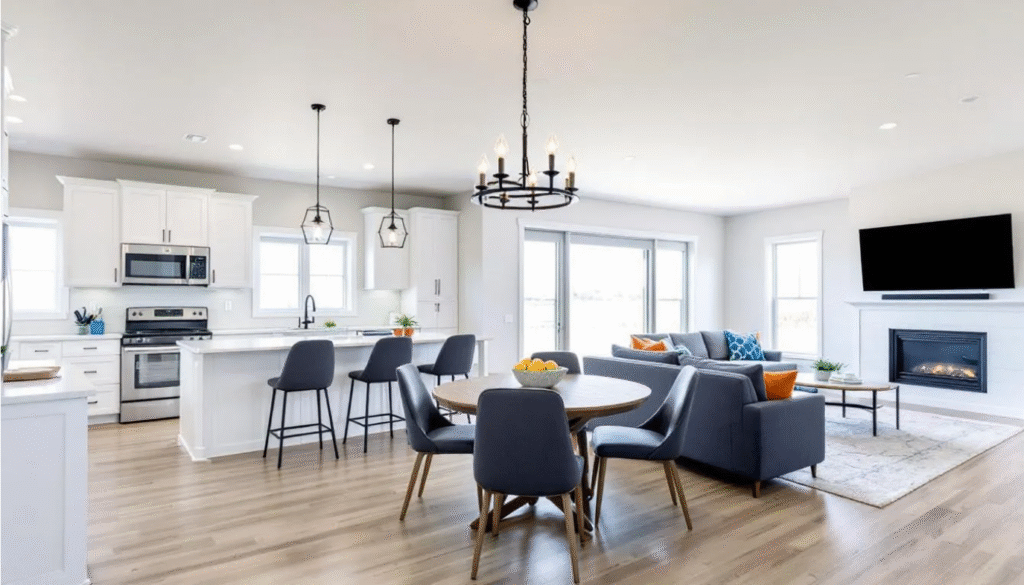
Most ranch homes feature open floor plans that align perfectly with contemporary living preferences. The seamless flow between living areas creates a sense of spaciousness and facilitates entertaining, family interaction, and flexible furniture arrangements. Open floor plans in single-story homes encourage indoor-outdoor living, improving the overall living experience. These open layouts also maximize natural light throughout the home, enhancing the overall living experience.
Lower Maintenance Requirements
Single story homes offer practical advantages that appeal to busy professionals, retirees, and anyone seeking simplified homeownership. Exterior maintenance tasks like gutter cleaning, roof repairs, and window washing are safer and less expensive on ranch style properties. Single-story layouts simplify maintenance tasks like cleaning gutters and windows, as there are no upper levels. The single story layout also typically requires less complex hvac systems, reducing long-term maintenance costs.
Energy Efficient Design
Ranch homes often demonstrate superior energy efficiency compared to multi level homes. Heating and cooling a single floor typically requires less energy than managing temperature control across multiple levels. Additionally, the horizontal layout allows for more consistent temperatures throughout the home, reducing strain on hvac systems and lowering utility costs for homeowners.
Safety for Families
Young families find ranch homes particularly appealing due to enhanced safety features. The absence of stairs eliminates fall risks for small children, while the single level layout allows parents easier supervision throughout the property. Additionally, emergency egress is simpler from ground-level bedrooms, providing peace of mind for family members.
Target Buyer Demographics Drive Demand
The strong market performance of ranch homes reflects their appeal across multiple key buyer demographics. Understanding these target groups illuminates why ranch properties maintain consistent demand and competitive pricing.
Baby Boomers Downsizing
Baby Boomers represent approximately 40% of ranch home buyers in 2024, making them the dominant demographic driving demand. As this generation enters later years, many seek to downsize from larger family homes while maintaining independence and comfort. Ranch homes offer the perfect solution with manageable square footage, accessibility features, and lower maintenance requirements.
This demographic often has significant purchasing power from the sale of previous properties, allowing them to compete effectively in the ranch home market. Their preference for single story living has elevated property values and created sustained demand in markets with ranch home inventory.
First-Time Homebuyers
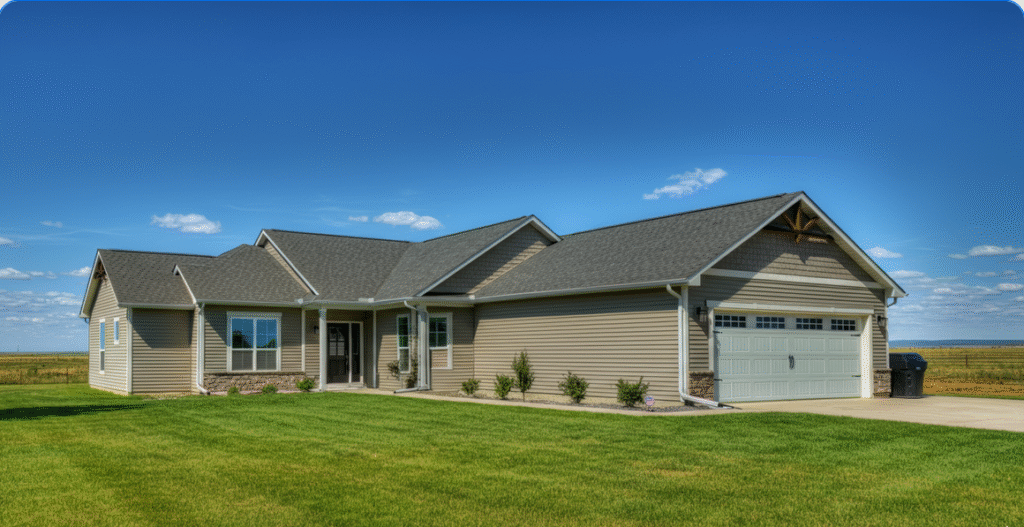
First-time homebuyers increasingly gravitate toward ranch style homes due to affordability and practical benefits. The lower maintenance costs appeal to buyers establishing their first household budget, while the open floor plan provides flexibility as lifestyle needs evolve. Many first-time buyers also appreciate the potential for future expansion or renovation that ranch properties often offer.
Families with young children find ranch homes align with their safety priorities and lifestyle needs. The single story layout facilitates child supervision, while open floor plans create family-friendly gathering spaces. Single-story homes are easier for families with young children because they provide better visibility of the kids. Parents appreciate the easy access to outdoor areas for children’s play and the reduced risk associated with stairway navigation.
Families with young children find ranch homes align with their safety priorities and lifestyle needs. The single story layout facilitates child supervision, while open floor plans create family-friendly gathering spaces. Parents appreciate the easy access to outdoor areas for children’s play and the reduced risk associated with stairway navigation.
Real Estate Investors
Investors increasingly target ranch properties for rental income due to their broad tenant appeal. The accessibility features attract older renters, while young professionals and families also seek ranch rentals. This diverse tenant pool reduces vacancy risk and supports stable rental income, making ranch homes attractive investment properties.
Geographic Market Variations
Ranch home demand varies significantly by geographic region, with certain areas showing particularly strong market performance. Understanding these regional differences helps sellers position their properties effectively.
Midwest and Western Markets
Ranch homes originated in the Midwest and Western United States, where they remain most prevalent and popular. These regions show the strongest demand for single story properties, with ranch homes often representing more than 33% of current listings in suburban markets. Buyers in these areas are familiar with ranch style living and actively seek these properties.
Suburban and Rural Preferences
Suburban and rural markets demonstrate the strongest ranch home demand due to larger lot sizes that complement the horizontal layout. These areas often feature the outdoor living spaces and privacy that enhance ranch home appeal. Property values in such markets frequently benefit from the combination of ranch style homes and desirable lot characteristics.
Retirement-Heavy Regions
States like Florida, Arizona, and South Carolina see premium pricing for ranch homes due to their large retiree populations. In these markets, ranch properties often command higher prices per square foot due to strong demand from older homeowners seeking accessible living arrangements.
Potential Selling Challenges and Solutions
While ranch homes generally sell well, certain challenges can affect the selling process. Understanding these potential obstacles and their solutions helps sellers navigate the market effectively.
Higher Cost Per Square Foot
Ranch homes often show higher cost per square foot compared to two story homes offering the same square footage. This occurs because ranch properties require larger foundation and roof areas to accommodate the horizontal layout. Some budget-conscious buyers may initially balk at this pricing structure.
The single story layout of ranch homes requires more land to achieve the same square footage as multi-level properties. In markets where land costs are premium, this can translate to higher overall property prices that may deter some potential buyers.
Limited Urban Inventory
Dense urban markets often have limited ranch home availability due to land constraints. Developers typically maximize square footage through vertical construction, making ranch style homes less common in city centers. This scarcity can limit buyer options but also creates competitive demand for available ranch properties.
Updates Needed for Older Properties
Many ranch homes were built during the post-World War II suburban expansion, meaning some properties may require significant updates to meet modern standards. Buyers may be concerned about the cost of renovating outdated kitchens, bathrooms, or electrical systems in older ranch homes.
Energy Concerns with Larger Footprints
Some energy-conscious buyers worry about heating and cooling costs for ranch homes’ larger footprints. The horizontal layout can mean more exterior walls and roof area exposed to weather elements, potentially increasing energy consumption compared to compact two story designs.
Overcoming Common Objections
Successful ranch home sellers proactively address potential buyer concerns through strategic positioning and presentation.
Emphasize Long-Term Value
When addressing cost concerns, sellers should emphasize the long-term savings ranch homes provide through reduced maintenance costs, lower insurance premiums, and energy efficiency benefits. The absence of stairs eliminates future accessibility modification costs that other properties might require.
Highlight Recent Upgrades
Sellers of older ranch homes should prominently feature any recent energy efficient upgrades, smart home technology, or modernization projects. Updated hvac systems, new windows, and contemporary fixtures can address buyer concerns about energy costs and maintenance needs.
Showcase Outdoor Living
Ranch homes’ connection to outdoor spaces represents a major selling advantage. Sellers should emphasize patios, decks, landscaped yards, and the seamless indoor-outdoor living that ranch style properties facilitate. These features often justify higher pricing and differentiate properties from multi-level alternatives.
Present Comprehensive Value
Rather than focusing solely on price per square foot, sellers should present the comprehensive value proposition of ranch living. This includes accessibility benefits, maintenance savings, safety features, and lifestyle advantages that justify the investment for target buyer demographics.
Maximizing Your Ranch Home’s Selling Potential
Strategic preparation and marketing can significantly enhance a ranch home’s appeal and final sale price. Sellers who understand how to highlight their property’s unique advantages often achieve faster sales and better terms.
Stage to Highlight Flow and Light
Effective staging emphasizes the open floor plan that makes ranch homes distinctive. Remove excess furniture to showcase the natural flow between rooms and maximize the perception of space. Position furniture to create clear sight lines through the home, demonstrating how the single story layout facilitates easy movement and supervision.
Natural light represents another key ranch home advantage. Ensure all windows are clean and unobstructed, use light-colored furnishings to reflect illumination, and consider adding mirrors to amplify brightness. The goal is showcasing how the horizontal layout maximizes daylight throughout the property.
Emphasize Accessibility in Marketing
Marketing materials should prominently feature accessibility advantages without making assumptions about buyer limitations. Highlight the convenience of single-level living, easy access to all areas, and the future-proofing benefits for buyers planning long-term residence. These features appeal broadly while addressing specific needs of target demographics.
Showcase Outdoor Integration
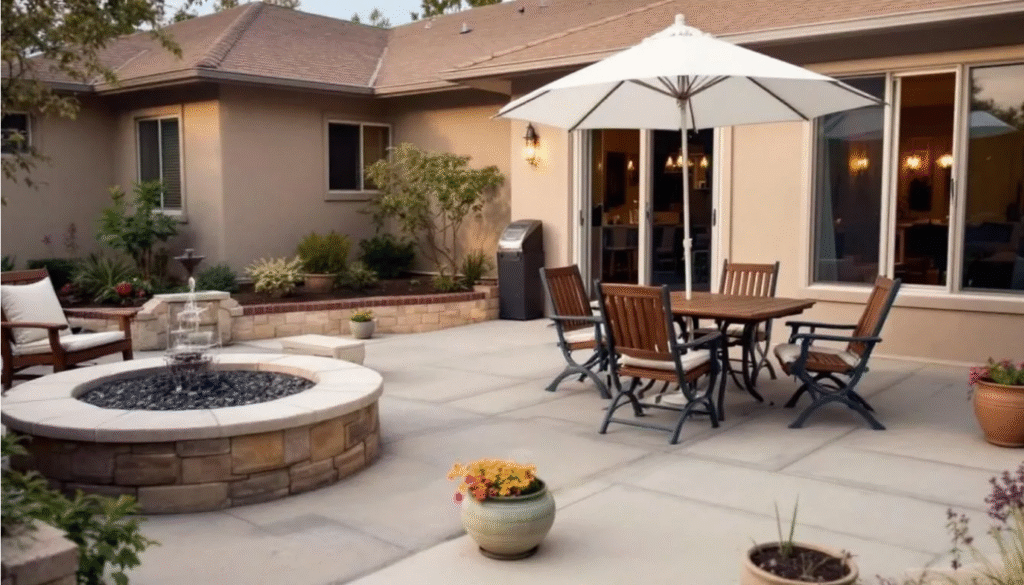
Ranch homes typically offer excellent outdoor living potential due to their ground-level access and horizontal layout. Stage outdoor spaces with appropriate furniture and ensure landscaping is well-maintained. Consider adding or highlighting features like decks, patios, or outdoor kitchens that extend the living space beyond the home’s footprint.
Update Strategic Areas
Focus renovation efforts on areas that provide maximum return on investment for ranch homes. Kitchen and bathroom updates appeal to all buyer demographics, while accessibility features like grab bars or wider doorways can attract specific target groups. Energy efficient improvements like new windows or upgraded hvac systems address common buyer concerns about ranch home operating costs.
Price Competitively Based on Local Data
Research recent ranch home sales in your specific market area rather than relying on general price-per-square-foot comparisons. Ranch properties often command premiums in certain markets due to their scarcity and appeal to target demographics. Work with a real estate agent experienced in ranch style properties to establish competitive pricing that reflects current demand.
Marketing Strategies That Work
Effective ranch home marketing targets the demographics most likely to purchase these properties while highlighting distinctive advantages.
Target Demographic-Specific Advertising
Develop marketing campaigns that speak to baby boomers, young families, and first-time buyers – the primary ranch home buyer groups. Use platforms and messaging that resonate with these demographics, emphasizing the specific benefits each group values most.
Leverage Virtual Tours
Virtual tours particularly benefit ranch home sales because they can effectively showcase the open floor plan flow and single-story layout. These tools allow potential buyers to experience the seamless movement between rooms and understand the property’s accessibility advantages before scheduling in-person visits.
Highlight Efficiency Reports
Provide energy efficiency reports and maintenance cost comparisons to address buyer concerns about ranch home operating expenses. Documentation of utility costs, recent improvements, and maintenance history can differentiate your property from competing listings.
Partner with Experienced Agents
Choose a real estate agent with specific experience selling ranch style homes. These professionals understand how to position ranch properties effectively, identify qualified buyers, and navigate the unique aspects of single-story home transactions.
Current Market Trends Favoring Ranch Homes
Several converging market trends are creating particularly favorable conditions for ranch home sales. Understanding these developments helps sellers capitalize on current market dynamics.
Demographic Shifts Drive Demand
The aging U.S. population represents the most significant trend supporting ranch home demand. As baby boomers enter retirement and begin considering their housing needs for later years, many prioritize accessibility and single-story living. This demographic shift is expected to continue for the next two decades, providing sustained demand for ranch properties.
Simultaneously, millennials are reaching peak homebuying age and often prefer the open, flexible layouts that ranch homes provide. This generation’s preference for indoor-outdoor living and entertaining spaces aligns well with ranch home design characteristics.
Work-From-Home Preferences
Remote work trends have increased demand for homes with flexible layouts that can accommodate home offices and varying family schedules. Ranch homes’ open floor plans and potential for room configuration changes appeal to buyers seeking properties that can adapt to work-from-home needs.
The single story layout also facilitates noise management in homes where family members may be working, attending virtual meetings, or participating in remote learning simultaneously.
Outdoor Living Focus
Increased emphasis on outdoor living spaces, accelerated by recent health concerns and lifestyle changes, benefits ranch homes with their natural integration between indoor and outdoor areas. Buyers increasingly value properties that offer seamless access to patios, decks, and yard spaces.
Rising Construction Costs
Current construction costs make existing ranch homes more valuable relative to new construction alternatives. The expense and complexity of building new single-story homes on appropriately sized lots often exceeds the cost of purchasing and updating existing ranch properties.
Investment Property Interest
Real estate investors are increasingly targeting ranch homes for rental properties due to their broad tenant appeal and lower maintenance requirements. This investor demand creates additional competition for ranch properties, supporting property values and reducing market time.
Rental demand for ranch homes remains strong across age groups, from young professionals seeking modern, accessible living to older adults prioritizing safety and convenience. This diverse tenant pool makes ranch properties attractive to income-focused investors.
Frequently Asked Questions
How long does it typically take to sell a ranch home?
Ranch homes generally sell 15-20% faster than multi-story homes, with an average of 25-30 days on market in balanced conditions. However, selling time varies significantly based on location, pricing strategy, property condition, and local market dynamics. Well-staged ranch homes in desirable suburban markets often sell within 2-3 weeks, while properties needing updates or in slower markets may take 45-60 days.
Do ranch homes hold their value as well as two-story homes?
Ranch homes often hold their value better than two story alternatives due to their broader buyer appeal and increasing demand from aging populations. Recent market data shows ranch properties appreciating 44.7% over the past six years, outpacing other housing styles. Many markets demonstrate 3-5% annual appreciation for well-maintained ranch homes, particularly in suburban areas with strong demographic trends supporting single-story demand.
What updates should I make before selling my ranch home?
Focus on kitchen and bathroom updates, which provide the highest return on investment for any home style. Ensure your hvac system operates efficiently and consider energy-efficient improvements like new windows or insulation. Enhance outdoor living spaces including patios and landscaping to showcase ranch homes’ indoor-outdoor connection. Consider adding accessibility features like grab bars and wider doorways, which appeal to key ranch home buyer demographics without deterring others.
Are there any disadvantages to selling a ranch home?
Potential challenges include higher cost per square foot compared to multi-story homes due to larger foundation and roof requirements. Some buyers may have privacy concerns with single-story design, and heating/cooling costs can be higher due to the larger footprint. However, these disadvantages are typically offset by the broader buyer appeal, accessibility benefits, and lower maintenance costs that attract diverse purchaser groups and support strong resale values.
Which buyers are most interested in ranch homes?
Primary buyer groups include adults aged 55 and older (representing about 40% of ranch buyers), first-time homebuyers attracted to affordability and low maintenance, families with young children valuing safety features, people with mobility concerns seeking accessible housing, and real estate investors targeting rental properties with broad tenant appeal. This diverse buyer base creates competitive demand that benefits sellers through faster sales and strong pricing.
