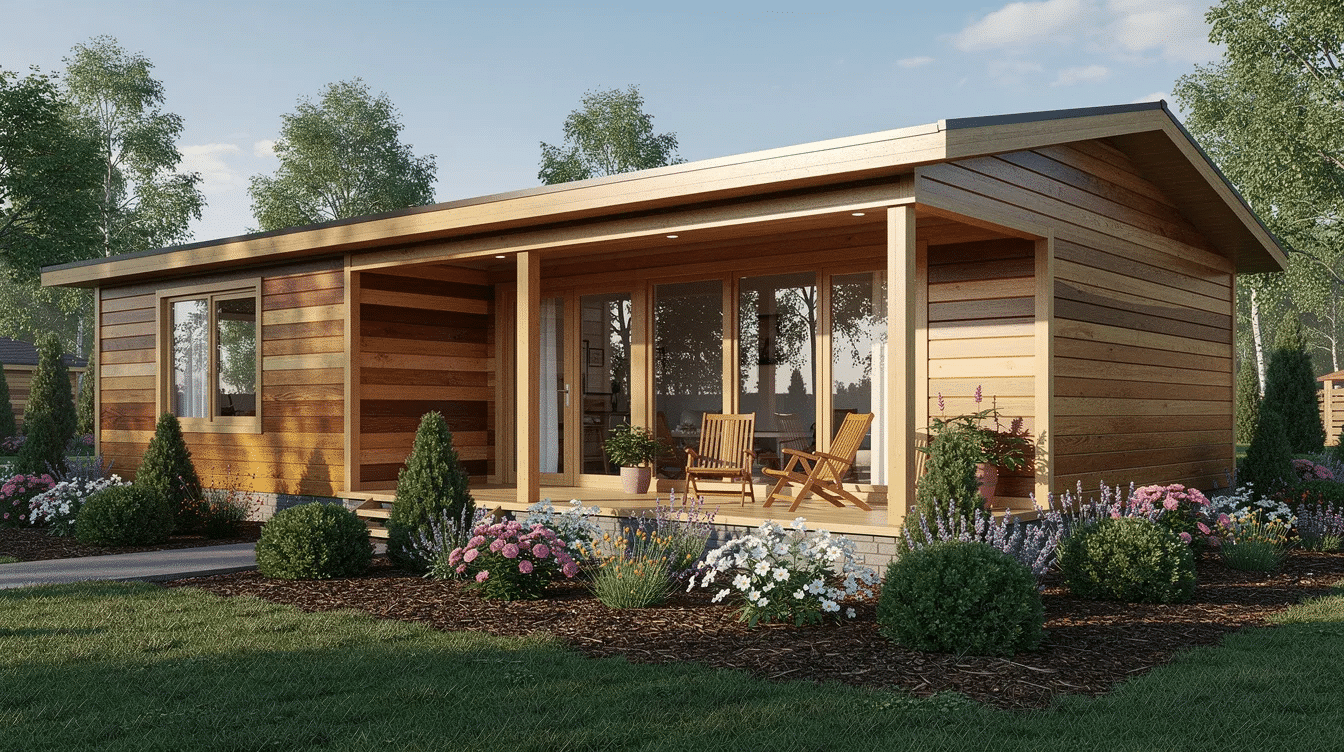
Wood siding ranch house ideas work so well because the material follows what ranch architecture already does best: long lines, warm surfaces, and easy indoor-outdoor living. Ranch-style homes originated in the 1920s and gained popularity between the 1940s and 1970s, typically with single-story open floor plans, large windows, and a single story design that sits close to the ground.
Wood siding provides a natural appearance and is customizable, making it ideal for a remodel that should feel classic, modern, country, or contemporary. Below is a practical collection of siding ideas based on style, durability, cost, maintenance, and curb appeal.
How We Chose the Best Wood Siding Ideas
We evaluated each siding option by asking a few simple questions:
- Does it enhance the ranch style instead of fighting it?
- Does it add visual interest to a long home’s exterior?
- Is it durable enough for sun, shade, rain, and daily life?
- Will homeowners keep up with maintenance?
- Does it work with different siding materials like brick, stone, fiber cement siding, or fiber cement accents?
- Is the installation realistic for many homeowners?
We also considered how each idea works on a traditional ranch, modern ranch, raised ranch, and traditional ranch home with a garage, porch, shutters, or recessed entryways. Recessed entryways can enhance visual appeal and warmth, especially when wood wraps the entry and doors.
Top 7 Wood Siding Ideas for Ranch Houses
1. Horizontal Lap Wood Siding
Horizontal lap siding is popular for Ranch-style homes because it repeats the long, low lines of a ranch house. Traditional ranch homes often have horizontal lap siding, which makes this the safest choice for a classic look.
Why it stands out: continuous horizontal siding can help minimize garage dominance in design by visually pulling the eye across the full exterior instead of stopping at the garage door.
Best for: owners who want a traditional, budget-conscious ranch home update.
Key strengths: easy installation, familiar materials, strong resale appeal, and a clean sense of proportion.
Possible limitations: it can feel plain without contrast from trim, landscaping, or a colorful front door.
2. Board and Batten Wood Siding
Board and batten siding contrasts well with Ranch-style homes because the vertical lines break up long facades. Vertical wood strips create height for ranch-style houses, which can help a low roof feel more balanced.
Why it stands out: it adds texture and a modern farmhouse look without changing the house structure.
Best for: a modern ranch, country ranch, or homeowners who want more architectural detail.
Key strengths: bold shadows, strong rhythm, and excellent use around the porch, entry, or center gable.
Possible limitations: full coverage can overwhelm a small single story ranch, and labor costs are usually higher.
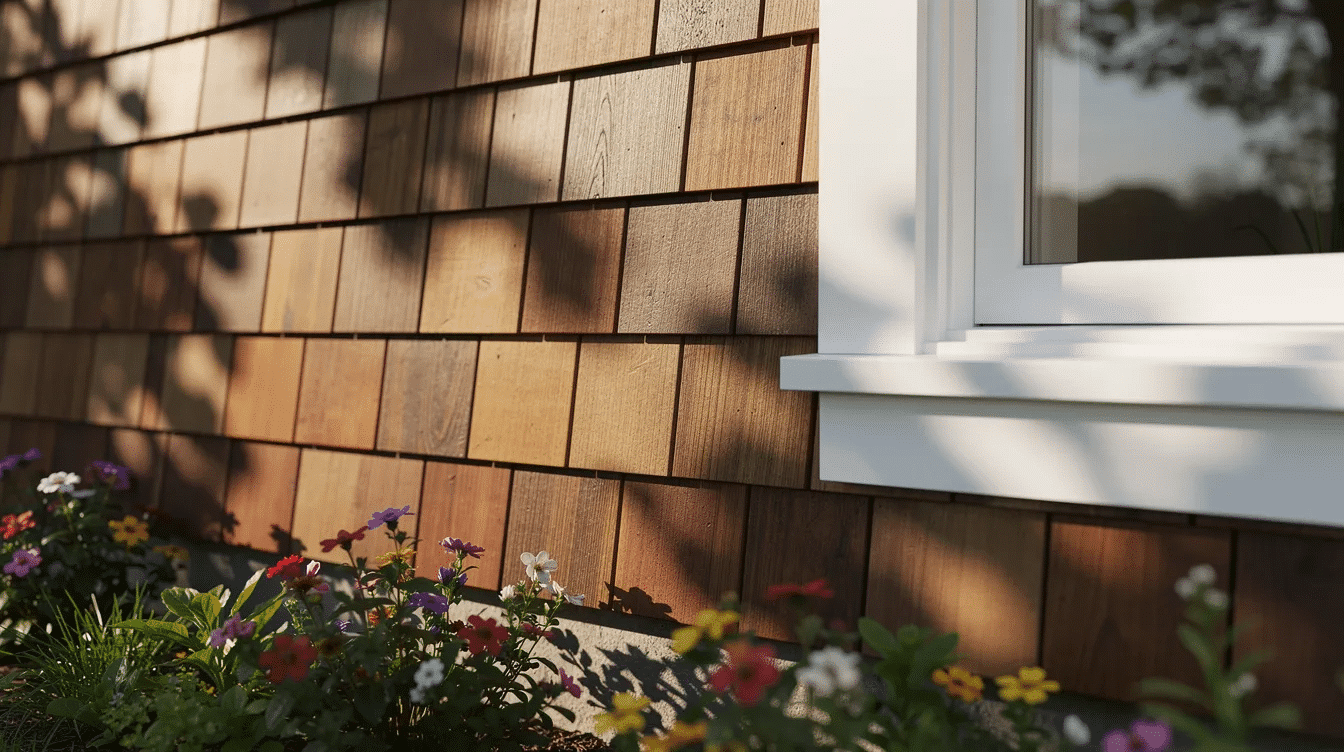
3. Cedar Shake Wood Siding
Cedar shakes and shingles bring texture, depth, and a charming cottage feeling to a ranch style house. Natural cedar wood resists rot and pests, ensuring durability when properly installed and finished.
Why it stands out: each piece weathers slightly differently, creating an elegant, natural exterior.
Best for: rustic ranch homes, wooded property settings, or owners who want a warm family gathering place for friends.
Key strengths: natural insulation, rich grain, and long service life. Cedar siding can last 20–40 years with good maintenance, according to industry cost and durability guides such as HomeGuide’s cedar siding cost data.
Possible limitations: higher upfront cost and specialized installation.
4. Mixed Wood Siding Materials
Mixed wood siding uses different profiles, such as lap siding on the main walls and board and batten near the front door. Using mixed orientations can enhance architectural depth, and using mixed materials creates visual interest on ranch exteriors.
Why it stands out: it helps divide a long facade into zones.
Best for: raised ranch homes, large ranch style homes, and exteriors with a visible foundation.
Key strengths: you can pair wood with brick, natural stone, or painted accents. Natural stone can add dimension to wood siding exteriors, especially around the foundation or chimney.
Possible limitations: different siding materials require careful flashing, finish planning, and maintenance schedules.
5. Stained Natural Wood Siding
Stained natural wood siding shows off grain instead of covering it. It is one of the best ideas if your site has mature trees, shade, and landscaping that already feels organic.
Why it stands out: stain can add warmth while still protecting the surface from moisture and sun.
Best for: wooded lots, mountain-inspired ranch homes, and owners who prefer a neutral color scheme.
Key strengths: renewable finish, warm tone, and strong connection to the outdoors.
Possible limitations: stain often needs refreshing every 3–7 years, depending on exposure.
6. Wide Plank Wood Siding
Wide plank siding gives a ranch house a more contemporary profile. The larger boards reduce seams and create a quieter, cleaner exterior.
Why it stands out: it emphasizes the long shape of ranch architecture while looking more modern than narrow clapboard.
Best for: mid-century ranch homes, minimalist designs, and houses with large windows.
Key strengths: fewer lines, bold scale, and a refined look.
Possible limitations: wider boards can move, cup, or warp if you choose materials poorly or skip proper installation.
7. Painted Wood Siding with Trim Accents
Painted wood siding gives you the most control over siding colors. Bright white trim enhances contrast on ranch-style homes, especially when paired with dark shutters, black windows, or colorful doors.
Why it stands out: paint can highlight the roof line, front door, porch posts, and window trim.
Best for: homeowners who want maximum curb appeal and easy color updates.
Key strengths: crisp definition, unlimited palettes, and a flexible classic or contemporary style.
Possible limitations: repainting is needed every 5–10 years, and paint hides some natural wood beauty.
Quick Comparison of the Best Wood Siding Ideas
Wood siding idea | Best use | Main advantage |
|---|---|---|
Horizontal Lap Siding | Traditional ranch style | Budget-friendly classic look |
Board and Batten | Modern farmhouse ranch | Height, texture, contrast |
Cedar Shake | Cottage or rustic ranch | Natural character and durability |
Mixed Materials | Raised ranch homes | Architectural definition |
Stained Natural Wood | Wooded settings | Organic warmth |
Wide Plank | Contemporary ranch | Clean modern lines |
Painted Wood with Trim | Color-driven curb appeal | Flexible siding colors |
How to Choose the Right Wood Siding for Your Ranch House
Choose Based on Your Ranch Style
A traditional ranch home usually looks best with horizontal lap, cedar, and simple trim. A modern ranch can handle wide plank siding, dark windows, and fewer decorative details. Raised ranch homes often benefit from mixed building materials because the lower level, garage, and main floor need separation.
If your search includes a ranch house with dominant garage doors, use continuous horizontal siding and place the entry as the visual center.
Choose Based on Maintenance Preferences
If you want low maintenance, engineered wood or carefully finished cedar may be smarter than soft pine. Painted wood needs repainting every 5–10 years. Stained wood usually needs more frequent care. Cedar shakes offer natural durability but still need inspections.
Additionally, keep boards away from the ground, seal cut ends, and protect openings around windows and doors.
Choose Based on Budget and Timeline
Horizontal lap siding is often the most cost-effective wood option. Cedar clapboard commonly runs about $6–$12 per square foot installed, while engineered wood may cost less, according to wood siding cost estimates and examples from 10 amazing ranch homes.
Mixed materials, wide planks, and cedar shakes raise labor costs. Before you choose materials, compare upfront price with long-term painting, staining, and repair.
Which Wood Siding Option Is Best for You?
Choose horizontal lap siding if you want classic ranch appeal on a budget.
Choose board and batten if you want modern farmhouse style with strong visual impact.
Choose cedar shake if you prioritize natural beauty, texture, and long-term durability.
Choose mixed materials if you have a raised ranch needing architectural definition.
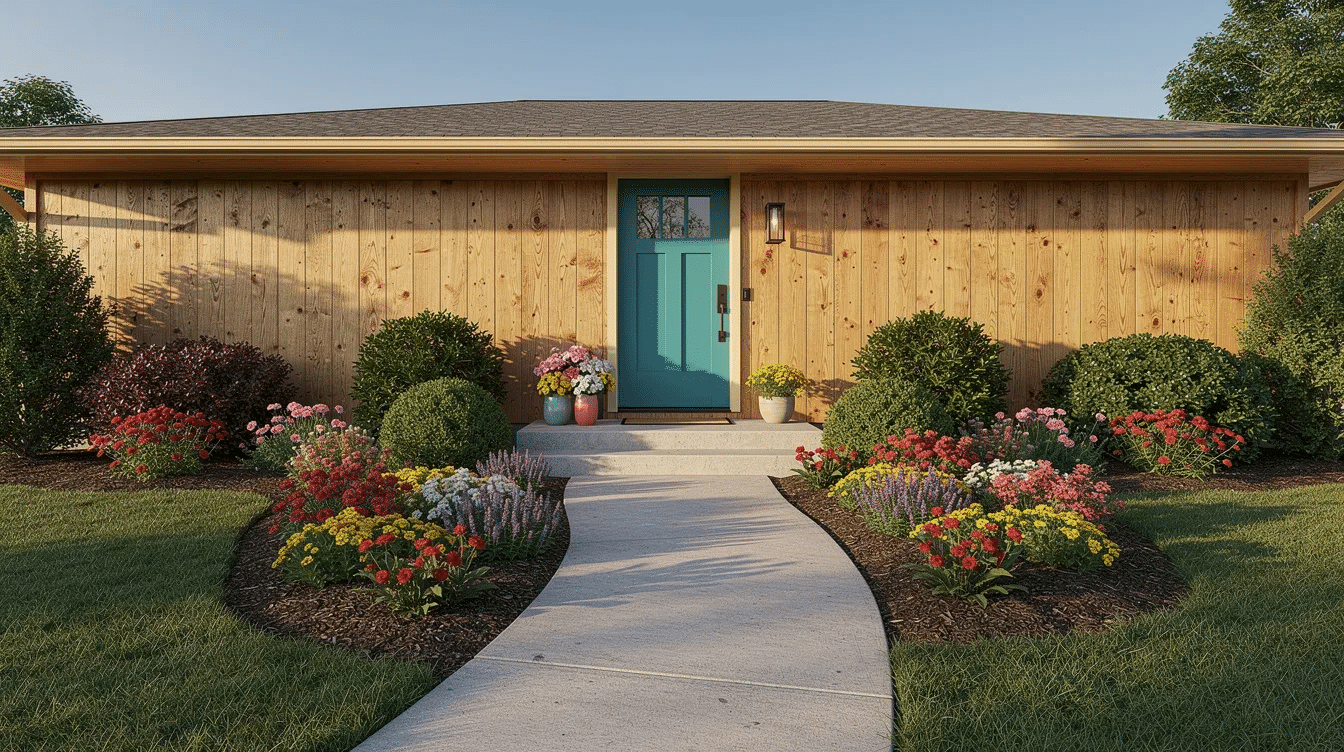
Choose painted wood with trim if curb appeal, contrast, and color flexibility are priorities. A colorful front door can enhance a ranch home’s curb appeal, and curved walkways draw attention to ranch-style home entrances.
Final Thoughts
Wood accents can enhance the curb appeal of Ranch homes, but the best siding choice depends on your architecture, climate, budget, and maintenance habits. Landscaping with shrubs and flowers adds dimension to ranch homes, especially when paired with warm wood, light trim, and a welcoming porch.
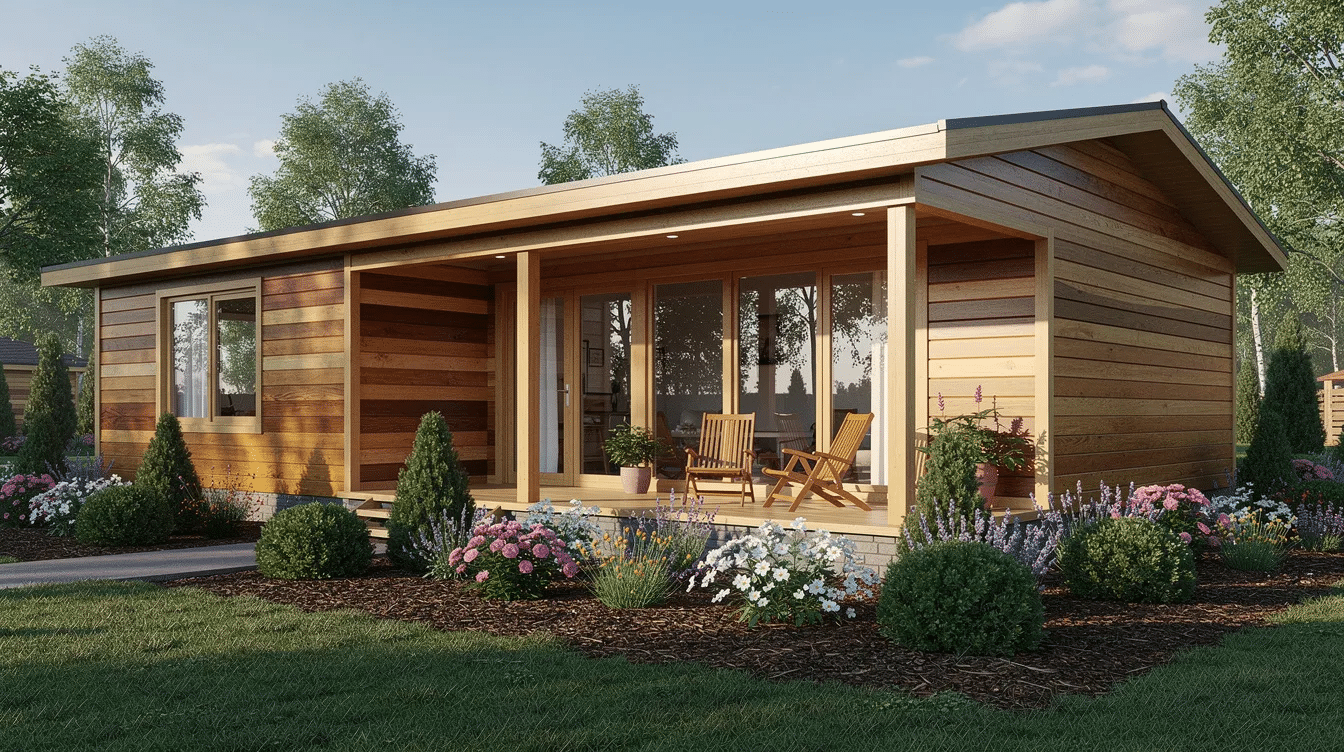
Wood siding ranch house ideas work so well because the material follows what ranch architecture already does best: long lines, warm surfaces, and easy indoor-outdoor living. Ranch-style homes originated in the 1920s and gained popularity between the 1940s and 1970s, typically with single-story open floor plans, large windows, and a single story design that sits close to the ground.
Wood siding provides a natural appearance and is customizable, making it ideal for a remodel that should feel classic, modern, country, or contemporary. Below is a practical collection of siding ideas based on style, durability, cost, maintenance, and curb appeal.
How We Chose the Best Wood Siding Ideas
We evaluated each siding option by asking a few simple questions:
- Does it enhance the ranch style instead of fighting it?
- Does it add visual interest to a long home’s exterior?
- Is it durable enough for sun, shade, rain, and daily life?
- Will homeowners keep up with maintenance?
- Does it work with different siding materials like brick, stone, fiber cement siding, or fiber cement accents?
- Is the installation realistic for many homeowners?
We also considered how each idea works on a traditional ranch, modern ranch, raised ranch, and traditional ranch home with a garage, porch, shutters, or recessed entryways. Recessed entryways can enhance visual appeal and warmth, especially when wood wraps the entry and doors.
Top 7 Wood Siding Ideas for Ranch Houses
1. Horizontal Lap Wood Siding
Horizontal lap siding is popular for Ranch-style homes because it repeats the long, low lines of a ranch house. Traditional ranch homes often have horizontal lap siding, which makes this the safest choice for a classic look.
Why it stands out: continuous horizontal siding can help minimize garage dominance in design by visually pulling the eye across the full exterior instead of stopping at the garage door.
Best for: owners who want a traditional, budget-conscious ranch home update.
Key strengths: easy installation, familiar materials, strong resale appeal, and a clean sense of proportion.
Possible limitations: it can feel plain without contrast from trim, landscaping, or a colorful front door.
2. Board and Batten Wood Siding
Board and batten siding contrasts well with Ranch-style homes because the vertical lines break up long facades. Vertical wood strips create height for ranch-style houses, which can help a low roof feel more balanced.
Why it stands out: it adds texture and a modern farmhouse look without changing the house structure.
Best for: a modern ranch, country ranch, or homeowners who want more architectural detail.
Key strengths: bold shadows, strong rhythm, and excellent use around the porch, entry, or center gable.
Possible limitations: full coverage can overwhelm a small single story ranch, and labor costs are usually higher.
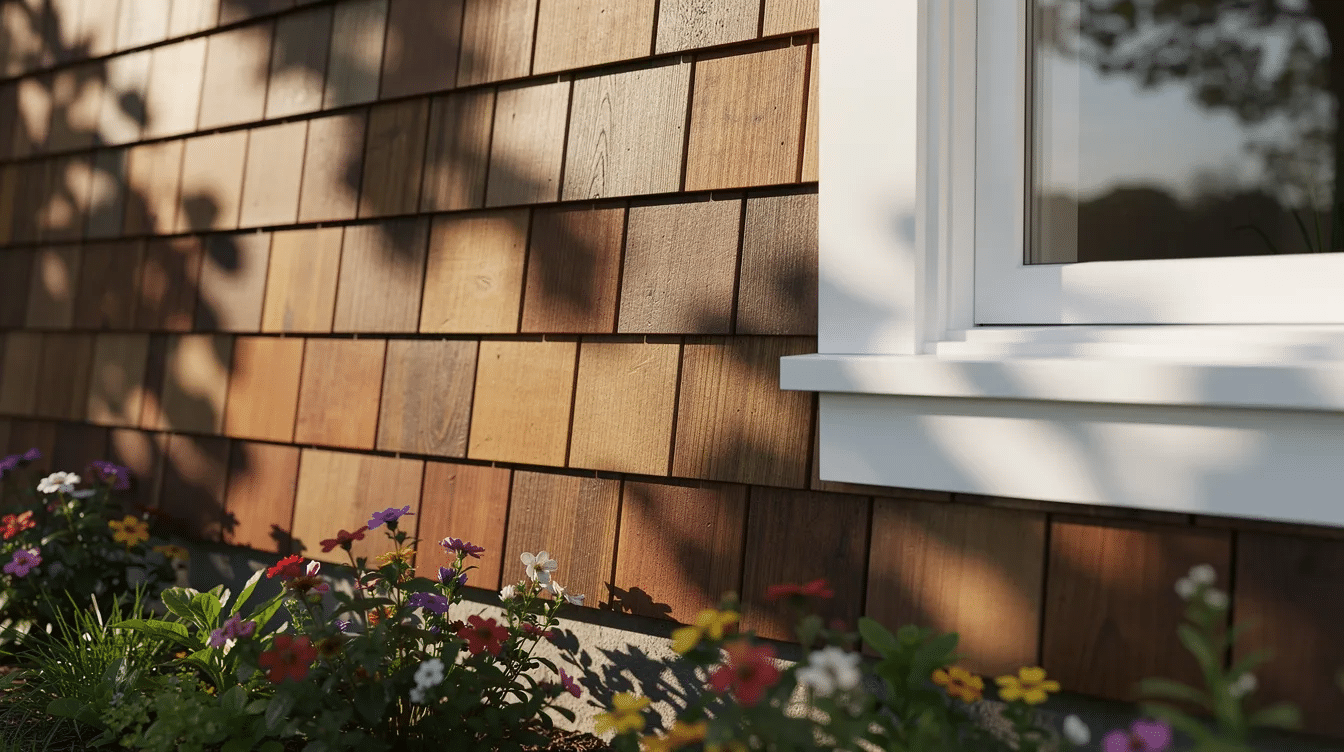
3. Cedar Shake Wood Siding
Cedar shakes and shingles bring texture, depth, and a charming cottage feeling to a ranch style house. Natural cedar wood resists rot and pests, ensuring durability when properly installed and finished.
Why it stands out: each piece weathers slightly differently, creating an elegant, natural exterior.
Best for: rustic ranch homes, wooded property settings, or owners who want a warm family gathering place for friends.
Key strengths: natural insulation, rich grain, and long service life. Cedar siding can last 20–40 years with good maintenance, according to industry cost and durability guides such as HomeGuide’s cedar siding cost data.
Possible limitations: higher upfront cost and specialized installation.
4. Mixed Wood Siding Materials
Mixed wood siding uses different profiles, such as lap siding on the main walls and board and batten near the front door. Using mixed orientations can enhance architectural depth, and using mixed materials creates visual interest on ranch exteriors.
Why it stands out: it helps divide a long facade into zones.
Best for: raised ranch homes, large ranch style homes, and exteriors with a visible foundation.
Key strengths: you can pair wood with brick, natural stone, or painted accents. Natural stone can add dimension to wood siding exteriors, especially around the foundation or chimney.
Possible limitations: different siding materials require careful flashing, finish planning, and maintenance schedules.
5. Stained Natural Wood Siding
Stained natural wood siding shows off grain instead of covering it. It is one of the best ideas if your site has mature trees, shade, and landscaping that already feels organic.
Why it stands out: stain can add warmth while still protecting the surface from moisture and sun.
Best for: wooded lots, mountain-inspired ranch homes, and owners who prefer a neutral color scheme.
Key strengths: renewable finish, warm tone, and strong connection to the outdoors.
Possible limitations: stain often needs refreshing every 3–7 years, depending on exposure.
6. Wide Plank Wood Siding
Wide plank siding gives a ranch house a more contemporary profile. The larger boards reduce seams and create a quieter, cleaner exterior.
Why it stands out: it emphasizes the long shape of ranch architecture while looking more modern than narrow clapboard.
Best for: mid-century ranch homes, minimalist designs, and houses with large windows.
Key strengths: fewer lines, bold scale, and a refined look.
Possible limitations: wider boards can move, cup, or warp if you choose materials poorly or skip proper installation.
7. Painted Wood Siding with Trim Accents
Painted wood siding gives you the most control over siding colors. Bright white trim enhances contrast on ranch-style homes, especially when paired with dark shutters, black windows, or colorful doors.
Why it stands out: paint can highlight the roof line, front door, porch posts, and window trim.
Best for: homeowners who want maximum curb appeal and easy color updates.
Key strengths: crisp definition, unlimited palettes, and a flexible classic or contemporary style.
Possible limitations: repainting is needed every 5–10 years, and paint hides some natural wood beauty.
Quick Comparison of the Best Wood Siding Ideas
Wood siding idea | Best use | Main advantage |
|---|---|---|
Horizontal Lap Siding | Traditional ranch style | Budget-friendly classic look |
Board and Batten | Modern farmhouse ranch | Height, texture, contrast |
Cedar Shake | Cottage or rustic ranch | Natural character and durability |
Mixed Materials | Raised ranch homes | Architectural definition |
Stained Natural Wood | Wooded settings | Organic warmth |
Wide Plank | Contemporary ranch | Clean modern lines |
Painted Wood with Trim | Color-driven curb appeal | Flexible siding colors |
How to Choose the Right Wood Siding for Your Ranch House
Choose Based on Your Ranch Style
A traditional ranch home usually looks best with horizontal lap, cedar, and simple trim. A modern ranch can handle wide plank siding, dark windows, and fewer decorative details. Raised ranch homes often benefit from mixed building materials because the lower level, garage, and main floor need separation.
If your search includes a ranch house with dominant garage doors, use continuous horizontal siding and place the entry as the visual center.
Choose Based on Maintenance Preferences
If you want low maintenance, engineered wood or carefully finished cedar may be smarter than soft pine. Painted wood needs repainting every 5–10 years. Stained wood usually needs more frequent care. Cedar shakes offer natural durability but still need inspections.
Additionally, keep boards away from the ground, seal cut ends, and protect openings around windows and doors.
Choose Based on Budget and Timeline
Horizontal lap siding is often the most cost-effective wood option. Cedar clapboard commonly runs about $6–$12 per square foot installed, while engineered wood may cost less, according to wood siding cost estimates.
Mixed materials, wide planks, and cedar shakes raise labor costs. Before you choose materials, compare upfront price with long-term painting, staining, and repair.
Which Wood Siding Option Is Best for You?
Choose horizontal lap siding if you want classic ranch appeal on a budget.
Choose board and batten if you want modern farmhouse style with strong visual impact.
Choose cedar shake if you prioritize natural beauty, texture, and long-term durability.
Choose mixed materials if you have a raised ranch needing architectural definition.
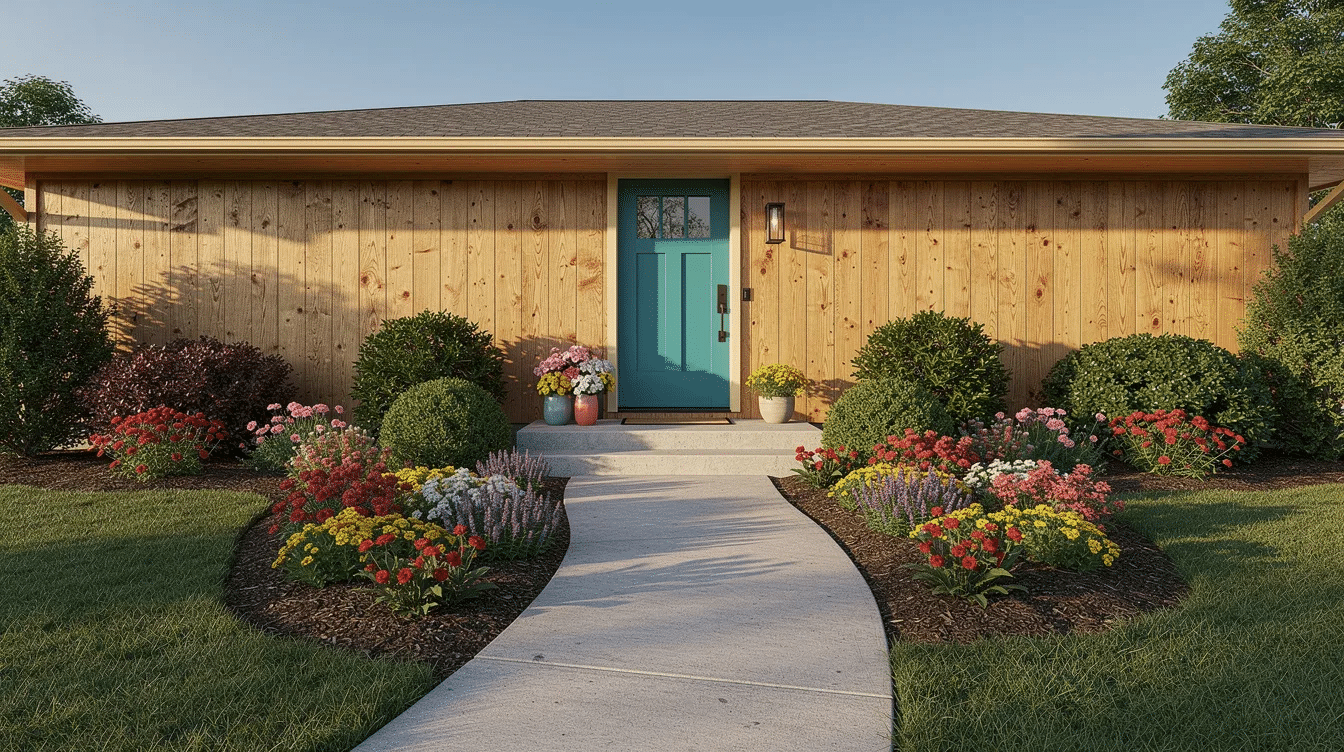
Choose painted wood with trim if curb appeal, contrast, and color flexibility are priorities. A colorful front door can enhance a ranch home’s curb appeal, and curved walkways draw attention to ranch-style home entrances.
Final Thoughts
Wood accents can enhance the curb appeal of Ranch homes, but the best siding choice depends on your architecture, climate, budget, and maintenance habits. Landscaping with shrubs and flowers adds dimension to ranch homes, especially when paired with warm wood, light trim, and a welcoming porch.
For most homeowners, horizontal lap siding remains the most versatile all-around choice. Whatever style you choose, quality installation will matter as much as the material itself.