
Key Takeaways
- Bungalow architecture originated in Bengal, India in the mid-1800s and spread globally through British colonial influence, becoming synonymous with single-story, accessible home design
- The defining features include low pitched roofs, wide covered front porches, one to one-and-a-half story construction, and integration with outdoor living spaces
- The arts and crafts movement (1900-1918) popularized bungalows in America, leading to iconic styles like craftsman style, Mission, and Prairie bungalows. The style gained popularity in the U.S. from 1900 to 1930 for reasons including its affordability and connection to the Arts and Crafts movement.
- Regional variations developed worldwide, from chicago bungalow designs with brick construction to California’s stucco designs, each adapted to local climate and cultural preferences
- Modern bungalow architecture emphasizes accessibility, cost-effective construction, and sustainable design while maintaining traditional charm and functionality
When you think of accessible, charming residential design, few architectural styles capture the imagination quite like the bungalow. From its humble origins in 19th-century Bengal to its starring role in the american dream, bungalow architecture has evolved into one of the world’s most enduring and adaptable house styles. Whether you’re drawn to the handcrafted details of a craftsman bungalow or the clean lines of a modern interpretation, understanding this architectural style opens doors to both historical appreciation and contemporary design possibilities.
The term bungalow encompasses far more than just a small house – it represents a philosophy of living that prioritizes accessibility, connection to nature, and thoughtful design. In this comprehensive guide, we’ll explore everything from the historical roots in colonial India to the latest sustainable adaptations, giving you the knowledge to appreciate, identify, and potentially embrace this timeless architectural style.
- What is Bungalow Architecture
- Historical Origins and Global Evolution
- Essential Architectural Features
- Popular Bungalow Styles
- Regional Variations Across the World
- Design Considerations and Benefits
- Modern Adaptations and Contemporary Relevance
- FAQ
- What is the difference between a bungalow and a ranch house?
- Are bungalows more expensive to build than two-story houses?
- Can bungalows be expanded vertically while maintaining their architectural character?
- What climates are best suited for bungalow architecture?
- How do I identify an authentic historical bungalow versus a modern reproduction?
What is Bungalow Architecture
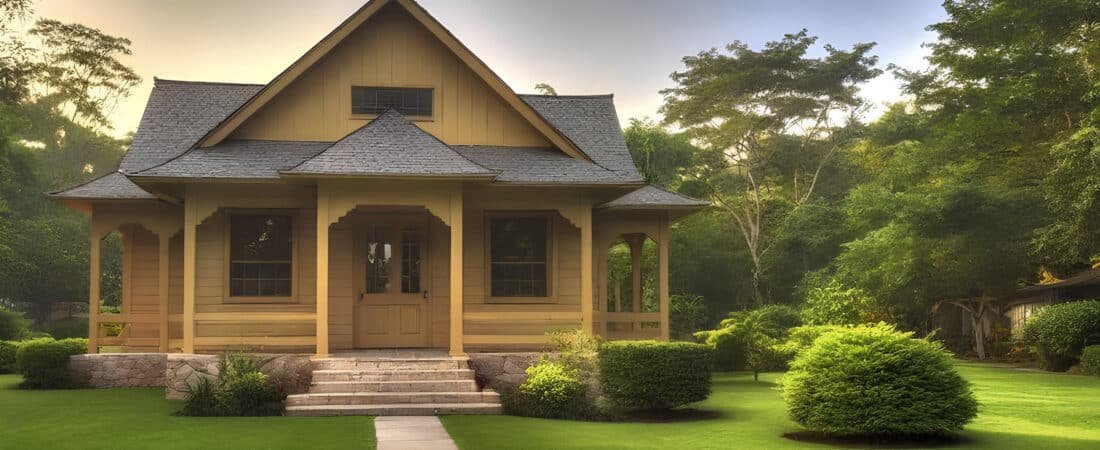
At its core, bungalow architecture represents a small house typically featuring one or one-and-a-half stories with distinctive architectural elements that prioritize ground-level living. The defining characteristic that sets a bungalow apart from other house styles is its emphasis on horizontal rather than vertical space, creating an intimate connection between interior living spaces and the surrounding landscape.
A bungalow style house typically incorporates several key features that make it instantly recognizable. The most prominent element is the low pitched roof, often featuring gables that create visual interest while maintaining the horizontal emphasis. Wide front porch areas serve as transitional spaces between indoor and outdoor environments, frequently supported by substantial columns that anchor the design to the ground.
The etymology of “bungalow” traces back to the Hindi word “bangla,” meaning house in the Bengal style. This linguistic connection reveals the architectural style’s deep roots in practical climate-responsive design developed in the Indian subcontinent. Unlike colonial or ranch homes, which may share the single-story layout, bungalows distinguish themselves through their prominent porches, steeper roof angles, and more decorative architectural details.
Modern interpretations of bungalow architecture continue to embrace these core principles while adapting to contemporary needs. Today’s bungalow homes often feature open floor plan designs that maximize the efficient use of space within the traditional single-story framework. The style’s continuing popularity stems from its universal appeal to families seeking accessible living arrangements, aging homeowners looking to downsize, and first-time buyers attracted to the modest size and manageable maintenance requirements.
What makes bungalow architecture particularly compelling is its flexibility within a defined aesthetic framework. Whether constructed with brick construction, wood siding, or stucco exteriors, the fundamental proportions and design elements remain consistent, creating a cohesive architectural language that spans cultures and continents.
Historical Origins and Global Evolution
The story of bungalow architecture begins in mid-1800s Bengal, where British colonial administrators sought practical housing solutions for the challenging Indian climate. These early structures featured wide overhanging eaves and spacious porches designed to provide relief from intense heat while promoting airflow throughout the living spaces. The pragmatic design principles developed during this period would eventually influence residential architecture around the globe.
England first encountered the bungalow concept in 1869 with documented construction of the first bungalow on British soil. Initially viewed as exotic and temporary accommodations, these modest structures gradually gained acceptance as practical holiday homes and eventually permanent residences. The architectural style’s association with leisure and informal living made it particularly appealing to the growing middle class seeking alternatives to formal Victorian housing.
The United States embraced bungalow architecture during the arts and crafts movement period from 1900 to 1918, when American society was increasingly drawn to handcrafted authenticity and connection with nature. This movement coincided perfectly with the bungalow’s emphasis on natural materials, built-in furniture, and integration with outdoor spaces. Companies like Sears and Aladdin democratized bungalow ownership by offering mail-order kit homes, making the american dream of homeownership accessible to working class families across the country. The Craftsman is considered the original and most classic American bungalow style.
Following world war ii, the GI Bill provided unprecedented opportunities for veterans to purchase homes, leading to a suburban boom that included thousands of bungalow constructions. This post-war period saw the bungalow style adapt to accommodate returning soldiers and their growing families, often featuring modest size but efficient layouts that maximized both comfort and affordability.
Colonial influence extended the bungalow concept throughout the British Empire, from Singapore and Malaysia to Australia and South Africa. Each region adapted the basic principles to local climate conditions and available materials, creating distinctive regional variations while maintaining the fundamental characteristics that define the bungalow type. The early 19th century through world war ii marked the peak period of international bungalow construction, establishing a global architectural legacy that continues to influence residential design today.
Essential Architectural Features
The architectural elements that define bungalow design serve both aesthetic and functional purposes, creating homes that are visually appealing while addressing practical needs for comfort and efficiency. Understanding these features helps distinguish authentic bungalows from other single-story house types and appreciate the thoughtful design principles underlying this enduring style.
Low pitched roofs represent perhaps the most recognizable feature of bungalow architecture. These roofs, typically featuring gables and prominent eaves, serve multiple functions beyond their distinctive appearance. The wide overhanging eaves provide essential shade during summer months while allowing winter sunlight to penetrate deeper into interior spaces. Dormer windows often punctuate these rooflines, bringing more light into upper-level spaces while maintaining the overall horizontal emphasis of the design.
Wide covered front porches function as outdoor living rooms, extending the usable space of the home while creating a welcoming transition between public and private areas. These porches typically feature substantial columns that provide both structural support and visual weight, anchoring the house to its foundation and creating a sense of permanence. The porch serves as a social space where residents can engage with their neighborhood community while enjoying protection from the elements.
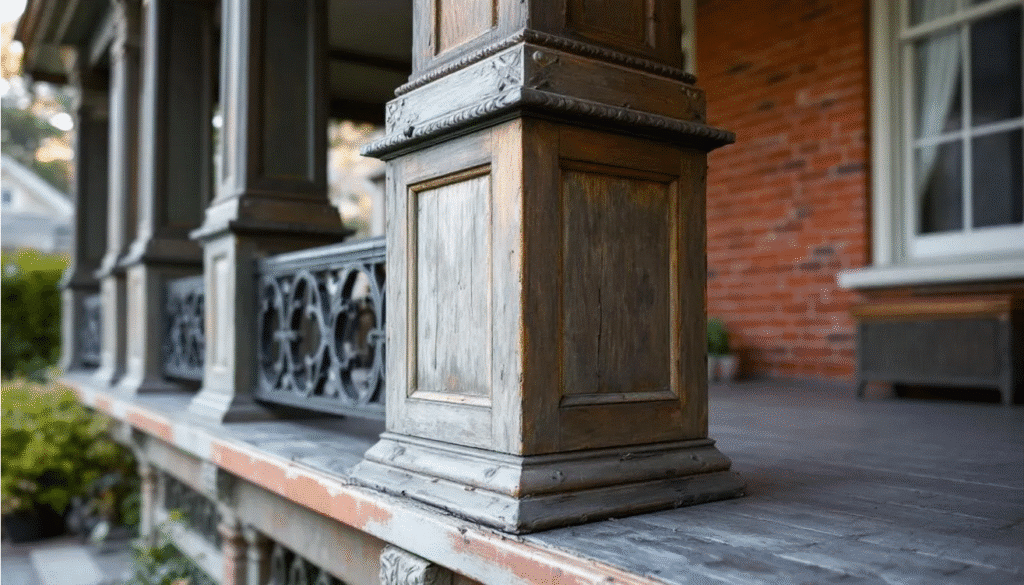
Single-story living remains the defining characteristic, though many bungalows incorporate a half-story loft or attic space accessed by stairs. This configuration keeps primary living areas accessible to all residents while providing additional space for storage or secondary bedrooms. The emphasis on ground-level living makes bungalows particularly suitable for families with young children, elderly residents, or anyone seeking to live without the barriers created by stairs.
Double-hung windows surrounded by smaller accent windows called “lights” create distinctive fenestration patterns that maximize natural illumination while maintaining proportional relationships with the overall facade. These windows often feature divided lites in the upper sash, adding visual interest while referencing traditional craftsmanship techniques.
Open-concept interior layouts maximize space efficiency within the compact footprint typical of bungalow design. Removing unnecessary walls between living, dining, and kitchen areas creates a sense of spaciousness despite the modest size. This approach to interior planning reflects modern lifestyle preferences while respecting the bungalow’s historical emphasis on informal, comfortable living.
Central fireplaces with built-in cabinetry, shelving, and storage solutions demonstrate the bungalow’s commitment to functional design. These integrated elements reduce the need for freestanding furniture while creating focal points that organize the interior space. The craftsmanship evident in these built-ins often represents some of the finest woodworking found in residential architecture.
Natural material emphasis including wood, stone, and brick construction connects bungalows to their surrounding landscape while expressing the arts and crafts movement’s preference for authentic materials over artificial substitutes. These materials weather gracefully and develop character over time, contributing to the bungalow’s reputation for longevity and enduring appeal.
Integration with landscape through low foundation heights and outdoor connections blurs the boundaries between interior and exterior spaces. This design philosophy encourages residents to engage with their property’s natural features while creating seamless transitions between different areas of the home and yard.
Popular Bungalow Styles
Craftsman Bungalow
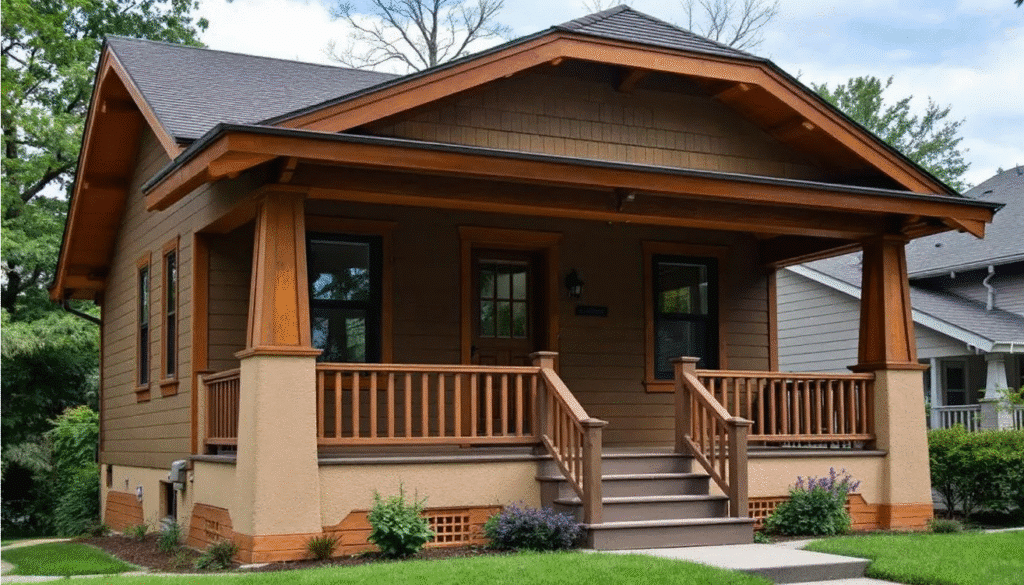
The craftsman bungalow emerged from California during the arts and crafts movement, establishing itself as perhaps the most recognizable and beloved variation of bungalow architecture. This style emphasizes handcrafted details and natural materials, creating homes that feel both sophisticated and approachable. The crafts movement’s influence is evident in every aspect of these homes, from the exposed beams and rafters to the intricate woodwork that defines interior spaces.
Street-facing gables with wide overhanging eaves create the distinctive silhouette that makes craftsman bungalows immediately recognizable. These rooflines often feature exposed rafters and decorative brackets that showcase the builder’s skill while providing structural support. The emphasis on visible craftsmanship reflects the movement’s rejection of machine-made ornamentation in favor of honest expression of construction techniques.
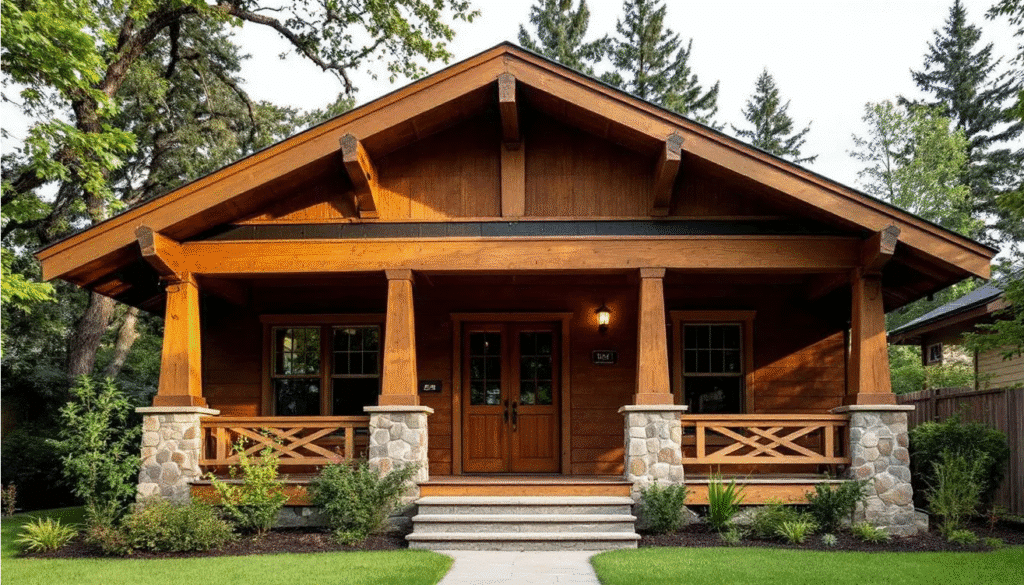
Natural color palettes in browns and greens connect these homes with their surrounding landscape, often featuring earth-tone stains that highlight wood grain rather than concealing it. This approach to color selection reflects the craftsman philosophy of working with natural materials rather than against them.
Intricate woodwork throughout the interior includes coffered ceilings, exposed interior beams, and elaborate built-in furniture. Window seats, bookcases, and dining room buffets represent not just storage solutions but artistic statements that elevate everyday living to an art form. These elements contribute to the craftsman bungalow’s reputation as the most refined expression of the bungalow tradition.
Mission Style Bungalow
Drawing inspiration from Spanish mission churches and Southwest adobe architecture, the Mission style bungalow brings Mediterranean influences to the american southwest and beyond. This architectural style emerged as Americans looked beyond European traditions to find design inspiration suited to warmer climates and more relaxed lifestyles.
Stucco exteriors with red clay tile roofs create the distinctive appearance associated with Mission style architecture. These materials provide excellent insulation against heat while creating the characteristic appearance that recalls Spanish colonial buildings throughout California and the southwestern United States. Rounded archways and iron detailing add decorative elements that reference the ornate traditions of Spanish colonial influence.
The Mission style became particularly popular in california, florida, and southwestern regions from the 1920s onward, offering homeowners an alternative to traditional eastern architectural styles. Courtyards and enclosed outdoor spaces accommodate warm climate living, providing shaded areas for outdoor dining and entertaining while maintaining privacy from neighboring properties.
Tudor Revival Bungalow
The Tudor Revival bungalow brings English cottage influence to american neighborhoods, creating homes that reference medieval architecture while maintaining the practical advantages of single-story living. This style gained popularity among homeowners seeking to express european heritage or simply attracted to the romantic associations of english country living.
Steep-pitched roofs with complex rooflines create dramatic silhouettes that distinguish Tudor Revival bungalows from their more horizontal cousins. These roofs often feature asymmetrical facades that add visual interest while accommodating varied interior room arrangements. The emphasis on vertical elements balances the bungalow’s typically horizontal emphasis.
Half-timbering details, leaded glass windows, and stone or brick construction reference authentic Tudor architecture while adapting to american building practices and materials. Narrow casement windows and decorative chimneys complete the english cottage aesthetic, creating homes that feel transported from 19th century britain.
Prairie Style Bungalow
Frank Lloyd Wright’s influence around 1900 in the chicago area spawned the Prairie style bungalow, which emphasized horizontal lines and integration with the american midwest landscape. This style represents perhaps the most distinctly american interpretation of bungalow architecture, reflecting the vast horizontal expanses of the prairie landscape.
The emphasis on horizontal lines appears in every aspect of Prairie style design, from the low-pitched hipped or gabled roofs that extend well beyond the walls to the continuous bands of windows that emphasize the connection between interior and exterior spaces. Large porches with wide, squared columns create substantial outdoor living areas while maintaining the clean geometric lines that characterize this style.
Integration of interior and exterior spaces through continuous sight lines reflects Wright’s philosophy of organic architecture, where buildings should grow naturally from their site rather than being imposed upon it. This approach creates homes that feel intimately connected to their surroundings while providing comfortable, functional living spaces.
Regional Variations Across the World
American Regional Styles
The adaptability of bungalow architecture becomes evident when examining regional variations across the United States, where local climate, available materials, and cultural preferences have shaped distinctive interpretations of the basic bungalow formula.
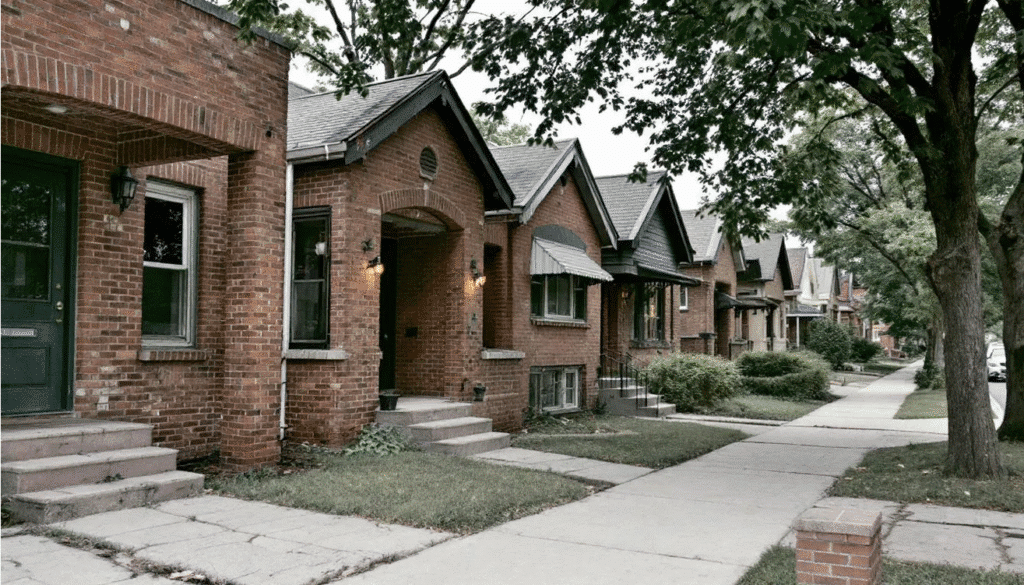
chicago bungalows represent one of the most numerous and distinctive american regional styles, with brick construction and full basements providing practical solutions for midwest weather conditions. These homes typically feature gables parallel to the street, creating a consistent streetscape that defines entire neighborhoods. Remarkably, chicago bungalows represent one-third of the city’s single-family homes, demonstrating the style’s widespread appeal and practical advantages for urban living. Chicago bungalows were typically constructed with brick and featured open guest spaces and clearly separated private family spaces.
california bungalows dominated residential construction from 1910 to 1940, featuring the characteristic one and a half story design that maximizes living space while maintaining the single-story emphasis. These homes typically emphasize outdoor living through large front porches, rear patios, and strategic window placement that captures prevailing breezes. The california interpretation often features stucco exteriors that provide excellent insulation while creating smooth, unadorned surfaces that complement the landscape. Many Chicago bungalows were built between 1910 and 1940 in response to the city’s population growth.
Raised bungalows address drainage and storage needs in areas prone to flooding or where additional space is required. These variations feature partially above-ground basements that provide utility areas, storage, or additional rooms while maintaining the essential bungalow proportions and aesthetic. This adaptation demonstrates how the basic bungalow concept can accommodate varying site conditions without losing its essential character.
Ranch bungalows represent a mid-20th century evolution that separates public and private spaces while incorporating attached garages that reflect changing transportation patterns. These homes often feature longer, lower profiles that emphasize horizontal lines while accommodating modern family needs for privacy and automobile storage.
Catskill Mountains bungalow colonies served as summer retreats for jewish-american families seeking escape from urban heat and crowded city living. These seasonal communities created distinctive social and architectural patterns that influenced resort design throughout the northeastern United States.
International Variations
Beyond american borders, bungalow architecture has adapted to countless regional conditions and cultural preferences, creating a truly global architectural language that maintains recognizable characteristics while embracing local variations.
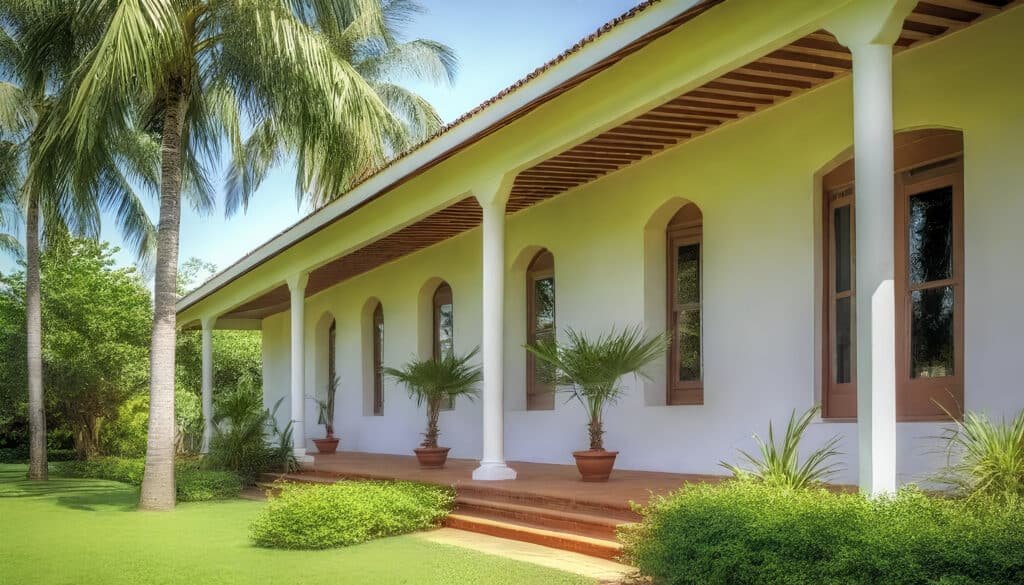
Singapore and Malaysia colonial bungalows represent some of the finest examples of tropical adaptation, featuring raised floors, extensive verandas, and strategic window placement that maximizes cross-ventilation. Many of these historic buildings have been converted to luxury residences, hotels, and cultural centers, preserving important architectural heritage while adapting to contemporary needs. Colonial-era bungalows in these regions were constructed by the British for military officers and members of colonial society.
British holiday bungalows gained popularity between the world wars as prefabricated structures that could be quickly assembled at seaside resorts and rural retreats. Many of these temporary accommodations were later converted to permanent housing, creating distinctive communities throughout the english countryside.
Australian Federation and california bungalow styles from the late 19th to early 20th century demonstrate how american influences combined with local conditions to create uniquely australian interpretations. These homes often feature corrugated metal roofing and extensive verandas that address the challenging australian climate while maintaining characteristic bungalow proportions.
French Polynesian overwater bungalows, originating in 1967 as luxury tourist accommodations, represent perhaps the most exotic interpretation of bungalow principles. These structures maintain the single-story living and integration with natural surroundings while adapting to unique lagoon environments.
German single-story interpretations and canadian variations demonstrate how northern european and north american builders have adapted bungalow principles to accommodate harsh winter conditions while maintaining the style’s essential characteristics.
Design Considerations and Benefits
Understanding the practical advantages and limitations of bungalow architecture helps homeowners make informed decisions about whether this style suits their needs and lifestyle preferences. The design considerations that make bungalows appealing to many also create challenges that require careful planning and sometimes creative solutions.
Accessibility advantages represent one of the most significant benefits of single-level living, making bungalows ideal for mobility-impaired residents and those planning to age in place. The absence of stairs between primary living areas eliminates barriers that can become problematic as residents face physical challenges or temporary mobility restrictions. This accessibility extends beyond the obvious advantages for elderly or disabled residents to benefit families with young children, people recovering from injuries, and anyone who simply prefers the convenience of single-story living.
Cost-effective construction might seem contradictory given that bungalows typically cost more per square foot to build due to foundation and roof requirements. However, the total project cost often remains lower due to typically smaller overall square footage. Additionally, long-term maintenance costs tend to be lower because of accessible rooflines and exterior elements that can be reached without expensive scaffolding or equipment.
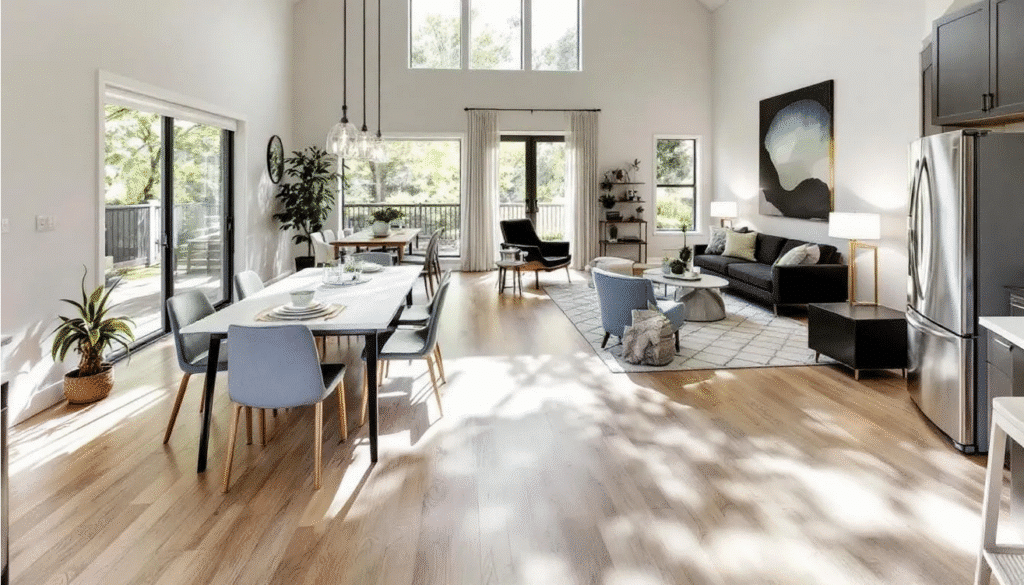
Energy efficiency through compact design reduces vertical heating and cooling challenges that affect multi-story homes. Heat naturally rises, making second floors warmer in summer and potentially causing uneven temperatures throughout taller houses. bungalow homes maintain more consistent temperatures throughout all rooms, potentially reducing energy costs while improving comfort. The compact footprint also means less total volume to heat and cool.
Maintenance benefits extend beyond the obvious advantages of accessible rooflines to include simpler gutter cleaning, exterior painting, and window maintenance. These practical advantages can translate to significant cost savings over the life of the home, particularly as homeowners age and find it increasingly difficult or dangerous to perform maintenance on multi-story houses.
Privacy advantages might seem counterintuitive for single-story homes, but strategic landscaping and thoughtful window placement can create more intimate living environments than might be possible with multi-story houses. The ability to use mature trees, fencing, and garden walls to screen views means that many bungalows feel more private than taller houses that tower above these natural barriers.
Urban sprawl considerations present challenges for bungalow construction in densely populated areas where land costs make single-story construction economically challenging. The larger lot requirements for bungalow construction can conflict with sustainable development goals and affordable housing initiatives that favor higher-density construction.
Natural lighting challenges arise from the deep floor plan typical of many bungalows, particularly those built on narrow urban lots. Strategic window placement, skylights, and open floor plan modifications can address these issues, but they require careful planning during design or renovation phases.
Modern Adaptations and Contemporary Relevance
Contemporary bungalow architecture demonstrates remarkable adaptability, embracing sustainable technologies and modern lifestyle preferences while maintaining the essential characteristics that have made the style enduringly popular. Today’s bungalow type incorporates innovations that would have been unimaginable to early 20th-century builders while respecting the fundamental principles of accessible, comfortable living.
Sustainable design integration represents one of the most significant trends in modern bungalow construction. Solar panels can be seamlessly integrated into the low pitched roofs that characterize the style, while green roof systems provide insulation and stormwater management benefits. Energy-efficient systems including geothermal heating and cooling, high-performance windows, and advanced insulation materials address the energy challenges that affect older bungalow homes.
Open-concept modifications remove interior walls while maintaining structural integrity, creating more spacious living areas that accommodate contemporary family lifestyles. This approach requires careful engineering to ensure that load-bearing elements are properly supported, but the result often feels more spacious than the original compartmentalized layout while maintaining the bungalow’s essential proportions and character.
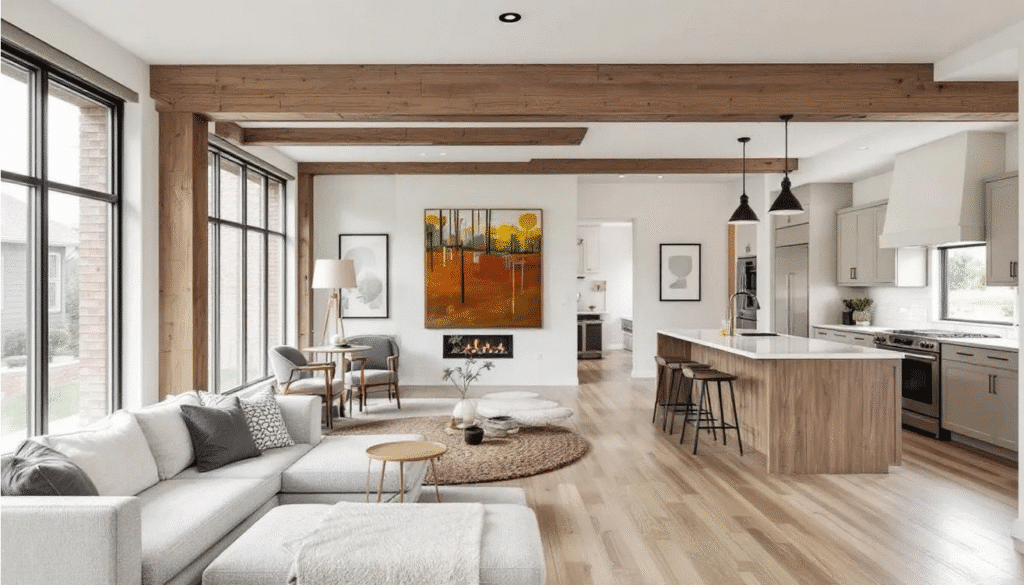
Universal design principles ensure accessibility for all residents regardless of age or ability, extending the traditional bungalow advantage through features like wider doorways, accessible bathrooms, and barrier-free entrances. These modifications often remain virtually invisible while significantly improving the home’s functionality for diverse users.
Smart home technology integration maintains traditional aesthetic appeal while providing modern convenience and efficiency. Automated lighting, climate control, and security systems can be incorporated without affecting the historical character that makes bungalows so appealing to preservation-minded homeowners.
Preservation efforts in historic neighborhoods like Pasadena’s Bungalow Heaven demonstrate how communities can maintain architectural character while accommodating modern needs. These initiatives often include design guidelines that help homeowners make appropriate modifications while preserving the essential elements that define the neighborhood’s character.
New construction inspired by bungalow principles adapts traditional concepts for contemporary family needs, often featuring larger rooms, more storage, and updated mechanical systems while maintaining the style’s essential character. These modern interpretations prove that bungalow architecture remains relevant and appealing to contemporary homebuyers.
Mixed-use developments incorporating bungalow-style residential units with commercial spaces demonstrate how traditional architectural styles can address modern urban planning challenges. These projects often create walkable neighborhoods that recall the historical relationship between bungalow communities and local commercial districts.
The continuing popularity of bungalow architecture reflects its fundamental advantages of accessibility, manageable scale, and connection to outdoor spaces. As american demographics shift toward an aging population and younger families seek alternatives to suburban sprawl, the bungalow’s practical advantages and timeless appeal ensure its continued relevance in contemporary residential architecture.
From its origins in colonial Bengal to its current incarnation in sustainable modern construction, bungalow architecture has demonstrated remarkable adaptability while maintaining the essential characteristics that make it universally appealing. Whether you’re considering purchasing a traditional bungalow, planning a modern interpretation, or simply appreciating the architectural heritage that surrounds us, understanding this style’s rich history and continuing evolution provides valuable insight into how good design endures across cultures and centuries.
FAQ
What is the difference between a bungalow and a ranch house?
Bungalows typically feature prominent front porches, steeper roof pitches, and more decorative architectural details, while ranch houses have longer, lower profiles with minimal ornamentation and often lack covered porches. Bungalows originated from the arts and crafts movement emphasizing craftsmanship, whereas ranch houses developed in the 1950s focusing on casual, suburban living.
Are bungalows more expensive to build than two-story houses?
Bungalows cost more per square foot to construct due to larger foundation and roof requirements for the same living space. However, they often provide cost savings in utilities, maintenance, and accessibility modifications over time. The total project cost may be lower for bungalows due to typically smaller overall square footage.
Can bungalows be expanded vertically while maintaining their architectural character?
Vertical additions are possible but must carefully consider roof proportions, window placement, and overall scale to preserve bungalow character. Dormer additions and loft conversions are more common and successful approaches than full second-story additions. Local historic preservation guidelines may restrict modifications in designated bungalow districts.
What climates are best suited for bungalow architecture?
Bungalows perform well in temperate climates where outdoor living spaces can be enjoyed year-round. Wide overhanging eaves provide excellent sun protection in hot climates while allowing winter sun penetration. Cold climate adaptations include full basements, efficient heating systems, and proper insulation in roof areas. Tropical and subtropical regions benefit from the ventilation and shade provided by traditional bungalow design.
How do I identify an authentic historical bungalow versus a modern reproduction?
Authentic bungalows feature original craftsmanship details like hand-built cabinetry, real wood trim, and period-appropriate hardware. Construction materials include original hardwood floors, plaster walls, and authentic window configurations. Neighborhood context and building permits can help verify construction dates. Architectural surveys and local historical societies often maintain databases of authentic bungalow properties.
