Key Takeaways
- Ranch homes are typically larger, single-story houses with open floor plans and separated living/sleeping areas, while bungalows are smaller, compact homes emphasizing coziness and efficiency
- Bungalows originated in the 1920s-1930s from the Craftsman movement and are commonly found in urban areas, whereas ranch homes developed in 1930s California and are popular in suburban/rural locations
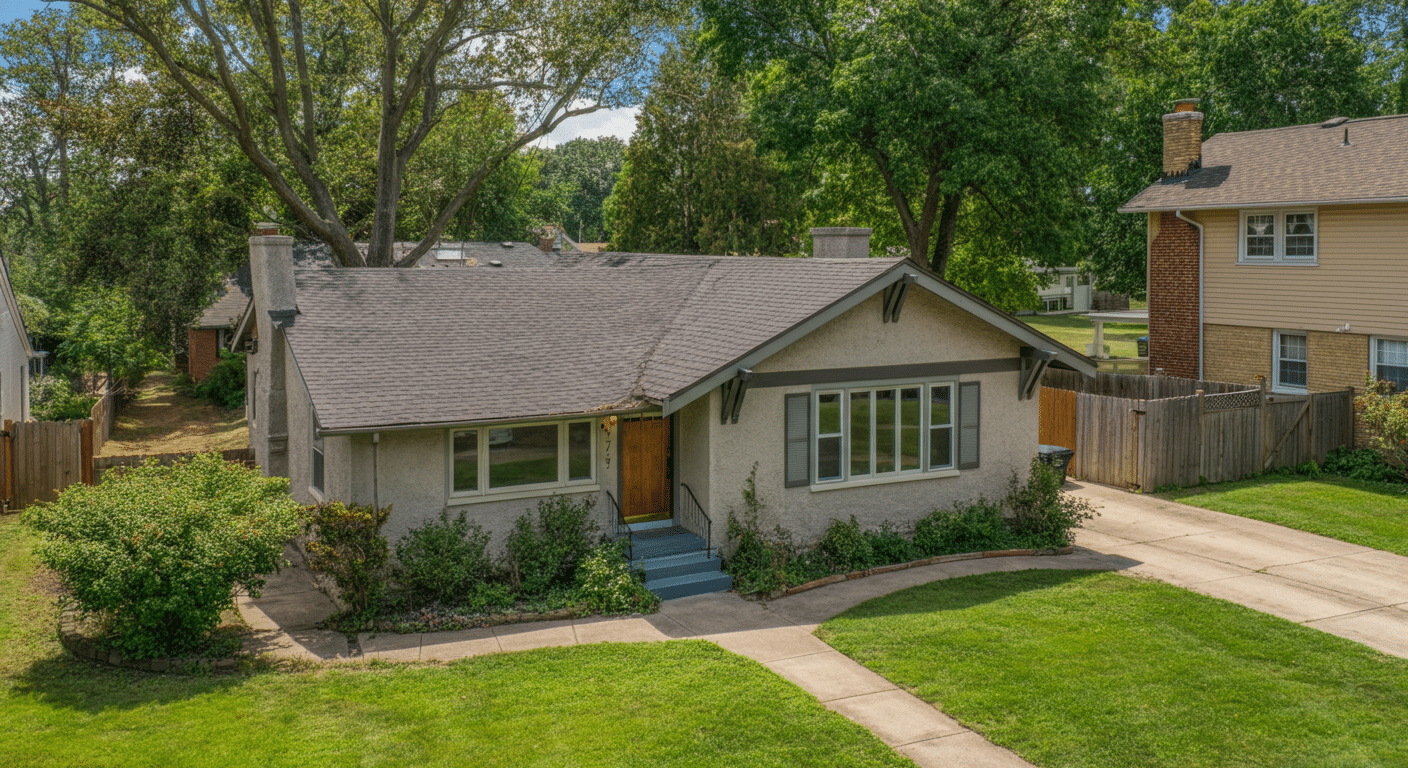
- Ranch homes feature low pitched roofs, large windows, and attached garages, while bungalows have front porches with pillars, overhanging eaves, and often include partial second floors or attic conversions
- Privacy levels differ significantly – ranch homes use hallways to separate rooms, while bungalows have bedrooms closer to main living areas
- Ranch homes require larger lots and are ideal for families seeking space, while bungalows work well on smaller urban lots and suit singles, couples, or small families
When choosing between single story homes, understanding the distinction between bungalow vs ranch styles can significantly impact your housing decision. Both represent popular one story home designs, yet they offer vastly different living experiences, architectural features, and lifestyle implications.
The comparison between bungalow and ranch style houses goes beyond simple aesthetics. These two architectural styles emerged from different eras, serve different demographics, and reflect distinct approaches to single story living. Whether you’re a first-time homebuyer exploring your options or considering a move to a new style of home, understanding these differences will help guide your decision.
This comprehensive guide examines every aspect of the bungalow vs ranch debate, from historical origins and architectural details to practical considerations like square footage, location preferences, and long-term value. By the end, you’ll have a clear understanding of which style home best fits your needs, budget, and lifestyle preferences.
Main Differences Between Bungalows and Ranch Homes
The fundamental differences between bungalows and ranch style homes extend far beyond their appearance. These single story homes represent different philosophies of residential design, each optimized for specific living situations and family needs.
| Feature | Bungalow | Ranch House |
|---|---|---|
| Size | 800-1,500 sq ft | 1,500-3,000+ sq ft |
| Layout | Compact, compartmentalized | Sprawling, open concept |
| Typical Location | Urban areas, smaller lots | Suburban/rural, large lots |
| Bedrooms | 1-3, closer to living areas | 3-5, separated by hallways |
| Stories | 1-1.5 (with dormers) | Strictly one story |
| Garage | Often detached or none | Attached garages common |
| Era Built | 1920s-1940s peak | 1930s-1970s peak |
Ranch style houses emerged in 1930s Southern California, drawing inspiration from Spanish Colonial adobe homes and emphasizing indoor-outdoor living. The style gained massive popularity post-WWII, with ranch style homes representing approximately 9 out of 10 houses built during the 1950s suburban boom. Ranch homes are among the most common style of home in America.
Bungalows, conversely, originated from the British Arts and Crafts movement and peaked during the 1920s-1930s urban expansion. These small houses were designed as cost effective starter homes for young families moving to cities. The term ‘bungalow’ originates from India, referring to a one-story house with a thick thatched roof. The bungalow style home emphasizes handcrafted details, natural materials, and efficient use of limited space.
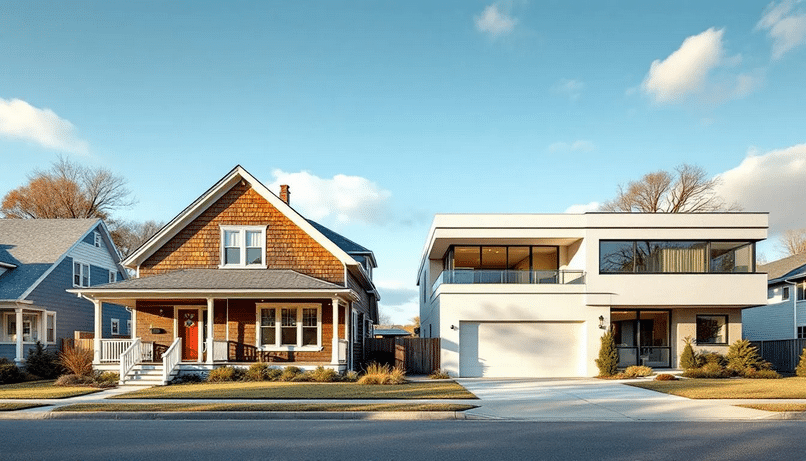
The target demographics for these styles differ significantly. Ranch homes typically appeal to larger families seeking space and privacy, with the separated living and sleeping areas providing flexibility for various family activities. Bungalows attract urban dwellers, young couples, or empty nesters who prioritize location, walkability, and lower maintenance over expansive living space.
Understanding these core differences helps explain why bungalows cluster in established city neighborhoods while ranch houses dominate suburban developments. The land requirements alone dictate much of this geographic distribution, with ranch style houses needing significantly more property to accommodate their sprawling floor plans.
Architectural Design and Appearance
The visual distinctions between bungalow and ranch style architecture reflect their different design philosophies and historical contexts. These single story homes showcase contrasting approaches to rooflines, materials, and outdoor integration.
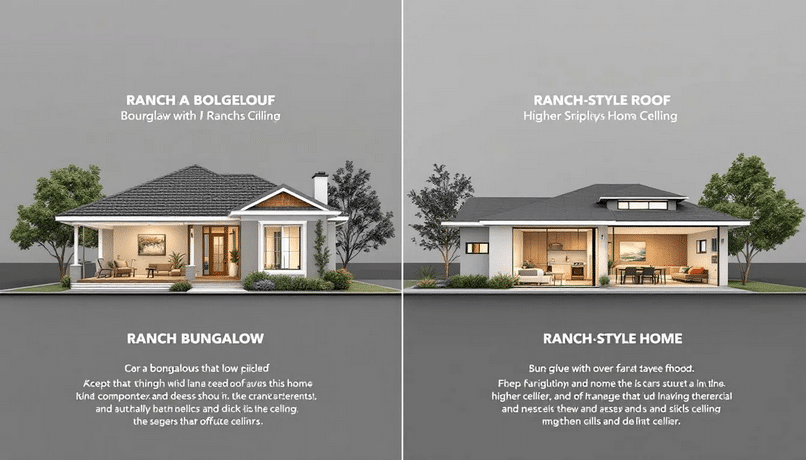
Ranch style homes feature distinctive low pitched roofs that emphasize horizontal lines and create a streamlined, modern appearance. The hipped roof design common in California ranch homes helps shed water efficiently while maintaining the style’s characteristic low profile. Large windows and sliding glass doors dominate ranch house facades, maximizing natural light and creating seamless transitions between indoor and outdoor spaces. Ranch-style homes often have larger windows and higher ceilings compared to bungalows.
Bungalow rooflines tell a different story entirely. These homes typically feature steeper pitched roofs with prominent overhanging eaves that provide weather protection and create deep shadows that enhance the home’s cozy character. The front porch, supported by substantial pillars or columns, serves as the bungalow’s signature architectural element – a welcoming transition space between street and home.
| Architectural Element | Bungalow | Ranch Style House |
|---|---|---|
| Roof Pitch | Steep to moderate | Low pitched roofs |
| Roof Style | Gabled with overhangs | Hipped or low gabled |
| Windows | Smaller, often casement | Large windows, picture windows |
| Doors | Traditional front door | Sliding glass doors common |
| Porch | Prominent front porch | Minimal or recessed entry |
| Materials | Wood, stone, brick | Stucco, brick, wood siding |
| Garage | Detached or basement | Attached garages |
The use of materials further distinguishes these styles. Bungalows emphasize natural, handcrafted elements like exposed wood beams, stone foundations, and brick chimneys. The Craftsman influence shows in details like built-in cabinetry, window boxes, and decorative brackets under the eaves. Bungalows are often characterized by their unique customizations and compact design.
Ranch houses prioritize clean lines and minimal ornamentation. Stucco exteriors, horizontal wood or aluminum siding, and large expanses of glass create the style’s signature look. The emphasis remains on simplicity and function rather than decorative elements.
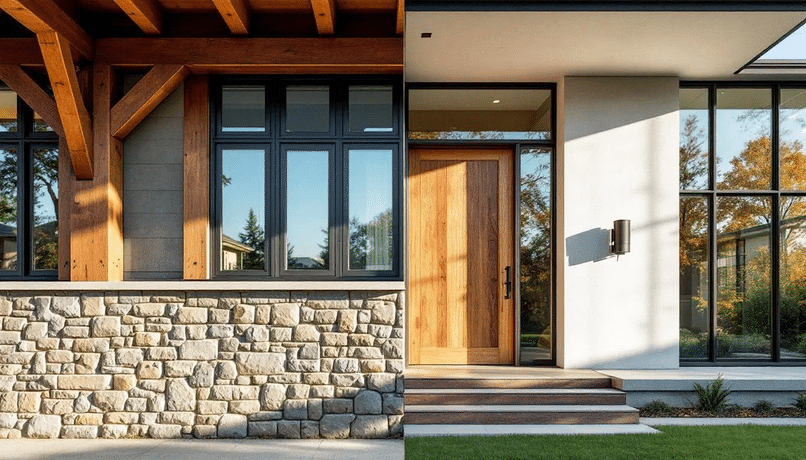
Outdoor spaces reflect each style’s priorities differently. Bungalows feature small but well-defined verandas or front porches that encourage neighborhood interaction. These spaces often include built-in seating or planters that extend the home’s living space outdoors on a modest scale.
Ranch style homes typically forego prominent front porches in favor of private patios or decks accessible through sliding glass doors. This design philosophy prioritizes privacy and seamless indoor-outdoor flow over street-facing social spaces. The attached garage, nearly universal in ranch homes, also influences the street presentation, often dominating the front facade.
Size and Layout Differences
The scale and internal organization of bungalows versus ranch homes reflect their different target demographics and construction eras. These differences in square footage and room arrangement significantly impact daily living patterns and family dynamics.
Ranch style homes typically offer substantially more living space, with modern examples ranging from 1,500 to over 3,000 square feet. This generous square footage allows for separated living and sleeping areas, with hallways providing privacy buffers between different zones of the house. The main living space often includes distinct areas for living room, dining room, and kitchen, even within an open concept design. Ranch-style homes are typically larger than bungalows.
Bungalows operate within tighter spatial constraints, typically ranging from 800 to 1,500 square feet on the main floor. However, many bungalows gain additional space through partial second floors, basement conversions, or attic dormers, effectively creating 1.5-story homes while maintaining their single-story character in the main living areas.
The floor plan differences extend beyond mere size. Ranch homes excel at creating functional zones within their sprawling layouts. Bedrooms cluster together, often in a separate wing accessed by a hallway system. This arrangement provides privacy for sleeping areas while keeping the main living space open for family gathering and entertainment.
| Layout Feature | Bungalow | Ranch Home |
|---|---|---|
| Typical Square Footage | 800-1,500 sq ft | 1,500-3,000+ sq ft |
| Room Configuration | Compact, interconnected | Separated zones with hallways |
| Ceiling Heights | 8-9 feet standard | 9-12 feet, often vaulted |
| Floor Plan Shape | Square or rectangular | Rectangular, L-, U-, C-shaped |
| Privacy Level | Bedrooms near living areas | Separated bedroom wings |
| Storage | Limited, attic potential | Basements, attached garages |
Ceiling heights contribute significantly to the spatial experience in each style home. Ranch houses frequently feature high ceilings, sometimes with vaulted or cathedral designs that make rooms feel larger and more open. These elevated ceiling planes enhance the sense of spaciousness that defines the ranch living experience.
Bungalows typically maintain more modest ceiling heights, contributing to their intimate, cozy atmosphere. While this might seem limiting, the proportional relationship between ceiling height and room size creates a sense of human-scaled comfort that many homeowners prefer over grand, open spaces.
Storage solutions differ markedly between these styles. Ranch homes often include basements (particularly in northern climates), attached garages, and dedicated utility rooms that provide ample storage space. The larger lots typical of ranch houses also accommodate separate storage structures when needed.
Bungalows must be more creative with storage, often utilizing basement space (where applicable), attic conversions, or built-in furniture solutions characteristic of the Craftsman movement. The compact nature of bungalows actually encourages more intentional, organized living patterns that some homeowners find preferable to managing larger spaces.
The expansion potential varies significantly between styles. Ranch homes can often be extended horizontally, though this requires adequate lot size and may impact yard space. Bungalows frequently expand vertically, converting attic space or adding dormers to create additional bedrooms or office space on an upper level while preserving the ground floor character.
Location and Land Requirements
The geographic distribution and lot requirements for bungalows versus ranch style homes reflect their different design philosophies and target markets. Understanding these location patterns helps explain pricing, community character, and lifestyle implications of each choice.
Ranch houses dominate suburban and rural areas throughout the western United States, particularly in regions where large lots are available and affordable. The sprawling nature of ranch style houses requires substantial land to accommodate both the house footprint and the private outdoor spaces that define the indoor-outdoor lifestyle these homes promote.
Typical lot requirements for ranch homes range from half an acre to several acres, depending on local zoning and market conditions. This land requirement naturally pushes ranch houses toward suburban developments where such space is available and cost effective. The attached garages common in ranch style homes also influence lot design, requiring adequate driveway access and parking areas.
Bungalows cluster in urban and close-in suburban areas where land costs make smaller lots necessary. These homes excel at maximizing the use of compact lots, often ranging from 0.1 to 0.3 acres. The efficient land use makes bungalows particularly common in established city neighborhoods developed during the early 20th century urban expansion period.
| Location Factor | Bungalow | Ranch House |
|---|---|---|
| Typical Location | Urban/inner suburban | Suburban/rural |
| Lot Size | 0.1-0.3 acres | 0.5-3+ acres |
| Development Era | 1920s-1940s neighborhoods | 1950s-1970s subdivisions |
| Walkability | High, urban amenities | Lower, car-dependent |
| Property Taxes | Higher due to urban location | Lower in suburban areas |
| Land Cost | Premium urban pricing | More affordable suburban rates |
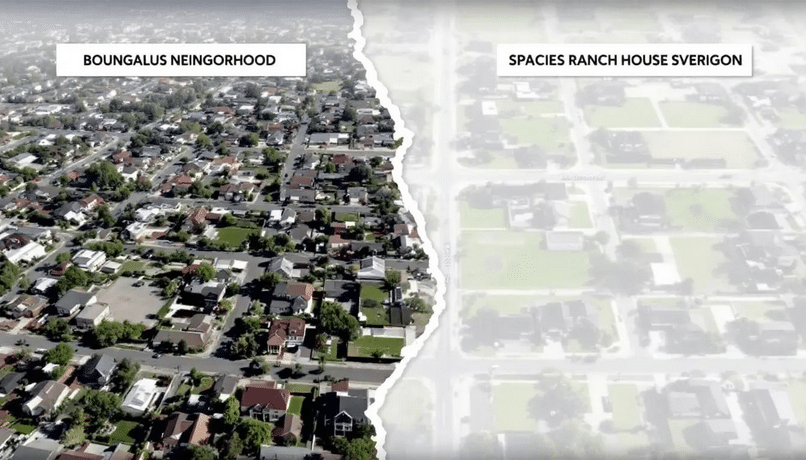
The neighborhood characteristics surrounding these home styles differ substantially. Bungalow neighborhoods typically feature mature tree canopies, sidewalks, and walking access to shops, schools, and public transportation. These established areas often include a mix of housing types and commercial buildings that create vibrant, walkable communities.
Ranch house developments usually offer larger yards, newer infrastructure, and more uniform housing stock. These suburban areas prioritize privacy, parking, and access to highways over walkability. The emphasis shifts to car-based transportation and larger-format retail that serves regional rather than neighborhood needs.
Property taxes and ongoing costs reflect these location differences significantly. Bungalows in urban areas often face higher property tax rates due to their desirable central locations and the municipal services available in established city neighborhoods. However, the smaller lot sizes and more modest square footage can help offset some of these costs.
Ranch homes in suburban locations typically benefit from lower property tax rates, but the larger house size and lot maintenance requirements can create higher overall housing costs. The need for multiple vehicles, longer commutes, and private services (like lawn care) often accompanies ranch house ownership.
The investment implications vary by region and market conditions. Bungalows in gentrifying urban areas have shown strong appreciation potential as younger buyers seek walkable neighborhoods and historic character. Ranch homes provide stability in suburban markets where families prioritize space and schools over urban amenities.
Climate considerations also influence the success of each style in different locations. Ranch houses work particularly well in mild climates like Southern California, where the indoor-outdoor lifestyle can be enjoyed year-round. Bungalows adapt well to various climates, though their compact design and efficient heating make them particularly suitable for areas with more extreme weather conditions.
Historical Background and Evolution
Bungalow Origins (1920s-1930s)
The bungalow style emerged from a convergence of architectural movements and social changes that transformed American housing in the early 20th century. Drawing inspiration from the British Arts and Crafts movement and adapting principles from the American Craftsman style, bungalows represented a democratic approach to home design that prioritized handcrafted quality over ornate decoration.
The term “bungalow” itself derives from “bangla,” referring to the low-profile houses of Bengal, India, which British colonial administrators adapted for tropical climates. This single story design concept traveled through British architectural circles before arriving in America, where it merged with the growing Arts and Crafts philosophy that emphasized natural materials, honest construction, and human-scaled design.
Gustav Stickley and other Craftsman movement leaders promoted bungalows through pattern books and magazines like “The Craftsman,” which featured mail-order house plans that middle-class families could afford to build. These publications spread bungalow designs across the country, with local adaptations reflecting regional materials and climate conditions.
The peak period for bungalow construction coincided with rapid urbanization and the growth of streetcar suburbs in the 1920s and 1930s. Young families moving to cities needed affordable starter homes within commuting distance of downtown jobs. Bungalows filled this need perfectly, offering modern conveniences like electricity and indoor plumbing in compact, efficient packages.
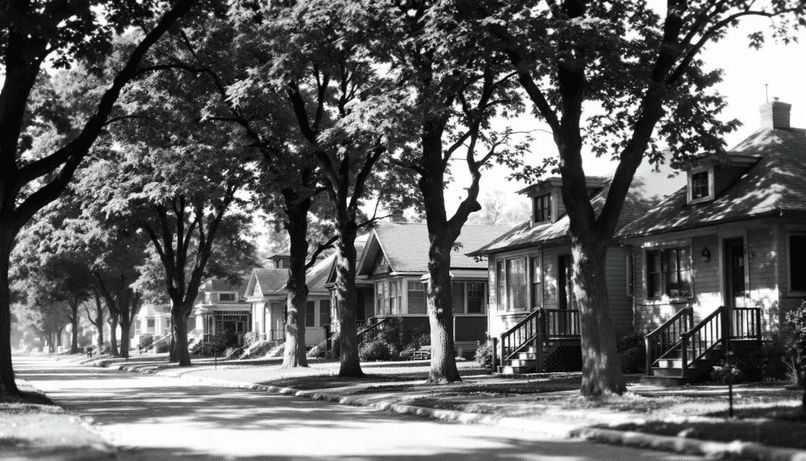
Regional variations of the bungalow style developed to suit local conditions. The Chicago Bungalow, for example, typically measures approximately 22×40 feet and often includes basement space to accommodate the city’s deep frost line requirements. California bungalows emphasized outdoor living with pergolas and garden integration, while New England versions featured steeper roofs for snow load and smaller windows for heat retention.
The design philosophy behind bungalows emphasized honest materials and functional beauty. Built-in furniture, exposed beam construction, and handcrafted details like decorative brackets and leaded glass windows reflected the Arts and Crafts belief that homes should express their construction methods rather than hide them behind applied ornament.
Ranch Development (1930s-1950s)
The ranch style house emerged in 1930s California as a distinctly American architectural response to modern living needs and the unique landscape of the American West. Cliff May, often credited as the father of the California ranch house, developed this style by adapting elements of Spanish Colonial adobe homes to create single story residences that celebrated horizontal expansion and indoor-outdoor living.
May’s early ranch houses featured ground level floors that eliminated steps between interior and exterior spaces, allowing seamless flow between living areas and gardens or patios. This innovation reflected a more casual approach to family life that was emerging in California’s relaxed social climate, where formal parlors and dining rooms seemed unnecessary.
The style gained national prominence following World War II, when millions of returning veterans needed housing quickly and affordably. Ranch style homes proved ideal for mass production techniques, with their simple rectangular plans and straightforward construction methods allowing builders to meet unprecedented demand efficiently.
During the 1950s suburban boom, ranch houses represented approximately 9 out of 10 houses built in new developments across America. The style’s popularity reflected broader cultural shifts toward informal living, automobile ownership, and suburban lifestyles that prioritized privacy and family-centered activities over urban social patterns.
| Era | Development | Key Features |
|---|---|---|
| 1930s | California origins | Adobe influence, indoor-outdoor flow |
| 1940s | Wartime efficiency | Simplified construction, cost effectiveness |
| 1950s | Suburban expansion | Mass production, attached garages |
| 1960s-70s | Regional adaptation | Split levels, raised ranch variations |
The ranch style proved remarkably adaptable to different regions and climates. In the Midwest, ranch homes often included basements for utilities and storage, while maintaining the single story living concept. Southern versions emphasized cross-ventilation and shaded outdoor areas, while northern adaptations focused on energy efficiency and snow load considerations.
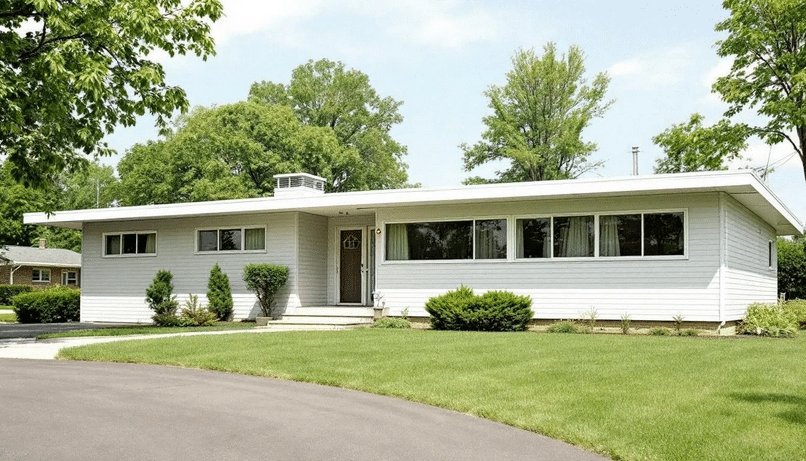
Architectural variations like the raised ranch and split level ranches emerged as builders adapted the basic ranch concept to sloping lots and different family needs. These modifications maintained the ranch style’s emphasis on single story main living areas while adding flexibility for growing families and challenging sites.
The ranch house’s influence extended beyond residential architecture, affecting suburban planning, landscaping practices, and interior design. The open concept floor plans pioneered in ranch homes influenced all subsequent American housing design, while the emphasis on attached garages and private outdoor spaces shaped suburban development patterns that persist today.
Pros and Cons Comparison
Bungalow Advantages and Disadvantages
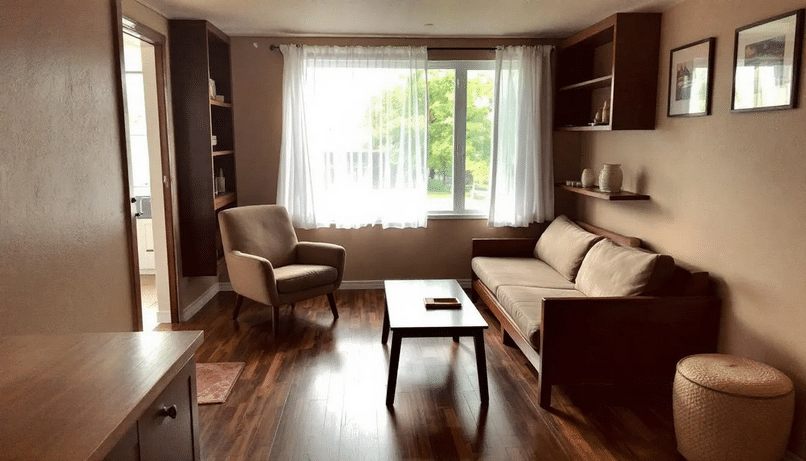
Bungalows offer a unique combination of benefits that appeal to specific homeowner priorities, though these same characteristics can present limitations for certain lifestyles and family situations. Understanding both sides helps potential buyers make informed decisions about whether a bungalow style home fits their needs.
Advantages of Bungalow Living:
The compact design of bungalows creates inherent advantages in maintenance, energy efficiency, and affordability. With only one story to maintain, tasks like window cleaning, gutter maintenance, and roof repairs become safer and less expensive. The smaller square footage typically translates to lower utility bills, as there’s less space to heat and cool throughout the seasons.
Urban locations provide bungalow owners with walkable access to amenities, public transportation, and cultural attractions. This convenience often allows families to reduce car dependency and enjoy shorter commutes to work and school. The established neighborhoods where bungalows typically find themselves often feature mature trees, historic character, and strong community connections.
The open floor plans common in bungalows, while compact, encourage family interaction and make the space feel larger than its actual square footage. Built-in storage solutions and furniture, hallmarks of the Craftsman movement, maximize functionality within limited space. Many bungalows also offer expansion potential through attic conversions or basement finishing.
Disadvantages and Limitations:
Privacy represents the most significant challenge in bungalow living. With bedrooms often located close to main living areas and only one floor available, noise transmission between rooms can be problematic. Families with teenagers, home office needs, or different sleep schedules may find the compact layout restrictive.
The smaller square footage that makes bungalows affordable and efficient can become limiting as families grow or lifestyle needs change. Storage space is often at a premium, requiring creative solutions and regular decluttering. The modest room sizes may not accommodate large furniture or extensive entertaining.
Urban locations, while offering convenience, typically come with higher property taxes, limited parking, and reduced outdoor space. Noise from traffic, neighbors, or street activity can be more intrusive than in suburban settings. The age of many bungalow neighborhoods may also mean dealing with older infrastructure, from plumbing and electrical systems to street and sidewalk conditions.
Ranch Home Advantages and Disadvantages
Ranch style homes provide a different set of benefits and challenges, generally favoring space and privacy while requiring more resources to purchase and maintain.
Advantages of Ranch Style Living:
The separated living and sleeping areas in ranch homes create excellent privacy for family members with different schedules or activities. Hallways and thoughtful room placement allow simultaneous use of different areas without interference. This layout particularly benefits families with children, home offices, or guests.
The abundance of natural light from large windows and high ceilings makes ranch homes feel spacious and welcoming. Open concept main living areas facilitate entertaining and family gatherings, while the single story design ensures accessibility for people with mobility challenges or aging in place concerns.
Larger lot sizes typical of ranch house locations provide space for gardens, recreation, storage, and potential expansion. The suburban or rural settings offer quiet, privacy, and often better schools. Attached garages provide convenient access and additional storage, while basement space (where applicable) offers flexibility for recreation rooms, workshops, or storage.
Disadvantages and Challenges:
The larger square footage that makes ranch homes spacious also makes them more expensive to purchase, heat, cool, and maintain. Utility bills can be significantly higher than smaller homes, particularly in extreme climates where the expansive single story design can be energy inefficient.
Expansion options for ranch homes are limited to horizontal additions, which consume yard space and may conflict with setback requirements. The sprawling nature of the house can make daily life less efficient, as moving between rooms requires more steps and time than in compact designs.
The suburban locations favored by ranch houses often require car dependency for daily errands, commuting, and activities. Property maintenance includes larger lawns, longer driveways, and more exterior surface area to clean and repair. The distance from urban amenities may limit cultural and recreational options.
Open floor plans, while great for socializing, can make privacy difficult within the main living space. Noise, cooking odors, and activities in one area readily affect the entire common space. The horizontal layout can also create challenges for room temperature control, as heating and cooling systems must serve long, linear floor plans.
Which Style is Right for You?
Choosing between a bungalow and ranch style house requires careful consideration of your current needs, future plans, and personal preferences. Both styles offer distinct advantages, but the right choice depends on factors ranging from family size and lifestyle to budget and location priorities.
Family Size and Composition Considerations:
Couples and small families often find bungalows ideal for their needs. The compact layout encourages togetherness while providing sufficient space for 1-3 bedrooms. Empty nesters particularly appreciate the low maintenance requirements and urban convenience that bungalow neighborhoods typically offer.
Larger families generally benefit more from ranch style homes, which provide the separated spaces needed for different age groups and activities. The privacy afforded by hallway systems and bedroom wings helps parents and children coexist comfortably, while the larger square footage accommodates growing collections of belongings and varying schedules.
Families planning to expand should carefully consider each style’s growth potential. Bungalows can often accommodate additions through attic conversions or upper floor additions, though these projects require careful planning to maintain the home’s character. Ranch homes offer more straightforward expansion options but require adequate lot space for horizontal additions.
Lifestyle and Location Preferences:
Urban enthusiasts who prioritize walkability, cultural amenities, and shorter commutes typically prefer bungalows in established city neighborhoods. The trade-offs in space and privacy often seem worthwhile for the convenience and community connections these locations provide.
Suburban lifestyle preferences align well with ranch style homes, which offer space, privacy, and quieter surroundings. Families who enjoy gardening, outdoor activities, or simply having room to spread out appreciate the larger lots and private outdoor spaces that typically accompany ranch houses.
Work-from-home considerations have become increasingly important in home selection. Ranch homes often provide better options for dedicated office space, while bungalows may require creative solutions like basement conversions or shared-use rooms for home offices.
Budget and Financial Considerations:
Initial purchase costs vary significantly by location and condition, but bungalows in urban areas often command premium prices despite their smaller size. Ranch homes require larger initial investments but may offer better value per square foot in suburban markets.
Ongoing costs favor bungalows in most categories, with lower utilities, maintenance costs, and often reduced transportation expenses due to urban locations. Ranch homes typically involve higher operating costs but may appreciate more predictably in stable suburban markets.
Long-term Planning:
Aging in place considerations favor both styles for their single story designs, though ranch homes typically offer wider hallways and more accessible layouts. The bathroom and bedroom configurations in each style should be evaluated for future mobility needs.
Resale considerations vary by market, but both styles maintain strong appeal in their target demographics. Bungalows excel in urban markets where character and location trump size, while ranch homes provide reliable value in family-oriented suburban markets.
Investment potential depends heavily on local market conditions, but both styles offer advantages. Bungalows in gentrifying areas may appreciate rapidly, while ranch homes provide steady value in established suburban communities.
The decision between bungalow vs ranch ultimately comes down to personal preference and priority ranking. Consider creating a weighted list of factors important to your situation – space, location, maintenance, budget, privacy – and evaluate how each style addresses your top priorities. Both represent time-tested approaches to single story living that continue to serve homeowners well when properly matched to their needs.
FAQ
Can bungalows have second floors?
Yes, bungalows often feature 1.5 stories with dormers or partial second floors, though the main living areas remain on the ground level. This distinguishes them from strictly single story ranch homes. Many bungalows include attic space that can be converted into bedrooms or office space while maintaining the style’s single story character in the primary living areas.
Are ranch homes more expensive than bungalows?
Ranch homes typically cost more due to larger square footage and land requirements, but bungalows in urban areas may have higher property taxes. The total cost depends on location, size, and local market conditions. While ranch homes generally require larger initial investments, bungalows in desirable urban locations can command premium prices despite their smaller size.
Which style is better for aging in place?
Ranch homes are generally better for aging in place due to their single story design, wider hallways, and better room separation. However, well-designed bungalows can also work if they avoid stairs to upper levels. Both styles eliminate the need for stairs to main living areas, making them preferable to two story homes for long-term accessibility.
Do both styles hold their value well?
Both styles maintain good resale value, but ranch homes often have broader market appeal due to their flexibility and family-friendly layouts. Bungalows excel in urban markets where character and charm are valued. The investment performance depends heavily on local market conditions, neighborhood trends, and the condition of individual properties.
Can I convert a bungalow to look more like a ranch?
While possible, significant structural changes would be needed including roof modifications, window enlargements, and potentially removing upper floor elements. It’s often more cost effective to choose the style that best fits your needs initially. Converting between these styles typically requires extensive renovation that may not be justified by the final result compared to purchasing the desired style originally.
