Craftsman floor plans combine open living spaces, natural materials, and handcrafted details to create homes that feel both timeless and functional. Craftsman homes floor plans are often accompanied by detailed blueprints that help homeowners and builders visualize every aspect of the design. Whether you’re drawn to a compact bungalow or a spacious estate, these layouts emphasize quality craftsmanship, inviting atmosphere, and practical design rooted in the arts and crafts movement.
Explore craftsman house plans sized for every family and lifestyle below.
Craftsman Floor Plans for Every Family Size
From cozy bungalows to expansive estates, craftsman style house plans adapt beautifully to different household needs and square footage requirements. There is a wide range of layout options available in craftsman homes floor plans, allowing homeowners to choose configurations that best suit their preferences and lifestyles.
Compact 1-2 Bedroom Bungalows
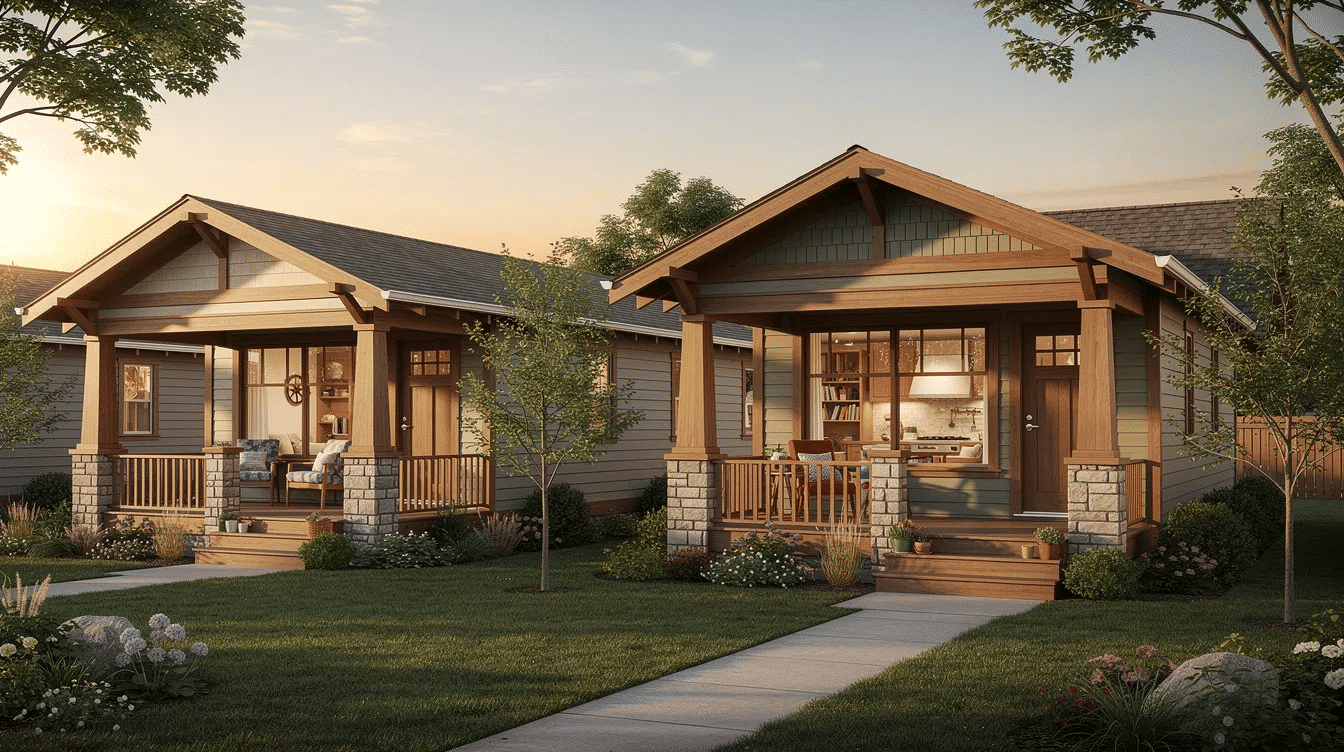
Single-story American bungalow house plans ranging from 800 to 1,200 square feet offer ideal layouts for young couples, retirees, or first-time homeowners seeking efficient space without sacrificing craftsman aesthetic.
These floor plans maximize functionality through open living areas that connect kitchen, dining, and sitting spaces with minimal hallways, reflecting many principles of classic bungalow architecture design and history. Built-in furniture like window seats and storage cabinetry eliminates clutter while maintaining the artistry of craftsman interiors. These compact bungalows utilize efficient design principles to make the most of limited square footage.
Wide front porches spanning much of the façade create inviting outdoor living space, while low pitched roofs with exposed rafter tails and decorative brackets deliver timeless curb appeal even in modest footprints.
Traditional 3-Bedroom Family Homes
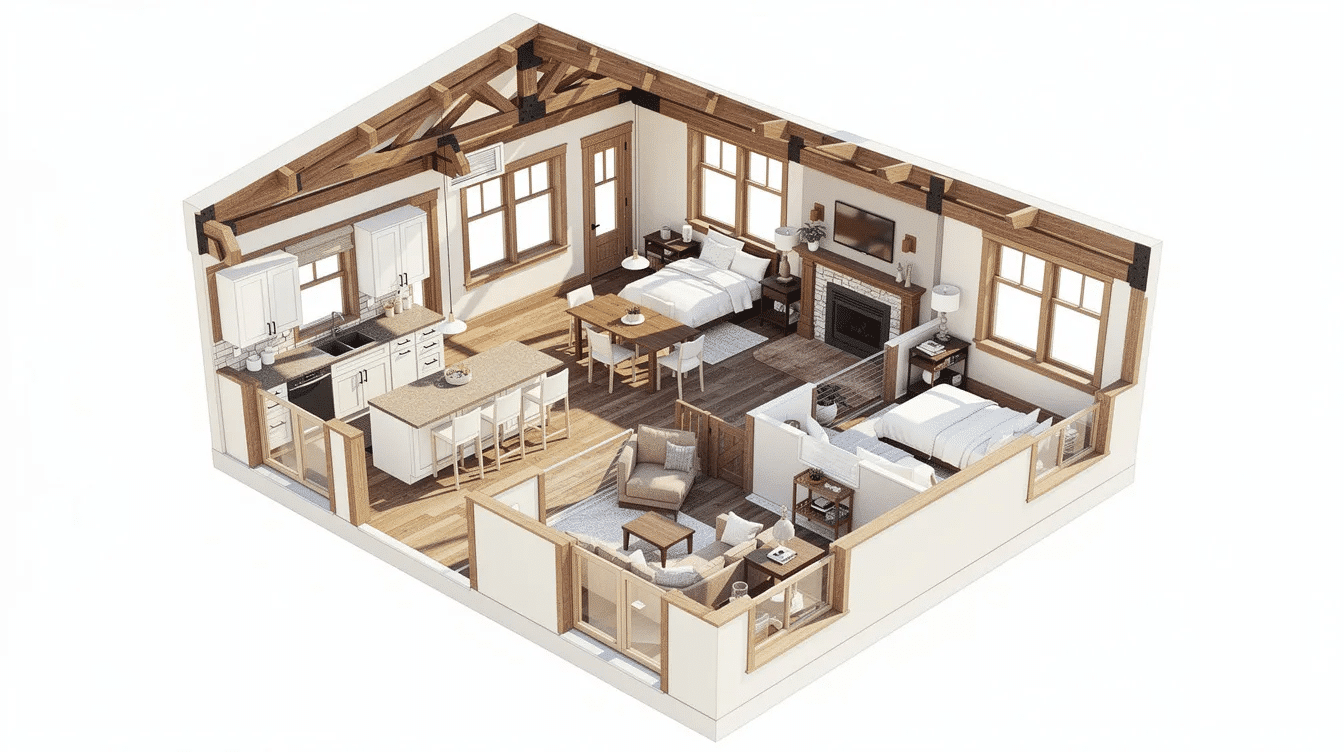
The most popular craftsman home plans fall between 1,400 and 1,800 square feet, featuring a master suite plus two additional bedrooms arranged around a central great room, similar in practicality to many average ranch house dimensions.
This layout connects kitchen, dining, and living areas for seamless family interaction while maintaining distinct zones for privacy. Some craftsman floor plans feature a split bedroom layout, placing the master suite apart from secondary bedrooms for enhanced privacy. Open floor plans with exposed beams and natural wood trim create spacious interiors that feel larger than their actual square footage.
Two-and-a-half bath configurations typically include a master ensuite and guest powder room. Many plans incorporate dedicated home office or study spaces—a reflection of modern amenities integrated within traditional craftsman style.
Spacious 4+ Bedroom Estate Plans
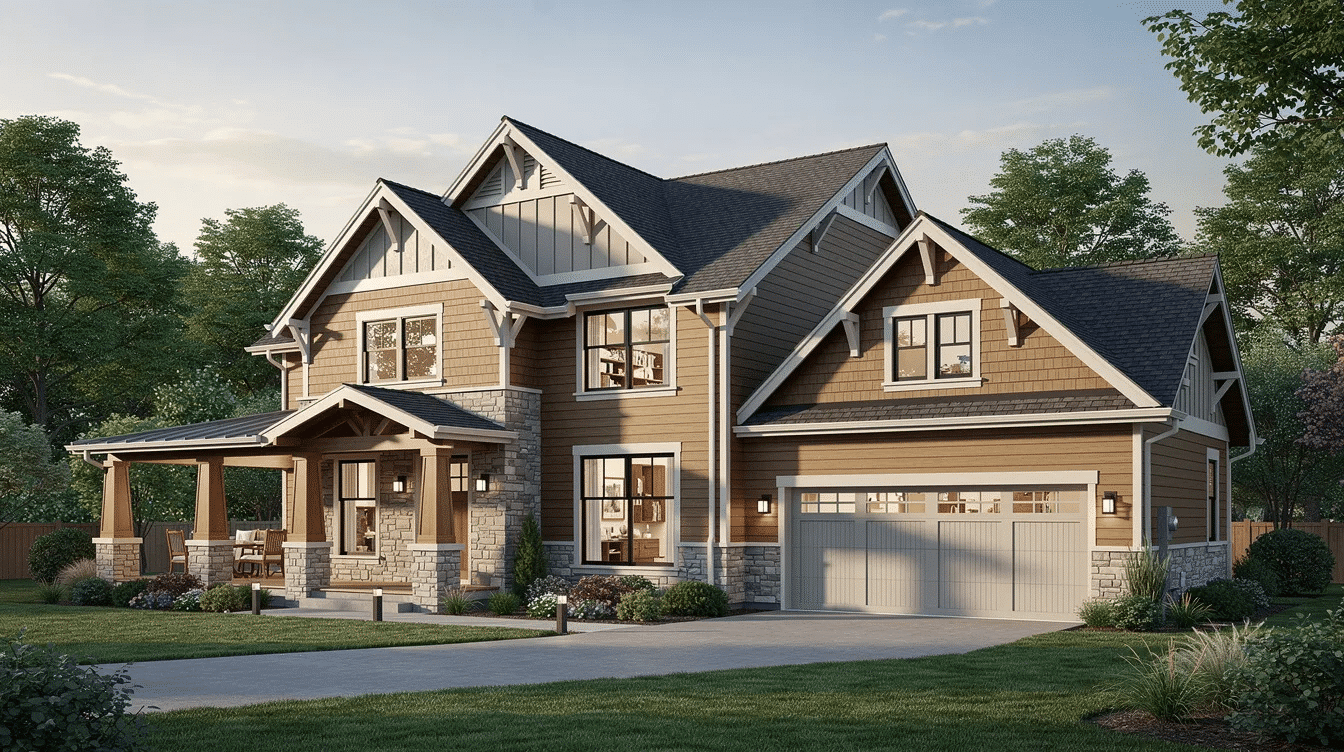
Expansive craftsman house plans exceeding 2,200 square feet accommodate large families or multi-generational living with multiple gathering areas and a dedicated bonus room, which serves as a flexible space for hobbies, entertainment, or a home office.
Estate layouts often feature formal dining rooms alongside family rooms, creating separation between everyday living and special occasions. Premium master suites include walk-in closets and spa-like bathroom layouts with natural stone finishes.
Example plans reach 3,000+ square feet across two stories, with 3-car garages, covered rear porches, and architectural elements like tapered columns and gabled roofs that emphasize horizontal lines and craftsman craftsmanship throughout.
Choose the Right Floor Plan for Your Lifestyle
Beyond bedroom count, the best craftsman style homes align layout features with how you actually live. Customization in craftsman homes floor plans is important, as it allows homeowners to tailor layouts to their unique preferences.
For Entertaining and Hosting
Open-concept great rooms flowing into spacious kitchens with large islands create natural gathering points for dinner parties and casual get-togethers. Craftsman homes floor plans are designed with generous gathering spaces to accommodate both intimate and large social events. Butler’s pantries provide staging areas that keep meal preparation separate from guest spaces.
Wraparound porches and outdoor living areas extend the entertaining footprint beyond interior walls. Multiple entry points—front, side, and rear—accommodate guest movement and create better traffic flow during larger gatherings.
Stone fireplaces serve as focal points in living rooms, adding warmth and visual interest that anchors conversation areas.
For Work-From-Home Professionals
Dedicated home office spaces with built-in desks and library shelving appear in many craftsman floor plans as dens or bonus rooms positioned away from main living areas.
Quiet zones separated from family activity support video calls and focused work. Flex space rooms convert easily between office, guest bedroom, or hobby space as needs change over time.
Technology-ready layouts with convenient electrical planning and cable routing accommodate modern connectivity requirements within traditional craftsman interiors.
For Aging in Place Comfort
Single-story craftsman house plans eliminate stairs entirely, providing accessibility throughout the home, and many homeowners work with specialized bungalow home builders for one-story living to bring these designs to life. Universal design principles are incorporated into craftsman homes floor plans to ensure comfort and safety for all residents. Wide hallways and doorways accommodate mobility aids, while zero-threshold entries remove barriers at exterior doors.
Accessible bath layouts with walk-in showers and grab bar blocking make bathrooms safer without sacrificing craftsman style. Master bedroom suites located on the main level ensure easy access to living areas, kitchen, and outdoor spaces.
Plans featuring 1,300 to 1,500 square feet on one level offer comfortable aging-in-place layouts with front and back porches extending living space outdoors, while some homeowners opt for raised bungalow plans for stylish functional living to gain extra light and space below the main floor.
Key Design Features in Craftsman Floor Plans
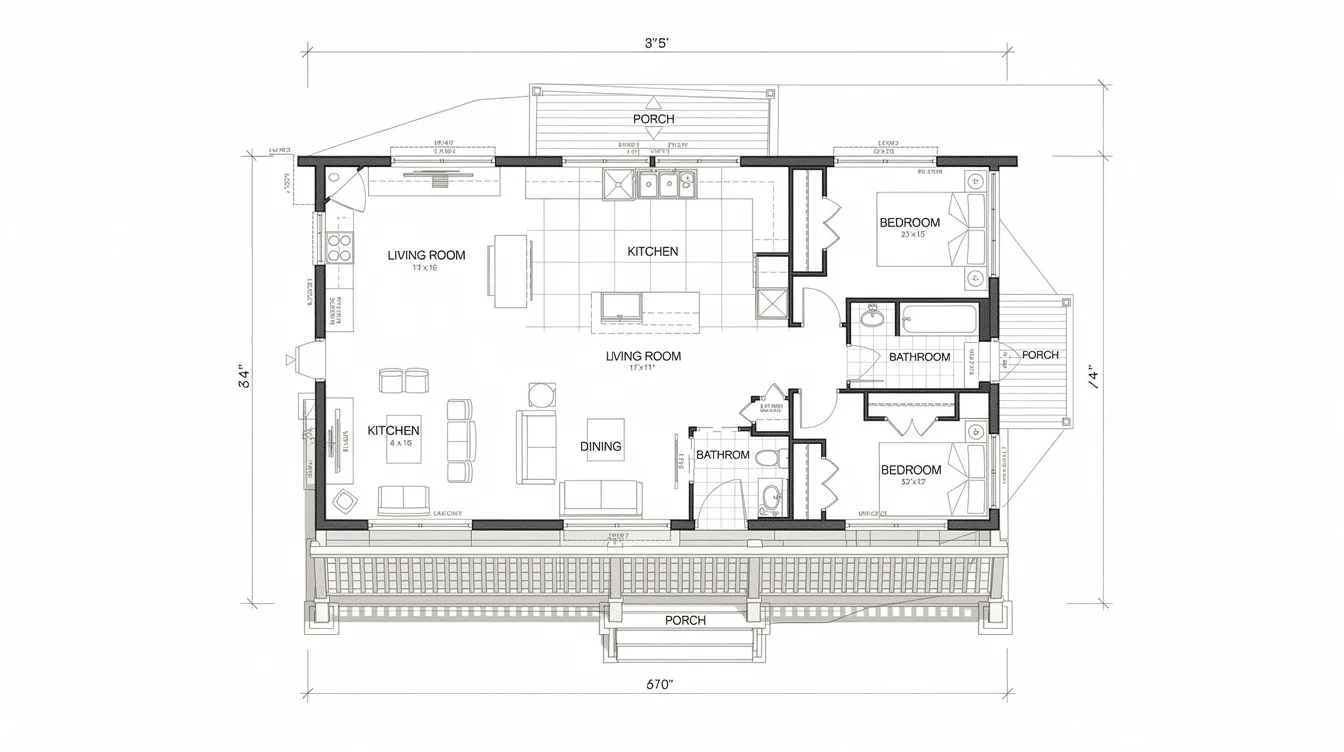
What makes craftsman house plans distinct from other architectural styles is the emphasis on honest structure, natural materials, and integrated details throughout. Craftsman homes floor plans draw design inspiration from the original arts and crafts movement and early 20th-century architecture.
Signature Architectural Elements
Exposed beam ceilings in great rooms and dining areas add character and height while celebrating the wood craftsmanship central to the arts and crafts movement. Ceiling heights of 9 feet or more in modern plans create spacious rooms that feel open yet intimate.
Built-in cabinetry including window seats, bookcases, and dining room buffets provides storage while demonstrating the handcrafted details homeowners associate with craftsman homes. Craftsman trim around doors, windows, and ceilings further emphasizes the home’s unique character. Columns and partial walls define spaces while maintaining open sight lines across living areas.
Hardwood flooring throughout main living areas with tile or natural stone in kitchens and baths creates visual flow and emphasizes quality materials.
Natural Materials Integration
Stone fireplace surrounds serve as focal points in living rooms, while wood trim and wainscoting details throughout hallways and dining areas reinforce craftsman simplicity and artistry. Earth tones are commonly used in craftsman homes to complement the natural materials and create a warm, inviting atmosphere.
Exterior materials including cedar shake, stucco walls, and stone or brick foundation elements extend design themes from outside to inside. Tapered columns on front porches—often stone at the base transitioning to wood—create the horizontal lines characteristic of craftsman exterior design.
The extensive use of natural wood, stone, and quality materials throughout distinguishes craftsman style from mission revival and other architectural styles of the same era, and these same elements define many essential features of a Craftsman style cabin as well.
Energy-Efficient Layout Features
Strategic window placement maximizes natural light while enabling cross-ventilation—a passive design element rooted in pre-air-conditioning construction wisdom. Grouped windows with multi-pane upper sash bring daylight deep into interiors.
Covered porches and deep overhanging eaves with wide eaves provide passive solar protection, shading windows in summer while allowing winter sun penetration. Low pitched gable roofs with exposed rafters keep heating and cooling loads manageable across various climates.
Compact utility areas accommodate energy-efficient HVAC and water heating systems, while insulation-friendly wall construction supports sustainable building practices within traditional craftsman construction methods. Many craftsman homes floor plans incorporate green building techniques to reduce environmental impact and improve energy efficiency.
Interior Design and Craftsman Style
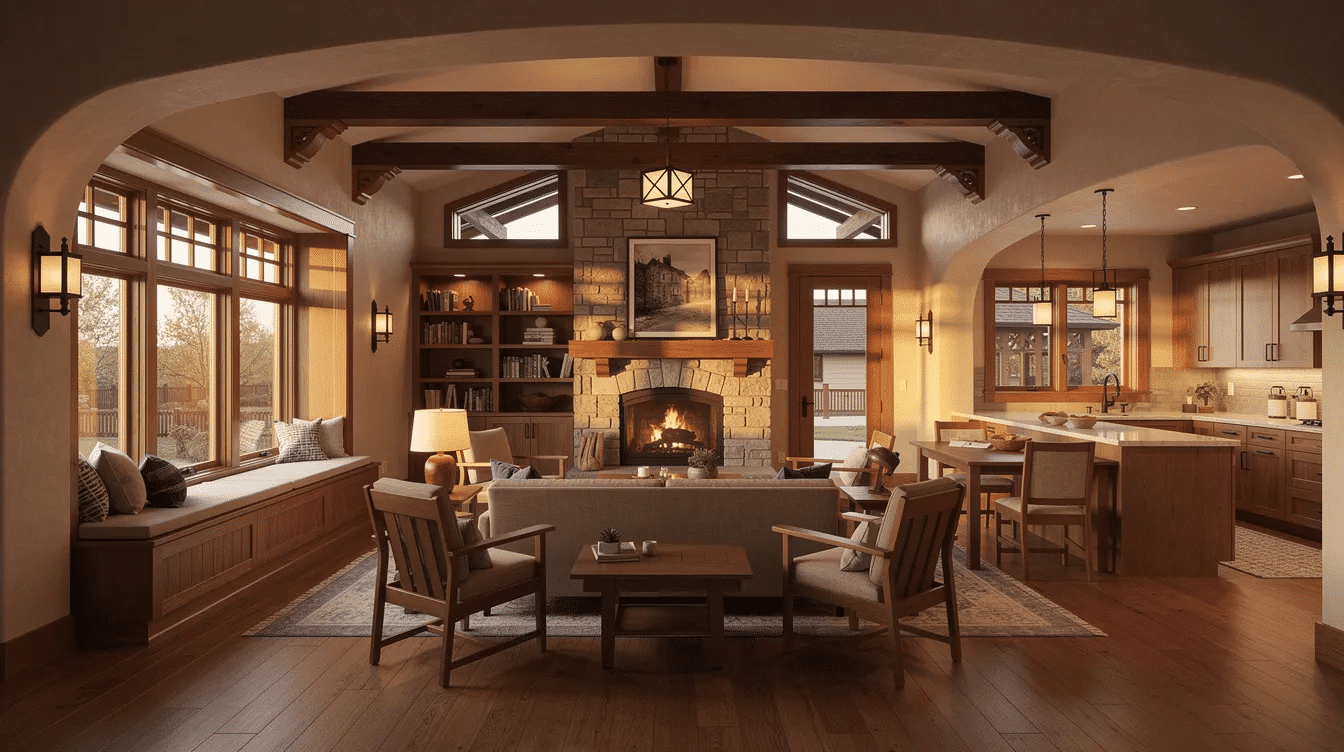
Craftsman style house plans are celebrated for their distinctive and inviting interior design, which seamlessly blends artistry, comfort, and functionality. At the heart of every craftsman house is an open floor plan that fosters a sense of spaciousness and encourages easy flow between living, dining, and kitchen areas. This open layout not only enhances daily living but also creates an inviting atmosphere perfect for gatherings with family and friends.
A defining feature of craftsman style homes is the extensive use of natural materials. Rich wood floors, exposed beams, and stone accents bring warmth and texture to every room, while stucco walls add a touch of elegance and durability. Built-in furniture—such as window seats, bookcases, and dining nooks—maximizes space and showcases the handcrafted details that make craftsman house plans so unique. These thoughtful touches, from decorative brackets to exposed rafter tails and low-pitched gable roofs, contribute to the timeless curb appeal and craftsman aesthetic that homeowners love.
The interior design of a craftsman style house emphasizes simplicity and style, with horizontal lines, wide eaves, and tapered columns creating a sense of calm and order. Spacious kitchens, often open to the main living areas, provide modern comfort and convenience, making meal preparation and entertaining a breeze. Features like arched doorways, mission revival-inspired decor, and four square layouts add architectural interest and reinforce the connection to the arts and crafts movement.
Modern amenities are seamlessly integrated into craftsman house plans, ensuring that today’s homeowners enjoy both beauty and functionality. Security service options, energy-efficient layouts, and smart home features can be incorporated without compromising the classic craftsman style. Whether you’re drawn to a cozy bungalow house plan or a larger estate, craftsman homes are designed to suit various climates and lifestyles, offering flexibility for families of all sizes.
With a wide collection of craftsman house plans available, homeowners can choose from different types of layouts and features to create a home that reflects their personal style and needs. The emphasis on quality materials, craftsmanship, and attention to detail ensures that every craftsman style house offers timeless appeal, lasting value, and a welcoming space to call home.
How to Customize Your Craftsman Floor Plan
Most craftsman style house plans accommodate modifications that personalize the layout for specific family needs. Homeowners can also take advantage of modification services to tailor craftsman homes floor plans to their exact requirements.
Kitchen and Dining Modifications
Expand kitchen islands or add peninsula seating for casual dining, homework areas, or additional prep space. Many homeowners convert formal dining rooms into home offices or extend kitchen footprint for larger families.
Walk-in pantries or butler’s pantries increase storage capacity and meal preparation efficiency. For homeowners who require additional space for cooking and entertaining, consider adding a prep kitchen as an option. Breakfast nooks or built-in banquettes create cozy family dining spaces that echo the built-in furniture tradition of original arts and crafts interiors.
Spacious kitchens with natural stone countertops and wood cabinetry maintain craftsman aesthetic while incorporating modern comfort features.
Outdoor Living Enhancements
Extend covered porches or add screened-in areas for year-round outdoor enjoyment regardless of weather. The traditional craftsman front porch—often spanning nearly the full façade width—can be complemented with side or rear porches connecting to kitchen and family areas.
Outdoor kitchens or grilling stations linked to main kitchen areas support entertaining. Patio spaces with fire pits or outdoor fireplaces extend gathering seasons into cooler months.
Pergolas, gazebos, and garden structures complement craftsman architectural style while creating distinct outdoor rooms within the overall site plan. These features can transform your yard into a true outdoor retreat for relaxation and entertaining.
Find Your Ideal Craftsman Floor Plan
Browse our complete collection of craftsman home designs with detailed floor plans and specifications covering square footage, bedroom and bath counts, and special features. Comprehensive plan sets are available for each craftsman homes floor plan, including all necessary drawings and specifications required for construction.
Compare different types of layouts—from compact bungalows to estate plans—to identify the footprint and room configuration matching your family needs. Access customization options and modification services to personalize your chosen plan with specific kitchen layouts, outdoor living features, or accessibility elements.
Connect with building professionals familiar with craftsman construction methods, natural materials, and the quality craftsmanship that gives these homes their timeless appeal.
Your ideal craftsman house plan combines the warmth of arts and crafts design with the modern amenities today’s homeowners expect—and it’s ready for you to discover.