

Key Takeaways
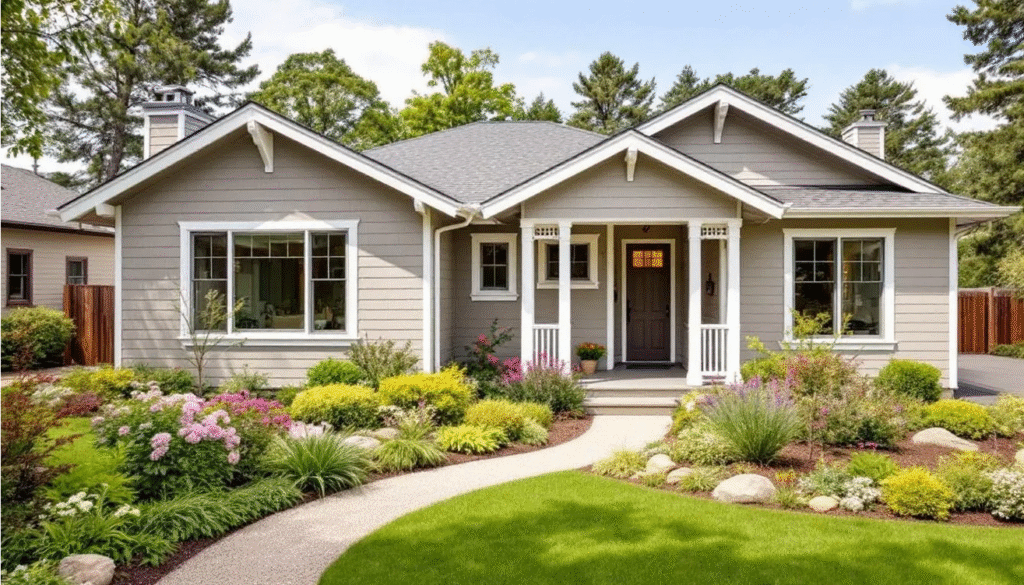
- Dark gray siding with white trim creates a timeless, sophisticated look that enhances ranch house curb appeal
- Popular dark gray paint colors include Benjamin Moore Iron Mountain, Sherwin Williams Iron Ore, and Benjamin Moore Kendall Charcoal
- White trim on windows, doors, soffits, and foundation elements provides striking contrast and architectural definition
- This color combination works equally well on traditional 1950s ranch homes and modern single-story designs
- Strategic landscaping with native plants and defined walkways complements the clean gray and white palette
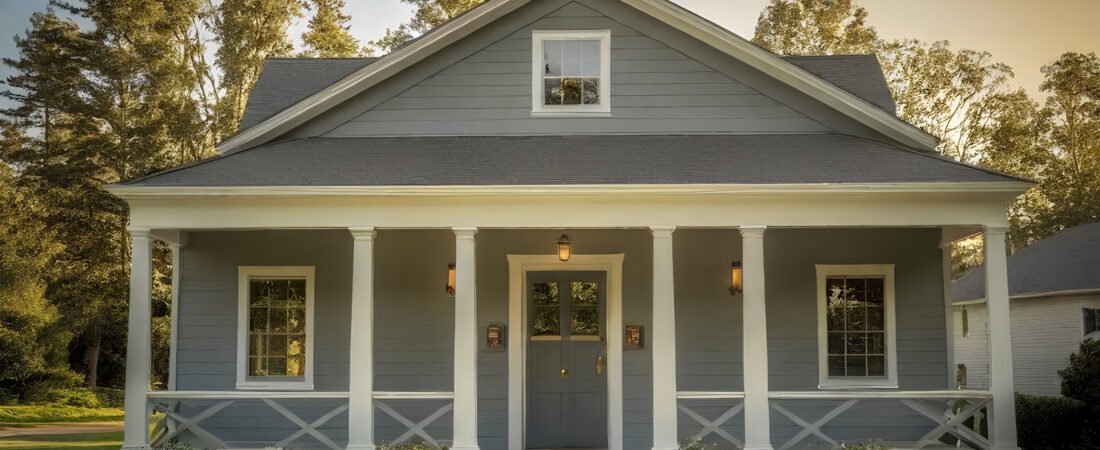
The combination of dark gray siding with white trim has revolutionized ranch house design, transforming everything from modest mid-century homes to sprawling contemporary ranches. This striking color palette creates instant sophistication while honoring the clean, functional aesthetic that makes ranch houses so enduringly popular. Many homeowners are opting for bold, moody exterior color palettes that include dark gray shades, further cementing its appeal.
Whether you’re renovating a classic 1950s ranch or building a new single-story home, dark gray paint with white trim offers unmatched versatility. The high contrast enhances architectural details, emphasizes the horizontal lines characteristic of ranch design, and provides a backdrop that works beautifully with both traditional and modern landscaping approaches.
- Why Dark Gray and White Trim Dominates Ranch House Design
- Best Dark Gray Paint Colors for Ranch House Exteriors
- White Trim Design Strategies for Ranch Houses
- Ranch House Architectural Features That Shine with Dark Gray and White
- Landscaping and Curb Appeal for Gray Ranch Houses
- Modern Ranch vs Traditional Ranch Color Applications
- Frequently Asked Questions
Why Dark Gray and White Trim Dominates Ranch House Design
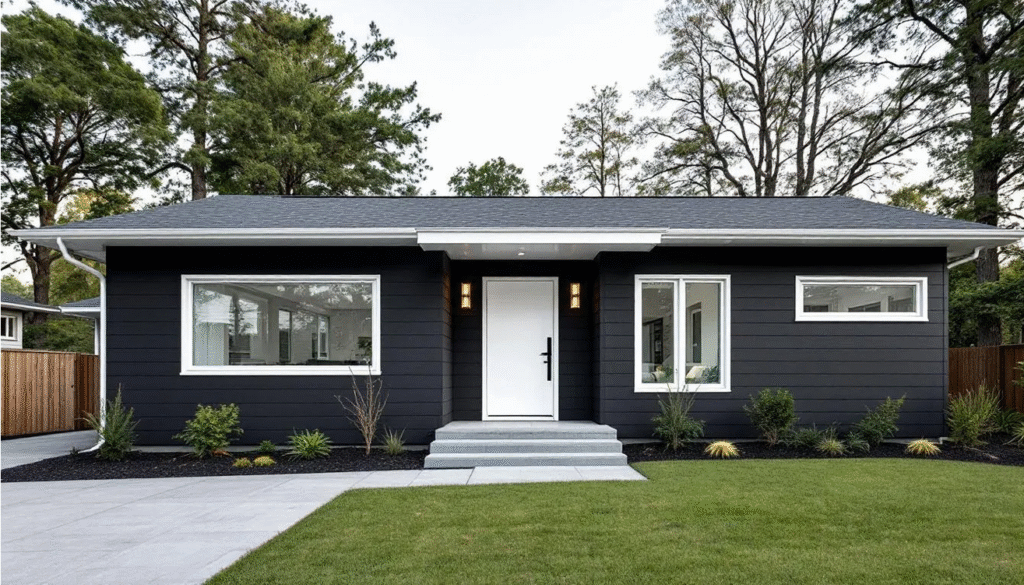
Dark gray has emerged as the premier choice for ranch house exteriors because it addresses the unique design challenges these homes present. Unlike bright colors that can make single-story homes appear smaller, dark gray paint actually expands the visual profile of ranch houses, creating a sense of depth and sophistication that lighter shades simply cannot match.
The horizontal emphasis of ranch house architecture benefits tremendously from the grounding effect of dark colors. While traditional ranch homes often featured earth tones that could appear dated or blend too readily with surrounding landscapes, dark gray provides a contemporary edge that feels both current and timeless. This shade creates visual weight that balances the low-pitched rooflines and extended horizontal lines that define the ranch style.
White trim serves as the perfect complement to dark gray, unifying the various elements of ranch house facades. Ranch homes typically feature multiple roof levels, varied window sizes, and sometimes complex floor plans that extend in different directions. White trim creates continuity across these diverse elements, preventing the home’s exterior from appearing disjointed or overwhelming.
The contrast between dark gray siding and white trim also enhances curb appeal by creating definition and emphasis. Ranch houses, with their modest proportions and straightforward designs, benefit from this visual drama. The combination draws the eye to important architectural details like window placement, front entrance design, and roofline transitions.
This color scheme has proven its staying power across different eras of ranch house design. Whether applied to original 1950s ranches with their characteristic picture windows and attached garages, or contemporary interpretations featuring cleaner lines and larger windows, dark gray with white trim maintains its sophisticated appeal.
Best Dark Gray Paint Colors for Ranch House Exteriors
Premium Dark Gray Options
Benjamin Moore Iron Mountain (LRV 10.96) stands out as an exceptional choice for ranch house siding. Its blue and brown undertones provide depth and richness that prevents the gray from appearing flat or lifeless. This paint color works particularly well on ranch homes with stone or brick accents, as the undertones complement natural materials beautifully. The moderate LRV rating makes it suitable for most exposures while still providing the dramatic impact that makes dark gray so appealing. Other popular dark gray paint shades, such as Graphite and Deep River, are also favored for both modern and traditional homes.
Sherwin Williams Iron Ore (LRV 6) delivers a more dramatic stormy appearance that’s perfect for modern ranch designs. This deeper shade creates bold visual impact that works especially well on larger ranch homes or properties with extensive landscaping. The cooler undertones pair beautifully with contemporary materials like steel and concrete, making it ideal for ranch houses that incorporate modern architectural elements.
Benjamin Moore Kendall Charcoal (LRV 13) offers the lightest option among premium dark grays, featuring subtle green undertones that work exceptionally well with traditional ranch homes. This shade provides the sophisticated appeal of dark gray while maintaining enough lightness to work on smaller ranch houses or those with limited natural light exposure. The green undertones create warmth that complements both brick and natural wood accents.
Benjamin Moore Wrought Iron (LRV 6.16) presents a versatile gray-blue choice that works beautifully with contemporary ranch styles. This paint color has enough complexity to remain interesting throughout different lighting conditions, shifting slightly from blue-gray in morning light to deeper charcoal in the afternoon. It coordinates particularly well with white garage doors and modern porch columns.
Application Tips for Ranch Houses
When selecting dark gray paint for ranch house exteriors, exposure considerations become crucial. North-facing ranch facades can accommodate the darkest grays (LRV under 10) without concern for excessive heat absorption. These exposures benefit from the depth and richness that very dark colors provide, creating stunning visual impact that draws attention to the home’s architectural features.
South-facing exposures require more careful consideration, particularly in warmer climates. Lighter grays with LRV ratings between 10-15 help prevent excessive heat absorption while still providing the sophisticated appearance that makes dark gray so desirable. In regions like San Francisco, where temperatures remain more moderate, deeper shades work well on all exposures.
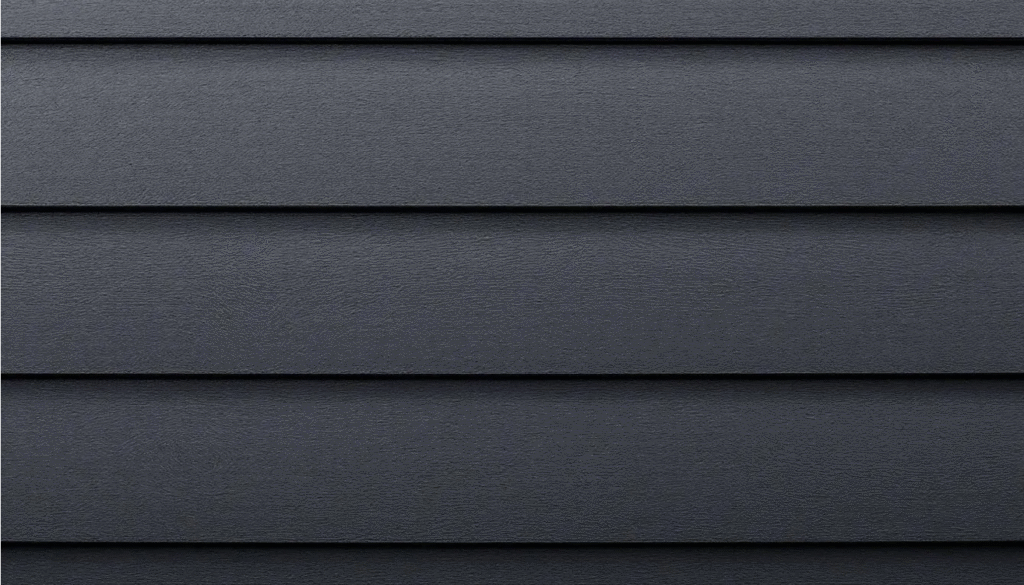
Testing paint colors on different ranch siding materials reveals important variations in appearance. Fiber cement siding tends to show paint colors most accurately, while vinyl siding may appear slightly lighter due to its surface texture. Wood siding often enhances the depth of dark gray paint, particularly when properly primed and prepared.
Gray undertones significantly affect appearance throughout different times of day. Colors with blue undertones appear cooler and more dramatic in morning light, while those with brown or green undertones warm up beautifully in afternoon sun. Consider how your ranch house is positioned relative to street view and primary outdoor living areas when selecting undertones. Gray paint colors with blue undertones, such as Cheating Heart, provide visual warmth and depth, making them a versatile choice for various lighting conditions.
White Trim Design Strategies for Ranch Houses
Crisp white trim creates the defining contrast that makes dark gray ranch houses so visually striking. The key to successful implementation lies in comprehensive application across all trim elements, including window casings, door frames, soffits, and foundation details. This consistency prevents the color scheme from appearing incomplete or poorly executed.
Window trim receives primary focus in ranch house design due to the style’s emphasis on large, horizontal windows. Paint all window components white, including casings, sills, and any decorative elements like shutters or window boxes. This creates clean lines that emphasize the geometric patterns typical of ranch architecture while providing the crisp contrast that makes dark gray siding appear richer and more sophisticated.
Extending white trim to foundation areas creates a grounded, established appearance that’s particularly important for ranch houses. Paint foundation walls, steps, and any retaining walls white to create visual continuity from ground level to roofline. This technique helps low-profile ranch houses appear more substantial while maintaining the clean aesthetic that defines the style.
Foundation-to-roofline coordination requires careful attention to vertical elements that can serve as visual bookends. Use white trim on foundation details and extend this treatment to soffits, fascias, and any exposed rafter tails. This creates vertical balance that complements the strong horizontal emphasis of ranch house design.
Garage doors present an opportunity to reinforce the white trim palette while addressing one of the most prominent features of ranch house facades. White garage doors coordinate beautifully with window and door trim while helping to integrate these large elements into the overall design scheme. Choose clean, simple garage door styles that complement the ranch house’s straightforward aesthetic.
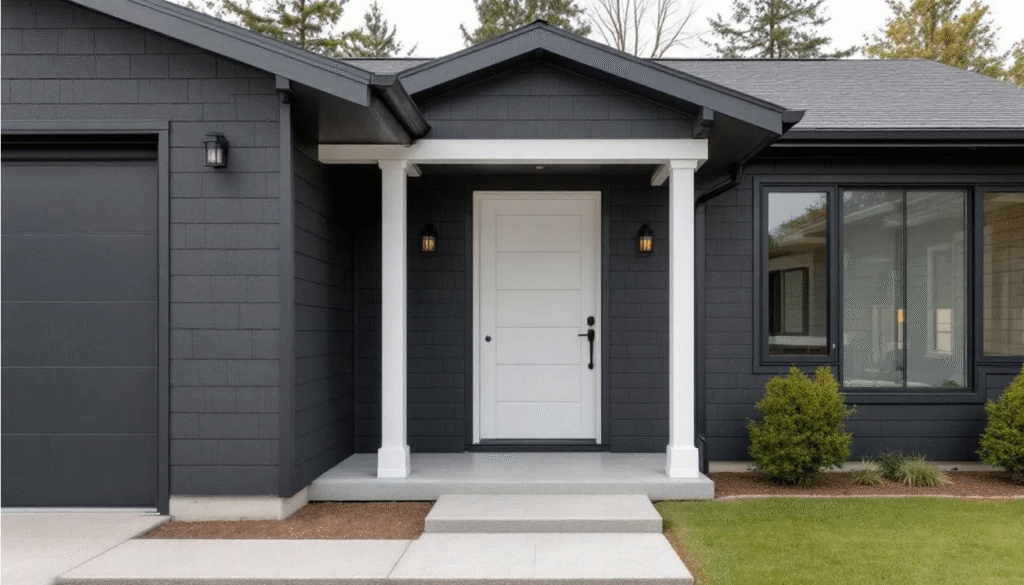
Porch columns and covered entry areas benefit from white paint treatment that extends the trim color to three-dimensional architectural elements. Whether dealing with simple post-and-beam construction or more elaborate covered porches, white columns create vertical accents that balance the horizontal emphasis of ranch design while maintaining visual consistency with other trim elements.
Ranch House Architectural Features That Shine with Dark Gray and White
Dark gray siding naturally emphasizes the clean, horizontal lines that define ranch house architecture. The color’s visual weight draws attention to the long, low profiles that make ranch houses so distinctive, while white trim highlights the geometric precision that characterizes well-designed ranch homes. This combination creates definition that prevents these homes from appearing generic or forgettable.
Low-pitched roofs, a hallmark of ranch design, benefit tremendously from the contrast created by dark gray walls and white soffits. The light-colored soffits create a visual break between wall and roof that emphasizes the roof’s horizontal sweep while preventing the overall composition from appearing too heavy or monolithic. This treatment works equally well with asphalt shingles, metal roofing, or tile materials.
Midcentury ranch details like clerestory windows, post-and-beam construction, and geometric decorative elements gain new prominence when highlighted with white trim against dark gray backgrounds. These architectural features, which can sometimes appear dated or understated, become focal points that celebrate the home’s original design intent while feeling thoroughly contemporary.
Ranch house porches, patios, and covered walkways transform into sophisticated outdoor living spaces when treated with the dark gray and white palette. Paint porch ceilings white to create an airy, open feeling while using dark gray on vertical elements to maintain visual consistency with the main house. This approach creates seamless transitions between indoor and outdoor spaces that enhance the ranch house’s connection to its surroundings.
Chimney coordination requires careful consideration of existing materials and overall visual balance. Brick chimneys often work beautifully in their natural state against dark gray siding, providing warm textural contrast. Stone chimneys can be painted to match either the gray siding for a monolithic appearance or the white trim for dramatic vertical emphasis, depending on the desired visual effect.
Landscaping and Curb Appeal for Gray Ranch Houses
Plant selection plays a crucial role in complementing dark gray ranch houses with white trim. Evergreen shrubs provide year-round structure that balances the strong horizontal lines of ranch architecture while offering various shades of green that coordinate beautifully with gray exteriors. Consider foundation plantings that add warmth to the clean color palette without overwhelming the home’s sophisticated aesthetic. Planting colorful flowers like bright yellow or deep red can further enhance the visual appeal, adding vibrant accents to the overall design.
Native grasses work exceptionally well with contemporary ranch houses, providing textural interest that softens the geometric precision of ranch architecture. These plantings create movement and seasonal variation while requiring minimal maintenance, aligning with the ranch house philosophy of practical, efficient design. Group ornamental grasses in masses for maximum visual impact against dark gray walls.
Walkway design offers opportunities to reinforce the sophistication of dark gray and white exteriors through material selection and layout. Flagstone walkways provide natural texture that warms the overall palette, while brick walkways offer classic appeal that works particularly well with traditional ranch styles. Concrete walkways can be treated with integral color or stamped patterns to coordinate with the home’s clean aesthetic.
Front door color selection allows for personal expression while maintaining the sophisticated foundation created by dark gray siding and white trim. Bright yellow doors create cheerful contrast that works beautifully with the neutral base palette. Hunter green provides classic appeal that feels both traditional and timeless. Natural wood stains offer warmth and texture that prevent the overall scheme from appearing too stark or clinical.
Foundation plantings should soften the horizontal ranch profile without obscuring important architectural details. Use a combination of varying heights and textures to create visual interest while maintaining clear sight lines to windows and entry areas. Consider the mature size of all plantings to prevent future maintenance issues and ensure long-term success of the landscape design.
Driveway and hardscaping materials significantly impact the overall success of gray ranch house exteriors. Choose materials that complement rather than compete with the sophisticated color palette. Natural stone, exposed aggregate concrete, or colored concrete options coordinate well while providing the durability and functionality required for ranch house living.
Modern Ranch vs Traditional Ranch Color Applications
Contemporary Ranch Style
Modern ranch interpretations benefit from the boldest applications of dark gray and white trim. Charcoal grays with LRV ratings between 3-6 create dramatic impact that emphasizes the clean lines and geometric precision of contemporary design. These deeper shades work particularly well on ranch houses with large windows, minimal ornamentation, and strong architectural geometry.
Natural wood accents provide essential warmth when incorporated with stark gray and white palettes. Consider using natural or stained wood for front doors, porch columns, or decorative screen elements. These materials add texture and visual interest while preventing contemporary ranch houses from appearing too cold or institutional.
Steel details complement the modern aesthetic while coordinating beautifully with dark gray exteriors. Black metal railings, window frames, or decorative elements reinforce the contemporary feel while adding visual weight that balances the light white trim elements. This creates a sophisticated palette that feels current and relevant.
Sleek white garage doors reinforce the minimalist aesthetic while maintaining visual consistency with other white trim elements. Choose garage doors with clean lines and minimal hardware to complement the straightforward ranch house aesthetic. Consider models with windows that coordinate with the home’s window patterns for additional architectural integration.
Contemporary landscaping featuring sculptural plants and geometric layouts complements the clean lines of modern ranch houses. Ornamental grasses, architectural succulents, and carefully pruned shrubs create visual interest without detracting from the home’s sophisticated simplicity.
Traditional Ranch Style
Classic 1950s ranch houses benefit from medium grays with LRV ratings between 8-12, which provide sophistication while maintaining the approachable character that makes traditional ranch houses so appealing. These moderate shades work beautifully with warm white trim to create welcoming exteriors that honor the home’s original design intent.
Traditional ranch elements like decorative shutters, covered porches, and distinctive columns gain new life when highlighted with white trim against medium gray backgrounds. These features, which define the character of original ranch houses, become focal points that celebrate rather than disguise the home’s architectural heritage.
Brick accents coordinate beautifully with medium gray siding, providing textural contrast that adds visual interest without overwhelming the clean aesthetic. Whether dealing with existing brick elements or adding new brick walkways or planters, these natural materials warm the overall palette while maintaining the sophisticated appeal of the color combination.
Traditional roofing materials like asphalt shingles in complementary colors enhance the overall success of gray and white ranch house exteriors. Choose shingle colors that coordinate with the gray siding while providing enough contrast to maintain clear definition between wall and roof surfaces.
Cottage-style plantings soften traditional ranch houses while maintaining their welcoming character. Use curved walkways, mixed perennial beds, and informal planting arrangements to create landscapes that feel established and mature. These approaches complement the comfortable, livable character that makes traditional ranch houses so enduringly popular.
Frequently Asked Questions
What LRV should I choose for dark gray paint on a ranch house in hot climates?
In hot climates, choose dark gray paints with LRV ratings between 10-15 for south and west-facing exposures to prevent excessive heat absorption. North-facing walls can accommodate deeper grays with LRV ratings as low as 6. Consider the specific microclimate around your property, including shade from trees or nearby structures, which may allow for darker colors even in warmer regions.
How do I prevent dark gray siding from making my small ranch house look smaller?
Use generous amounts of white trim to create visual breaks that prevent dark gray from overwhelming smaller ranch houses. Paint foundation elements, soffits, and all window trim white to create horizontal bands that emphasize the ranch house’s length rather than its height. Strategic landscaping with light-colored materials and proper lighting also help maintain an open, spacious appearance.
Which white paint color provides the best contrast with dark gray ranch siding?
Benjamin Moore White Dove and Simply White offer the crispest contrast with dark gray siding while maintaining enough warmth to prevent a stark, institutional appearance. These whites have subtle undertones that complement rather than clash with gray, creating sophisticated contrast that enhances rather than overwhelms the overall design scheme.
Can I use this color combination on a ranch house with existing brick elements?
Dark gray and white trim work beautifully with existing brick elements, whether left natural or painted. Natural brick provides warm textural contrast that balances the cool gray palette. If painting brick, consider using the same dark gray as the siding to create a unified appearance, while keeping all other trim elements white for consistency.
Dark gray paint requires high-quality formulations with UV inhibitors to prevent fading, especially on south-facing exposures. Choose paints specifically designed for exterior use with superior color retention properties. White trim shows dirt more readily than darker colors, so plan for periodic cleaning to maintain the crisp contrast that makes this color combination so effective. Paint technology improvements now allow for darker colors to be used without significant fading issues, ensuring long-lasting vibrancy.
Dark gray paint requires high-quality formulations with UV inhibitors to prevent fading, especially on south-facing exposures. Choose paints specifically designed for exterior use with superior color retention properties. White trim shows dirt more readily than darker colors, so plan for periodic cleaning to maintain the crisp contrast that makes this color combination so effective.
