Key Takeways
Flat roof ranch houses combine single-story living with crisp, modern rooflines. They can be practical, but the right choice depends on climate, budget, and upkeep.
- Flat roofs are often cheaper and faster to build than a pitched roof on a broad ranch house.
- They can create outdoor space for a patio, deck, rooftop garden, solar panels, or hvac units.
- Main disadvantages include drainage, leak risk, shorter life, and more frequent inspections.
- They work best in warm, dry, or mild climates when properly installed and insulated.
- Compare lifetime cost, not just installation price.
Introduction: What Is a Flat Roof Ranch House?
A ranch-style home is typically a one-story house with long horizontal lines, open rooms, and easy access to the ground. The style began in the 1920s and became common across the U.S. by the 1950s.
A flat roof is usually a low-slope roof, often about 1–3 degrees, so it looks flat from the ground but still has a slight slope to drain water. Unlike pitched roofs or sloped roofs, it does not create much attic space. Flat roofs on ranch houses create a distinct, mid-century modern aesthetic that has returned to the market in 2024–2026.
Overview: Flat Roofs vs. Pitched Roofs on Ranch Homes
Use this quick page-style comparison before you build, replace, or buy.
Feature | Flat roof ranch | Pitched roof ranch |
|---|---|---|
cost | Flat roofs are less expensive than sloped roofs to install | Usually higher framing cost |
installation | Flat roofs can be installed quickly, saving labor costs; most flat roof installations can be completed within a day | Longer schedule |
drainage | Needs drains, gutters, scuppers, and cleaning | Water sheds naturally |
attic | Limited attic space and insulation space | More attic and storage |
life | Flat roof materials typically have a lifespan of 10 to 20 years | Asphalt shingles often reach 25–30 years |
According to flat-roof material guides, EPDM, TPO, modified bitumen, BUR, and SPF all perform differently, so the exact result depends on roofing materials, climate, and installation quality.
Pros of Flat Roof Ranch Houses
The main advantages are lower cost, usable space, accessible equipment, easier maintenance, and a clean modern look.
Cost Savings Compared to Pitched Roofs
Cost is usually the first reason homeowners ask about flat roof ranch house pros and cons. A flat roof generally uses fewer trusses, simpler decking, and less complex labor.
High-end material can be costly, but the system is typically cheaper to install than complex pitched assemblies. Owners should still plan for inspections, repairs, and eventual replacement.
Expanded Outdoor Space on a Single-Story Home
Flat roofs provide extra usable space for homeowners. Flat roofs can be converted into patios or gardens, a rooftop garden, play area, or lounge, especially when yard space is limited.
A functional roof deck needs railings, slip-resistant surfaces, shade, safe access, and waterproofing to protect the living space below.
Convenient Location for HVAC Units and Equipment
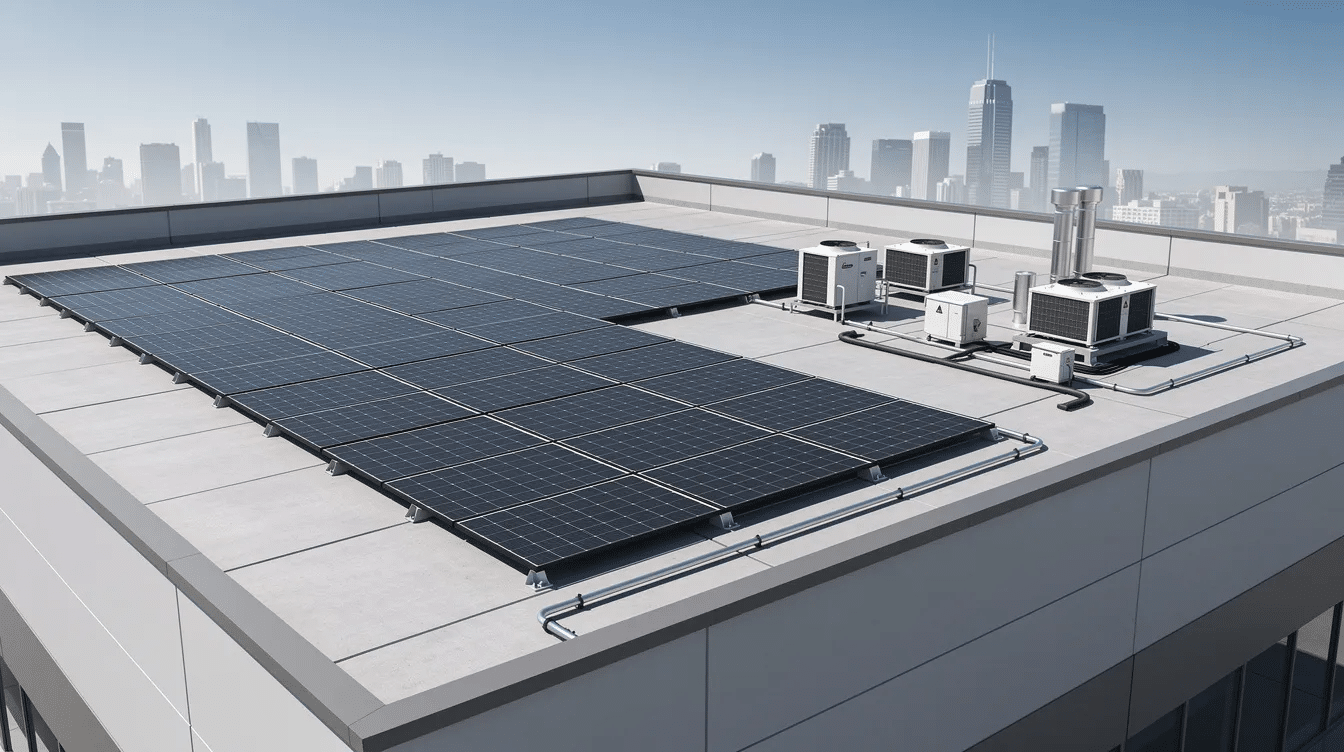
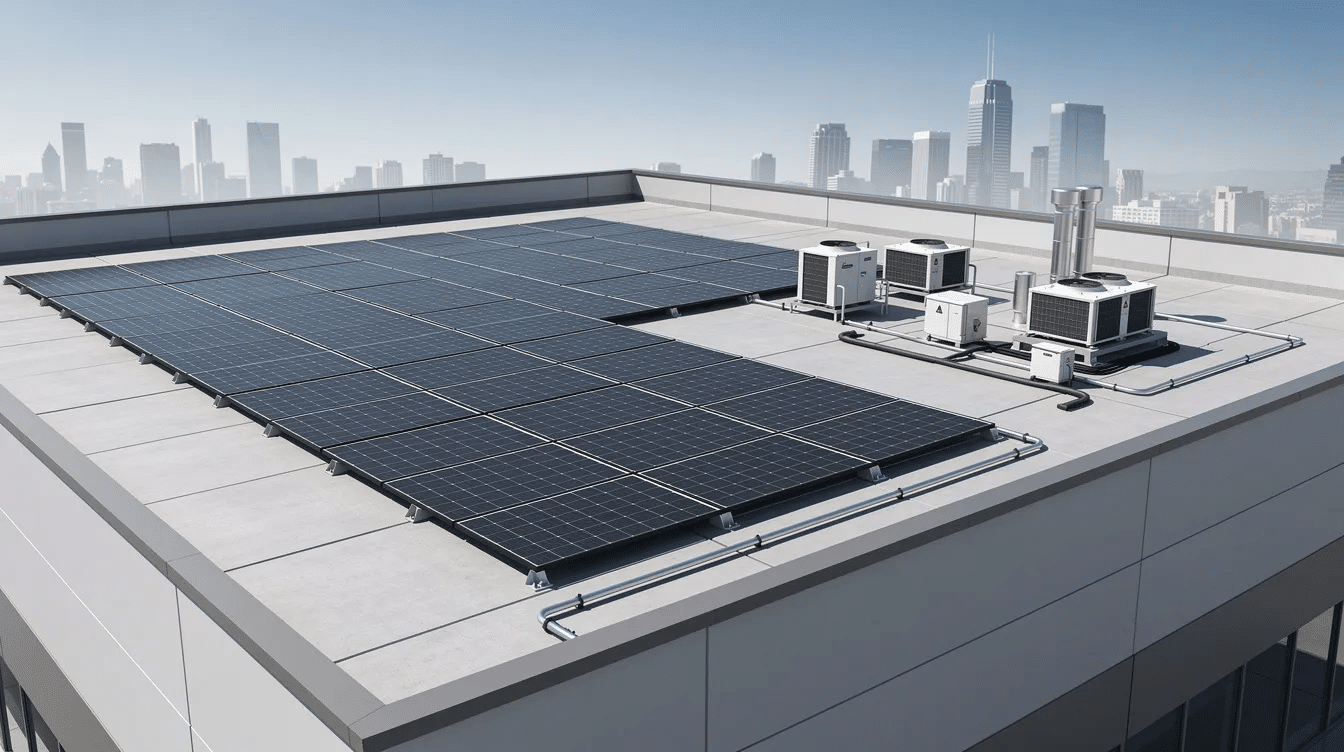
Flat roofs can hold hvac units, exhaust fans, satellite dishes, conduits, and solar panels. Businesses can use flat roofs to hide extra equipment, and the same idea appears on some commercial buildings and modern ranch homes.
Plan loads carefully. Avoid placing equipment over low spots, past leak areas, or unnecessary holes, and use flashed curbs and vibration pads.
Easy Access and Maintenance
Flat roofs require less maintenance than pitched roofs in the narrow sense that they are easier to reach and inspect. That easier maintenance can mean less risk when clearing debris, gutters, scuppers, and a blocked drain.
Still, maintenance flat roofs carefully: use soft footwear, avoid dragging tools, and inspect seams twice a year.
Modern, Minimalist Architectural Style
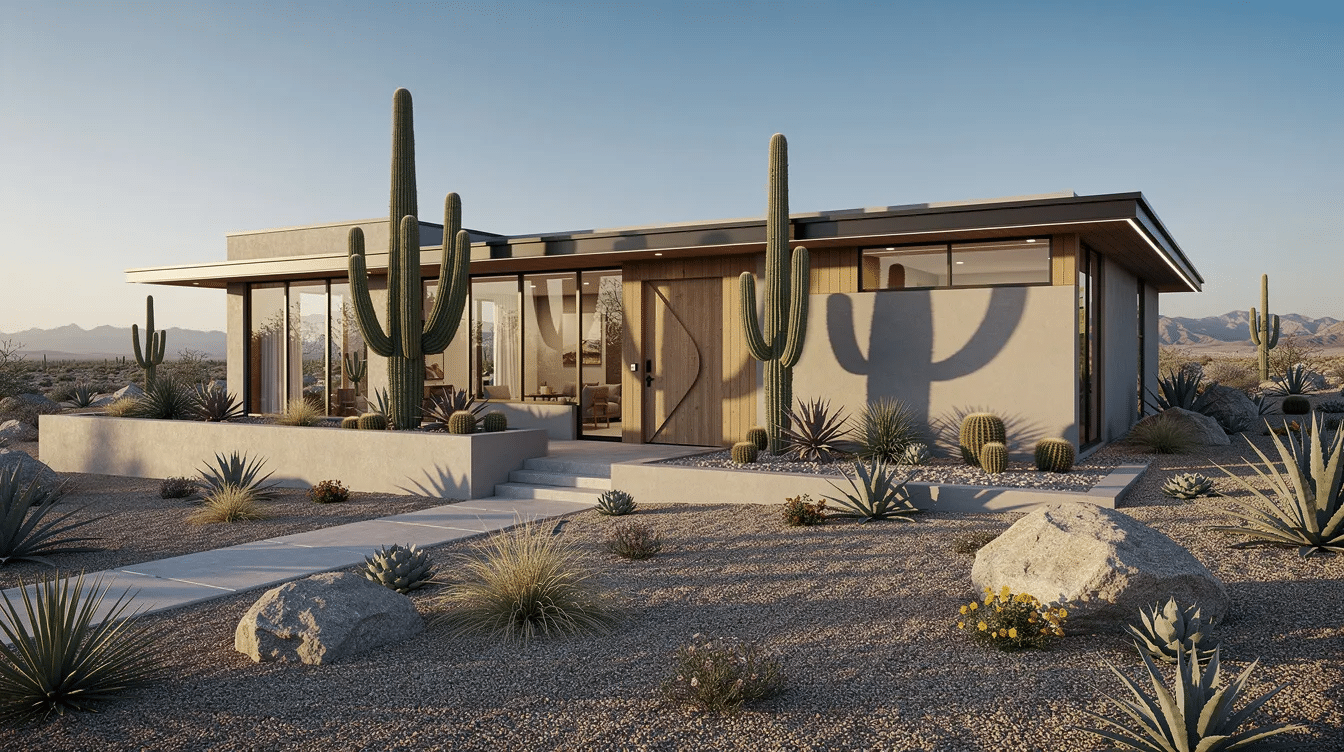
Flat roofs pair well with glass sliders, stucco, wood sidings, covered patios, and clean edges. They also hide equipment behind parapets and preserve views.
However, flat roofs can be less aesthetically pleasing to some homeowners, especially where traditional gables dominate.
Cons of Flat Roof Ranch Houses
The disadvantages are real: drainage problems, shorter life, insulation challenges, higher long-term upkeep, and climate limits.
Drainage Challenges and Leak Risk
Flat roofs have drainage issues due to lack of natural slopes for water shedding. If drains clog or framing sags, ponding water can damage membranes and cause a leak into ceilings.
Clear debris after storms, check sidings for water stains, and make sure downspouts send water away from the foundation. Moisture scans can find hidden wet insulation before damage is displayed inside.
Shorter Lifespan Than Many Pitched Roof Systems
Flat roofs typically last 10-15 years before replacement, though better systems can last longer. Properly maintained SPF roofs can last over 30 years.
Sun, standing water, and movement shorten service life. Recoating every 5–10 years may extend performance, but you should budget to replace aging membranes.
Insulation, Energy, and Comfort Considerations
Flat roofs often lack attic space for insulation, impacting energy efficiency. Flat roofs have limited insulation space compared to pitched roofs, and flat roofs are more susceptible to temperature swings.
Because there is little attic buffer, heat gain in summer and heat loss in winter can affect comfort. Rigid foam, spray foam, air sealing, and reflective cool-roof coatings help, especially in florida, Arizona, Texas, and other warm regions.
Maintenance Demands and Long-Term Costs
Although access is accessible, flat roofs generally need more frequent maintenance than many pitched roofs. Routine upkeep includes checking seams, flashing, penetrations, coatings, drains, and rooftop equipment.
Neglect can create mold, damaged rooms, and structural integrity problems. Small repairs are cheaper than waiting for a major leak.
Climate and Regional Limitations
Flat roofs work best in dry or mild regions. Heavy snow, freeze-thaw cycles, and high rainfall increase the load on the roof and can overwhelm drainage.
In snowy areas, homeowners need engineered framing, tapered insulation, redundant drainage, and a realistic maintenance plan.
Special Considerations for Flat Roof Ranch Homes
Before signing plans, verify structure, equipment layout, safe access, and security.
Structural Design for Large Single-Story Roofs
Wide ranch spans may need engineered joists, beams, or structural insulated panels. Ask for stamped drawings if you want a rooftop deck, planters, or heavy hvac units, because sagging ruins drainage.
Solar Panels, HVAC Units, and Other Rooftop Systems
Solar panels on flat roofs are usually tilted on racks. Coordinate the roofer, solar installer, and HVAC contractor so mounts are compatible with the membrane and service paths stay open.
Access, Safety, and “Performing Security Verification” on the Roof
Think of performing security verification as a physical checklist, not just something a website does to block malicious bots. A homeowner or inspector verifies that hatches lock, railings are secure, drains are open, and equipment is anchored.
A verification successful result means membranes, flashings, and access points pass inspection. If a contractor portal shows security service, respond ray id, bot, protect, or account while waiting, that is digital security-not a substitute for roof inspection.
Is a Flat Roof Ranch House Right for You?
A flat roof ranch house can be excellent if you value modern design, rooftop space, and fast installation. Ask yourself:
- Is your climate dry, mild, or very wet?
- Will you maintain and inspect the roof regularly?
- Do you want solar, a deck, or hidden equipment?
- Are you comparing full life-cycle cost, including energy use and replacement?
Work with local pros who know flat roofs in your region.
FAQ: Flat Roof Ranch House Pros and Cons
How often should I have a flat roof inspected?
At least once a year, and after major storms. In harsh climates, spring and fall inspections are smarter. Keep records for warranties and resale.
Can I convert an existing pitched roof ranch house to a flat roof?
Yes, but it is rarely simple. You may need new framing, wall reinforcement, drainage design, and permits. A major addition or rebuild is often a better time to create a flat roof.
Do flat roof ranch houses affect home insurance or resale value?
Flat roofs increase homeowners’ insurance premiums due to higher water damage risk. Resale depends on the local market: modern neighborhoods may reward the look, while traditional buyers may prefer a pitched roof.
Are flat roof ranch homes suitable for cold or snowy climates?
They can be, but only with structural calculations, high insulation values, and drainage designed for snow loads. In very snowy regions, a modest pitched roof may be the lower-risk option.
What early warning signs suggest failure?
Key Takeways
Flat roof ranch houses combine single-story living with crisp, modern rooflines. They can be practical, but the right choice depends on climate, budget, and upkeep.
- Flat roofs are often cheaper and faster to build than a pitched roof on a broad ranch house.
- They can create outdoor space for a patio, deck, rooftop garden, solar panels, or hvac units.
- Main disadvantages include drainage, leak risk, shorter life, and more frequent inspections.
- They work best in warm, dry, or mild climates when properly installed and insulated.
- Compare lifetime cost, not just installation price.
Introduction: What Is a Flat Roof Ranch House?
A ranch-style home is typically a one-story house with long horizontal lines, open rooms, and easy access to the ground. The style began in the 1920s and became common across the U.S. by the 1950s.
A flat roof is usually a low-slope roof, often about 1–3 degrees, so it looks flat from the ground but still has a slight slope to drain water. Unlike pitched roofs or sloped roofs, it does not create much attic space. Flat roofs on ranch houses create a distinct, mid-century modern aesthetic that has returned to the market in 2024–2026.
Overview: Flat Roofs vs. Pitched Roofs on Ranch Homes
Use this quick page-style comparison before you build, replace, or buy.
Feature | Flat roof ranch | Pitched roof ranch |
|---|---|---|
cost | Flat roofs are less expensive than sloped roofs to install | Usually higher framing cost |
installation | Flat roofs can be installed quickly, saving labor costs; most flat roof installations can be completed within a day | Longer schedule |
drainage | Needs drains, gutters, scuppers, and cleaning | Water sheds naturally |
attic | Limited attic space and insulation space | More attic and storage |
life | Flat roof materials typically have a lifespan of 10 to 20 years | Asphalt shingles often reach 25–30 years |
According to flat-roof material guides, EPDM, TPO, modified bitumen, BUR, and SPF all perform differently, so the exact result depends on roofing materials, climate, and installation quality.
Pros of Flat Roof Ranch Houses
The main advantages are lower cost, usable space, accessible equipment, easier maintenance, and a clean modern look.
Cost Savings Compared to Pitched Roofs
Cost is usually the first reason homeowners ask about flat roof ranch house pros and cons. A flat roof generally uses fewer trusses, simpler decking, and less complex labor.
High-end material can be costly, but the system is typically cheaper to install than complex pitched assemblies. Owners should still plan for inspections, repairs, and eventual replacement.
Expanded Outdoor Space on a Single-Story Home
Flat roofs provide extra usable space for homeowners. Flat roofs can be converted into patios or gardens, a rooftop garden, play area, or lounge, especially when yard space is limited.
A functional roof deck needs railings, slip-resistant surfaces, shade, safe access, and waterproofing to protect the living space below.
Convenient Location for HVAC Units and Equipment
Flat roofs can hold hvac units, exhaust fans, satellite dishes, conduits, and solar panels. Businesses can use flat roofs to hide extra equipment, and the same idea appears on some commercial buildings and modern ranch homes.
Plan loads carefully. Avoid placing equipment over low spots, past leak areas, or unnecessary holes, and use flashed curbs and vibration pads.
Easy Access and Maintenance
Flat roofs require less maintenance than pitched roofs in the narrow sense that they are easier to reach and inspect. That easier maintenance can mean less risk when clearing debris, gutters, scuppers, and a blocked drain.
Still, maintenance flat roofs carefully: use soft footwear, avoid dragging tools, and inspect seams twice a year.
Modern, Minimalist Architectural Style
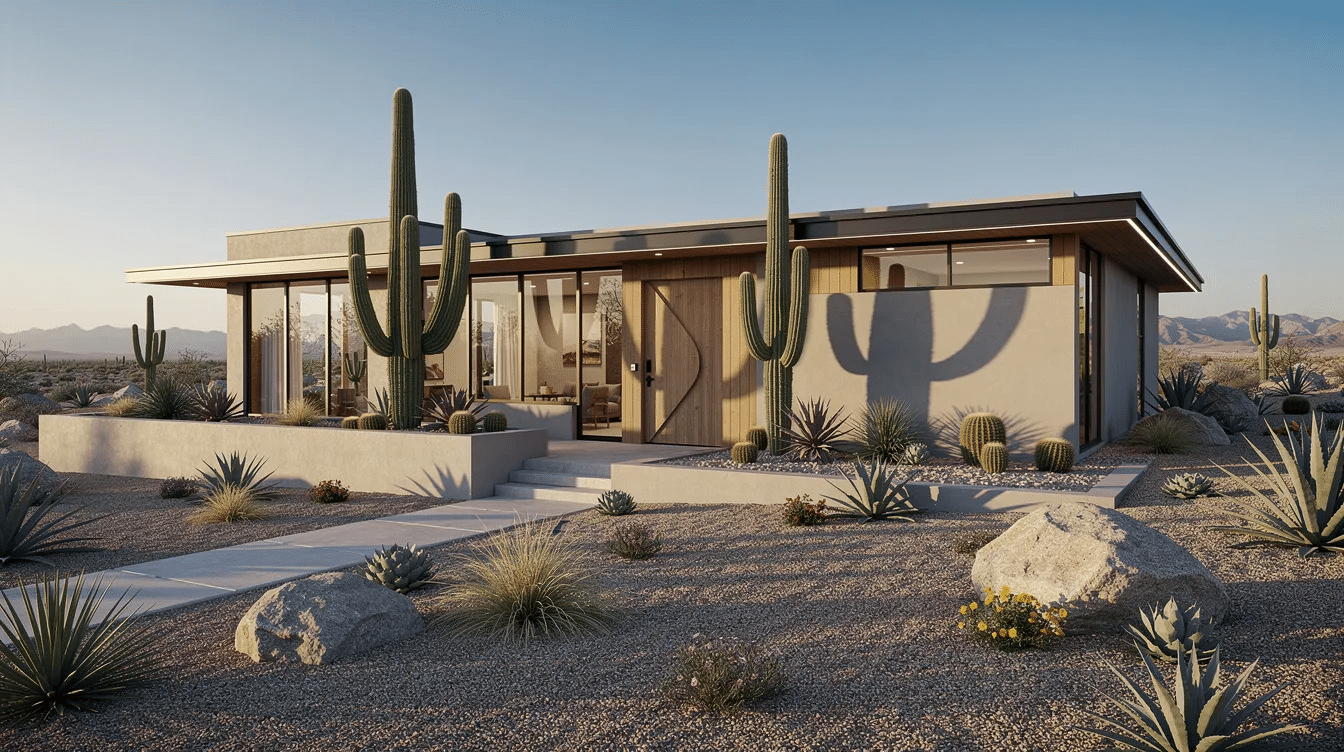
Flat roofs pair well with glass sliders, stucco, wood sidings, covered patios, and clean edges. They also hide equipment behind parapets and preserve views.
However, flat roofs can be less aesthetically pleasing to some homeowners, especially where traditional gables dominate.
Cons of Flat Roof Ranch Houses
The disadvantages are real: drainage problems, shorter life, insulation challenges, higher long-term upkeep, and climate limits.
Drainage Challenges and Leak Risk
Flat roofs have drainage issues due to lack of natural slopes for water shedding. If drains clog or framing sags, ponding water can damage membranes and cause a leak into ceilings.
Clear debris after storms, check sidings for water stains, and make sure downspouts send water away from the foundation. Moisture scans can find hidden wet insulation before damage is displayed inside.
Shorter Lifespan Than Many Pitched Roof Systems
Flat roofs typically last 10-15 years before replacement, though better systems can last longer. Properly maintained SPF roofs can last over 30 years.
Sun, standing water, and movement shorten service life. Recoating every 5–10 years may extend performance, but you should budget to replace aging membranes.
Insulation, Energy, and Comfort Considerations
Flat roofs often lack attic space for insulation, impacting energy efficiency. Flat roofs have limited insulation space compared to pitched roofs, and flat roofs are more susceptible to temperature swings.
Because there is little attic buffer, heat gain in summer and heat loss in winter can affect comfort. Rigid foam, spray foam, air sealing, and reflective cool-roof coatings help, especially in florida, Arizona, Texas, and other warm regions.
Maintenance Demands and Long-Term Costs
Although access is accessible, flat roofs generally need more frequent maintenance than many pitched roofs. Routine upkeep includes checking seams, flashing, penetrations, coatings, drains, and rooftop equipment.
Neglect can create mold, damaged rooms, and structural integrity problems. Small repairs are cheaper than waiting for a major leak.
Climate and Regional Limitations
Flat roofs work best in dry or mild regions. Heavy snow, freeze-thaw cycles, and high rainfall increase the load on the roof and can overwhelm drainage.
In snowy areas, homeowners need engineered framing, tapered insulation, redundant drainage, and a realistic maintenance plan.
Special Considerations for Flat Roof Ranch Homes
Before signing plans, verify structure, equipment layout, safe access, and security.
Structural Design for Large Single-Story Roofs
Wide ranch spans may need engineered joists, beams, or structural insulated panels. Ask for stamped drawings if you want a rooftop deck, planters, or heavy hvac units, because sagging ruins drainage.
Solar Panels, HVAC Units, and Other Rooftop Systems
Solar panels on flat roofs are usually tilted on racks. Coordinate the roofer, solar installer, and HVAC contractor so mounts are compatible with the membrane and service paths stay open.
Access, Safety, and “Performing Security Verification” on the Roof
Think of performing security verification as a physical checklist, not just something a website does to block malicious bots. A homeowner or inspector verifies that hatches lock, railings are secure, drains are open, and equipment is anchored.
A verification successful result means membranes, flashings, and access points pass inspection. If a contractor portal shows security service, respond ray id, bot, protect, or account while waiting, that is digital security-not a substitute for roof inspection.
Is a Flat Roof Ranch House Right for You?
A flat roof ranch house can be excellent if you value modern design, rooftop space, and fast installation. Ask yourself:
- Is your climate dry, mild, or very wet?
- Will you maintain and inspect the roof regularly?
- Do you want solar, a deck, or hidden equipment?
- Are you comparing full life-cycle cost, including energy use and replacement?
Work with local pros who know flat roofs in your region.
FAQ: Flat Roof Ranch House Pros and Cons
How often should I have a flat roof inspected?
At least once a year, and after major storms. In harsh climates, spring and fall inspections are smarter. Keep records for warranties and resale.
Can I convert an existing pitched roof ranch house to a flat roof?
Yes, but it is rarely simple. You may need new framing, wall reinforcement, drainage design, and permits. A major addition or rebuild is often a better time to create a flat roof.
Do flat roof ranch houses affect home insurance or resale value?
Flat roofs increase homeowners’ insurance premiums due to higher water damage risk. Resale depends on the local market: modern neighborhoods may reward the look, while traditional buyers may prefer a pitched roof.
Are flat roof ranch homes suitable for cold or snowy climates?
They can be, but only with structural calculations, high insulation values, and drainage designed for snow loads. In very snowy regions, a modest pitched roof may be the lower-risk option.
What early warning signs suggest failure?
Watch for ponding lasting 24–48 hours, cracks, blisters, soft spots, rusted flashing, separated seams, or ceiling stains. If the roof is near the end of its age range, inspect more often and plan replacement early.