
If you are asking, “how much does it cost to reroof a ranch house,” the short answer is that most homeowners should expect a five-figure roofing budget. The actual cost depends on roof size, roofing materials, labor costs, tear-off needs, and whether hidden deck damage appears once the old roof comes off.
Key Takeaways
- Reroofing a typical 1,500 to 2,000-square-foot ranch house generally costs between $8,500 and $16,500, while the national average cost to reroof a standard 2,000-square-foot ranch-style house ranges from $8,500 to $17,000.
- Most ranch home roof replacement cost falls between $4.00 and $8.50 per square foot for asphalt shingles, though roof replacement costs typically range from $4.00 to $11.00 per square foot across different roofing materials.
- Labor typically accounts for 40% to 60% of total costs, and labor costs usually make up 50–60% of the total price on many asphalt ranch roofs.
- Removing an old roof layer and disposing of debris adds approximately $1,000 to $3,000 to costs; tear-off costs range from $1.00 to $3.00 per square foot.
- Compare at least three estimates from licensed contractors, choose a reputable roofing contractor, and check homeowners insurance for coverage on roof damage if severe weather caused the problem.
What Does It Cost to Reroof a Typical Ranch House Right Now?
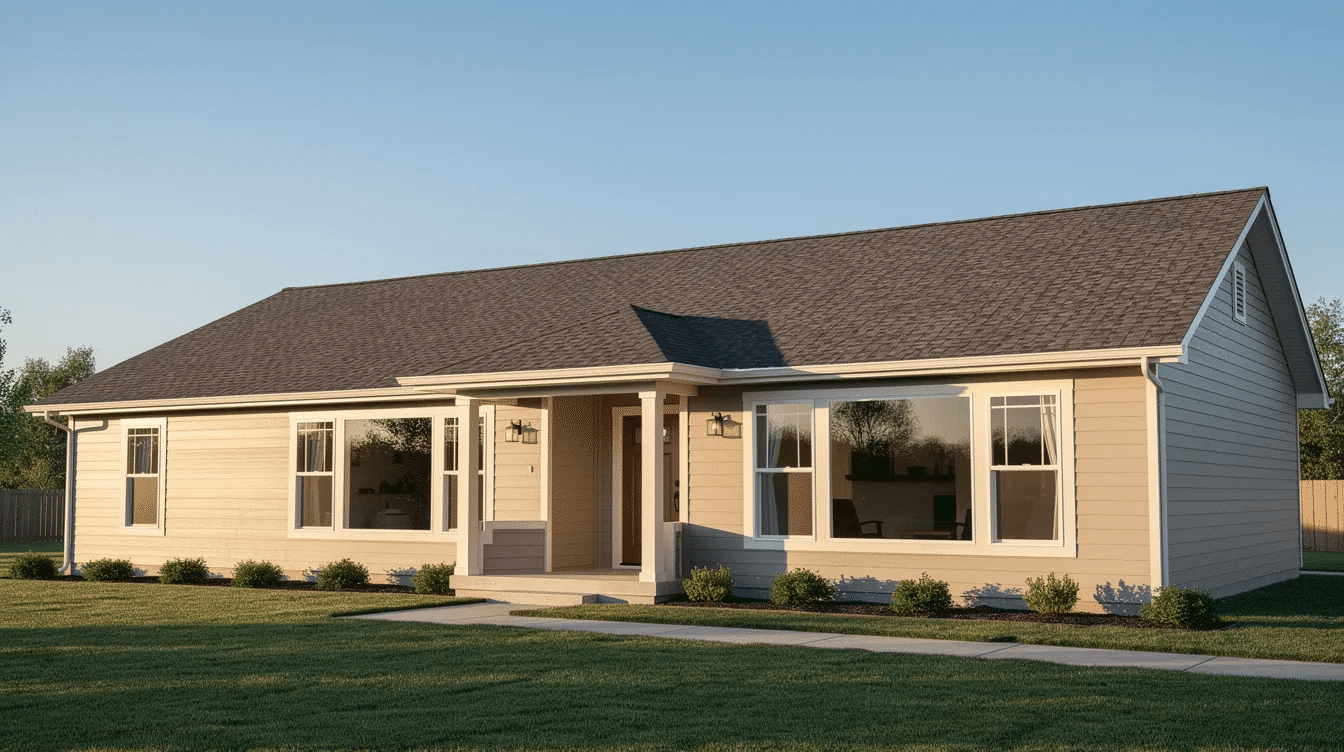
Ranch-style homes feature single-story, sprawling floor plans. Because labor is simpler and safer on ranch roofs than on multi-story houses, a ranch is often cheaper per square foot to reroof than a taller home with the same roof area. Still, ranch houses have large footprints that dictate high square footage for roofing, and typical ranch house dimensions feature expansive foundations that drive high budget demands for roofing.
In 2026, a complete roof replacement on a 1,600–2,200 sq ft ranch with architectural asphalt shingles often lands around $6,500–$13,000, including full tear off and disposal costs. A broader national range for a typical ranch is $8,500–$17,000, especially once permits, ventilation, drip edge, new shingles, and deck repairs are included.
Roof size significantly impacts replacement costs. A ranch home with 2,000 square feet of interior space may have a roof surface area of 2,200 to 2,400 square feet because ranch roofs require more material than two-story homes with identical interior square footage. Put simply: contractors price the roof, not just the living area.
Regional location affects labor rates and local permitting fees in roofing. High-cost states, coastal areas, and storm-heavy markets can push roof pricing 15–30% above national averages. For example, roof replacement costs in Connecticut range from $9,705 to $18,491, and labor costs in Connecticut range from $1 to $11 per square foot. In Austin, roofing labor runs $2.00 to $4.50 per square foot.
Reroof Cost by Roof Size, Square Foot, and “Squares”
Roofers price a roofing project by square foot of roof area or by roofing square. The cost of roofing is calculated by the “roofing square” which represents a 100-square-foot section of roof area. So, a 2,000 sq ft roof equals 20 squares.
Common 2026 project cost ranges for mid-range asphalt shingles are:
- 1,400 sq ft ranch roof, about 17–19 squares: $5,500–$10,000.
- 1,800 sq ft ranch roof, about 21–23 squares: $7,000–$12,000.
- 2,200 sq ft ranch roof, about 25–27 squares: $8,500–$14,000.
Low roof pitch on many ranch homes keeps total square footage and roofing labor lower than steep roofs, but roof pitch still adds about 5–15% to the home’s footprint square footage. Extra features like attached garage additions, porches, L-shaped layouts, valleys, skylights, chimneys, and pipe boots add more materials and increase the overall cost.
Here’s a simple worked example:
A ranch roof with 2,000 sq ft of roof surface at $6.50 per square foot would typically cost:
2,000 × $6.50 = $13,000 total cost.
That equals $650 per square. If roof replacement labor is 55%, labor expenses would be about $7,150, leaving roughly $5,850 for material costs, disposal, overhead, and project cost items.
Roofing Materials and How They Affect Ranch Reroof Cost
Material choice is the single largest variable affecting roofing costs. The cost of a new roof is influenced by roofing materials, roof pitch and complexity, and tear-off needs, but it is also shaped by the overall design and style of a ranch home. Materials contribute approximately 40% to the total roofing cost.
Asphalt is the baseline because it is the most common roofing material for ranch houses. A typical asphalt shingle roof costs $6,000 to $9,000, and the average cost for a new asphalt shingle roof is $8,865.
Common 2026 installed ranges include:
- 3-tab asphalt shingles: $3.50–$5.00 per square foot.
- Asphalt shingles cost between $3.50 to $7.00 per square foot.
- Architectural Shingles cost between $5.50 and $8.00 per square foot.
- Metal roofing costs between $5.50 to $13.75 per square foot.
- Metal Roofing cost ranges from $9.00 to $15.00 per square foot for many upgraded systems.
- Wooden shakes cost between $6.47 to $9.12 per square foot.
- Premium materials like tile or slate cost between $10.00 and $30.00 or more per square foot.
Different roofing materials also change lifespan. Basic asphalt may last 15–25 years, premium asphalt shingles may last 25–35 years, and metal roofing, tile roofing, clay tiles, concrete tile, and slate roofs can last 40–70+ years with proper maintenance.
Heavier materials may require additional structural support. Tile, slate tiles, and some wood shingles can overload an older roof structure if the framing was designed for lightweight asphalt.
Asphalt Shingles on a Ranch Roof
Asphalt shingles are the most common and affordable choice for ranch reroofing in 2026. 3-Tab Asphalt Shingles cost between $3.50 and $5.00 per square foot, while architectural shingles usually cost $5.50–$8.00 per square foot. In broader market data, asphalt shingles cost between $3.50 and $7.00 per square foot.
A new asphalt shingle roof on a 1,800–2,000 sq ft ranch commonly runs $7,000–$13,000 with old roofing materials removed, underlayment installed, flashing replaced, and pipe boots updated. Architectural asphalt shingles are now more common than 3-tab because they look better on long ranch roof lines and offer stronger wind and impact resistance.
Consider impact-resistant shingles for insurance discounts. In hail-prone regions, impact-rated architectural asphalt shingles can cost more per square foot but may provide insurance benefits or lower homeowners insurance premiums.
Metal, Tile, and Premium Materials on Ranch Homes
Some homeowners choose a premium new roof for curb appeal, durability, fire resistance, and severe weather performance, especially when updating other classic ranch house features. Metal roofs generally cost between $15,000 and $25,000 on many ranch homes, depending on roof size and product. Standing seam metal roofing and metal shingles may cost $9.00–$15.00 per square foot, while some exposed-fastener metal panels can be closer to $5.50–$13.75 per square foot.
Tile roofing costs between $10,665 and $20,900 for replacement on many homes, while tile or slate roofs may reach costs from $25,000 to $40,000 or more. Slate roofs can cost between $39,925 and $54,020 to replace. Copper roofing is even more expensive and is usually reserved for high-end homes or accents.
Synthetic shake or synthetic slate can mimic wood or stone at lower weight. This can make sense for long-term owners, high-value neighborhoods, wildfire areas, or harsh climates where durability matters more than the lowest upfront roof cost, particularly in ranch homes with flexible loft spaces where layout and aesthetics are a priority.
Labor Costs for Reroofing a Ranch House
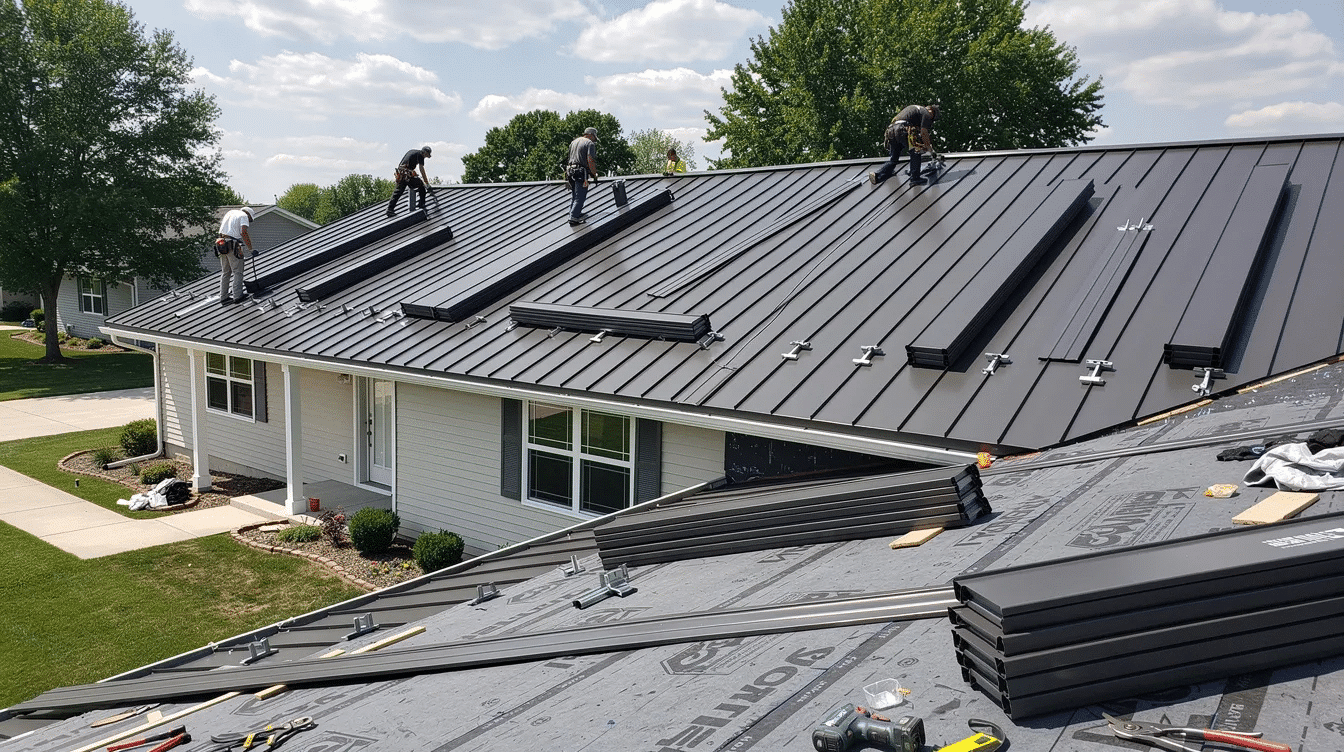
Labor accounts for 40% to 60% of roof replacement costs. Labor typically accounts for 40-60% of total roof replacement costs, and labor costs account for 40-60% of total roof replacement costs across most residential projects. On many ranch homes, labor costs make up 50–60% of the total roof replacement cost.
Roofing labor costs average between $50 and $100 per hour. For asphalt shingles, many homeowners pay roughly $2.00–$4.00 per square foot for labor in average-cost markets, while high-demand storm areas and major metros can be higher.
Local labor rates vary heavily by region and affect the overall roofing costs. Demand after storms, crew availability, union vs. non-union labor, roof access, and scheduling all affect new roof pricing.
Example bid breakdown:
If a ranch roof replacement is quoted at $14,000, labor expenses may be $5,600–$8,400. Materials may be about $5,600 if they contribute approximately 40% to the total roofing cost. The rest may cover disposal costs, permits, profit, equipment, and warranty support.
Hiring professionals ensures safety and quality in roof replacement. It also matters because choosing a reputable contractor can prevent future warranty issues. One useful industry datapoint: 89% of homeowners were satisfied with their roofing contractor’s work.
How Roof Pitch and Layout Affect Labor on a Ranch
Many ranch homes have a shallow roof pitch, often 4/12 to 6/12. This is quicker and safer for crews than steep roofing, and it helps control labor costs.
A simple rectangular ranch with a basic gable or hip roof will typically cost less than a complex roof with additions, valleys, dormers, skylights, and multiple penetrations. Roof pitch affects installation costs due to complexity, and steeper roofs require specialized safety equipment and increase labor costs for roofing.
Labor costs can increase due to roof complexity and pitch. A more complex roof can add $500–$2,000 or more, especially when flashing details, chimneys, skylights, and pipe boots require skilled labor. Low pitch can also require ice and water shield, upgraded underlayment, or a different roofing system to meet most building codes.
Tear-Off, Disposal, and Dealing with Old Roofing Materials
A full tear-off of old roofing is standard in quality replacements. Tear-off and disposal of the old roof adds to labor and landfill costs, but it lets the roofing contractor inspect the deck, install proper underlayment, and avoid trapping old problems under a new roof.
Tear-off costs range from $1.00 to $3.00 per square foot. One existing roof layer of asphalt may be on the lower end, while multiple layers, wood shake, slate, or tile can cost more.
Some codes allow a new roof overlay over one layer of shingles, but that can hide leaks, soft decking, or poor ventilation. It may also shorten the life of new shingles. Ask whether your estimate includes full tear off, dumpster fees, landfill fees, and extra-layer charges.
Roofs over 15 years old may need replacement. Missing or curling shingles indicate a potential replacement. A roof with significant leaks often requires replacement. Repair is viable for roofs less than 10 years old if damage is isolated and the rest of the roof is healthy.
Weather is a major reason homeowners reroof. In fact, 40% of homeowners replaced roofs due to weather damage, which is why storm documentation and insurance review matter.
Decking Repairs and Hidden Structural Issues
Once old roofing materials are removed, unseen damage like rotted plywood can significantly increase roofing costs. Decking damage from water penetration may require additional costs for replacement, especially near eaves, valleys, chimneys, and pipe boots.
In 2026, replacing roof decking often costs $40–$70 per sheet of plywood or OSB plus labor. Typical localized repairs may add $300–$1,500, but widespread rot or damaged framing can raise replacement costs much more.
A reputable roofing contractor may include a per-sheet deck repair price in the written estimate. Set aside a 10–15% contingency so hidden roof structure issues do not wreck your roofing budget.
Other Cost Factors Specific to Ranch House Reroofing
Even a simple ranch roof has smaller items that affect total project cost, and future ranch house additions and expansions can also influence how much roofing work you will need later. These include:
- New pipe boots.
- Ridge vents and attic vents.
- Drip edge.
- Flashing replacement.
- Chimney work.
- Ice and water shield.
- Permit fees.
- Deck repair allowances.
Long ridge lines and wide eaves on ranch homes can require extra ridge vent, underlayment, drip edge, and starter shingles. That slightly increases material costs and roofing labor per square foot and is tied to standard ranch home dimensions and layouts.
Local building permits and fees add a flat $500 to $1,500 to roofing projects in some areas, though many jurisdictions still fall closer to $100–$600. Schedule roof replacement during off-peak seasons for better pricing. You can also negotiate for a lower cost after reviewing quotes, especially if competing bids show the same scope at a lower price.
Permits, Code Upgrades, and Homeowners Insurance
Many cities and counties require permits for roof installation. Reputable contractors usually pull permits for the homeowner and make sure most building codes are followed.
Code upgrades may include better ventilation, stronger fasteners in high-wind areas, extra underlayment, fire-rated roofing in wildfire zones, or ice and water shield in cold climates. These rules can increase the average roof replacement cost, but they also help the roof perform better.
Check homeowners insurance for coverage on roof damage. Homeowners insurance may help pay for a roof replaced after wind, hail, or a fallen tree, but it usually does not cover age or normal wear. Review whether your policy uses replacement cost value or actual cash value because that changes your out-of-pocket reroof expense.
How to Get Accurate Bids and Choose a Reputable Roofing Contractor
Because a roof replacement is one of the bigger home improvement projects, do not rely on a single lump-sum quote. Compare at least three estimates from licensed contractors and ask each roofing contractor to show the roof size, square footage, per square price, product brand, and labor scope.
A professional bid from roofing companies should list:
- Roofing materials and shingle line.
- Underlayment.
- Flashing.
- Pipe boots.
- Tear-off.
- Disposal costs.
- Permit fees.
- Ventilation work.
- Deck repair pricing.
- Workmanship warranty.
- Manufacturer warranty.
Be cautious if a contractor gives only a total roof replacement cost with no scope. The lowest bid may exclude disposal, permits, deck repairs, or upgraded vents. Get references, verify insurance and licensing where required, read reviews, and ask how punch-list issues are handled after roof installation.
Tips to Control Ranch Reroof Costs Without Cutting Quality
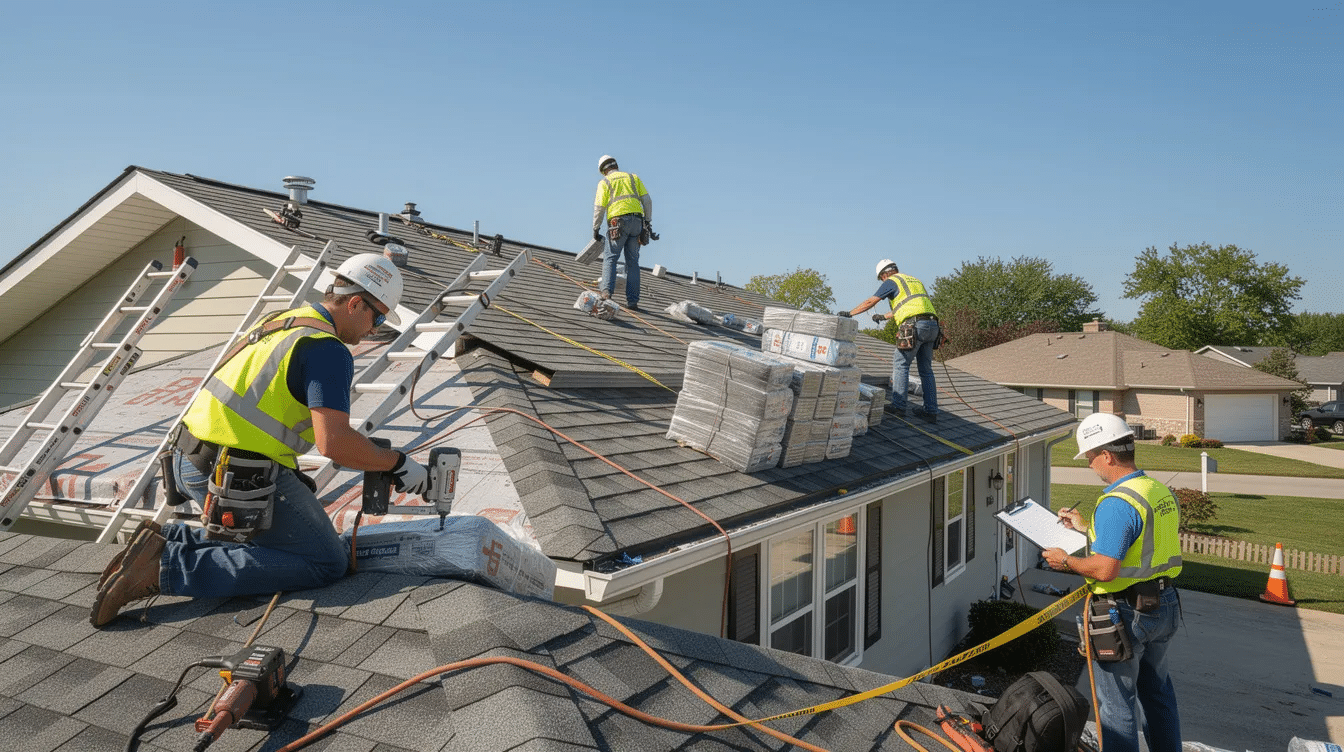
The goal is significant savings without choosing weak materials or sloppy installation.
Start before leaks become emergencies. If you wait until water enters the home, you may pay rush pricing and have fewer choices. Choose good mid-range roofing materials instead of the cheapest 3-tab or the most expensive specialty product.
Ask about insurance benefits for impact-resistant shingles, metal roofing, or improved ventilation. Also ask whether off-season scheduling can lower labor costs. After you receive multiple bids, negotiate for a lower cost after reviewing quotes.
Avoid shortcuts. Do not skip permits, reuse worn flashings, install over failing old roofing materials, or ignore ventilation. These choices can make the initial roof cost lower but increase replacement costs later.
FAQs About Reroofing a Ranch House
Is it cheaper to reroof a ranch house than a two-story home?
Yes, for the same roof square footage and roofing materials, a single-story ranch usually has lower labor costs because it is easier and safer to access. Crews need less staging, and many ranch roofs have a simpler roof pitch.
How long does it take to reroof a typical ranch home?
A straightforward asphalt shingle reroof on a 1,600–2,000 sq ft ranch usually takes 1–3 days. Multiple layers, bad weather, tile roofing, metal roofing, or unexpected deck repairs can stretch the roofing project to 4–5 days or more, and more complex layouts like raised ranch homes often add time as well.
Can I replace just one section of my ranch roof instead of the whole thing?
Yes, partial roof replacement is possible. However, it can create mismatched shingles, uneven wear, and more complex future replacement costs, especially if you later plan a garage addition to your ranch home that will tie into the existing roofline. If the old roof is near the end of its life, a complete roof replacement is often more cost-effective.
Does a low-pitch ranch roof need special materials?
Sometimes. A very low roof pitch may need extra underlayment, ice and water shield, specific asphalt shingle roof products, or a different system to prevent leaks. This can slightly increase the per square foot cost.
How often should I expect to reroof my ranch house?
Basic asphalt lasts about 15–25 years, architectural shingles and premium asphalt shingles may last 25–35+ years, and metal, concrete tile, clay tiles, and slate roofs can last 40–70+ years. Climate, ventilation, severe weather, and proper maintenance affect the actual cost and lifespan, just as long-term planning and upkeep do when building and managing a ranch property.