Key Takeaways
- Ranch houses have a higher roof-to-living-space ratio than multi-story houses, so the attic, roof, and air sealing matter a lot.
- Start with an energy audit, then prioritize upgrades: sealing air leaks, adding insulation, duct sealing, and better heating and cooling.
- ENERGY STAR appliances use 10-20% less energy than standard models, and LED bulbs use up to 90% less energy than incandescent bulbs.
- Clean heating, smart thermostat settings, storm windows, and rooftop solar can all improve a home’s energy efficiency.
- Check available incentives from utilities and states before making larger home improvements.
Introduction: Why Focus on Energy Efficiency in a Ranch House?
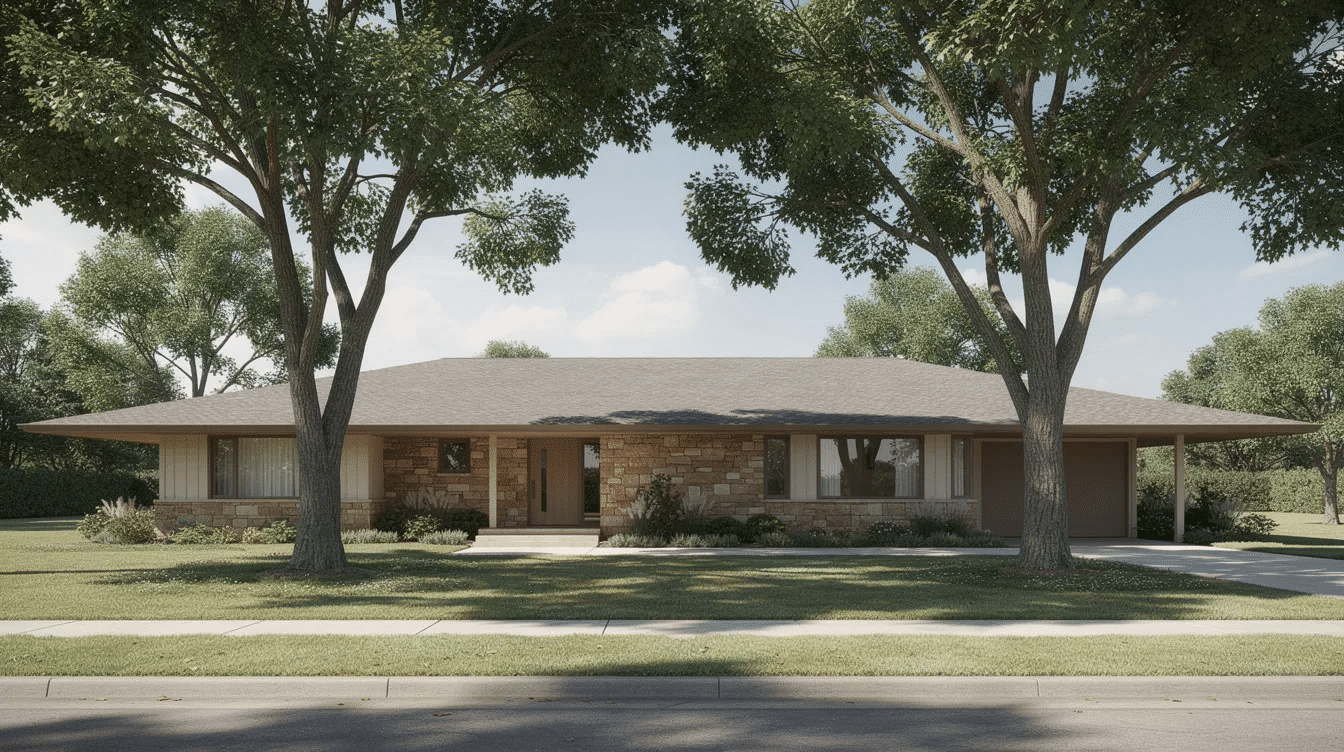
Classic 1950s–1980s ranch homes are practical, bright, and easy to live in, but many waste more energy than owners realize. Ranch houses have unique energy challenges due to their architecture: one long floor, large roofs, extensive exterior walls, many windows, and sometimes a crawl space or flat roof. The right energy upgrades can lower energy bills, improve home comfort, save money, reduce fossil fuels, and turn an older house into a comfortable home.
Step 1: Get to Know Your Ranch House’s Current Energy Use
Before you make a ranch style home more energy efficient, review 12 months of electricity, gas, oil, or propane bills. Note winter heating, summer air conditioning, cooling costs, and total energy usage. Older homes often lack sufficient insulation, especially if built before 1980, and may have poor insulation, outdated insulation, single-pane drafty windows, aging appliances, and an inefficient heating system. Inspect the attic, walls, doors, crawl space, water tank, ducts, and equipment plates.
Step 2: Schedule a Professional Home Energy Audit
A home energy audit can identify energy loss sources. Energy audits analyze heating, cooling, lighting, and appliances, often using a blower door test, infrared scan, and combustion safety checks. Professional audits often cost around $200 to $450, though some 2026 markets run $300–$600; many utility companies offer free or reduced-cost energy audits. Energy audits can reduce energy use by up to 47% when audit-guided work tackles the biggest leaks and insulation gaps first.
Step 3: Stop Drafts and Seal Air Leaks in a Ranch Layout
Ranch-style houses have large roofs and extensive exterior walls, so air leakage can happen at rim joists, slab edges, baseboards, outlets, attic hatches, recessed lights, fireplaces, windows, and doors. Air sealing can cut energy use by around 10%. Air sealing can cut heating and cooling costs by up to 20%. Sealing air leaks around doors and windows is a low-cost DIY option; caulking and weatherstripping can significantly improve energy efficiency. Fresh weatherstripping around doors and windows improves sealing. Sealing attic floor gaps can improve energy efficiency.
Step 4: Improve Attic and Roof Insulation Above the Single Story
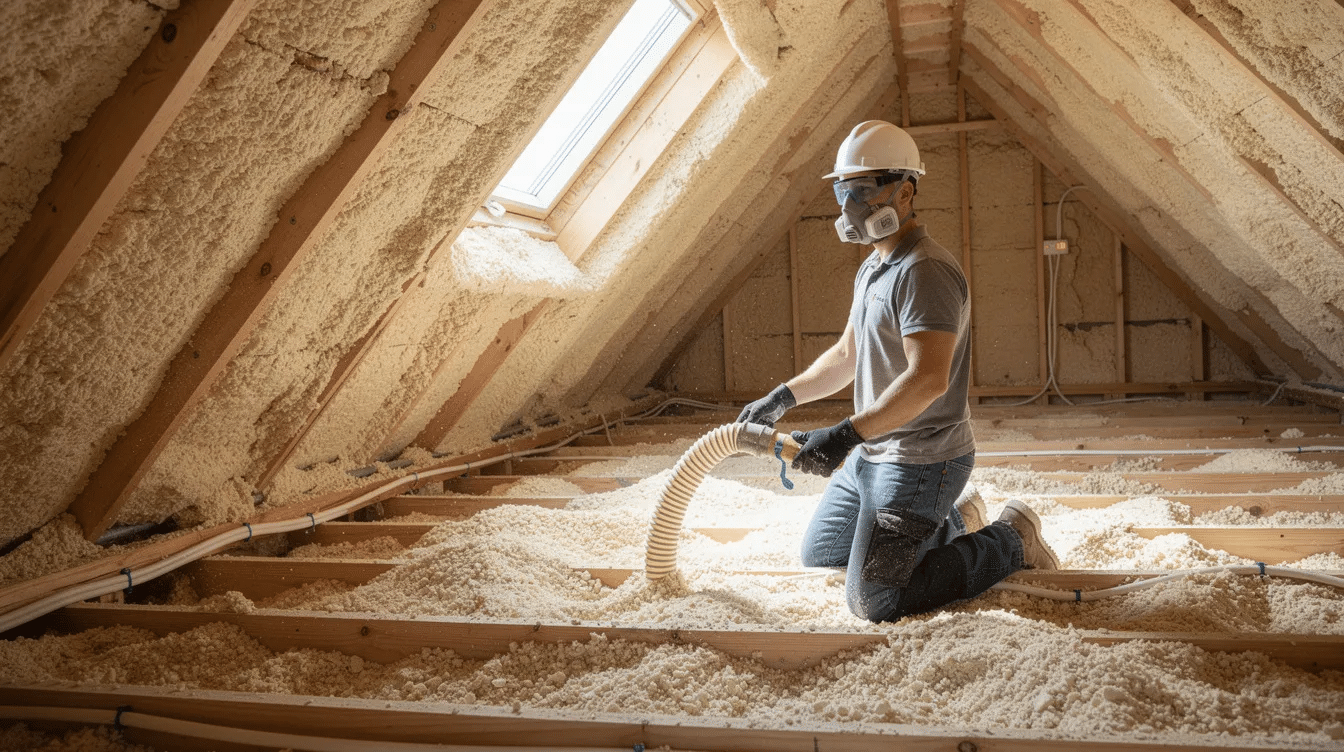
Proper attic insulation is essential for energy efficiency. Recommended attic insulation levels are typically R-49 to R-60, while many 1960s ranch homes have only R-11 to R-19. Adding attic insulation can reduce energy use by up to 47%. Seal gaps first, then add blown cellulose, fiberglass, mineral wool, or spray foam where appropriate. Keep soffit and ridge vents open so warm air and moisture do not collect under a low-slope or flat roof. Ducts should be insulated to maintain air temperature during travel.
Step 5: Upgrade Windows and Doors for Better Home Comfort
Large windows bring natural light, but direct sun can overheat rooms in summer and leak heat in winter. Energy-efficient windows can reduce energy loss by 30-50%. New energy-efficient windows can reduce energy loss by 30-50%. Low-E glass windows reduce thermal transfer in energy-efficient homes. Choose window U-factor and solar heat gain for your climate. If replacement cost is high, add storm windows, insulated shades, films, and tight thresholds around doors and sliders.
Step 6: Make Heating and Cooling Systems More Energy Efficient
Heating and cooling can approach half of a home’s energy use. Replace a 15–20+ year-old furnace, boiler, or air conditioning unit with a higher-efficiency hvac system. Heat pumps can achieve up to 50% greater efficiency than traditional systems, and heat pumps can deliver three times the efficiency of oil systems, according to Energy.gov. Ranch houses can benefit from the installation of mini-split systems, especially room by room. Ranch homes often have extended ductwork that leaks conditioned air; sealing duct joints stops conditioned air from escaping. Programmable thermostats can save up to 10% on heating and cooling costs, and smart thermostats can optimize energy use in ranch homes.
Step 7: Boost Water Heating and Water Conservation
A water heater often uses 15–20% of home energy. Heat pump water heaters can save $200-$550 annually on energy costs. Replacing an old water heater can save $200-$550 annually. Set water tank temperature settings near 120°F. To conserve water, use WaterSense fixtures; low-flow toilets use less than 1.28 gallons per flush. Low-flow toilets use less than 1.28 gallons per flush and also reduce hot-water demand when paired with efficient faucets and showers.
Step 8: Choose Energy Star Appliances and Efficient Lighting
Energy star choices help you save energy without remodeling. ENERGY STAR appliances use 10-20% less energy than standard models, and replacing an old fridge can cut energy use by 21%. Replacing an old fridge can reduce energy use by 21%. LED bulbs use 90% less energy than incandescent bulbs. LED bulbs use up to 90% less energy than incandescent bulbs. LED lightbulbs use 90% less energy than incandescent bulbs. Use advanced power strips for TVs, office systems, and chargers.
Step 9: Use the Ranch Layout to Your Advantage With Passive Design
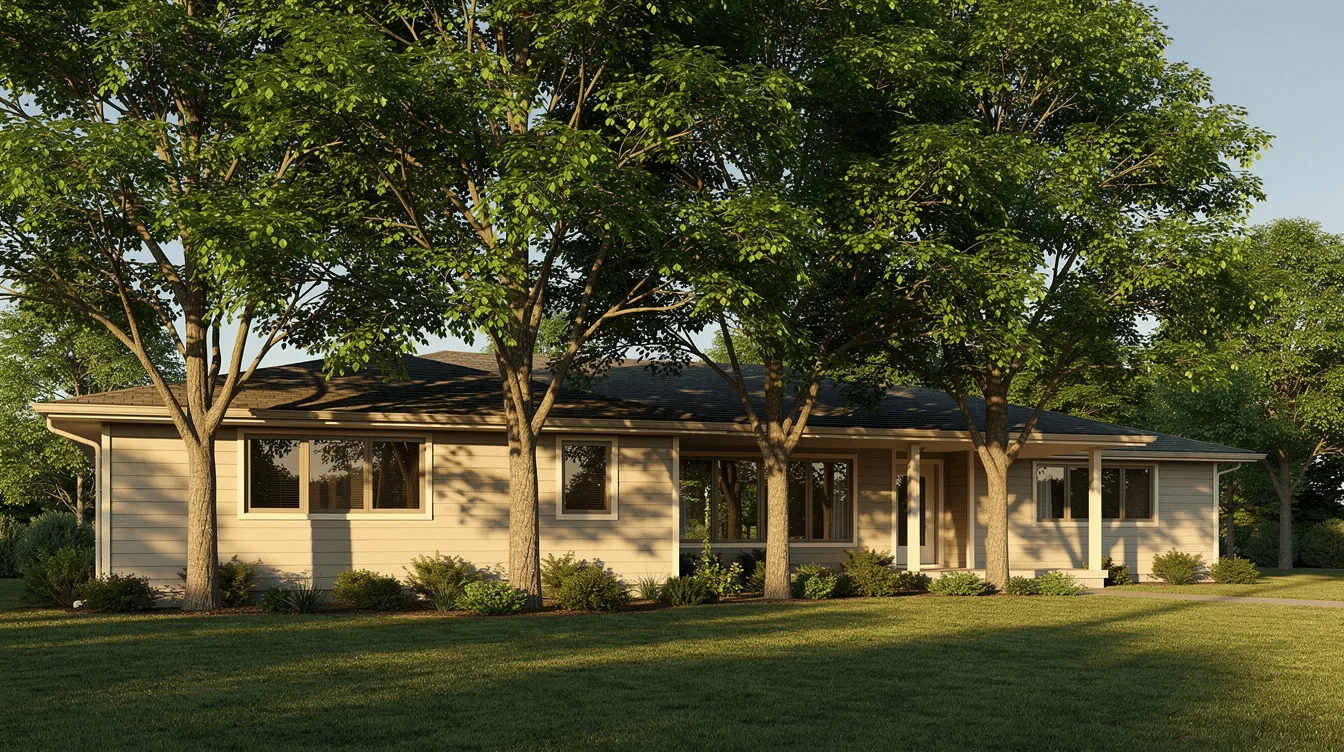
Use sun, shade, air, and space strategically. Wide ranch eaves help shade windows from the summer sun. Open sunny blinds in winter; close them during hot afternoons. Deciduous trees provide summer shade when planted on south and west sides. Planting evergreens on the north side blocks winter winds. Cross-ventilate with windows on opposite walls, then shut the house before heat builds. Close unused room doors to reduce cooling load and start saving.
Step 10: Consider Solar and Future‑Ready Electrical Upgrades
Ranch homes can utilize solar panels due to their large, unobstructed roof area. Size rooftop solar from 12 months of power data, after efficiency work, not before. In 2026, check state and utility rebates carefully; the old federal residential solar credit changed after 2025, so do not assume every investment qualifies. Upgrade panels for clean heating, heat pumps, induction cooking, EV charging, and future electricity needs.
Planning Your Energy Upgrade Roadmap
The best sequence is simple: audit, air sealing, attic insulation, duct work, hvac system, windows, water heater, appliances, lighting, passive shade, then solar. Improvements require targeting specific structural traits of ranch homes. Keep receipts, efficiency labels, and before-and-after energy bills. Small steps can make a big difference in your home’s energy efficiency and help your home’s energy performance improve year by year.
FAQ
How much can I realistically cut energy use in a 1960s ranch house?
A leaky 1960s ranch can often cut total energy use by 25–40% with air sealing, insulation, efficient heating and cooling, appliances, and better windows.
Do I need to replace all my windows to improve energy efficiency?
No. Start with the worst windows, storm windows, caulk, weatherstripping, and shades before whole-house replacement.
Is a heat pump a good fit for an older ranch without existing ductwork?
Yes. Ductless mini-splits are often ideal because they avoid major duct remodeling and can condition each room.
What are some fast, low‑cost changes I can do this weekend?
Add LED bulbs, seal obvious air leaks, adjust the thermostat, install door weatherstripping, and add faucet aerators.
Will energy efficiency upgrades increase my ranch home’s resale value?
Key Takeaways
- Ranch houses have a higher roof-to-living-space ratio than multi-story houses, so the attic, roof, and air sealing matter a lot.
- Start with an energy audit, then prioritize upgrades: sealing air leaks, adding insulation, duct sealing, and better heating and cooling.
- ENERGY STAR appliances use 10-20% less energy than standard models, and LED bulbs use up to 90% less energy than incandescent bulbs.
- Clean heating, smart thermostat settings, storm windows, and rooftop solar can all improve a home’s energy efficiency.
- Check available incentives from utilities and states before making larger home improvements.
Introduction: Why Focus on Energy Efficiency in a Ranch House?
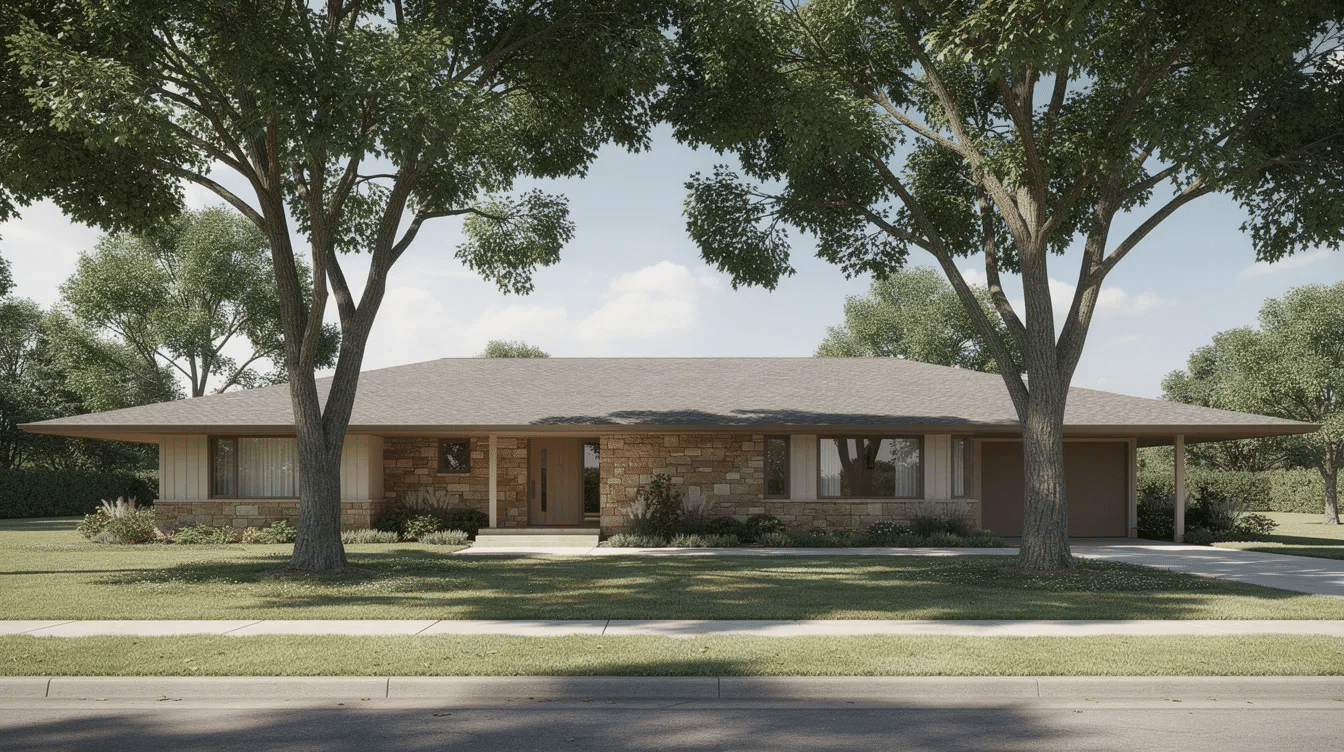
Classic 1950s–1980s ranch homes are practical, bright, and easy to live in, but many waste more energy than owners realize. Ranch houses have unique energy challenges due to their architecture: one long floor, large roofs, extensive exterior walls, many windows, and sometimes a crawl space or flat roof. The right energy upgrades can lower energy bills, improve home comfort, save money, reduce fossil fuels, and turn an older house into a comfortable home.
Step 1: Get to Know Your Ranch House’s Current Energy Use
Before you make a ranch style home more energy efficient, review 12 months of electricity, gas, oil, or propane bills. Note winter heating, summer air conditioning, cooling costs, and total energy usage. Older homes often lack sufficient insulation, especially if built before 1980, and may have poor insulation, outdated insulation, single-pane drafty windows, aging appliances, and an inefficient heating system. Inspect the attic, walls, doors, crawl space, water tank, ducts, and equipment plates.
Step 2: Schedule a Professional Home Energy Audit
A home energy audit can identify energy loss sources. Energy audits analyze heating, cooling, lighting, and appliances, often using a blower door test, infrared scan, and combustion safety checks. Professional audits often cost around $200 to $450, though some 2026 markets run $300–$600; many utility companies offer free or reduced-cost energy audits. Energy audits can reduce energy use by up to 47% when audit-guided work tackles the biggest leaks and insulation gaps first.
Step 3: Stop Drafts and Seal Air Leaks in a Ranch Layout
Ranch-style houses have large roofs and extensive exterior walls, so air leakage can happen at rim joists, slab edges, baseboards, outlets, attic hatches, recessed lights, fireplaces, windows, and doors. Air sealing can cut energy use by around 10%. Air sealing can cut heating and cooling costs by up to 20%. Sealing air leaks around doors and windows is a low-cost DIY option; caulking and weatherstripping can significantly improve energy efficiency. Fresh weatherstripping around doors and windows improves sealing. Sealing attic floor gaps can improve energy efficiency.
Step 4: Improve Attic and Roof Insulation Above the Single Story
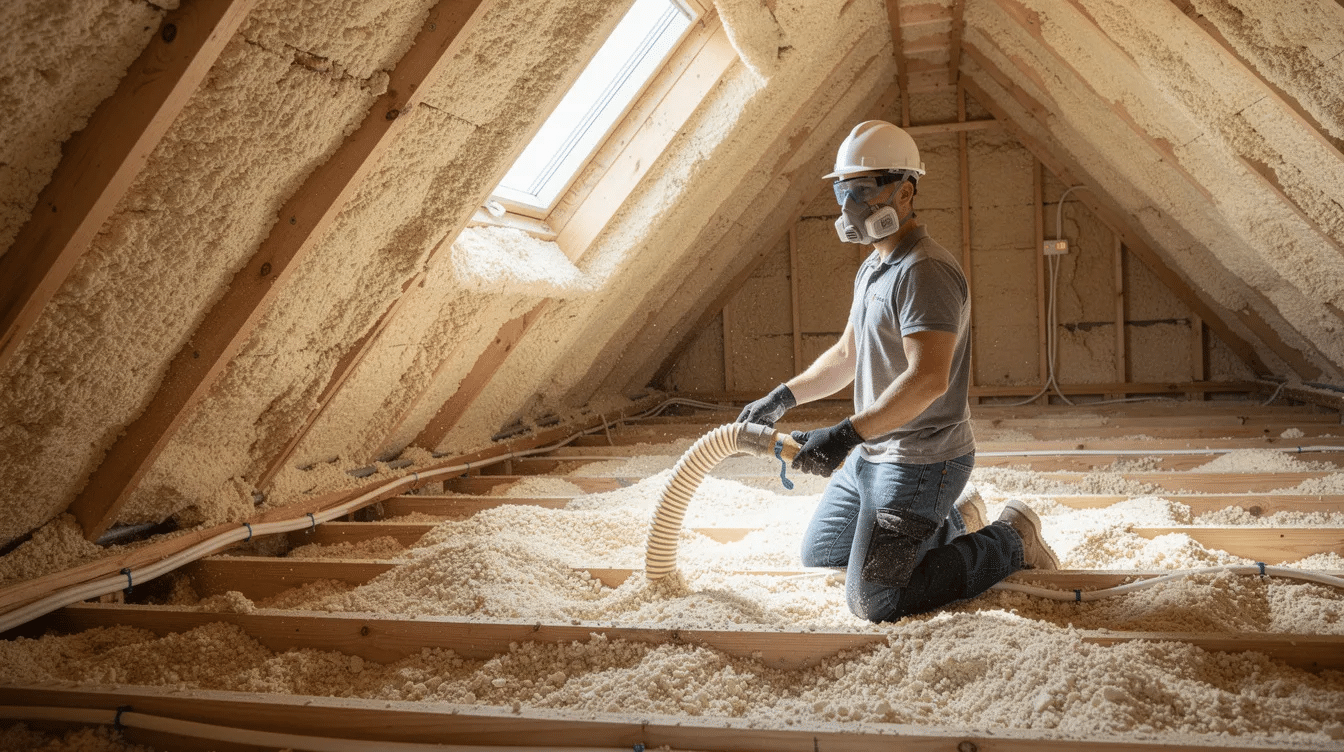
Proper attic insulation is essential for energy efficiency. Recommended attic insulation levels are typically R-49 to R-60, while many 1960s ranch homes have only R-11 to R-19. Adding attic insulation can reduce energy use by up to 47%. Seal gaps first, then add blown cellulose, fiberglass, mineral wool, or spray foam where appropriate. Keep soffit and ridge vents open so warm air and moisture do not collect under a low-slope or flat roof. Ducts should be insulated to maintain air temperature during travel.
Step 5: Upgrade Windows and Doors for Better Home Comfort
Large windows bring natural light, but direct sun can overheat rooms in summer and leak heat in winter. Energy-efficient windows can reduce energy loss by 30-50%. New energy-efficient windows can reduce energy loss by 30-50%. Low-E glass windows reduce thermal transfer in energy-efficient homes. Choose window U-factor and solar heat gain for your climate. If replacement cost is high, add storm windows, insulated shades, films, and tight thresholds around doors and sliders.
Step 6: Make Heating and Cooling Systems More Energy Efficient
Heating and cooling can approach half of a home’s energy use. Replace a 15–20+ year-old furnace, boiler, or air conditioning unit with a higher-efficiency hvac system. Heat pumps can achieve up to 50% greater efficiency than traditional systems, and heat pumps can deliver three times the efficiency of oil systems, according to Energy.gov. Ranch houses can benefit from the installation of mini-split systems, especially room by room. Ranch homes often have extended ductwork that leaks conditioned air; sealing duct joints stops conditioned air from escaping. Programmable thermostats can save up to 10% on heating and cooling costs, and smart thermostats can optimize energy use in ranch homes.
Step 7: Boost Water Heating and Water Conservation
A water heater often uses 15–20% of home energy. Heat pump water heaters can save $200-$550 annually on energy costs. Replacing an old water heater can save $200-$550 annually. Set water tank temperature settings near 120°F. To conserve water, use WaterSense fixtures; low-flow toilets use less than 1.28 gallons per flush. Low-flow toilets use less than 1.28 gallons per flush and also reduce hot-water demand when paired with efficient faucets and showers.
Step 8: Choose Energy Star Appliances and Efficient Lighting
Energy star choices help you save energy without remodeling. ENERGY STAR appliances use 10-20% less energy than standard models, and replacing an old fridge can cut energy use by 21%. Replacing an old fridge can reduce energy use by 21%. LED bulbs use 90% less energy than incandescent bulbs. LED bulbs use up to 90% less energy than incandescent bulbs. LED lightbulbs use 90% less energy than incandescent bulbs. Use advanced power strips for TVs, office systems, and chargers.
Step 9: Use the Ranch Layout to Your Advantage With Passive Design
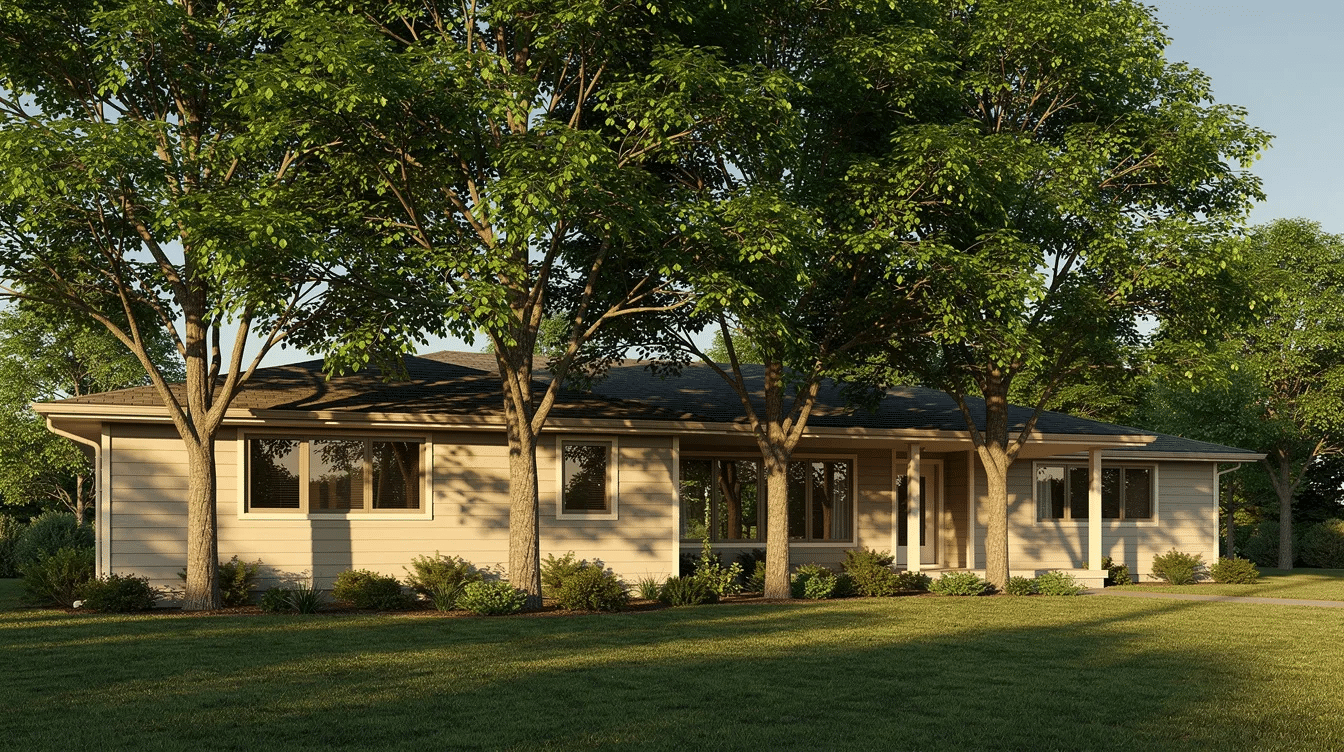
Use sun, shade, air, and space strategically. Wide ranch eaves help shade windows from the summer sun. Open sunny blinds in winter; close them during hot afternoons. Deciduous trees provide summer shade when planted on south and west sides. Planting evergreens on the north side blocks winter winds. Cross-ventilate with windows on opposite walls, then shut the house before heat builds. Close unused room doors to reduce cooling load and start saving.
Step 10: Consider Solar and Future‑Ready Electrical Upgrades
Ranch homes can utilize solar panels due to their large, unobstructed roof area. Size rooftop solar from 12 months of power data, after efficiency work, not before. In 2026, check state and utility rebates carefully; the old federal residential solar credit changed after 2025, so do not assume every investment qualifies. Upgrade panels for clean heating, heat pumps, induction cooking, EV charging, and future electricity needs.
Planning Your Energy Upgrade Roadmap
The best sequence is simple: audit, air sealing, attic insulation, duct work, hvac system, windows, water heater, appliances, lighting, passive shade, then solar. Improvements require targeting specific structural traits of ranch homes. Keep receipts, efficiency labels, and before-and-after energy bills. Small steps can make a big difference in your home’s energy efficiency and help your home’s energy performance improve year by year.
FAQ
How much can I realistically cut energy use in a 1960s ranch house?
A leaky 1960s ranch can often cut total energy use by 25–40% with air sealing, insulation, efficient heating and cooling, appliances, and better windows.
Do I need to replace all my windows to improve energy efficiency?
No. Start with the worst windows, storm windows, caulk, weatherstripping, and shades before whole-house replacement.
Is a heat pump a good fit for an older ranch without existing ductwork?
Yes. Ductless mini-splits are often ideal because they avoid major duct remodeling and can condition each room.
What are some fast, low‑cost changes I can do this weekend?
Add LED bulbs, seal obvious air leaks, adjust the thermostat, install door weatherstripping, and add faucet aerators.
Will energy efficiency upgrades increase my ranch home’s resale value?
Often, yes. Buyers notice lower energy costs, modern systems, good insulation, and documented energy savings.