Modern modular home designs deliver the dream home experience through precision factory construction and contemporary aesthetics. There are many reasons to choose modular home designs modern, including their combination of clean lines, open floor plans, and superior energy efficiency—benefits that site built homes often struggle to match. Whether you’re seeking a compact urban retreat or a spacious family homestead, modern modular construction offers custom solutions that adapt to your lifestyle and location. These homes are built efficiently in a controlled environment, saving time and costs while ensuring high-quality craftsmanship.
Many modern modular homes are designed with sustainability in mind, incorporating energy-efficient materials and systems that align with environmental certification standards like LEED and Energy Star. Key considerations when choosing a modern modular home design include customizing the layout for your lifestyle, optimizing for energy efficiency, and selecting high-quality materials.
Explore designs that prioritize natural light, sustainable materials, and smart technology integration—all while reducing construction timelines by 30-50% compared to traditional building methods.
Modern Modular Home Designs for Every Lifestyle
Modern modular homes adapt to diverse living needs through thoughtful design and flexible configurations. From single-story retreats to multi-level family homes, these prefab houses deliver quality construction with contemporary style that reflects personal preferences and practical requirements.
Single-Family Modern Homes
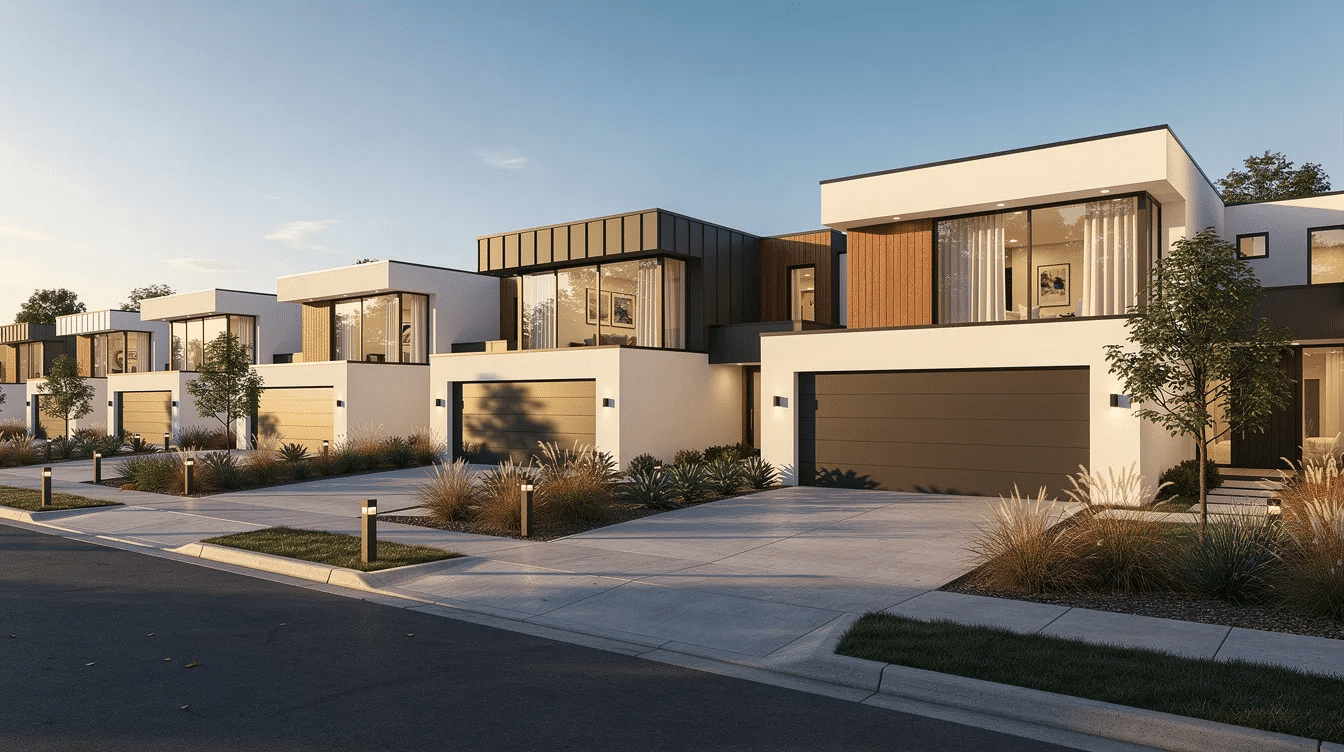
Open-concept floor plans define the modern modular home experience, creating seamless transitions between kitchen, dining, and living spaces. These designs feature minimalist aesthetics with strong horizontal and vertical lines, flat or gently sloped rooflines, and exterior materials like fiber cement, metal panels, and wood cladding, paralleling the comfortable, single-level layouts highlighted in ranch-style homes that redefine comfort and style.
Large windows and floor-to-ceiling glazing maximize natural light throughout living areas. Clerestory windows and glass sliders connect interior spaces with outdoor environments while maintaining the clean lines that characterize contemporary architecture.
Smart home technology comes standard in approximately 65% of new modular builds, with pre-installed lighting controls, IoT sensors, and climate management systems built homes during factory construction. Energy efficiency improvements—averaging 15% better performance than conventional houses—result from superior insulation, triple-glazed windows, and airtight building envelopes created in controlled facilities.
Multi-Level Contemporary Designs
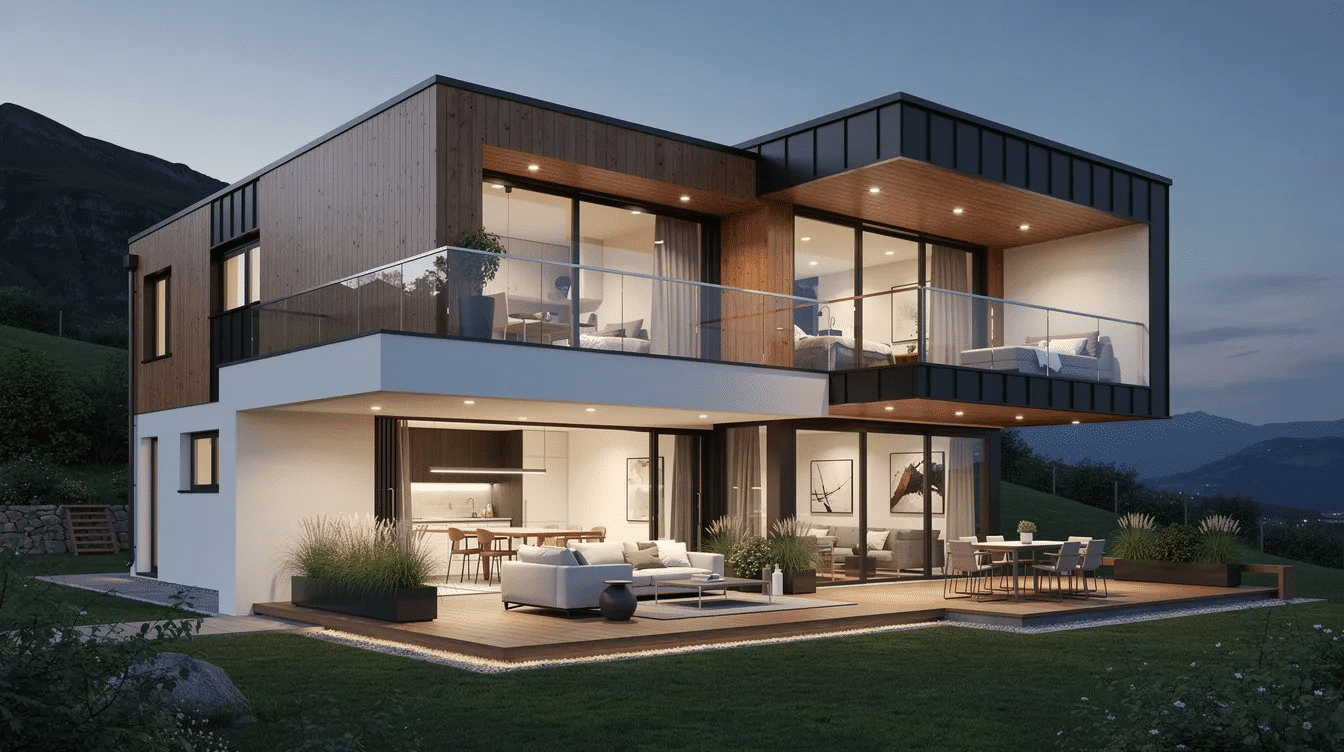
Two story modular homes incorporate modern architectural elements including contrasting volumes, cantilevers, and mixed façade materials. These designs separate functions effectively—gathering areas on main floors with private bedrooms above—while maintaining the open, flowing character that home buyers expect from contemporary construction, similar to the site-specific planning emphasized in mountain house designs and alpine architecture.
Flexible spaces on upper levels serve dual purposes as home offices, guest suites, or entertainment areas. About 72% of modular homeowners prioritize indoor-outdoor fluidity, driving demand for integrated decks, balconies, and covered patios that extend living space beyond interior walls.
Outdoor living integration happens through modularly designed deck systems, level access thresholds, and telescoping glass walls that blur boundaries between interior comfort and landscape views.
Compact Modern Living
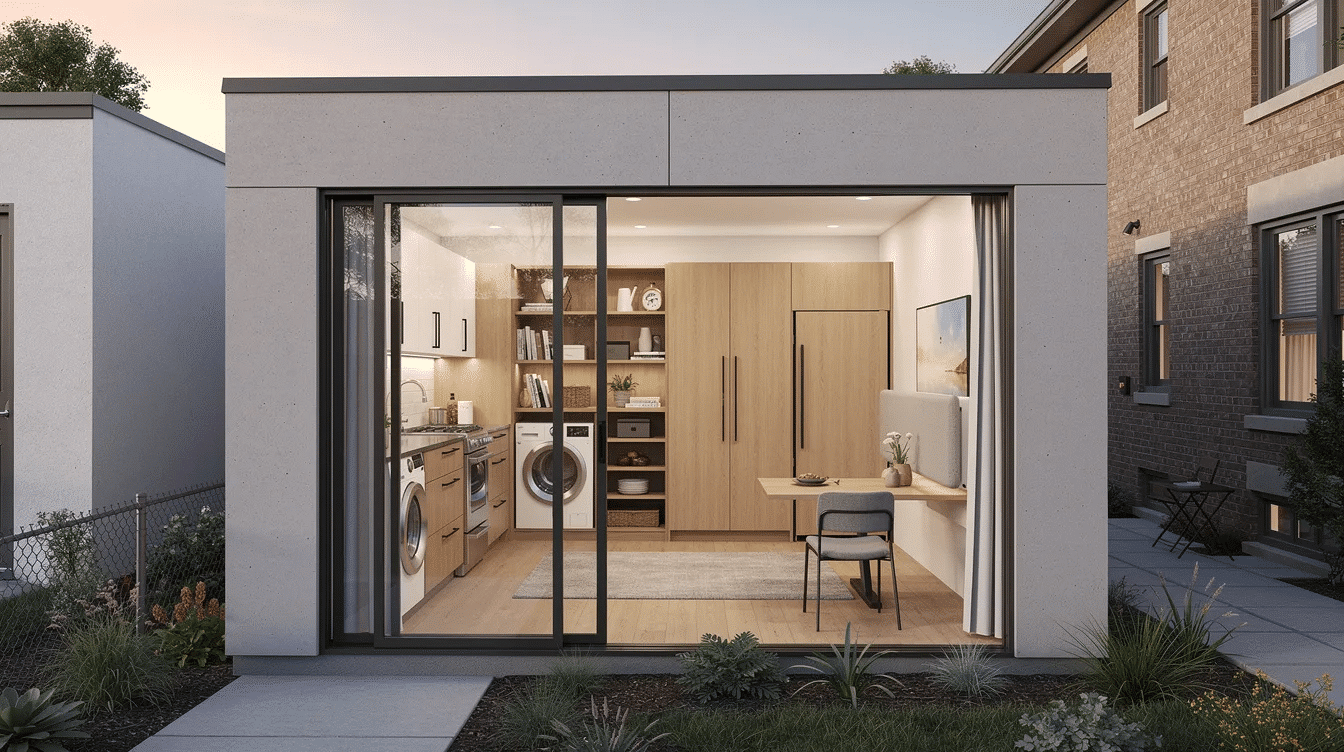
Small-footprint designs maximize every square foot through innovative space planning and multifunctional features. Studio and one-bedroom layouts—ranging from 400 square feet for accessory dwelling units to 1,150 square feet for three-bedroom configurations—prove ideal for urban lots, vacation properties, or simplified one story living often associated with bungalow home builders and designs.
Centralized utility cores consolidate plumbing and mechanical systems, minimizing hallway waste and creating more usable space. Built-in storage solutions, fold-away furniture, and transformable walls allow rooms to shift functions throughout the day.
These compact designs demonstrate that modern prefab construction delivers sophisticated living without sprawling square footage—perfect for narrow lots in California, Indiana, or anywhere land comes at a premium.
Choose the Right Modern Design for Your Site and Needs
Site conditions, family requirements, and future plans all influence which modern modular design best suits your situation. Understanding how location and lifestyle intersect with construction options helps home buyers make informed decisions about their new home investment, whether they prefer sleek urban forms or nature-focused retreats such as Craftsman style cabins for dream getaways.
For Urban and Suburban Lots
Compact modern designs address the constraints of limited space, setback requirements, and height zoning common in developed areas. Narrow rectangular modules maximize buildable area while complying with local regulations, and strategic window placement—high clerestories or frosted glass—provides natural light without sacrificing privacy from neighbors.
Exterior materials and color schemes can blend with existing neighborhood architecture while modern rooflines and metal accents signal contemporary style. The construction process advantages of modular building—30-50% faster completion than traditional methods—reduce disruption in dense neighborhoods where prolonged construction creates challenges.
For Rural and Spacious Properties
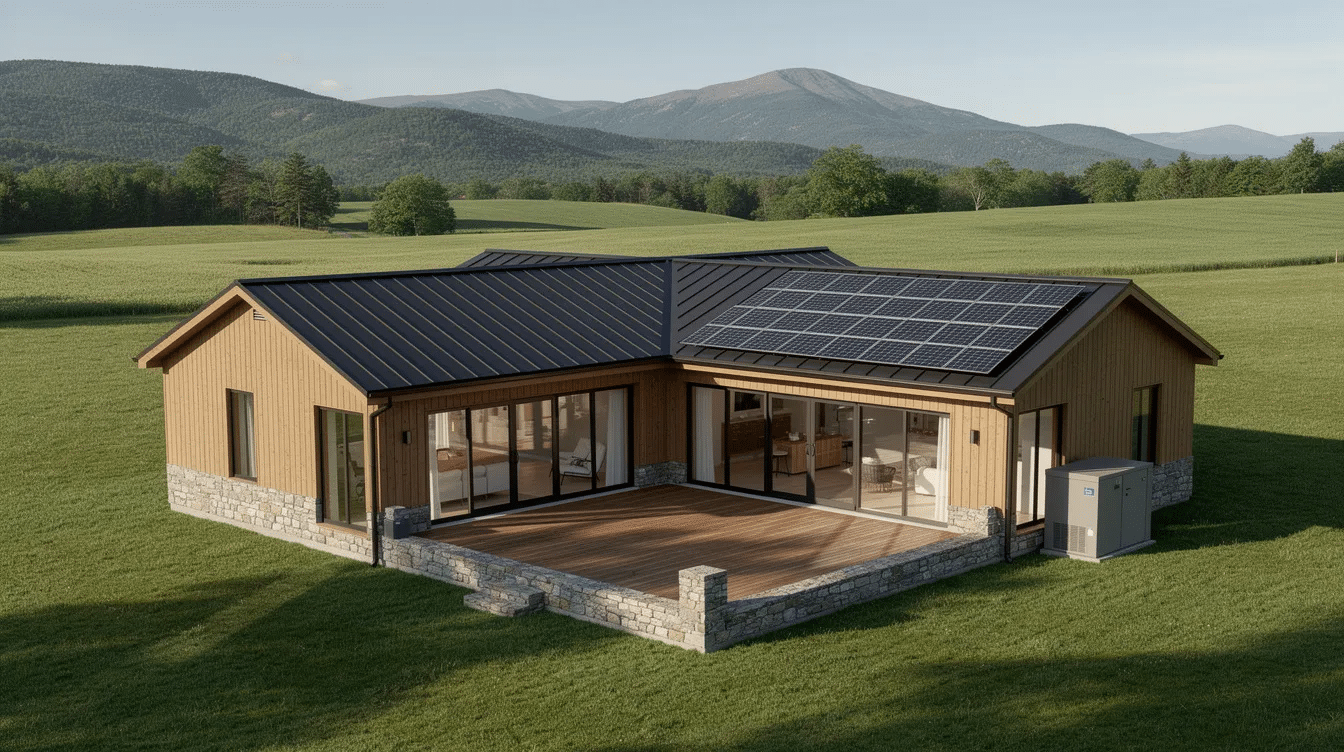
Expansive modern designs leverage panoramic views through floor-to-ceiling glazing, large sliding doors, and strategic module placement. L-shaped or U-shaped configurations frame landscape views and create protected outdoor living areas that connect the house with its natural surroundings.
Materials may trend toward natural finishes—timber, stone, and earth tones—that harmonize with the land while maintaining modern aesthetics. Energy performance becomes paramount in rural settings: homes designed for off-grid capability incorporate solar arrays, battery storage, and high-insulation wall systems.
A LEED Platinum modular home in Vermont demonstrates these possibilities: 1,800 square feet with R-45 vacuum insulated walls, geothermal heating, and rooftop solar achieved net-zero energy performance across three consecutive years despite extreme cold climate conditions.
For Growing Families
Flexible modern layouts accommodate changing family needs through adaptable floor plans and future expansion capabilities. Open-concept living areas serve gathering and entertaining functions, while separate bedroom wings provide privacy and quiet zones for rest and study.
Guest rooms that convert to playrooms, lofts that transform into teen retreats, and home offices that become nurseries—these flexible spaces respond to evolving requirements without major renovation. Standardized module sizes facilitate future additions: adding bedrooms, expanding living areas, or creating multi-generational accommodations becomes straightforward because the original construction anticipated growth.
For Remote Work and Modern Professionals
Dedicated office spaces with natural light and acoustic privacy address the needs of modern professionals working from home. Some designs include separated modules—work pods positioned apart from living areas—while others integrate home offices with strategic sound isolation and independent HVAC zones.
High-speed internet infrastructure, pre-wiring for data networks, and electrical systems supporting multiple workstations come built into these tech-ready homes. About 70% of modular home buyers now prioritize such technology integration, recognizing that professional success depends on reliable home infrastructure.
Separation between work and living areas supports mental health and work-life balance, creating clear transitions between professional responsibilities and personal time.
Premium Construction Methods That Deliver Modern Quality
Advanced modular construction techniques deliver the finished product quality that distinguishes modern prefab homes from outdated perceptions of factory-built housing. Skilled employees work efficiently in a controlled environment, ensuring each home is built to exacting standards. Our team is committed to quality craftsmanship and customer satisfaction at every stage. Modular construction offers structural and financial advantages over traditional building methods, including speed, cost efficiency, and quality control.
These methods combine precision manufacturing with sustainable practices to create homes that meet or exceed site built homes in every measurable category. Modular construction can be completed up to 60 percent faster than traditional site-built construction, allowing for a more predictable timeline and reduced disruption to the surrounding area.
The design of modular homes must account for ‘mate walls,’ where modules join, often requiring structural posts for support. Additionally, transportation of modular homes requires careful planning to ensure the design meets journey constraints such as road legality.
Controlled Factory Environment
Modules are constructed in climate-controlled facilities where precision tools and specialized jigs ensure accurate cuts, straight framing, and airtight seals impossible to achieve consistently on outdoor construction sites. This controlled environment eliminates weather delays and protects materials from moisture damage during the building process.
Quality control measures include standardized inspections, moisture monitoring, and alignment verification at multiple construction stages. Structural insulated panel construction—increasingly common in modern modular homes—shows 38% fewer weather damage issues compared to traditional building methods.
Factory construction reduces energy consumption during the building phase by approximately 67% versus conventional site construction, thanks to efficient material handling, reduced waste, and elimination of rework caused by weather exposure.
Energy-Efficient Building Systems
High-performance insulation and thermal envelope construction form the foundation of modern modular energy efficiency. Wall systems typically achieve R-30 to R-45 values, far exceeding minimum code requirements, while triple-glazed windows and carefully sealed joints minimize thermal bridging.
ENERGY STAR certification comes standard in many modern modular homes, with growing numbers achieving Passive House or equivalent standards. The Department of Energy’s TEAMH initiative targets 50% energy savings over baseline codes without additional lifecycle cost—a goal increasingly achievable through current modular construction methods.
Smart HVAC systems, energy recovery ventilation, and pre-installed renewable energy options—solar arrays with battery storage appear in 40-60% of new modern modular builds—transform these homes from energy consumers to potential energy producers.
Sustainable and Durable Materials
Eco-friendly materials define modern modular construction: recycled steel framing, cross-laminated timber, reclaimed wood, and low-VOC finishes create healthier indoor environments while reducing environmental impact. Lifecycle analyses show modular buildings can reduce embodied carbon by up to 45% compared to conventional construction.
Material waste during modular construction drops 30-40% below traditional building—sometimes reaching 90% reduction when optimized—because factory settings allow precise cutting and efficient use of resources. What waste does occur can be systematically recycled rather than sent to landfills.
Long-lasting finishes and durable materials maintain modern aesthetics over decades: metal roofing, moisture-resistant façades, UV-stable composites, and termite-resistant structural components ensure the quality you see at move-in persists throughout the home’s useful life.
How to Customize Your Modern Modular Home
Modern modular construction offers extensive custom options that allow home buyers to create truly personal living spaces in collaboration with an architect and our team. From exterior architectural details to interior finishes, these homes adapt to individual preferences and site requirements.
Architectural Features and Exterior Design
Modern siding options include standing-seam metal panels, fiber cement in various profiles, natural wood cladding, and composite materials that combine durability with contemporary aesthetics. Mixed material applications—wood accents against metal panels, glass walls contrasting with solid volumes—create visual interest and architectural distinction, much like the material strategies used to elevate all white ranch house exterior design.
Contemporary rooflines tend toward flat, shed, or low-pitched configurations that emphasize horizontal lines. Entry designs range from dramatic pivot doors to recessed entries with cantilevered canopies, establishing modern character from first approach.
Color schemes favor monochromatic palettes—grays, whites, charcoals—with material contrasts providing depth and visual hierarchy. These choices create striking curb appeal while offering flexibility to complement various landscape settings and climate conditions.
Interior Design and Layout Modifications
Kitchen configurations feature large islands, minimalist cabinetry with handleless designs, and open sightlines connecting cooking areas with living spaces. Appliance packages typically include induction cooktops, ENERGY STAR rated equipment, and integrated systems that contribute to overall home efficiency.
Bathroom designs embrace sleek contemporary fixtures: walk-in showers with frameless glass, freestanding soaking tubs, floating vanities, and minimal molding details. Large-format tile, natural stone, and polished concrete surfaces maintain the clean aesthetic throughout.
Flooring options range from engineered hardwood and polished concrete to luxury vinyl and large-format tile—each offering durability alongside modern styling. Lighting plans incorporate recessed fixtures, architectural track systems, and integrated LED elements that complement natural daylighting strategies including skylights and light tubes.
Start Your Modern Modular Home Project Today
The journey from design selection to move-in follows a streamlined process that delivers your new home faster than traditional construction while maintaining award-winning quality at every stage. We are honored to have been recognized by industry bodies for our commitment to customer satisfaction and excellence, further strengthening our reputation as a trusted leader in modern modular home designs.
Modern modular construction typically completes 30-50% faster than site-built methods because site preparation and foundation work proceed simultaneously with factory module construction. Once modules arrive, assembly and finishing require weeks rather than months—significant advantages for home buyers eager to begin their new lifestyle.
Connect with approved builders and architects who understand modern modular construction to explore designs matching your site, budget, and preferences. These professionals guide clients through module selection, customization options, and local permitting requirements while coordinating with factory teams to ensure the finished product meets your vision.
Financing options continue expanding as the market recognizes modular construction’s quality and efficiency advantages. Base price savings of 20-30% compared to equivalent site-built homes—combined with lower energy costs over time—make modern modular construction increasingly attractive from affordability and sustainability perspectives.
Browse our collection of modern modular home designs to find ideas that inspire your dream home. Learn about features, meet our team, and hear from clients who’ve transformed their housing goals into reality through precision modular construction—many sharing how their new homes have become welcoming spaces for friends and family to gather and create lasting memories.
Your modern modular home awaits—explore designs today and discover the difference that factory-built quality and contemporary style can make for your family’s future.