Key Takeaways
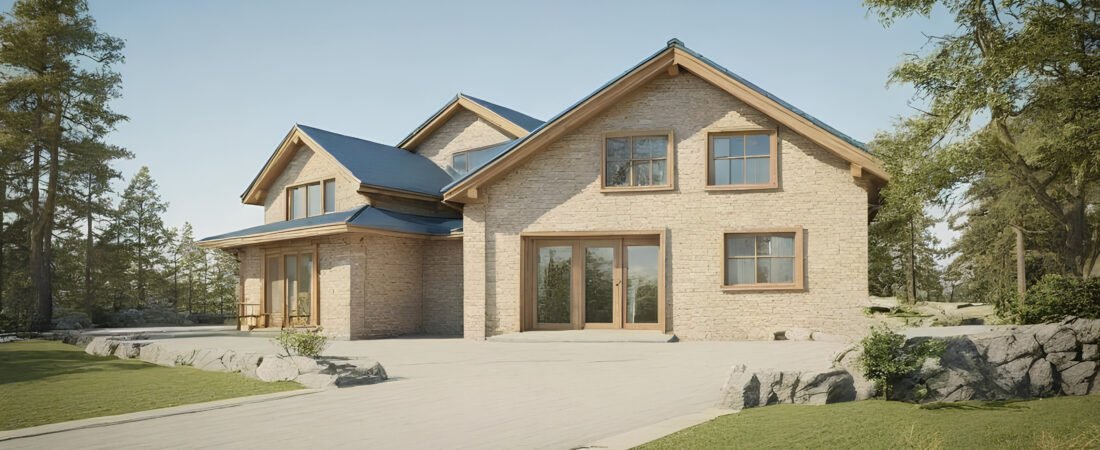
- Mountain house designs blend rustic materials like wood and stone with modern amenities, featuring expansive windows for panoramic views
- Popular styles range from traditional log cabins to contemporary mountain homes, with sizes varying from 550 sq ft bungalows to 10,000+ sq ft luxury chalets
- Essential design elements include exposed timber beams, cathedral ceilings, multiple fireplaces, and large outdoor living spaces like wraparound porches
- Modern mountain designs emphasize open floor plans, great rooms combining kitchen and dining areas, and master suites with spa-like bathrooms
- Construction typically utilizes basement foundations to accommodate rugged terrain and steep hillside lots
Mountain house designs represent the perfect marriage of architectural innovation and natural beauty, creating homes that not only withstand the challenges of rugged landscapes but celebrate them. Unlike conventional housing, mountain architecture must address unique considerations including steep terrain, extreme weather conditions, and the desire to maximize breathtaking views while maintaining structural integrity. Conducting a thorough site analysis, including topography, views, solar orientation, and wind patterns, is essential to choosing the best location for these homes.
Whether you’re planning a cozy weekend retreat or a grand mountain estate, understanding the fundamentals of mountain house design is essential for creating a home that seamlessly integrates with its mountainous or rugged terrain surroundings. Most mountain house plans are specifically designed to adapt to these challenging environments. This comprehensive guide explores everything from traditional log cabin charm to cutting-edge contemporary mountain home plans, helping you navigate the complexities of alpine architecture and planning.
- Understanding Mountain House Design Fundamentals
- Essential Design Elements and Features
- Popular Mountain House Styles and Types
- Materials and Construction Considerations
- Interior Design and Layout Principles
- Size and Scale Options
- Environmental Integration and Sustainability
- Planning and Budget Considerations
- FAQ
Understanding Mountain House Design Fundamentals
Mountain house design fundamentally differs from conventional residential architecture through its emphasis on environmental harmony and functional adaptation to challenging terrain. The core principle underlying successful mountain house plans centers on creating structures that complement rather than compete with surrounding nature, utilizing the natural landscape as both inspiration and practical framework.
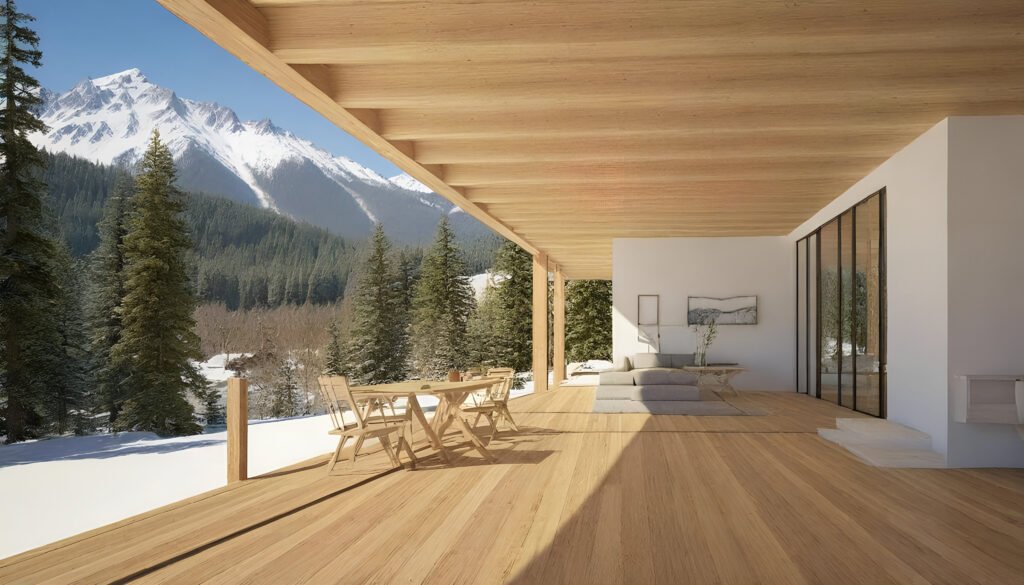
The integration with hillside lots and challenging topography requires sophisticated understanding of how buildings respond to their environment. Mountain homes are frequently designed as multiple connected structures rather than single massive buildings, allowing large residences to maintain proportions that harmonize with traditional mountain cabin scales while reducing visual impact on the landscape.
Natural light becomes a driving design priority in mountain settings, where abundant sunshine at high altitudes can be harnessed through strategic window placement and open layouts. Floor-to-ceiling windows and glass doors serve dual purposes: capturing stunning scenic views while facilitating passive solar heating that reduces energy costs throughout varying mountain climates.
The balance between rustic charm and modern functionality defines contemporary mountain house design philosophy. Exposed wood beams provide structural support while adding warmth and texture, while clean lines and rectangular forms create order and balance within dramatic natural settings. This approach ensures mountain homes deliver twenty-first-century comfort without sacrificing the authentic connection to rugged landscapes that makes mountain living so appealing.
Essential Design Elements and Features
Exposed Wood Beams and Timber Frame Construction
Exposed beams represent both aesthetic and structural cornerstones of mountain house architecture. These elements typically utilize locally sourced timber such as Douglas fir, cedar, or oak, providing essential structural support while creating the warm, cozy atmosphere synonymous with mountain living. Timber frame construction allows for large, open interior spaces with soaring ceilings, maximizing the sense of spaciousness even in smaller mountain house plans.
The extensive use of exposed wood beams creates visual continuity throughout the home, connecting different living areas while maintaining the rustic elements that define mountain style. Modern mountain house plans often incorporate panelized full-log shear walls that combine traditional appeal with contemporary performance standards, addressing both aesthetic desires and structural requirements for mountain settings.
Cathedral and Soaring Ceiling Designs
Cathedral ceilings transform mountain homes into dramatic living spaces that capture the grandeur of their natural surroundings. These vertical elements serve practical functions beyond their impressive visual impact – they facilitate better air circulation and create opportunities for clerestory windows that flood interiors with natural light while maintaining privacy.
The combination of exposed beams and cathedral ceilings creates architectural focal points that draw the eye upward, mimicking the vertical lines of surrounding mountains and tall trees. This design strategy works particularly well in great rooms where multiple functions – kitchen, dining areas, and family room spaces – flow together under soaring ceiling heights that unify the space.
Large Stone Fireplaces and Multiple Heat Sources
Stone fireplaces function as both architectural anchors and practical heating solutions in mountain environments. These massive structures typically utilize local stone materials, creating visual weight that grounds the home’s interior design while providing reliable backup heating during power outages or extreme weather conditions.
Modern mountain homes often incorporate multiple fireplaces throughout the residence – a primary great room fireplace for gathering spaces, plus additional fireplaces in master suites or family room areas. This strategy ensures comfortable heating zones throughout larger floor plans while creating intimate gathering spaces during colder mountain seasons.
Panoramic Windows and Glass Walls
Large windows represent defining characteristics of contemporary mountain house designs, with some plans featuring entire walls of glass to maximize views and natural light. These expansive glazing systems require high-performance materials capable of withstanding extreme temperature fluctuations and weather stresses common in mountain settings.
Window placement becomes strategic in mountain architecture – positioned to capture morning sun exposure, frame specific scenic views, and facilitate cross-ventilation during warmer months. Modern mountain home plans often incorporate sliding glass doors that create seamless transitions to outdoor living spaces, effectively expanding the home’s footprint during pleasant weather.
Wraparound Porches and Outdoor Living Spaces
Covered porches serve essential functions in mountain house design, protecting entryways from snow and rain while providing sheltered outdoor living areas that extend the home’s usable space. Wraparound porches create multiple outdoor zones for different times of day, allowing residents to follow sun patterns or seek shade as desired. These homes often connect indoor and outdoor spaces seamlessly with wraparound porches and patios, enhancing the living experience.
These outdoor living spaces often incorporate features like outdoor kitchens, wet bars, and seating areas that transform porches into true extensions of the home’s interior. Front porch designs typically emphasize welcoming entry sequences, while rear porches focus on privacy and scenic views toward surrounding nature.
Popular Mountain House Styles and Types
Traditional Mountain Styles
Log Cabins with Authentic Timber Construction
Traditional log cabin designs remain among the most popular mountain house plans, featuring authentic timber construction that showcases the natural beauty of wood. These homes typically range from cozy 550 sq ft retreats to substantial 3,000 sq ft family residences, with construction utilizing full logs or log siding over conventional framing.
Modern log cabin plans often incorporate contemporary amenities like gourmet kitchens and luxurious master suites while maintaining the rustic charm that defines this classic mountain style. The key features include chinked log walls, stone foundations, and metal roofing designed to handle heavy snow loads.
Mountain Lodges Featuring Grand Scale
Mountain lodge designs scale up traditional cabin concepts to create impressive structures suitable for large families or entertaining. These homes typically exceed 4,000 sq ft and feature great rooms with soaring ceilings, multiple guest rooms, and extensive outdoor living spaces including large covered porches and decks. Many of the modern mountain timber and log floor plans also feature cathedral ceilings with exposed wood beams, adding to their grandeur and rustic charm.
Lodge-style mountain house plans emphasize common features like massive stone fireplaces, exposed beams throughout multiple levels, and windows strategically placed to maximize views of surrounding mountains. Many lodge plans include bonus rooms for recreation, exercise rooms, or media rooms that accommodate active mountain lifestyles.
Alpine Chalets with European Influences
Alpine chalet designs incorporate European architectural traditions adapted for mountain settings. These homes feature steep roofs designed to shed snow efficiently, decorative timber elements, and multiple levels that adapt to sloping terrain. Traditional chalet plans often include storage space in basement foundations and detached garages positioned to minimize visual impact.
Modern interpretations of alpine chalets blend traditional proportions with contemporary features like large windows beneath protective eaves, allowing for breathtaking views while maintaining protection from mountain weather. These designs often incorporate courtyards that create sheltered outdoor spaces.
Contemporary Mountain Designs
Modern Mountain Homes with Clean Lines
Contemporary mountain house designs emphasize minimalist aesthetics while incorporating natural materials that connect homes to their rugged terrain surroundings. These homes feature rectangular forms, extensive glass walls, and open layouts that blur boundaries between interior and exterior spaces.
Modern mountain house plans typically utilize steel, concrete, and glass in combination with traditional wood and stone, creating striking visual contrasts. The clean lines and geometric forms provide dramatic counterpoints to the organic shapes of mountain landscapes while maintaining practical functionality for mountain living.
Mountain Contemporary Style Elements
Mountain contemporary architecture represents an evolution of traditional mountain styles, incorporating rustic elements within sleek, modern frameworks. These designs often feature walkout basements that take advantage of sloping lots, creating multiple levels of living space that step down hillsides.
Common features include steel and glass elements combined with local stone and reclaimed wood, creating homes that feel both cutting-edge and deeply connected to their mountain settings. Many contemporary mountain home plans include home theaters, wine cellars, and specialized rooms like exercise rooms or meditation spaces.
Split-Level Designs for Sloped Terrain
Split-level mountain homes efficiently utilize challenging topography by organizing living spaces across multiple levels that follow natural land contours. These designs often feature main living areas on upper levels to maximize views, with lower levels containing family rooms, guest quarters, or recreational spaces.
The multiple levels approach allows mountain homes to minimize site disturbance while creating diverse living zones. Upper levels typically house formal living areas and master suites, while lower levels provide casual family spaces that often open directly to grade-level outdoor areas.
Materials and Construction Considerations
Primary Wood Species and Characteristics
Oak, Cedar, Pine, and Douglas Fir Applications
Each wood species offers distinct advantages for mountain construction. Douglas fir provides exceptional strength for structural elements like exposed beams and timber frame components, while cedar naturally resists moisture and insects, making it ideal for exterior applications and covered porches.
Pine offers cost-effective options for interior finishes and rustic elements, while oak provides premium hardwood options for flooring and decorative elements. Many mountain house plans specify different wood species for various applications – structural framing, exterior siding, interior paneling, and finish carpentry – optimizing performance and appearance for each specific use.
Thermally Treated and Reclaimed Wood Options
Thermally treated wood offers enhanced durability and moisture resistance essential for mountain climates with heavy snowfall and temperature fluctuations. These materials provide longer service life for decks, porches, and exterior elements while maintaining natural wood appearance.
Reclaimed wood incorporates sustainability while adding character and history to mountain homes. Many mountain house designs specify reclaimed timber for exposed beams, accent walls, or flooring, combining environmental responsibility with unique aesthetic appeal that can’t be replicated with new materials.
Stone and Metal Integration
Foundation and Accent Applications
Stone serves critical structural and aesthetic functions in mountain house construction. Local stone materials provide superior weather resistance while creating visual connections to surrounding rock formations and mountainous terrain. Foundation applications utilize stone’s exceptional durability and thermal mass properties.
Accent applications include fireplace surrounds, exterior wall sections, and decorative elements that add visual weight and texture contrast to wood-dominated designs. Many mountain house plans incorporate stone elements strategically to anchor homes visually to their sites while providing practical weather protection for high-exposure areas.
Steel Elements in Modern Applications
Steel integration enables contemporary mountain homes to achieve large spans and dramatic architectural effects while maintaining structural integrity in challenging environments. Steel frame elements support extensive glazing systems and create opportunities for cantilevers and overhangs that would be difficult with traditional materials alone.
Modern mountain home plans often specify steel for structural elements, railings, and decorative accents that provide sharp, clean lines contrasting with organic wood and stone textures. These applications create visual interest while enabling architectural features that define contemporary mountain style.
Rugged Construction Principles
Mountain construction demands enhanced structural strategies to address extreme weather, steep terrain, and challenging access conditions. Basement foundations provide essential stability on sloping sites while creating opportunities for walkout lower levels that expand usable space.
Foundation systems must address both structural loads and environmental factors including freeze-thaw cycles, soil movement, and potential drainage issues. Many mountain sites require specialized foundation designs that anchor structures securely to rocky or unstable terrain while providing level building platforms.
Interior Design and Layout Principles
Great Room Concepts and Open Floor Plans
The great room represents the heart of most mountain house plans, combining kitchen, dining areas, and family room functions under soaring ceilings with exposed beams. This open layout maximizes social interaction while taking advantage of mountain homes’ typically dramatic ceiling heights and natural light opportunities.
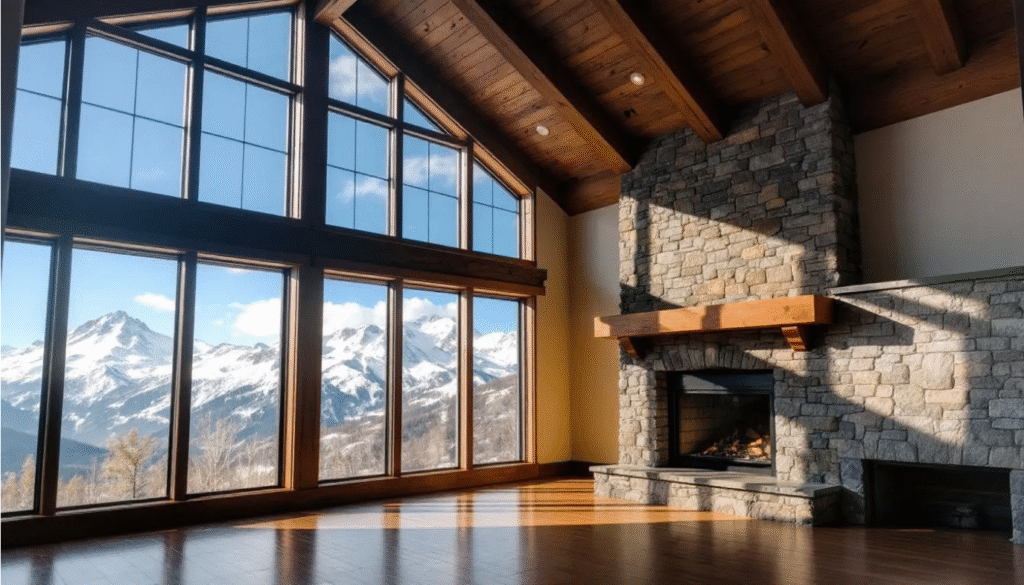
Modern mountain home plans often organize great rooms to capture specific views through strategic window placement while maintaining cozy conversation areas around stone fireplaces. The open layouts facilitate entertaining while maintaining sight lines to outdoor spaces and scenic views that define mountain living experiences.
Kitchen areas within great rooms typically feature large islands that provide both workspace and casual dining options. Many mountain house designs incorporate walk-in pantries and extensive storage space to accommodate the self-sufficient lifestyle often associated with remote mountain locations.
Master Suite Features and Private Retreats
Master suites in mountain homes function as private retreats with spa-like bathrooms, spacious walk-in closets, and private access to covered porches or balconies overlooking scenic views. Many modern mountain homes provide private master suites with spa-like bathrooms, ensuring a luxurious and relaxing experience. Many mountain house plans position master suites to capture morning sun exposure and the best available views.
Luxury mountain home plans often include two master suites to accommodate multiple generations or frequent guests, with each suite featuring complete privacy and high-end amenities. Master bathrooms typically incorporate natural materials like stone and wood while providing modern conveniences including large soaking tubs and separate shower enclosures.
Private balconies or direct access to outdoor living spaces extend master suites beyond their interior boundaries, creating seamless transitions to mountain environments that enhance the daily living experience.
Additional Specialized Spaces
Recreation and Entertainment Areas
Mountain homes often include bonus rooms designed for active mountain lifestyles. Game rooms, media rooms, and exercise rooms provide indoor recreation options during inclement weather while home theaters offer entertainment for long winter evenings.
Many mountain house plans position these spaces on lower levels where they benefit from walkout basement access to outdoor recreation areas. Exercise rooms frequently include access to outdoor spaces for extended workout opportunities when weather permits.
Practical Storage and Utility Areas
Mountain living requires extensive storage for seasonal equipment, outdoor gear, and emergency supplies. Many mountain house plans include mudrooms, gear storage areas, and utility spaces that accommodate the practical needs of mountain residents.
Crawl spaces and basement areas provide additional storage opportunities while detached garages often include workshop areas and additional storage beyond vehicle accommodation. These practical spaces ensure mountain homes can support active outdoor lifestyles without compromising interior living quality.
Size and Scale Options
Small Mountain Retreats and Efficient Design
Small mountain house plans, ranging from 550 to 1,200 sq ft, maximize utility in every square inch through clever, multi-functional design strategies. These compact homes often feature lofts that provide additional sleeping areas without expanding foundation requirements, making them ideal for challenging mountain sites.
Small cabin designs typically organize space efficiently with great rooms combining multiple functions, while strategic window placement ensures these modest homes still capture mountain views and abundant natural light. Many smaller mountain plans include covered porches that effectively double outdoor living space during pleasant weather.
Storage solutions become critical in smaller mountain homes, with designs incorporating built-in storage, under-stair storage space, and multipurpose furniture to maintain comfortable living without clutter.
Medium Family Mountain Homes
Mountain house plans in the 1,500 to 3,000 sq ft range accommodate growing families while maintaining manageable construction and maintenance costs. These homes typically feature three to four bedrooms, including master suites with private bathrooms and additional family gathering spaces beyond the main great room.
Medium-sized mountain homes often utilize multiple levels to organize space efficiently, with main living areas positioned to capture views while bedroom areas provide quiet, private zones. Many plans in this size range include basement foundations that create additional recreation space and storage areas.
Family room areas separate from great rooms provide informal gathering spaces for daily family activities while preserving great rooms for entertaining and formal occasions. These homes often include outdoor kitchens and extensive covered porches that expand living space seasonally.
Luxury Mountain Estates and Grand-Scale Design
Large mountain house plans exceeding 5,000 sq ft create resort-like experiences with extensive amenities including gourmet kitchens, wine cellars, home theaters, and multiple master suites for extended family or frequent guests. These homes often feature separate guest quarters or caretaker accommodations.
Luxury mountain home plans typically include service areas like mudrooms, walk-in pantries, and utility rooms that maintain the home’s elegant presentation while accommodating practical mountain living needs. Multiple fireplaces throughout these large homes create intimate gathering areas within grand-scale floor plans.
Outdoor living spaces in luxury mountain homes often include outdoor kitchens, covered dining areas, and recreational amenities like hot tubs or swimming pools that take advantage of mountain settings and scenic views.
Environmental Integration and Sustainability
Minimizing Landscape Impact Through Design
Thoughtful mountain house design minimizes environmental disruption by adapting structures to existing topography rather than dramatically altering natural landforms. Building placement considers existing trees, natural drainage patterns, and wildlife corridors to preserve ecological integrity.
Smaller building footprints achieved through multiple levels and connected structures reduce site disturbance while maintaining desired square footage. This approach preserves more natural landscape while creating homes that feel integrated with rather than imposed upon their mountain settings.
Sustainable site preparation techniques including minimal grading and strategic foundation placement help preserve natural drainage and prevent erosion that could impact both the home site and surrounding environment.
Local and Natural Materials for Harmony
Using locally sourced wood and stone reduces transportation-related environmental impacts while ensuring materials are appropriate for specific mountain climates and conditions. Local materials also create stronger visual connections between homes and their immediate surroundings.
Natural materials like untreated wood and locally quarried stone weather gracefully, developing patinas and textures that enhance rather than diminish over time. This approach reduces long-term maintenance requirements while ensuring homes age beautifully within their mountain environments.
Many mountain house plans specify locally harvested timber for structural elements, supporting regional forest management while reducing the carbon footprint associated with material transportation to remote mountain locations.
Energy Efficiency and Climate Response
Mountain homes benefit significantly from passive solar design strategies that take advantage of abundant high-altitude sunlight. Window placement and building orientation optimize winter heat gain while preventing overheating during summer months.
High-performance insulation and glazing systems maintain comfortable interior temperatures despite extreme mountain weather conditions, reducing heating and cooling costs while ensuring year-round comfort. Many contemporary mountain home plans incorporate renewable energy systems like solar panels and geothermal heating that leverage mountain environmental conditions.
Smart home technology enables mountain residents to monitor and optimize energy consumption remotely, particularly valuable for vacation homes that experience periods of vacancy.
Planning and Budget Considerations
Mountain House Plan Pricing and Customization
Architectural mountain house plans typically range from $850 to $3,397 depending on size, complexity, and customization requirements. Basic plans provide fundamental layouts and structural specifications while premium plans include detailed interior design elements and landscape integration strategies.
Customization options allow buyers to modify existing mountain house plans to suit specific sites and lifestyle needs. Common modifications include adjusting foundation systems for particular terrain conditions, reconfiguring room layouts, and specifying different materials or finishes.
Many mountain house plan collections offer related designs in multiple sizes, allowing buyers to select scales appropriate for their sites and budgets while maintaining consistent architectural character.
Site Preparation and Construction Challenges
Mountain construction typically costs 15 to 30 percent more than comparable homes on flat terrain due to site preparation requirements, foundation challenges, and material transportation to remote locations. Access road construction and utility installation often represent significant additional costs.
Steep terrain may require specialized foundation engineering including retaining walls, drainage systems, and soil stabilization measures. Rocky terrain can necessitate blasting or specialized excavation equipment that increases site preparation costs.
Remote mountain locations often lack immediate access to utilities, requiring additional planning and expense for well installation, septic systems, and electrical service connections.
Permits and Regulatory Considerations
Mountain construction typically requires building permits, septic system permits, and well permits, with approval processes potentially taking longer in remote jurisdictions with limited administrative capacity. Environmental impact assessments may be required for sensitive sites or areas with wildlife considerations.
Steep terrain construction often requires additional geotechnical studies and foundation engineering approvals to ensure structural safety and environmental protection. Local building codes may include specific requirements for snow loads, seismic considerations, and fire protection measures.
Some mountain areas have architectural review requirements or homeowner association guidelines that must be considered during the design phase to ensure proposed homes meet community standards and environmental expectations.
Choosing Between Permanent and Vacation Home Designs
Permanent mountain residences require more comprehensive infrastructure including adequate heating systems, emergency backup power, and year-round access planning. These homes typically need mudrooms, extensive storage areas, and utility systems capable of supporting full-time occupation.
Vacation mountain homes can prioritize entertainment and relaxation features while potentially minimizing year-round maintenance systems. However, these homes still require robust construction to withstand seasonal weather extremes and potential extended vacancy periods.
Both permanent and vacation mountain homes benefit from low-maintenance material selections and building systems that minimize the need for frequent service calls to remote locations.
FAQ
What’s the difference between a mountain cabin and mountain lodge?
Mountain cabins are typically smaller, cozy retreats (550-1,500 sq ft) with rustic charm, while mountain lodges are larger structures (3,000+ sq ft) designed for grand-scale entertaining with luxurious amenities like gourmet kitchens and multiple guest rooms.
How do mountain houses handle extreme weather conditions?
Mountain houses use robust construction with steep roofs for snow load, reinforced foundations, multiple fireplaces for backup heating, and durable materials like stone and treated timber that withstand temperature fluctuations and moisture.
What permits are typically required for mountain house construction?
Mountain construction typically requires building permits, septic system permits, well permits, and sometimes environmental impact assessments. Steep terrain may require additional geotechnical studies and foundation engineering approvals.
Can mountain house designs work for year-round living?
Yes, many mountain house designs are suitable for permanent residence with proper insulation, heating systems, and access planning. Features like mudrooms, storage areas, and backup power systems make them practical for year-round mountain living.
How much does it typically cost to build a mountain house?
Construction costs vary significantly based on location, size, and materials, but mountain homes typically cost 15-30% more than comparable homes on flat terrain due to site preparation, foundation requirements, and material transportation challenges to remote locations.
