Key Takeaways
- Plantation style house plans originated from 18th-century French colonial architecture and became prominent in the American South during the cotton boom era
- These plans typically feature 2,500-6,500 square feet of living space with distinctive elements like tall columns, wrap-around porches, and elevated foundations
- Many Southern homes, including plantation style homes, are elevated to prevent flooding in coastal areas, a practical adaptation to the region’s climate and geography
- Modern plantation house plans blend traditional southern charm with contemporary amenities, offering 3-6 bedrooms and multiple bathrooms for today’s families
- Key architectural features include expansive covered porches, French doors, large windows, and symmetrical facades that promote natural cooling and outdoor living
- Design considerations must account for climate adaptation, flood-prone areas, and energy efficiency while maintaining authentic plantation aesthetics
Plantation style house plans continue to capture the imagination of homeowners seeking timeless Southern elegance combined with modern comfort. These architectural blueprints draw inspiration from the grand estates of the antebellum South, where sprawling porches, towering columns, and gracious proportions created homes designed for both entertaining and everyday family living. The opulent design of the main house reflected the plantation owner’s wealth and social standing, derived from an economy based on crops like cotton, tobacco, and sugarcane.
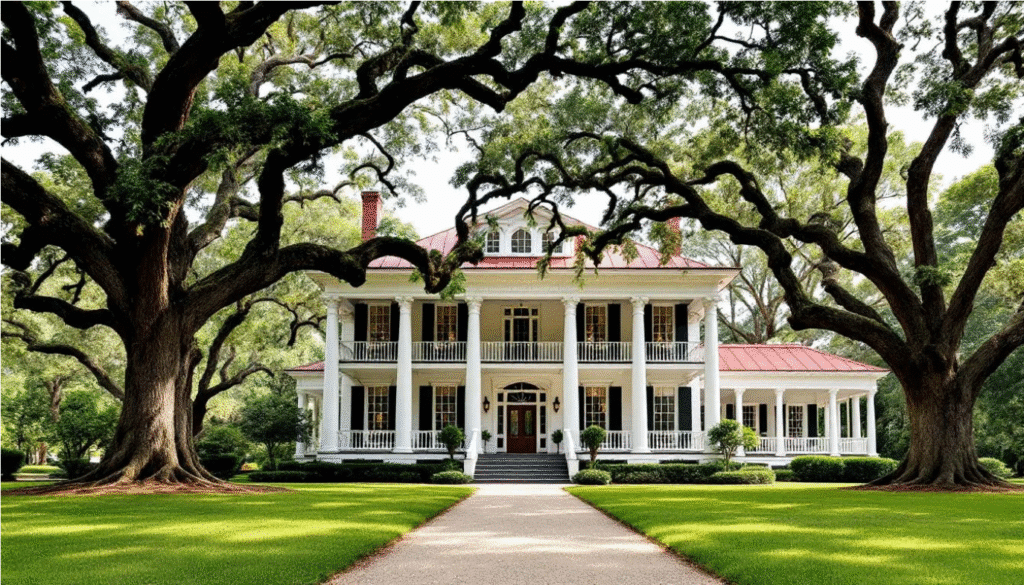
Today’s plantation house plans successfully bridge the gap between historical charm and contemporary functionality. Modern interpretations maintain the distinctive architectural elements that made these homes iconic while incorporating updated floor plans, energy-efficient systems, and amenities that meet the needs of today’s families. Modern plantation plans often incorporate open-concept living, combining the kitchen, dining, and living spaces to enhance the sense of grandeur and flow. Whether you’re drawn to the grandeur of a full estate plan or prefer a more modest interpretation of southern style house plans, understanding the key features and considerations will help you make an informed decision.
From their origins in French colonial architecture to their evolution through the Greek Revival period, plantation style home plans represent one of America’s most enduring architectural traditions. These designs have adapted over the years to serve large families while preserving the grace and symmetrical beauty that define the style. These grand structures were built and maintained through the systematic exploitation and forced labor of enslaved people. Let’s explore what makes these plans special and how you can incorporate their timeless appeal into your own home building project.
- What Are Plantation Style House Plans
- Essential Features of Plantation House Plans
- Popular Plantation House Plan Designs
- Historical Background and Origins
- Design Considerations for Modern Plantation Homes
- FAQ
- How much does it cost to build a plantation style house plan?
- Can plantation style house plans work in northern climates?
- What lot size is recommended for plantation style house plans?
- Are plantation style house plans energy efficient?
- What building permits are required for plantation style house plans?
What Are Plantation Style House Plans
Plantation style house plans are architectural blueprints inspired by the grand antebellum Southern estates that flourished during the 1800s. These comprehensive home plans recreate the distinctive features and elegant proportions of historical plantation houses while incorporating modern building standards, updated floor plans, and contemporary amenities that today’s families require. The rise in wealth from cotton in pre-Civil War America led to the construction of grand homes on plantations throughout the South and Mid-Atlantic states.
The defining characteristic of a plantation house plan is its focus on creating impressive outdoor living spaces that seamlessly integrate with interior rooms. Plantation style homes often include large front and rear porches or wraparound porches, which are designed to provide respite from the heat. These designs typically range from 2,000 to 8,000 square feet, accommodating everything from growing families seeking their first custom home to those desiring a grand estate with multiple guest quarters and entertainment areas.
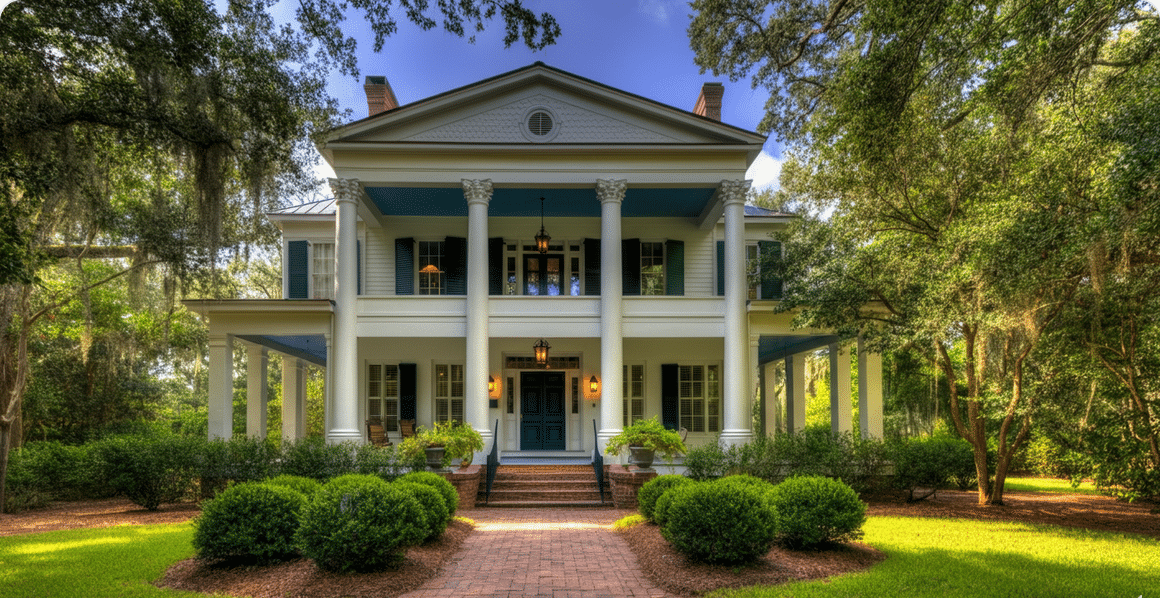
Modern plantation house plans maintain the authentic visual elements that make these homes instantly recognizable – from soaring columns and expansive wraparound porches to symmetrical facades and French doors that open onto covered outdoor areas. However, today’s versions incorporate open floor plans, master suites on the main level, gourmet kitchens, and efficient building systems that weren’t part of the original historical designs.
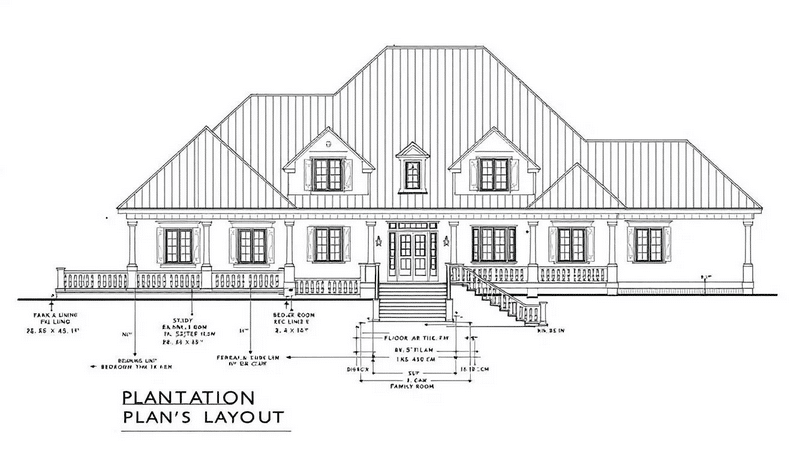
These plans excel at creating homes that feel both grand and welcoming, with generous ceiling heights ranging from 10 to 14 feet that promote natural air circulation while creating an sense of spaciousness. The style’s emphasis on indoor-outdoor living makes these designs particularly well-suited for entertaining, with covered porches serving as natural extensions of interior gathering spaces.
Contemporary plantation style house plans must also meet modern building codes, energy efficiency standards, and accessibility requirements while preserving their historical character. This balance between authenticity and functionality is what makes well-designed plantation home plans so appealing to today’s custom home builders and their clients.
Essential Features of Plantation House Plans
Architectural Elements
The most distinctive feature of southern plantation house plans is their impressive columned porches, which typically feature tall white columns ranging from 12 to 20 feet in height. These columns, often designed in Classical Greek or Corinthian styles, support expansive front porches that create the commanding presence these homes are known for. The depth of these porches typically spans 8 to 12 feet, providing substantial covered outdoor living space while offering protection from sun and rain.
Wraparound porches represent another hallmark of plantation style architecture, though not every plan includes them. When present, these porches extend around multiple sides of the house, creating generous outdoor entertaining areas and enhancing the home’s connection to its surrounding landscape. Deep overhangs provide crucial climate control in southern regions, blocking harsh summer sun while allowing winter sunlight to warm interior spaces.

Symmetrical facade designs distinguish quality plantation house plans, with centered main entrances flanked by balanced window placement that creates visual harmony. The style typically incorporates steep-pitched or hipped roofs with dormer windows that provide natural light to upper-level spaces while maintaining the home’s classical proportions.
Large double-hung windows with decorative shutters and multi-pane designs are essential elements that serve both aesthetic and functional purposes. These windows promote cross-ventilation crucial for comfort in humid climates, while their substantial size and traditional styling contribute to the home’s authentic appearance. French doors leading from interior rooms to porches and balconies further enhance the indoor-outdoor living concept central to plantation style design.
Interior Layout Characteristics
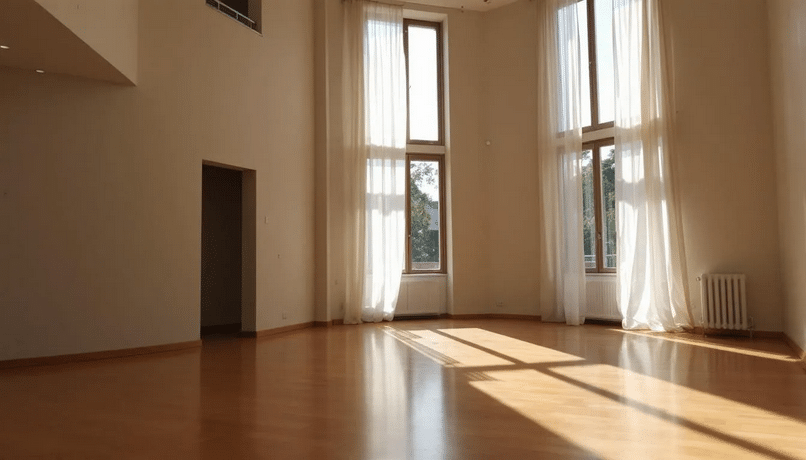
High ceilings represent one of the most important functional features of plantation house plans, typically ranging from 10 to 14 feet on the main level. These generous ceiling heights promote natural air circulation and create the spacious, airy feeling that characterizes well-designed southern homes. The additional height also provides space for ceiling fans and decorative moldings that enhance the home’s traditional character.
Central hallways or foyers with grand staircases often serve as focal points in larger plantation home plans, creating dramatic first impressions while efficiently organizing traffic flow throughout the house. These central spaces typically feature the home’s most elaborate architectural details, including decorative millwork, hardwood floors, and often a chandelier or other statement lighting fixture.
Formal living and dining rooms positioned for entertaining remain common features, though modern plantation house plans often incorporate more flexible great room concepts that combine kitchen, dining, and family areas. This adaptation reflects contemporary family lifestyles while maintaining the gracious proportions and fine amenities that define the style.
Master suites in modern plantation style home plans are frequently located on the main floor, offering convenient single-level living with private access to covered porches or patios. Additional bedrooms typically range from 3 to 6 rooms depending on the overall square footage, with larger plans often including guest suites or children’s wings that provide privacy for different family members.
Generous bathroom counts, typically featuring 2.5 to 5 full and half baths, ensure convenience for both daily living and entertaining. Modern plantation house plans often upgrade these spaces with walk-in showers, soaking tubs, and dual vanities while maintaining traditional styling elements that complement the home’s overall character.
Popular Plantation House Plan Designs
Small to Medium Plans (2,000-4,500 sq ft)
Three to four bedroom plantation house plans in the 2,500 to 4,200 square foot range offer an ideal balance of traditional southern charm and practical family living. These moderately-sized plans typically accommodate growing families while remaining manageable in terms of construction costs and ongoing maintenance. The efficient floor plans in this category focus on maximizing the impact of key plantation style features without requiring the extensive square footage of grand estate designs.
Two-story configurations work particularly well for smaller plantation house plans, allowing builders to achieve impressive proportions while making efficient use of available lot space. These designs often feature simplified column arrangements with front porch emphasis rather than full wraparound porches, making them more budget-friendly while maintaining authentic plantation style character.
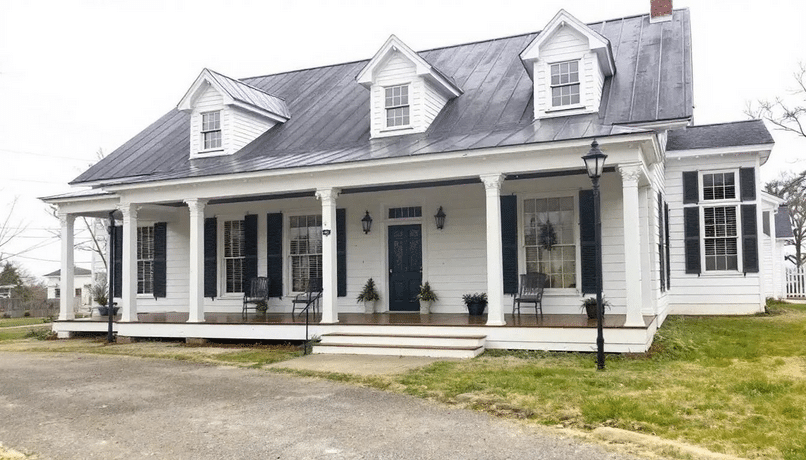
Modern amenities in this size category include updated kitchens with islands or breakfast bars, walk-in closets in bedrooms, and en-suite bathrooms for the master bedroom and often secondary bedrooms as well. Open floor plans that connect kitchen, dining, and family areas create the flexible living spaces today’s families prefer while preserving separate formal areas for entertaining.
Typical dimensions for these plans range from 60 to 90 feet in width and 40 to 70 feet in depth, requiring lots of at least one acre to properly showcase the home’s proportions. The second floor often includes additional bedrooms, full baths, and sometimes bonus space that can serve as a home office, playroom, or media room.
Construction costs for this size category typically fall in the middle range of plantation style options, making them accessible to more families while still delivering the impressive curb appeal and gracious living that define quality southern style house plans, including those built by bungalow home builders.
Large Estate Plans (4,500-8,000 sq ft)
Five to six bedroom plantation house plans spanning 5,000 to 7,000 square feet represent the grand estate category, designed for families who desire the full plantation lifestyle with extensive entertaining capabilities. These comprehensive home plans typically measure 100 to 140 feet in width, requiring substantial lots to accommodate their impressive scale and the landscaping needed to complement their grandeur.
Grand plantation estates in this size range often feature elaborate column arrangements with full wraparound porches and second-story balconies that create the commanding presence associated with historic plantation homes. Multiple entertainment areas include formal dining rooms, family rooms, libraries, and often separate living areas or guest quarters that provide flexibility for multi-generational living or frequent entertaining.
Luxury features become standard in larger plantation house plans, including home offices with built-in cabinetry, wine cellars or butler’s pantries, exercise rooms, and sometimes separate guest houses or carriage houses. Master suites in these plans often exceed 800 square feet and may include sitting areas, private studies, and luxurious bathroom amenities such as soaking tubs and separate shower areas.
The depth of entertaining capabilities in large plantation home plans extends to outdoor living spaces as well, with extensive covered porches often incorporating outdoor kitchens, fireplaces, and dining areas that function as true outdoor rooms. These features support the Southern tradition of porch living and outdoor entertaining that remains central to plantation style appeal.
While construction costs for estate-sized plans represent a significant investment, typically ranging from $750,000 to over $2 million depending on location and finish level, these homes offer unmatched elegance and functionality for families who appreciate traditional Southern architecture and have the resources to build and maintain them properly.
Historical Background and Origins
The roots of plantation style house plans trace back to French colonial architecture that developed in Louisiana during the 1700s. Early settlers adapted European building traditions to accommodate the challenging climate of the Southern United States, creating elevated homes with deep porches and cross-ventilation that provided relief from intense heat and humidity. These practical adaptations laid the foundation for many features that remain essential to plantation house design today.
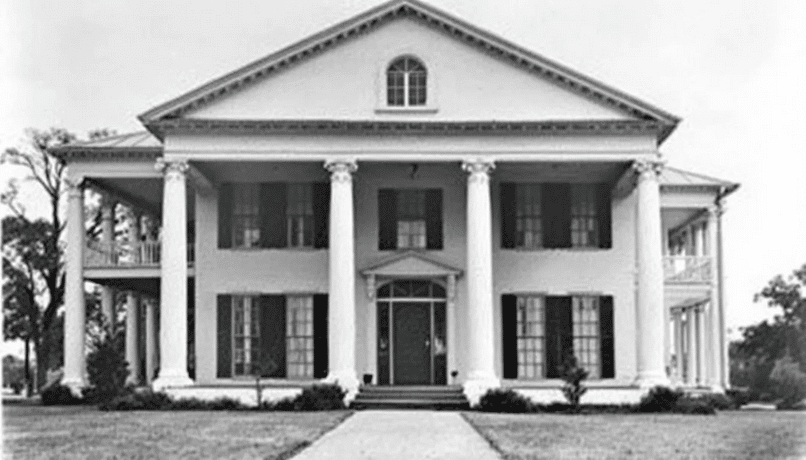
During the cotton boom era of the early 1800s, plantation house plans evolved significantly under the influence of Georgian and Neoclassical architectural styles. Wealthy plantation owners sought to display their prosperity through increasingly elaborate homes that incorporated formal architectural elements borrowed from European palaces and grand estates. This period saw the introduction of the tall columns and symmetrical facades that became defining characteristics of the style.
West Indian and Caribbean architectural elements also influenced plantation house development, particularly in coastal regions where builders adapted tropical design strategies to local conditions. Features such as raised foundations, extensive covered porches, and large operable windows reflected lessons learned from building in hot, humid climates with seasonal flooding concerns.
The Greek Revival period brought perhaps the most recognizable elements to plantation style architecture, adding the prominent columns, pediments, and classical proportions that create the imposing presence these homes are known for. This era, spanning roughly from 1820 to 1860, represented the height of plantation culture and produced many of the most iconic examples that inspire today’s southern plantation house plans.
Modern interpretation of plantation style began in the 1980s as part of a broader Southern architectural revival, with architects and builders recognizing the enduring appeal of these gracious proportions and climate-adapted features. Contemporary plantation house plans maintain the visual drama and indoor-outdoor living concepts while incorporating modern building systems, open floor plans, and accessibility features that serve today’s families.
The Civil War marked the end of the historical plantation era, but the architectural style continued to evolve through the 20th century. Today’s plantation style house plans represent a mature interpretation that respects the historical significance while focusing on the practical and aesthetic qualities that make these designs timeless.
Design Considerations for Modern Plantation Homes
Climate Adaptations
Strategic porch placement and depth calculations remain crucial for maximizing the cooling benefits that made plantation homes practical in southern climates. Modern plantation house plans typically specify porch depths of 8 to 12 feet, with deeper overhangs on south-facing exposures to block summer sun while allowing lower winter sun to reach windows and warm interior spaces. Professional architects calculate these dimensions based on local latitude and climate data to optimize year-round comfort.
Window sizing and positioning in contemporary plantation house plans focus on promoting cross-ventilation while maintaining the traditional aesthetic that defines the style. Large windows positioned to capture prevailing breezes work in conjunction with high ceilings and French doors to create natural airflow patterns that reduce dependence on mechanical cooling systems. Modern versions often incorporate energy-efficient windows with historical styling that preserves authenticity while improving thermal performance.
Roof overhang dimensions require careful engineering to block summer sun while allowing winter warmth, with calculations varying by geographic location and building orientation. Modern plantation style home plans often specify overhangs ranging from 2 to 4 feet on main roof areas, with deeper extensions over porches and outdoor living areas.
Integration of modern HVAC systems with traditional design elements challenges architects to maintain historical authenticity while providing efficient climate control. Successful plantation house plans conceal ductwork within designed ceiling features and position equipment to minimize visual impact while ensuring adequate capacity for the large volumes created by high ceilings and open floor plans.
Consideration of prevailing wind patterns during the design phase allows plantation house plans to take advantage of natural cooling breezes. Site orientation, window placement, and landscape design work together to channel beneficial airflow while protecting against harsh weather from problematic directions.
Site Selection and Foundation Planning
Elevated foundation requirements for flood-prone coastal and riverine areas represent a critical consideration for plantation style house plans in many traditional southern locations. Modern building codes often mandate specific elevation levels, requiring architects to design foundations that meet flood regulations while maintaining the graceful proportions essential to plantation style architecture. Pier and beam foundations, often used historically, continue to offer practical advantages in areas with unstable soils or flood concerns.
Lot orientation considerations affect both energy efficiency and visual impact, with most plantation house plans designed to take advantage of optimal solar exposure while showcasing the home’s impressive facade. East-west orientation typically works best, allowing the main porch to face south for maximum winter sun and summer shade benefits while positioning the home’s grand entrance for greatest curb appeal impact.
Drainage planning becomes particularly important due to the large roof surfaces and extensive porch areas typical of plantation house plans. Proper guttering, downspout placement, and site grading prevent water damage while maintaining the clean lines essential to the style’s visual appeal. Modern designs often incorporate hidden drainage solutions that preserve historical authenticity.
Landscaping integration with mature trees and traditional Southern plantings enhances both the aesthetic appeal and practical performance of plantation houses. Live oaks, magnolias, and other regional species provide crucial shade while creating the parklike setting that showcases these homes most effectively. Careful plant selection can also provide natural windbreaks and privacy screening.
Driveway and approach design opportunities allow homeowners to create the grand arrival experience that enhances plantation style homes. Circular drives, tree-lined approaches, and strategically placed landscaping contribute to the impressive first impression these homes are designed to create. Modern interpretations often balance historical grandeur with practical considerations such as guest parking and service access.
Consideration of local building codes and historical district requirements may affect design options in areas where plantation style homes are common. Some communities have architectural guidelines that preserve regional character, while others offer incentives for historically appropriate designs that contribute to neighborhood appeal.
FAQ
How much does it cost to build a plantation style house plan?
Construction costs for plantation house plans typically range from $150-300 per square foot depending on location and finish level, making a 4,000 square foot plantation home cost approximately $600,000-$1.2 million to build. Additional costs for authentic details like custom millwork, classical columns, and extensive porch construction can add 15-25% to base construction costs. The investment reflects both the scale of these homes and the craftsmanship required for traditional details, but also delivers exceptional resale value and long-term appeal that makes plantation style house plans a sound investment for many families.
Can plantation style house plans work in northern climates?
Yes, plantation house plans can be successfully adapted for northern climates with modifications such as enclosed porches, enhanced insulation, and adapted heating systems. Northern versions often feature three-season porches that can be enjoyed during warmer months while providing weather protection during winter. Snow load considerations require reinforced roof structures and modified porch designs, while enhanced insulation and efficient heating systems maintain comfort year-round. Many northern builders appreciate the generous room sizes and classical proportions of plantation style while adapting climate-specific features for local conditions.
What lot size is recommended for plantation style house plans?
Minimum lot size of 1-2 acres is recommended to properly showcase the grand scale and proportions of plantation house plans, with larger estates of 5-10 acres allowing for authentic landscaping and circular drives that enhance the arrival experience. Lot width should be at least 150-200 feet to accommodate the home’s horizontal emphasis and extensive porches while providing adequate setbacks. Larger lots also allow for the mature landscaping, outbuildings, and recreational amenities that complement the plantation lifestyle and maximize the investment in this architectural style.
Are plantation style house plans energy efficient?
Traditional plantation style features like deep porches and high ceilings naturally promote cooling and can reduce energy costs by 20-30% compared to standard homes in hot climates. Modern plantation house plans incorporate energy-efficient windows, advanced insulation, and high-efficiency HVAC systems that further improve performance while maintaining authentic styling. The emphasis on natural ventilation, solar orientation, and thermal mass typical of well-designed plantation homes creates inherently efficient buildings that take advantage of passive climate control strategies developed over centuries of southern building experience.
What building permits are required for plantation style house plans?
Standard residential building permits are required for plantation house plans, plus potential historic district approvals in designated areas where architectural guidelines may affect design options. Special permits may be required for elevated foundations in flood zones, while some localities require architectural review for homes exceeding certain square footage thresholds typical of plantation style houses. The permitting process may take longer for custom plantation homes due to their size and complexity, but working with experienced architects familiar with local requirements helps streamline approvals and ensures compliance with all applicable codes and regulations.
