The prairie style emerged between 1900 and 1915 as America’s first indigenous architectural movement, pioneered by Frank Lloyd Wright and the Prairie School architects working primarily in Illinois and Wisconsin. With the highest concentration of surviving examples found in the Chicago suburb of Oak Park, this style rejected European-derived forms in favor of organic architecture that embraced the flat, expansive Midwest landscape through low horizontal lines, broad overhanging eaves, and masses that appeared to rise naturally from the ground.
Prairie style house colors are warm, earth-based palettes drawn directly from the natural elements of grasses, soil, bark, and sky. These hues appear on exteriors and interiors alike, ensuring the prairie home visually grows out of its site rather than imposing upon it. Think of these essential color families:
- Buttery wheat and warm golds mimicking dried prairie grasses
- Sage green and olive tones from native wildflowers and foliage
- Oxidized copper and russet shades evoking autumn decay
- Warm taupe and greige inspired by natural stone
- Deep umber browns reflecting tree bark
- Muted charcoals for depth and contrast
A complete exterior color palette might combine tan stucco on the body, stained cedar trim in warm khaki, dark bronze window frames, and a rust-red front door. This combination, visible on iconic buildings like the 1909 Robie House, demonstrates how 3-5 related colors create a cohesive prairie aesthetic without stark contrast, echoing many of the best features of prairie houses.
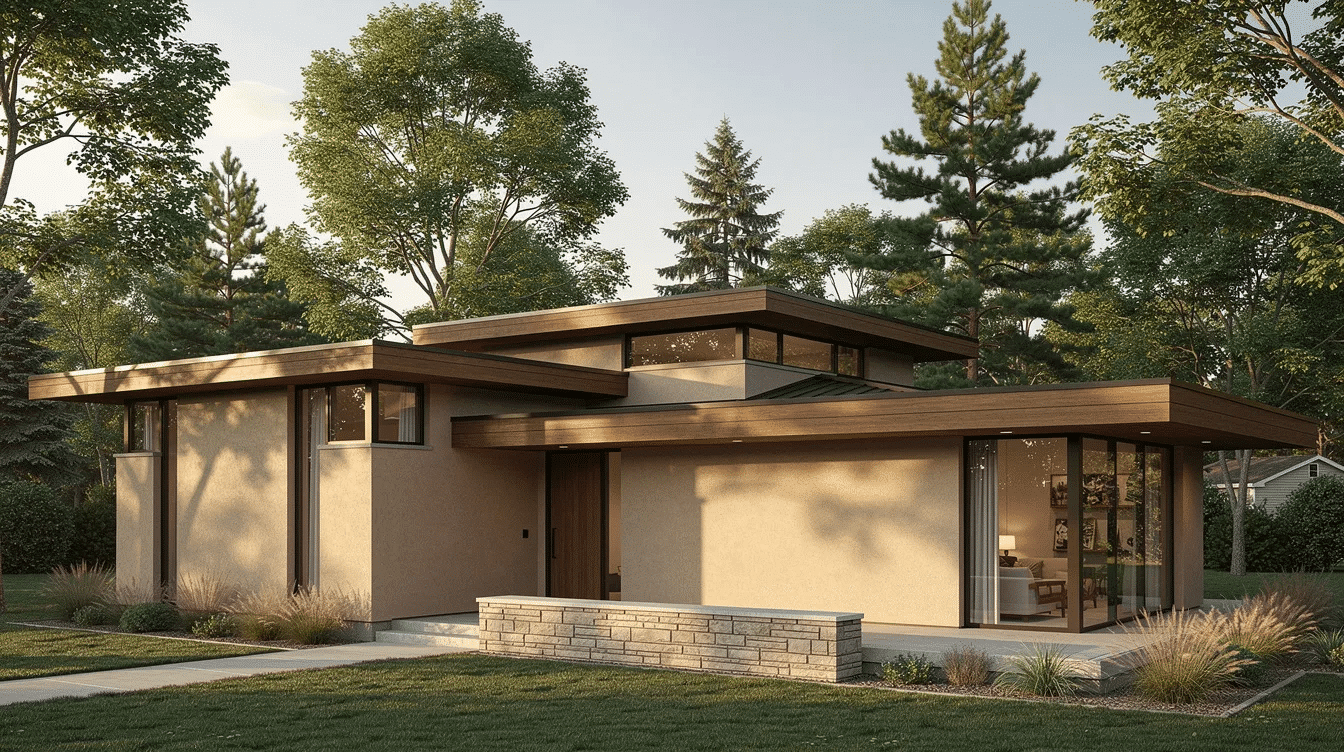
This photo provides a clear example of prairie style house colors and materials, illustrating how these elements work together to create the signature look.
- Introduction to Prairie Style Home
- Key Principles of Prairie Style Color Palettes
- Classic Prairie Style Exterior Color Combinations
- Interior Prairie Style Color Schemes
- Choosing Paint Colors for Historic vs. Modern Prairie Homes
- Coordinating Colors with Materials and Architectural Details
- Landscaping and Outdoor Spaces
- Regional Variations and Historical Significance
- Practical Tips for Testing and Applying Prairie Style Colors
- Maintenance and Upkeep
- Additional Resources and Inspiration
Introduction to Prairie Style Home
The Prairie Style home stands as a hallmark of American architectural innovation, defined by its harmonious relationship with the landscape and its use of natural materials. Originating in the Midwest and brought to prominence by Frank Lloyd Wright, this style is instantly recognizable by its strong horizontal lines, low-pitched hipped roofs, and broad overhanging eaves. Large windows and simple lines invite natural light into the home, creating a warm, welcoming space that feels both open and grounded. The use of wood, stone, and brick not only connects the prairie style home to its natural surroundings but also emphasizes the simplicity and functionality at the heart of the style. Rooted in the expansive beauty of the Midwest, prairie style homes are designed to blend seamlessly with the landscape, celebrating the natural elements and materials that define their enduring appeal.
Key Principles of Prairie Style Color Palettes
The prairie style emphasizes low, horizontal forms and complete integration with the building site. Colors should look like they grew out of the Midwest landscape, reinforcing the architecture’s grounded, sheltering essence. Wright intended these homes to “lie low like the prairie” and avoid the fussy verticality of traditional homes from prior eras, a concept central to understanding the prairie style house.
Follow these guiding principles when selecting your palette:
- Favor warm undertones in every color choice to prevent starkness
- Echo existing site materials like local limestone or brick for authenticity
- Keep strong contrast limited to trim and accent elements
- Avoid bright whites; choose creamy buffs or soft grays instead
- Coordinate roof, siding, and window colors as one unified composition
- Use matte or low-sheen finishes to reduce glare and enhance naturalism
- Select 3-5 harmonized hues rather than binary two-color schemes
- Create “horizontal banding” through color gradation
That final principle deserves special focus. Apply darker tones at the base to ground the structure, mid-tones on the main body, and lighter shades on soffits and upper elements. This earth-to-sky layering reinforces the clean lines and low-slung profile that define prairie architecture.
Classic Prairie Style Exterior Color Combinations
Exteriors showcase prairie style colors most prominently, especially on the stucco, wood siding, brick, and stone common in 1905-1925 construction. Here are specific scheme types to inspire your project:
- Autumn Grasslands: Olive-green body on fiber cement siding, umber trim on cedar shingles, rust-red accent on doors, buff limestone base. Evokes tallgrass prairie at harvest.
- River Bluff Stone: Greige taupe stucco walls, deep charcoal window bands in bronze finishes, muted sage green porch roof over local stone veneer. Perfect for homes near Midwest bluffs.
- Burnt Prairie Sunset: Warm gold-tan body on stucco, burnt sienna brick accents, dark bronze trim. Ideal for hipped roofs and cantilevered eaves.
- Soil and Sky: Khaki siding, stone gray bases, deep green door accent. A minimal approach emphasizing simplicity and function that parallels the charm of beautiful ranch homes where style meets functionality.
- Cedar Horizon: Russet-stained wood over taupe stucco with black metal accents. Works beautifully where cedar is the primary exterior material.
- Golden Prairie: Buttery wheat body, walnut trim, copper roof patina. Creates warmth even under overcast Midwest winters.
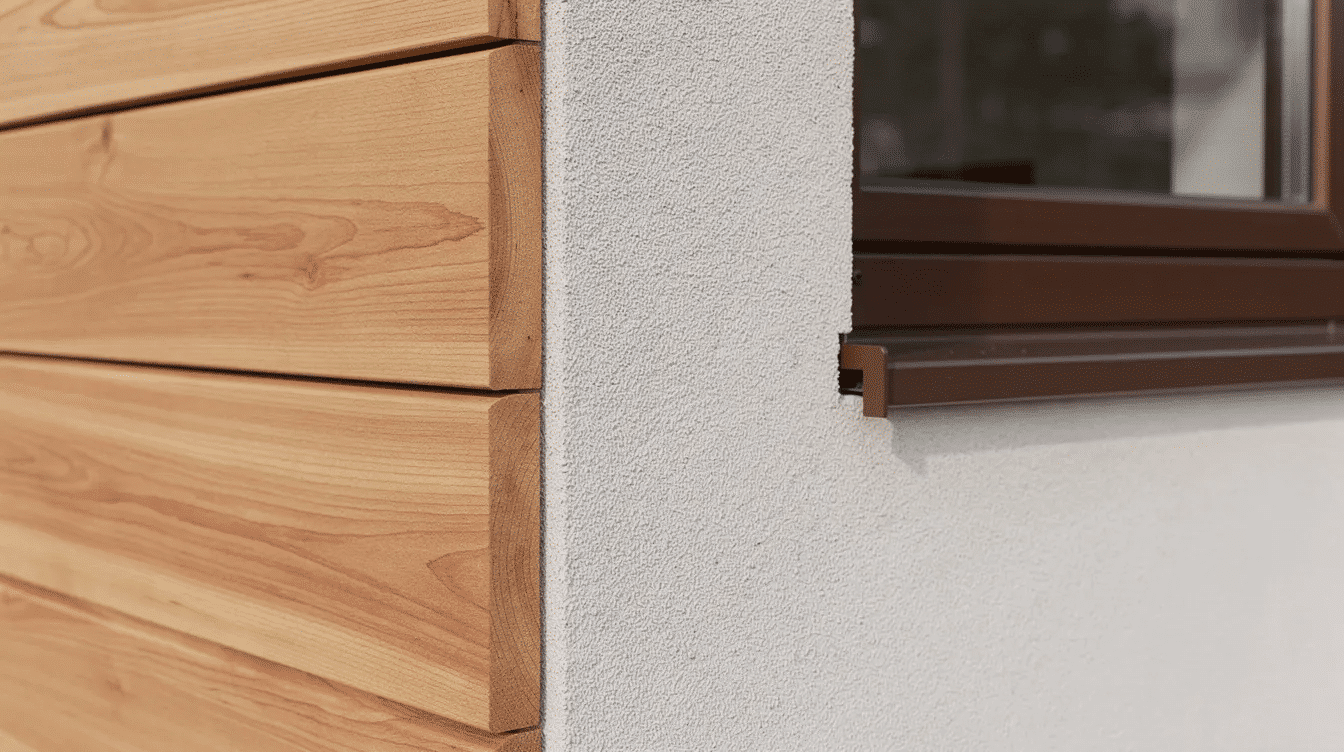
- Modern Prairie Build: For a new stucco-and-cedar prairie house on a wooded lot among 1950s ranch neighbors, try warm gray stucco body, buff/blue-gray natural stone veneer, oil-stained cedar trim, and charcoal windows. This blend bridges contemporary durability with Wright’s organic inspiration.
Interior Prairie Style Color Schemes
Interior colors should feel like a softer extension of the exterior, maintaining continuity with the same warm, natural palette at reduced saturation. This supports the open floor plans, art glass features, and exposed wood trim that characterize prairie interiors while creating space that feels both cozy and connected to nature, even in styles like the bright, airy all white ranch house design that rely on subtle warmth and texture. Each room in a prairie style home benefits from tailored color choices that enhance its specific function and atmosphere, whether it’s the inviting warmth of a family room or the calm retreat of a master bathroom.
Consider these interior schemes:
- Warm Wheat & Walnut: Buttery wheat walls in living areas, walnut-stained oak millwork, cream ceilings, rust textiles in reading nooks
- Olive Grove: Muted sage walls against medium oak trim, clay brick fireplace, bronze window frames, linen sheers filtering light
- Copper & Clay: Terracotta accents in entryways, taupe plaster walls, green art glass coordination, quarter-sawn oak throughout
- Stone & Shadow: Warm greige walls, deep charcoal built-in cabinetry, natural light oak floors
- Prairie Dusk: Soft gold walls, umber trim, burgundy accent textiles near the hearth
Keep ceilings and circulation spaces in lighter tones for airiness. Reserve richer shades for dining rooms, fireplaces, and built-in seating nooks to maintain that sheltering feel. Wall colors should complement rather than compete with classic prairie materials like quarter-sawn oak trim, brick fireplaces, and dark bronze window frames. Furniture in prairie style interiors typically features natural materials, built-in elements, and minimalist design, further reinforcing the organic and functional aesthetic of the style.
Choosing Paint Colors for Historic vs. Modern Prairie Homes
Early 20th-century prairie houses (circa 1900-1920) demand different color considerations than contemporary modern prairie interpretations found in suburban Chicago, Minneapolis, and Kansas City. Understanding this contrast helps you honor the beauty of either era.
For historic prairie homes:
- Research original colors through preservationist archives and regional historical societies
- Use warm tans, olives, deep browns, and brick reds at lower saturation
- Choose matte sheens to match faded patinas of surviving original details
- Sample against existing brick or stone before committing
For modern prairie builds:
- Incorporate warmer grays, greige, charcoal, and black accents
- Tie back to nearby trees, soil, and stone so the house doesn’t feel stark
- Allow higher saturation and satin sheens on durable materials like fiber cement
- Consider weathering steel doors or accent panels for contemporary statement details
Example scenarios: Repainting a 1912 stucco prairie foursquare in Illinois calls for umber trim on a buff body, restoring horizontal banding without modern gloss. Updating a 1950s ranch toward a prairie-inspired look means introducing warmer grays and greige with charcoal window accents, while still honoring the charm and history of classic ranch residences. A new stucco-and-cedar home on a wooded Midwest lot pairs clay stucco with stained cedar trim and dark bronze windows, avoiding cool grays that appear harsh against winter snow.
Coordinating Colors with Materials and Architectural Details
Prairie style is inherently material-driven. Brick, natural stone, stucco, wood, concrete, and art glass all influence color selection. Your palette should amplify the horizontal, low-slung profile these natural materials already create.
- Roofing: Low-pitched roofs take deep charcoals or slate-gray to anchor the composition without drawing the eye upward, similar to how dark gray ranch houses with white trim use contrast to ground the facade
- Windows: Dark bronze, black, or deep forest green frames create bold horizontal bands that define the prairie style without overpowering large windows
- Doors: Rust-red, deep green, or warm bronze tones provide accent without excessive contrast; consider stained wood for blend with siding
- Trim and bands: Umber or deep brown on stucco emphasizes horizontal banding; keep consistent across fascia and soffits
- Stone: Buff limestone dictates taupe paint selection; let the stone’s natural range guide adjacent colors
- Stucco: Apply warm greige in matte flat finish; avoid cool undertones that fight organic warmth
- Wood siding: Stain cedar in khaki or olive tones that weather gracefully into russets over time
For hardware—hinges, handles, house numbers, garage details—choose warm metals like antique brass, oil-rubbed bronze, or blackened steel. These support the overall palette without drawing undue attention away from the architecture’s horizontal emphasis.
Landscaping and Outdoor Spaces
Landscaping is an essential element of the prairie style, reinforcing the connection between the home and its natural environment. Prairie style homes often feature gardens filled with native wildflowers, tall grasses, and mature trees, creating a landscape that feels organic and effortless, much like the thoughtful landscaping ideas for a small ranch home that balance structure and softness. The exterior color palette is thoughtfully chosen to complement these natural surroundings, with hues that echo the tones of local stone, wood, and earth. Outdoor features such as patios, walkways, and retaining walls are constructed from natural stone, brick, or wood, further blending the home into its setting. Expansive doors and large windows not only flood the interior with natural light but also create a seamless transition between indoor and outdoor spaces, allowing the beauty of nature to become an integral part of daily life. This thoughtful integration of landscape and architecture is a defining feature of the prairie style, ensuring that every element works together to create a cohesive, harmonious whole.
Regional Variations and Historical Significance
While the prairie style originated in the Midwest, its influence has spread and evolved across different regions, each adding its own unique interpretation. In the Midwest, prairie style homes often showcase a rustic charm, with an emphasis on natural materials and earthy color schemes that reflect the local landscape. In the Chicago suburb, where many iconic examples can be found, the style has adapted to include more modern touches, such as the use of steel and glass, while still maintaining the core principles of simplicity, functionality, and a strong connection to nature. The historical significance of the prairie style lies in its role as a forerunner of modern architecture, paving the way for movements like Mid-Century Modern and Contemporary styles and contrasting sharply with ornate 1800s Victorian house designs. Its focus on clean lines, open spaces, and the honest use of materials continues to inspire architects and homeowners alike, making prairie style a timeless choice that bridges tradition and innovation.
Practical Tips for Testing and Applying Prairie Style Colors
Real-world testing matters critically because prairie colors shift dramatically in full sun, deep shade under overhanging eaves, and changing Midwest seasons. Additionally, what appears warm under showroom lighting may read cool against your home’s existing brick or stone.
Follow these practical steps:
- Create 3×3-foot sample boards using actual materials (stucco patch, cedar scrap, stone chip) painted in candidate colors
- View samples at morning, midday, and late-afternoon light across multiple days
- Test colors directly adjacent to existing stone, brick, or landscaping
- Choose matte flat sheens for stucco bodies to minimize glare; satin or eggshell for trim durability
- Use semi-gloss on doors for weather resistance
- Plan interior-exterior transitions at entryways where both palettes meet
- Photograph samples in different weather conditions—overcast winters and bright summer sun affect perception dramatically
For Midwest-specific conditions, remember that snow reflects cool light, demanding warmer base tones to maintain balance. Intense summer sun fades lighter colors fastest. Select slightly darker tones on high-traffic or weather-exposed areas for easier maintenance. Re-evaluate stain colors on cedar siding every 3-5 years as the wood naturally weathers, just as you would when maintaining an all white ranch house for lasting elegance.
Approach your color selection as part of honoring prairie architecture’s profound connection to land and light. This isn’t merely a cosmetic choice—it’s how you complete the vision Wright and his contemporaries established over a century ago, creating homes that truly belong to their landscape.
Maintenance and Upkeep
Caring for a prairie style home means preserving the natural beauty and integrity of its materials and surroundings. Regular maintenance tasks include cleaning and sealing natural stone and wood surfaces to protect them from the elements, as well as inspecting roofs and gutters—especially those with broad overhanging eaves—for any signs of wear. Pruning and maintaining landscaping features, such as native grasses and wildflowers, help keep the outdoor spaces looking vibrant and cohesive with the home’s exterior color palette. Choosing high-quality, durable materials and embracing simple, functional design elements can reduce long-term maintenance needs. Additionally, integrating sustainable practices—like rainwater harvesting, energy-efficient lighting, and eco-friendly landscaping—can enhance the environmental performance of the prairie style home, ensuring its beauty and functionality for years to come.
Additional Resources and Inspiration
If you’re inspired to create or renovate a prairie style home, a wealth of resources is available to guide your journey. Books and magazines dedicated to architecture and design offer in-depth explorations of prairie style principles, while online platforms provide a steady stream of fresh ideas and practical advice. Touring historic prairie style homes, especially those designed by Frank Lloyd Wright, can offer invaluable insight into the style’s unique features and enduring appeal. Online communities and forums focused on prairie style architecture connect enthusiasts and professionals, making it easy to share experiences, ask questions, and find inspiration. For those seeking expert guidance, consulting with architects, designers, or contractors experienced in prairie style construction ensures that your project will honor the style’s legacy while meeting modern needs. Whether you’re restoring a classic home or building new, these resources can help you bring the timeless beauty of prairie style architecture to life.