

Key Takeaways
- Ranch home garage additions typically cost $20,000-$60,000 for attached garages and $25,000-$80,000 for detached garages, with potential ROI of 65-80%
- Attached garages are more cost-effective and convenient, while detached garages offer more design flexibility and placement options
- Ranch homes are ideal for garage additions due to their single-story design, simple rooflines, and expandable floor plans. Ranch-style homes were originally designed with expansion in mind, making them particularly suitable for such projects.
- Proper planning includes evaluating existing space, obtaining permits, and ensuring architectural harmony with your ranch style home
- Professional contractors experienced in ranch home construction ensure structural integrity and code compliance throughout the project
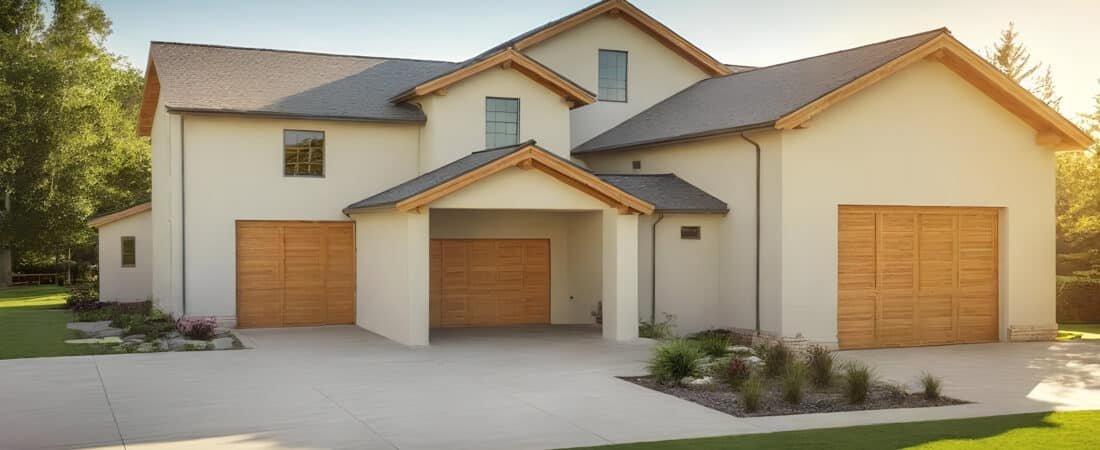
Adding a garage addition to your ranch home represents one of the most practical and value-adding improvements you can make to your property. Ranch style homes, with their characteristic single-story design and open floor plan, provide an ideal foundation for garage expansions that enhance both functionality and curb appeal. Design considerations for adding a garage to a ranch-style home include matching materials, rooflines, and windows to the existing structure, ensuring a cohesive and visually appealing result. Whether you’re seeking secure parking, additional storage, or even more living space through a bonus room above the garage, a well-planned garage addition can transform your property value and daily life.
The beauty of ranch homes lies in their adaptable architecture and generous lot sizes, making them particularly well-suited for garage additions compared to other home styles. From attached garages that provide convenient indoor outdoor living connections to detached structures that serve multiple purposes, the options are extensive and customizable to your specific needs and budget. A detached garage offers more flexibility in placement and design compared to an attached garage, allowing homeowners to optimize both functionality and aesthetics.
This comprehensive guide explores everything you need to know about ranch home garage additions, from understanding costs and design considerations to navigating the construction process and maximizing your investment return. The ROI for a garage addition typically ranges from 60% to 81%, making it a financially sound improvement for many homeowners.
Why Ranch Homes Are Perfect for Garage Additions
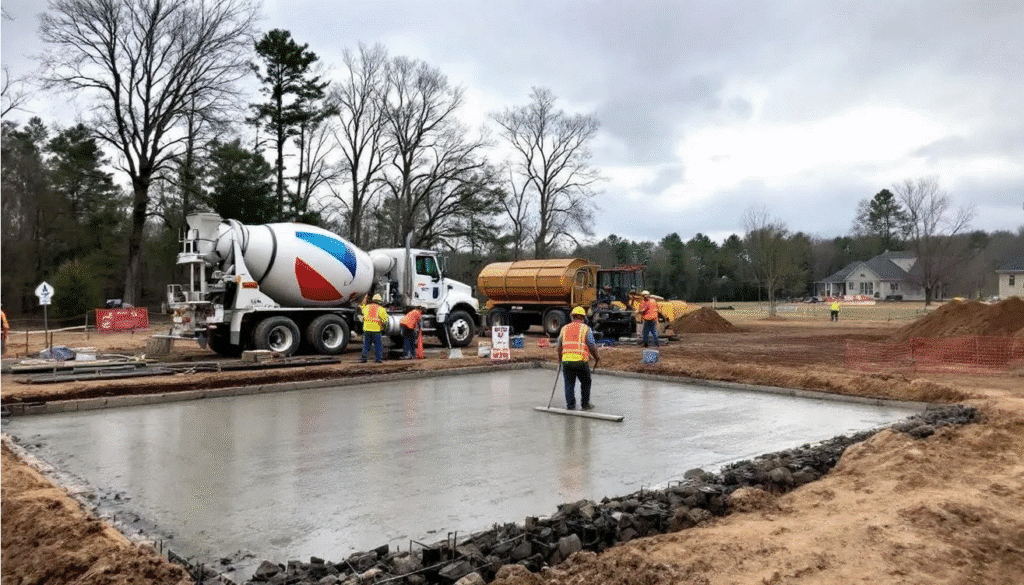
Ranch style homes possess unique architectural characteristics that make them exceptionally well-suited for garage additions. The single-story design eliminates the structural complexity associated with multi-level homes, allowing for more straightforward construction processes and reduced engineering requirements. A concrete slab foundation is commonly required for a garage addition and must meet building codes to ensure structural integrity and safety.
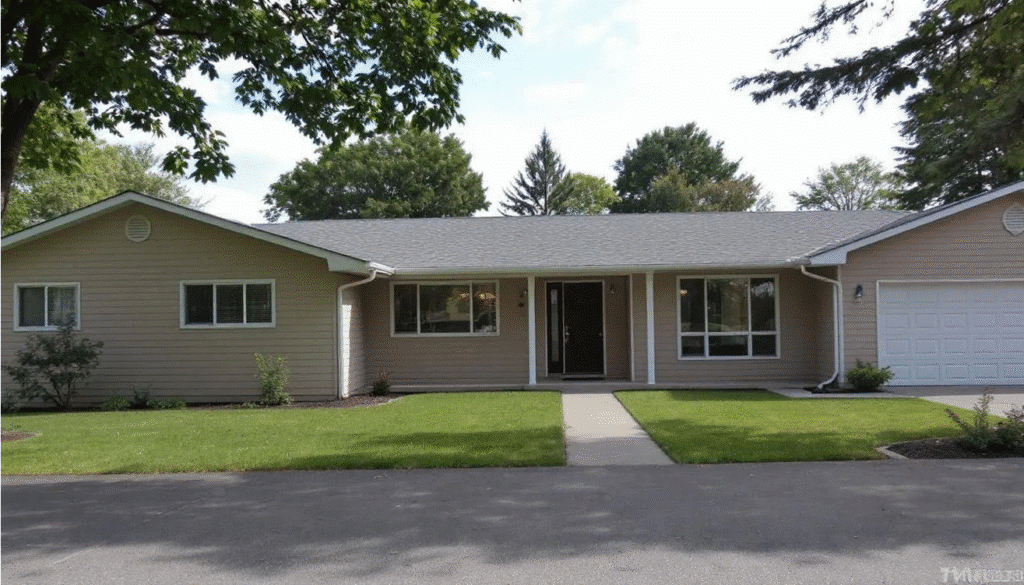
The simple rooflines typical of ranch homes make it significantly easier to integrate new garage structures seamlessly with the existing architecture. Whether you’re adding a hip roof garage to match your ranch house or extending a gable end, the horizontal emphasis and uncomplicated roof geometry simplify the design and construction process while maintaining aesthetic appeal.
Ranch homes typically feature open floor plan layouts that can accommodate various garage placement options without disrupting the home’s functionality. The existing space configuration often allows for strategic placement of garage entrances that enhance traffic flow between the garage and main living areas, creating practical transitions through mudrooms or family room connections.
Most ranch style homes sit on generous lots that provide adequate space for both attached and detached garage options. This land availability gives homeowners flexibility in choosing the garage type that best serves their needs, whether that’s maximizing convenience with an attached structure or optimizing workshop space with a detached building.
The existing foundation systems in ranch homes often support additional structures with minimal reinforcement needs. The single-story load distribution and typically robust foundation work well for garage additions, though a structural engineer should always evaluate specific conditions to ensure proper structural integrity.
Types of Ranch Home Garage Additions
Attached Garage Options
Attached garages represent the most popular choice for ranch home additions due to their convenience and cost effectiveness. These structures share at least one wall with the existing home, providing direct access that proves invaluable during inclement weather and daily routines.
Side-entry garages offer an excellent solution for maintaining your ranch home’s front facade appeal while adding essential parking space. By positioning the garage door on the side of the structure rather than facing the street, you preserve the home’s curb appeal while gaining the functional benefits of attached parking. This configuration works particularly well on corner lots or homes with generous side yard space.
Front-loading garages require careful architectural integration to avoid overwhelming the ranch style aesthetic. When designed properly with matching materials and proportional sizing, these additions can enhance rather than detract from your property’s visual appeal. The key lies in ensuring the garage doesn’t dominate the home’s footprint or compromise the horizontal lines that define ranch architecture.
Breezeway connections provide an attractive middle ground between attached and detached garages. These covered walkways create additional storage opportunities while maintaining some separation between living and parking areas. The breezeway can serve multiple purposes, housing outdoor equipment, creating a natural mudroom space, or providing a covered area for outdoor entertaining.
Multi-car configurations offer flexibility for families with multiple vehicles or significant storage needs. Two-car attached garages provide standard family parking, while three-car options accommodate larger families or those requiring workshop space alongside vehicle storage. Oversized configurations can include additional square footage for storage, workbenches, or seasonal equipment.
Detached Garage Solutions
Detached garages offer superior design flexibility and can be positioned strategically across your ranch home lot to optimize both function and aesthetics. These standalone structures allow for creative placement that maximizes existing space usage while preserving landscaping or outdoor living areas.
Workshop combinations represent an increasingly popular option for homeowners seeking both secure parking and dedicated project space. These structures can include specialized electrical service, built-in storage systems, and even basic plumbing for utility sinks. The separation from the main house makes them ideal for noisy projects or activities requiring ventilation.
Guest house above garage options provide valuable space for rental income or family use. These two-story additions can include a separate entrance, basic kitchen facilities, and full bathroom amenities. For ranch homes in areas with housing shortages, these accessory dwelling units can provide significant rental income while maintaining property value.
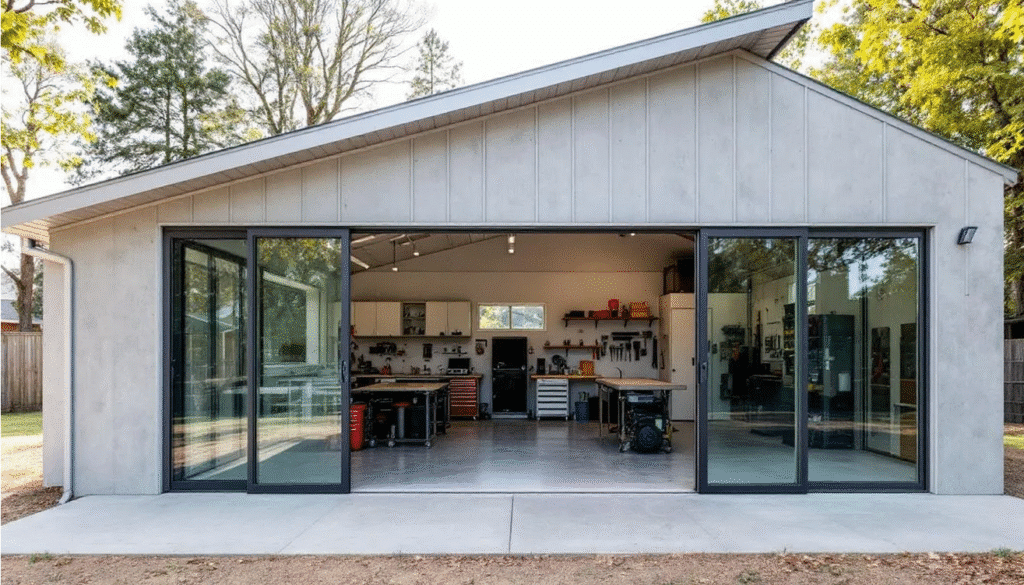
Storage-focused designs cater to homeowners with extensive outdoor equipment, seasonal items, or collection storage needs. These garages can incorporate overhead storage systems, wall-mounted organization, and climate control features to protect valuable items while keeping them easily accessible.
Specialty Garage Additions
RV garages address the growing need for recreational vehicle storage among ranch home owners. These structures require significant height clearance, often 12-14 feet, and may need specialized electrical service for RV maintenance. The door systems must accommodate oversized vehicles while maintaining weather sealing.
Multi-level garages maximize storage capacity in compact spaces by utilizing vertical design. These can include mezzanine storage areas, overhead parking systems, or dedicated workshop spaces on upper levels while maintaining ground-floor vehicle access.
Climate-controlled garages serve homeowners with classic cars, sensitive equipment, or collections requiring temperature and humidity control. These additions include upgraded insulation, HVAC systems, and sometimes specialized flooring to protect valuable contents.
Garage conversions transform existing carports or underutilized storage areas into functional parking spaces. This cost effective approach can provide many garage benefits while working within existing structural frameworks, though electrical and weather sealing upgrades are typically required.
Cost Analysis and Investment Returns
Attached Garage Addition Costs
Understanding the financial investment required for your ranch home garage addition is crucial for proper project planning. Attached garage costs typically range from $20,000-$60,000, with variations depending on size, materials, and finish levels.
Single-car attached garage costs average $15,000-$25,000 including materials and labor for basic construction. This price point includes standard concrete foundation, basic electrical service, insulation, and exterior finishing that matches the existing ranch style home. Additional features like upgraded doors, windows, or interior finishing can increase costs by $3,000-$7,000.
| Garage Type | Cost Range | Key Features |
|---|---|---|
| Single-car attached | $15,000-$25,000 | Basic electrical, standard door, concrete foundation |
| Two-car attached | $25,000-$45,000 | Enhanced electrical, upgraded materials, potential storage |
| Three-car attached | $40,000-$60,000 | Premium finishes, workshop space, advanced electrical |
Two-car attached garage costs range from $25,000-$45,000 with standard features including enhanced electrical service for multiple openers, upgraded insulation for energy efficiency, and potential storage solutions. These additions often include mudroom connections that greatly enhance the home’s functionality and indoor outdoor living flow.
Three-car attached garage costs typically reach $40,000-$60,000 with premium finishes and enhanced features. These larger additions may include workshop areas, extensive storage systems, and upgraded electrical service capable of supporting 220V equipment. The additional square footage also allows for more luxurious bathroom connections or utility room integration.
Cost savings from utilizing existing house wall and foundation connections can reduce project expenses by 15-25% compared to detached alternatives. The shared wall eliminates one exterior wall’s construction while foundation work can often tie into existing structures, reducing excavation and concrete costs.
Detached Garage Investment Considerations
Detached garage costs range from $25,000-$80,000 depending on size, features, and site conditions. The higher cost reflects the need for complete foundation systems, independent electrical service, and weather protection on all four walls.
Foundation and site preparation costs can add $3,000-$8,000 to detached garage projects, depending on soil conditions and drainage requirements. Rocky soil, poor drainage, or sloped lots can increase these costs significantly, making site evaluation crucial during planning phases.
Electrical trenching and connection costs for power supply to detached structures typically add $1,500-$4,000 to project budgets. The distance from the main electrical panel, depth requirements, and local code compliance all influence these costs. Adding 220V service for welders or other high-power equipment increases electrical expenses.
Premium features like heating, plumbing, and workshop areas can increase costs by 25-40% while providing significant functionality improvements. Climate control systems protect vehicles and equipment while making the space usable year-round. Basic plumbing for utility sinks adds convenience for maintenance and cleaning tasks.
Long-term maintenance considerations for independent structures include roof, siding, and foundation care that’s separate from the main house. While this increases ongoing costs, it also provides flexibility for upgrades and modifications without affecting the primary residence.
Return on Investment Expectations
Garage additions typically return 65-80% of investment at resale, making them among the most valuable home improvements for ranch homes. This return varies based on local market conditions, construction quality, and architectural integration with the existing property.
Market analysis shows garage additions can increase home value by $15,000-$30,000, depending on the local real estate market and the addition’s scope. Attached garages generally provide higher value increases than detached structures due to their convenience and integration with the main house.
Regional variations in ROI reflect climate differences and local housing markets. Northern climates show higher garage value due to weather protection needs, while areas with expensive real estate see larger absolute value increases even with similar percentage returns.
Factors that maximize investment returns include quality construction, architectural harmony with the ranch style, and functional design that serves modern lifestyle needs. Professional construction using experienced professionals ensures code compliance and long-term durability that protects your investment.
Design Considerations for Ranch Style Integration
Architectural Harmony
Achieving seamless integration between your garage addition and existing ranch home requires careful attention to architectural details and proportional relationships. Matching roofline styles represents the most critical element in maintaining visual continuity across your property.
Hip roof configurations work exceptionally well with ranch homes featuring similar roof structures, creating natural transitions that appear original to the home’s design. Gable roof additions can complement ranch houses with mixed rooflines while shed roof designs offer modern interpretations that maintain the horizontal emphasis characteristic of ranch architecture.
Coordinating exterior materials like siding, brick, or stone with existing ranch home finishes ensures your addition appears as an intentional part of the original design rather than an obvious addition. This attention to detail significantly impacts your home’s curb appeal and property value, making material matching a crucial investment.
Window placement and sizing should maintain the ranch home’s characteristic horizontal emphasis while providing functional light and ventilation for the garage space. Proper proportional relationships between window sizes and wall areas help integrate the addition visually with the existing structure.
Door and trim details offer opportunities to tie the addition into the main house through consistent hardware finishes, trim profiles, and architectural details. These elements, while small individually, collectively create the cohesive appearance that distinguishes professional additions from obvious afterthoughts.
Functional Layout Planning
Effective traffic flow optimization between garage and main living areas enhances daily convenience while maintaining the ranch home’s open floor plan advantages. Strategic placement of interior connections can create natural mudroom spaces that improve organization and cleanliness throughout the home.
Storage solutions including built-in cabinets, overhead racks, and wall systems maximize the garage’s utility beyond simple vehicle parking. Well-planned storage keeps tools, seasonal items, and outdoor equipment organized while preserving valuable space in the main house.
Workshop areas require proper ventilation and electrical service for tools while maintaining separation from vehicle parking areas. Dedicated workshop zones can include dust collection systems, specialized lighting, and sound dampening to support hobby activities without disrupting household routines.
Mudroom integration creates seamless transitions from garage to home interior, providing space for coat storage, shoe organization, and package handling. These transitional spaces greatly enhance the home’s functionality while maintaining the clean lines important to ranch style aesthetics.
Multi-purpose space design accommodates seasonal storage and recreational equipment while maintaining flexibility for changing needs over time. Thoughtful planning allows garage spaces to adapt to evolving family requirements without requiring major modifications.
Site Planning and Placement
Evaluating existing driveway access and potential modifications helps determine the most practical garage placement options. Attached garages may require driveway extensions or reconfiguration, while detached structures offer more placement flexibility but may need new access routes.
Setback requirements and zoning compliance vary by municipality but typically require garages to maintain specific distances from property lines, existing structures, and utilities. Understanding these regulations early prevents costly design changes during the permitting process.
Drainage considerations and grading prevent water issues that could compromise both the garage structure and surrounding landscaping. Proper site preparation ensures water flows away from the foundation while maintaining attractive yard areas around the addition.
Utility line locations including gas, water, electrical, and telecommunications can conflict with proposed garage placement. Professional survey work identifies these constraints early, allowing design modifications that avoid expensive utility relocations.
Privacy and neighbor considerations become particularly important for detached garages or additions with windows facing adjacent properties. Thoughtful placement and landscaping can maintain good neighbor relationships while achieving your functional goals.
Construction Process and Timeline
Pre-Construction Phase
The permit application process typically requires 4-8 weeks for approval, depending on local government workload and project complexity. Early permit application prevents construction delays while allowing time for any required design modifications.
Architectural plans and engineering requirements vary based on garage type and local building codes. Attached garages often require structural analysis to ensure proper connection with the existing ranch home foundation and framing systems. A qualified structural engineer should evaluate foundation capacity and design appropriate connections.
Site survey and soil analysis determine foundation requirements and identify any soil conditions that might affect construction costs or methods. Poor soil conditions, high water tables, or rock formations can significantly impact project timelines and budgets.
Utility marking and coordination with local service providers prevents accidental damage to existing lines while planning new electrical service routes. This coordination is particularly important for detached garages requiring trenched electrical service.
Material selection and ordering prevent construction delays while ensuring consistent quality throughout the project. Early ordering of specialty items like garage doors, windows, and electrical components helps maintain construction schedules during peak building seasons.
Construction Timeline Expectations
Attached garage construction typically requires 6-10 weeks from start to finish, including foundation work, framing, roofing, and exterior finishing. This timeline assumes normal weather conditions and standard complexity without unusual site challenges.
Detached garage projects often require 8-12 weeks including site preparation, foundation work, and complete structure construction. The additional time reflects the need for independent foundation systems and utility connections.
Weather delays and seasonal considerations can significantly affect construction schedules, particularly during winter months or rainy seasons. Spring and summer construction generally proceeds more quickly with fewer weather-related interruptions.
Inspection requirements occur at multiple construction phases, including foundation, framing, electrical rough-in, and final completion. Failed inspections can cause delays while corrections are made, making quality workmanship essential for maintaining schedules.
Final cleanup and landscaping restoration add 1-2 weeks to project completion but are essential for achieving the finished appearance that enhances your ranch home’s overall appeal.
Quality Control Measures
Foundation inspection and approval must occur before proceeding with framing work, ensuring proper structural support for the completed garage. This critical checkpoint prevents costly corrections later in the construction process.
Electrical and plumbing rough-in inspections verify code compliance for all concealed systems before drywall installation. These inspections are particularly important for garages with workshop areas or above-garage living space requiring enhanced electrical service.
Insulation and vapor barrier installation following energy efficiency standards helps control temperature and moisture while reducing utility bills. Proper insulation techniques are essential for attached garages to prevent energy loss from the main house.
Final inspection and certificate of occupancy requirements vary by jurisdiction but typically include verification of all safety systems, electrical compliance, and structural integrity. Successful completion of these inspections allows legal occupancy and use of the garage space.
Punch list completion and warranty coverage address any construction defects or incomplete items before project finalization. Reputable contractors provide warranties covering both materials and workmanship for specified periods after completion.
Real-World Ranch Garage Addition Examples
Successful Attached Garage Projects
A 1960s ranch home in Colorado exemplifies excellent attached garage integration through careful attention to architectural details and proportional relationships. The homeowners added a side-entry two-car garage that maintained the home’s original character while providing essential covered parking and storage.
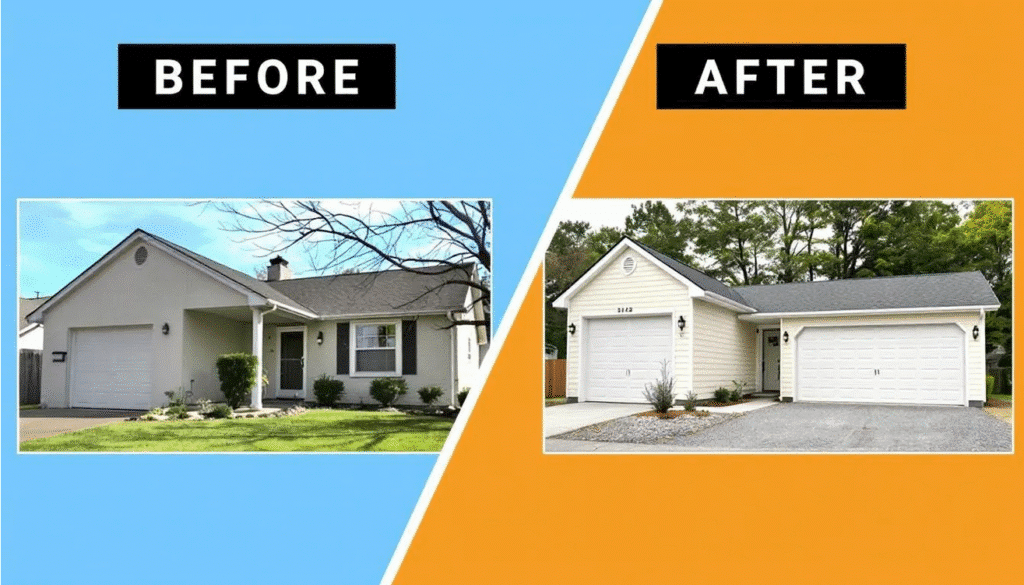
The project design matched the existing home’s hip roof configuration and used identical brick veneer and trim details to create seamless visual integration. Interior connection through a well-designed mudroom enhanced daily convenience while maintaining the ranch home’s open floor plan advantages.
Cost breakdown for this project totaled $35,000 including foundation work, framing, electrical service, and exterior finishing. Professional assessment indicated the addition increased property value by approximately $25,000, representing a strong return on investment for the homeowners.
Architectural details that maintained the ranch home’s original character included matching window proportions, consistent eave heights, and coordinated exterior color schemes. These elements prevented the addition from appearing obviously new while enhancing the overall home’s curb appeal.
Homeowner testimonials emphasized improved daily convenience and storage capacity, particularly during Colorado’s winter weather conditions. The secure parking and direct indoor access transformed their daily routines while providing valuable space for outdoor equipment and seasonal storage.
Detached Garage Success Stories
A Texas ranch home project demonstrates the potential of workshop-garage combinations for homeowners with specific hobby interests and extensive storage needs. The detached structure provided 720 square feet of space combining two-car parking with a fully equipped woodworking workshop.
Design features included 12-foot ceilings accommodating overhead storage and dust collection systems, polished concrete floors for easy maintenance, and 220V electrical service supporting professional-grade woodworking equipment. The structure’s independence allowed for projects that would be inappropriate near the main house.
The $55,000 total investment included enhanced electrical service, climate control systems, and specialized ventilation for workshop activities. The detached location allowed for noise-generating activities without disturbing household routines while providing secure storage for valuable tools and equipment.
Property value impact surveys indicated the workshop-garage combination appealed strongly to potential buyers with similar interests, effectively expanding the home’s market appeal. The professional construction quality and thoughtful design enhanced rather than detracted from the property’s overall presentation.
Lessons learned from this project emphasized the importance of careful planning for electrical service requirements and the value of professional consultation for specialized workshop features. The homeowners recommended investing in quality electrical systems and ventilation from the beginning rather than upgrading later.
Creative Garage Addition Solutions
A California ranch home showcased innovative multi-generational housing solutions through a guest suite above detached garage configuration. This approach addressed family housing needs while maintaining privacy and independence for all residents.
The breezeway connection created attractive covered outdoor living space that expanded the home’s functional areas while maintaining architectural harmony with the existing ranch style. Landscaping integration helped blend the addition into the existing property layout.
Multi-generational housing potential addressed adult children returning home and aging parents requiring nearby but independent living space. The separate entrance and utilities provided privacy while maintaining family connections and support systems.
Rental income potential offset construction investment costs while providing flexibility for changing family needs over time. Local zoning compliance for accessory dwelling units required careful research but opened opportunities for additional property income.
Zoning compliance and permit considerations proved more complex for accessory dwelling units but resulted in increased property value and functionality. Professional consultation helped navigate regulatory requirements while achieving the family’s housing goals.
Frequently Asked Questions
Do I need a permit for adding a garage to my ranch home?
Yes, most municipalities require building permits for garage additions, with requirements varying by location and project scope. Building permits ensure your addition complies with local codes for structural integrity, electrical safety, and fire separation between garage and living areas. Contact your local building department early in the planning process to understand specific requirements, as permit approval typically takes 4-8 weeks and may require architectural drawings or engineering analysis.
How close can I build a garage to my property line?
Setback requirements typically range from 5-10 feet for detached garages and 0-5 feet for attached garages, but specific requirements vary by local zoning codes and homeowners association rules. Corner lots may have different requirements than interior lots, and some areas require additional setbacks from utility easements or septic systems. Always verify current zoning requirements with your local planning department before finalizing garage placement to avoid costly design changes.
Can I add a garage to a ranch home on a slab foundation?
Yes, ranch homes on slab foundations can accommodate garage additions, though proper engineering analysis is recommended to ensure adequate support and proper connection details. Attached garages may require foundation extensions that tie into the existing slab, while detached garages typically need independent foundation systems. A structural engineer can evaluate soil conditions, existing foundation capacity, and design appropriate connections to ensure structural integrity throughout the completed project.
What utilities need to be run to a detached garage?
Most detached garages require electrical service for lighting, outlets, and garage door openers, with costs typically ranging from $1,500-$4,000 depending on distance from the main panel. Optional additions include plumbing for utility sinks or floor drains, natural gas lines for heating systems or equipment, and telecommunications wiring for internet or security systems. Underground utility installation requires trenching and proper depth compliance with local codes to prevent damage from normal yard activities.
How long does a ranch garage addition take to complete?
Attached garages typically take 6-10 weeks while detached garages require 8-12 weeks, with timelines affected by permit approval, weather conditions, and project complexity. The construction process includes foundation work (1-2 weeks), framing and roofing (2-3 weeks), electrical and insulation (1-2 weeks), and exterior finishing (2-3 weeks). Additional time may be required for specialty features like above-garage living space, workshop electrical systems, or complex architectural integration with your existing ranch style home.
