
Key Takeways
- Set boundaries with fences, locked doors, and simple safety rules before toddlers can wander.
- Keep young children away from animals, water, chemicals, electric fencing, grain bins, and farm machinery.
- To childproof a ranch-style home, focus on securing windows and blocking exits.
- A well stocked first-aid kit is essential for every family, especially where help may take longer to arrive.
Introduction: Why Ranch Home Safety for Toddlers Matters
Ranch home safety tips for toddlers start with one truth: a ranch house combines normal home safety concerns with farm safety risks. Toddlers face stairs, furniture, electric outlets, hot water, and cleaning products indoors, plus livestock, ATVs, fuel tanks, stock tanks, and long driveways outside.
U.S. farm injury data shows children under 5 are over-represented in agricultural injury reports, and vehicles such as tractors, ATVs, and UTVs are frequent hazards. Toddlers, usually age 1–3, are mobile, curious, and too young to judge what is dangerous.
This guide is for parents on ranches, hobby farms, and rural properties in North America in 2024–2026. We’ll cover indoor safety, outdoor zones, animals, machinery, water, chemicals, and emergency planning.
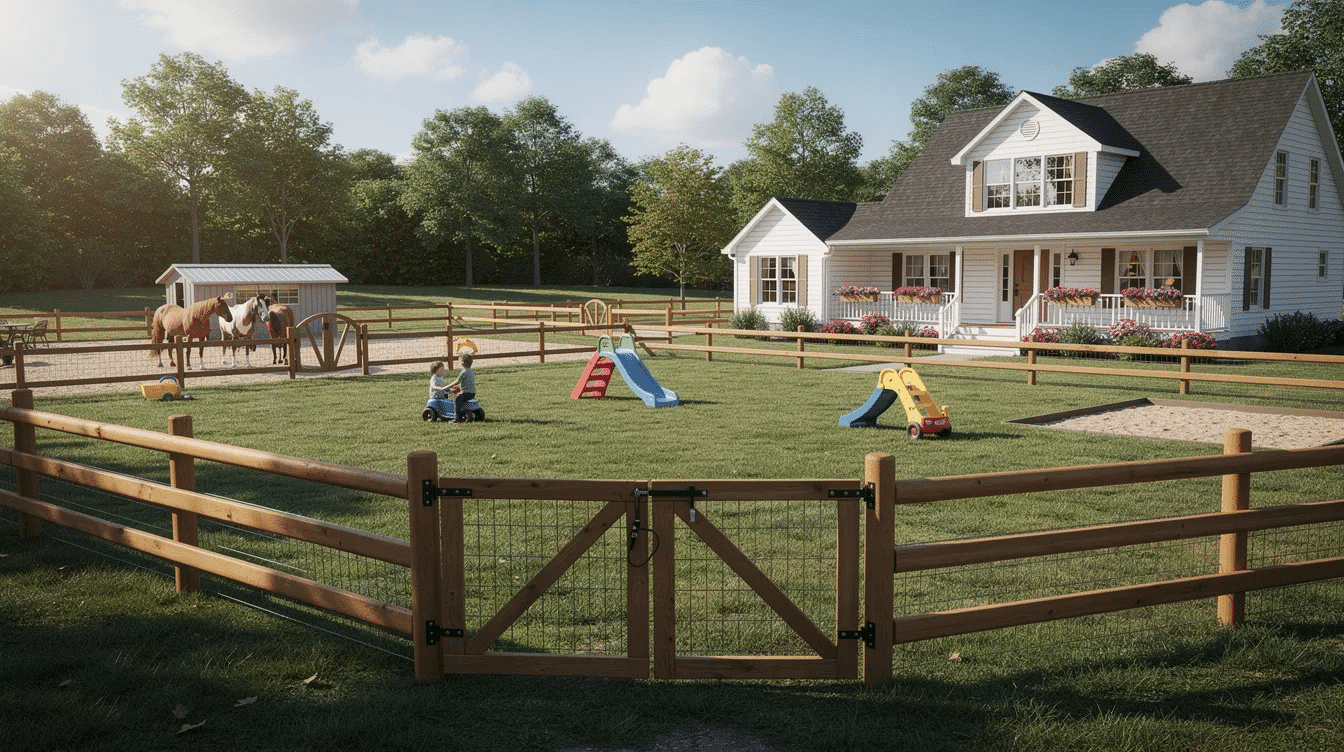
Set Boundaries: Creating Safe Zones in and Around Your Ranch Home
To set boundaries, use both physical barriers and clear rules. Create one primary safe place where kids play: close to the house, in sight of adults, and away from barns, corrals, shops, and driveways.
Use a 4-foot non-climb fence: solid wood, vinyl, welded wire, or no-climb horse fence. Install self-closing gates with latches toddlers cannot reach. Patio doors should have locks out of a toddler’s reach, and exterior doors to the garage, mudroom, and yard should have alarms or high locks.
Use “green light / red light” zones. Green: fenced yard, deck, one supervised room. Red: cattle pens, grain bins, machinery shed, fuel tanks, ponds, and electric fencing. Teach kids short phrases like “stop,” “stay,” and “no touch.”
Indoor Home Safety: Making the Ranch House Itself Toddler-Friendly
Ranch-style homes offer a single-story layout that eliminates stairs, but toddlers have full access to every room in a ranch-style home. Rooms in a ranch home are close to ground level, and open floor plans create unique safety challenges for toddlers.
Get down on the floor to spot hidden dangers at a toddler’s eye level. Cover all unused electrical outlets with sliding outlet covers. Use baby gates for split-level areas, basements, or any stairs. Secure heavy furniture using heavy-duty furniture safety straps; heavy furniture in long rooms must be bolted to wall studs.
Ranch homes often have multiple floor-to-ceiling windows. Low sills in single-story homes often have low-set windows, and open windows pose fall risks. Window screens do not stop falls; toddlers can easily push through flexible mesh screens. Use heavy-duty window guards to limit openings to less than four inches. Sliding glass doors should have colorful decals at toddler eye level, and design choices in beautiful ranch homes where style meets functionality can still incorporate strong child-safety features.
Keep button batteries out of reach of small children. Lead-based paint was used in homes until 1978, so test older windows, trim, and doors. Store medications in child-resistant containers with original labels. Store marijuana products in a locked container out of reach.
In the kitchen, lock knives, turn handles inward, and secure cleaning products. Use a non skid mat in the bathtub and test hot water before bathing. Avoid baby walkers near decks, stairs, or tile floors. Keep hot dogs, grapes, coins, and toys with small parts away from babies because of choking risk as you adapt the best features of a classic ranch style house for safe everyday family living.
For sleep, place infants on their back in a crib with a firm mattress; avoid bumper pads, loose blankets, and pillows. Sleep-related deaths are a leading cause of infant fatalities. Install a carbon monoxide detector in every sleeping area, especially near propane heaters, wood stoves, or attached garages.
Outdoor Safety Around the Ranch House: Yards, Driveways, and Outbuildings
Many serious ranch injuries happen between the house and working areas. Keep the “home safe” yard fenced off from the driveway, shop, corrals, and equipment, especially if you’ve designed ranch homes that redefine comfort and style for family living with doors that open directly to outdoor spaces.
Toddlers should never play on or near rural driveways. Every family member who drives should walk around trucks, trailers, and UTVs before moving. Older children and teens also need the same rule.
Keep garages, workshops, well houses, and pump sheds locked. Store the key or code out of reach. During weekly walkthroughs, pull out nails, barbed wire scraps, baling twine, broken glass, chemicals, and small parts that could harm children, paying special attention to how average ranch house dimensions and layouts can create hidden catch-points and storage areas.
Animals and Livestock: Keeping Toddlers Safe Around Ranch Animals
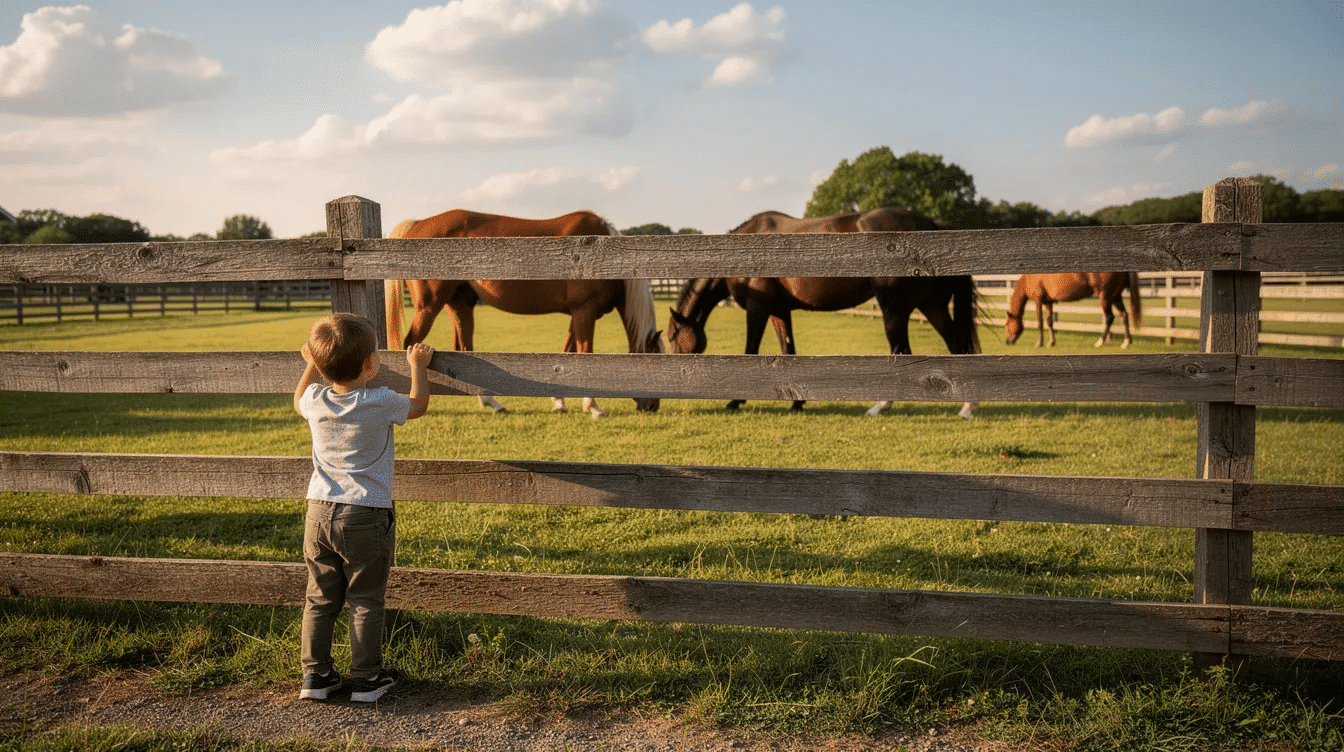
Animals can look calm but still kick, shove, bite, or bolt. Supervise young children around livestock at all times. Toddlers should never be inside pens, corrals, or pastures with large animals, even gentle horses, cattle, goats, or bottle calves, especially on a farm ranch house property designed for easy outdoor access.
Repair broken boards and wire where a child could slip through. Secure gates with chains or latches. Around pets, small animals, cats, and ranch dogs, supervise closely; herding and guardian dogs may react strongly when working.
Talk in simple rules: “We look, we don’t touch,” “No hands through fences,” and “Stay by mom or dad.”
Farm Machinery and Vehicles: Strict Rules for Tractors, ATVs, and Trucks
Farm machinery is not a play area. Teach kids to stay back from operating farm machinery. Tractors, skid steers, side-by-sides, ATVs, pickups, and trailers have blind spots and crush zones.
Use a firm no extra riders rule. Toddlers should never ride on laps, fenders, tailgates, four-wheelers, or side-by-sides, even for short trips.
Park equipment away from the play yard. Lower buckets, remove keys, lock cabs, and store keys high inside the ranch home. No equipment should start while toddlers are outdoors nearby.
Water and Drowning Risks on Ranch Properties
Ranches often have stock tanks, ponds, irrigation ditches, creeks, troughs, hot tubs, pools, buckets, and rain barrels. Babies can drown in just 1 to 2 inches of water, so use arms-length supervision near any water.
Fence pools with a 4-foot barrier and self-latching gate. Cover or fence stock tanks near the house. Empty buckets and kiddie pools after use. Set the water heater near 120°F to reduce scalds.
Chemicals, Tools, and Other Ranch-Specific Hazards
Store chemicals out of reach and locked if possible. Store chemicals out of reach and locked away. That includes diesel, gasoline, oils, fertilizers, herbicides, pesticides, rodent bait, and cleaning products.
Veterinary medicine, syringes, dewormers, and antibiotics belong in high, locked cabinets. Hang shovels, pitchforks, posthole diggers, and chains on racks. Keep knives and fencing tools in locked boxes.
Discuss safety hazards like grain bins and electric fencing. Generators, fuel tanks, chargers, and cords can be harmful and should be separated by fences or locked doors, even if your property has cozy cottage ranch style home features that blur the line between house and working areas.
Emergency Preparedness and Teaching Toddlers Simple Safety Rules
Rural response times can be longer, so create a disaster plan for fire, storms, injury, and power outages. Teach kids to follow the family’s emergency plan during disasters. Kids should memorize important phone numbers for emergencies as they grow, especially in larger ranch style houses with lofts and flexible spaces where family members may be spread out.
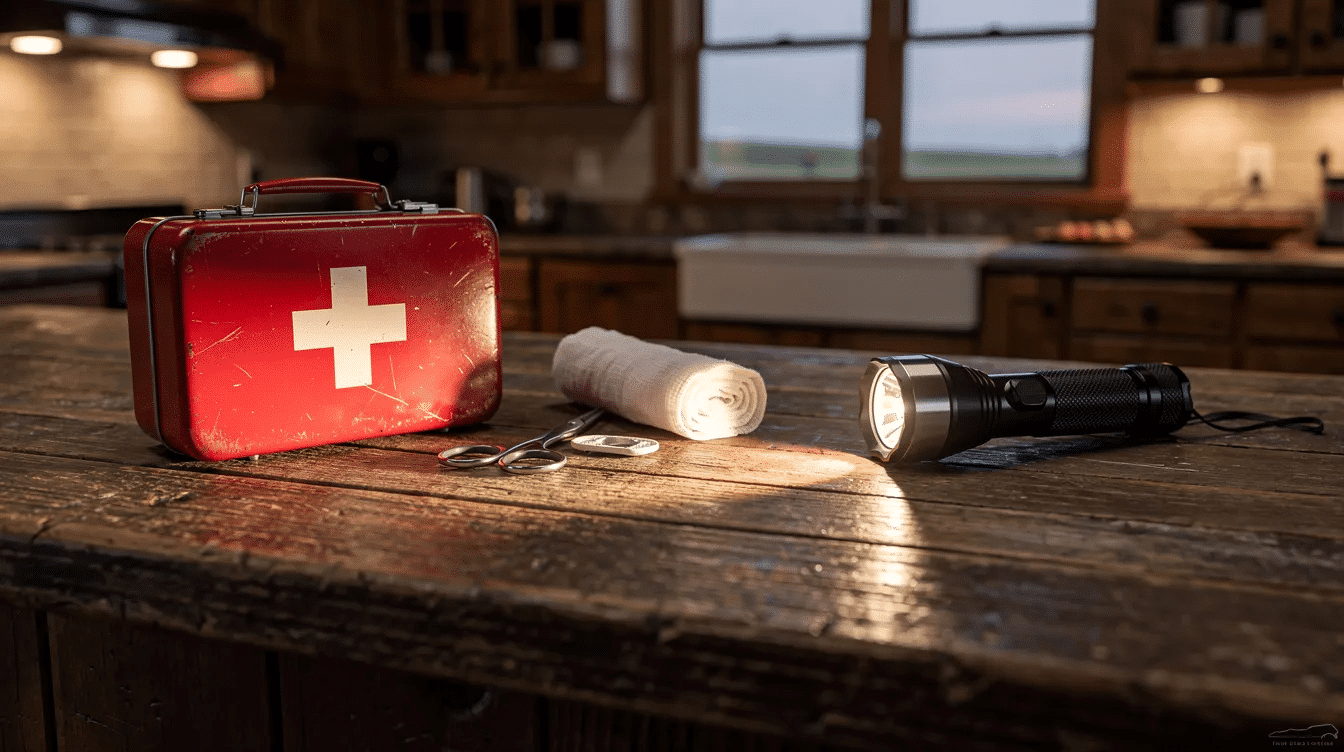
Keep first aid supplies in the house and truck. Include bandages, antiseptic, tweezers, burn dressings, gloves, and splinting supplies. Refresh expired products in your disaster supply kit each year. Save the Poison Control Hotline number: 800-222-1222.
Take CPR and first-aid training. Practice short drills: where to meet, when to come inside, and how to respond to a whistle or bell.
FAQ: Common Questions About Ranch Home Safety for Toddlers
What type of fence is best for a toddler play area on a ranch?
A minimum 4-foot, non-climbable fence is best. Choose solid wood, vinyl, or tight-mesh wire with self-closing gates and latches toddlers cannot reach.
When is it safe for toddlers to be near farm machinery?
Toddlers should never be in the work zone when machinery is running or moving. Keep them indoors or in a fenced yard until tractors, skid steers, ATVs, and trucks are parked and secured.
Can my toddler help feed animals on the ranch?
Only in controlled moments. Let a toddler drop feed into a bucket from outside the fence while animals are held back, with adults within arm’s reach.
How do I balance freedom with safety?
Create one or two fenced safe zones for exploration. Keep barns, roads, water, livestock, chemicals, and equipment as non-negotiable red zones.
Do visiting children need different rules?
Yes. Before a visit, explain your safety rules to guests: no barn wandering, no animal touching, no driveway play, no water access, and no leaving the safe yard without an adult.