Choosing the right ranch house exterior vinyl siding colors can transform an aging mid-century home into a modern showpiece. Because ranch homes sit low with long, horizontal façades, siding covers roughly 70-80% of the visible exterior at eye level. This makes color selection far more critical than on a two-story home, where upper levels break up the visual impact.
Ranch houses peaked in popularity between the 1950s and 1970s, and many homeowners today are updating these classic homes with new siding rather than undertaking full structural remodels. The original aluminum or early vinyl siding in dated tans, yellows, and pastels has faded over decades, prompting fresh updates with modern UV-resistant vinyl siding colors.
This article focuses on practical, concrete color ideas for ranch exteriors: whites, grays, blues, earth tones, and bold accents that work well on vinyl. All examples assume modern, fade-resistant vinyl siding available from leading manufacturers as of 2024, featuring technology that reflects infrared heat and resists warping in high-sun areas.
- Introduction to Vinyl Siding
- Why Color Choice Matters More on a Ranch House
- Timeless Vinyl Siding Color Families for Ranch Homes
- Coordinating Ranch House Elements with Vinyl Siding Color
- Popular Ranch House Vinyl Siding Color Ideas by Style
- Paint Options for Vinyl Siding on Ranch Homes
- Practical Tips for Choosing Ranch House Vinyl Siding Colors
- Examples of Ranch Vinyl Siding Color Combinations
- Final Thoughts on Ranch House Vinyl Siding Colors
Introduction to Vinyl Siding
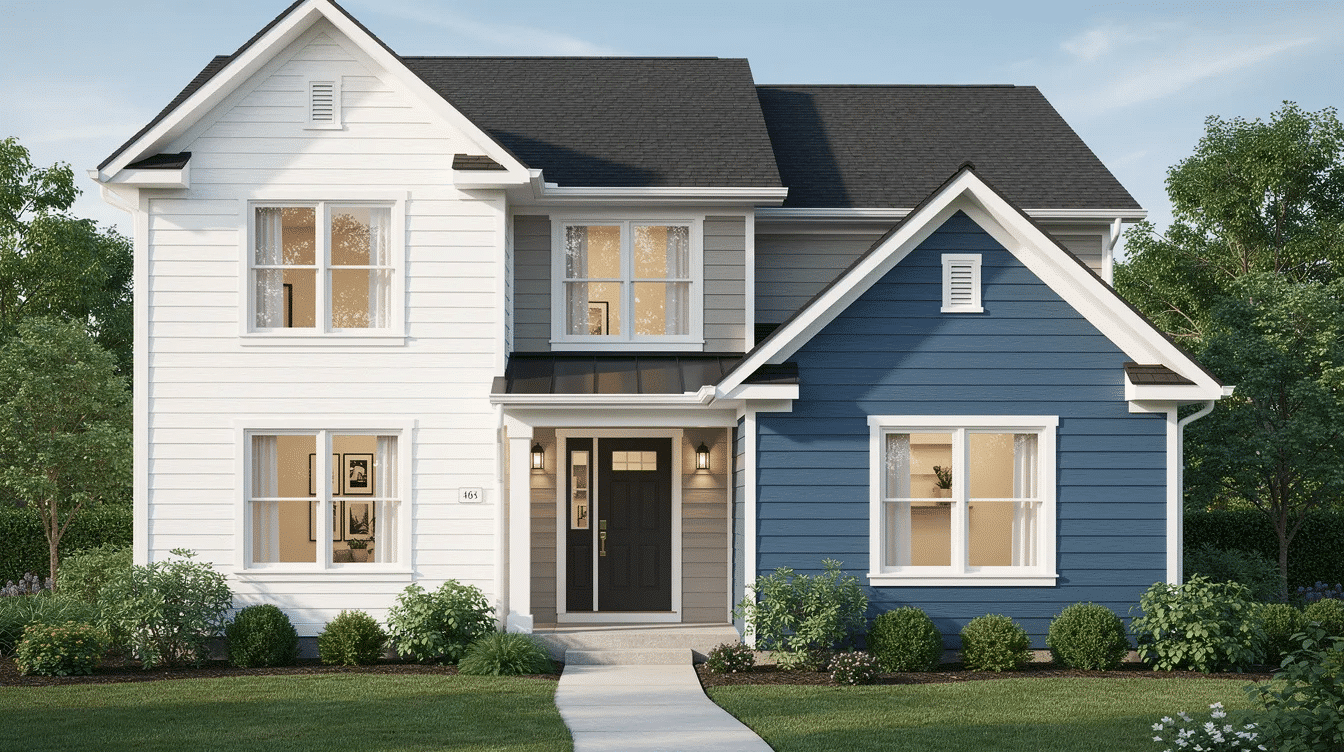
Vinyl siding has become a favorite among homeowners looking for a durable, low maintenance solution that doesn’t sacrifice style. Thanks to advances in manufacturing, today’s vinyl siding comes in a wide array of colors and finishes, making it easy to find the perfect match for your home’s exterior. Whether you’re drawn to the timeless appeal of white siding, the modern elegance of neutral gray, or the bold statement of coastal blue, there’s a vinyl siding color to suit every taste and architectural style.
Choosing the right vinyl siding color is about more than just personal preference—it’s a key factor in boosting your home’s curb appeal and even its resale value. Many homeowners opt for classic shades like gray or white because they complement a variety of styles, from traditional ranch homes to more contemporary designs. These versatile colors also blend seamlessly with the surrounding landscape, ensuring your home looks harmonious in its setting.
With vinyl siding, you can achieve a classic look or experiment with trending hues, all while enjoying the benefits of a low maintenance exterior. The right siding color can highlight your home’s architectural style, enhance its best features, and create a welcoming first impression for visitors and potential buyers alike.
Why Color Choice Matters More on a Ranch House
Ranch architecture features single-story layouts with long horizontal lines, low-pitched roofs, expansive eaves, and large picture windows. These homes spread wide rather than tall, often spanning 40 to 80 feet across. The simple rooflines and extended façades create a canvas where your siding color dominates the entire street view. Choosing siding colors that complement your home’s architectural style can enhance curb appeal and create a cohesive look.
Because ranch homes sit low, the siding color covers more visible area at eye level than on a two-story home, making color mistakes immediately obvious. Selecting siding colors in harmony with your home’s architecture and features can maximize aesthetic appeal and long-term satisfaction. Lighter shades can make a ranch appear taller and wider, while dark colors can visually compress height by up to 20%. The right vinyl siding color interacts with typical ranch materials like brick, stone veneer, and wood accents—plus features like attached garages and long porches.
Consider a 1968 brick-and-vinyl ranch in Ohio updated with warm greige siding and black shutters. The new color harmonized with the existing orange-red brick by sharing terracotta undertones, creating a cohesive home’s exterior that looked intentionally designed rather than patchwork.
Vinyl siding is available in a wide range of colors and styles, allowing homeowners to match their personal taste and architectural style.
Timeless Vinyl Siding Color Families for Ranch Homes
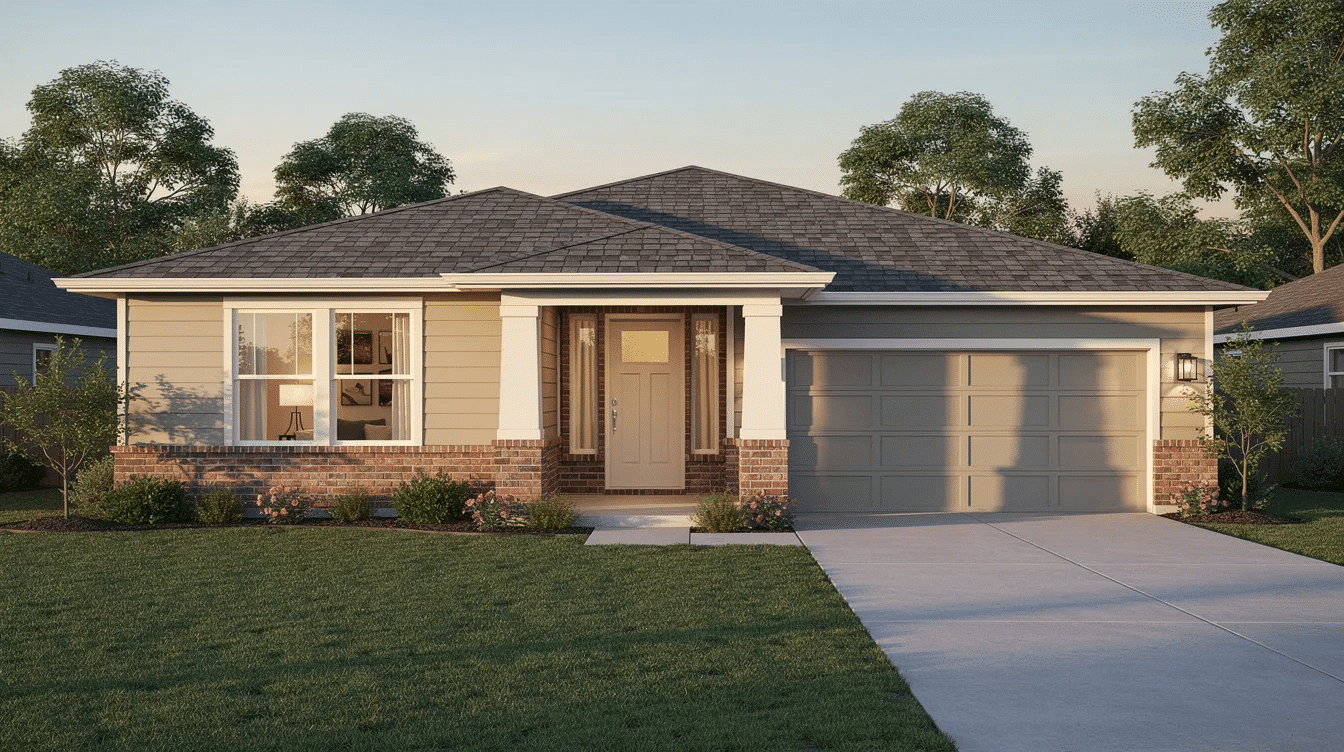
Timeless color families prevent a ranch home from looking like a “dated 1980s remodel” and instead deliver lasting curb appeal. These families draw from 60 years of enduring popularity on ranch exteriors, with whites, grays, beiges, blues, greens, and earth tones comprising 85% of sales according to 2024 contractor reports, reflecting the enduring appeal of classic ranch style house features.
The following subsections break down each vinyl siding color family with concrete ranch-specific pairings and trim ideas you can apply to your own home’s architecture.
Classic Whites and Off-Whites
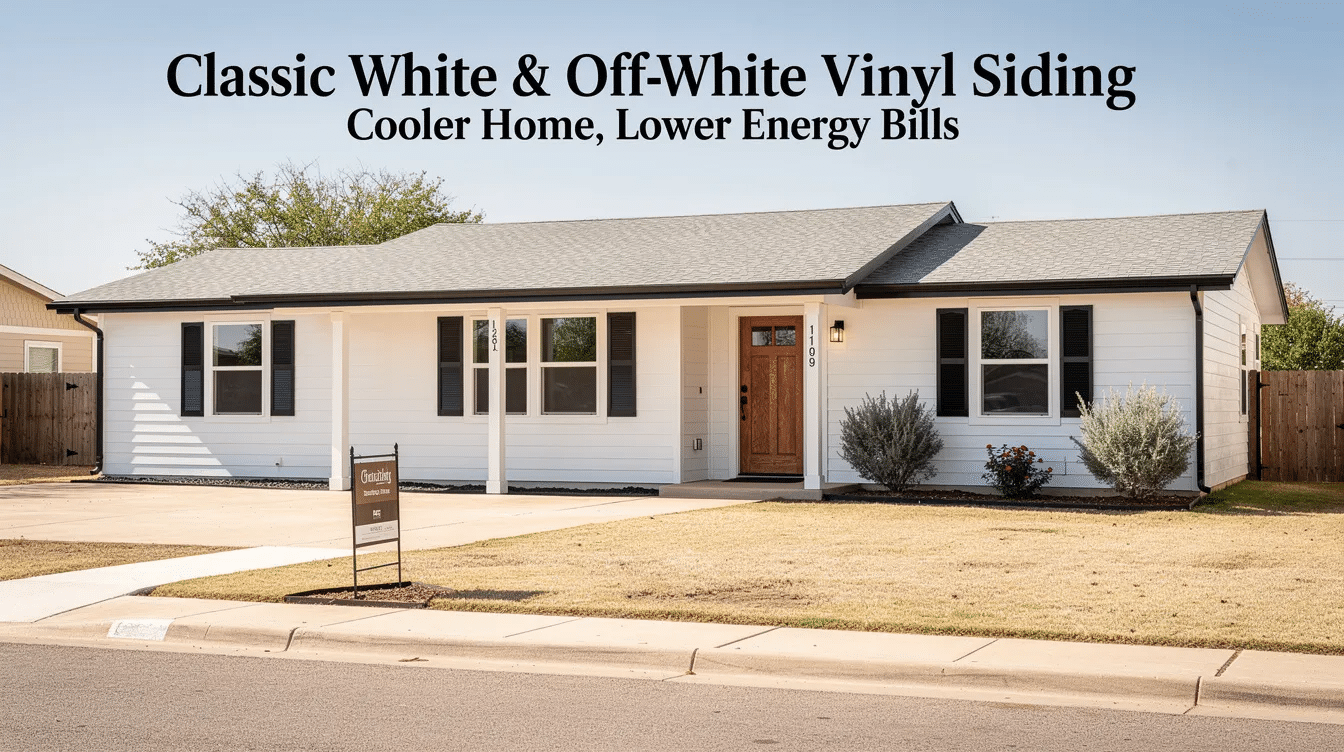
White siding on ranch houses creates a clean, airy look that lifts low-profile homes that might otherwise appear squat. Rather than pure bright white, many homeowners choose slightly warm options like linen white or alabaster tones (LRV 85-92) that feel softer and show dirt less.
All-white ranch exteriors work best with sharp contrast from black shutters, black gutters, and natural wood doors for warmth. Picture a 1974 suburban ranch with old tan aluminum reskinned in off white vinyl with black fascia and a stained oak front door—the result is a classic look that feels thoroughly modern.
White and off-white vinyl is also practical in hot states like Arizona or Texas, reflecting up to 80% of solar radiation and reducing cooling costs by 10-15% annually.
Modern Grays and “Greige” for Ranch Exteriors
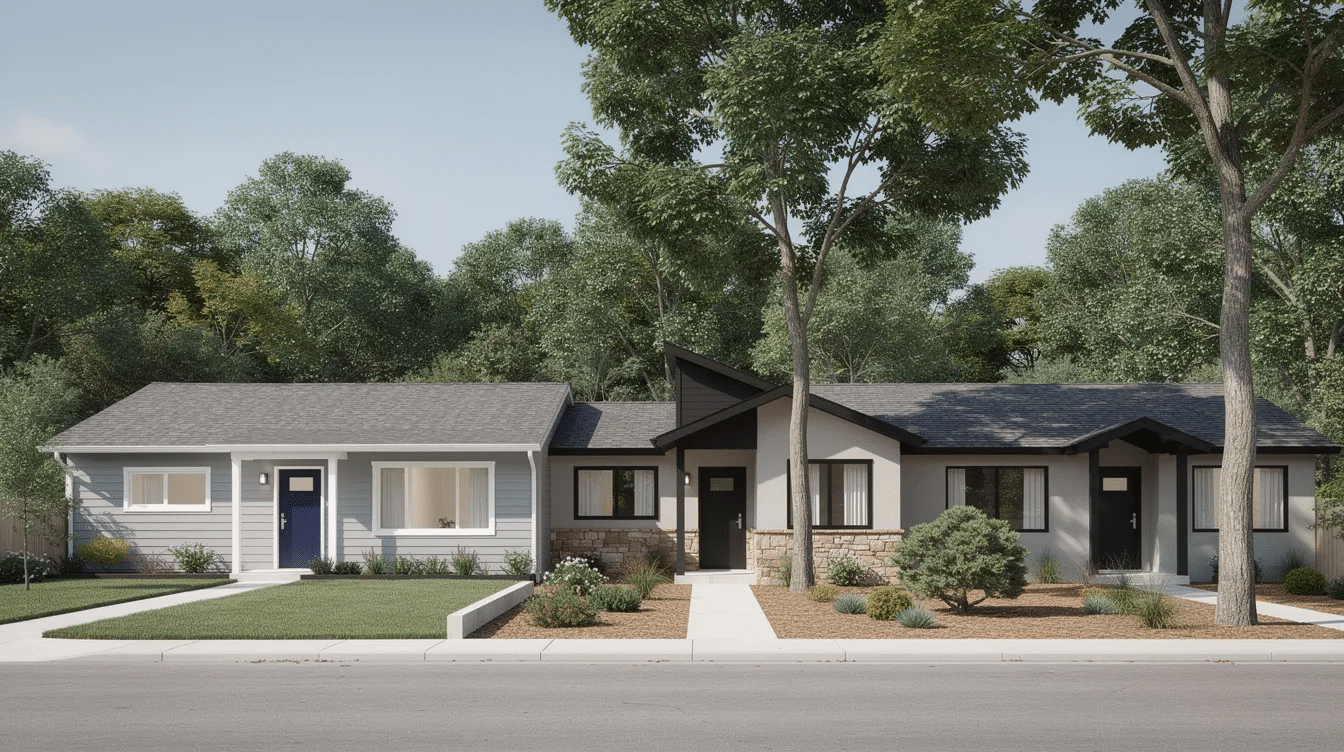
Gray and greige have become go-to ranch siding colors since about 2010, updating mid-century homes without appearing trendy. Light gray siding (LRV 70-80) suits coastal ranch style homes, while mid-tone greige (LRV 60-70) balances wooded lots. Deep charcoal (LRV 10-20) adds moody drama but can visually shorten an already long ranch.
Concrete pairings that work:
- Light gray vinyl siding with white trim and a navy front door for a 1965 ranch
- Medium greige with stone veneer for a 1970 ranch on a wooded lot
- Neutral gray siding with black accents on pre-1990 homes with weathered asphalt roofs
Use charcoal strategically on gables or entry volumes rather than entire façades to avoid compressing the horizontal lines ranch architecture is known for.
Warm Beiges, Tans, and Taupes
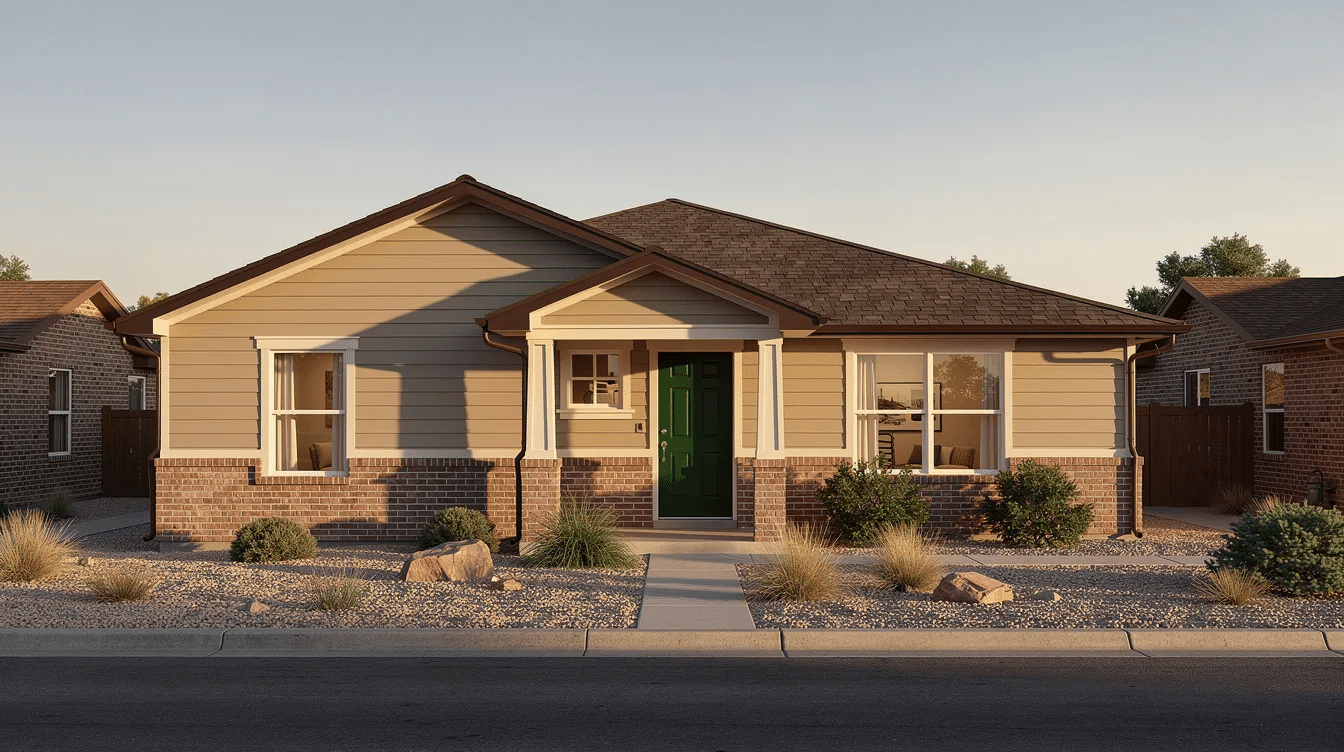
Beige, tan, and taupe suit traditional ranch neighborhoods built in the 1960s-1980s, especially where many homes still use brick and brown roofs. These colors hide dust and pollen well—useful for ranch homes in drier regions like Colorado or New Mexico.
A concrete palette: taupe vinyl siding with cream trim, dark bronze gutters, and a deep green door on a 1972 ranch with existing red-brown brick. The shade references the brick’s undertones while feeling updated compared with yellowed original siding.
Warm neutrals appeal to a wide range of buyers, making them ideal for owners planning to sell within 5-10 years. Colors like savannah wicker or soft tan create timeless colors that won’t date quickly.
Blues that Flatter Ranch Architecture
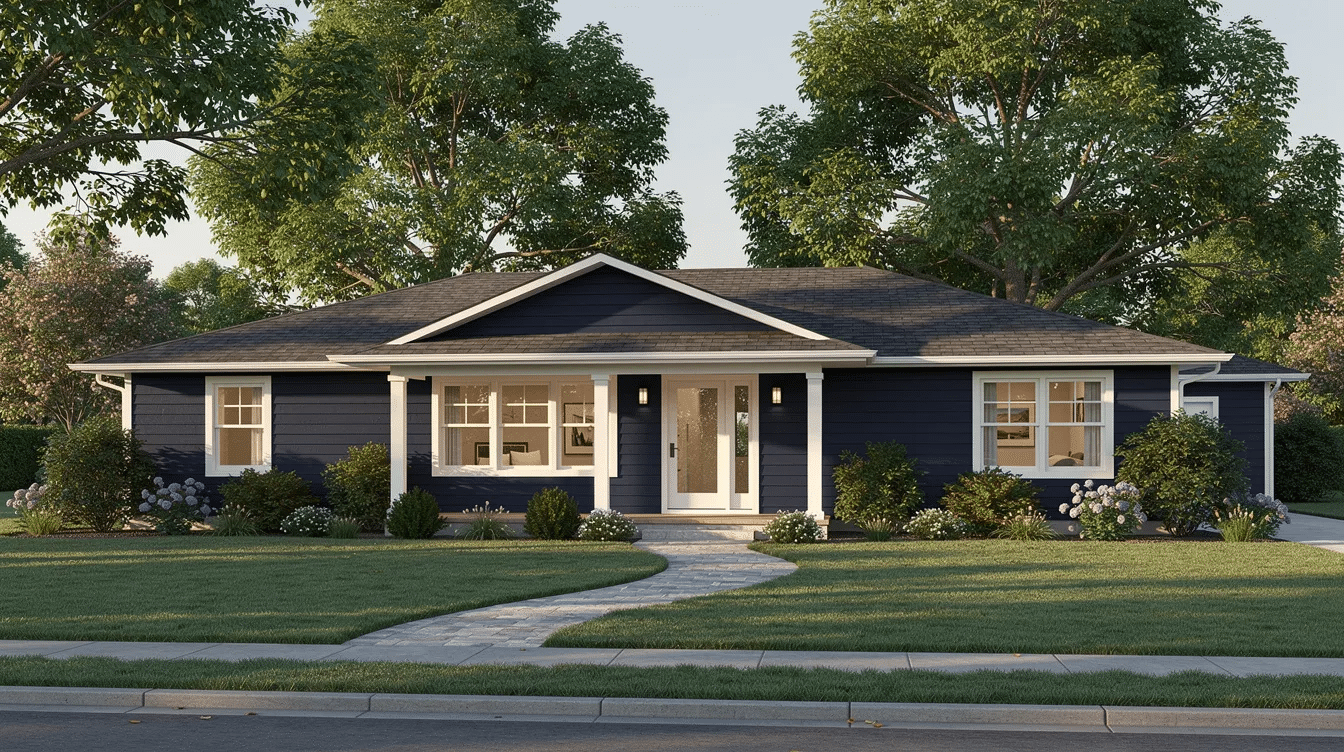
Navy, denim, and coastal blue stand out on ranch homes aiming for a modern or coastal feel without overpowering the low profile. Deeper blues look especially sharp on simple mid-century ranches with minimal ornamentation and large windows.
Example: a 1962 mid-century ranch in North Carolina updated with deep navy vinyl siding, bright white trim, and a natural cedar front door. The result draws inspiration from classic New England coastal architecture while respecting the home’s architectural style and offers a look similar to many blue ranch house exterior makeovers.
Lighter sky and powder light blues work for cottage-style ranches with shutters and window boxes. Blue siding almost always benefits from crisp white or soft cream trim to create proper contrast.
Greens: From Sage to Deep Forest
Sage green vinyl suits ranch homes on wooded or rural lots, common in Midwest and Pacific Northwest subdivisions from the 1970s. Olive and deep forest green give ranch houses with brick or stone a lodge or farmhouse vibe without major structural changes.
Example: a 1969 ranch with original orange brick gets sage green vinyl on the gables, white fascia, and a black metal roof. The green blends the home into the surrounding landscape, letting it recede slightly into mature trees.
Green tones should be tested carefully against existing features like roof and brick colors. Certain colors in the green family clash with strongly red brick, so sample testing is essential.
Earthy Browns and Rustic Reds
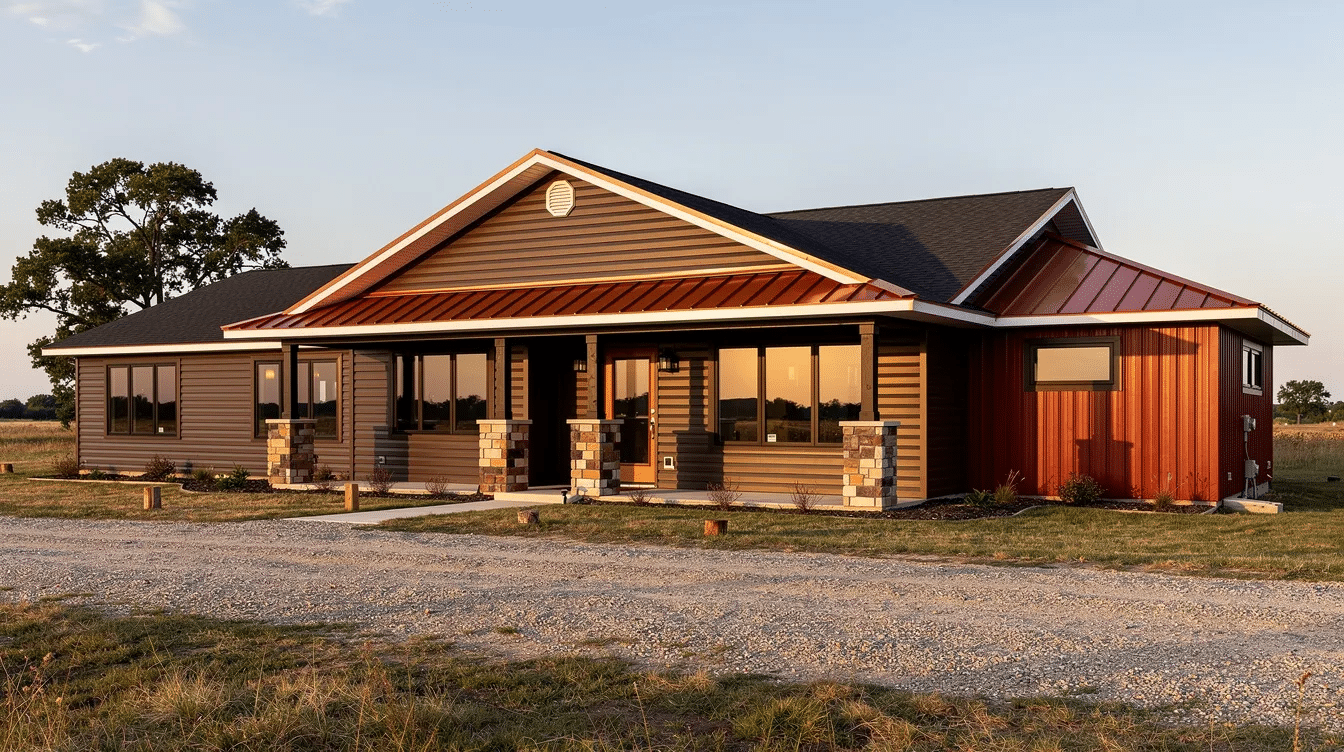
Rich brown and barn-inspired red vinyl colors fit ranch houses in rural areas, echoing cabin or farm aesthetics. Medium chocolate brown siding makes a sprawling ranch feel grounded and cozy, especially with warm white trim and stone columns.
Example: a 1980 ranch on a large lot updated with warm sable brown vinyl, black-framed windows, and a copper-colored metal awning. Muted rusty reds and autumn red tones offer better long-term appeal than bright “fire engine” red color options, retaining 80% color after 20 years versus 60% for brighter tones, especially when paired with concepts similar to a black ranch house modern exterior.
These earthy tones and darker browns absorb more heat (70-80% versus 20-30% for lights), so pair them with modern fade-resistant vinyl and plan sun exposure carefully.
Coordinating Ranch House Elements with Vinyl Siding Color
Color decisions should consider the entire ranch exterior: roof, brick, stone, shutters, trim, doors, and garage. Many ranch homes already have one dominant material—like red brick from the 1960s—that the new siding must harmonize with.
Think in terms of palettes, not single colors, due to the long, uninterrupted runs of siding on ranch façades. A 70/20/10 ratio (main color/trim/accent) typically works well for these horizontal homes.
Working with Existing Roof Colors
Common roof colors on older ranch homes include weathered brown, black, charcoal, and occasionally faded red or green asphalt shingles. Matching siding to roof creates cohesion:
Roof Color | Best Siding Tones | Avoid |
|---|---|---|
Black/Charcoal | White, light gray, navy | Nothing clashes severely |
Brown/Tan | Beige, taupe, sage, olive | Cool blues |
Weathered Gray | Cool grays, blue-grays | Warm oranges |
A 1975 ranch with a brown shingle roof looks cohesive with taupe vinyl siding and cream trim, while bright blue might clash. Budget remodels realistically keep the existing roof 70% of the time, so choose siding accordingly. |
Maintain at least a 2-3 shade difference between roof and siding so a low ranch doesn’t appear like a single, flat color block.
Blending Vinyl Siding with Brick and Stone
Common ranch configurations include brick on the lower half or chimney with vinyl on upper gables, or full brick front with vinyl sides and back. Reading brick undertones helps you choose the right siding color:
- Orange-red brick: Warm beige or greige siding
- Pink-tan brick: Soft taupe or warm gray
- Cool gray stone: Charcoal or soft gray vinyl
Use vinyl in a slightly lighter or darker value than the brick or stone so the house gains depth. Leaving brick unpainted while changing only the vinyl can dramatically update a 1960s ranch while preserving character and natural materials.
Trim, Shutters, and Accent Doors on Ranch Homes
Because ranch windows sit at eye level, trim and shutter colors are highly visible and should be planned alongside the main siding color. Classic combinations include:
- White trim with colored siding
- Black shutters with white or pale siding
- Wood-look doors with almost any exterior color
Specific ranch palettes that work:
- Soft gray siding + white trim + black shutters
- Cream siding + dark green shutters + red door
- Navy siding + white trim + natural wood door
Garage doors are major surfaces on ranch exteriors. Match them to either the siding color or trim for a cleaner look. Limit accent colors to 1-2 spots (front door, maybe shutters) to avoid visual interest becoming visual chaos on long façades.
Popular Ranch House Vinyl Siding Color Ideas by Style
“Ranch” now includes several substyles: original mid-century, traditional suburban, farmhouse-inspired, and contemporary modern homes. Each benefits from different color approaches that honor the original architecture while providing updates.
Mid-Century Modern Ranch (1950s–1960s)
Features include low pitch roofs, wide eaves, large windows, minimal ornamentation, and sometimes carports. Smooth, saturated colors like deep charcoal, navy, olive, or clean white emphasize the simple geometry.
Example: a 1959 mid-century ranch in California updated with charcoal vinyl siding, warm wood front door, and thin black window frames. Stick to one main siding color plus one trim and one accent. Vertical board-and-batten vinyl on the entry volume can add architectural details while respecting the mid century California ranch aesthetic.
Traditional Suburban Ranch (1960s–1980s)
The common tract-home ranch in U.S. suburbs built between 1965 and 1985 typically features brick-and-siding mix with an attached garage. Versatile neutrals and soft colors fit established neighborhoods and HOA expectations.
Example: a 1978 ranch in a Midwest subdivision re-sided in light greige vinyl with white trim and a dark teal front door. Higher contrast between siding and trim breaks up long walls and can echo the crisp look of a dark gray ranch house with white trim. Updating faded almond current siding with fresh neutral vinyl makes a 1970s ranch feel decades newer.
Farmhouse-Inspired or Country Ranch
Ranch homes on larger lots lean into farmhouse details: front porch with X-railings, metal roofs, and wood posts. Recommend warm whites, soft creams, sage greens, and muted blues with black metal or wood accents.
Palette: creamy all white ranch house vinyl siding, black shutters, natural wood porch columns, and a galvanized metal roof on a 1985 ranch-turned-farmhouse. Board-and-batten style vinyl on the front reinforces the farmhouse feel. Simple landscaping with native grasses supports these colors for cohesive home’s curb appeal.
Contemporary / Modernized Ranch
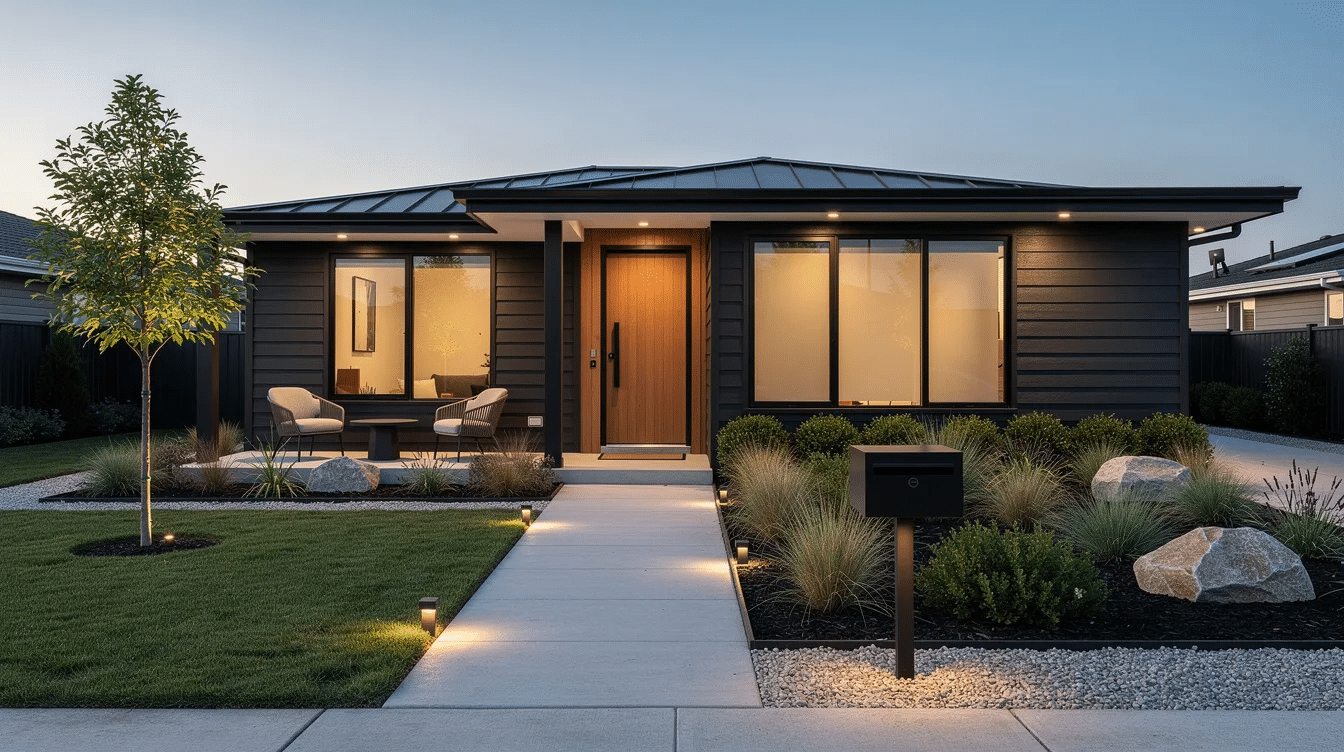
Remodeled ranches feature added large windows, simplified trim, and darker roofs. Bolder moves work here: deep charcoal, near-black, rich navy, or very light monochrome palettes.
Example: a 1964 ranch transformed with nearly black vinyl siding, cedar soffits, and minimalist landscaping with concrete pavers. Modern homes often limit palettes to 2-3 neutrals to emphasize shape and natural light rather than color variety. Dark palettes require high-quality, fade-resistant vinyl and careful sun exposure planning.
Paint Options for Vinyl Siding on Ranch Homes
If you’re looking to refresh your ranch style house without the expense of full replacement, painting vinyl siding is a smart and budget-friendly option. With the right paint and color selection, you can give your home’s exterior a whole new look while maintaining the durability and low maintenance benefits of vinyl.
Light gray siding is a popular choice for ranch style homes, offering a clean, modern appearance that works well with a variety of architectural styles, especially when used in schemes like a dark gray ranch house with white trim. Neutral color schemes, such as soft grays and beiges, are also favored by many homeowners for their timeless appeal and ability to boost curb appeal. For those who want to add a splash of personality, consider drawing inspiration from trending vinyl siding colors like autumn red, coastal blue, or the warm tones of savannah wicker. These shades can serve as striking accents or even as the main siding color, depending on your vision.
When choosing paint for your vinyl siding, it’s important to consider factors like sun exposure, the surrounding landscape, and your home’s existing features. Lighter shades can help keep your home cooler in sunny climates, while deeper colors can add warmth and character in shaded or wooded settings. Always select high-quality paint formulated specifically for vinyl to ensure a long-lasting, fade-resistant finish.
By thoughtfully selecting your paint color and drawing inspiration from both classic and contemporary vinyl siding colors, you can enhance your ranch home’s curb appeal, increase its resale value, and enjoy a beautiful, low-maintenance exterior for years to come.
Practical Tips for Choosing Ranch House Vinyl Siding Colors
Color choice involves both aesthetics and practical considerations: climate, sunlight, resale plans, and neighborhood context all matter. Many homeowners find success following a step-by-step process rather than browsing paint colors randomly, especially when planning a broader ranch home exterior makeover.
Assess Your Ranch Home’s Existing Conditions
Start by listing what stays: roof color, brick or stone, windows, gutters, and major landscaping. These limit your siding color options significantly.
Walk across the street and take daytime photos to see how long and low the house looks from typical viewing angles. Note problem areas—dark porches, overly long blank walls—where a darker shade can add dimension. Ranch homes built before 1980 often have older insulation; lighter siding helps reduce cooling loads in hot climates.
Consider Climate and Sun Exposure
In sunny southern states like Florida or Texas, lighter vinyl siding colors resist fading and keep single-story ranch interiors cooler. In colder or cloudier climates like Minnesota or Washington, deeper tones (charcoal, navy, forest green) add welcome warmth.
Note which sides receive harsh afternoon sun and avoid the darkest, most heat-absorbing colors on those elevations. South-facing fronts can see surface temperatures hit 140°F with dark siding. Check manufacturer warranties for deep reds and blues before committing.
Use Samples and Digital Visualizers
Order actual vinyl siding color samples and tape them directly to your ranch exterior near windows and doors. View samples at different times—morning, midday, late afternoon—to see how color shifts (often 20-30%) along the long façade.
Many major brands offer online visualization tools where you can upload photos and test colors virtually. Test at least one light, one mid-tone, and one darker option in the same family. This low maintenance approach saves money before committing to re-siding 1,500-2,000 square feet.
Balance Personal Taste with Resale Value
Because many ranch homes sit in established neighborhoods, extreme colors may hurt resale value even if they match your taste. Choose a neutral color scheme for main siding and express personality through reversible elements like front doors or planters.
Example: opt for light gray siding and white trim, then add a bright red door that can easily be repainted before selling. Real estate data from the 2010s-2020s consistently shows 5-7% higher buyer interest in neutral exteriors. Expert installation of timeless colors pays dividends when selling urban homes or those in traditional subdivisions.
Examples of Ranch Vinyl Siding Color Combinations
These ready-to-use color formulas address different ranch situations. Descriptions use general tones so you can match them with real products from any manufacturer.
Brick-Front Ranch with Vinyl Sides and Back
Common layout: 1960s-1970s ranch with full brick front and vinyl on gable peaks, sides, and rear.
Suggested palette:
- Main siding: Warm greige or taupe echoing mortar undertones
- Trim: Crisp white
- Front door: Dark wood or black
- Gutters/downspouts: Match siding for continuous look
- Shutters: Black or deep green
All-Siding Ranch on a Small Suburban Lot
Picture a 1980s all-vinyl ranch with no brick, small front yard, and prominent attached garage.
Suggested palette:
- Main siding: Light neutral (soft gray or beige)
- Trim: White
- Garage door: Match siding or slightly darker
- Front door: Navy, autumn red, or teal accent
- Landscaping: Boxwoods and ornamental grasses to frame entry
Lighter palettes help small-lot ranches feel larger from the street.
Wooded-Lot Ranch with Low Profile
A 1970s ranch set back from the street, surrounded by mature trees and shade.
Suggested palette:
- Main siding: Sage green, olive, or medium brown
- Trim: Warm white or cream
- Roof: Charcoal or dark brown (low maintenance in leaf-heavy areas)
- Accents: Black fixtures, stone on chimney or foundation
The home becomes part of the surrounding landscape through muted, organic paint colors and textures, especially when paired with thoughtful landscaping for a small ranch home.
Sun-Facing Ranch in a Hot Climate
Single-story ranch with broad south or west-facing façade in Arizona, Nevada, or Texas.
Suggested palette:
- Main siding: Very light (white, off-white, pale beige)
- Dark accents: Limited to front door, shutters, or pergola
- Hardware: Match trim to avoid heat absorption
Choose vinyl lines with strong UV and fade warranties. Deep reds and dark colors on large wall areas will absorb excessive heat and fade faster. This approach has grown tremendously in popularity as energy costs rise.
Final Thoughts on Ranch House Vinyl Siding Colors
Vinyl siding color can completely transform a ranch house exterior without altering the floor plan or roofline. The best choices consider your specific ranch style, existing roof and brick, climate conditions, and long-term resale appeal—not just this year’s trends.
Use physical samples and digital visualizers before committing. Walk your neighborhood to see what works on similar ranch homes built in the same era. Draw inspiration from homes that feel updated but not out of place.
Whether your home is a 1959 mid-century gem or a 1985 suburban classic, thoughtful selection of the perfect match in vinyl siding colors adds curb appeal and value for decades. If you’re still exploring what draws you to this style, you might reflect on the broader charm of ranch style homes across the US and how color supports that character. Start by photographing your ranch from the street, listing your fixed elements, and ordering samples in your top three choices. As you evaluate options, keep in mind the balance between style and function that defines beautiful ranch homes where style meets functionality. You can paint vinyl siding on accent pieces if needed, but choosing the right vinyl siding color from the start ensures low maintenance beauty that lasts.