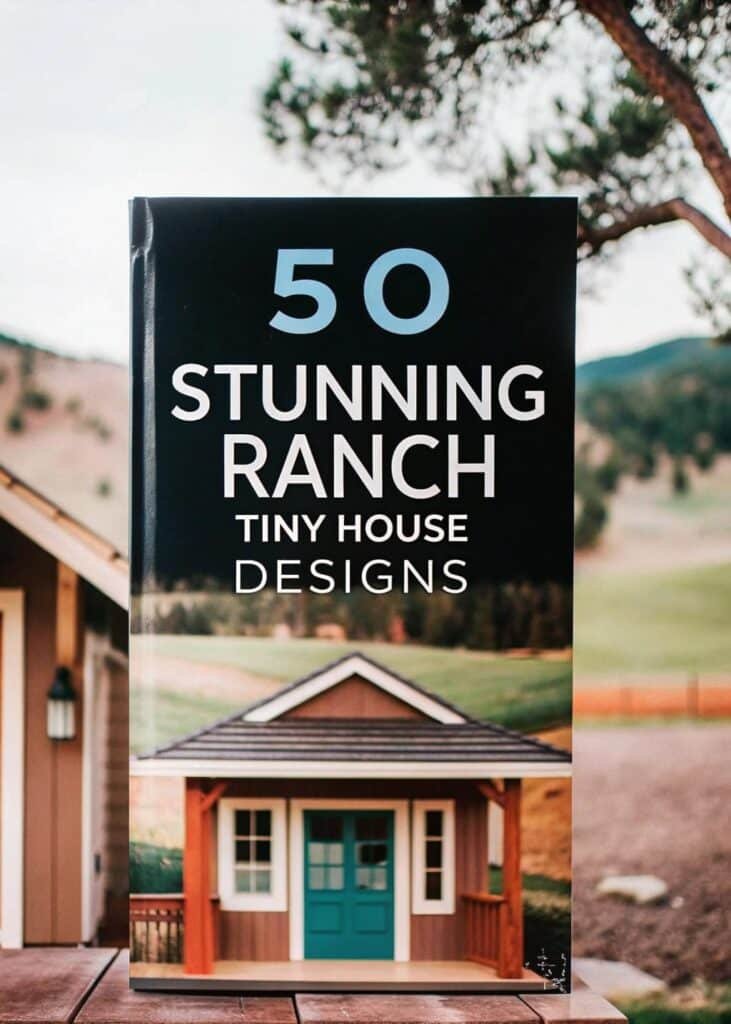
Key Takeways
- Respect the low, long shape of a ranch instead of forcing tall, traditional proportions onto the house.
- Use warm neutral tones, but add contrast so the interior does not become dull or flat.
- Choose furniture, a rug, and a coffee table at the right scale for long, low-ceiling spaces.
- Fix bad lighting with layered lighting before you spend money on major decor changes.
- Begin with decluttering, storage, and a clear plan so you avoid making the same mistakes room after room.
Introduction: What Makes Ranch Houses Tricky to Decorate?
A ranch house is generally a single-story home with a low roofline, horizontal layout, and open floor plan, made especially popular in the U.S. from the 1950s through the 1970s. According to the history of the ranch-style house, its appeal comes from casual indoor-outdoor living, simple lines, and easy flow.
The challenge is that decorating mistakes show quickly in ranch homes. Low ceilings, long hallways, wide but shallow living rooms, and modest bedrooms can make the wrong paint colors, bad lighting, or oversized furniture feel even worse.
This guide focuses on practical advice for real spaces like the living room, entry, hallway, and dining area. Decorating is not like a website performing security verification, where a security service verifies visitors, blocks malicious bots, shows verification successful, and gives you a respond ray id displayed on a page; there is no bot-proof shortcut. You need to figure out the room, then create a plan.
Ignoring the Ranch House’s Horizontal Architecture
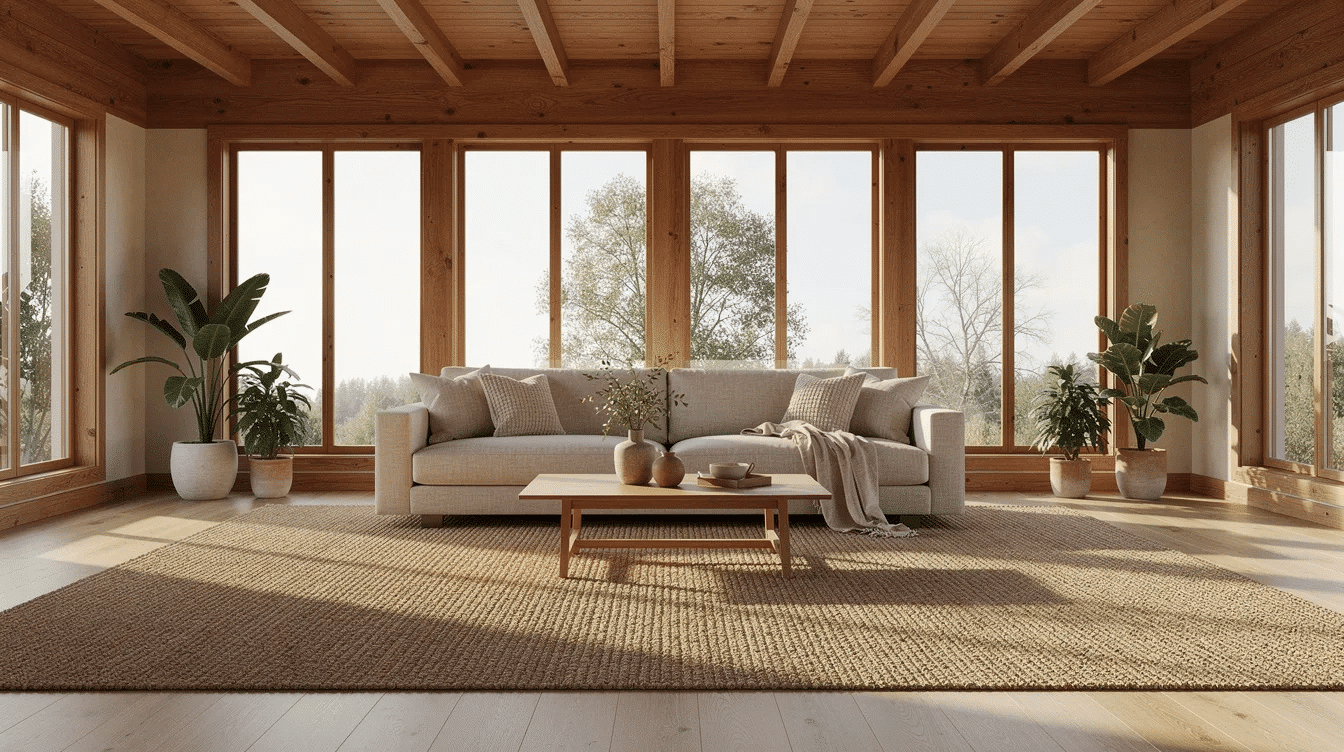
Ranch homes typically feature low ceilings and a horizontal layout, so vertical decor can fight the architecture. Understanding average ranch house dimensions helps you work with these proportions instead of against them. Tall columns, oversized two-story-looking gables, and overly formal entry details can make the house feel out of shape.
Instead, lean into the ground-hugging style:
- Use a low-profile sofa, benches, and long media cabinets.
- Hang wide art or a long photo ledge across the walls.
- Choose linear sconces in a hallway instead of bulky fixtures.
- Keep ranch home exterior makeover ideas simple, modern, and connected to the roofline.
This does not mean your ranch has to look plain. Thoughtful updates, like adding stylish dormers on a ranch house, a low bench, elegant door hardware, and warm wood can create a specific style that feels modern without erasing the home’s character.
Choosing the Wrong Paint Colors for Low Ceilings
Using dark colors can make ranch spaces feel smaller, especially under an 8-foot ceiling. Before committing, it helps to understand the best features of a classic ranch style house so your color choices support, rather than fight, the architecture. Choosing paint colors in poor lighting often results in errors, and ignoring the room’s lighting can affect paint color perception.
Avoid painting the ceiling darker than the walls unless you are making a very deliberate mood choice. Heavy beige, muddy taupe, and cool gray can turn dingy in north-facing rooms. Not testing paint colors can lead to costly mistakes, so test swatches on multiple walls before you decide.
Better choices include:
- Warm white or soft ivory walls
- Pale greige for a coherent aesthetic
- Soft green, muted blue, or earth tones in small doses
- Bright white ceiling and trim to bounce light
Using neutral tones creates a coherent aesthetic in ranch homes, but using too many neutral colors can make a space feel dull. Add contrast with trim, interior doors, a cabinet color, or a single focal wall. Accent walls can be tricky and may not always work, so test the idea before you paint the whole wall.
Overfilling the Long, Narrow Living Room
Many ranch living rooms are rectangular and open to the kitchen or dining space. Decorating a ranch house involves enhancing its natural flow, as highlighted in guides that explore the charm of beautiful ranch homes, not filling every inch with stuff.
Too much furniture restricts foot traffic and functionality. Oversized furniture can obstruct traffic flow in ranch homes, especially when a sectional hugs every wall and leaves only a tight path through the middle. Pushing furniture against walls makes rooms feel empty, even when the room is technically full.
A better layout might include:
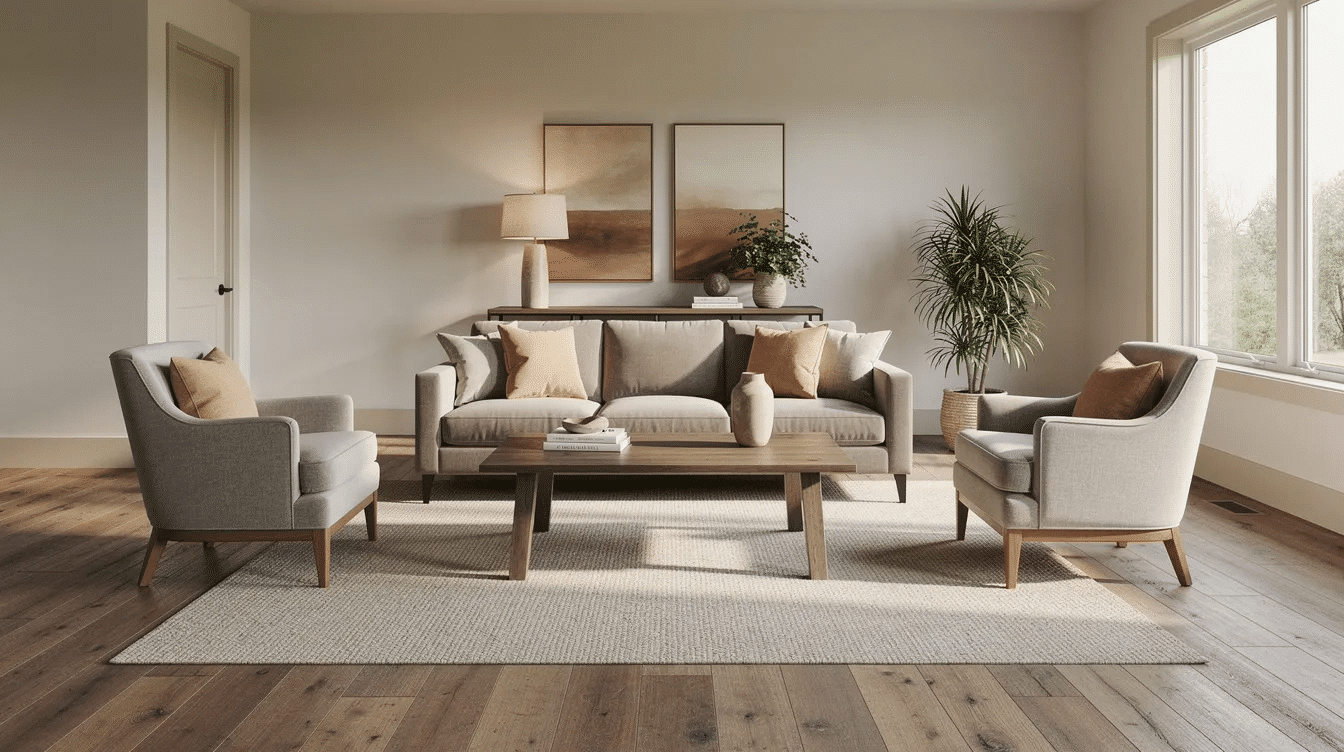
- A sofa with two chairs around a coffee table
- A reading chair in a corner
- A clear 30–36-inch walkway through the space
- Seating that faces people, not only the television
Arranging furniture around a television can make rooms feel cold. Of course, the TV can stay, but center the seating around conversation first when possible.
Getting the Coffee Table and Rug Scale Wrong
A common mistake is using rugs that are too small. A rug that’s too small makes a room feel disjointed, especially when it floats in the middle of the floor like an island.
Use at least an 8×10 rug in living rooms. Rugs should ideally fit under key furniture pieces, with at least the front legs of the sofa and chairs on the rug. Floor rugs can help define spaces in open-concept ranch layouts, especially when the living and dining areas share one large space.
For the coffee table, design experts often recommend keeping it about one-half to two-thirds the length of the sofa and 16–20 inches from seating. A coffee table should be half to one-third the length of the sofa in compact layouts where you need more walking room.
Also remember: dining tables require rugs that accommodate all chair legs, even when the chairs are pulled out. If the rug is too small, the whole dining area will feel like a mess.
Forcing an Ultra-Modern Style Without Respecting Original Details
One of the biggest ranch house mistakes to avoid when decorating is stripping out every 1950s–1970s feature. If you remove all the brick, wood, flat-front cabinets, and simple doors, the house can become generic, especially in a charming 1950s ranch style home where those details define the character.
The issue is usually not the original detail. It is mixing too many unrelated finishes. For example, high-gloss white cabinets, orange wood trim, ornate traditional lighting, and gray carpet can totally clash, particularly after a creative addition to a ranch style house if the new finishes ignore the originals.
Keep or refresh:
- Original brick fireplaces
- Solid wood doors
- Simple flat-front cabinets
- Natural materials like wood, which enhance the rustic feel in ranch homes
Modernize:
- Dated cabinet pulls
- Wall-to-wall carpet
- Old ceiling fixtures
- Heavy window treatments
Aim for a warm modern style: clean lines, simple hardware, natural wood, and a little vintage texture. That balance feels current without pretending the ranch is a different type of house.
Neglecting the Entry and Long Hallway
Many ranch homes open directly into the living room or a tiny entry. In communities that celebrate ranch style homes across the USA, these everyday entry spaces are treated as essential, because without a plan, shoes, coats, parcels, and mail hit the floor fast.
Use a slim console, hooks, a tray, and a runner to create a landing zone without blocking flow. If you are lucky enough to have a coat closet, protect it from becoming a storage black hole with baskets and labels.
Long hallways need restraint. Do not paint them too dark or fill them with tiny art pieces. Too many small accessories create a cluttered look, and excessive décor can clutter surfaces in ranch-style decorating.
Better hallway tips:
- Use consistent paint from adjoining rooms.
- Hang one large art piece or a short photo series.
- Add warm flush mounts or sconces.
- Keep the floor clear so the hall feels wider.
Relying Only on Overhead Lighting
Bad lighting can ruin the look of a room. Many original ranch homes have one ceiling fixture per room, but relying solely on overhead lighting creates an uninviting space.
Layered lighting includes ambient, accent, and task lighting. Layered lighting creates a cozy atmosphere in ranch houses and can make an older living room feel updated without a full remodel.
Use:
- Ambient lighting from recessed lights or a simple flush mount
- Task lighting from table lamps and floor lamps
- Accent lighting for art, shelves, or a fireplace
- Under-cabinet lighting in the kitchen
Lighting should be adjustable to suit different tasks, so use dimmers where possible. Warm-white bulbs around 2700K–3000K usually work well with wood and brick. In dining rooms, chandeliers should hang 30-34 inches above dining tables.
Blocking the Indoor–Outdoor Connection
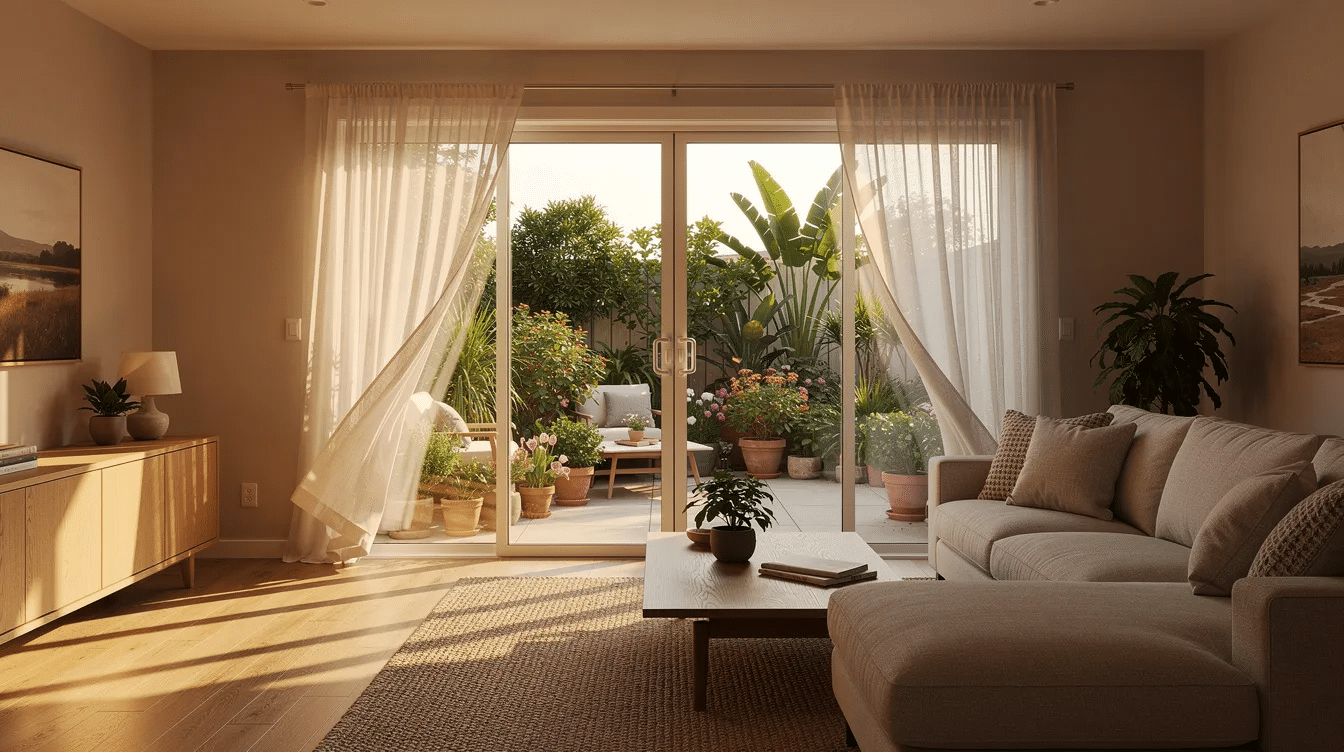
Ranch houses were designed around patios, yards, and large windows. This strong indoor–outdoor focus is a key part of the charm of the farm ranch house. Large windows maximize natural light in ranch-style homes, so do not block them with bulky furniture or heavy drapes.
Avoid placing a tall cabinet or giant sectional in front of sliding doors. Instead, float the sofa perpendicular to the window wall so the eye can pull toward the yard.
To connect inside and outside:
- Repeat wood, terracotta, stone, or natural fiber textures.
- Use plants near windows.
- Choose light linen panels and hang them high and wide.
- Keep the patio palette related to the interior.
This connection is where ranch homes can feel fun, comfy, and current without a huge budget, and exterior upgrades like stylish dormers on a ranch house can reinforce that curb appeal without changing the relaxed vibe.
Skipping Storage and Decluttering Before Redecorating
Decluttering can solve many home dysfunction issues. Removing everything helps clarify your decorating vision because you can see the actual shape, floor, walls, and flow of the room.
A decluttering checklist can streamline the process. Start with the living room and hallway, then move to bedrooms, closets, and storage areas. Decluttering creates space for functional furniture arrangements, which matter more than buying new decor immediately.
Follow this order:
- Begin by removing broken, duplicate, and unused items.
- Decide what furniture supports daily life.
- Add closed storage, such as media cabinets or storage ottomans.
- Limit accessories to avoid overwhelming a space.
Over-accessorizing distracts from individual item beauty. Stick to one or two patterns per room, because mixing too many patterns creates a busy look. Use a maximum of three fabric patterns at a time if you want the room to feel collected rather than chaotic.
FAQ
How do I make my 1960s ranch living room feel modern without a full remodel?
Focus on paint, lighting, and hardware first. Update wall colors, replace dated ceiling fixtures, and swap old knobs or pulls for simple modern finishes. Then update the rug and coffee table scale before buying new seating.
What paint colors work best in a dark ranch house?
Warm off-whites, pale greiges, and soft earth tones usually reflect limited natural light better than cool gray or heavy beige. Test 3–4 samples on different walls and check them in morning, afternoon, and evening light.
Can I use bold color or wallpaper in a ranch house?
Yes, but use it with control. A powder room, dining nook, or small accent area can handle bold color. Choose mid-scale patterns over busy prints, and keep nearby rooms calmer so the whole house still feels cohesive.
How do I choose a sofa size for a typical ranch living room?
Measure the room and leave at least 30 inches for main walkways. Many ranch living rooms work well with a sofa between 72 and 90 inches long, depending on the room size. Tape the sofa and coffee table dimensions on the floor before you buy.
Should I keep the original brick fireplace in my ranch house?
Usually, yes. Original brick is often a key feature. You can update it with paint, a simple mantel, modern tile on the hearth, and a few large mantel pieces instead of many tiny accessories.