A ranch style roof does more for your home than simply keep the rain out. On a single story design, the roof can account for 40–60% of what people see from the street, making it one of the most powerful tools for shaping curb appeal and controlling energy efficiency.
Ranch style homes emerged in the late 1940s and dominated American suburbs through the 1970s, becoming an iconic part of historic ranch houses in American architecture. Their signature low-pitched rooflines—stretching horizontally across the lot—remain popular in both remodels and new builds today. Whether you own a 1960s brick ranch or are designing a stunning modern ranch house, understanding roof lines, materials, and color selection will help you make decisions that look right and perform well for decades.
This guide covers the essentials: roof shapes and lines, pitch and eave details, material options, color choices by region and climate, and real-world design ideas for ranch homes heading into 2025.
- Key Characteristics of a Ranch Style Roof
- Common Ranch Roof Shapes and Lines
- Roof Pitch, Eaves, and Overhangs on Ranch Homes
- Materials Commonly Used on Ranch Style Roofs
- Best Roof Colors for Ranch Style Houses
- Energy and Climate Considerations for Ranch Roofs
- Regional and Site-Specific Ranch Roof Design
- Integrating Roof Lines with Indoor-Outdoor Living
- Modernizing an Older Ranch Roof
- Ranch-Specific Installation and Structural Considerations
- Maintenance Needs for Large Ranch Roofs
- Ranch Roof Style Ideas and Case Examples
- Choosing the Right Ranch Roof for Your Home
Key Characteristics of a Ranch Style Roof
The classic ranch roof features a low pitch—typically between 2:12 and 4:12—wide eaves extending 18–36 inches, and long horizontal runs that mirror the home’s single-story layout. These elements work together to visually “ground” the house, hugging the horizon line rather than reaching upward like colonial or Victorian architecture.
Large, uninterrupted roof planes are standard on ranch style architecture because of open floor plans that span the entire footprint. The roof’s broad surface correlates directly with the large windows and glass doors that define ranch living space, supporting the classic features of ranch style houses and the style’s signature indoor-outdoor connection.
Ranch roof design must also integrate with attached garages, carports, and covered porches. Extending the roofline continuously over these elements maintains the linear flow and prevents visual breaks that would disrupt the low profile.
Common Ranch Roof Shapes and Lines
Ranch style isn’t locked to a single roof geometry. Several shapes can preserve that grounded, horizontal aesthetic while adapting to different ranch house dimensions and floor plans and regional preferences.
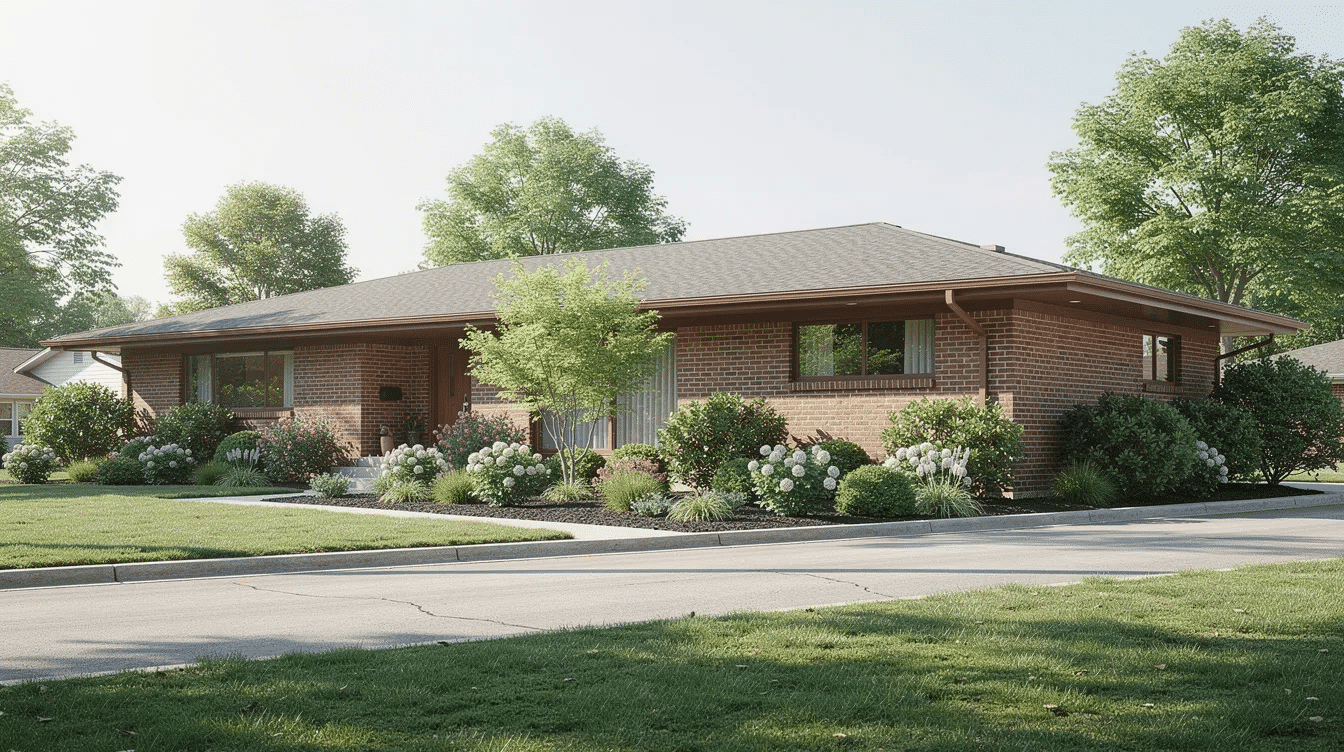
Simple low gable roofs remain the most common form on ranch homes. The long ridge line runs parallel to the street side, creating an unbroken plane that emphasizes width over height. This straightforward design offers effective water shedding and simple construction on rectangular footprints.
Hip roofs—where all four sides slope downward without vertical gables—gained traction in 1950s and 1960s subdivisions. Hip designs distribute wind pressure evenly, handling gusts of 60–80 mph better than gable alternatives. They work particularly well on broader or L-shaped layouts where symmetry enhances stability.
Cross-gable and T-shaped roof lines appear on L-shaped and U shaped design ranches common from the 1960s through 1980s. These configurations adapt to complex lots while keeping pitches low.
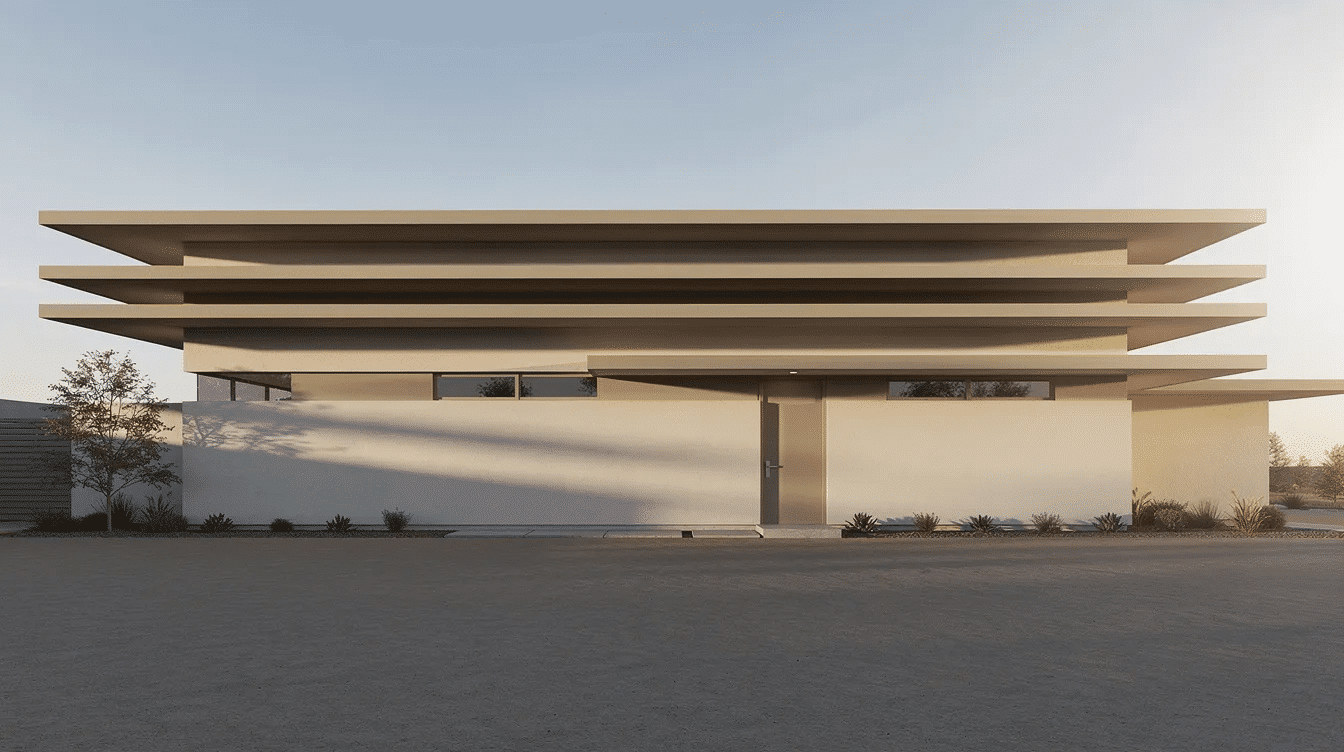
Modern ranch interpretations sometimes incorporate low shed roofs or hybrid flat-and-shed combinations that complement beautiful, functional ranch home designs. Butterfly roof variants—forming a shallow V-shape—add drama and allow for taller clerestory windows without adding a second story.
Roof Shape | Best For | Wind Resistance | Typical Lifespan |
|---|---|---|---|
Simple Gable | Rectangular plans | Moderate | 25–40 years |
Hip | L-shaped layouts, windy regions | High (60–80 mph) | 40–60 years |
Cross-Gable | U-shaped or complex footprints | Moderate | 25–40 years |
Shed/Butterfly | Modern updates | Varies | 30–50 years |
Roof Pitch, Eaves, and Overhangs on Ranch Homes
Modest roof pitch and generous overhangs define the ranch silhouette. Most ranch roofs sit in the 2:12 to 4:12 range—meaning the roof rises only 2 to 4 inches for every 12 inches of horizontal run. In mountain or heavy-snow regions, pitches may climb to 5:12 or 6:12 to prevent accumulation, though steeper angles can alter the horizontal aesthetic if pushed beyond 6:12.
Deep eaves of 18–36 inches serve multiple purposes:
- Shading large windows from direct sun
- Protecting siding from rain and UV exposure
- Reinforcing the long, low profile that defines ranch style
Fascia and soffit details matter too. Stepped fascia boards appear on modern ranch updates, while soffits may be enclosed for a clean appearance or open-beamed for mid-century authenticity. Open eaves expose rafter tails but require more maintenance; enclosed soffits improve ventilation control and insect resistance.
Materials Commonly Used on Ranch Style Roofs
Most existing ranch homes built between 1950 and 1990 either retain original roofing or have been re-roofed with asphalt shingles. This remains the dominant choice for good reason.
Architectural asphalt shingles provide dimensional texture through layered fiberglass mats. They offer 30–50 year warranties and vast color palettes—charcoal, weathered wood, slate blue—that mimic premium natural materials at lower cost. These shingles suit the expansive roof planes of ranch homes without overwhelming the structure.
Metal roofing (standing seam or metal shingle profiles) has surged on modernized ranches, especially on black ranch house exteriors where bold color and sleek lines work together. The clean lines complement contemporary updates, while reflectivity can cut cooling costs by 10–20%. Metal roofs last 50+ years and resist hail damage in variable climates.
Tile roofing—concrete or clay—appears on ranch homes in California, Arizona, and parts of Texas with Spanish-influenced designs. Tile weighs significantly more (6–10 lbs/sq ft versus asphalt’s 2–3 lbs), requiring reinforced framing, but excels in fire-prone areas with 50+ year lifespans.
Cedar shakes or synthetic alternatives suit rustic ranch homes, cabins, or lakefront properties where wood and stone siding already establish a natural materials palette. Fire-retardant treatments are essential in many regions.
For owners interested in green roofing solutions, integrated solar options—thin-film panels or solar shingles—leverage the broad, unobstructed planes typical of ranch roofs. These systems can generate 10–15 kWh per square meter annually in sunny zones while maintaining a streamlined appearance.
Best Roof Colors for Ranch Style Houses
Because ranch homes expose substantial roof area to the street, roof color carries outsized weight in overall appearance. The wrong shade can overwhelm the facade; the right one enhances architectural details and blends beautifully with the landscape, especially on ranch homes that prioritize comfort and style.
Charcoal and dark gray work on traditional brick ranches and homes with light siding (white, cream, beige). These neutral tones create visual interest without competing with the structure’s horizontal emphasis. A white ranch house with a charcoal roof remains a timeless combination.
Warm brown and weathered wood tones integrate earth-tone exteriors, stone accents, and wooded settings. These colors blend naturally in suburban or rural sites surrounded by mature trees.
Black roofing delivers bold modern impact, especially paired with white, cream, or soft gray exterior finishes. Note that black absorbs 10–15% more heat than lighter alternatives—a consideration in warm climates.
Slate blue and blue-gray evoke open skies, making them ideal for ranches in plains, foothills, or coastal areas. They pair well with stone, brick, and board-and-batten siding for cool, elegant results.
Natural greens—forest, hunter, sage—connect wooded or lakefront ranches to surrounding foliage. These work particularly well when the property already features cedar or wood elements.
When selecting colors, look for manufacturer names like “Charcoal,” “Weathered Wood,” “Pewter Gray,” or “Harbor Blue” to guide conversations without locking into specific brands.
Energy and Climate Considerations for Ranch Roofs
The large surface area of a ranch roof significantly affects heating and cooling costs. Understanding heat absorption and reflectance helps owners make energy efficient choices.
Darker roofs absorb more heat—beneficial in cold climates where passive warming reduces winter heating loads. However, in hot or humid regions, that same dark surface can spike cooling demands by 10–20% compared with lighter alternatives.
Light and medium-tone roofs (light gray, beige, tan, pale blue-gray) reduce cooling demand substantially. Cool roof technologies—high Solar Reflectance Index (SRI) shingles ranging from 0.25 to 0.70, reflective metal coatings, and ventilated roof decks—work especially well on extensive ranch planes.
Attic ventilation and insulation are critical on single-story homes. Ridge vents, soffit vents, and gable vents prevent hot spots in summer and ice dams along long eaves in winter. Target R-38 or higher insulation values to meet 2025 codes.
Regional and Site-Specific Ranch Roof Design
Geography, vegetation, and neighborhood character all influence the best roof choices for a particular ranch house, and these broader context cues are central to Ranch Style Homes USA and its focus on real-world ranch living.
Wooded or lakefront lots benefit from lower-contrast, natural roof colors—weathered wood, greens, browns—that blend with trees and shoreline views. These sites often suit cedar, metal in muted tones, or warm architectural shingles.
High-sun and arid regions favor lighter, reflective roofing. Adobe, tan, and terra cotta tones echo local soil and stone while reducing heat absorption. Metal with reflective coatings performs well in Arizona, New Mexico, and similar climates.
Urban and suburban neighborhoods with HOAs or design guidelines often mandate subdued palettes—grays, browns, black—for cohesive streetscapes. Check community requirements before finalizing selections.
Stand across the street from your property or view it on an online map to understand how roof color interacts with surrounding homes and landscape. This perspective reveals whether a bold choice will create stunning contrast or awkward discord.
Integrating Roof Lines with Indoor-Outdoor Living
Ranch homes are known for slider doors, patios, and decks that blur boundaries between living space and outdoors. The roof plays a central role in this connection.
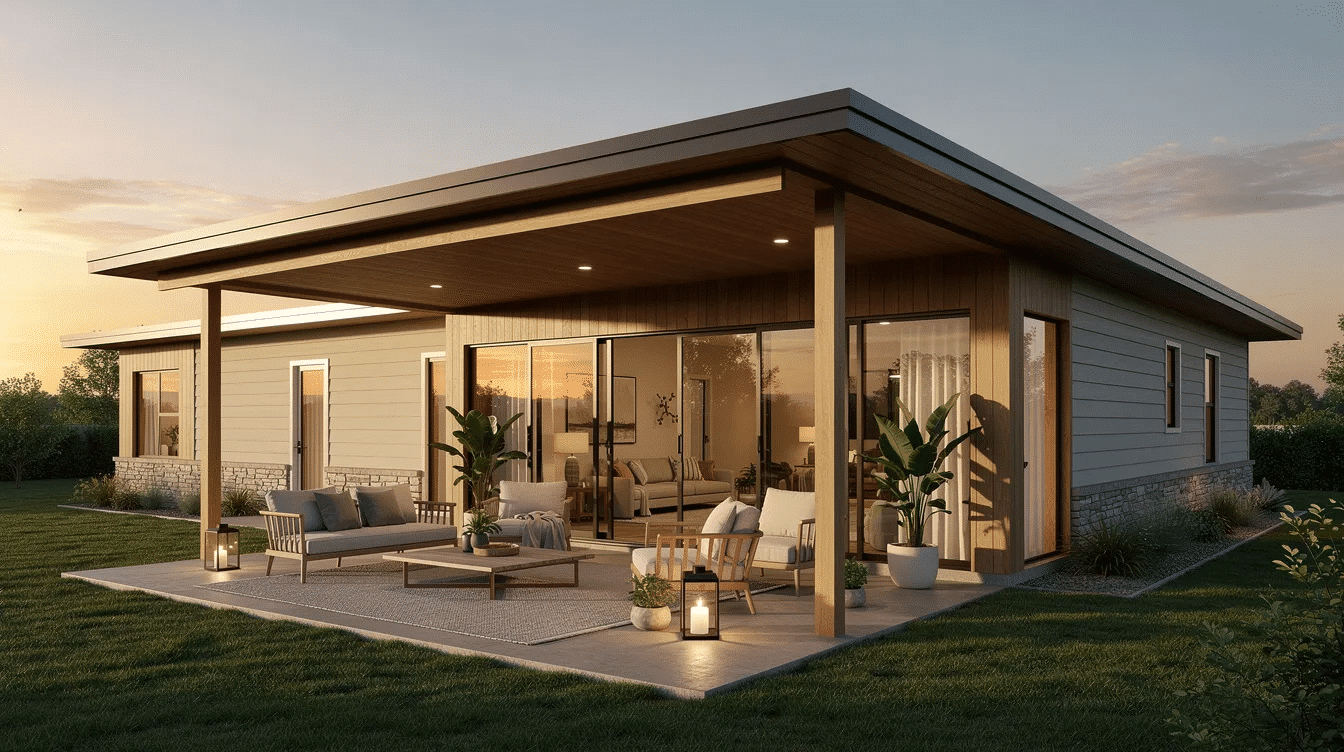
Extended roof lines create covered front porch areas, breezeways, and outdoor rooms along the back or side of a ranch home. Deep overhangs shelter these transitions, protecting large windows and glass doors from sun and rain while expanding usable space without adding enclosed square footage.
Raised or “soaring” roof sections capture natural light over great rooms, pool houses, or sunrooms without losing the overall low profile. Clerestory windows—horizontal bands of glazing between roof levels—bring in light from above while maintaining privacy.
Consider how roof overhangs shade glass walls at different times of day. A well-designed overhang prevents harsh summer sun from penetrating deep into the house while allowing winter light to warm interior spaces.
Modernizing an Older Ranch Roof
Many ranch homes built between 1955 and 1975 need roofing upgrades as part of broader exterior remodel projects. This presents an opportunity to improve both function and appearance.
Vaulting ceilings beneath a new roof structure adds volume to main living spaces. Converting a flat attic into a cathedral ceiling transforms cramped room proportions into open, airy ones.
Simplifying busy roof lines from past additions restores clean ranch silhouettes. Removing awkward dormers or extra gables and returning to a unified plane often looks more authentic than the modifications.
Updating eaves, soffits, and fascia with sleek composite materials creates a contemporary look while preserving original proportions. Coordinate these elements with new siding, window trim, and front door updates for a coherent transformation that improves both home design appeal and property value.
Ranch-Specific Installation and Structural Considerations
Long, shallow roof planes require careful structural support and water management. Owners and contractors should address these ranch-specific concerns:
Structural support: Adequate rafters or trusses must span wide rooms without sagging. Older homes built before modern codes (1950s–1960s) may need reinforcement, especially when adding heavier materials like tile.
Drainage planning: Extended eaves and long gutter runs demand properly sized gutters (5–6 inches) with frequent downspouts. Splash blocks or underground drains prevent foundation damage from concentrated runoff.
Valley detailing: Roof valleys along L- and U-shaped floor plans are frequent leak points. Robust ice-and-water shield underlayment and professional step flashing are essential.
Ventilation: Sprawling single-story roofs require adequate ventilation—roughly 1 square foot of net free vent area per 150 square feet of attic space—to reduce moisture, heat buildup, and ice dam risk.
Maintenance Needs for Large Ranch Roofs
The sheer footprint of many ranch style homes means more surface to inspect and maintain. Establish a regular maintenance schedule:
- Biannual inspections (spring and fall) checking long ridges, hips, valleys, and flashing around chimneys and skylights
- Post-storm checks after high winds, hail, or heavy snow
- Regular gutter cleaning to prevent overflow that damages siding and foundations
- Algae and moss treatment on shaded roof planes using zinc or copper strips or professional soft-washing
Track roof age (note the installation year—2010, 2015, etc.) and plan for replacement on a 20–30 year cycle for asphalt or 40–50+ years for metal. This business-minded approach to maintenance protects your investment and prevents costly surprises.
Ranch Roof Style Ideas and Case Examples
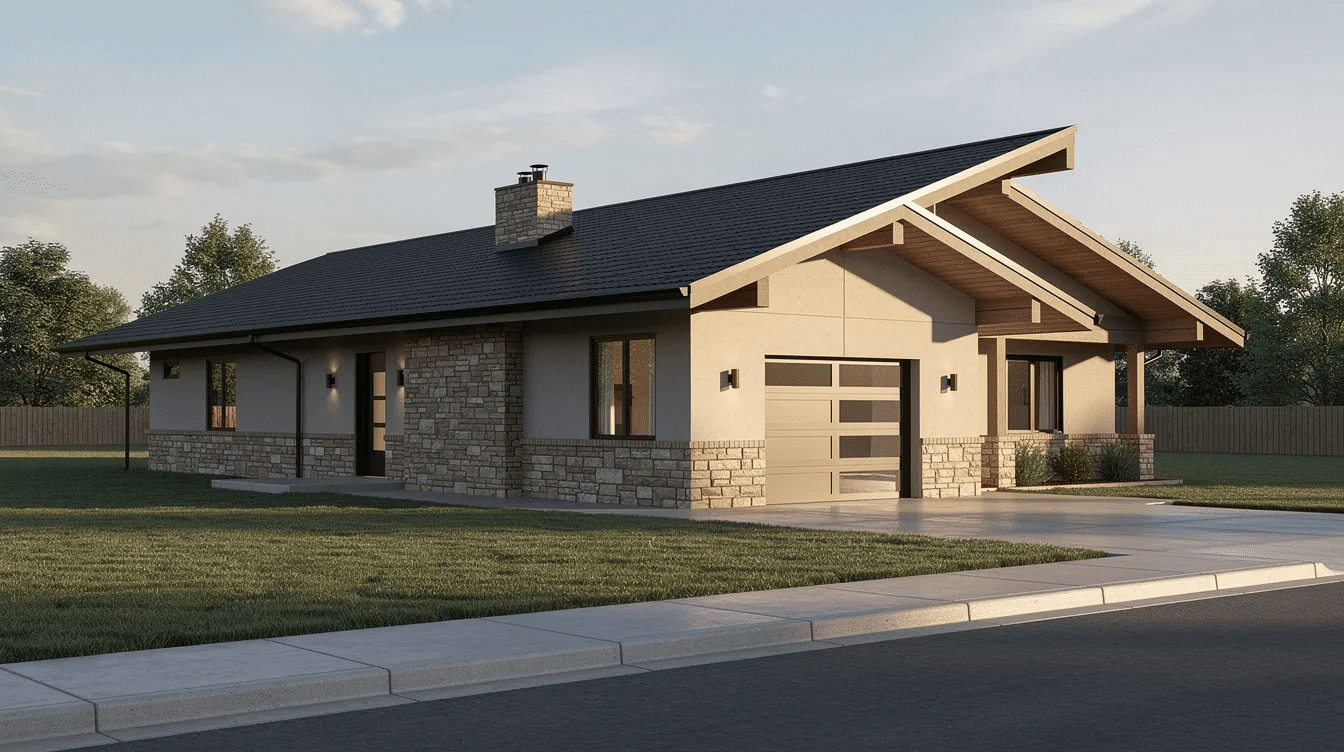
Looking for inspiration? These case examples span traditional, mid-century, and modern ranch roof approaches:
Mid-1960s brick ranch refresh: Low-sloping architectural shingles in charcoal gray replace worn three-tab originals. A modest small walkout front porch addition with wood columns and shutters completes the update, grounding the elegant facade while adding architectural interest.
Modernized 1970s raised ranch: Simplified gable roof with new clerestory windows brings natural light into a previously dark room, echoing many raised ranch home design ideas. Black metal roofing paired with white-painted brick creates dramatic contrast. A minimalist trellis over the entry replaces dated wrought iron.
Lakefront contemporary: A deep overhanging flat-plus-shed roof combination in forest-green metal includes integrated solar panels. The palette echoes surrounding trees and water, while the roof’s clean lines signal modern country sensibility.
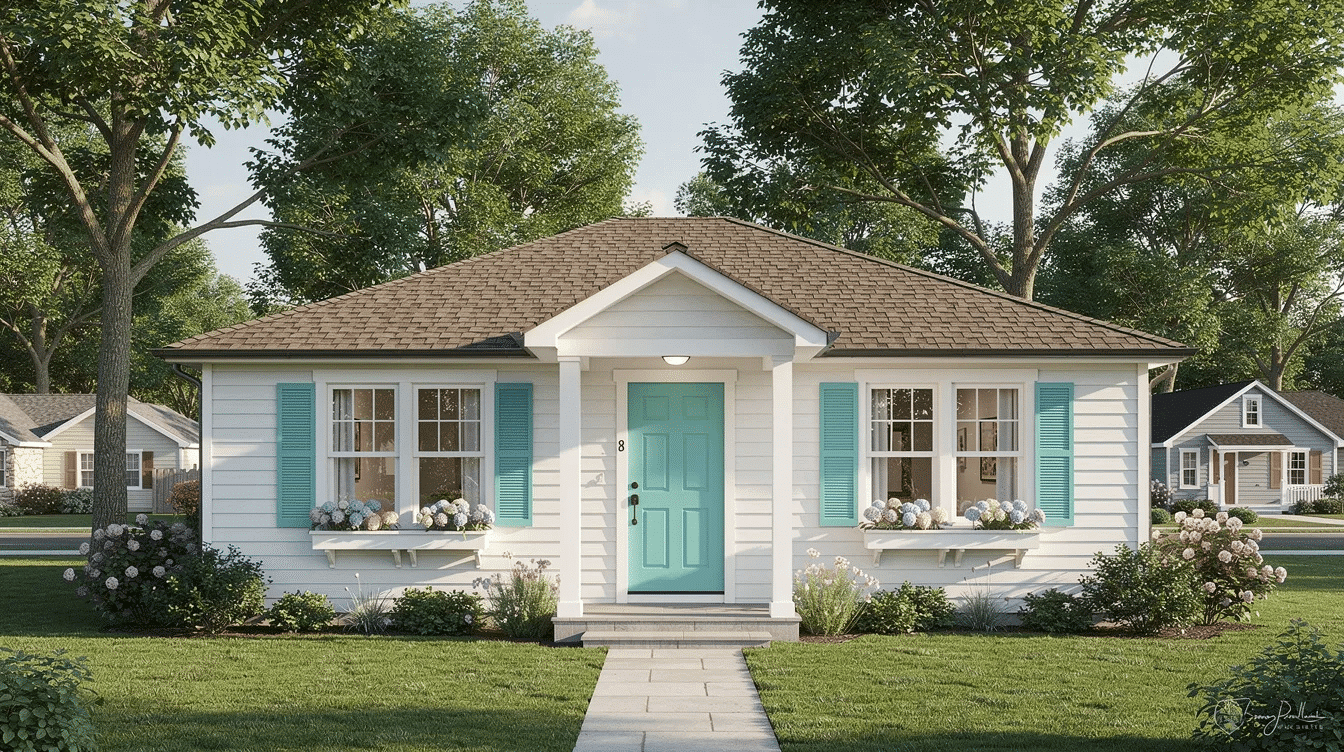
Cottage-inspired ranch: Medium brown architectural shingles, white siding, and a turquoise door with matching shutters create playful warmth. The roof blends with mature landscape while the accent colors provide personality without overwhelming the neighborhood.
Choosing the Right Ranch Roof for Your Home
The ideal ranch style roof balances structure, style, climate performance, and neighborhood fit. Use this decision checklist:
Decision Factor | Options to Consider |
|---|---|
Shape | Gable, hip, or mixed |
Color Family | Neutrals, earth tones, or bold |
Material | Asphalt, metal, tile, or wood |
Architectural Mood | Traditional, rustic, or modern |
Consider long-term costs and benefits: energy savings of 10–20% with reflective materials, predictable maintenance schedules, and potential 5–10% resale value improvements from enhanced curb appeal. |
Gather inspiration photos from real ranch homes built or remodeled between 2015 and 2025. These images provide concrete sign posts for conversations with designers and contractors who understand ranch architecture’s unique demands.
A thoughtfully designed ranch style roof transforms an ordinary single-story house into a timeless, functional home tailored to its site. Start with your climate, consider your landscape, respect your neighborhood—and you’ll end up with a roof that serves your property well for decades to come.