
Key Takeaways
- Ranch style windows emphasize horizontal lines and large glass panels to complement the low-profile, single-story architecture that originated in 1930s California
- Best window types include casement windows, double hung windows, sliding windows, and picture windows that maximize natural light and enhance indoor outdoor living
- Modern ranch windows prioritize energy efficiency with double or triple-pane glass while maintaining the classic horizontal aesthetic
- Color schemes favor neutral colors like beige, brown, and off-white to complement the home’s connection to nature
- Window grilles in 4-over-1 patterns and narrow sight lines create authentic ranch styling while improving contemporary performance
Ranch style homes revolutionized American residential architecture with their emphasis on open floor plans, seamless indoor outdoor living, and distinctive horizontal window arrangements. These single-story homes, which originated in 1930s California and gained massive popularity throughout the post-war suburban boom, are characterized by their long, low profiles and expansive glass areas that blur the boundaries between interior spaces and the outdoors. The style was inspired by colonial Spanish architectural elements, which influenced its emphasis on simplicity and connection to the surrounding environment.
Choosing the right windows for your ranch style home isn’t just about aesthetics—it’s about preserving architectural integrity while meeting modern performance standards. The perfect windows for ranch homes must balance the style’s signature horizontal emphasis with contemporary needs for energy efficiency, security, and comfort. Whether you’re renovating an original 1950s ranch or building a modern interpretation, understanding the principles behind ranch style window selection will help you create spaces that honor the style’s mid-century roots while serving today’s homeowners.
This comprehensive guide covers everything you need to know about ranch style windows, from the historical context that shaped their design to practical considerations for choosing new windows that enhance both curb appeal and home performance.
What Are Ranch Style Windows
Ranch style windows represent a fundamental shift in American residential design that emerged during the 1930s and reached peak popularity between 1945 and 1970. Originally developed in California, the ranch architectural style emphasized horizontal lines, open living spaces, and a strong connection between indoors and outdoors—principles that directly influenced window design and placement. The style gained widespread popularity in the post-World War II era as an affordable housing option for returning veterans and their families.
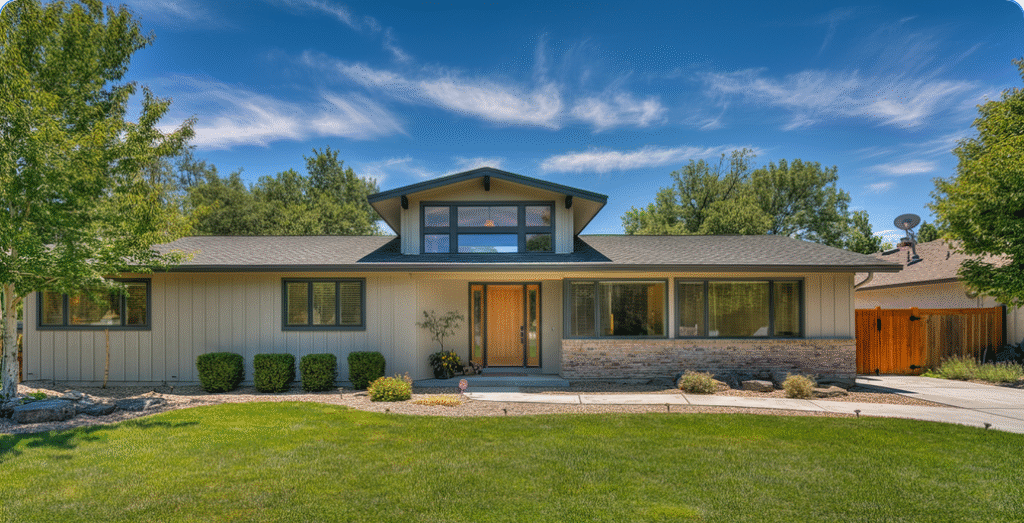
The defining characteristics of authentic ranch style windows include their horizontal orientation, generous proportions, and minimal ornamentation. Unlike the smaller, vertically proportioned windows common in earlier architectural styles, ranch windows prioritize wide spans of glass that can exceed 5 feet in width. These large windows serve multiple purposes: they flood interior spaces with natural light, provide unobstructed views of landscaping and outdoor areas, and visually extend the home’s living spaces beyond its walls. Large picture windows, in particular, emphasize the wide, horizontal design of ranch homes and enhance their connection to the outdoors.
Original ranch homes typically featured single-pane aluminum or steel-framed windows that, while achieving the desired aesthetic, offered poor energy efficiency by today’s standards. The emphasis was on creating bright, airy interiors that seamlessly connected to patios, gardens, and backyards through sliding glass doors and expansive window walls. This design philosophy reflected the California lifestyle and the post-war optimism that embraced outdoor recreation and casual living. Sprawling patios and shaded porches further enhanced the outdoor living experience central to ranch homes.
Modern interpretations of ranch style windows maintain these core principles while incorporating advanced technologies. Today’s ranch windows feature double or triple-pane glass, low-E coatings, and insulated frames that dramatically improve energy efficiency without compromising the style’s signature clean lines and horizontal emphasis. These modern windows often have higher R-values and lower U-factors, enhancing their energy performance and making them more suitable for contemporary living standards.
The architectural context of ranch style homes also influences window selection. These single-story homes typically feature long, low rooflines, U-shaped or L-shaped floor plans, and minimal exterior ornamentation. The windows must complement these elements while serving the practical needs of different room types, from living rooms and dining rooms that benefit from large picture windows to bedrooms that might use smaller, more private window configurations. The wide footprints and horizontal emphasis of ranch homes make window placement a key factor in maintaining their distinctive aesthetic.
Best Window Types for Ranch Style Homes
Selecting the best windows for your ranch style home requires understanding how different window types complement the architectural style while meeting functional requirements. Each window type offers unique advantages for specific applications within the ranch home layout.
Casement Windows
Casement windows rank among the top choices for ranch style homes due to their clean lines, excellent energy efficiency, and ability to provide unobstructed views when opened. These side-hinged windows swing outward, creating a sleek appearance that emphasizes the horizontal proportions characteristic of ranch architecture.
From an energy efficiency standpoint, casement windows outperform most other operable window types because the sash presses against the frame when closed, creating an exceptionally tight seal. This makes them particularly valuable in ranch homes where large window installations can significantly impact heating and cooling costs. Modern casement windows can achieve Energy Star ratings while maintaining the narrow sight lines that preserve the ranch aesthetic.
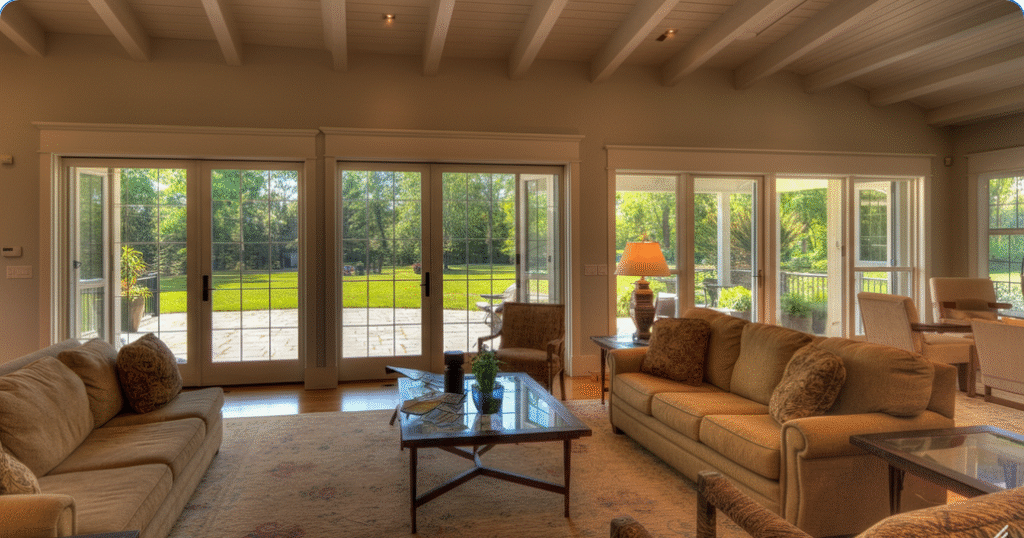
The operation of casement windows also suits ranch living perfectly. When opened, they don’t obstruct interior floor space, making them ideal for placement above kitchen counters, in dining areas, or anywhere space efficiency matters. Their ability to open completely allows maximum ventilation, supporting the ranch emphasis on fresh air circulation and outdoor connection.
For authentic ranch styling, casement windows work best when installed in horizontal groupings rather than as individual units. Three or four casement windows arranged side by side can create the expansive glass walls that define ranch interiors while providing flexible ventilation control. This configuration is particularly effective in living rooms, family rooms, and master bedrooms where panoramic views enhance the indoor outdoor living experience.
Double Hung Windows
Double hung windows offer versatile functionality that makes them suitable for various applications in ranch style homes. While not as horizontally oriented as other ranch window types, double hung windows provide excellent ventilation control and traditional appeal that complements both original ranch homes and contemporary interpretations of the style.
The dual-sash operation of double hung windows allows homeowners to open both the upper and lower portions, creating natural air circulation patterns that help cool interior spaces. This is particularly beneficial in ranch homes with their typically open floor plans, where cross-ventilation can effectively condition multiple rooms. The ability to open just the top sash also provides ventilation while maintaining privacy and security.
Modern double hung windows incorporate technologies that address the energy efficiency challenges of ranch homes. High-performance versions feature insulated glass, warm-edge spacers, and weatherstripping systems that dramatically reduce air infiltration. When properly selected and installed, energy efficient windows can reduce heating and cooling costs by up to 25% compared to older single-pane units common in original ranch construction.
Double hung windows work particularly well in ranch home bedrooms, home offices, and secondary living areas where their traditional appearance and practical operation provide comfort without overwhelming the space’s proportions. They can be effectively combined with picture windows in the same room to balance operable and fixed glass areas while maintaining the horizontal emphasis that defines ranch style.
Sliding Windows
Sliding windows represent perhaps the most quintessentially ranch window type, perfectly embodying the style’s horizontal emphasis and space-conscious design principles. These windows operate by sliding horizontally within their frames, creating wide expanses of glass without requiring clearance space for opening, making them ideal for ranch homes where furniture placement and traffic flow are important considerations. Their horizontal, elongated design mirrors the single-story look of the home, reinforcing the architectural style’s defining characteristics.
The horizontal proportions of sliding windows naturally complement ranch architecture’s low, linear profiles. When installed as large units or in horizontal groupings, sliding windows can span entire walls, creating the kind of dramatic glass installations that make ranch interiors feel connected to their surroundings. This is particularly effective in living rooms and dining rooms where views of landscaping or outdoor entertainment areas enhance daily living.
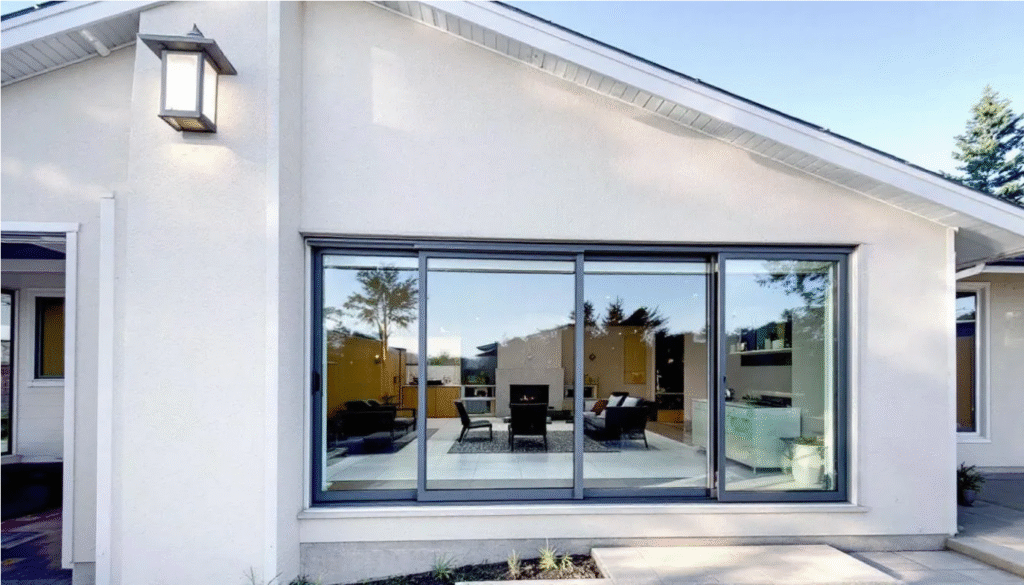
Sliding windows pair exceptionally well with sliding glass doors, creating a cohesive design language that reinforces the ranch emphasis on indoor outdoor living. This combination is particularly popular in ranch homes where living areas open directly onto patios, decks, or gardens. The consistent horizontal lines and similar operation methods create visual harmony while maximizing access to outdoor spaces.
Modern sliding windows address the energy efficiency concerns that plagued earlier versions. Contemporary units feature multiple weatherstripping systems, insulated glass options, and precision manufacturing that eliminates the air leaks common in older sliding window installations. High-performance sliding windows can now achieve energy efficiency ratings comparable to other window types while maintaining their signature wide, unobstructed glass areas.
For ranch homes, sliding windows are available in two-lite and three-lite configurations, with the three-lite option featuring a fixed center panel flanked by operable sections. This configuration maximizes glass area while providing ventilation control, making it an excellent choice for larger rooms where both views and air circulation are priorities.
Picture Windows
Picture windows serve as the centerpiece of many ranch home window installations, providing maximum glass area and unobstructed views that exemplify the style’s connection to outdoor environments. These large, fixed windows don’t open, but they excel at flooding interior spaces with natural light and creating focal points that draw attention to landscaping, water features, or other outdoor amenities.
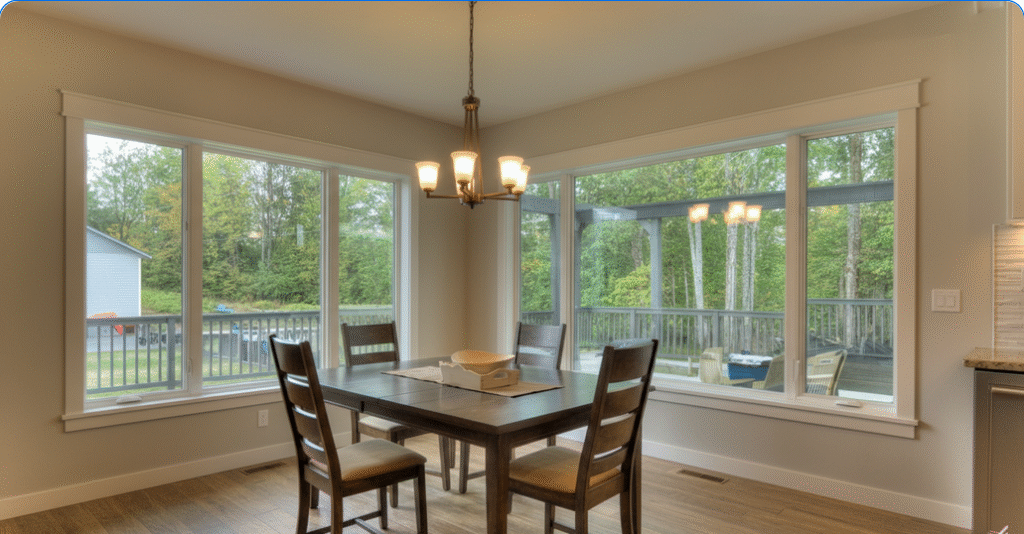
The effectiveness of picture windows in ranch homes stems from their ability to create dramatic visual impact while maintaining the clean, uninterrupted lines that characterize the architectural style. Large picture windows can span 8 to 10 feet or more, creating virtual walls of glass that make interior spaces feel significantly larger and more open. This is particularly valuable in ranch homes where single-story layouts might otherwise feel confined.
Picture windows work best when combined with operable window types to balance views with ventilation. A common and highly effective configuration pairs a central picture window with casement or sliding windows on either side. This arrangement provides the maximum glass area for views and light while offering practical ventilation control for comfort and air quality.
Energy efficiency is crucial when selecting large picture windows for ranch homes. The extensive glass areas can contribute significantly to heat gain in summer and heat loss in winter, making high-performance glazing essential. Modern picture windows feature low-E coatings, argon or krypton gas fills, and insulated frames that maintain comfort while preserving the bright, airy feel that makes ranch interiors so appealing.
The placement of picture windows in ranch homes requires careful consideration of both interior and exterior perspectives. From inside, picture windows should frame attractive outdoor views while providing natural light for daily activities. From outside, they should maintain the home’s horizontal proportions and complement other architectural elements to enhance curb appeal.
Bay and Bow Windows
Bay windows and bow windows offer ranch homeowners opportunities to add architectural interest while maintaining the style’s horizontal emphasis and outdoor connection. These projecting window assemblies create additional interior space, provide panoramic views, and can serve as striking focal points that enhance both interior functionality and exterior curb appeal. They also enhance the mid-century feel of ranch homes, blending modern functionality with the nostalgic charm of the style.
Bay windows typically feature three panels arranged at angles, with a large center section flanked by smaller side panels. For ranch applications, bay windows work best when the center panel is significantly wider than the sides, maintaining horizontal proportions that complement the overall architectural theme. This configuration creates cozy seating areas perfect for reading, morning coffee, or simply enjoying outdoor views.
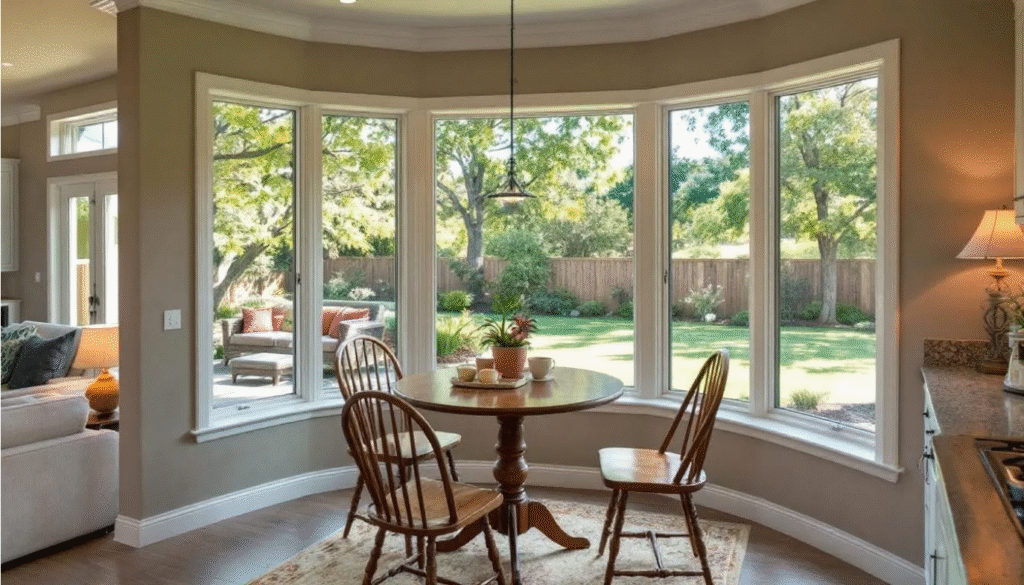
Bow windows consist of four or more panels arranged in a gentle curve, creating a more subtle projection that can span longer distances. This makes bow windows particularly suitable for ranch homes where expansive window installations are desired. The curved configuration provides views in multiple directions while creating interesting interior spaces that can accommodate furniture arrangements or decorative displays.
Both bay and bow windows enhance the indoor outdoor living concept central to ranch design. They extend interior spaces visually and physically into outdoor areas while providing excellent natural light from multiple angles. This is particularly effective in living rooms, dining areas, and breakfast nooks where the additional space and light create more functional and attractive environments.
When selecting bay or bow windows for ranch homes, proportions are crucial for maintaining architectural harmony. The projection should be substantial enough to create meaningful interior space benefits without overwhelming the home’s low profile. Professional installation is essential because these windows require structural modifications and careful weatherproofing to ensure long-term performance.
Design Elements for Authentic Ranch Style
Creating authentic ranch style window installations requires attention to design elements that reinforce the architectural style’s mid-century modern origins while accommodating contemporary performance requirements. The visual details of windows—including colors, grilles, and frame profiles—significantly impact how well they integrate with the overall ranch aesthetic. The trim around ranch-style windows is generally simple and often painted in muted colors, ensuring that it complements the understated elegance of the home.
Window Colors and Finishes
The color palette for ranch style windows traditionally emphasizes neutral colors and earth tones that complement the style’s connection to natural environments. The original ranch aesthetic favored muted colors that would harmonize with landscaping rather than compete for attention, a principle that remains relevant for contemporary installations.
Brown window frames were perhaps the most popular choice in original ranch construction, ranging from rich chocolate tones to lighter coffee shades. These colors complement the natural wood siding, brick, and stone materials common in ranch exteriors while maintaining the understated elegance that defines the style. Brown frames also age gracefully and hide minor dirt or wear better than lighter colors.
Beige and off-white frame colors offer lighter alternatives that work particularly well with ranch homes featuring lighter exterior materials or those located in warmer climates. These neutral tones enhance the bright, airy feel of ranch interiors while maintaining the subtle, non-competing aesthetic that allows outdoor views to take center stage. Off-white frames also complement the pastel accent colors sometimes used in ranch home color schemes.
Contemporary ranch renovations might incorporate slightly bolder color choices while still respecting the style’s fundamental principles. Sage green, soft blue, or charcoal gray frames can add visual interest while maintaining the muted, nature-inspired palette that characterizes authentic ranch design. The key is avoiding sharp contrasts or bright colors that would disrupt the harmonious relationship between the home and its surroundings.
Frame finish quality is equally important for achieving authentic ranch appearance. Smooth, even finishes that minimize texture and visual distraction work best, whether the frames are painted, powder-coated, or feature factory-applied finishes. The goal is creating windows that appear to recede visually, allowing the glass and outdoor views to dominate the visual experience.
Grilles and Muntins
Window grilles in ranch style applications should enhance rather than compete with the architectural style’s clean, horizontal emphasis. The most authentic grille patterns for ranch windows feature simple geometric arrangements that echo the style’s mid-century modern sensibility while providing visual interest without excessive ornamentation.
The 4-over-1 grille pattern represents one of the most appropriate choices for ranch windows, particularly on taller casement or double hung windows. This pattern creates a ladder-like arrangement of rectangular panes that emphasizes vertical proportions within individual window sashes while maintaining horizontal continuity when windows are grouped together. The 4-over-1 pattern works particularly well on casement windows where the narrow width naturally accommodates the stacked rectangular configuration.
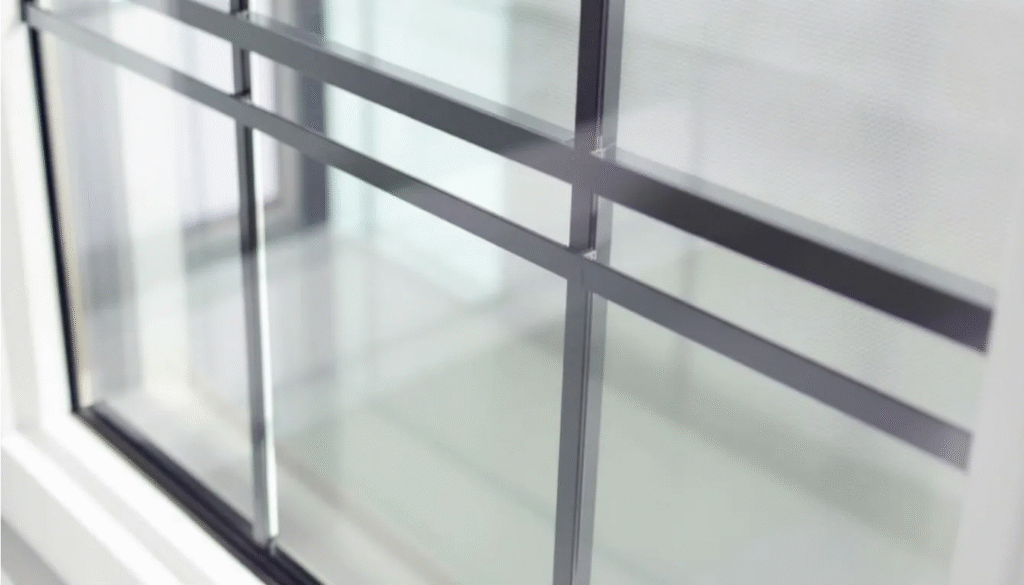
For wider windows, particularly sliding and picture windows, simpler grille arrangements often work better. Single horizontal dividers can break up large expanses of glass without disrupting views, while maintaining the horizontal lines that define ranch architecture. Some ranch homeowners prefer windows without grilles altogether, emphasizing the clean, uninterrupted glass areas that maximize natural light and outdoor views.
Contemporary ranch updates might incorporate more creative grille patterns while still respecting the style’s fundamental principles. Asymmetrical arrangements, subtle geometric patterns, or grilles that align with interior elements like built-in furniture can add visual interest while maintaining the understated elegance that characterizes ranch design.
The material and color of grilles should complement the overall window frame to create a cohesive appearance. Grilles that match frame colors tend to recede visually, emphasizing glass areas and outdoor views. Contrasting grille colors can create more dramatic effects but should be used sparingly to avoid overwhelming the ranch aesthetic.
Frame Profiles and Sight Lines
The profile and proportions of window frames significantly impact how well they integrate with ranch architecture. Ranch style windows should feature narrow, even-width framing that maximizes glass area while creating the sleek, modern appearance that characterizes the architectural style. The goal is achieving frames that appear substantial enough to provide structural integrity and weather protection while maintaining visual lightness that doesn’t compete with outdoor views.
Narrow sight lines are crucial for authentic ranch window appearance. Sight lines refer to the visible width of frame members when viewing the window from inside or outside. Traditional ranch windows featured relatively thin aluminum or steel frames that created minimal visual interruption, and contemporary windows should strive for similar proportions even when using different materials.
Modern window technologies allow for narrow sight lines without compromising performance. Structural glazing techniques, advanced frame designs, and high-strength materials enable contemporary windows to achieve the sleek appearance of original ranch windows while providing superior energy efficiency, weather resistance, and durability.
Frame materials that work well for ranch applications include vinyl, fiberglass, and aluminum, each offering different advantages for achieving the desired profile. Vinyl windows can be manufactured with narrow sight lines while providing excellent insulation properties. Fiberglass frames offer exceptional durability and can be finished to match various color preferences. Aluminum frames, when thermally broken, can provide the narrow profiles most similar to original ranch windows while meeting modern performance standards.
The consistency of frame proportions across different window types is important for creating cohesive installations. When combining casement, double hung, sliding, and picture windows in the same home, frame widths and sight lines should be similar to maintain visual harmony. This attention to detail helps create the seamless, integrated appearance that characterizes well-designed ranch homes.
Energy Efficiency Considerations
Modern ranch style windows must balance authentic aesthetics with contemporary energy performance requirements. The large glass areas characteristic of ranch architecture create both opportunities and challenges for energy efficiency, making thoughtful selection of glazing systems and frame materials crucial for comfort and cost control. Choosing windows with low-E glass, double or triple panes, and UV coatings helps improve energy efficiency while maintaining the bright, open feel that defines ranch living.
Ranch homes, with their extensive use of glass and emphasis on indoor outdoor living, face unique energy challenges. The large windows that create bright, airy interiors can also contribute significantly to heat gain during summer months and heat loss during winter, particularly in homes with original single-pane windows. Upgrading to energy efficient windows can reduce heating and cooling costs by up to 25% while maintaining the bright, open feel that defines ranch living.
Low-E (low-emissivity) glass coatings represent one of the most important technologies for ranch window applications. These microscopically thin metallic coatings allow visible light to pass through while reflecting infrared heat, reducing heat gain in summer and heat loss in winter. For ranch homes with large south- and west-facing windows, low-E coatings can dramatically improve comfort while reducing energy costs.
Double and triple-pane glass systems provide additional insulation compared to single-pane alternatives while maintaining the clear views that make ranch windows effective. The air or gas spaces between glass panes create thermal barriers that reduce heat transfer, with argon or krypton gas fills providing even better performance than air. Triple-pane systems offer the highest insulation values but add weight and cost that may not be justified in all climates.
The frame material and construction significantly impact overall window energy efficiency. Vinyl and fiberglass frames provide excellent insulation properties, while aluminum frames require thermal breaks to prevent heat transfer through the frame material. For ranch applications where narrow sight lines are important, thermally improved aluminum frames can provide the desired appearance while meeting energy efficiency requirements.
Proper installation is crucial for achieving rated energy performance, particularly with the large windows common in ranch homes. Air leaks around window frames can significantly reduce energy efficiency, making professional installation by experienced contractors essential. Weather sealing, proper flashing, and attention to structural requirements ensure that energy efficient windows perform as designed while maintaining the weather resistance necessary for long-term durability.
Climate considerations should influence window selection for ranch homes. In heating-dominated climates, windows with high solar heat gain coefficients can provide beneficial winter heat, while cooling-dominated regions benefit from windows with low solar heat gain coefficients. Working with window professionals who understand local climate conditions helps ensure optimal performance for specific applications.
Modernizing Ranch Windows
Updating the windows in an existing ranch style home requires balancing respect for the architectural style’s integrity with contemporary performance and lifestyle requirements. The goal is enhancing comfort, efficiency, and functionality while preserving the design elements that make ranch homes distinctive and appealing.
Most ranch homes built between 1945 and 1970 feature original single-pane aluminum or steel windows that, while architecturally appropriate, provide poor energy efficiency and limited functionality by today’s standards. These windows often lack adequate weatherstripping, feature minimal insulation properties, and may have operational problems due to age and wear. Replacing them with modern alternatives can dramatically improve home comfort while maintaining authentic ranch character.
The key to successful ranch window modernization lies in selecting replacement units that match the proportions, sight lines, and overall appearance of original windows while incorporating contemporary technologies. This often requires custom or semi-custom windows rather than standard residential units, as the large sizes and specific proportions of ranch windows may not be available in standard product lines.
Extending window openings can create even more dramatic improvements while staying true to ranch design principles. Original ranch windows were often smaller than optimal due to structural or cost constraints during initial construction. Expanding window sizes to create larger picture windows or installing bay windows can enhance natural light, improve views, and create more functional interior spaces while strengthening the indoor outdoor connection that defines ranch living.
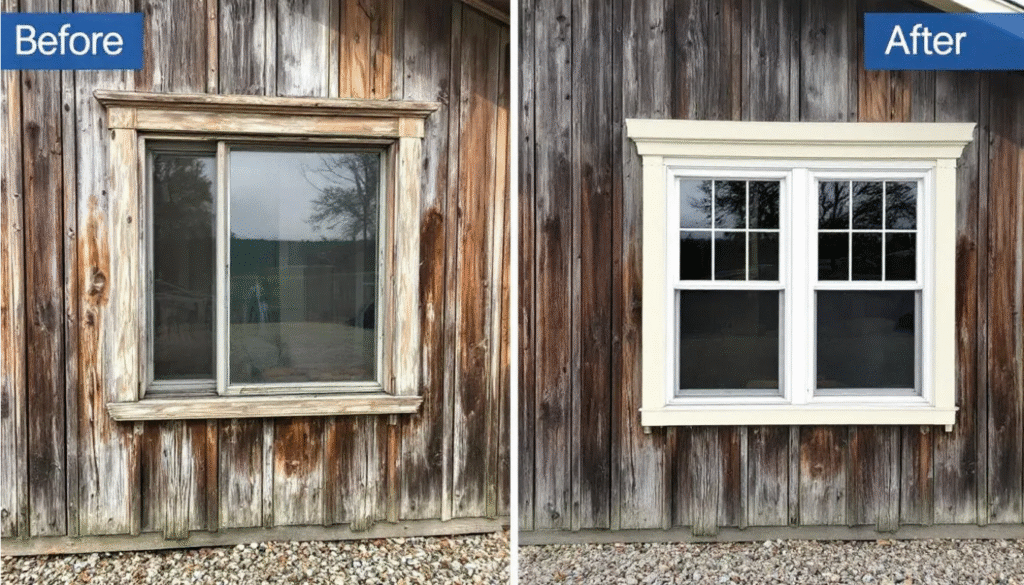
Contemporary trim and casing details can refresh the appearance of ranch windows without compromising their architectural authenticity. Simple, clean trim profiles that emphasize horizontal lines complement both original and replacement windows while providing opportunities to incorporate modern materials and finishes. The key is avoiding ornate or overly decorative elements that would conflict with the ranch aesthetic.
Smart window technologies offer opportunities for enhancing ranch window functionality without visible modifications. Motorized operation for large or hard-to-reach windows, integrated sensors for automated ventilation control, and smart glass technologies that adjust transparency based on lighting conditions can provide modern convenience while preserving authentic appearances.
Professional assessment of existing window openings is crucial for successful ranch window modernization. Structural modifications may be necessary for larger windows, and building codes may require specific performance criteria that influence product selection. Working with contractors experienced in ranch architecture helps ensure that modernization efforts enhance rather than detract from the home’s character.
Installation and Professional Considerations
Professional installation is particularly important for ranch style windows due to their typically large sizes, specific proportional requirements, and the structural modifications often necessary for optimal results. The horizontal emphasis and extensive glass areas that characterize ranch windows require experienced contractors who understand both the aesthetic and technical requirements of these distinctive installations.
Proper sizing and proportions are crucial for maintaining ranch aesthetic integrity. Windows that are too small can make ranch homes appear cramped and disconnected from their outdoor environments, while oversized installations might overwhelm the architectural proportions or create structural concerns. Professional design consultation helps determine optimal window sizes that enhance both interior functionality and exterior curb appeal.
Structural considerations become particularly important when installing large picture windows or bay windows in ranch homes. These installations may require additional framing, foundation work, or structural reinforcement to safely support the weight and wind loads associated with large glass installations. Professional structural analysis ensures that window upgrades enhance rather than compromise home safety and durability.
Timeline and planning considerations for ranch window replacement projects require coordination of multiple trades and careful attention to weather protection. Large window openings expose interior spaces to weather during installation, making timing and temporary protection crucial for preventing damage. Professional contractors experienced with ranch homes understand these requirements and plan accordingly.
Warranty and maintenance requirements vary significantly among different window types and manufacturers. Understanding these requirements before installation helps homeowners make informed decisions about long-term care and potential costs. Professional installers can provide guidance on maintenance requirements and help establish care routines that preserve both appearance and performance over time.
Building code compliance is essential for ranch window installations, particularly when expanding existing openings or changing window types. Energy efficiency requirements, egress regulations for bedrooms, and structural requirements all influence window selection and installation details. Professional contractors ensure that installations meet all applicable codes while achieving desired aesthetic and performance goals.
The coordination of window installation with other home improvement projects can provide cost savings and enhanced results. Combining window replacement with exterior painting, siding updates, or interior renovations allows for better integration of new windows with overall home design while potentially reducing labor costs through project coordination.
Frequently Asked Questions
Can I mix different window types in my ranch home?
Yes, combining different window types is not only acceptable but often recommended for ranch homes. The key is maintaining consistent proportional relationships and sight lines across all window types. A common and effective approach pairs large picture windows in main living areas with casement or sliding windows in secondary spaces, while double hung windows work well in bedrooms. The horizontal emphasis should remain consistent regardless of window type, and frame colors and profiles should match throughout the home to create visual cohesion.
What’s the best way to update 1960s ranch windows without losing the original character?
Focus on matching the proportions and sight lines of your original windows while upgrading to energy efficient materials. Choose replacement windows with narrow frame profiles that replicate the sleek appearance of original aluminum frames, but incorporate modern technologies like low-E glass and insulated construction. Maintain the same opening sizes and locations when possible, and select colors from the traditional ranch palette—browns, beiges, and off-whites. Consider upgrading hardware to more contemporary styles while keeping the overall aesthetic clean and minimal.
How do I choose between wood, vinyl, and fiberglass frames for ranch windows?
For ranch applications, consider each material’s ability to achieve narrow sight lines and clean appearances. Vinyl frames offer excellent energy efficiency and low maintenance at moderate cost, though color options may be limited. Fiberglass frames provide superior durability and can be painted any color, making them ideal for custom color matching. Wood frames offer the most authentic appearance and can achieve very narrow profiles, but require more maintenance. Aluminum frames with thermal breaks can most closely replicate original ranch window proportions while meeting modern energy standards.
Should I add grilles to all my ranch style windows?
Grilles aren’t necessary on all ranch windows and should be used selectively to enhance rather than overwhelm the architectural style. Picture windows and large sliding windows often look best without grilles to maximize unobstructed views. Consider 4-over-1 grille patterns on taller casement or double hung windows where they can add visual interest without disrupting horizontal sight lines. The decision should balance authentic ranch character with your personal preferences for views and natural light. Remember that ranch architecture emphasizes simplicity, so less ornamentation is often more appropriate.
What window features are most important for ranch homes in hot climates?
In hot climates, prioritize low-E glass coatings that reduce solar heat gain while maintaining visible light transmission. Look for windows with low solar heat gain coefficients (SHGC) to minimize unwanted heat gain, particularly on south and west-facing exposures. Excellent ventilation becomes crucial, making operable windows like casement or sliding types important even when paired with picture windows. Consider exterior shading solutions like awnings or landscaping that complement the ranch aesthetic while reducing cooling loads. Proper installation and sealing are essential to prevent air infiltration that can compromise cooling efficiency in large window installations.
