If you’re searching for a home that offers effortless living on a single level, rancher home designs deserve a spot at the top of your list. These single story homes have remained popular since the mid-20th century for good reason—they deliver practical layouts, easy accessibility, and a timeless appeal that works for nearly any lifestyle.
In this guide, you’ll learn exactly what defines a ranch home, how it compares to similar styles, and how to choose or customize the right ranch house plans for your lot and household.
What Is a Rancher Home Design?
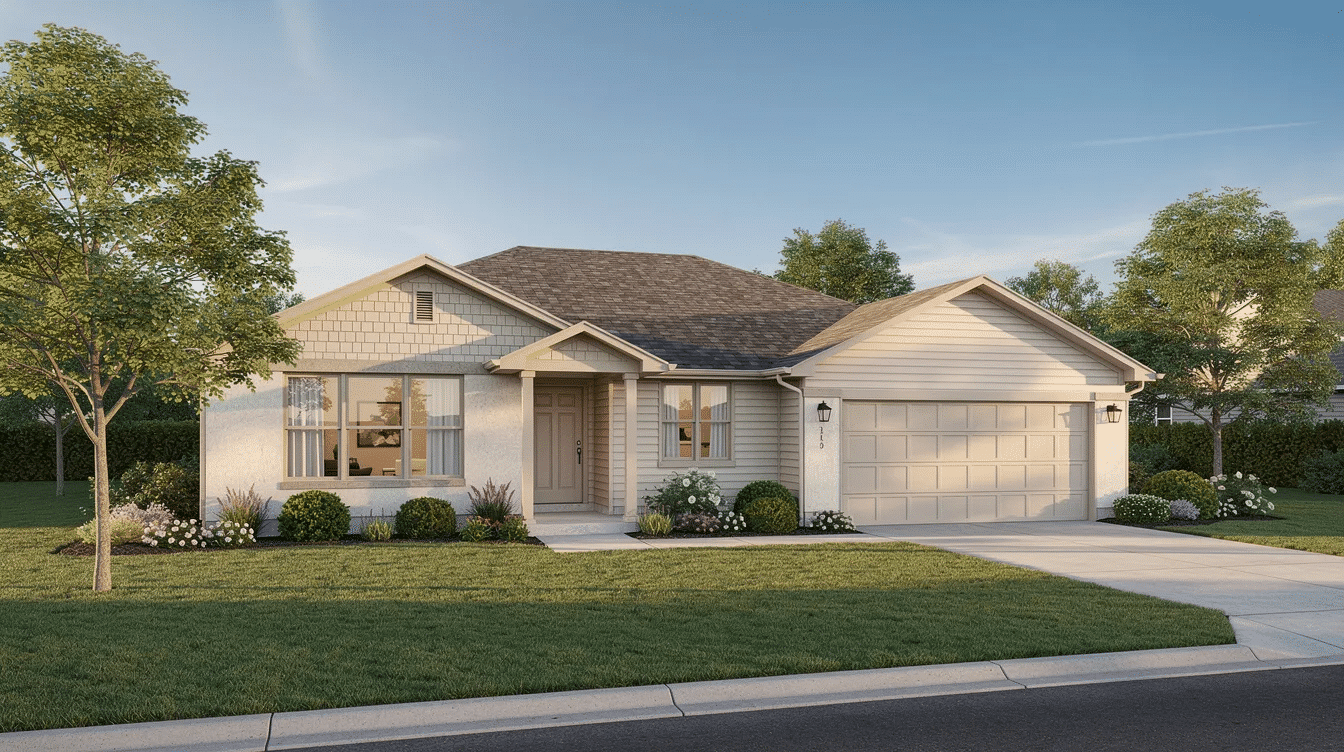
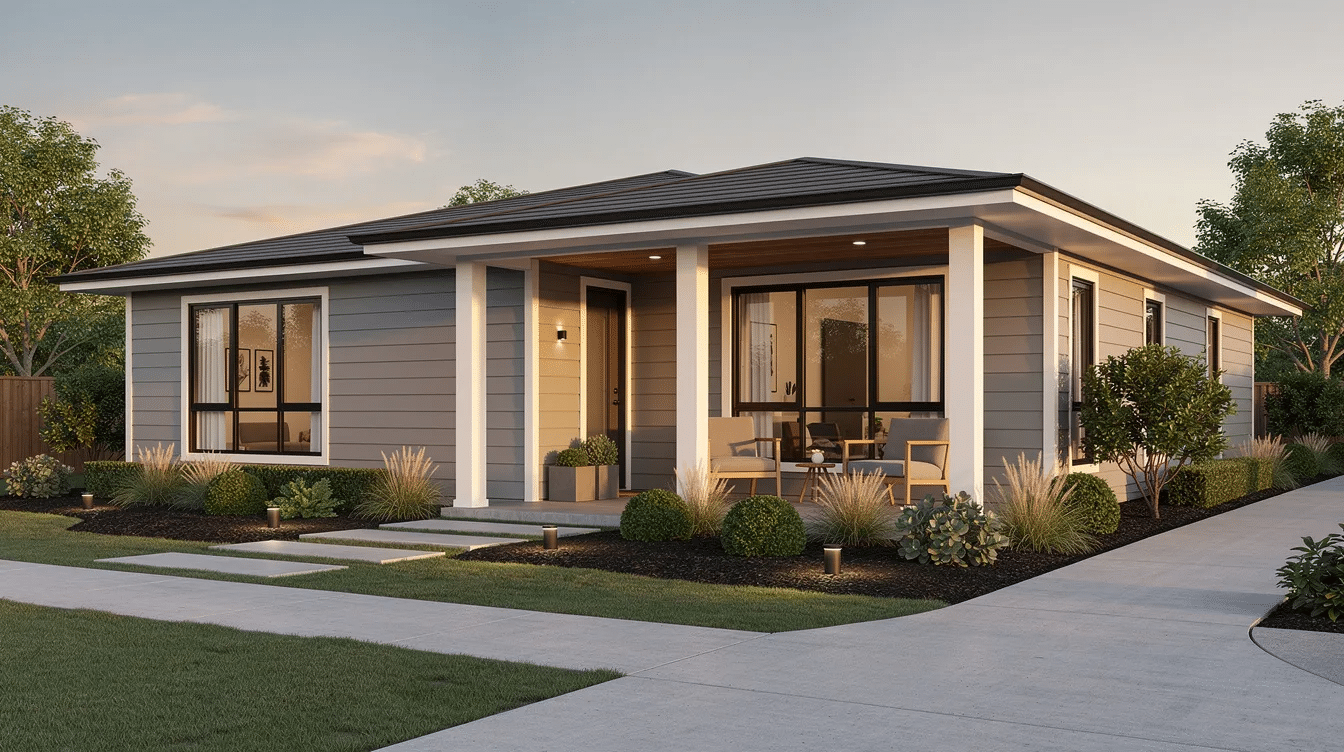
Rancher home designs—also commonly referred to as ranch style homes or ramblers—are single story, horizontally oriented houses that rose to prominence in the United States after World War II. From the late 1940s through the 1960s, these homes became the go-to choice for returning veterans and growing families seeking affordable, informal housing in rural and suburban settings.
At its core, a rancher follows the same basic idea as any ranch style house: one story, a long low profile, and open layouts built for easy flow between rooms. Architect Cliff May pioneered this architectural style in 1930s California, drawing inspiration from Spanish Colonial haciendas and early American farmhouses.
Here are the main characteristics that define a rancher:
- Single story layout with no interior stairs
- Low pitched roof (typically gable or hipped) with wide eaves
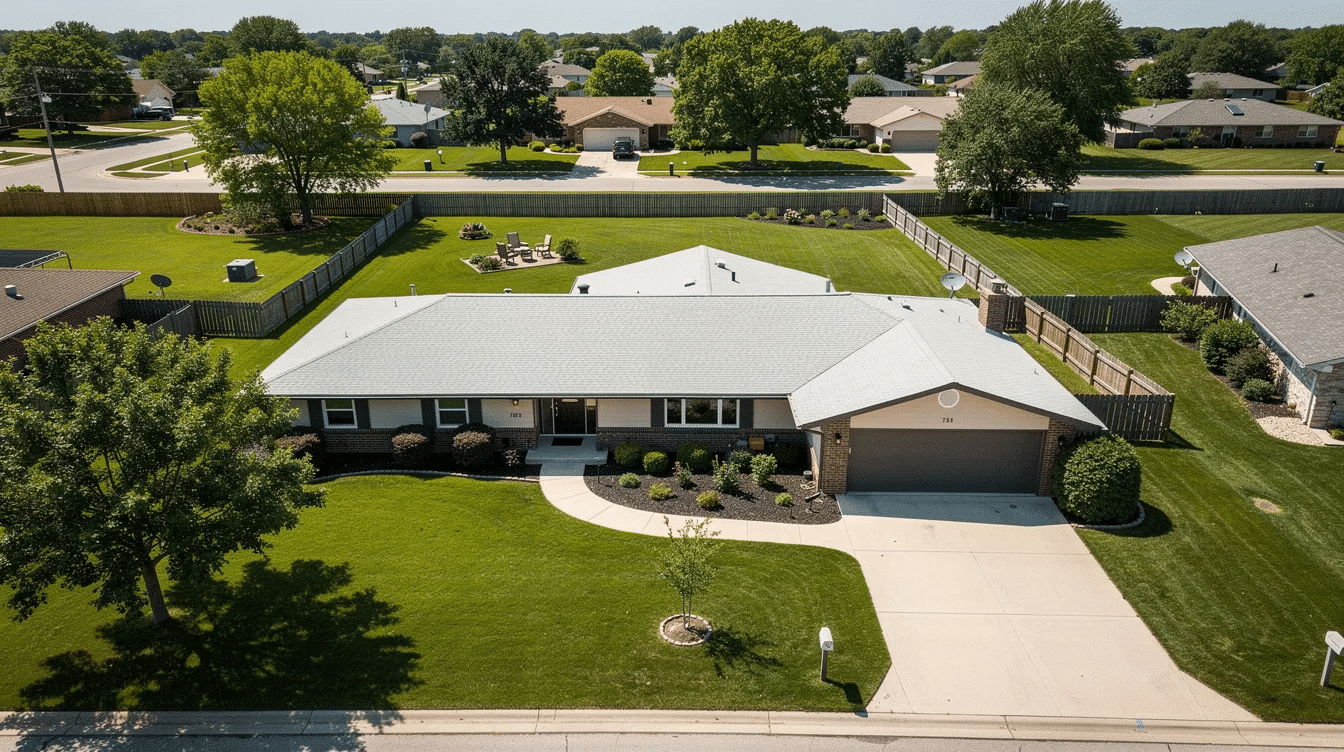
- Wide facade facing the street, emphasizing horizontal sprawl
- Attached garage or carport integrated into the linear footprint
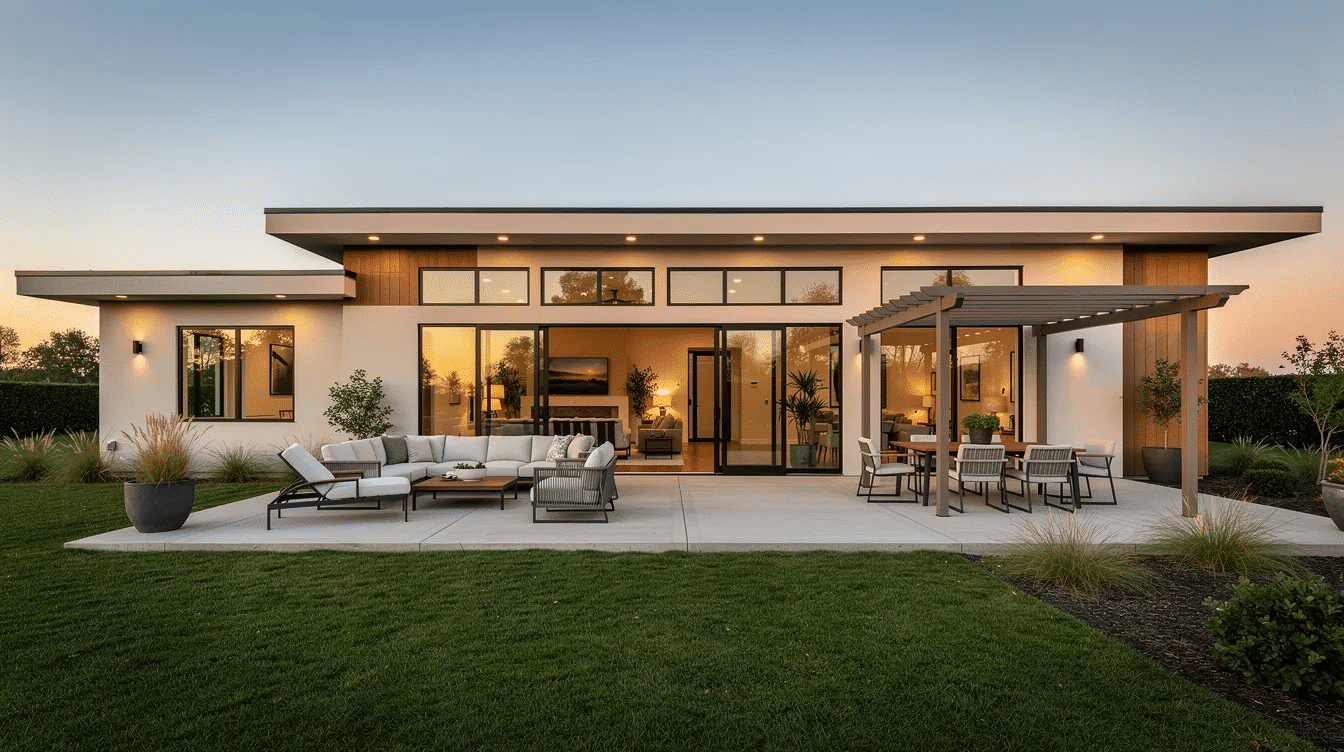
- Sliding glass doors leading to patios or backyards
- Large windows designed to maximize natural light
Rancher home designs remain a top choice in 2026 for young families, downsizers, and anyone who prefers single level living. Their stair-free design makes them ideal for aging in place or households with mobility concerns.
Key Characteristics of Rancher Home Designs
Most ranch house plans share common architectural and layout features, even when the exterior style varies between traditional, modern, or farmhouse aesthetics. Understanding these design elements of a classic ranch style house helps you recognize a true rancher and plan updates that preserve its character.
Low, linear profile: The defining visual feature of any ranch style house is its horizontal, spread-out footprint. Rather than tall, vertical massing, ranchers hug the ground with long, low proportions that emphasize the home’s connection to the landscape.
Ground-hugging rooflines: Ranch homes typically feature low pitched roofs—either gable or hipped—with wide eaves and simple shapes. This keeps the overall profile close to the ground and contributes to the style’s relaxed, informal appearance.
Expansive windows and doors: Large picture windows, sliding glass doors, and corner windows are a common feature of ranch style homes. These exterior features flood interiors with natural light while creating seamless indoor outdoor flow to side- or rear-facing patios.
Open core living area: Inside, ranch home plans prioritize open floor plans that connect living, dining, and kitchen spaces without unnecessary interior walls. By 1950, roughly 68% of ranchers featured this open concept approach. Bedrooms typically cluster together along a single hall or in a split-bedroom layout for privacy.
Versatile exterior materials: Rancher exteriors work well with brick veneer, horizontal lap siding, stucco, twelve-to-fourteen-inch cedar shingles, or mixed materials for more modern takes. Broad, low chimneys often complete the look.
Rancher vs. Other Home Styles
Buyers often confuse ranchers with farmhouses, bungalows, and split-levels. Here’s how to tell them apart so you can identify which architectural style fits your vision.
Rancher vs. Farmhouse:
- A ranch home emphasizes a low, horizontal sprawl with an attached garage and rear-oriented patios
- A farmhouse features vertical massing, prominent gable roofs, oversized front porches, and rural styling with board-and-batten siding or cedar shakes
- Modern “rancher farmhouse” hybrids blend ranch layouts with farmhouse details like metal roofs and large front porches, much like the features highlighted in farm ranch house designs
Rancher vs. Bungalow (key differences between bungalow and ranch homes):
- Bungalows are more compact with steeper roofs and often include finished attics
- Ranchers are broader, clearly one story throughout, and avoid any usable upper-level space
- Ranch style homes typically spread wider across the lot than a bungalow
Rancher vs. Split-Level:
- A true rancher is strictly single level (plus an optional basement), with no interior elevation changes
- Split-levels introduce staggered short flights of stairs between living zones, fracturing the single level design
- A raised ranch includes a finished lower level but still differs from the split-level’s multiple half-stories
Common Rancher Home Floor Plans
Ranch style house plans range from compact starter homes around 1,100 sq ft to sprawling luxury layouts exceeding 3,000 square feet, aligning with typical ranch house dimensions and standards. Understanding common floor plans helps you match the home’s layout to your household size and lifestyle.
Classic 1950s rancher:
- Central living room flanked by separate but adjacent dining and kitchen spaces
- Bedrooms clustered down a single hallway with 1–2 bathrooms
- Attached single-car garage
- Homes typically built between 1,114 square feet (1950 average) and 1,356 square feet by 1959
Modern open-concept rancher:
- Great room merging kitchen island, dining, and living areas into one large space
- Mudroom off the garage for coats, shoes, and storage
- Primary suite separated from secondary bedrooms for private spaces
- More square footage dedicated to outdoor living zones
Popular size ranges in the U.S. today (based on average ranch house dimensions):**
Household Type | Typical Square Footage | Bedrooms |
|---|---|---|
Couples/retirees | 1,400–1,800 sq ft | 2–3 |
Families | 2,000–2,600 sq ft | 3–4 |
Multigenerational | 2,500–3,000+ sq ft | 4+ |
Foundation options by region: |
- Full basements in colder climates provide expandable space for family rooms, storage, or guest suites
- Slab foundation or crawlspace in warmer southern regions minimizes costs and earthwork
A practical example: a 3-bed, 2-bath, 1,700 sq ft rancher with front-facing garage and rear patio offers a perfect fit for most family gatherings while keeping maintenance manageable.
Advantages and Disadvantages of Rancher Home Designs
Rancher designs come with both strengths and trade-offs. Weighing these factors helps you decide whether a ranch home’s style and functionality make sense for your situation.
Pros:
- No interior stairs—ideal for aging in place, young families, anyone with mobility issues, and emergency evacuation
- Simple maintenance thanks to low roofs and ground-level access to all exterior features
- Strong seamless indoor outdoor living through sliding glass doors and large windows connecting living areas to outdoor spaces
- Easy expansion—add decks, sunrooms, or rear additions without disrupting the single story layout
- Universal design appeal that works in both rural settings and suburban settings
Cons:
- Higher construction costs per square foot due to larger roof and foundation areas compared to two-story homes
- Requires wider lots—difficult on narrow lot urban or infill sites unless the plan stays under 40 feet wide
- Less privacy between adults’ and kids’ private spaces since all bedrooms share one level
- Greater material demands for broad exterior walls and roofing
- In hot climates, extensive glass can increase cooling costs without energy-efficient upgrades
Design Ideas to Customize Your Rancher Home
Ranchers are highly adaptable—whether you’re updating a 1960s layout or designing a new build with a modern twist. Looking at beautiful ranch homes that redefine comfort and style can spark inspiration. Here are practical ways to personalize your ranch home.
Interior updates:
- Remove non-load-bearing interior walls to create an open great room
- Install a kitchen island to anchor modern kitchen spaces
- Upgrade to energy-efficient picture windows and clerestory lighting
- Add built-in storage like mudroom cabinetry or hallway bookshelves
Exterior refresh ideas (inspired by ranch home exterior makeover ideas):**
- Layer new horizontal siding over brick bases for contemporary flair
- Update to low-profile architectural shingles or standing-seam metal roof accents
- Group windows in modern configurations to brighten the facade
- Mix materials like stucco with board-and-batten for a California ranch vibe, taking cues from inspiring ranch homes that elevate comfort and style
Curb appeal boosters (perfect for charming cottage ranch style homes):**
- Add a covered front porch that complements the long silhouette
- Refresh the entry door with modern hardware
- Replace dated garage doors with carriage-style or contemporary panels
- Use simple landscaping to emphasize the home’s low profile
Aging-in-place modifications:
- Widen doorways to 36 inches minimum
- Install curbless roll-in showers
- Eliminate interior thresholds for zero-step transitions
- Add LED path lighting in key circulation areas
Plan outdoor living zones—rear patios, side courtyards, or small decks—that align directly with your great room or dining areas. This preserves the classic rancher’s seamless indoor outdoor connection.
How to Choose the Right Rancher Home Design for Your Lot and Lifestyle
Picking the right rancher involves matching the house plan to your site, local climate, and household needs—both now and in the years ahead.
Lot considerations:
- Width and depth limits determine whether standard plans work or if you need a narrow lot design
- Southern orientations favor rear patios for passive solar gain
- Plan how the garage, driveway, and entry will interact with street access and views
Match square footage to life stage:
Life Stage | Recommended Size | Notes |
|---|---|---|
Young couples | 1,200–1,600 sq ft | 2-bedroom layouts |
Growing families | 1,800–2,400 sq ft | 3-bedroom with flexible space |
Multigenerational | 2,500+ sq ft | 4+ bedrooms, separate suites |
Retirees/downsizers | 1,400–1,800 sq ft | Emphasis on accessibility |
Think ahead: Consider potential home offices, guest suites, or accessible features when choosing between 2-bedroom, 3-bedroom, and 4-bedroom modern ranch house plans. A flexible den can become a nursery, office, or craft room as needs evolve. |
Regional design tweaks:
- Covered outdoor spaces and shaded patios in hot Southwest climates
- Larger mudrooms and entry vestibules in Midwest winters
- Hurricane-rated windows and roofing in coastal zones prone to severe weather
Ranch style house plans offer a flexible starting point that you can personalize through finishes, layout tweaks, and thoughtful outdoor spaces. Whether you prefer single story living for accessibility, family convenience, or simply the relaxed vibe of a classic rambler, rancher home designs deliver a simple design that adapts to nearly any lifestyle in 2026 and beyond.