

Key Takeaways
- Red brick ranch houses from the 1950s-1970s can be modernized with strategic color choices, updated trim, and contemporary accents while preserving their classic character
- Complementary paint colors like Benjamin Moore’s Revere Pewter, Kendall Charcoal, and Sherwin Williams’ Urbane Bronze work best with red brick exteriors to create timeless appeal
- Budget-friendly updates under $500 can dramatically improve curb appeal through new front doors, lighting fixtures, and strategic landscaping without major structural changes
- Limewash and strategic painting of trim elements preserve the natural brick character while refreshing the overall appearance and adding modern sophistication
- Modern black windows, copper gutters, and wood accents create striking contemporary contrast against traditional red brick while maintaining the home’s architectural integrity
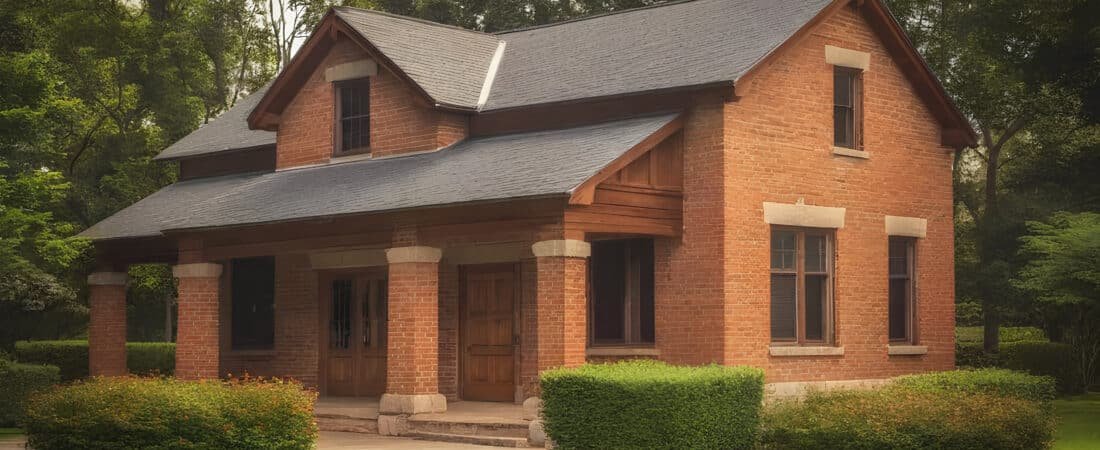
Red brick ranch houses represent one of America’s most enduring residential styles, dominating suburban neighborhoods from the 1950s through the 1970s. These single-story homes, with their distinctive horizontal lines, low-pitched roofs, and often asymmetrical U- or L-shaped footprints, continue to attract homeowners who love their accessibility, solid construction, and potential for modernization. If you’re planning an exterior makeover for your brick ranch or considering purchasing one, this comprehensive guide will help you create a gorgeous transformation that honors the past while embracing contemporary style.
The beauty of a red brick house lies in its timeless appeal and incredible versatility. With the right updates, these homes can transition from dated to stunning without losing their fundamental character. Whether you’re ready to tackle simple updates or planning a major exterior renovation, understanding how to work with red brick opens up a world of design possibilities that can dramatically boost your home’s curb appeal and value.
Understanding Red Brick Ranch House Architecture
The red brick ranch house emerged during America’s post-WWII housing boom, when families were searching for affordable, practical homes that emphasized comfort and connection to outdoor living. These homes typically featured an attached garage, reflecting the suburban living trends of the era. Originally inspired by California’s Spanish colonial architecture and Western ranch buildings, these houses were adapted for mass suburban development across the country, becoming particularly popular in the Southeast and Midwest where red brick was readily available and culturally preferred.
These homes typically feature a long, low profile that creates a strong horizontal emphasis across the landscape. The single-story design eliminates stairs, making them accessible for families with young children and older adults who prefer to live on one level. The low-pitched roof often includes wide, overhanging eaves, which contribute to the home’s streamlined aesthetic and provide practical shading. Most brick ranch homes were built on concrete slab foundations, which was both cost-effective and practical in many climates, though some regions incorporated basements or crawl spaces depending on local conditions.
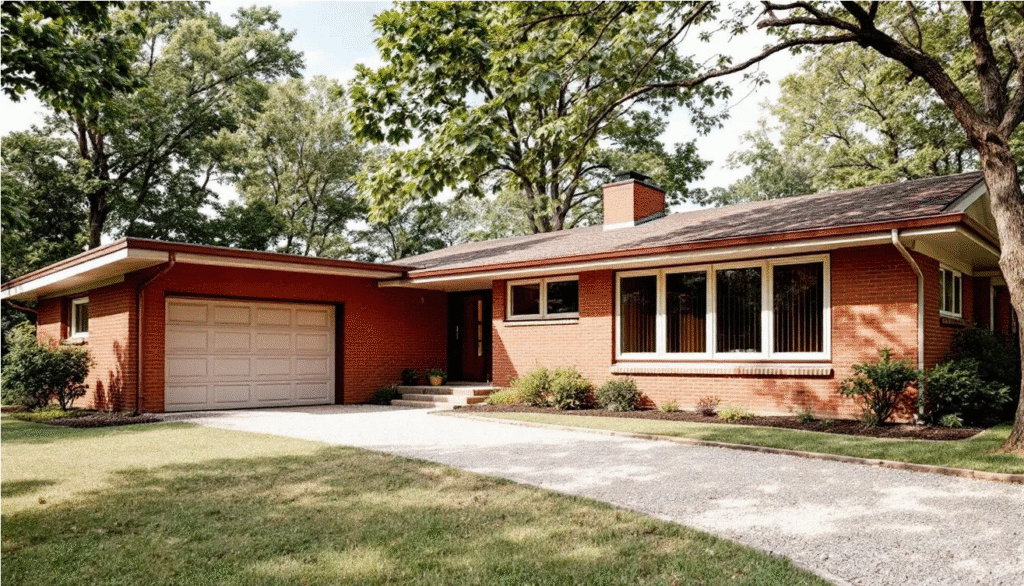
The brick itself ranges from deep red to orange-red variations, depending on the clay source and firing methods used during construction. Many homes feature running bond patterns, though some incorporate decorative elements like soldier courses around windows or contrasting mortar colors that accentuate the brickwork. Understanding your specific brick color and undertones is crucial when planning updates, as different red bricks respond differently to paint colors and accent materials.
Common architectural features include large picture windows that flood interiors with natural light, attached garage doors that often dominate the front facade, and covered front porches or stoops that provide shelter for the main entrance. Ranch homes are also characterized by sliding glass doors that connect indoor and outdoor living spaces, emphasizing the seamless integration of the home with its surrounding environment. These elements, while functional, often represent the biggest opportunities for modern updates that can transform the entire exterior appearance.
Regional variations developed based on local climate, building codes, and cultural preferences. Southern brick ranch homes often feature larger covered porches and extended eaves to provide shade, while Northern examples might include dormers for additional natural light or enclosed entry vestibules for weather protection. These regional differences influence how you approach updates, ensuring that changes complement rather than contradict your home’s geographic context.
Color Schemes That Complement Red Brick
Choosing the right color palette is absolutely critical when updating a red brick ranch house, as the wrong colors can clash dramatically with the existing brickwork while the right choices create a sophisticated, cohesive look. The key is understanding that red brick contains complex undertones that can pull warm or cool depending on lighting conditions and surrounding colors.
Neutral trim colors provide the most versatile foundation for any red brick exterior. Benjamin Moore’s Pale Oak offers a soft, sophisticated gray-beige that works beautifully with most red brick variations, creating a fresh yet timeless appearance. Revere Pewter, another Benjamin Moore favorite, provides slightly more gray undertones that can cool down orange-heavy bricks while maintaining warmth. For those who prefer crisp, clean lines, Simply White delivers classic contrast without the harsh brightness of pure white, which can look stark against red brick.
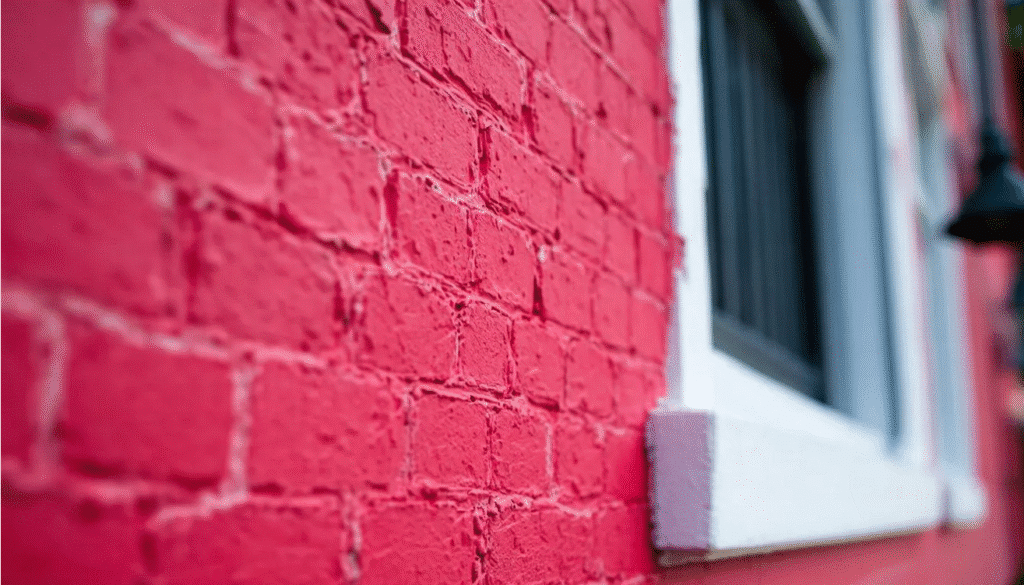
Bold contrast options create more dramatic, contemporary statements that can modernize even the most traditional brick ranch. Sherwin Williams’ Tricorn Black has become increasingly popular for trim, garage doors, and accent elements, providing striking definition against red brick while maintaining sophistication. Benjamin Moore’s Onyx offers similar depth with slightly different undertones that some homeowners prefer. These dark colors work particularly well when balanced with lighter elements and strategic use to avoid overwhelming the facade.
Warm earth tones bridge the gap between neutral and bold, offering rich sophistication without extreme contrast. Benjamin Moore’s Kendall Charcoal provides deep, complex gray-brown tones that complement red brick beautifully while feeling current and sophisticated. Winterwood, from the same manufacturer, offers a gray-green option that can be particularly lovely with brick that has cooler undertones.
When testing paint colors, always view samples in different lighting conditions throughout the day. Red brick can appear dramatically different in morning light versus afternoon sun, and your trim colors should work harmoniously in all conditions. Many homeowners make the mistake of choosing colors based on small samples viewed indoors, only to discover that their choices look completely different on the actual house exterior.
Coordinating roof, gutter, and accent colors ensures a cohesive design that feels intentional rather than piecemeal. Dark roofing materials in charcoal, dark brown, or even black work well with most red brick and trim combinations. Gutters and downspouts should typically match the roof or trim rather than competing with their own color. For those willing to invest in premium details, copper gutters develop a beautiful patina over time that complements red brick magnificently.
Modern Updates for Traditional Red Brick Ranches
Transforming a traditional red brick ranch into a contemporary showpiece requires strategic updates that respect the home’s architectural bones while introducing modern elements that enhance both function and aesthetics. The most impactful changes often involve windows, doors, and carefully chosen material additions that create visual interest without overwhelming the existing structure.
Window replacements represent one of the most dramatic updates you can make to a brick ranch house. Original windows from the 1950s-1970s were often single-pane with thin aluminum frames that lack both energy efficiency and visual impact. Modern black window frames with grid patterns create stunning contrast against red brick while providing contemporary sophistication. These work particularly well when you maintain consistent proportions and avoid changing window sizes, which can disrupt the home’s balanced facade.
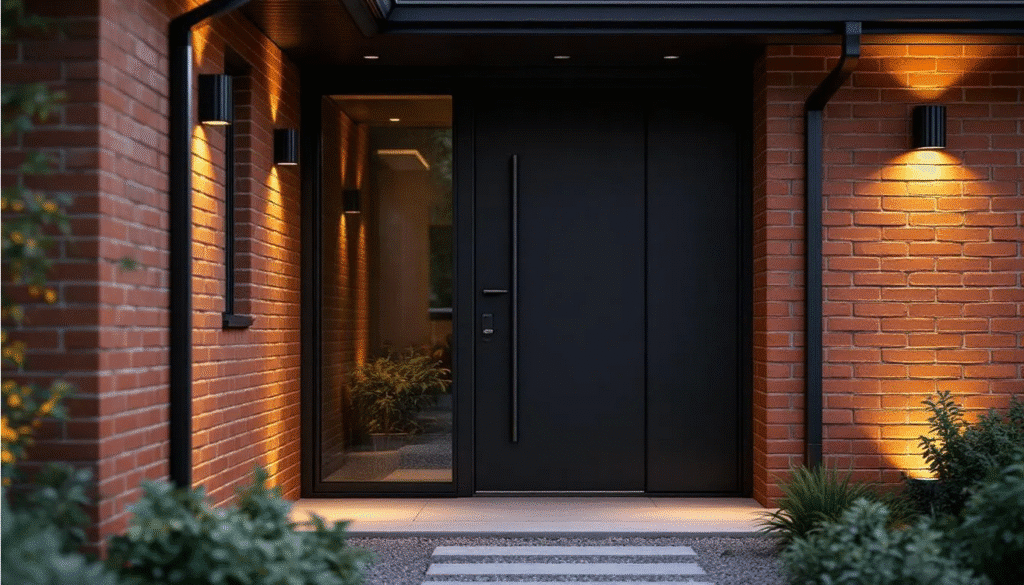
The front door serves as the focal point of any house exterior and offers incredible opportunity for both color and style updates. Steel doors with contemporary paneling provide security and style, while wood doors add warmth and natural texture that complements brick beautifully. Fiberglass options split the difference, offering durability with the appearance of wood grain. The door color should coordinate with your overall palette—bold choices like navy blue or forest green can be stunning, while classic black provides timeless elegance.
Siding additions can transform the proportions and visual interest of a brick ranch without major structural work. James Hardie vertical panels, when used strategically as accent elements, can break up long horizontal facades while introducing texture and contemporary flair. These work particularly well around garage areas, upper gables, or as accent walls that define the main entrance. The key is using them as accents rather than attempting to cover large portions of the existing brick.
Architectural elements like dormers, covered porches, and updated rooflines can add both visual interest and functional space. Dormers break up the horizontal roofline while providing opportunities for additional interior light and character. Covered front porches create inviting entrance areas that enhance curb appeal while providing practical weather protection. When planning these additions, work with professionals to ensure that new elements complement rather than compete with the existing brick architecture.
Garage door modernization often provides the biggest visual impact for the investment, since garage doors frequently dominate ranch house facades. Wood-look finishes in warm browns or contemporary grays can replace dated panels, while updated hardware and decorative elements add sophistication. Consider carriage-house style doors with windows that echo the main house fenestration, or sleek contemporary panels that complement modern updates elsewhere on the exterior.
Exterior Material Combinations
Successfully combining materials with red brick requires understanding how different textures, colors, and patterns work together to create cohesive design. Natural wood accents provide warmth and texture that complements brick beautifully while introducing organic elements that soften the manufactured appearance of suburban ranch architecture.
Cedar or redwood siding, when used as accent elements, weathers naturally to gorgeous gray tones that work with virtually any red brick color. These materials work particularly well for covering foundation areas, creating accent walls around entrances, or adding texture to large blank wall areas. The key is allowing the wood to age naturally rather than fighting the weathering process with constant staining or painting.
Stone veneer additions around foundations, chimneys, or as accent features can add substantial visual weight and sophistication to ranch house exteriors. Natural stone in complementary earth tones creates interesting texture variations while maintaining the solid, permanent feel that makes brick ranch houses so appealing. Manufactured stone veneers offer similar aesthetics at lower cost and weight, making them practical for many renovation projects.
Metal roofing in dark bronze or charcoal provides contemporary contrast while offering superior durability and energy efficiency compared to traditional asphalt shingles. Standing seam metal roofs create clean, linear patterns that complement the horizontal emphasis of ranch architecture while introducing modern materials that will last for decades. The initial investment is higher than traditional roofing, but the longevity and energy savings often justify the cost.
Copper gutters and downspouts represent premium finishing touches that develop beautiful patina over time. Initially bright copper gradually develops gorgeous blue-green tones that complement red brick magnificently while providing excellent durability. While copper costs significantly more than aluminum alternatives, the aesthetic impact and longevity make it a worthwhile investment for homeowners committed to creating truly exceptional exteriors.
Budget-Friendly Curb Appeal Improvements
Not every exterior improvement requires major investment or professional installation. Strategic, budget-conscious updates can create dramatic transformations that make your red brick ranch house the envy of the neighborhood while keeping costs well under control. The secret lies in identifying high-impact changes that maximize visual improvement per dollar spent.
Front door painting projects under $100 can completely transform your home’s entrance and create a welcoming focal point that draws the eye. High-quality exterior paint in bold colors like navy blue, forest green, or classic black provides stunning contrast against red brick while lasting for years with proper preparation. The key is thorough surface preparation, including cleaning, sanding, and priming, followed by two coats of premium exterior paint designed for the door material.
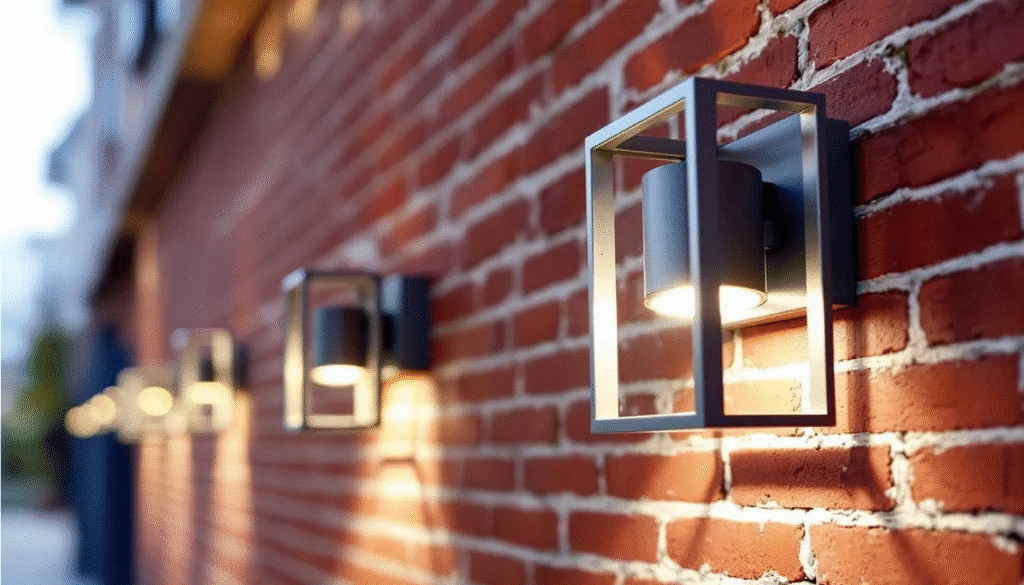
Updated exterior lighting with modern fixtures ranging from $50-200 each can dramatically improve both function and aesthetics while being simple weekend projects for most homeowners. Replacing dated coach lights with contemporary sconces flanking the front door creates instant modernization. Solar-powered path lighting provides safety and ambiance without electrical work, while updated porch ceiling fixtures can transform covered entrance areas.
Shutter removal or replacement often provides immediate improvement by cleaning up architectural lines and eliminating dated decorative elements. Many ranch houses built in the 1960s and 1970s feature non-functional shutters that simply clutter the facade without serving any purpose. Removing these entirely often creates cleaner, more sophisticated lines, though replacement with properly sized, functional shutters can work in some situations.
Mailbox and house number upgrades provide polished finishing touches that signal attention to detail and pride of ownership. Modern mailbox designs in materials that complement your exterior updates create cohesion, while updated house numbers in contemporary fonts and finishes ensure your address is both visible and stylish. These small details contribute significantly to overall curb appeal while requiring minimal investment.
DIY landscaping with native plants that complement red brick exteriors can provide immediate impact while establishing long-term beauty. Plants with gray-green foliage like lavender, Russian sage, or ornamental grasses provide subtle contrast to red brick while requiring minimal maintenance once established. Seasonal color through carefully chosen annuals and perennials can add vibrancy without overwhelming the architectural elements.
Quick Weekend Projects
Power washing brick and walkways provides immediate improvement that costs virtually nothing beyond equipment rental or purchase. Years of accumulated dirt, mildew, and organic growth can dull even the most beautiful brick, making this simple step one of the highest-impact improvements available. Use appropriate pressure settings and cleaning solutions designed for masonry to avoid damaging mortar joints or brick surfaces.
Installing window boxes with seasonal plantings creates charming focal points that add life and color to ranch house facades. Window boxes work particularly well under large picture windows, providing opportunities for seasonal displays that keep the exterior looking fresh and cared for throughout the year. Choose box materials and colors that coordinate with your trim and overall color scheme.
Updating porch railings with modern materials and designs can transform covered entrance areas from dated to contemporary without major structural work. Simple metal railings in black or bronze provide clean lines and durability, while wood railings can add warmth and natural texture. The key is choosing designs that complement rather than compete with the overall architectural style.
Adding outdoor wall sconces flanking the front entrance creates symmetry and sophisticated lighting that enhances both security and aesthetics. These fixtures should coordinate with other exterior lighting choices while providing adequate illumination for the entrance area. Many modern sconces include LED technology that provides excellent light while minimizing energy consumption.
Landscaping for Red Brick Ranch Houses
Thoughtful landscaping can address one of the most common challenges of ranch house design: their horizontal emphasis and sometimes monotonous facade. Strategic plant choices, foundation plantings, and hardscape elements can break up long lines while creating inviting outdoor spaces that complement the home’s architecture and enhance overall curb appeal.
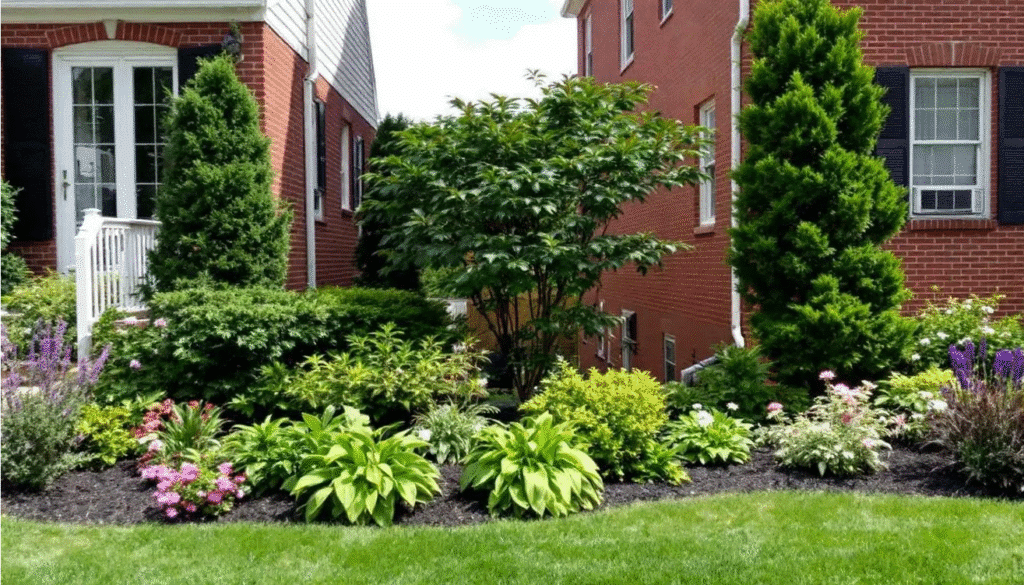
Plant selections that complement red brick should consider both color harmony and the home’s horizontal architecture. Boxwood provides classic evergreen structure that works year-round, while its deep green color complements virtually any red brick variation. Hostas offer excellent foliage contrast in shaded areas, with their broad leaves providing textural interest against brick’s regular patterns. Ornamental grasses like fountain grass or miscanthus create movement and softness while their vertical growth helps balance the home’s horizontal emphasis.
Foundation plantings serve multiple purposes: softening the connection between house and ground, hiding utilitarian elements like foundations and utility connections, and providing year-round structure to the landscape design. The key is creating varied heights and textures that break up the horizontal lines without overwhelming the architecture. Layered plantings with evergreen shrubs as backbone, deciduous shrubs for seasonal interest, and perennials for color create depth and visual interest throughout the year.
Walkway materials should coordinate with the house exterior while providing safe, attractive access to entrances. Bluestone offers sophisticated gray tones that complement most red brick colors while providing durable, slip-resistant surfaces. Flagstone provides similar benefits with more varied coloration and natural texture. Brick pavers can create continuity with the house exterior, though they require careful color coordination to avoid overwhelming the design with too much red.
Seasonal color through annuals and perennials should be planned to complement rather than compete with the brick exterior. Cool-toned flowers like blues, purples, and whites typically work better than warm oranges and reds, which can clash with red brick undertones. Plants with silver or gray foliage provide excellent contrast while maintaining sophistication. Consider the bloom timing to ensure continuous color throughout the growing season.
Tree placement requires careful consideration of the ranch house’s low profile and horizontal emphasis. Trees should frame the house rather than hide it, providing scale and vertical elements without overwhelming the architecture. Shade trees positioned to provide summer cooling while allowing winter sun can improve energy efficiency. Ornamental trees near entrance areas can create focal points and seasonal interest without blocking important sight lines or architectural features.
Common Challenges and Solutions
Working with red brick ranch houses presents unique challenges that require thoughtful solutions to achieve successful updates. These homes emphasize accessibility, open floor plans, and a less-ornate exterior compared to Victorian homes, making them ideal for modern living. Understanding these common issues and their proven solutions can help you avoid costly mistakes while creating the exterior transformation you envision.
Dealing with orange-toned brick represents one of the most frequent challenges homeowners face. Many red bricks from the 1960s and 1970s have strong orange undertones that can appear dated or clash with contemporary color schemes. The solution lies in choosing cooler paint colors that balance these warm tones rather than fighting them. Gray-based whites, soft blues, and charcoal grays can neutralize orange undertones while maintaining sophistication. Avoid warm whites or beiges, which can amplify orange tones and create an unflattering appearance.
Updating dated architectural features without major structural changes requires creativity and strategic thinking. Many ranch houses feature elements like decorative iron columns, ornate light fixtures, or dated trim details that can be updated or removed without affecting structural integrity. Simple column wraps in contemporary materials, updated lighting fixtures, and clean trim profiles can modernize these elements significantly. The key is identifying what to preserve, what to update, and what to remove entirely.
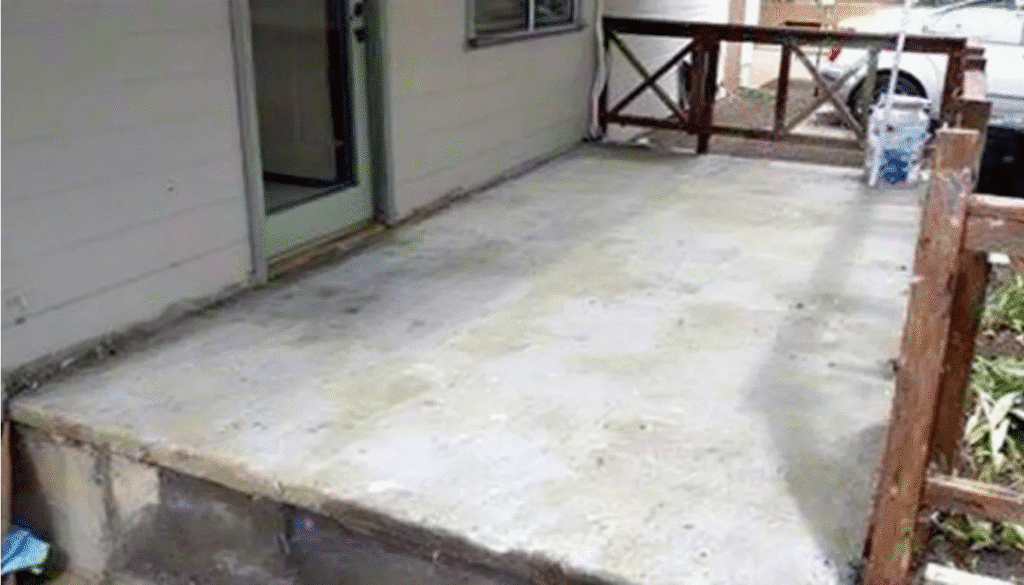
Working with existing concrete porches and walkways in design updates can be tricky since these elements are expensive to replace but often contribute to dated appearances. Strategic solutions include staining concrete in colors that complement your new palette, adding decorative overlays or stamped patterns, or partially covering with more attractive materials like natural stone or tile. Planters and landscaping can also soften harsh concrete edges while adding visual interest.
Coordinating updates across long ranch facades requires careful planning to ensure visual cohesion rather than a patchwork appearance. The horizontal emphasis of these homes means that inconsistent updates become particularly noticeable. Develop a comprehensive plan that addresses trim, windows, doors, and landscaping as a unified design rather than tackling elements in isolation. This approach ensures that each update contributes to the overall vision rather than creating visual confusion.
Managing moisture and maintenance issues specific to brick exteriors requires understanding how brick and mortar interact with water. Proper drainage away from foundations, maintaining mortar joints, and ensuring adequate ventilation behind any added siding materials prevents moisture problems that can damage both brick and interior spaces. Regular inspection of mortar joints and prompt repair of any cracks or deterioration maintains both appearance and structural integrity.
Professional vs. DIY Considerations
Understanding when to hire professionals versus tackling projects yourself can mean the difference between successful updates and costly mistakes. Certain aspects of red brick ranch renovations require specific expertise and equipment, while others are well-suited to motivated homeowners with basic skills and tools.
Professional installation becomes essential for structural changes, electrical work, and major exterior modifications. Roof work, window replacements, and siding installations typically require permits, specialized tools, and experience that justify professional costs. These projects also involve safety risks and potential liability issues that make professional installation advisable for most homeowners. Additionally, professional work often includes warranties and insurance coverage that provide long-term protection.
DIY-friendly projects that homeowners can tackle safely and effectively include painting, basic landscaping, fixture replacement, and many decorative updates. Front door painting, mailbox installation, and garden bed creation require minimal specialized knowledge while providing significant visual impact. Power washing, seasonal decorations, and basic maintenance tasks help homeowners maintain their improvements over time while building skills and confidence.
Cost breakdowns for common red brick ranch renovation projects vary significantly by region and project scope. Professional exterior painting typically ranges from $8,000-15,000 for a complete ranch house, while DIY painting might cost $1,000-3,000 in materials. Window replacement projects often run $300-800 per window professionally installed, compared to $150-400 per window for DIY installation plus materials. Understanding these cost differences helps homeowners prioritize projects and allocate budgets effectively.
Timeline expectations vary dramatically between DIY and professional projects. Professional exterior painting might be completed in 3-5 days, while DIY projects often extend over several weekends. Window replacements by professionals typically take 1-2 days per house, while DIY installations might require several weekends depending on the homeowner’s skill level and available time. Factor these timeline differences into your planning, especially when coordinating multiple projects.
Permits and approvals needed for structural changes and additions vary by location but typically include any modifications that affect the home’s footprint, electrical systems, or structural elements. Adding dormers, covered porches, or significant siding changes often require permits and inspections. Check with local building departments early in your planning process to understand requirements and avoid delays or compliance issues that could complicate your project.
Remember that some improvements add more value than others when you’re planning an exterior makeover. Paint, landscaping, and front door updates typically provide excellent return on investment, while major structural changes may not recoup their full cost upon resale. Consider your long-term plans for the house when deciding how much to invest in various improvements.
The most successful red brick ranch house updates often combine professional work for major elements with DIY projects for finishing touches and ongoing maintenance. This approach maximizes both quality and budget while allowing homeowners to create truly personalized exteriors that reflect their style and preferences. Whether you’re planning simple updates to refresh your home’s appearance or comprehensive renovations to create a showpiece, understanding these considerations helps ensure successful results that you’ll love for years to come.
Start by identifying the most impactful improvements for your specific house and budget, then create a timeline that allows for both professional and DIY elements. With thoughtful planning and strategic execution, your red brick ranch house can become a stunning example of how classic architecture adapts beautifully to contemporary living and style preferences. The key is respecting the home’s fundamental character while embracing updates that enhance both function and beauty, creating an exterior that honors the past while looking confidently toward the future.
FAQ
Should I paint my red brick ranch house completely? Painting brick is a permanent decision that can affect resale value and requires ongoing maintenance. While some homeowners successfully paint brick for dramatic color changes, most experts recommend strategic trim painting and accent updates instead. These approaches preserve the natural brick character while refreshing the overall appearance and typically provide better long-term value.
What’s the best way to update a 1970s red brick ranch on a tight budget? Focus on the front door, lighting fixtures, and strategic landscaping first – these three elements can transform curb appeal for under $500 total. A fresh coat of paint on the front door in a bold color, updated exterior lighting with modern fixtures, and well-planned foundation plantings provide maximum visual impact while keeping costs minimal.
How do I choose exterior colors that won’t clash with orange-red brick? Test paint samples in different lighting conditions throughout the day and choose cooler neutrals like gray-based whites, charcoals, and soft blues that balance the warm brick tones. Avoid warm whites, beiges, or colors with yellow undertones, which can amplify the orange and create an unflattering appearance.
Can I add a second story to a red brick ranch house? While structurally possible, adding a second story is expensive and may require significant foundation reinforcement since ranch houses were designed as single-story structures. Consider dormers, bump-outs, or finished basement conversions as more cost-effective alternatives for additional living space that maintain the home’s architectural character.
What landscaping works best with the long horizontal lines of a ranch house? Use foundation plantings in varying heights to break up the horizontal facade, and consider curved planting beds and walkways to soften the linear architecture. Vertical elements like ornamental grasses or upright shrubs help balance the horizontal emphasis, while layered plantings create depth and visual interest that enhances rather than overwhelms the home’s proportions.
